Three days in Copenhagen
As tradition has demanded for a few years now, we organised a little girls’ trip with my friend Margot. In March 2022, off to Copenhagen then!
As tradition has demanded for a few years now, we organised a little girls’ trip with my friend Margot. In March 2022, off to Copenhagen then! We booked our plane tickets with Easyjet at the end of December because we had spotted a great deal: 49€ return for a long weekend from Thursday evening to Sunday evening (from Paris CDG). Impossible to pass up that opportunity, and we really wanted to discover this city in northern Europe.
Three days were enough for us to get a good overview of the city: here are our recommendations.
What to see in Copenhagen
Indre By district, the city centre
Kastellet
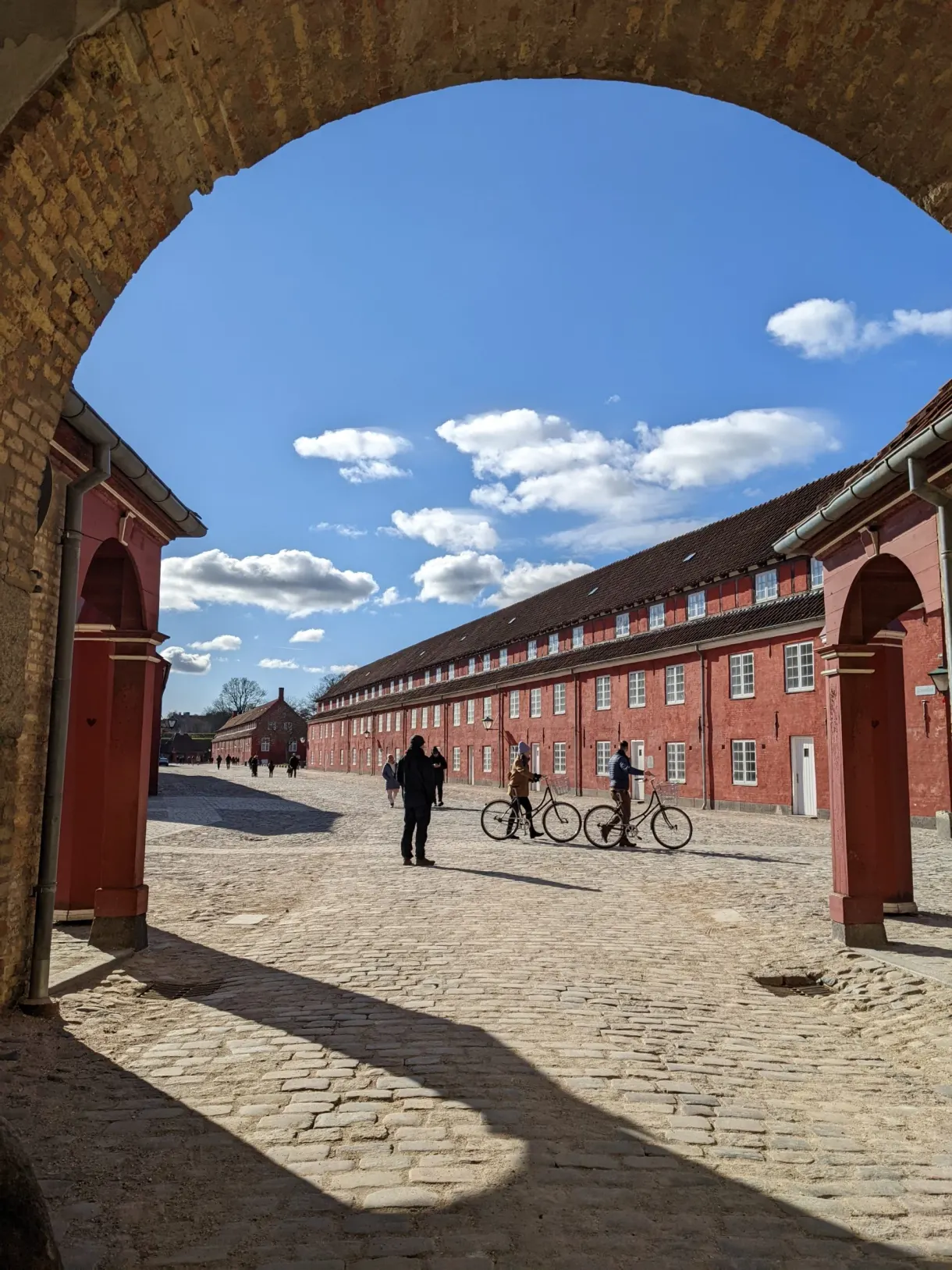
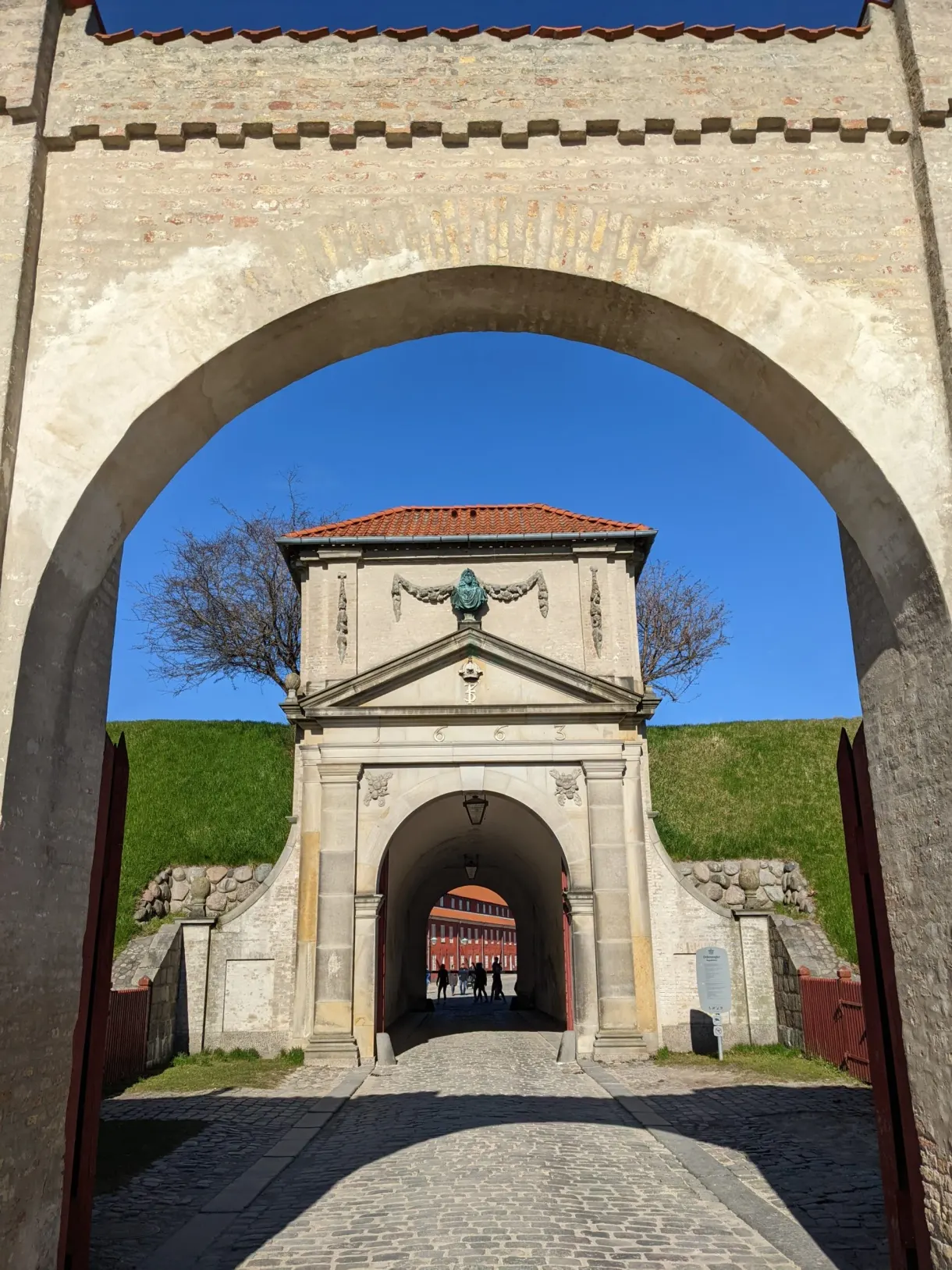
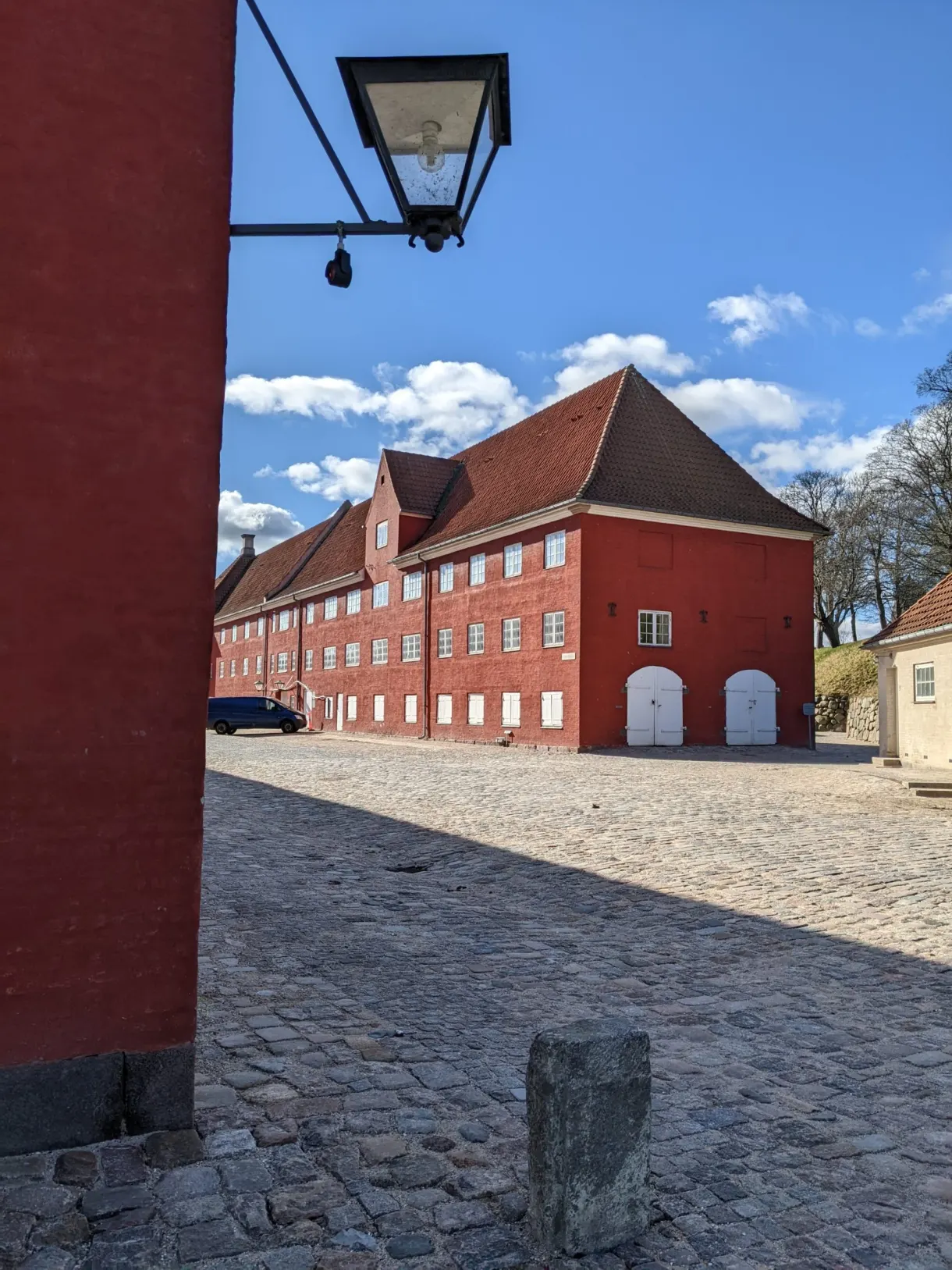
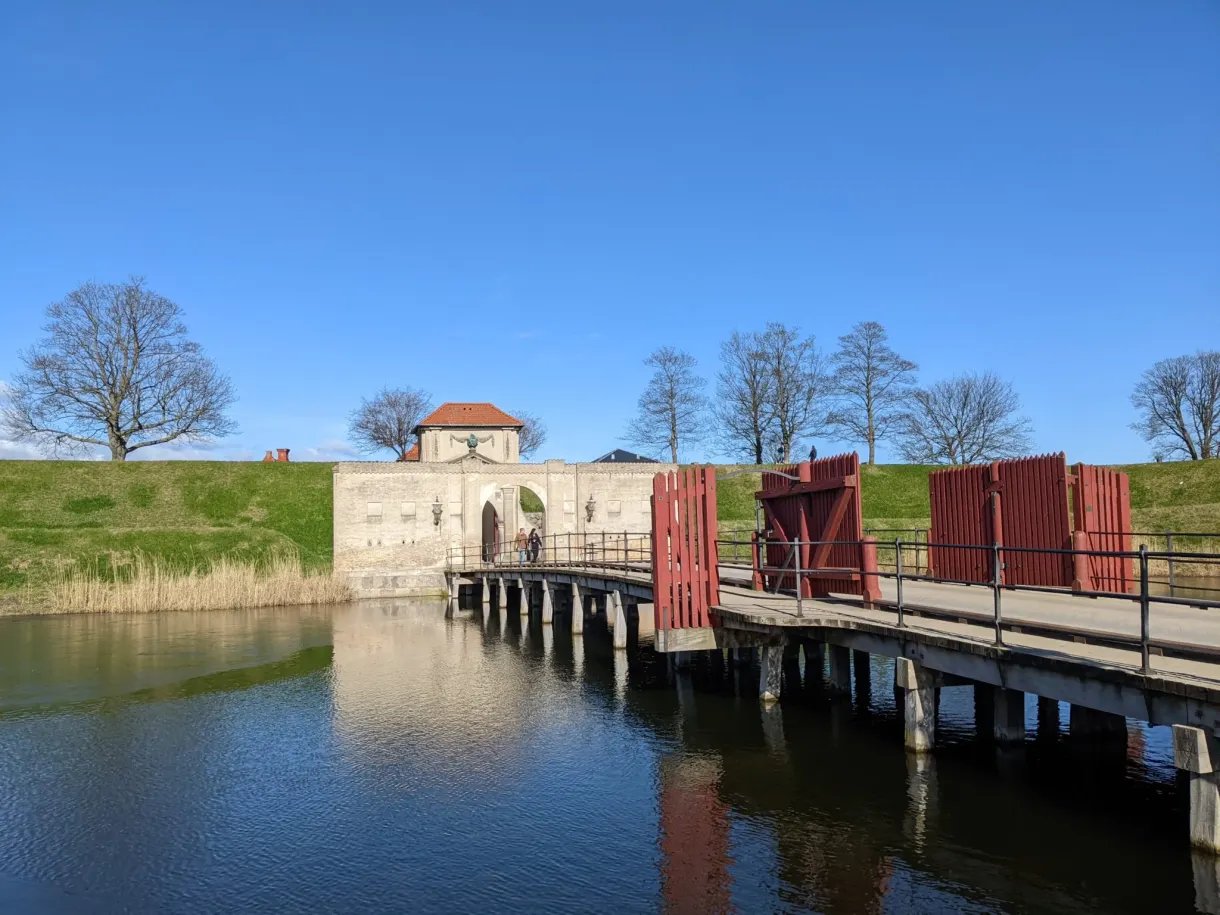
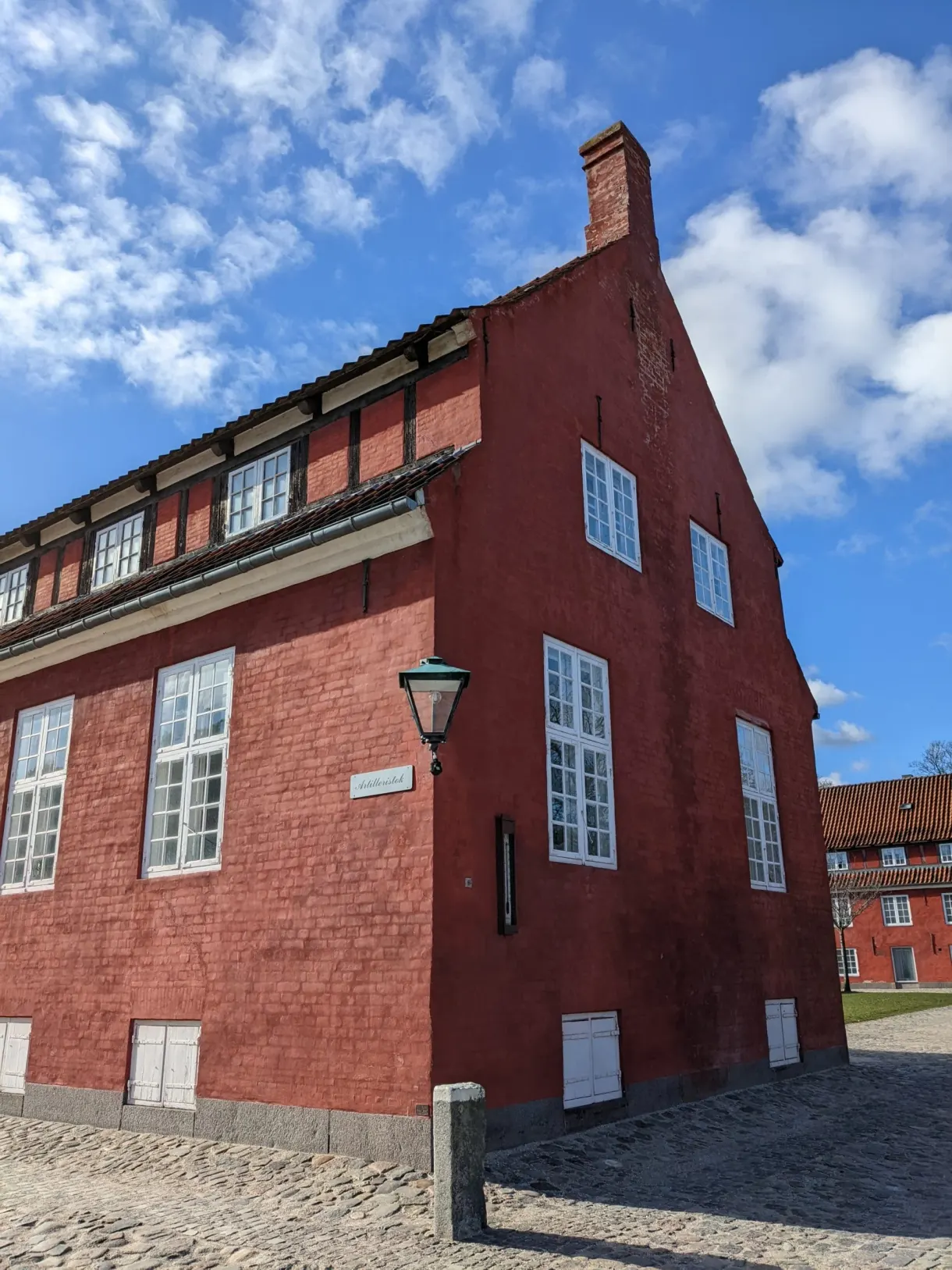
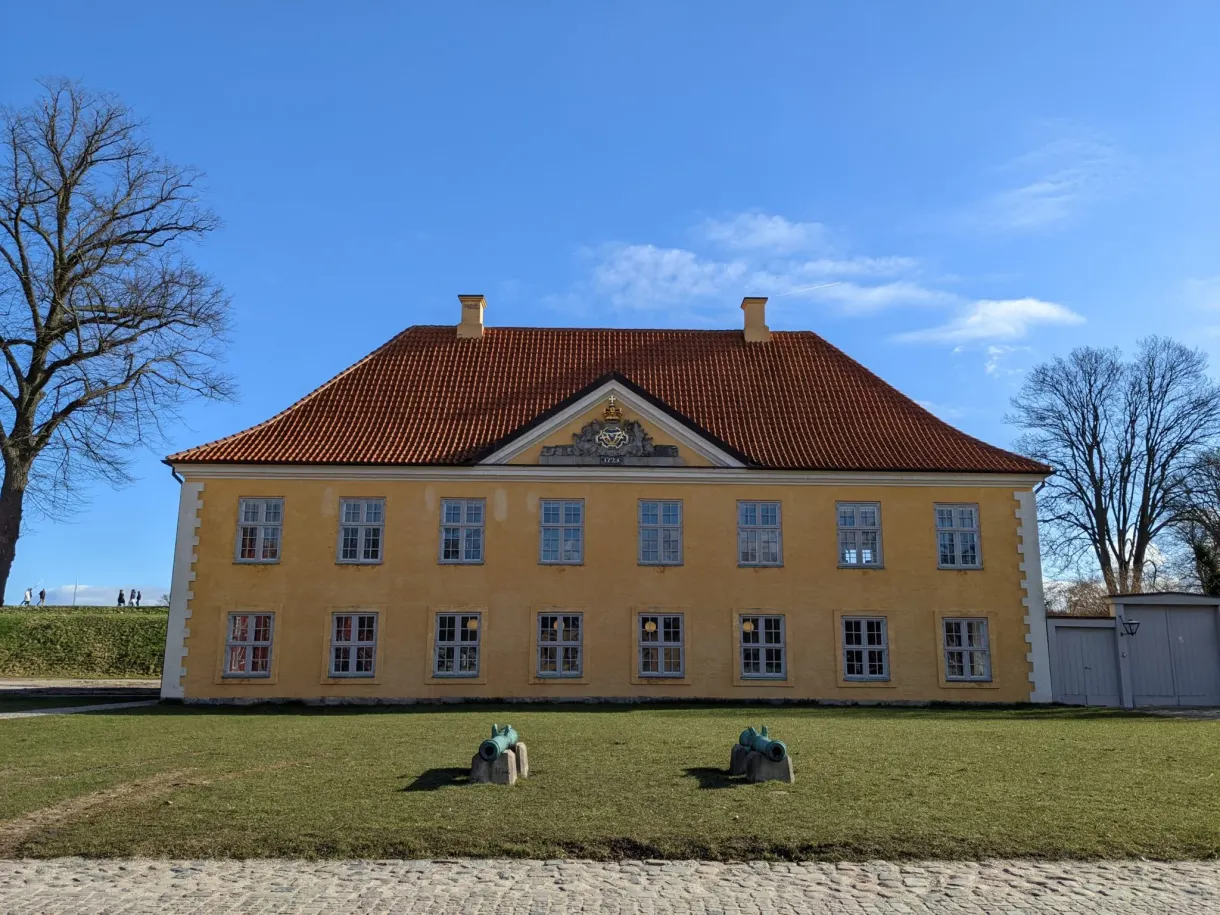
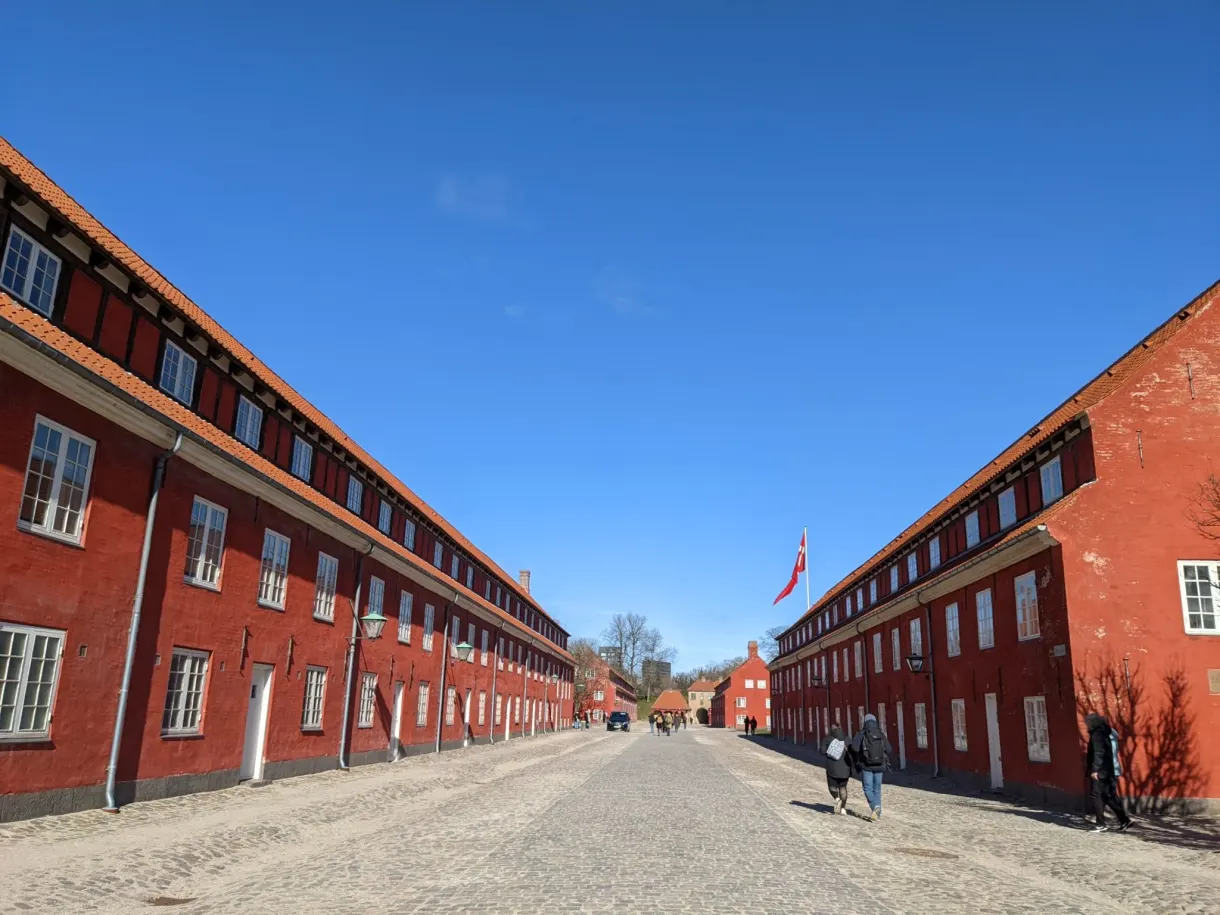
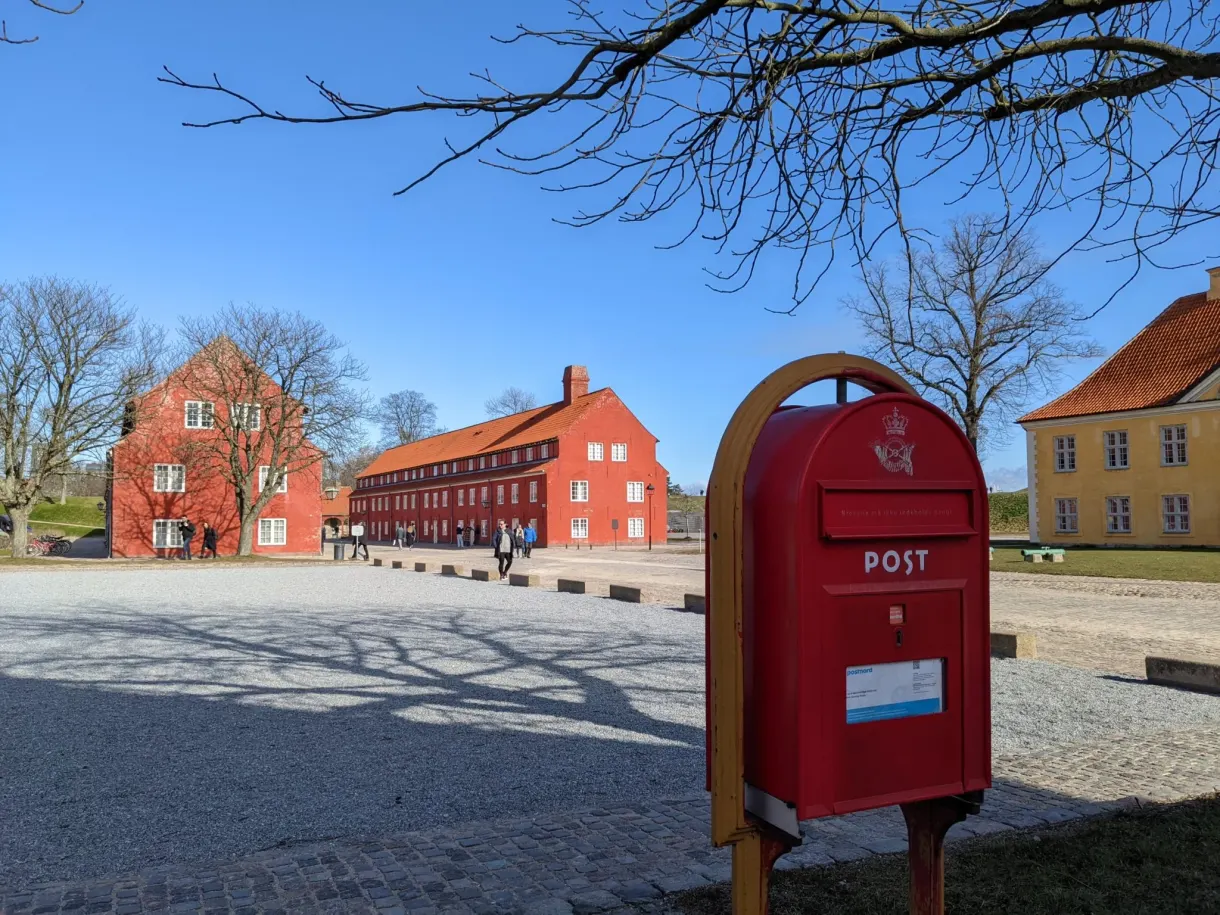
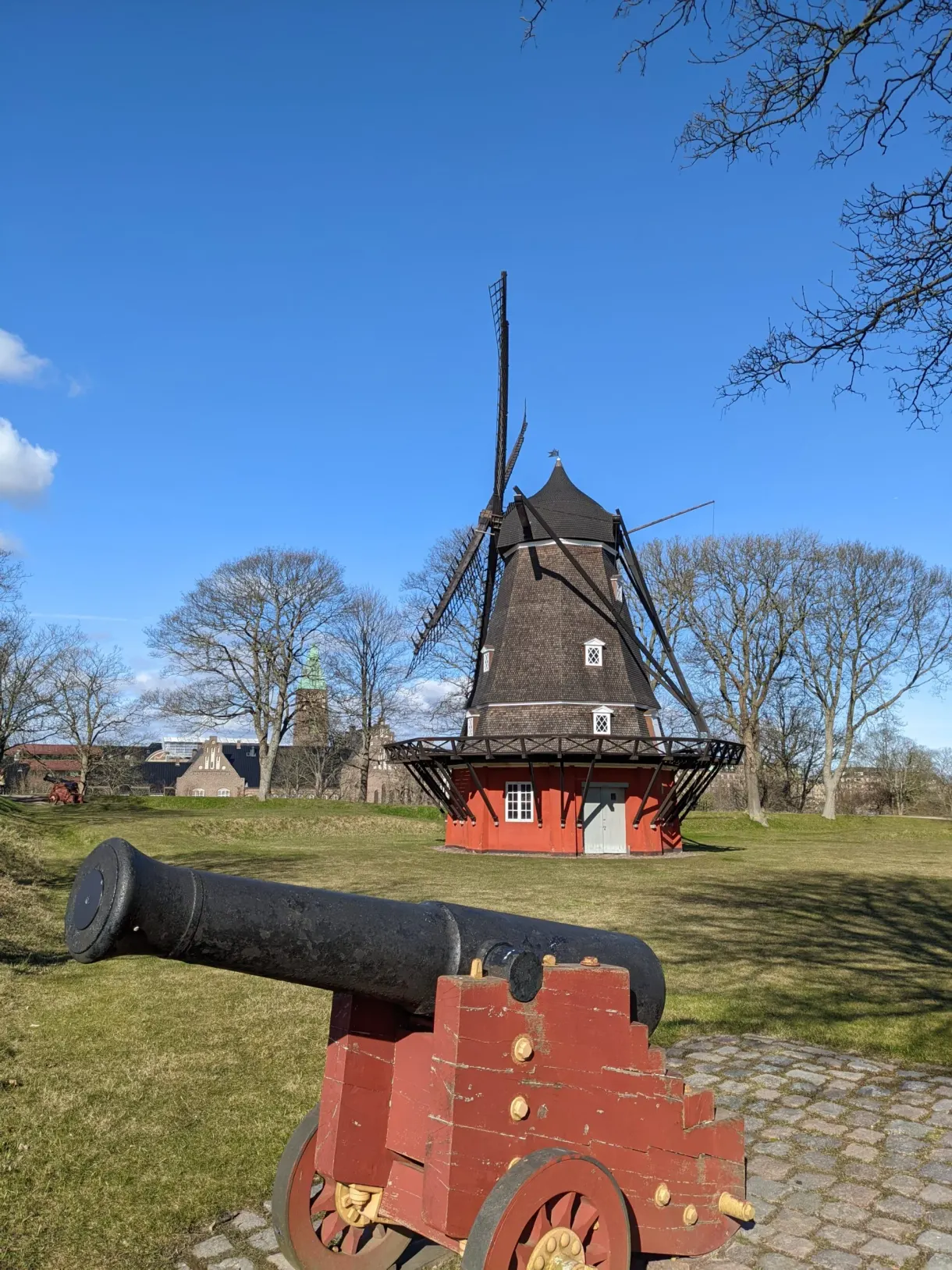
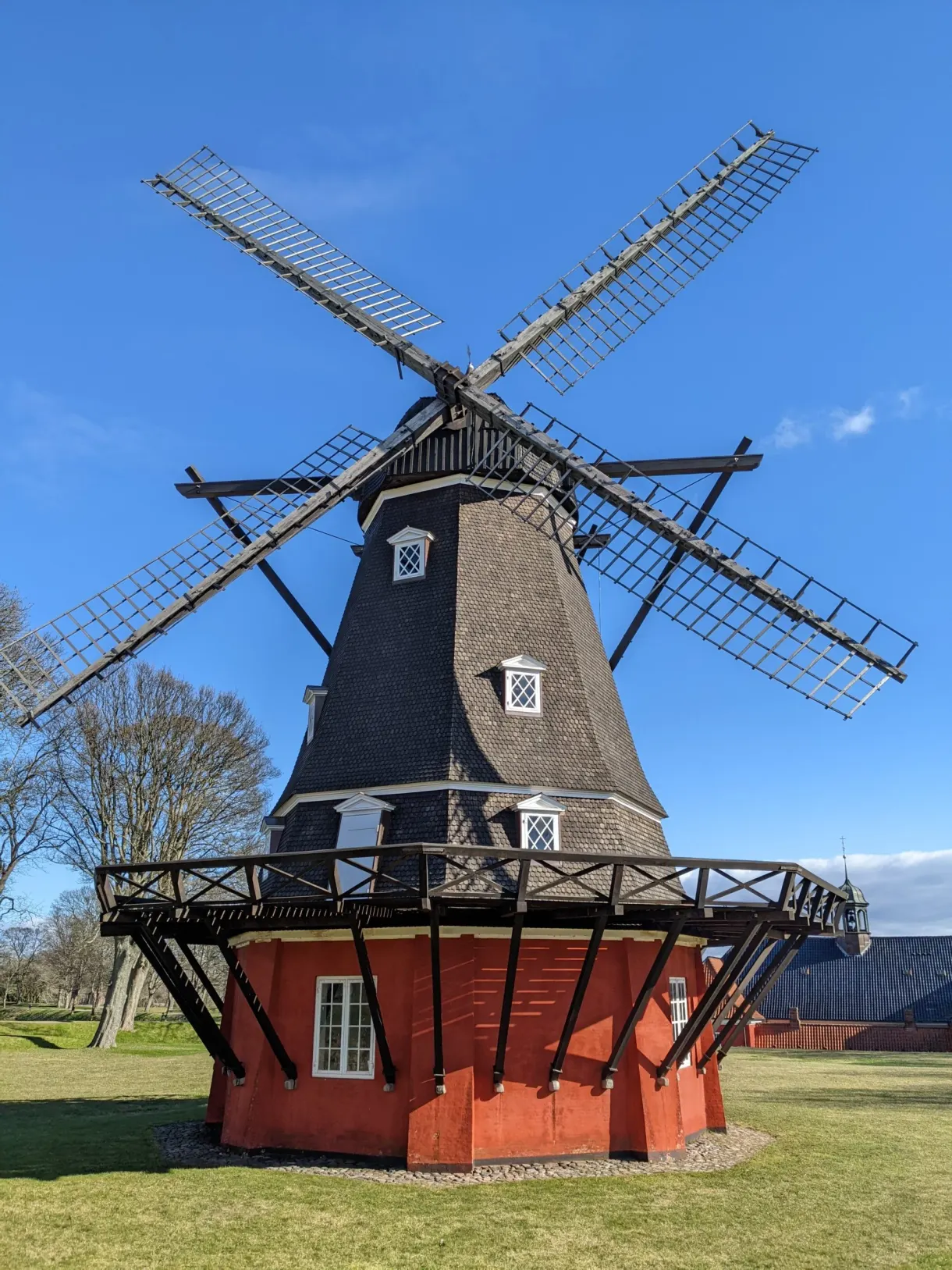
The Kastellet is a star-shaped citadel, built in the 17th century, located north of the city centre, in the Indre By district. This military fortress is today a wooded park surrounded by water where locals and tourists go for a walk. Brick buildings are lined up in the middle of the fortifications: the red stood out against the blue of the sky. It is a place not to be missed!
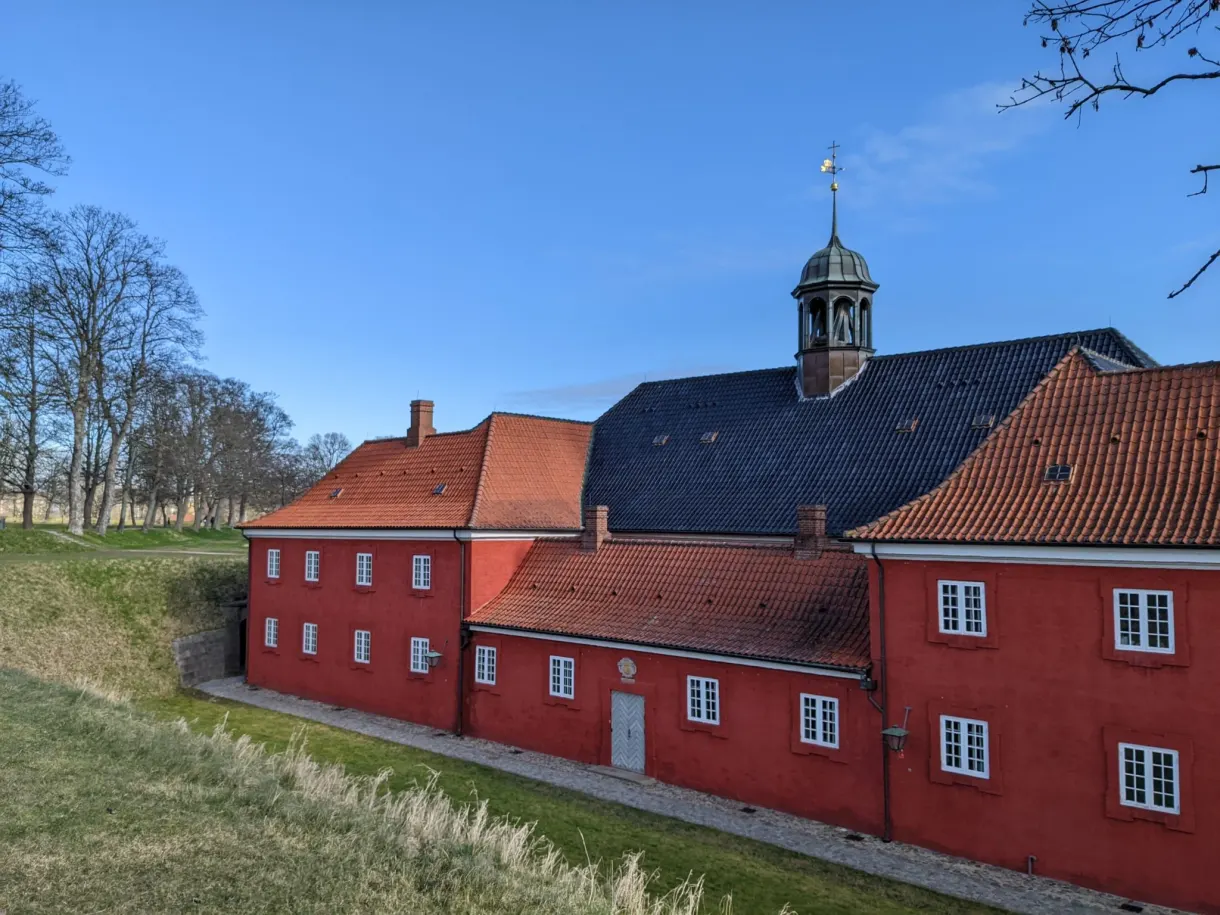
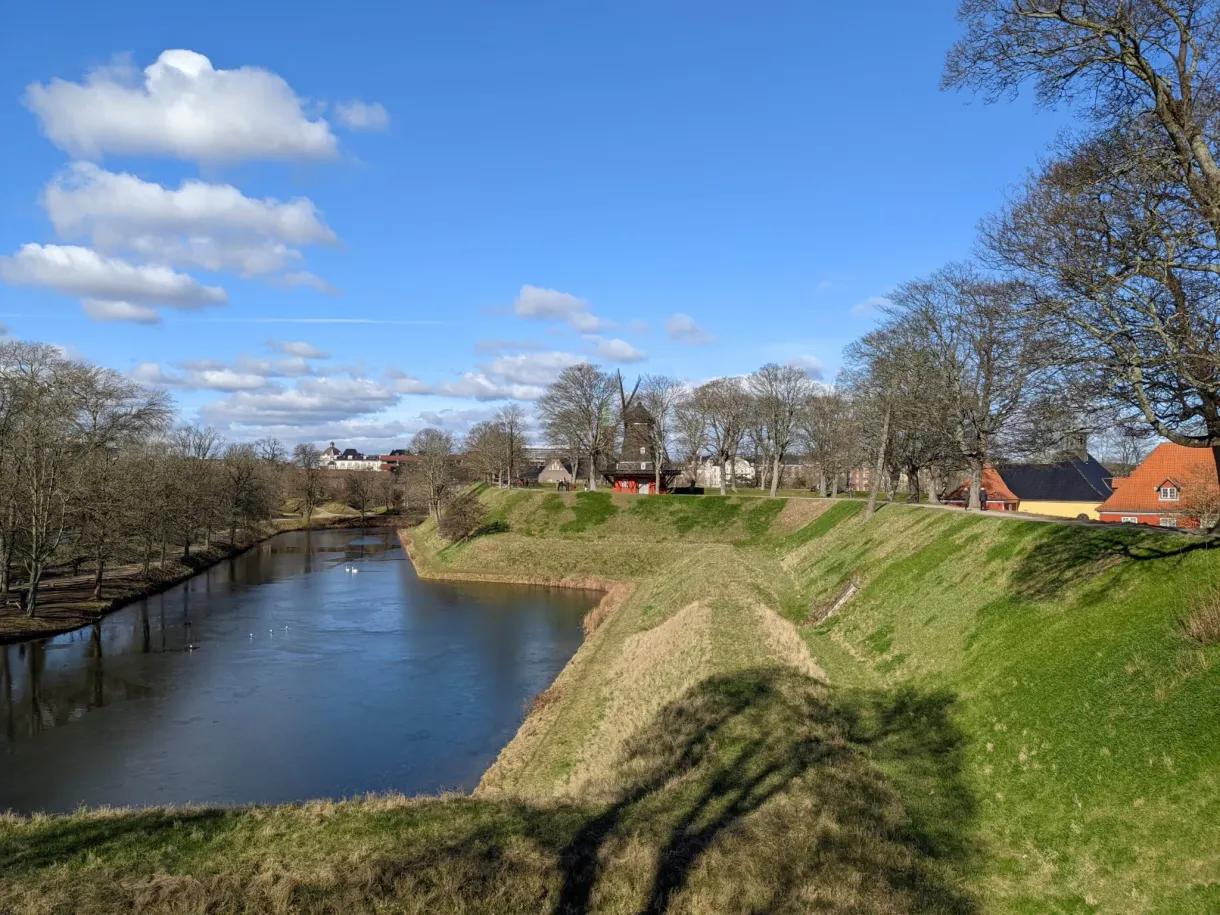
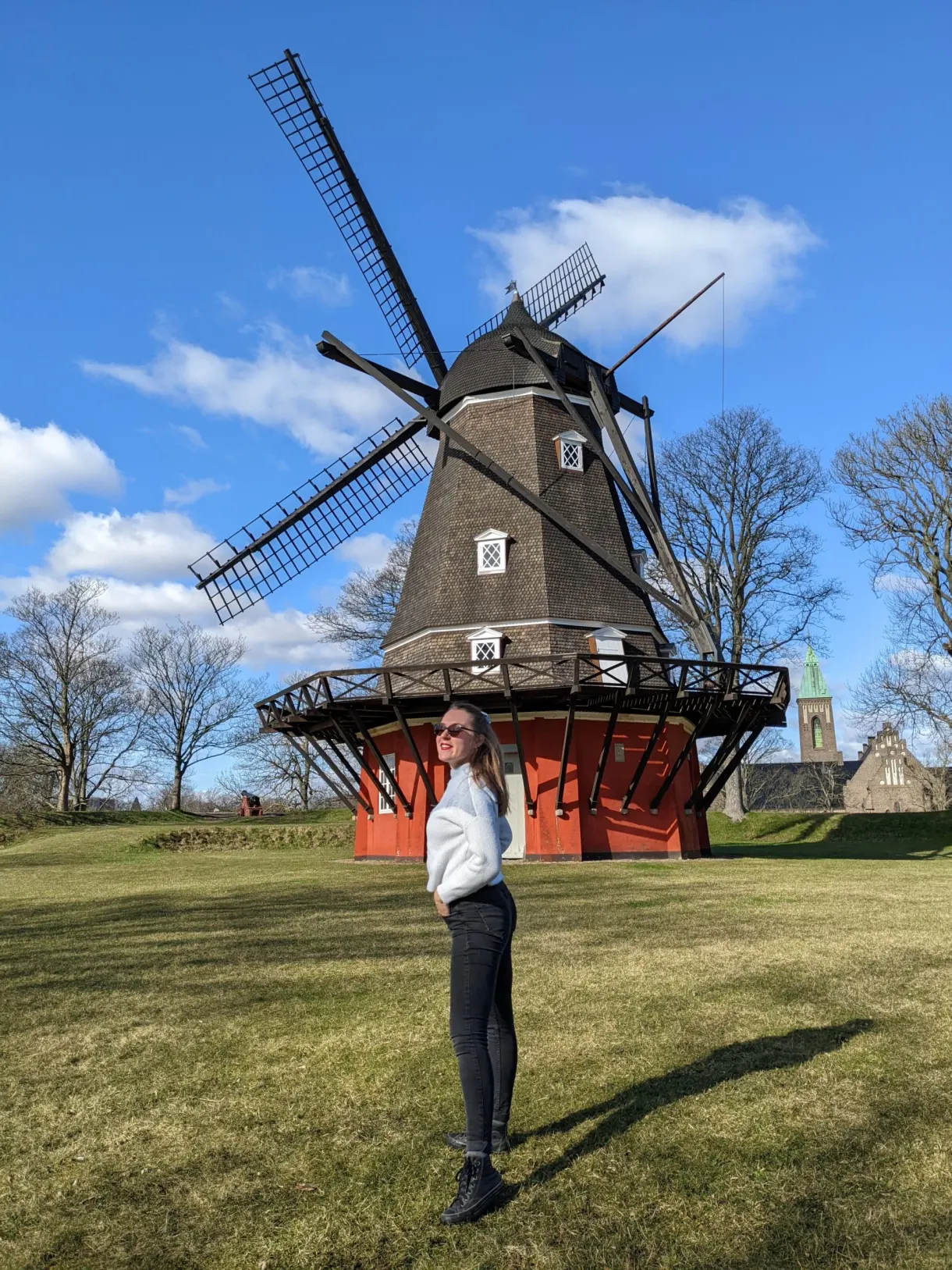
A pretty windmill stands just behind the church: a touch of Northern Europe that makes you think of Holland!
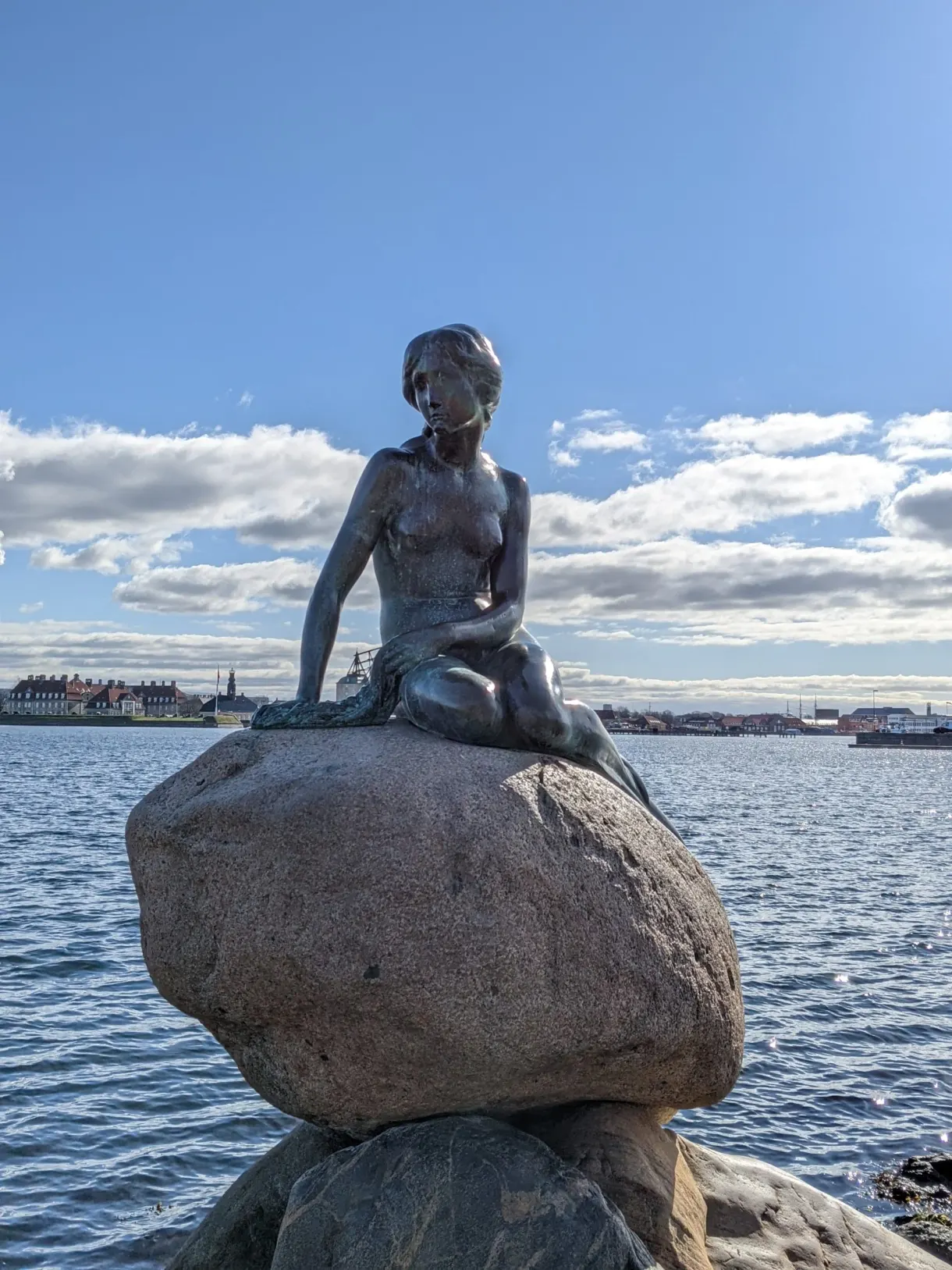
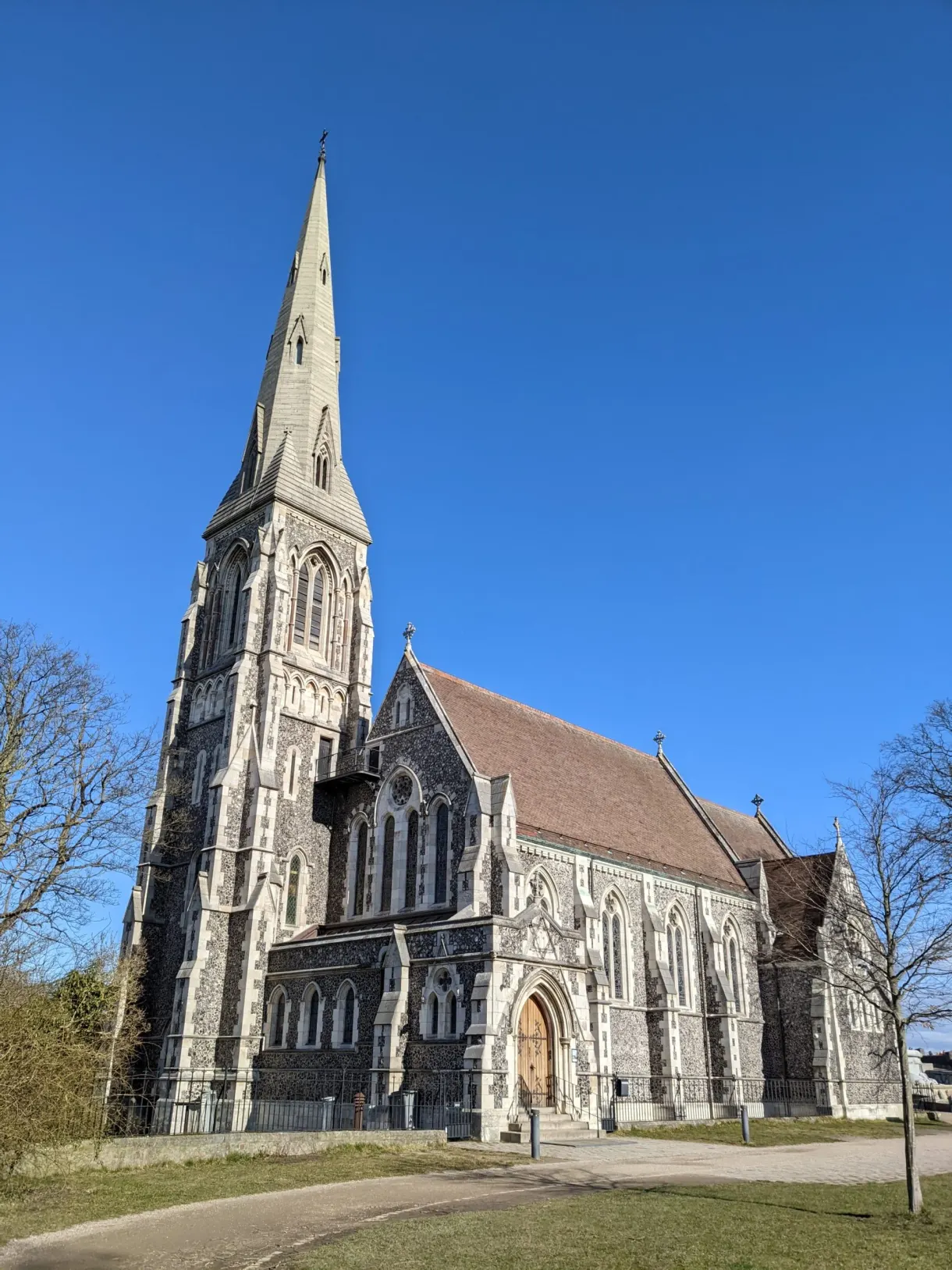
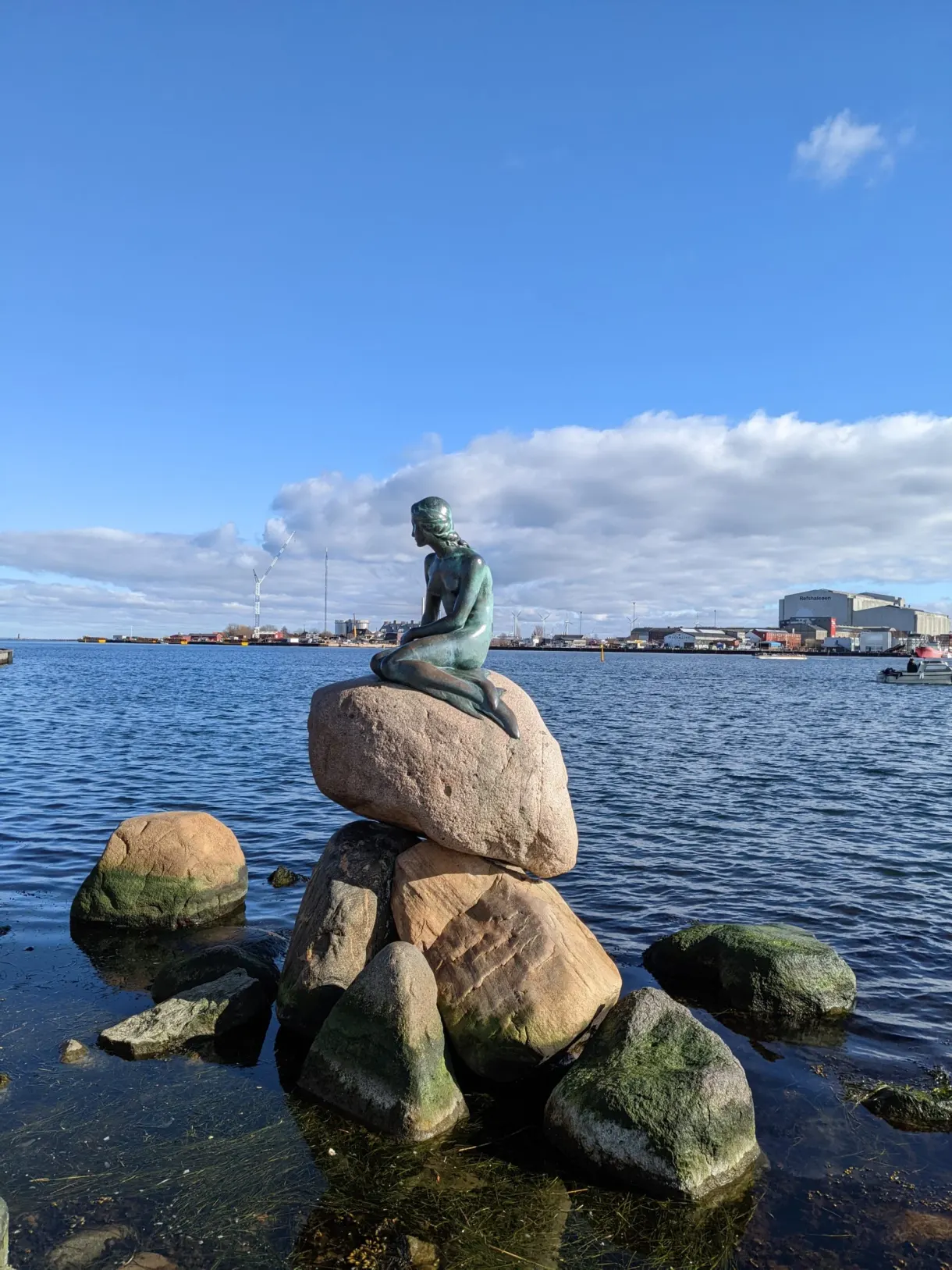
Right next door are St Alban’s Church in Copenhagen, the Gefion Fountain (in bronze) and a little further on, one of the city’s main attractions: the famous Little Mermaid on the shore of the Baltic Sea. The tiny statue (1.25 m) is a tribute to the writer Hans Christian Andersen and to his work of the same name.
Nyboder
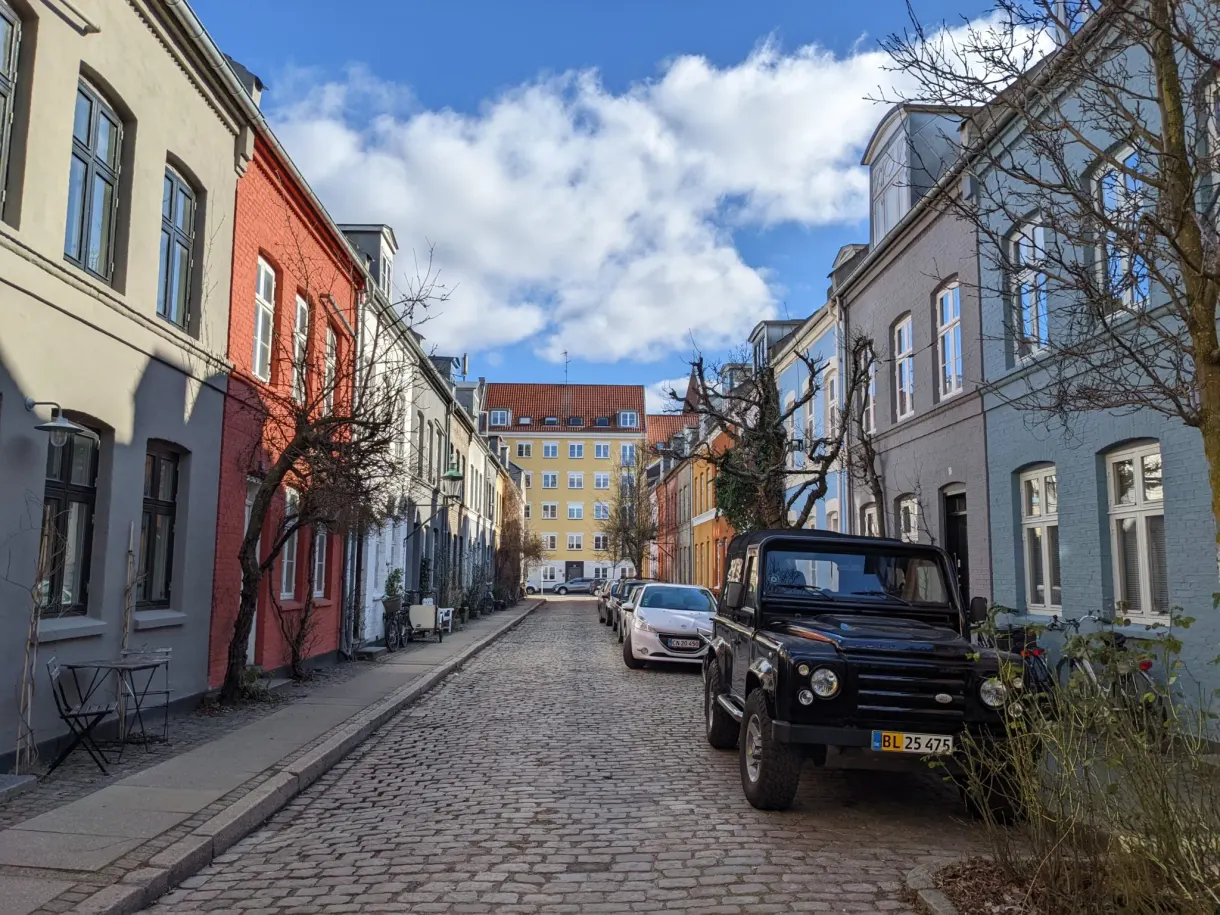
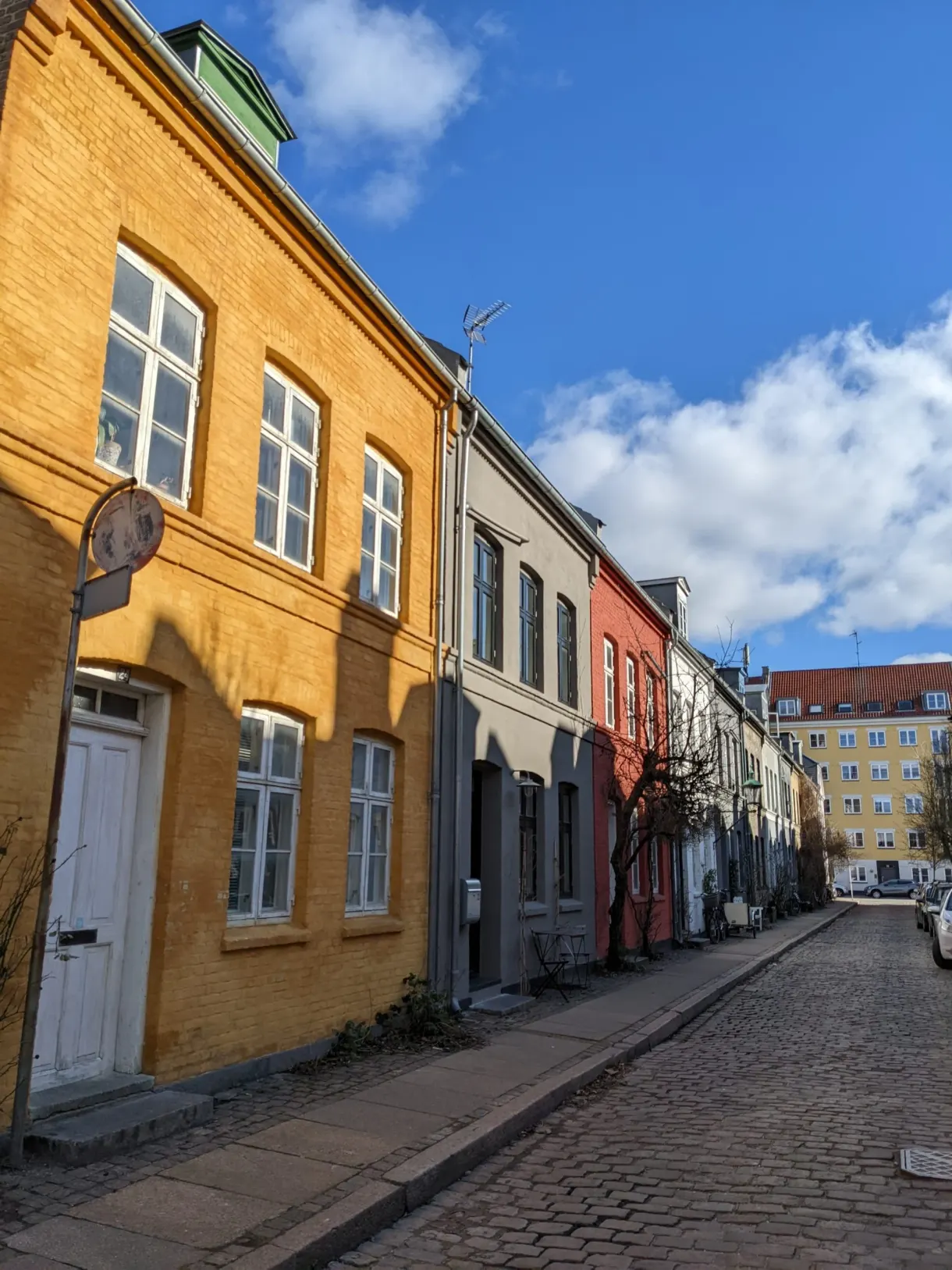
On the way back from the Kastellet, we passed through the small, colourful district of Nyboder. Here, all the houses are painted yellow and lined up, and used to house sailors and officers. But we read that the houses are still lived in today by military personnel. It is a rather unusual district: it would be a shame to miss it!
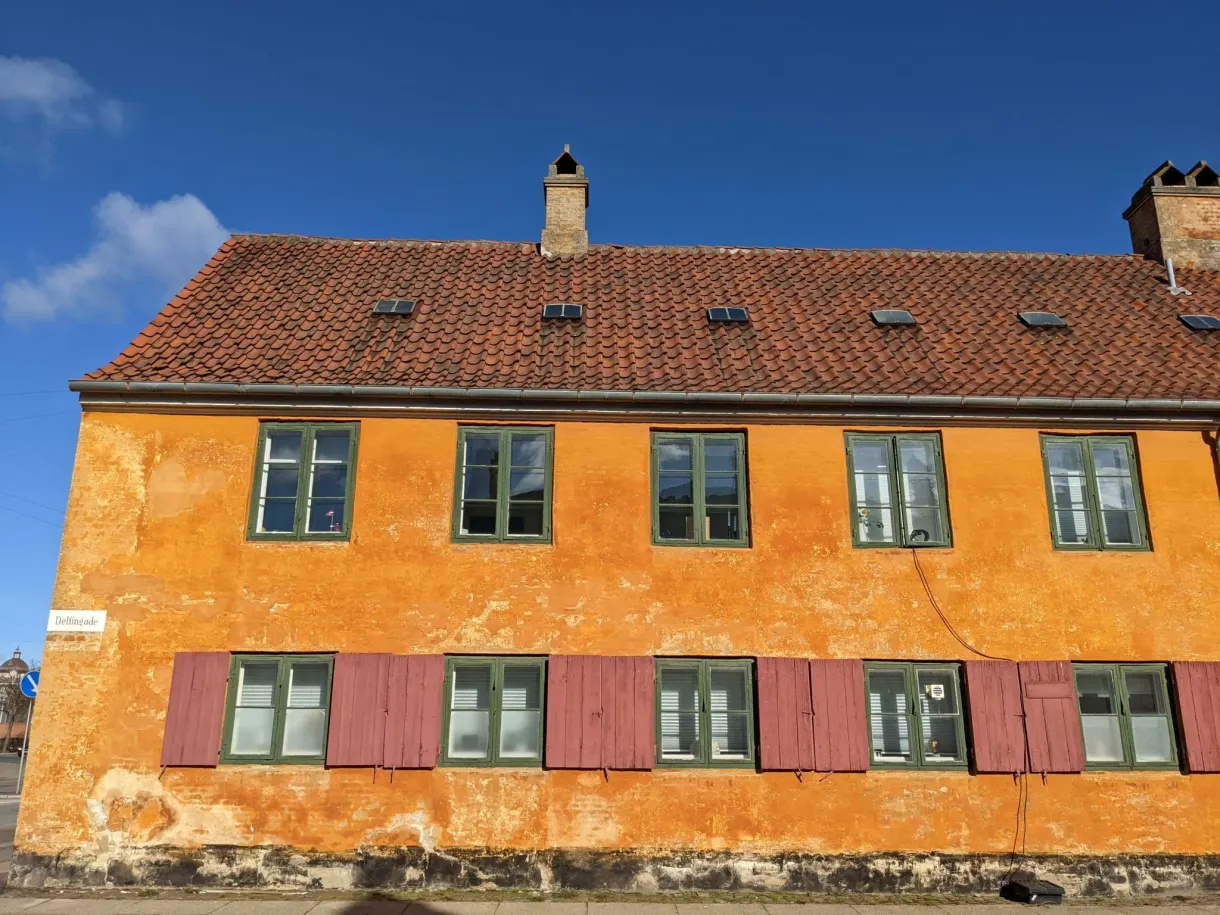
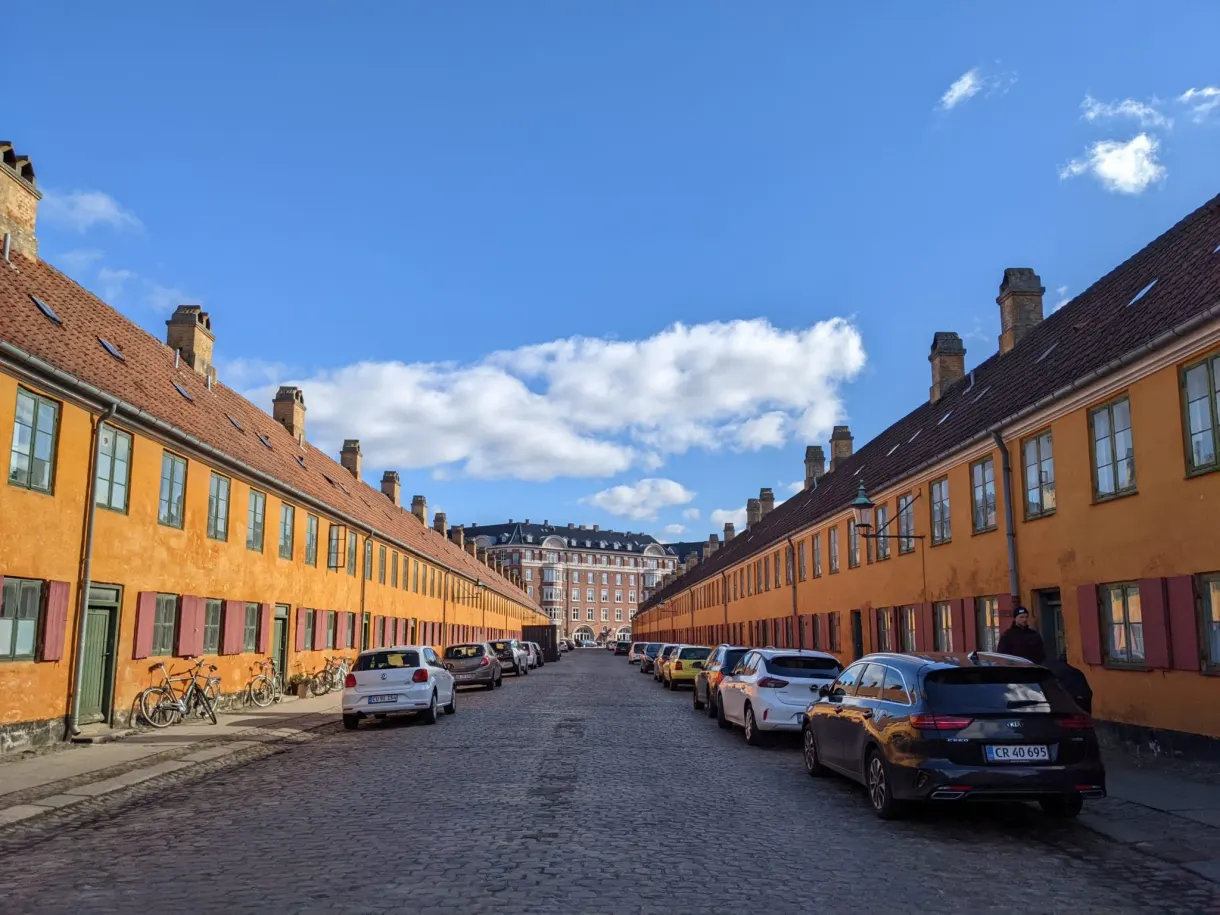
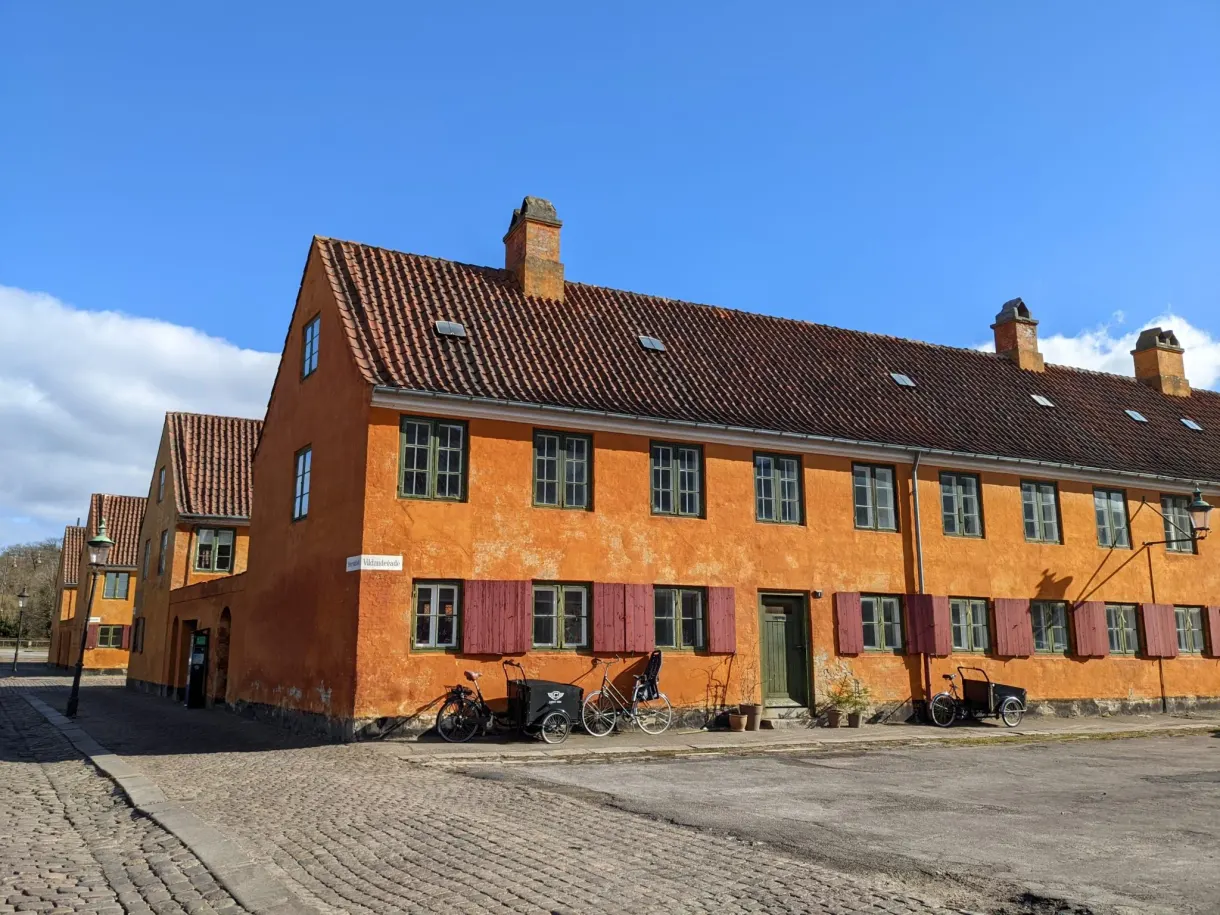
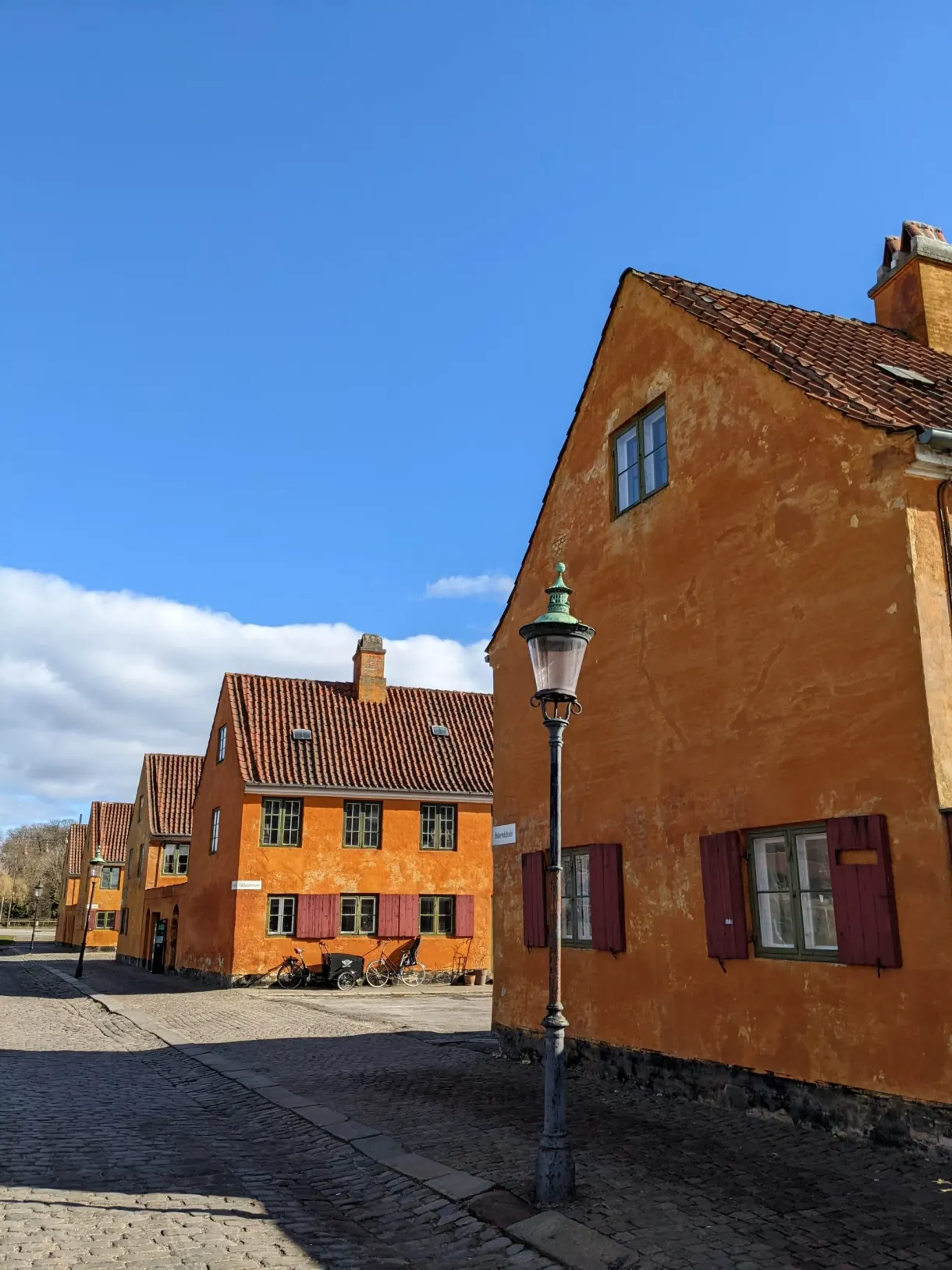
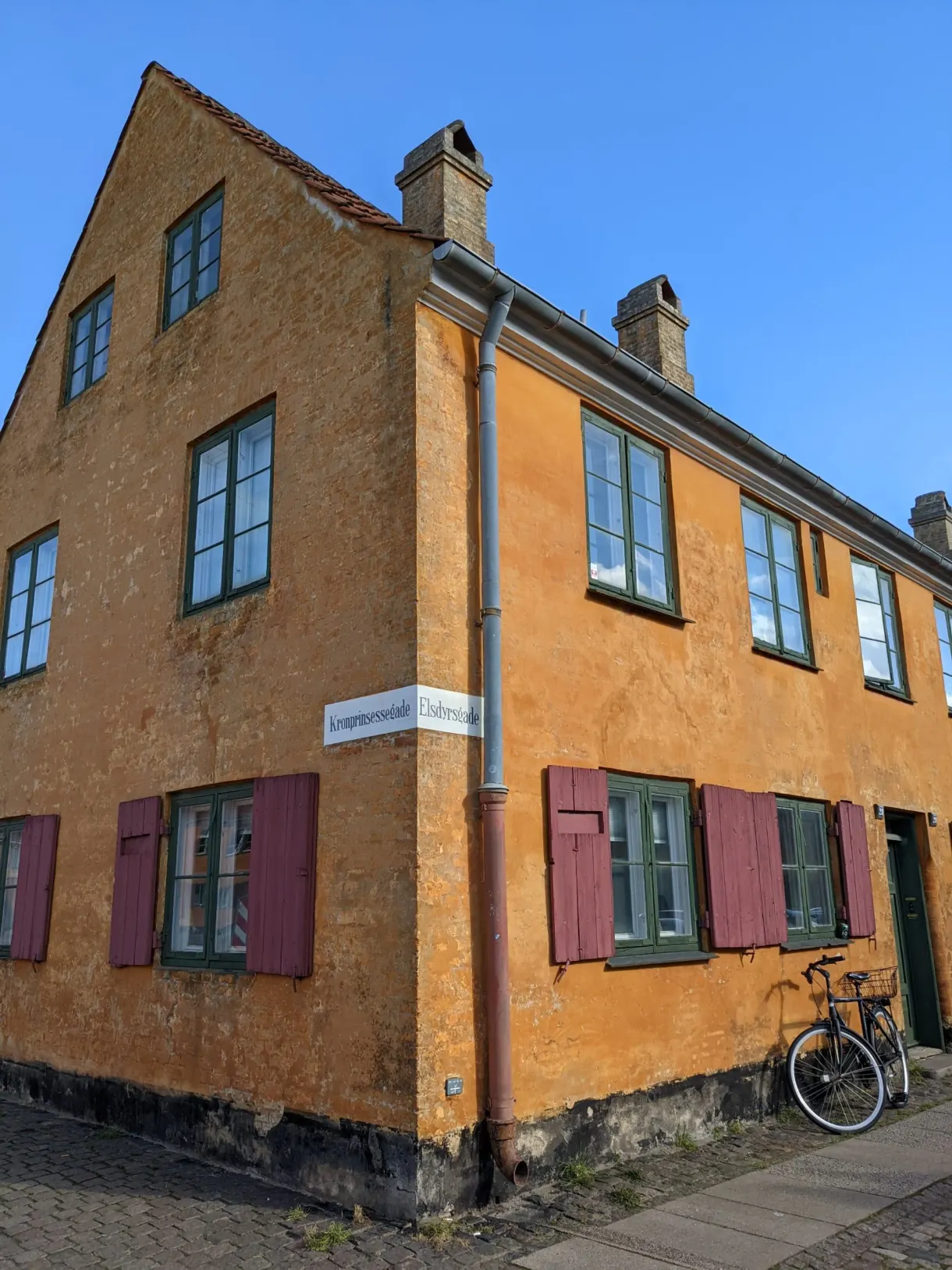
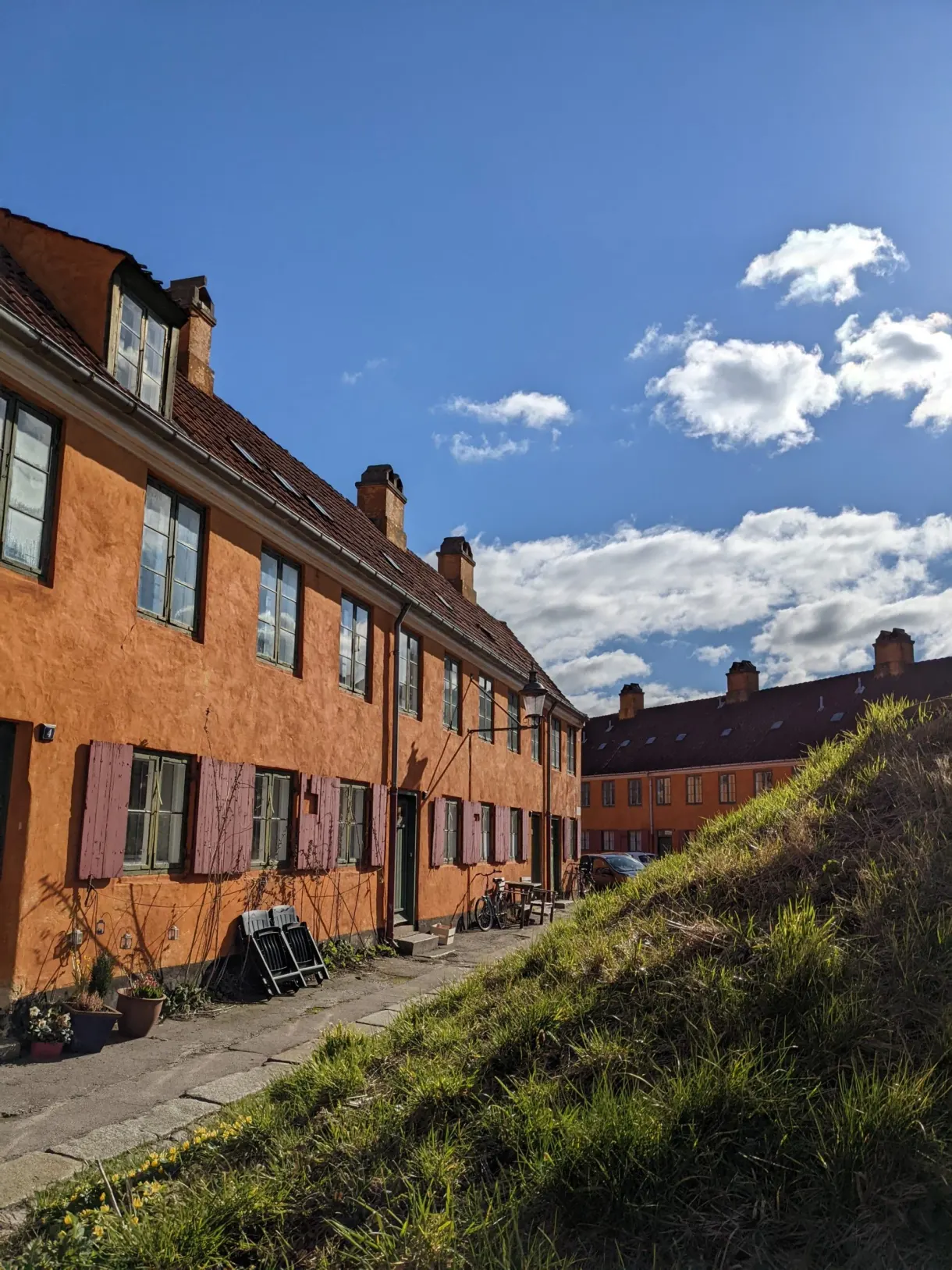
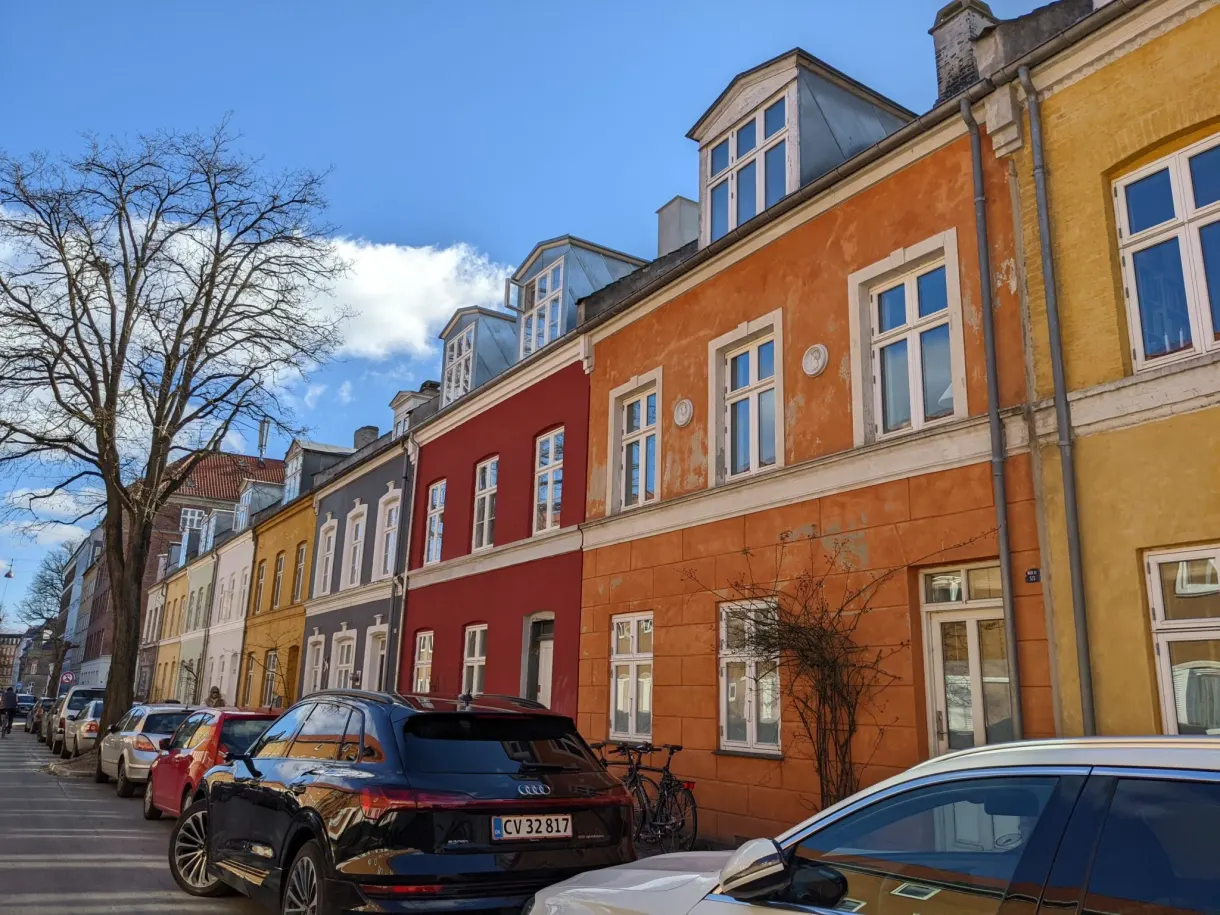
In the adjacent streets, around the Jerusalem church, there are other colourful houses that reminded us of London neighbourhoods!
Marmorkirken
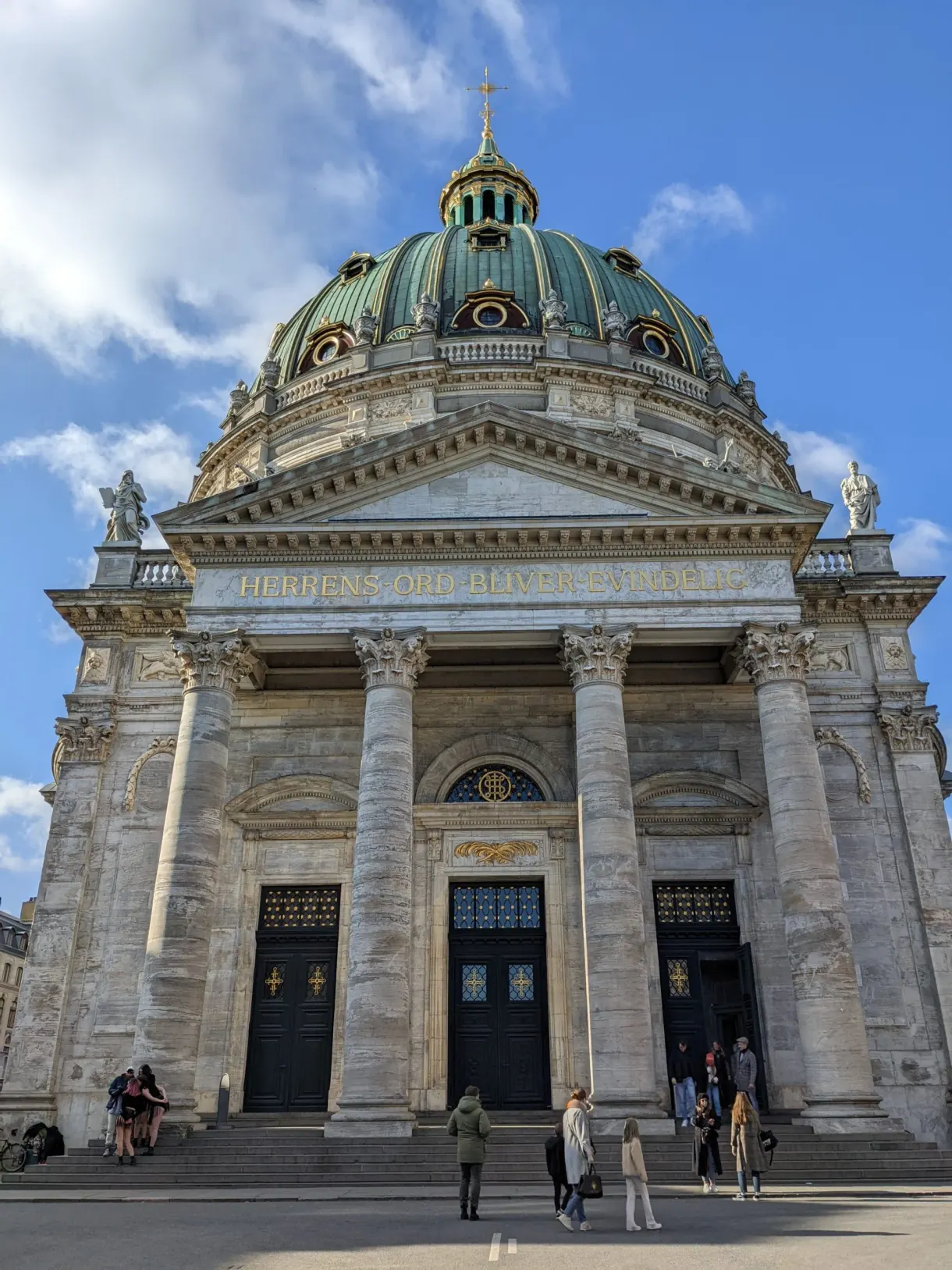
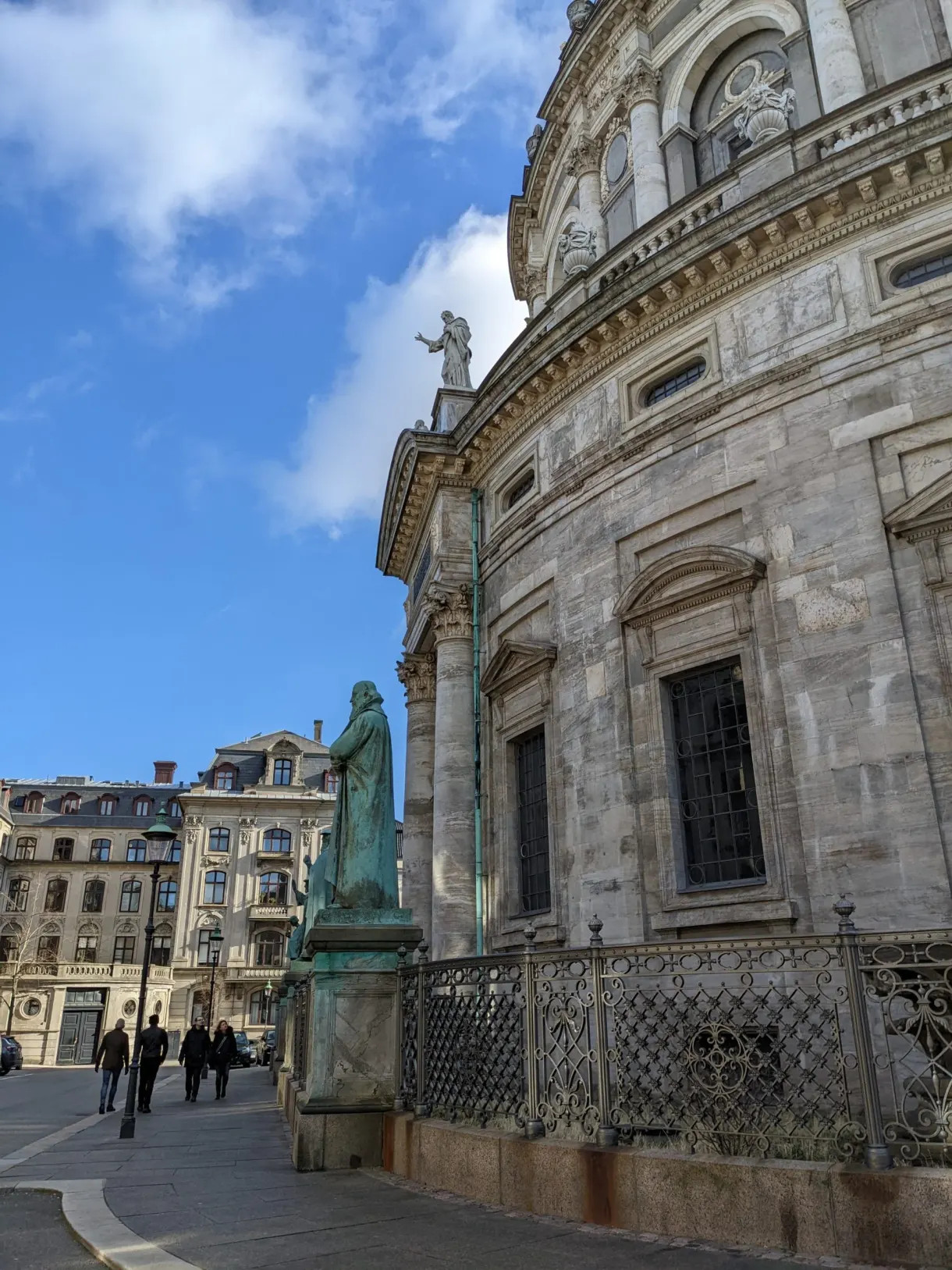
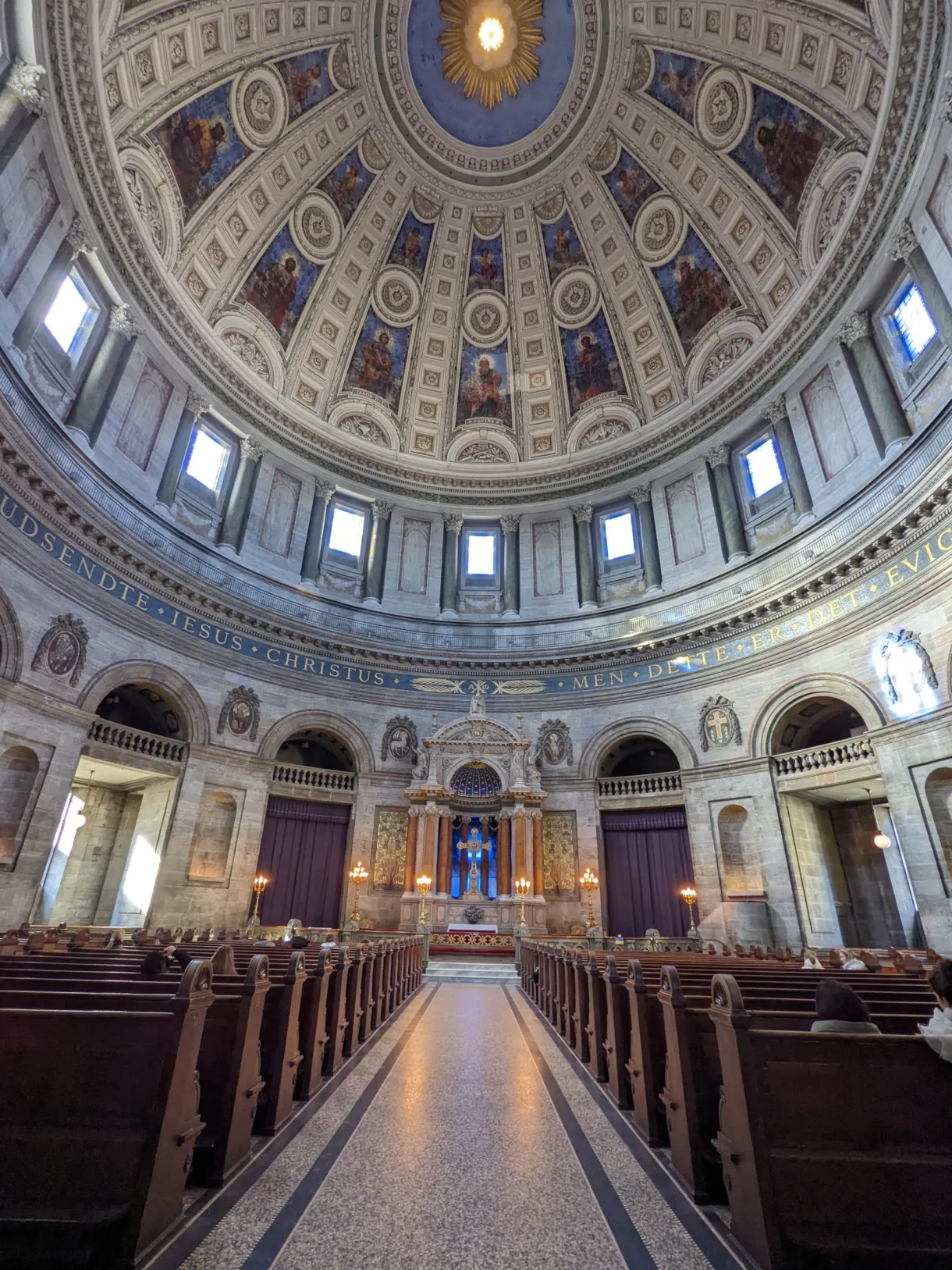
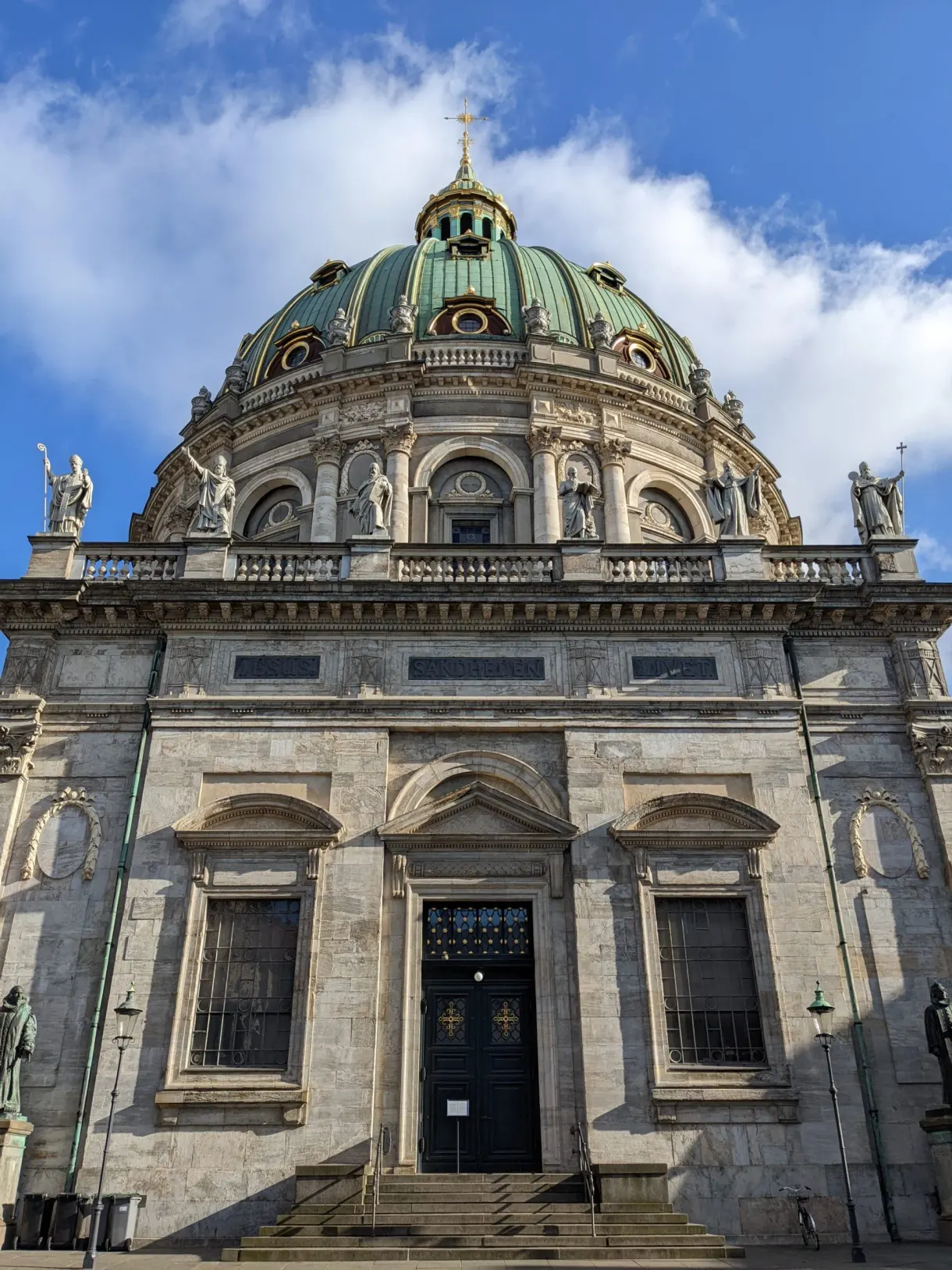
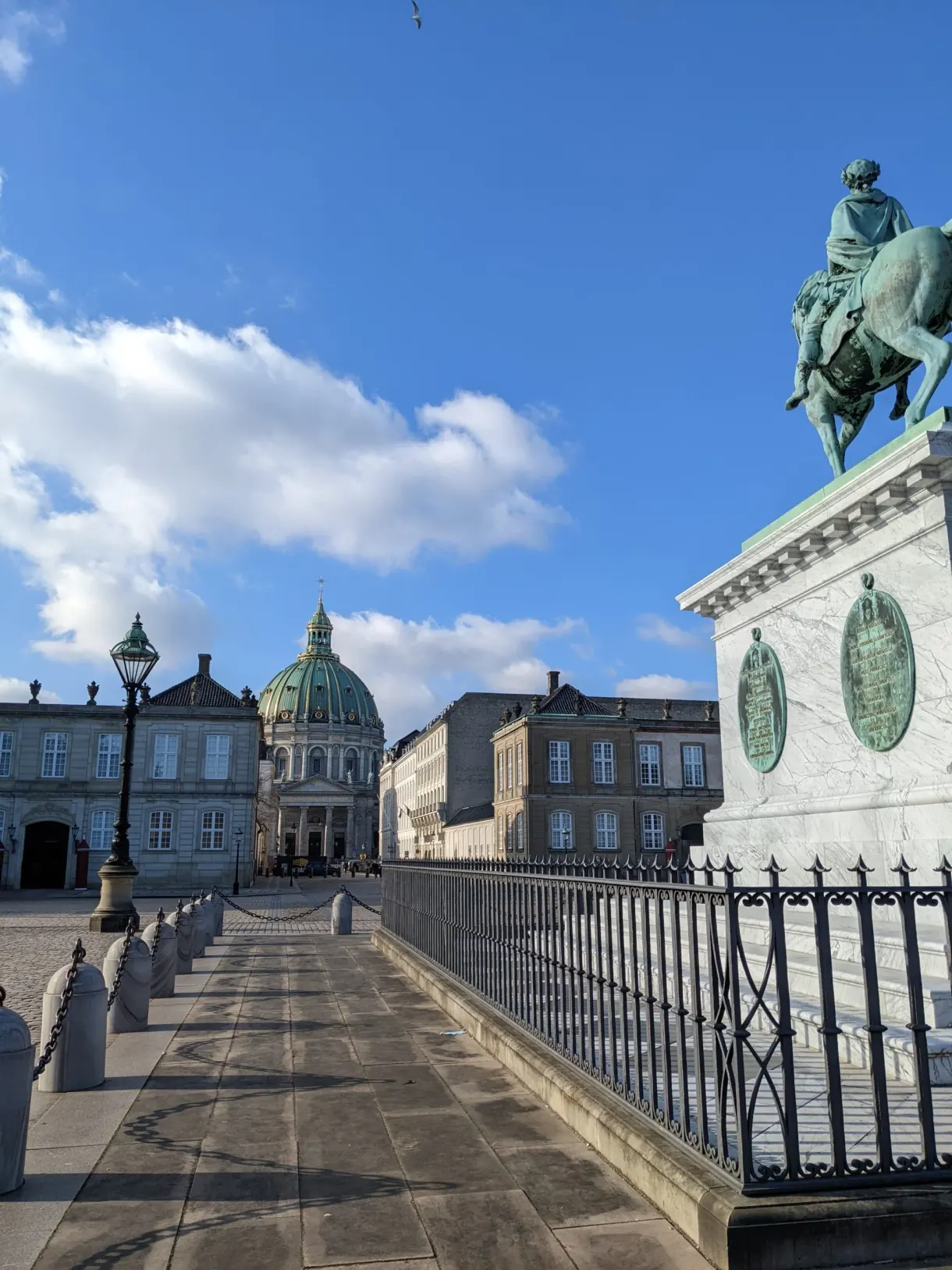
One of the most beautiful monuments in Copenhagen is the baroque church of Saint Frederick » (also called the “marble” Church), very well known for its magnificent dome. It stands just opposite the Amalienborg Palace and is said to be inspired by the dome of St Peter’s Basilica in the Vatican. Inside, the marble cupola is decorated with paintings: it is worth going into the church.
Amalienborg Palace
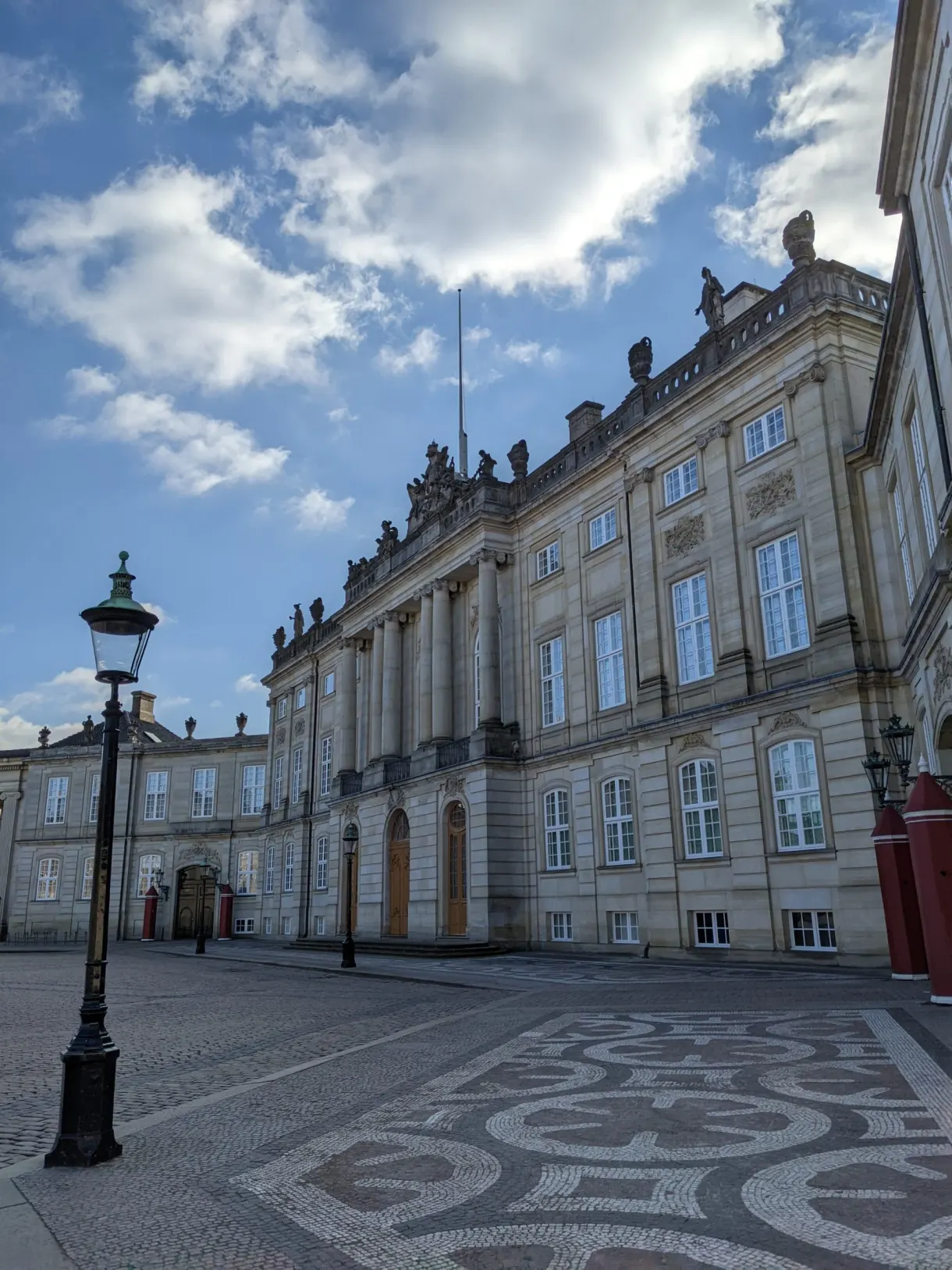
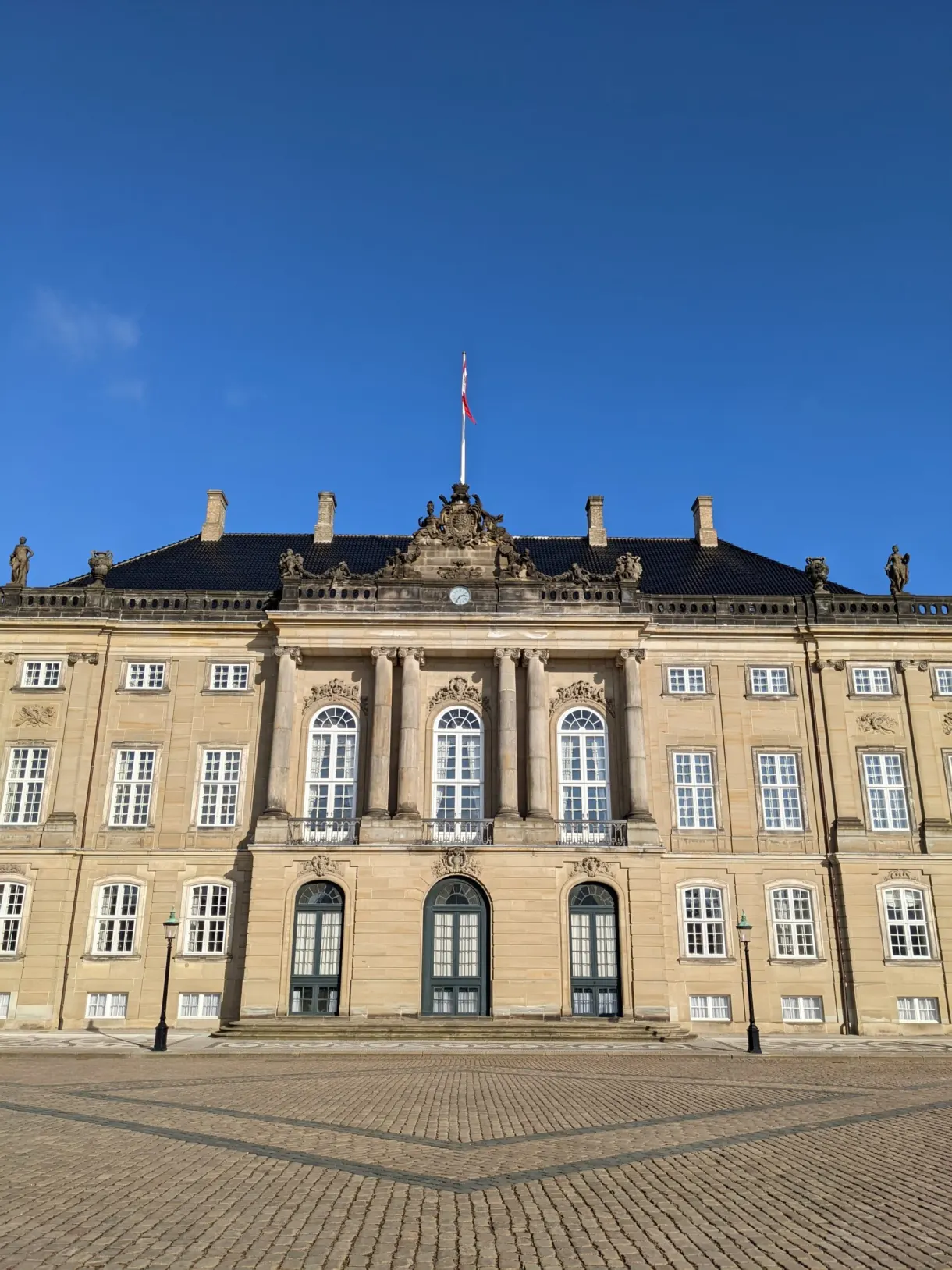
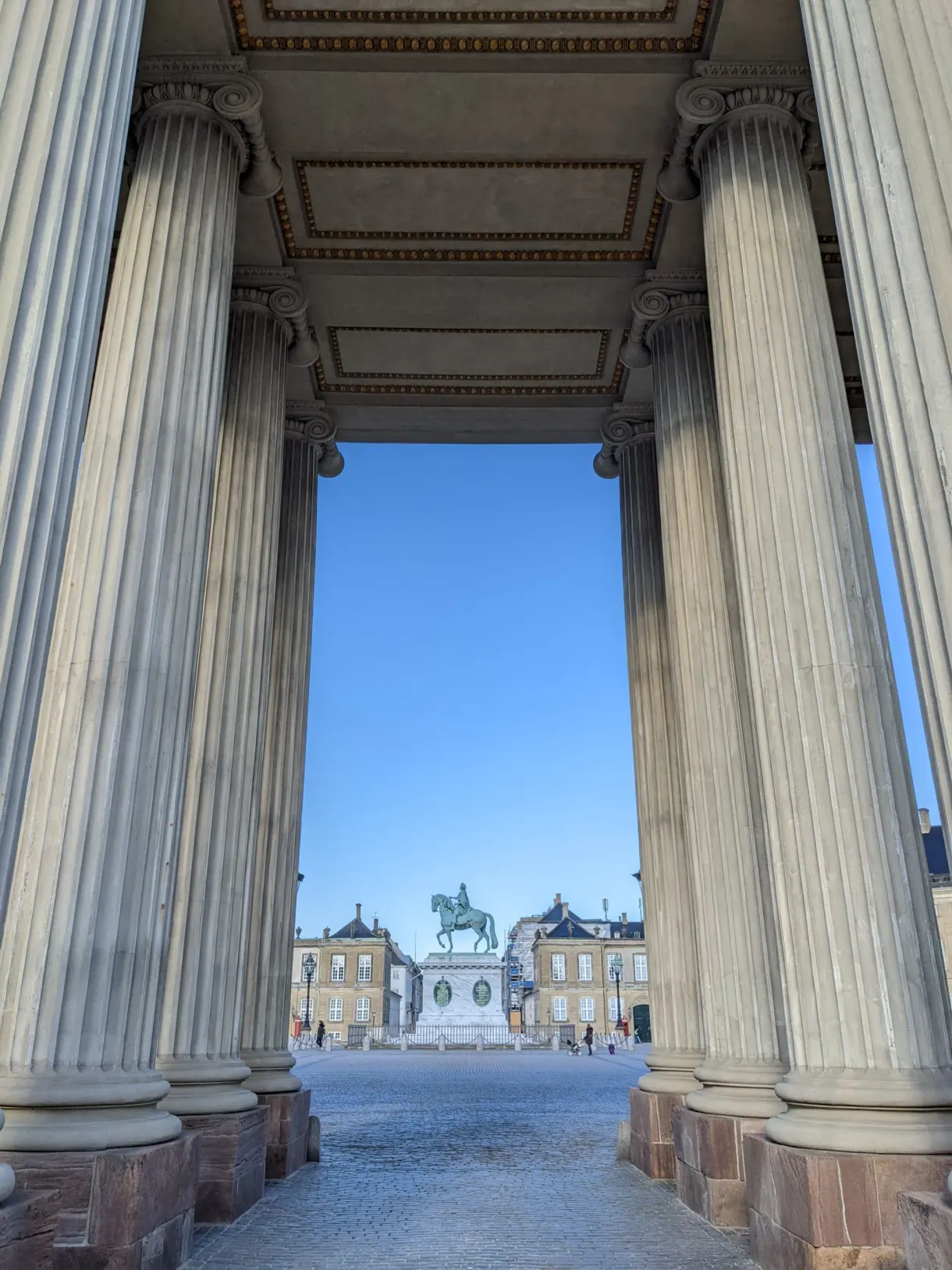
Crossing the street opposite the marble church, we arrived on the magnificent square where four palaces face one another, forming the Amalienborg complex, the Danish royal residence. In the centre of this impressive square stands an equestrian statue of King Ferdinand V. Around midday, the daily changing of the guard ends its route on the square.
Rosenborg Castle and Kongens Have
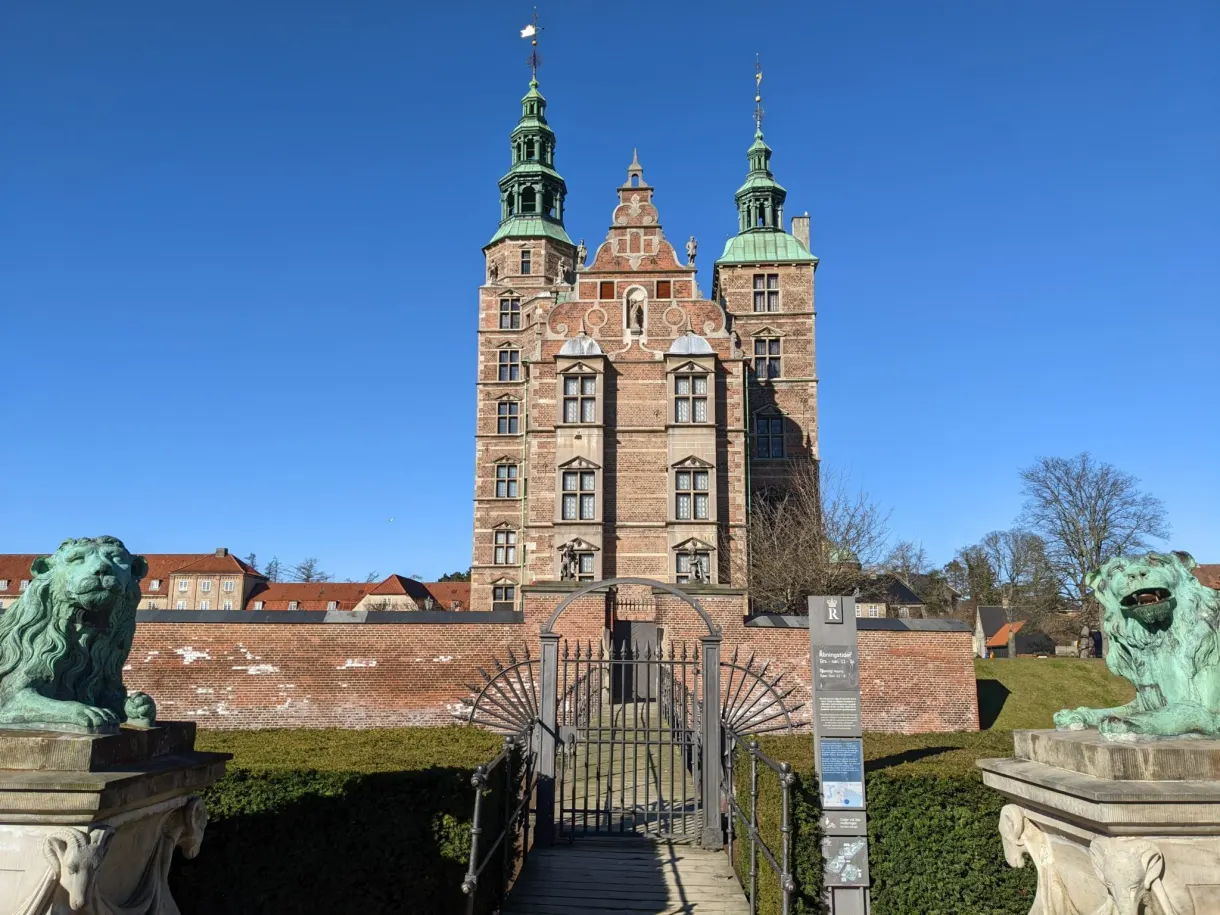
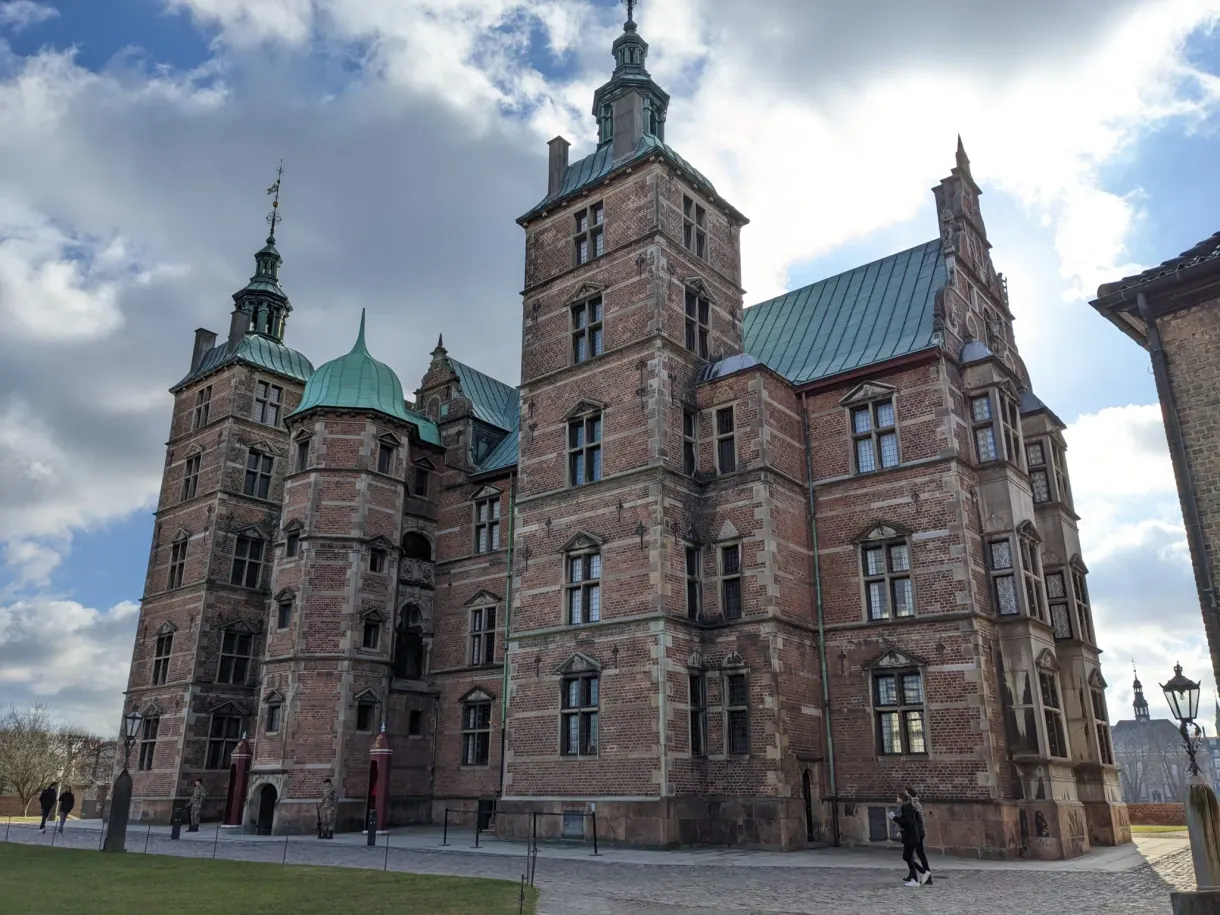
Set in the so-called king’s gardens, Rosenborg Castle was the summer residence of the Danish kings until the beginning of the 18th century. It houses today the jewel collection of the Danish royal family, which you can see by visiting the castle interiors. As for the outside, it is freely accessible.
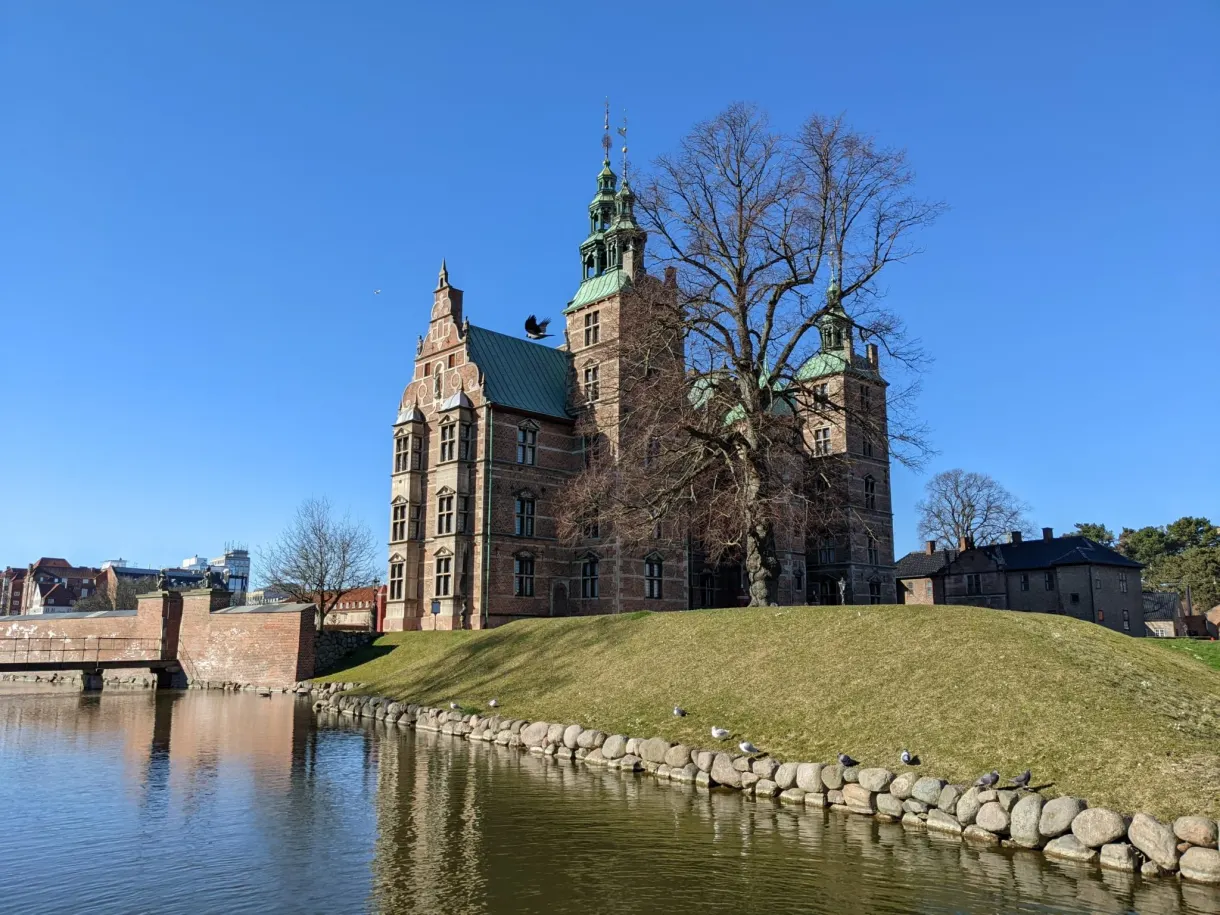
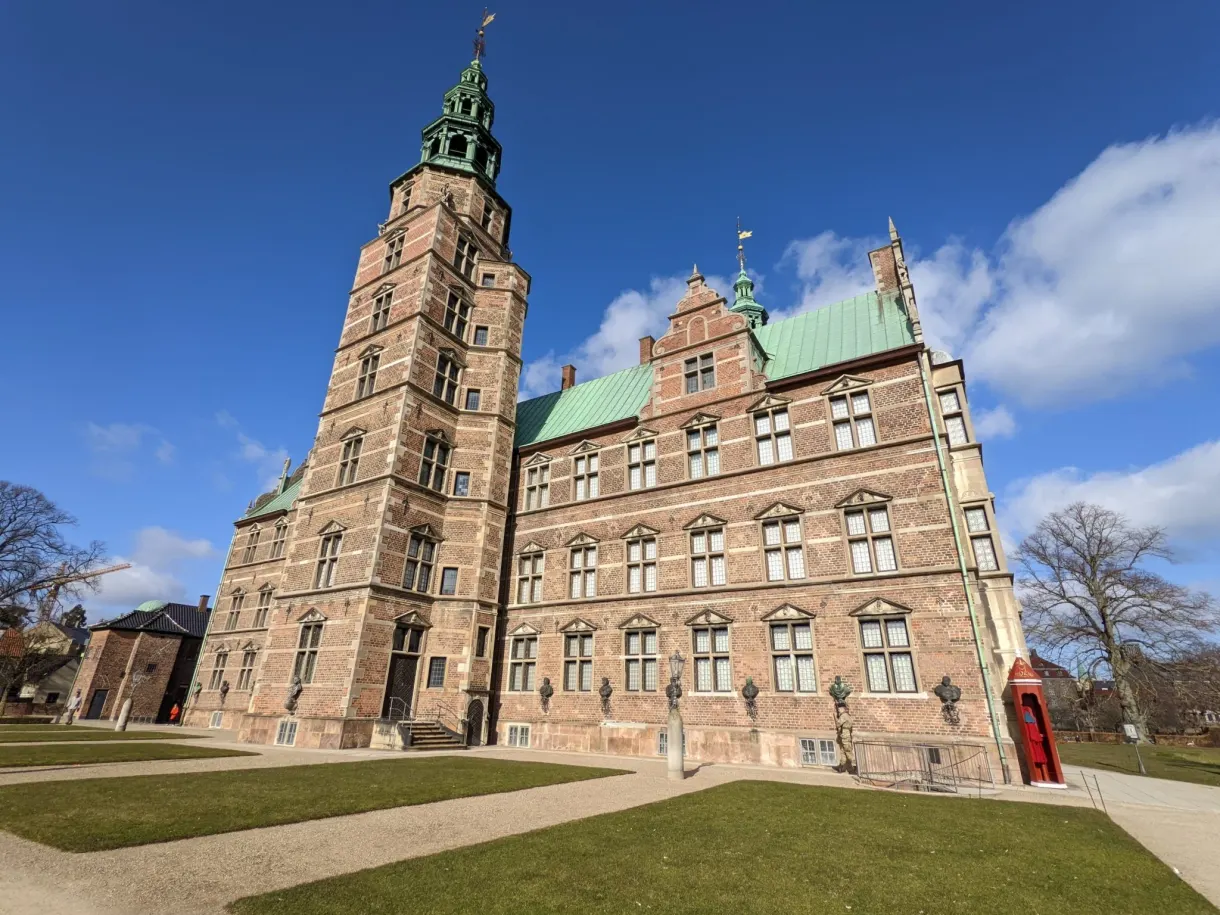
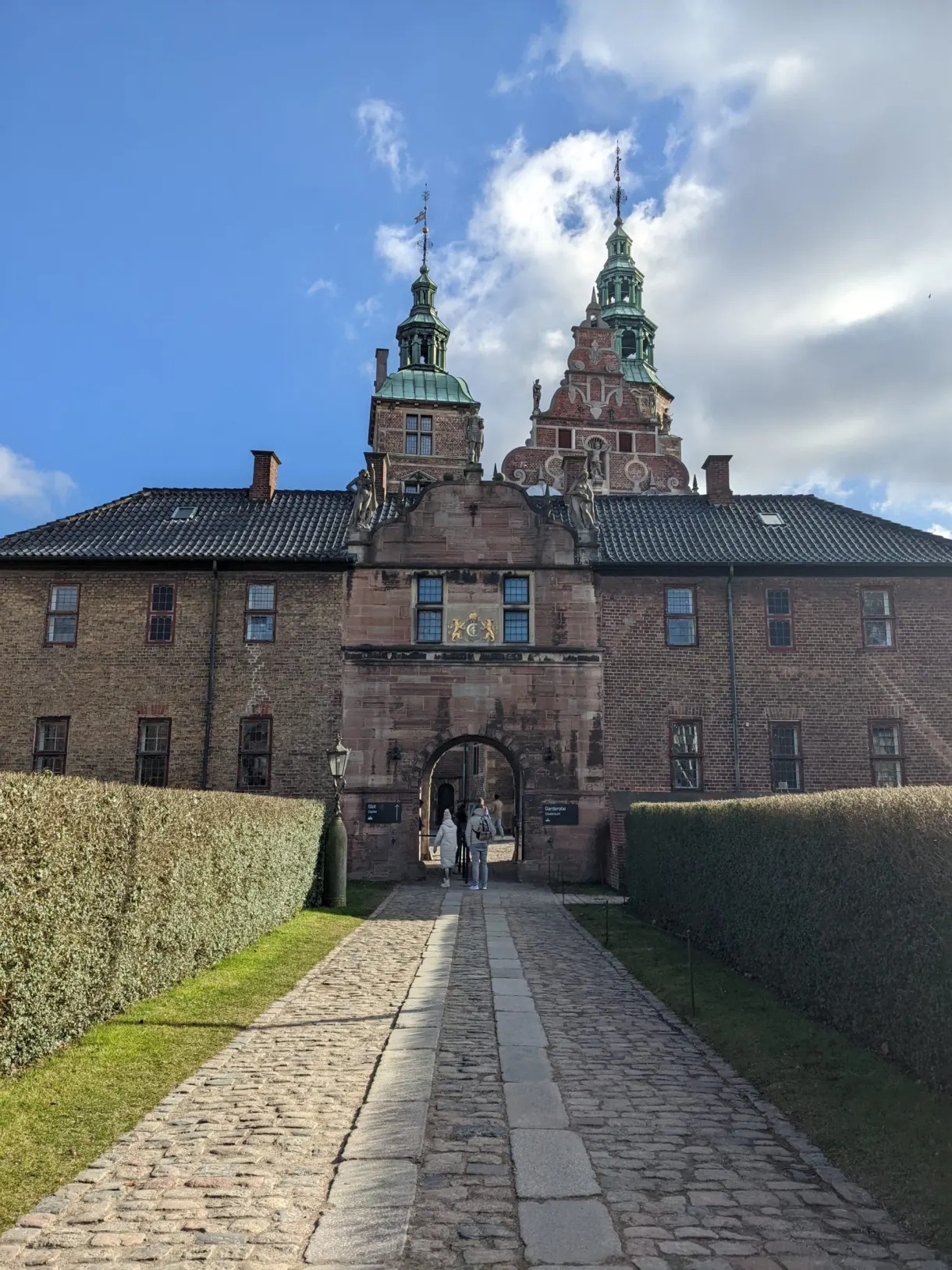
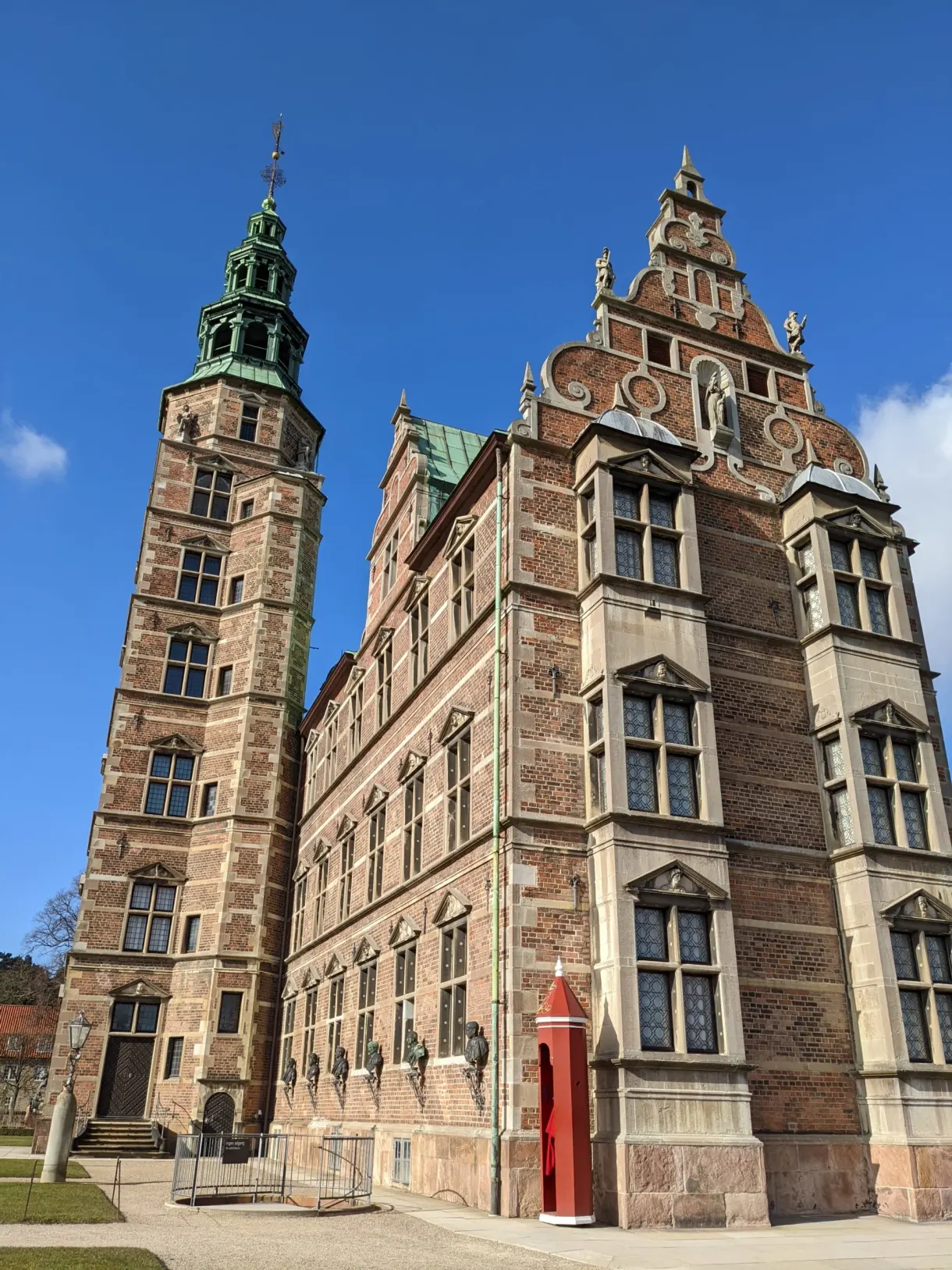
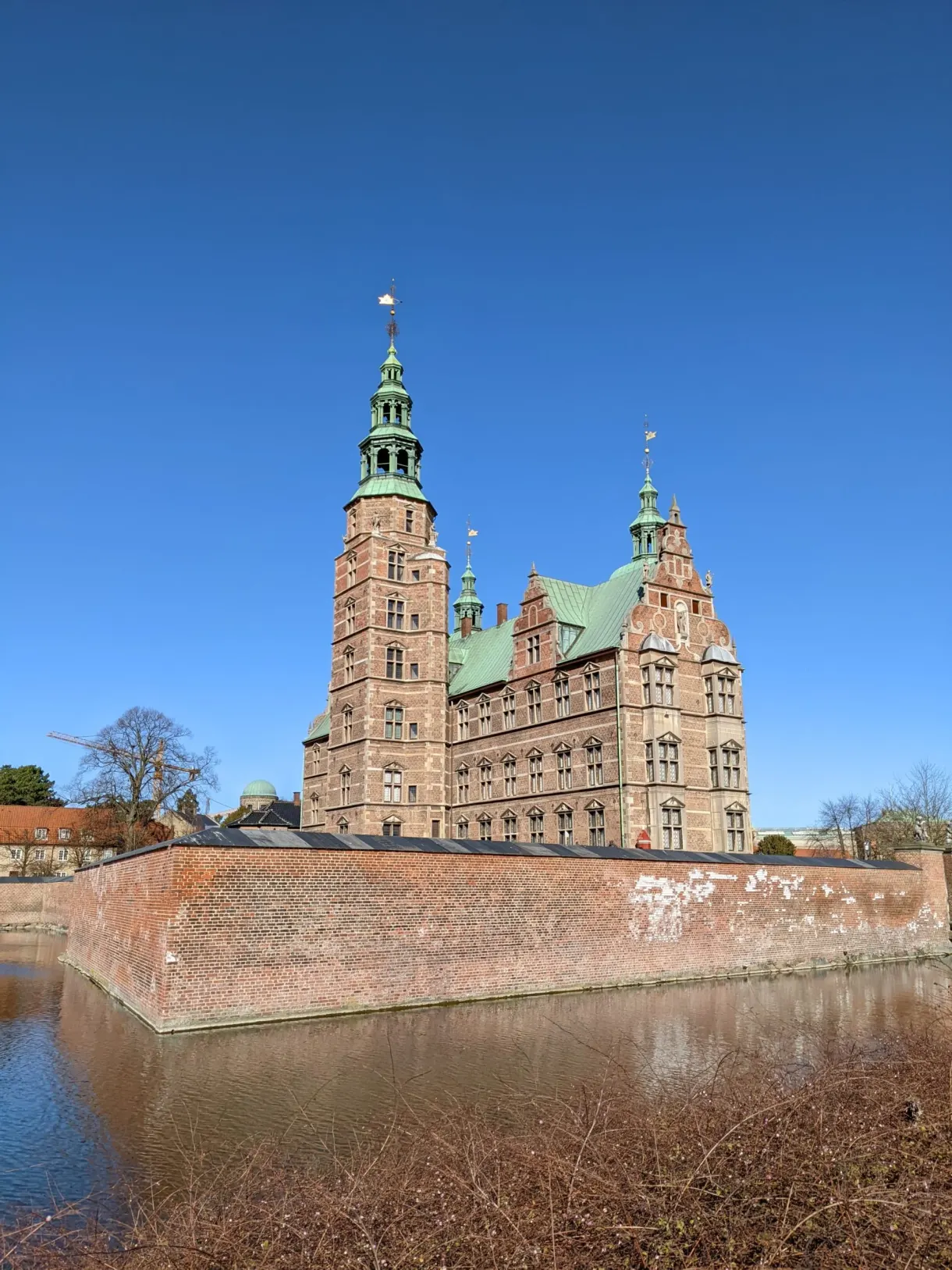
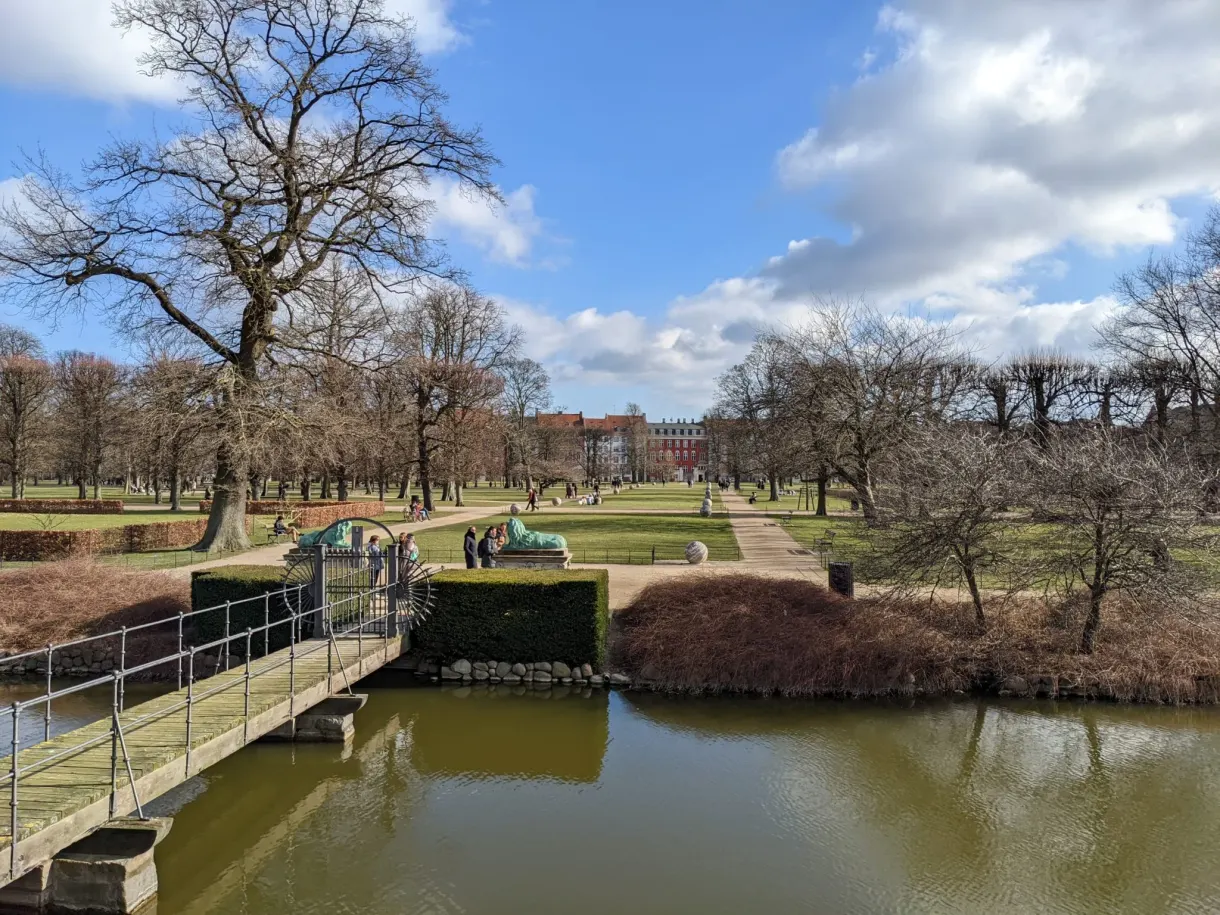
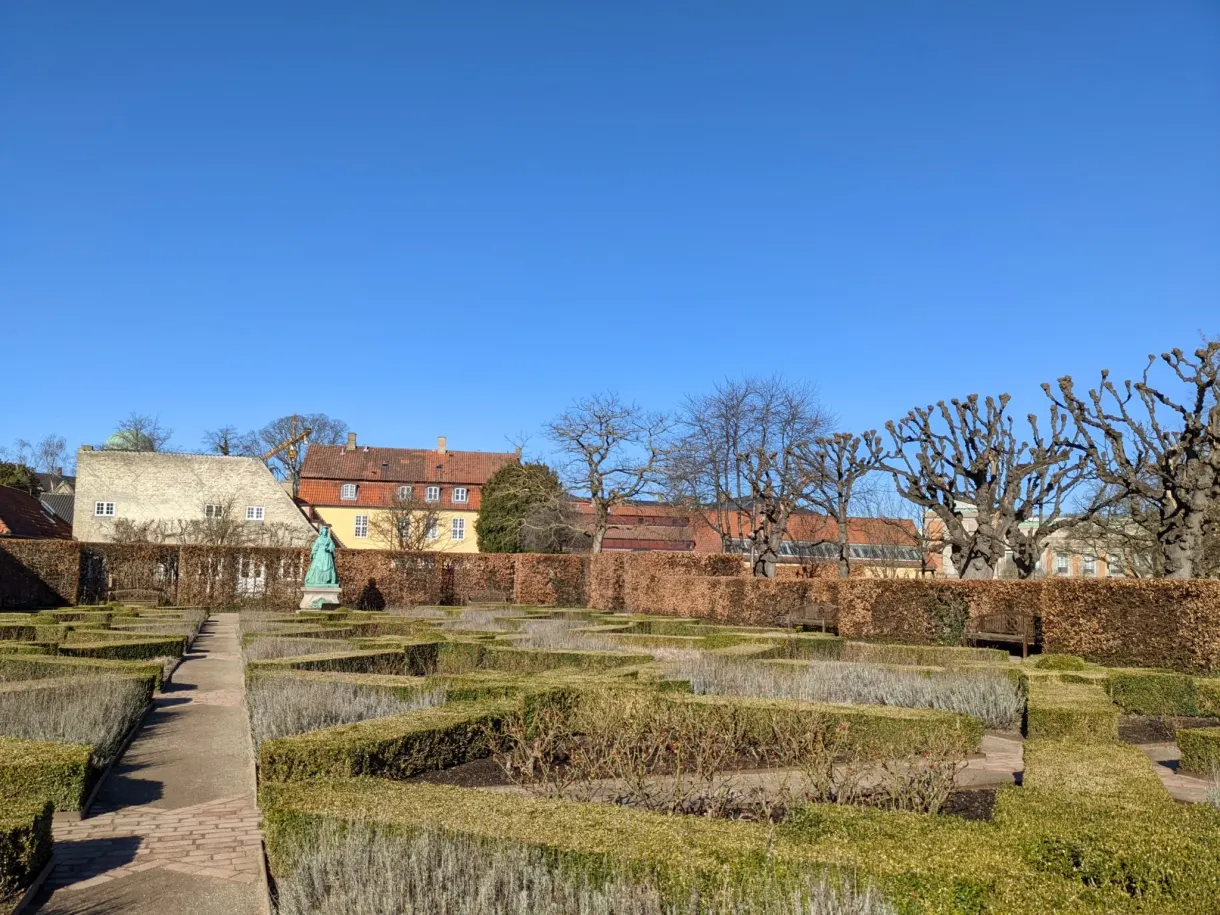
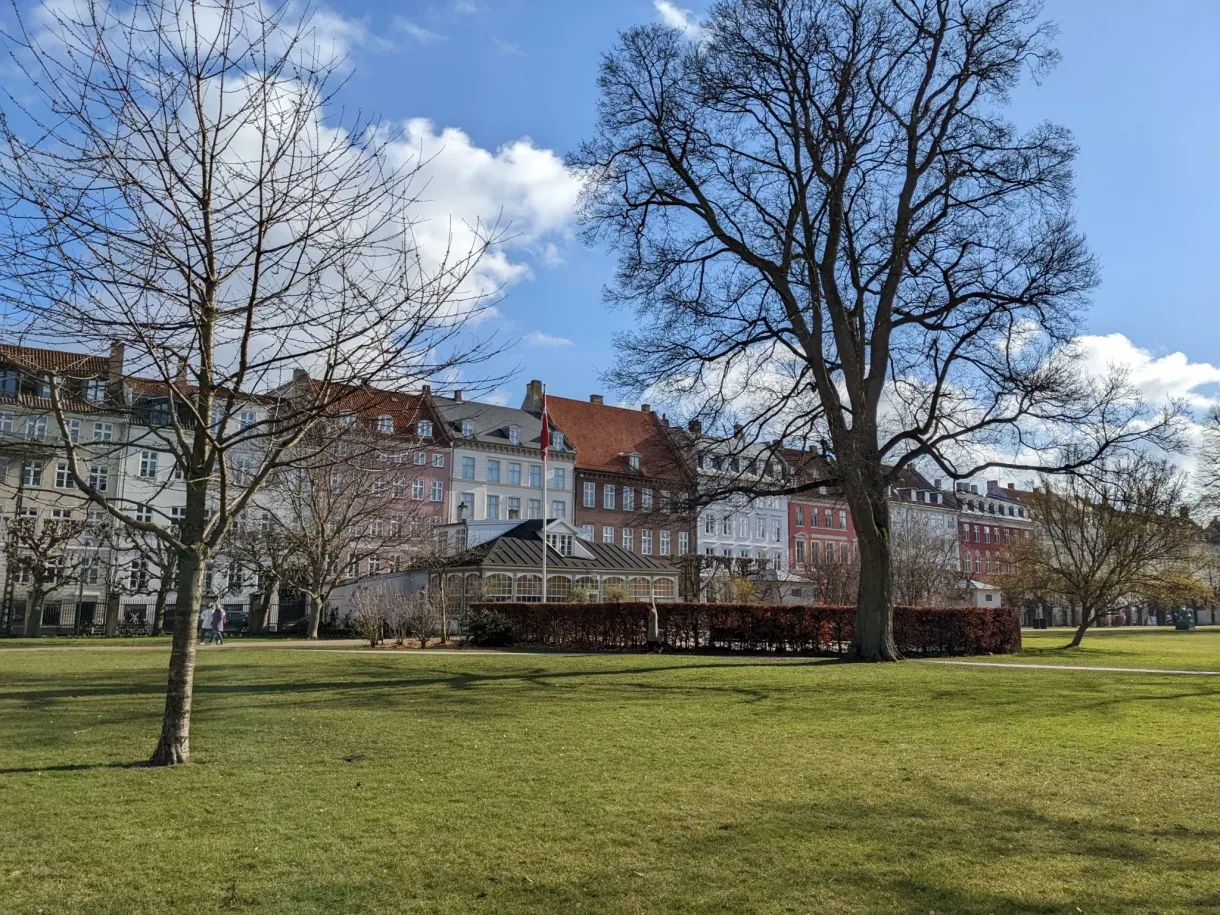
The King’s Gardens (Kongens Have) is the oldest park in Copenhagen and probably the most pleasant! A real green lung right in the city centre. Not to be missed!
Nyhavn
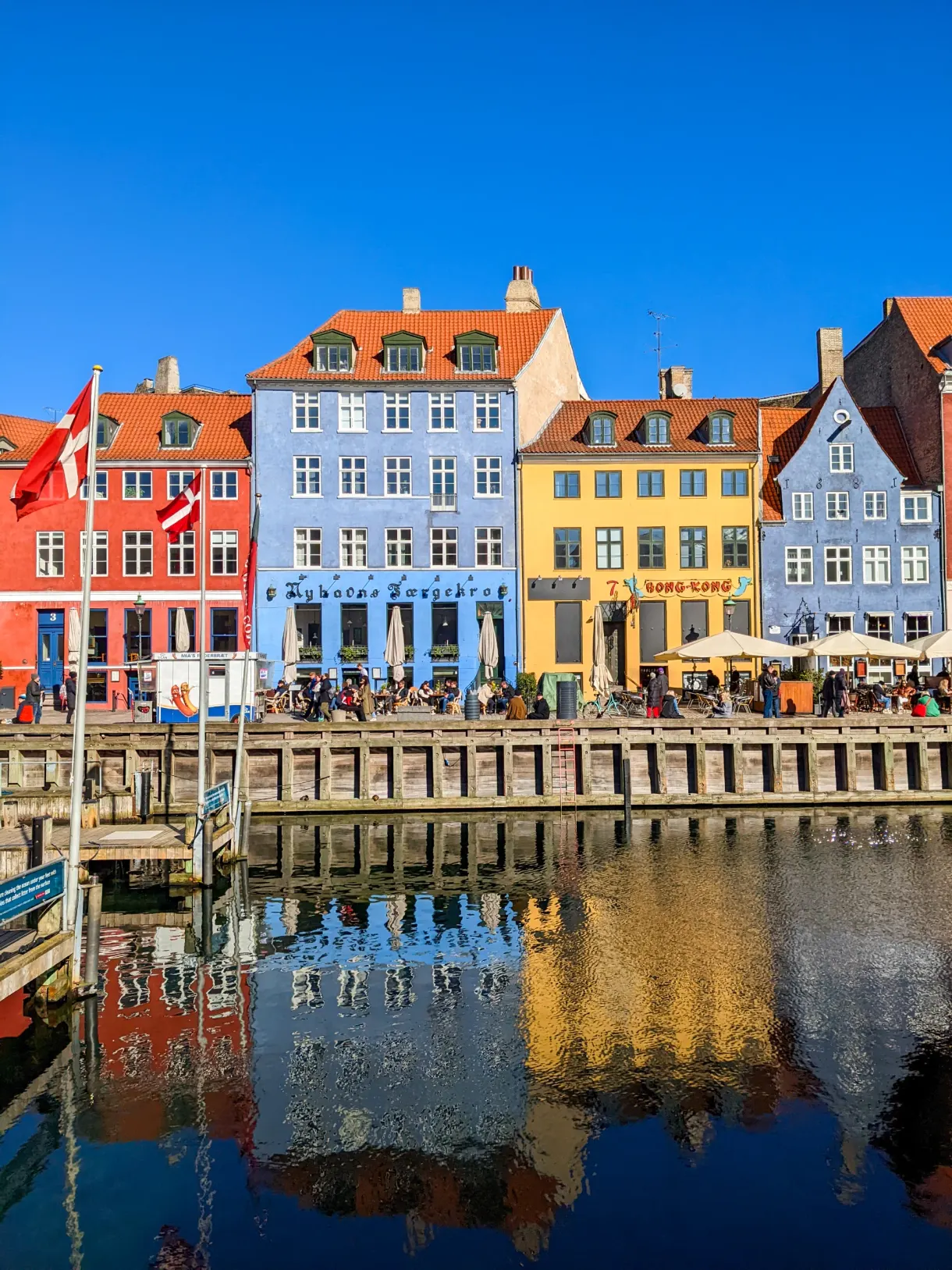
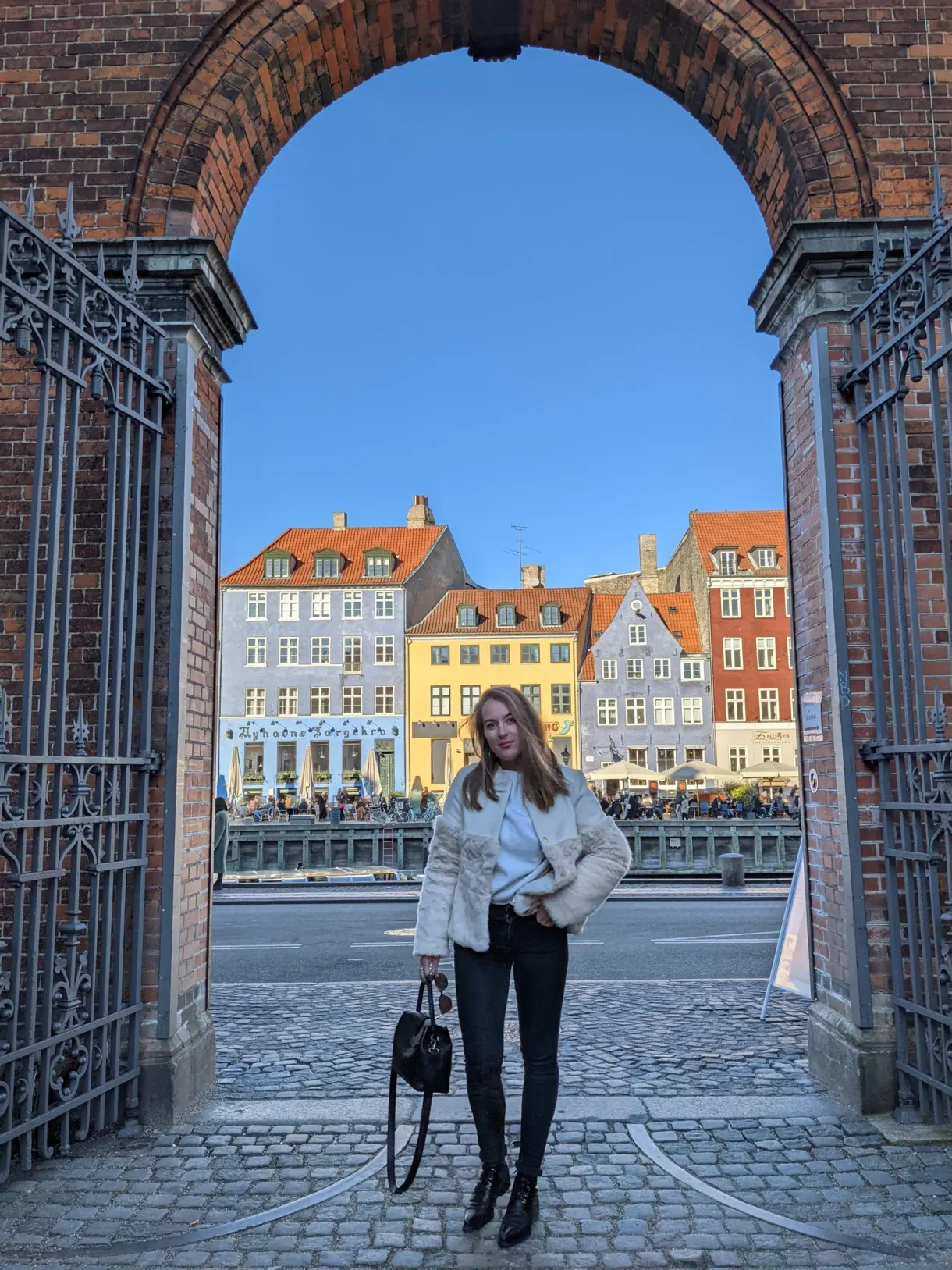
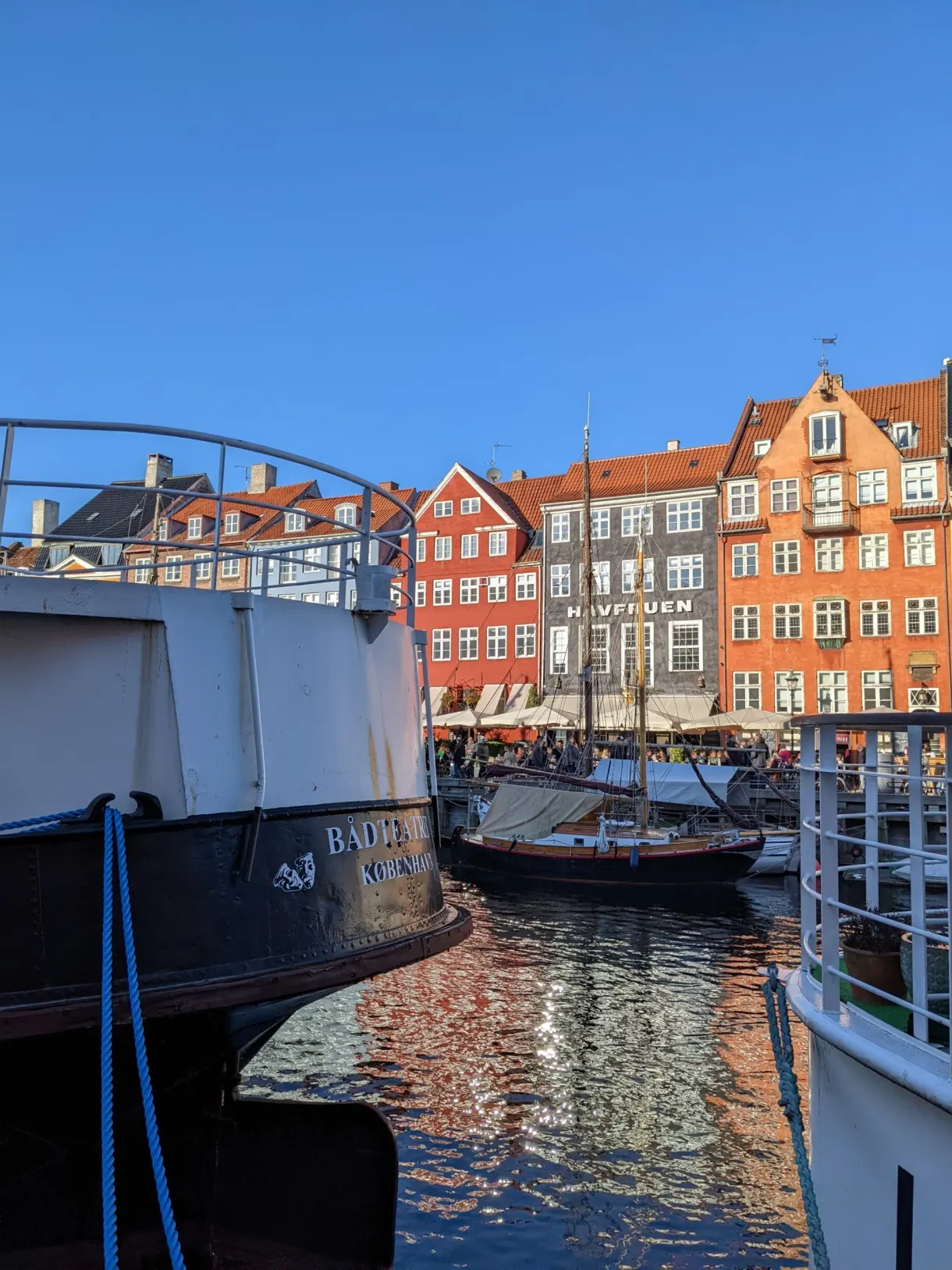
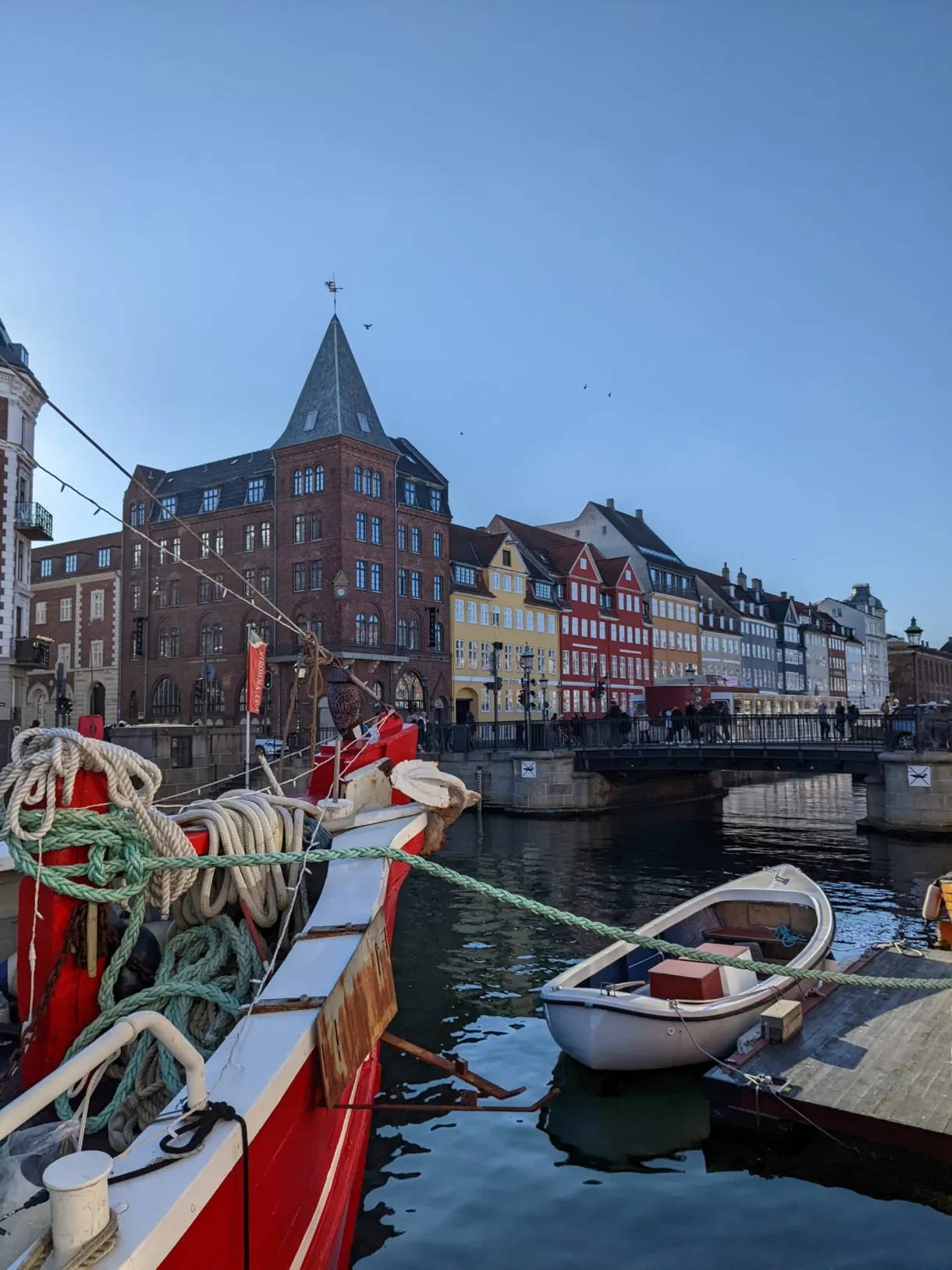
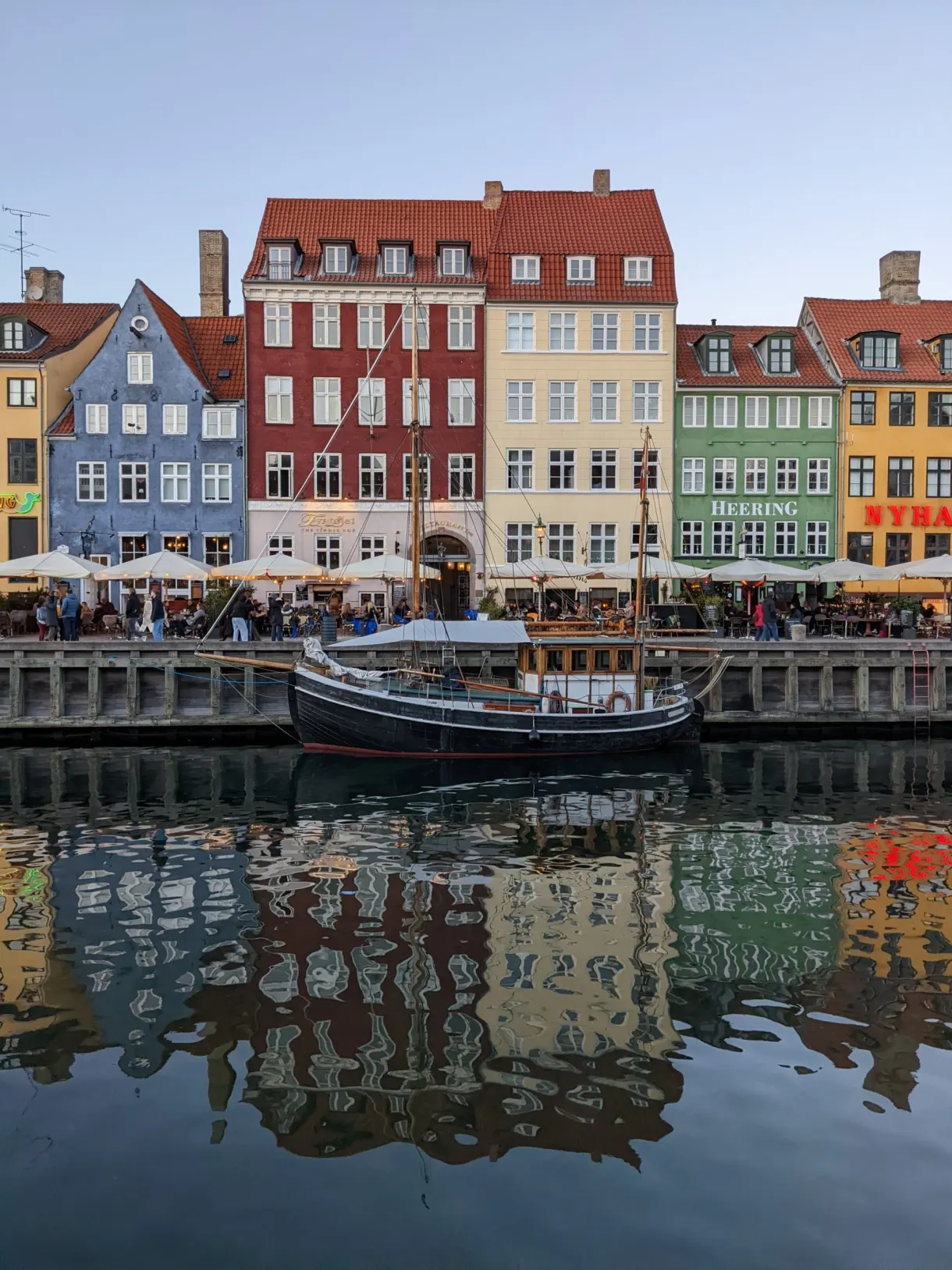
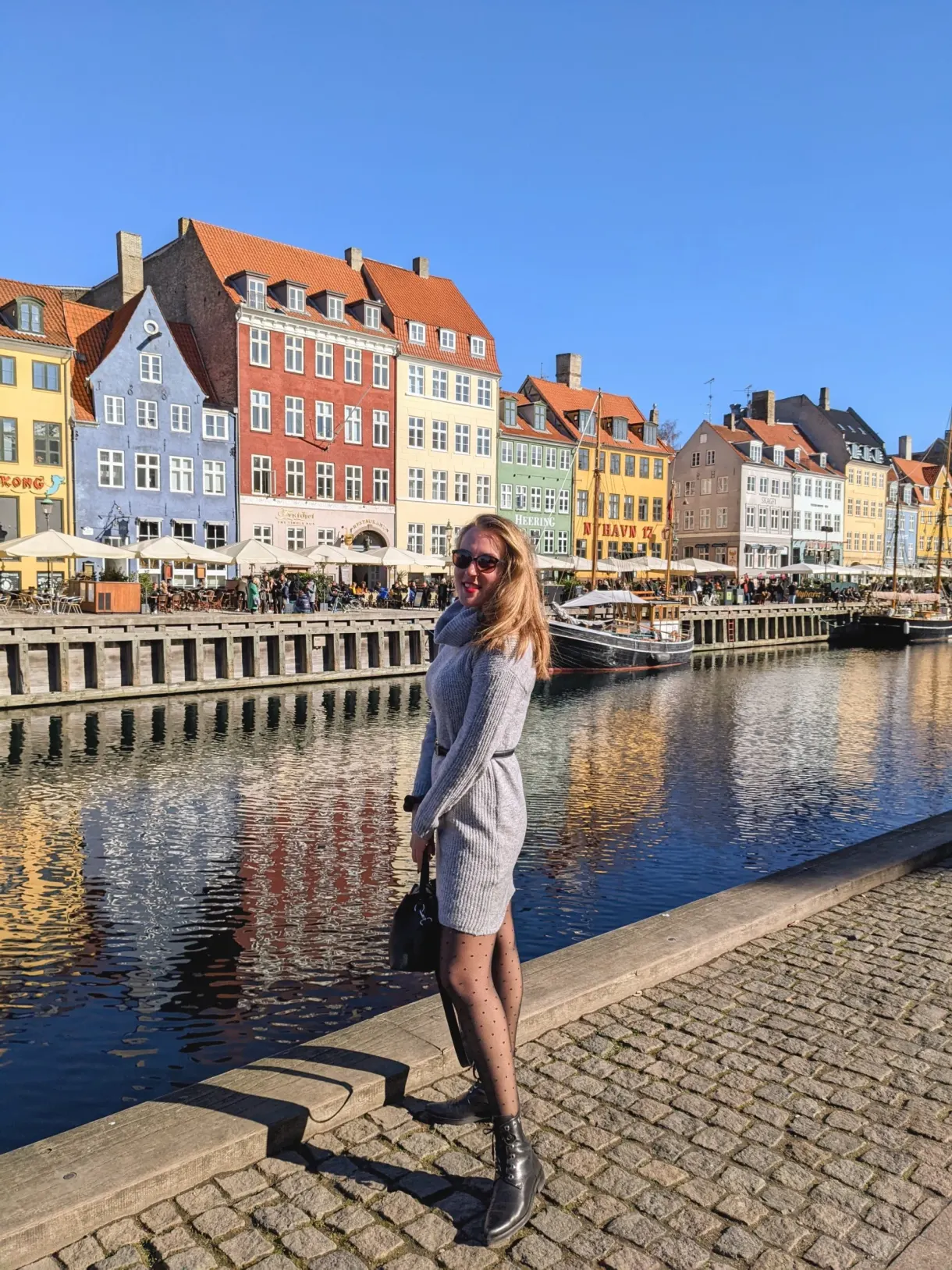
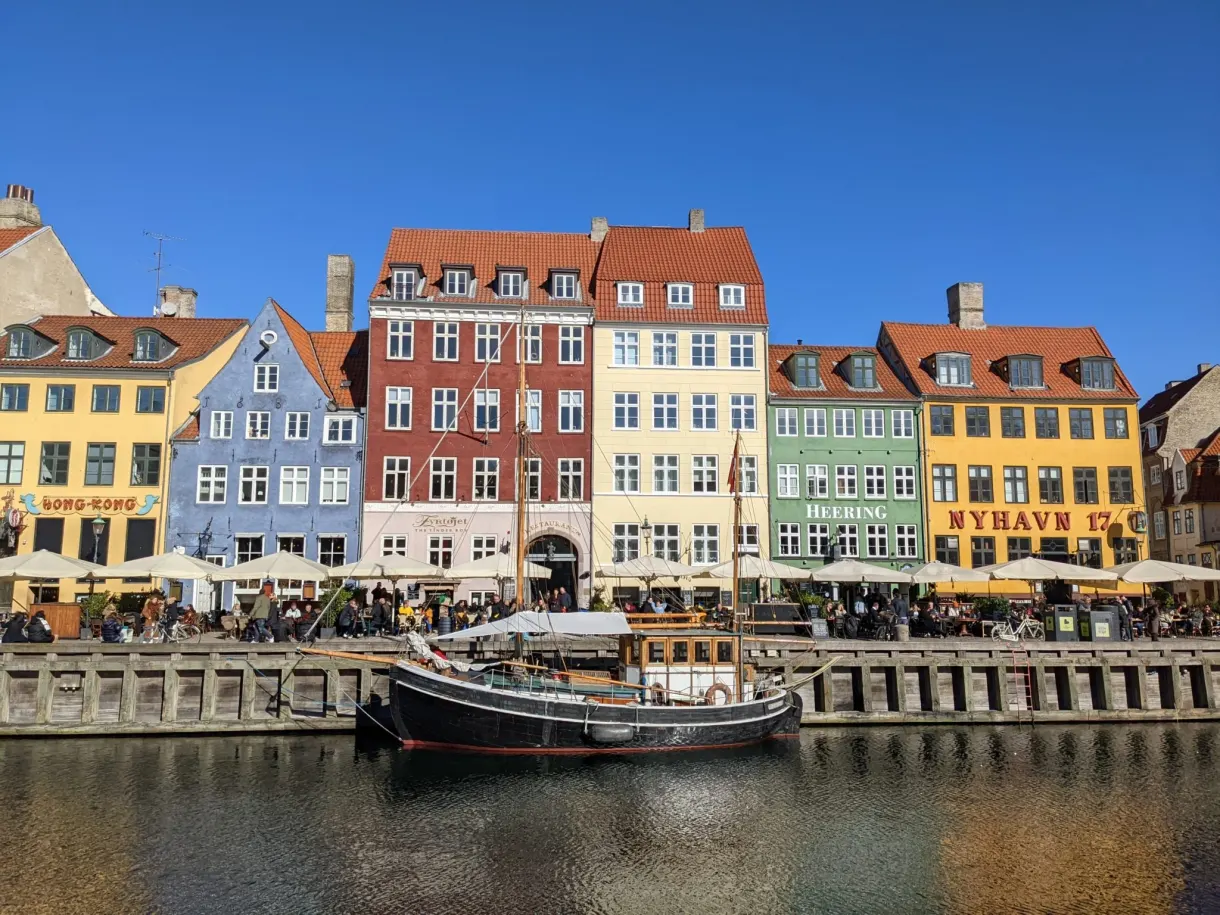
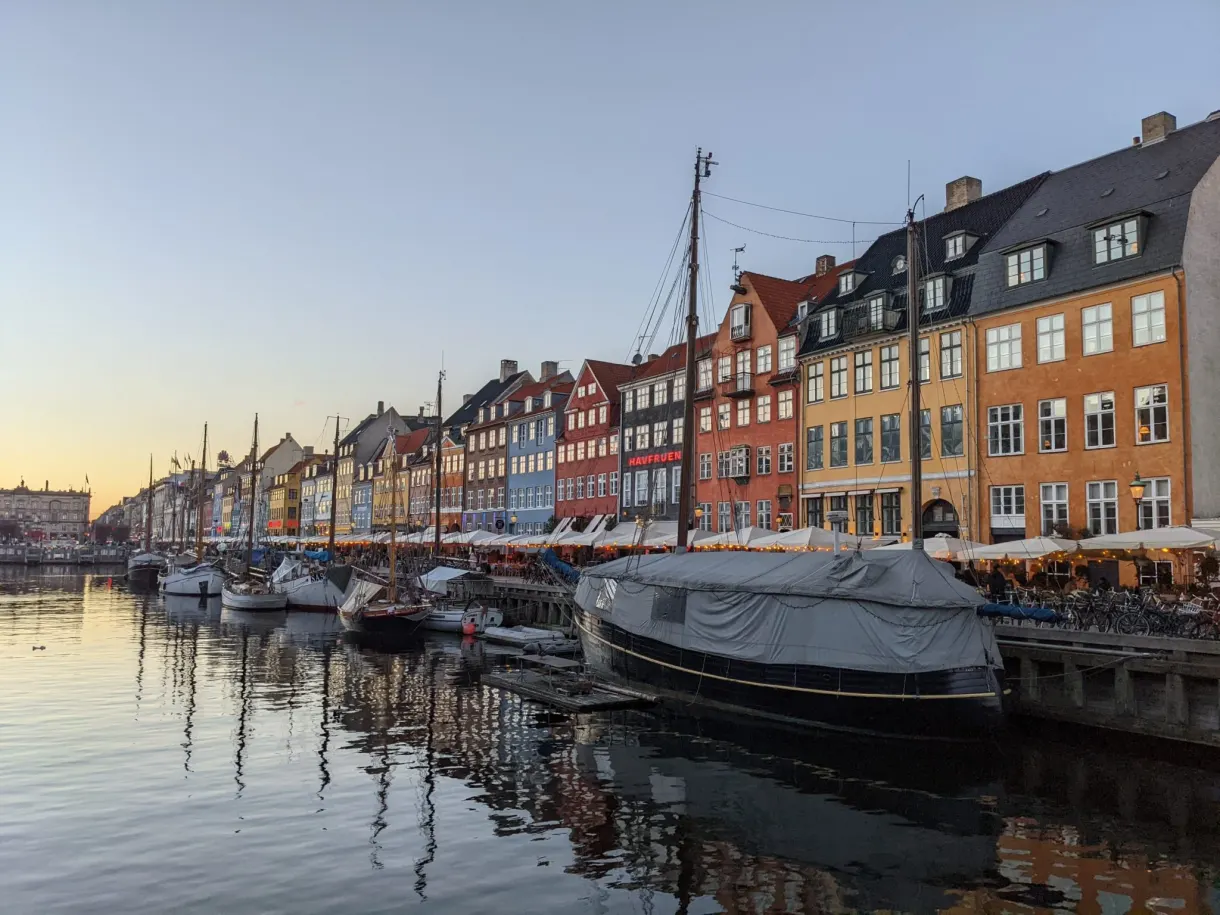
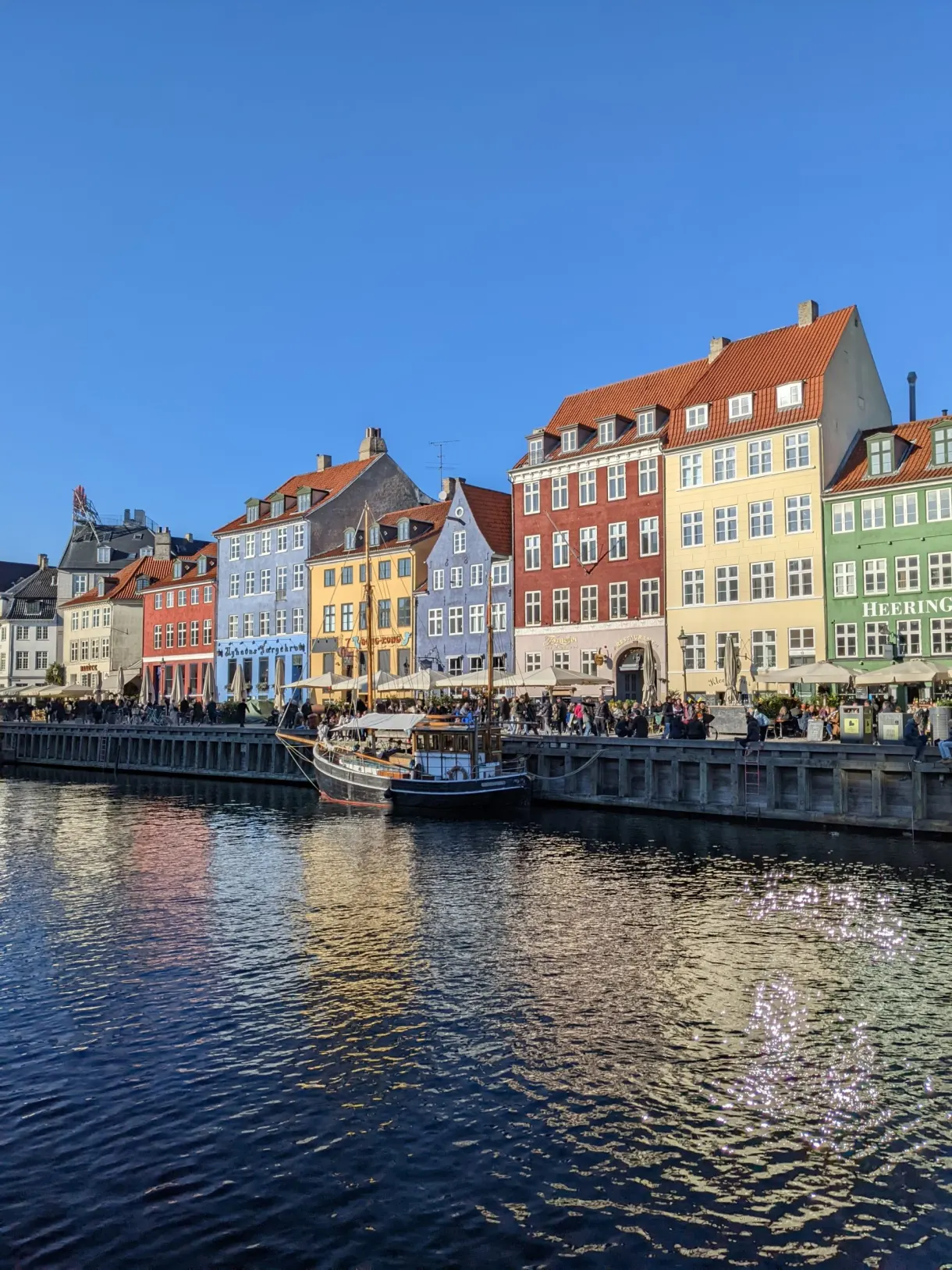
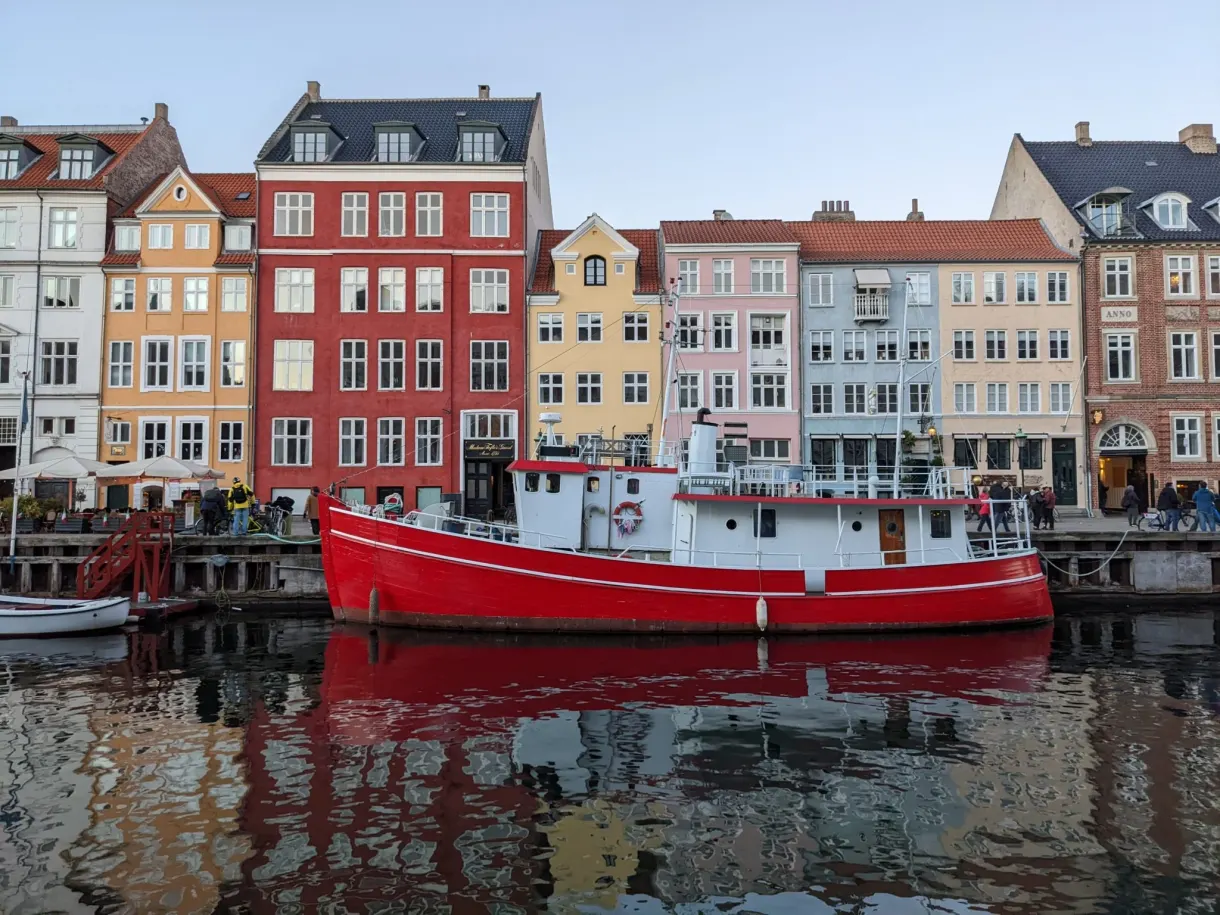
Nyhavn, THE postcard of Copenhagen! We have all already seen these colourful adjoining houses built along the Nyhavn canal. You go round it quickly but it is so pretty that you never tire of it. All along the left-hand side, if you look towards the sea, there are terraces of cafés and restaurants that attract tourists. The right-hand side is the perfect spot to take photos of this pretty harbour because the light lights up the façades during the day. Do not hesitate to walk through the archway of the Charlottenborg art gallery for a different view of the colourful houses.
Christiana
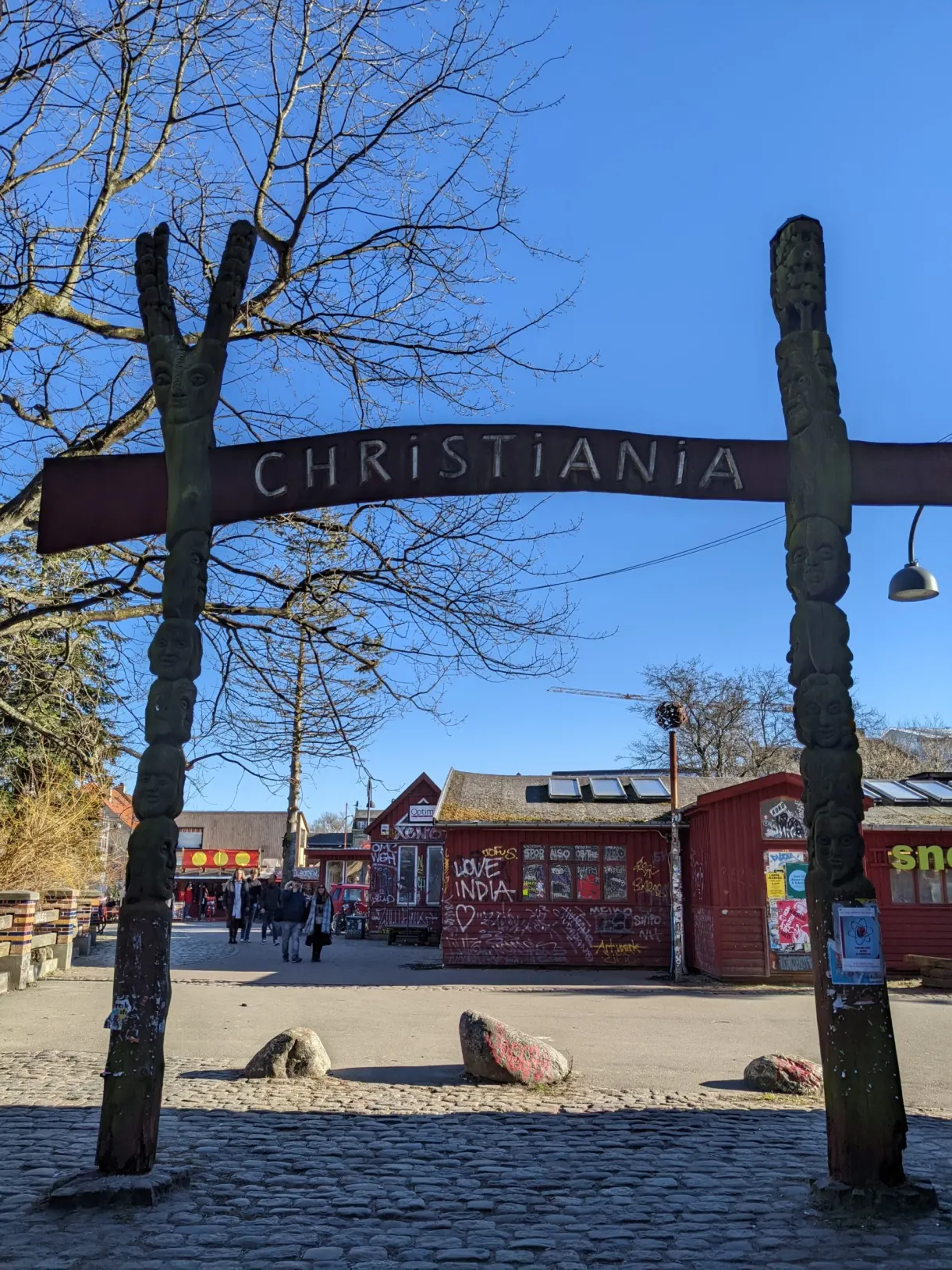
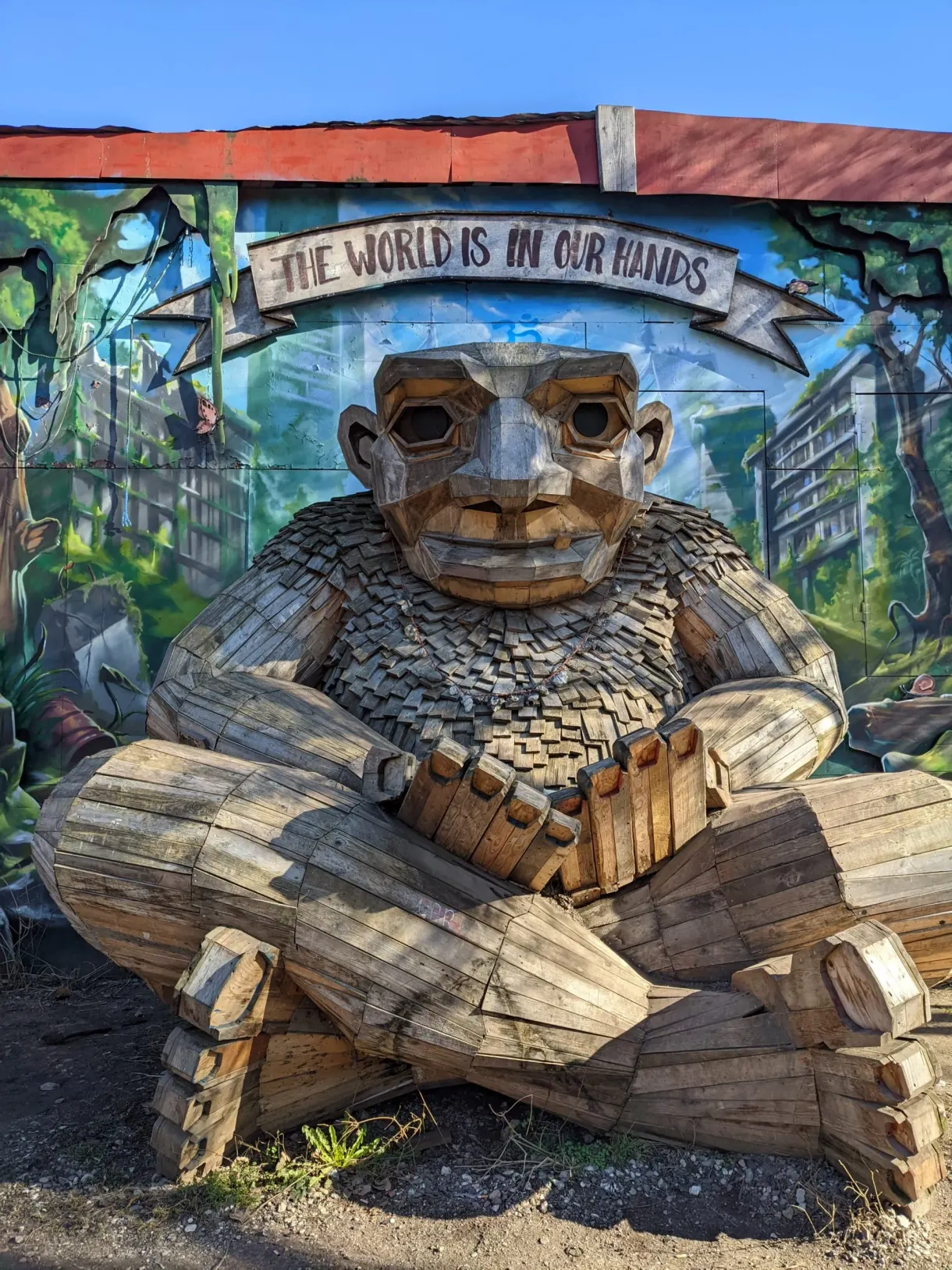
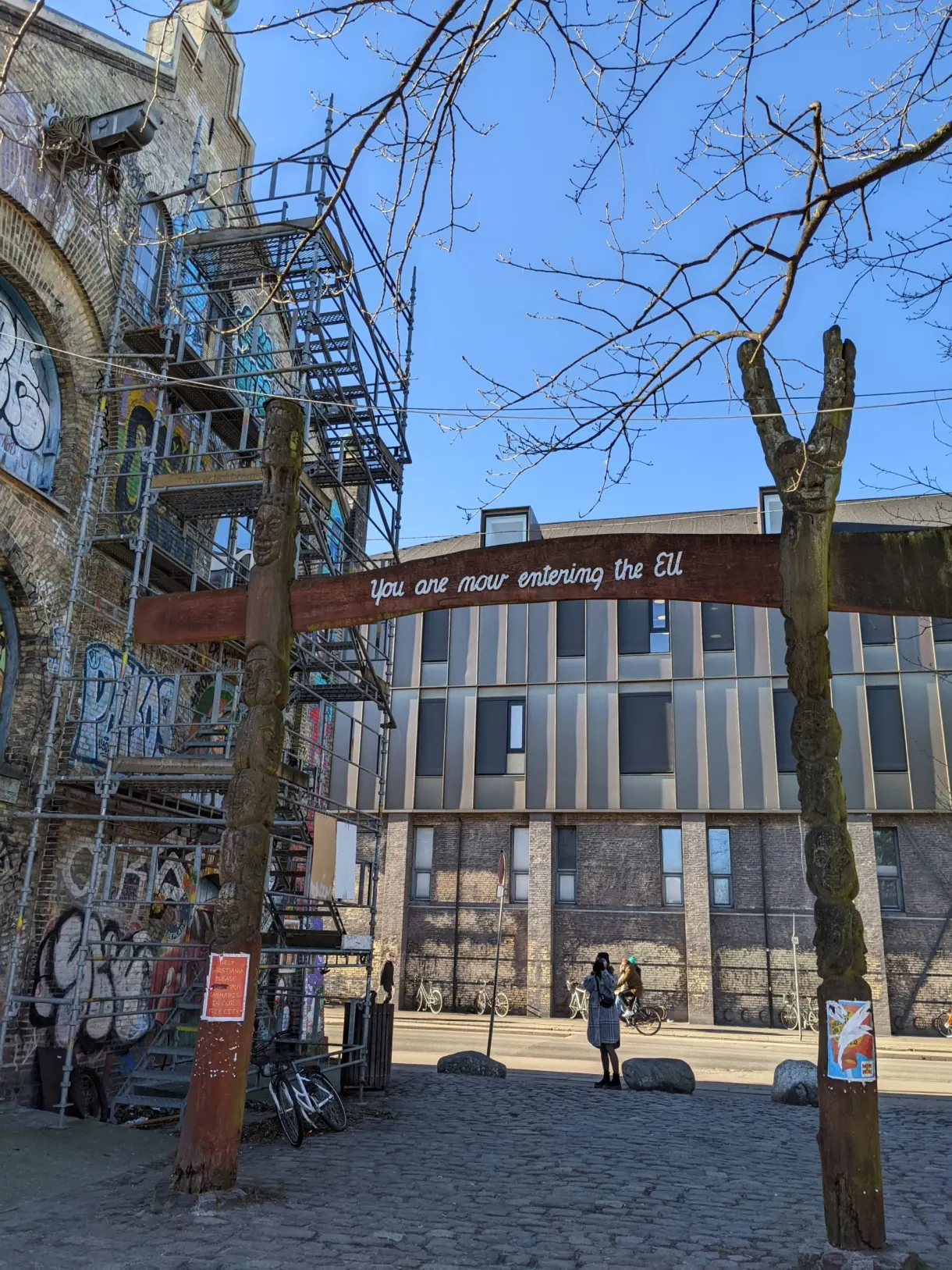
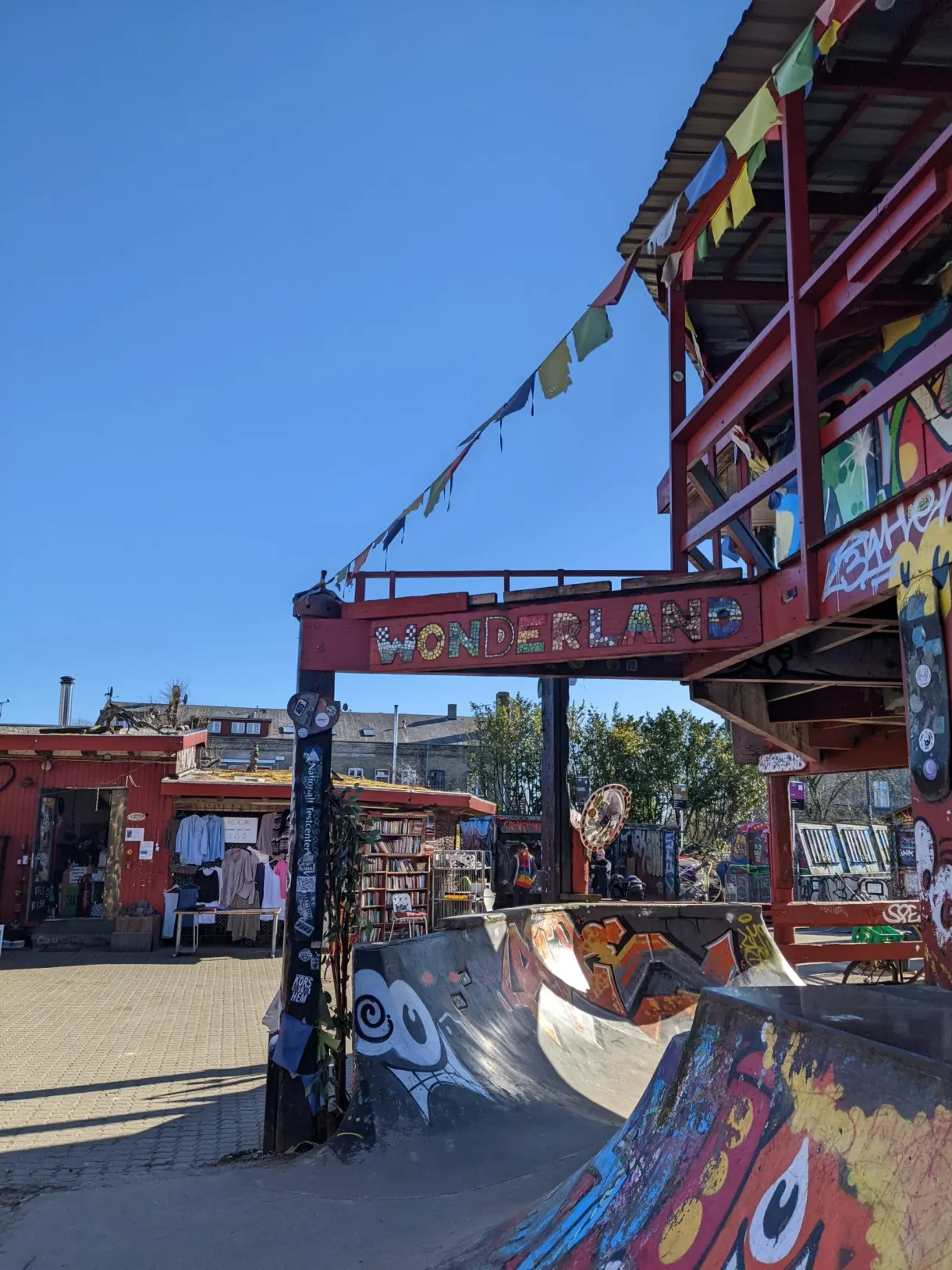
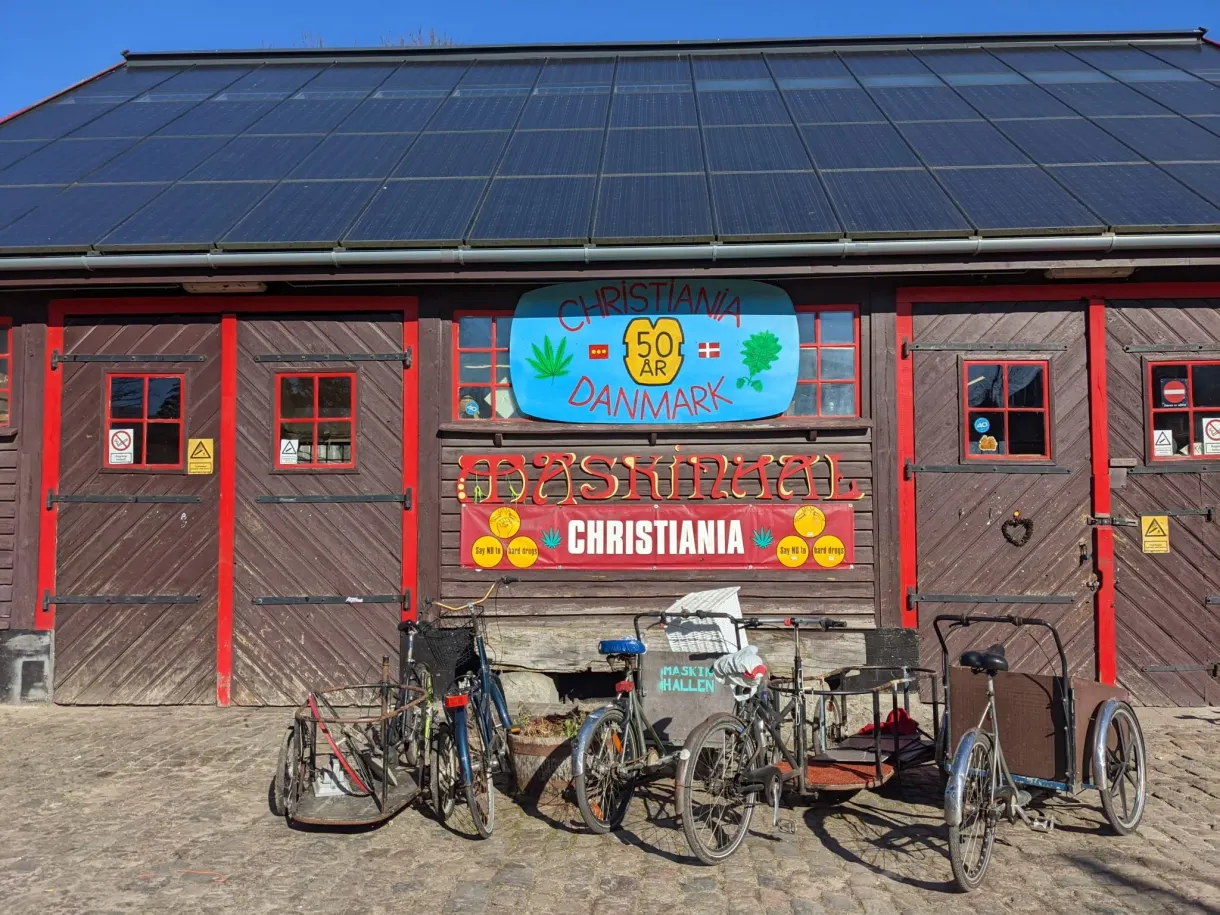
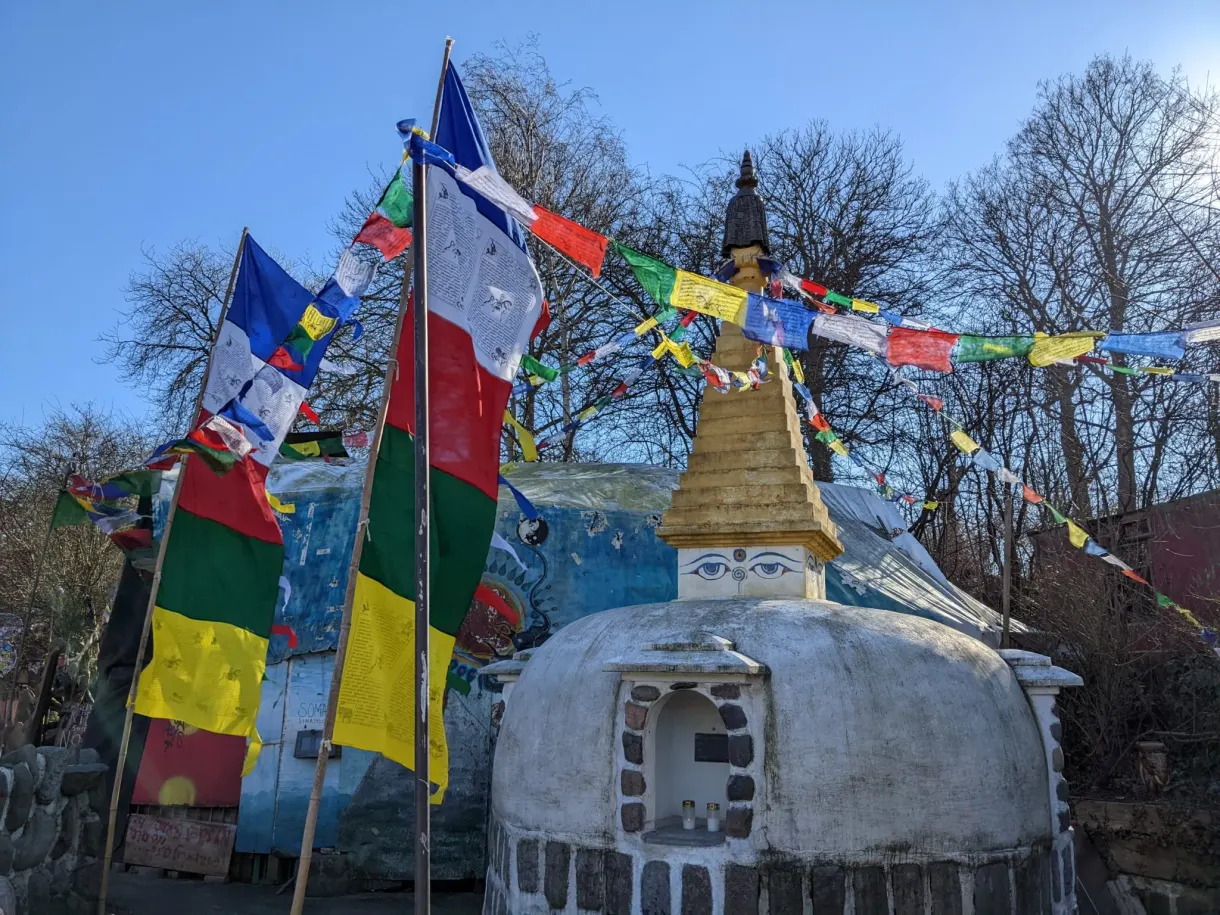
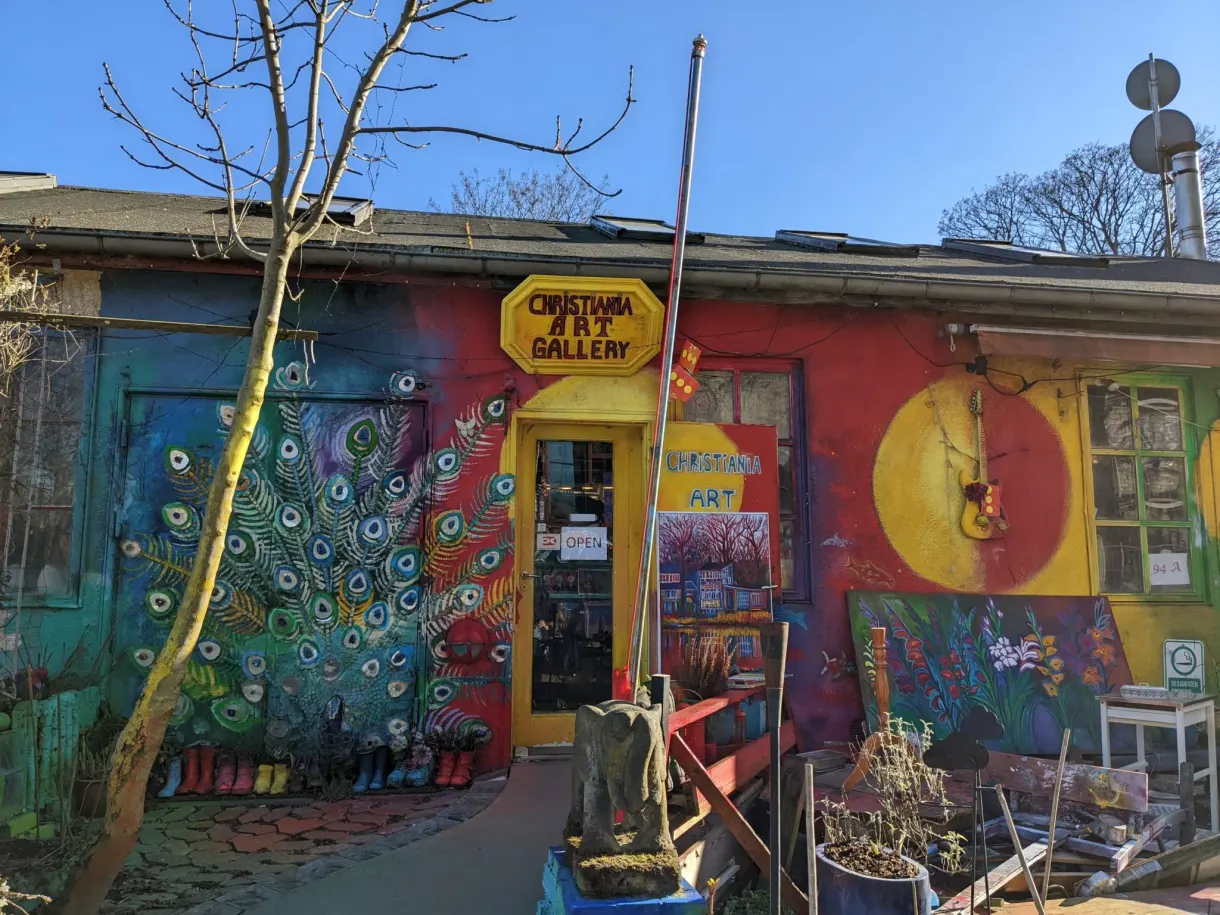
The famous free town of Christiana is a district of Copenhagen built on the site of a former military barracks in the 70s. It is today a self-governed hippie district, as the sign at the exit likes to remind you: “Now you’re entering the UE“. Here, photos are forbidden in many streets. There is a truly unique and special atmosphere between the little shops, the street art, the houses made of odds and ends and… the free sale of soft drugs! Definitely a district to see.
Christianshavns Vold
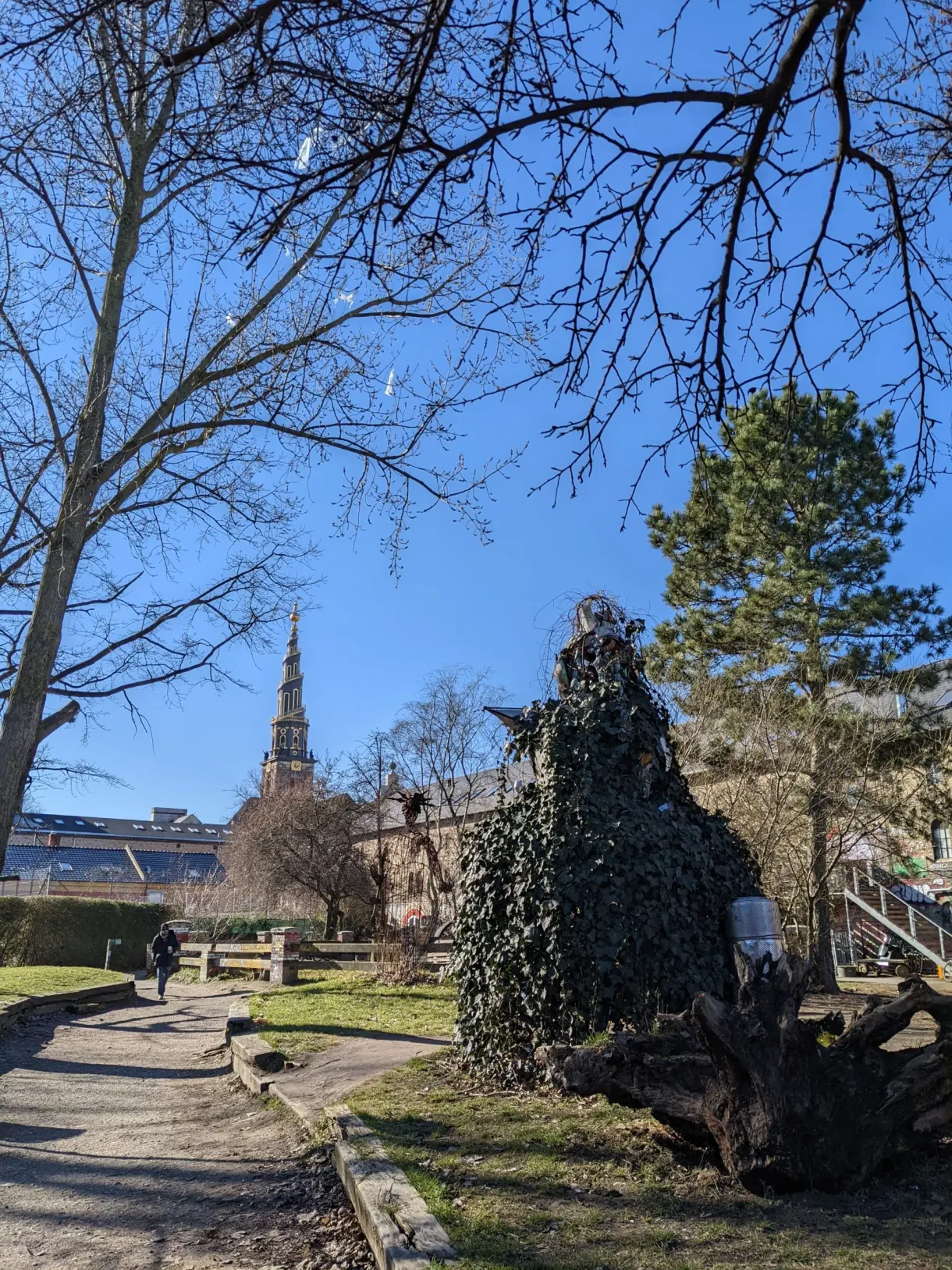
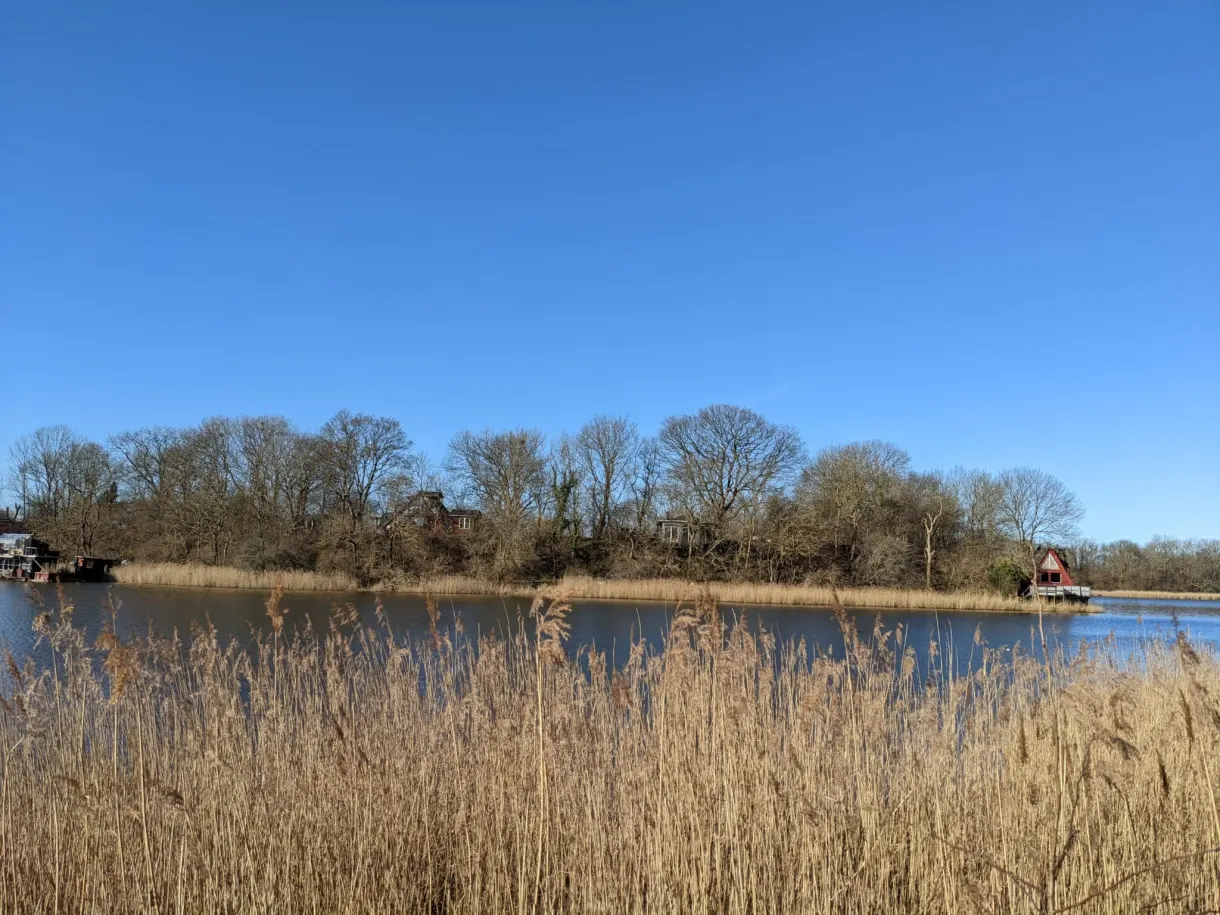
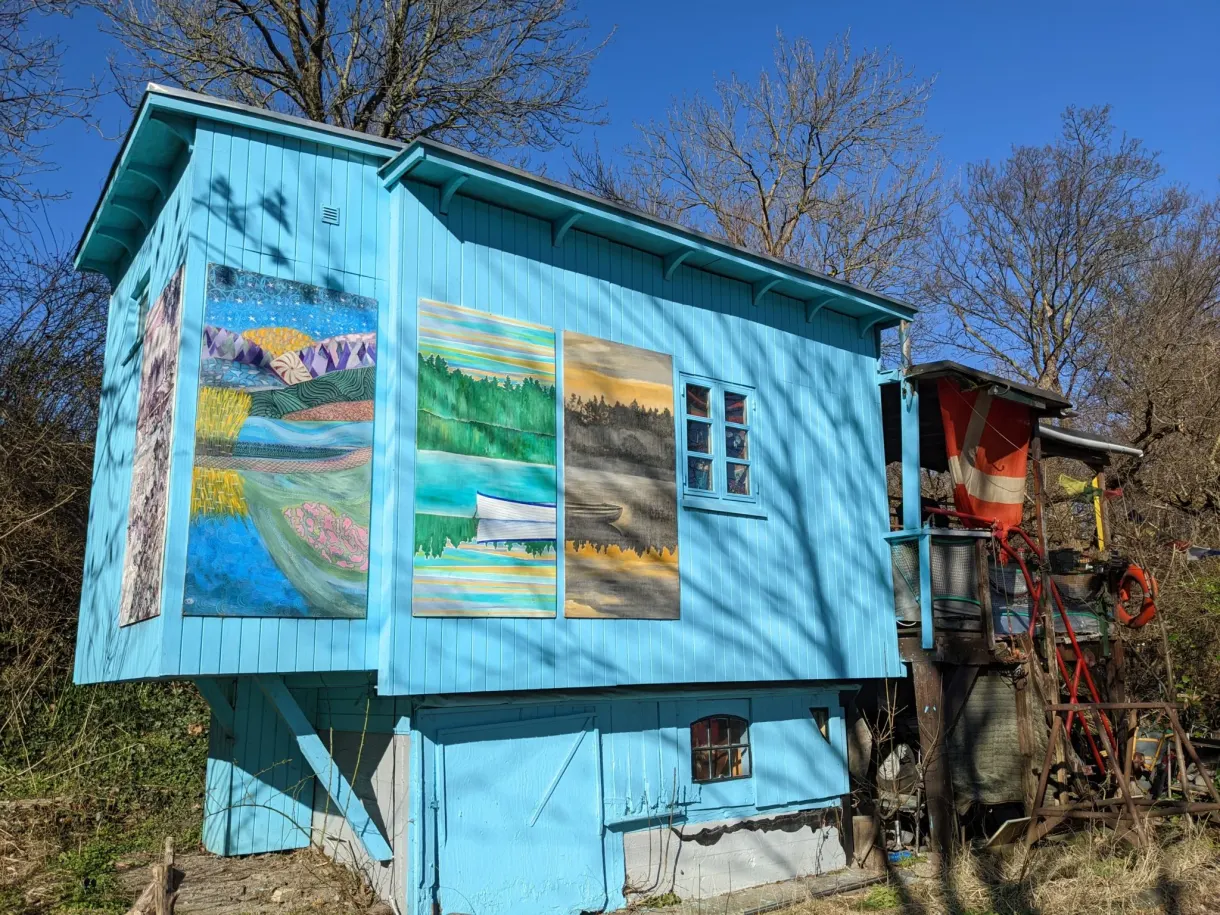
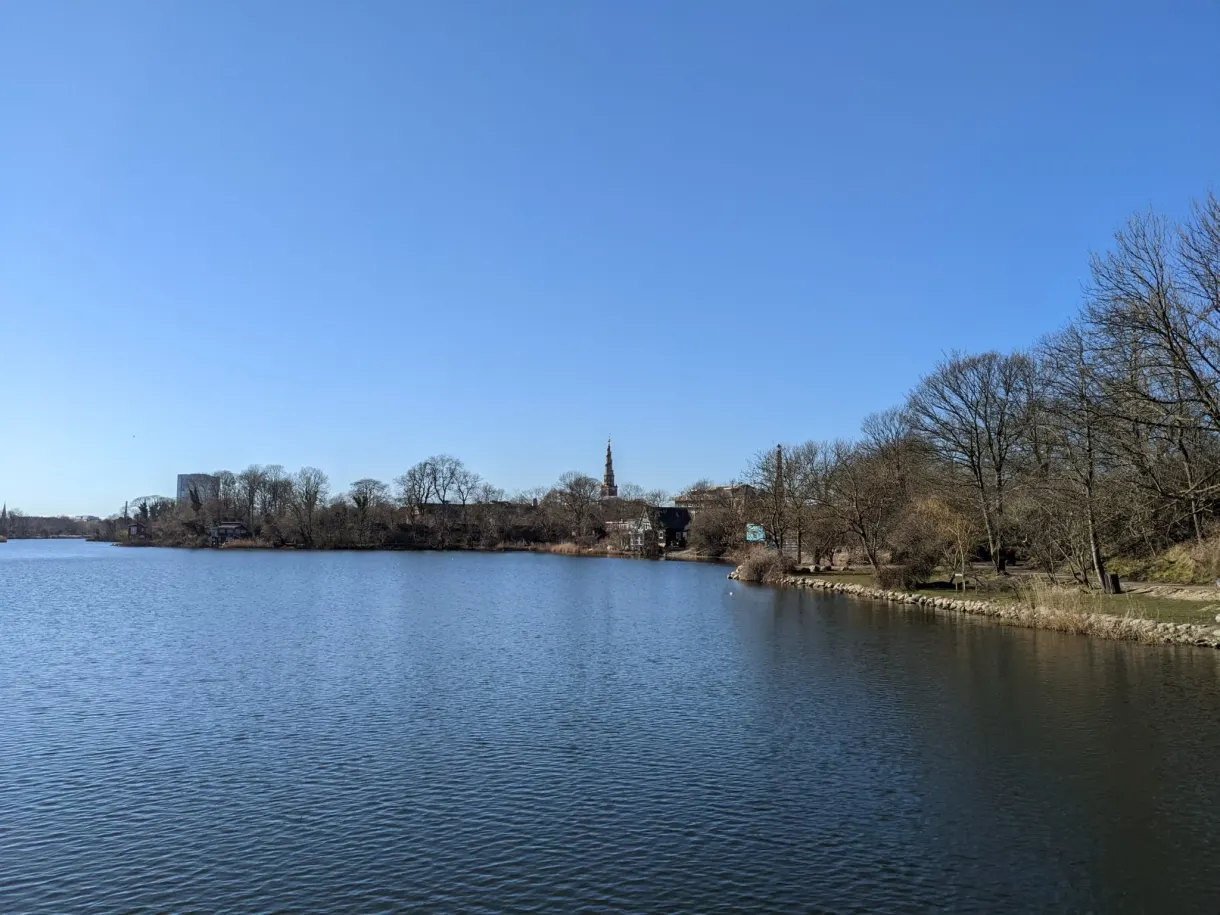
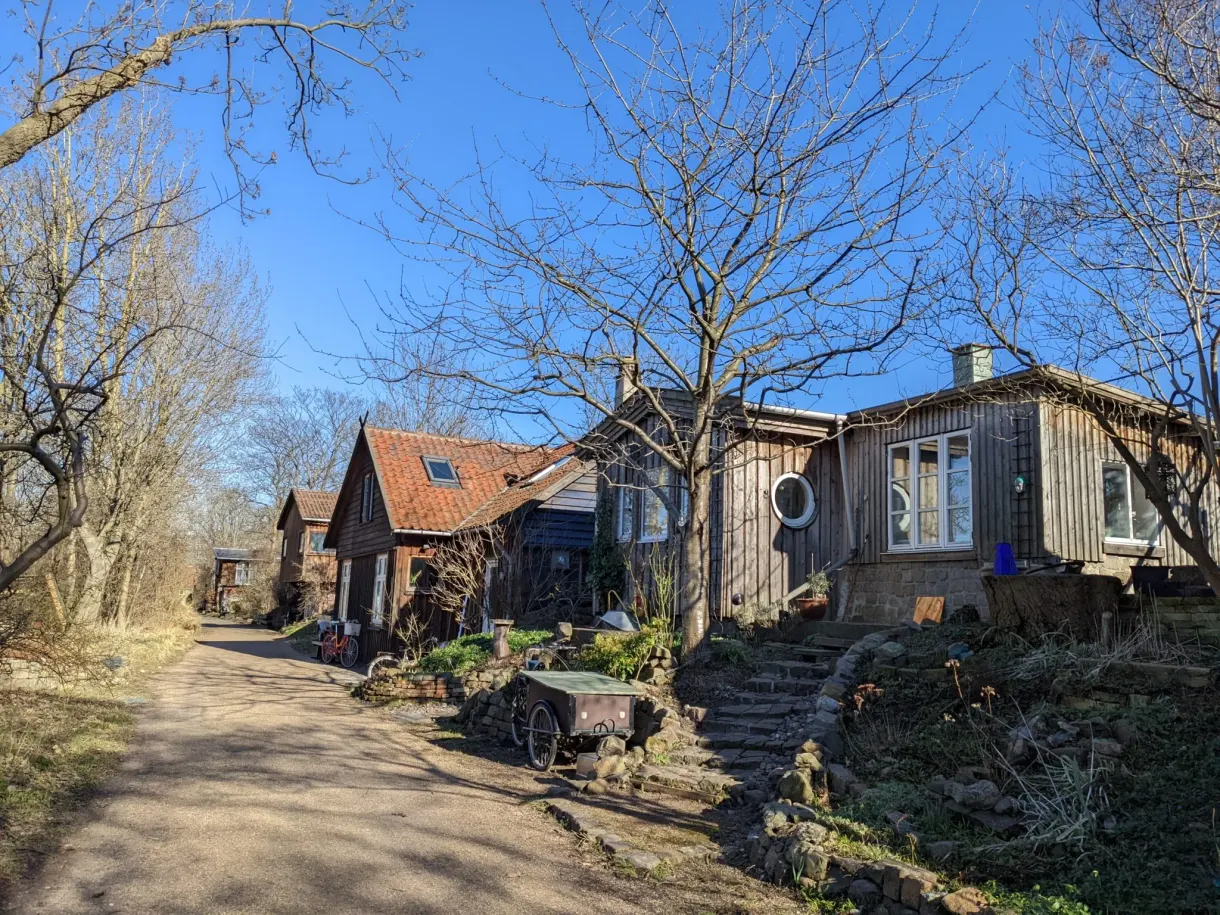
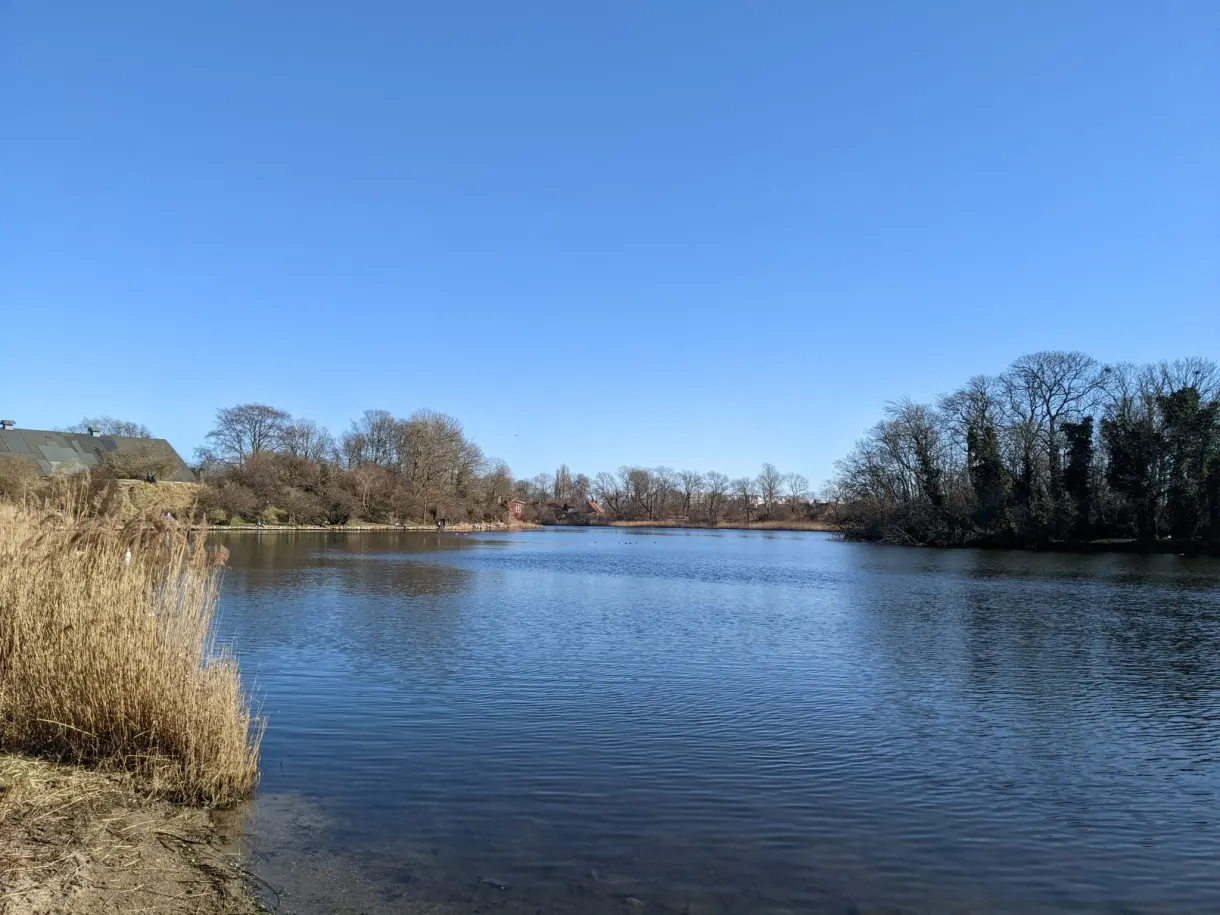
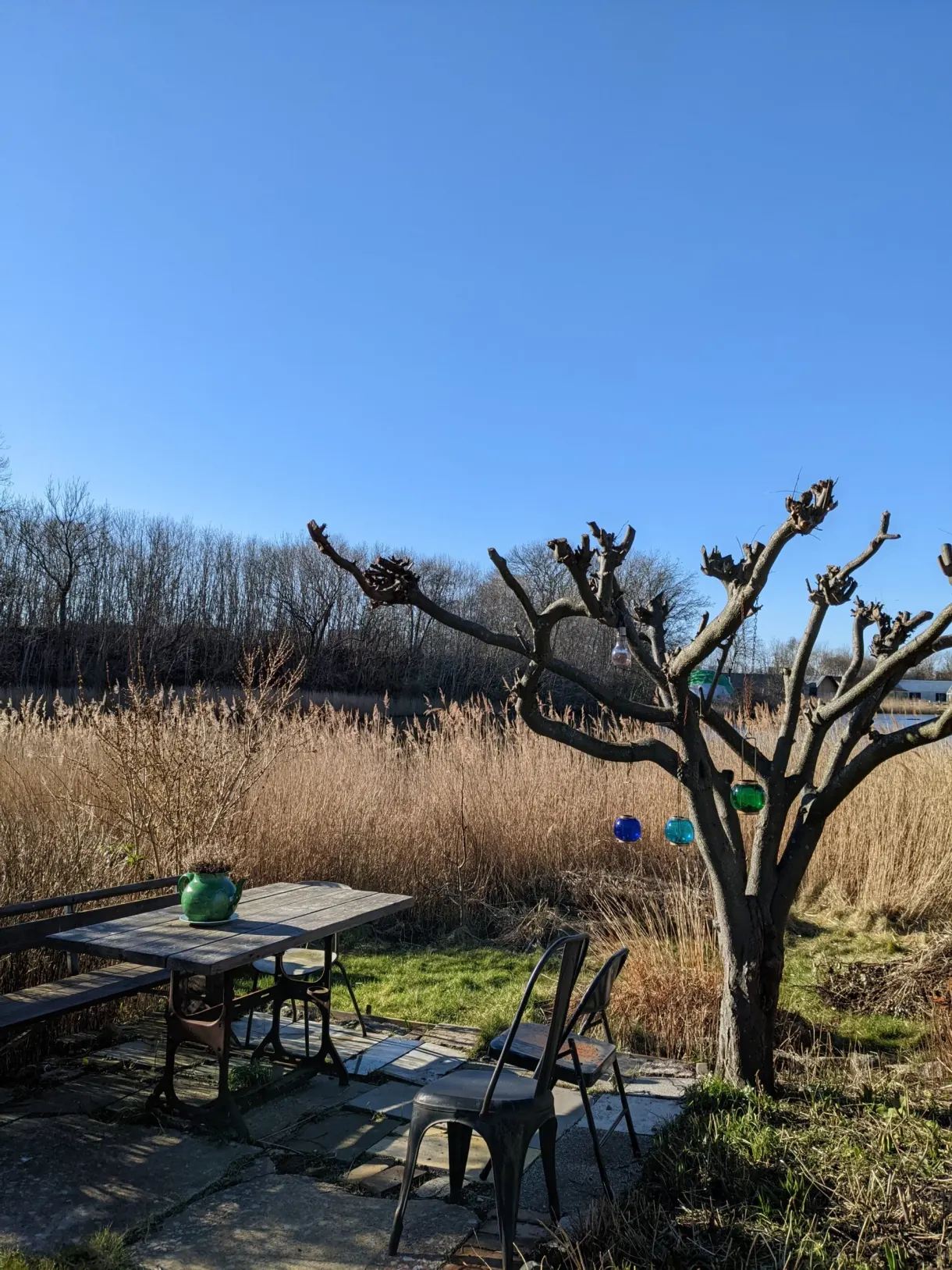
Do not leave the Christiana district without taking the time to walk in the nature that surrounds it! The Christianshavn ramparts are the remains of the old fortifications that surrounded the city and are today a lovely place for a walk. We were almost alone walking by the water: a really quiet spot. It is possible to do a loop and walk the whole dyke (cross over the Dyssenbroen bridge) to discover the little wooden houses built there.
Nørrebro district
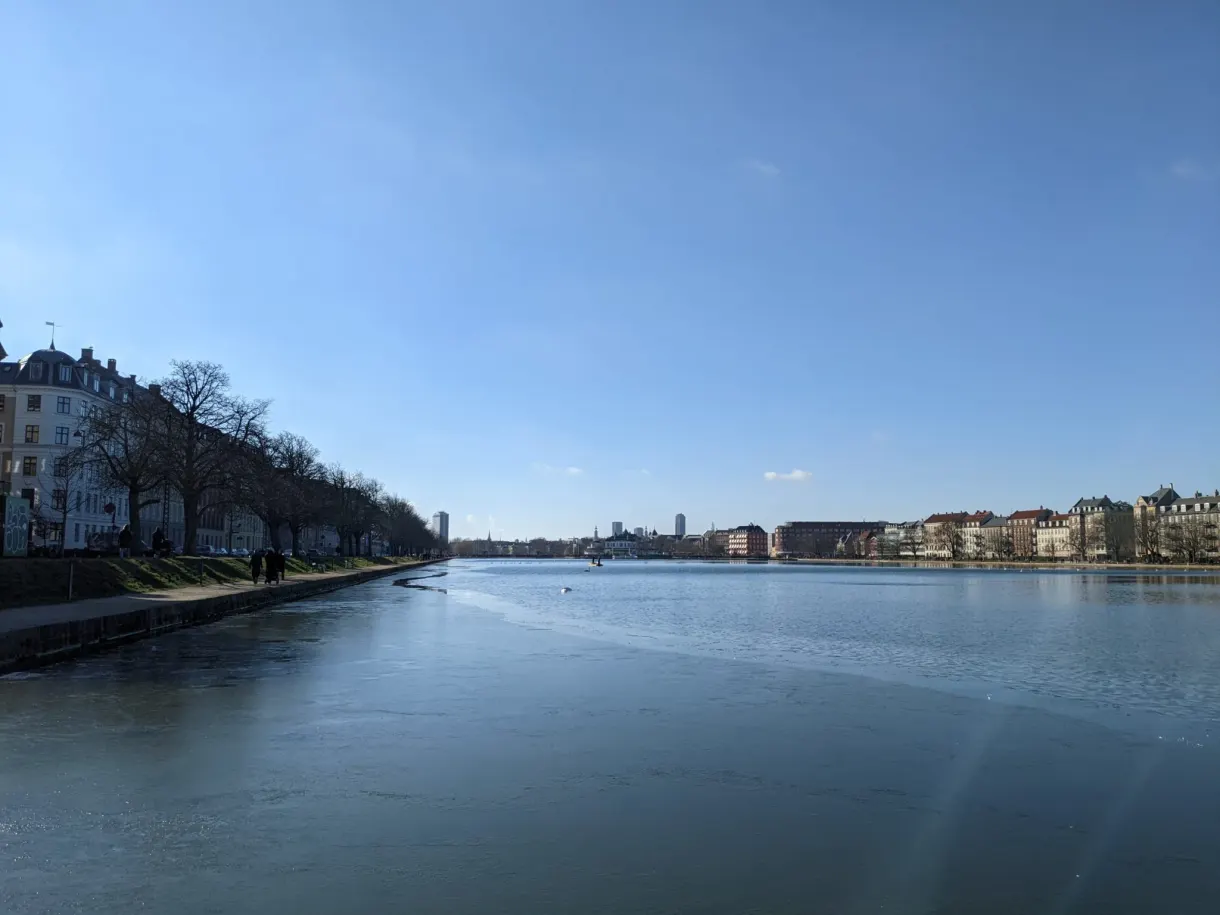
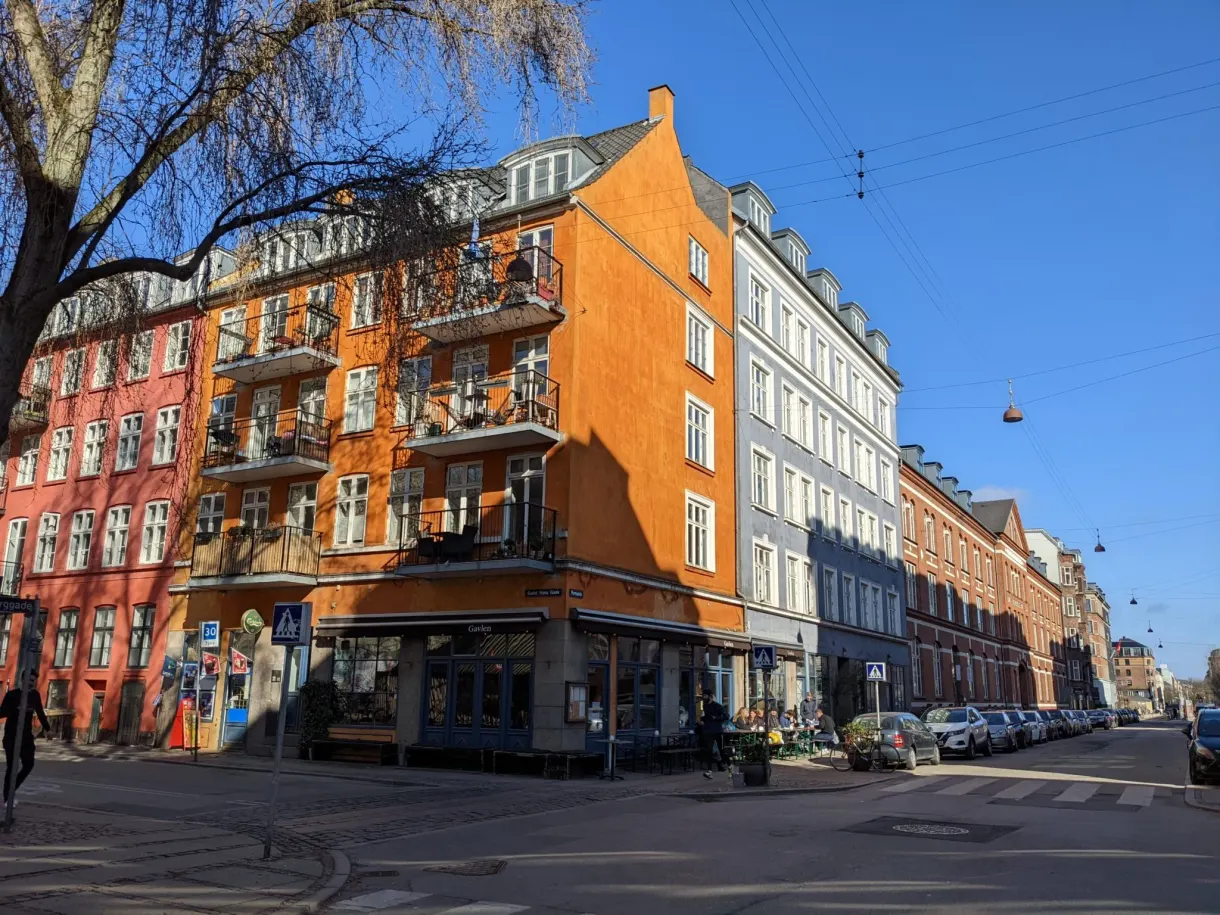
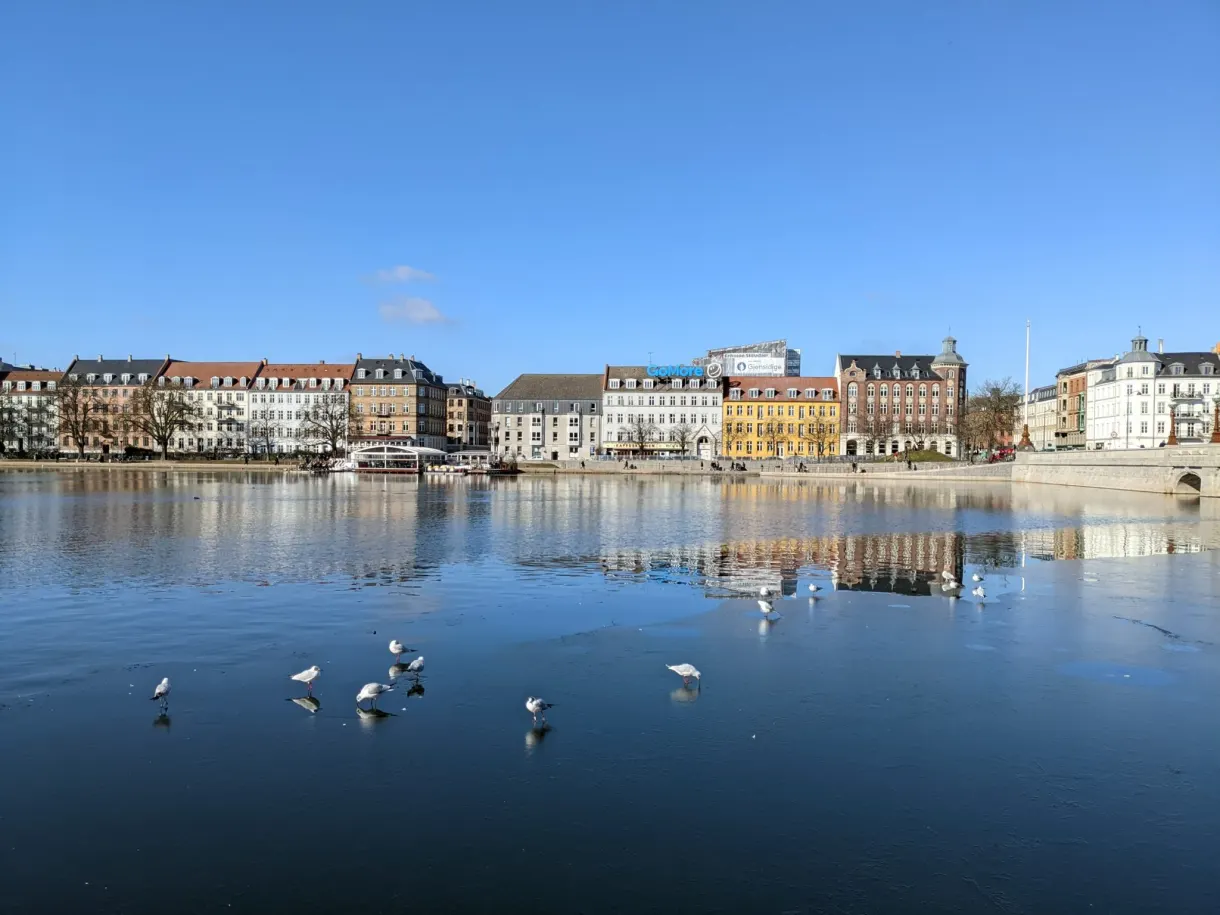
The Nørrebro district is located north-west of the city: you just have to cross the lakes of Copenhagen via the Louise bridge to get there. The banks by the water let you walk in the sun while enjoying the view over the city. Nørrebro can be a good idea for a visit if you want to discover a different district, more working class and lively, with more bohemian pockets. Here there are lots of restaurants, cafés and craft shops. A few points of interest:
- Assistens Cemetery: a wooded cemetery where locals go jogging or for a walk.
- Streets: Ravnsborggade, Blågårdsgade, Jægersborggade…
Our accommodation in Copenhagen
You should know that accommodation is quite expensive in the centre of Copenhagen. We stayed in a private Airbnb room at our host Gitte’s for 218€ for the 3 nights. The flat was ideally located near the lakes of Copenhagen (and the Forum station, direct from the airport), very handy for discovering the city on foot. We had a lovely encounter and felt like we were going back to the roots of Airbnb! We highly recommend it.
Our favourite places to eat in Copenhagen
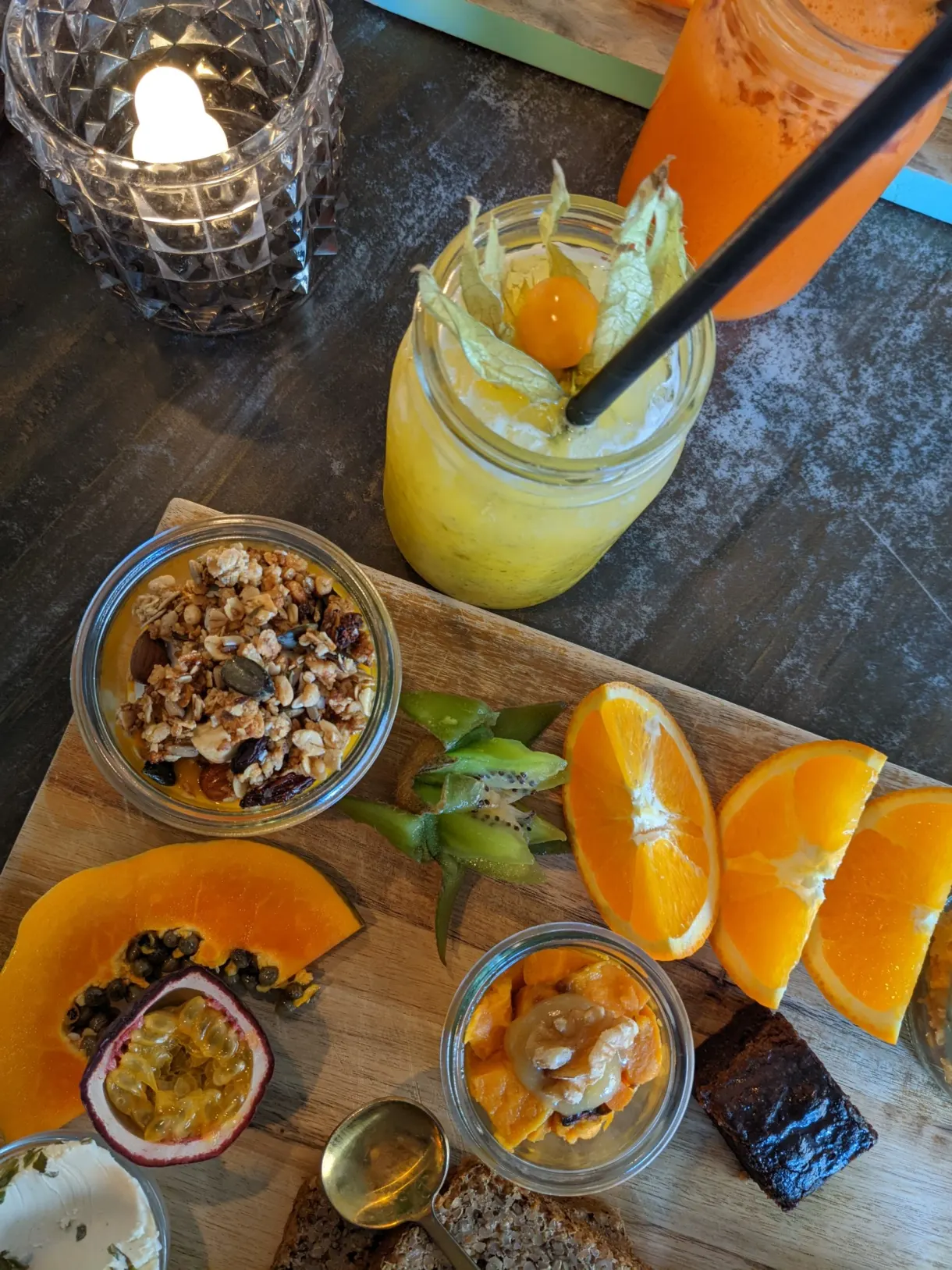
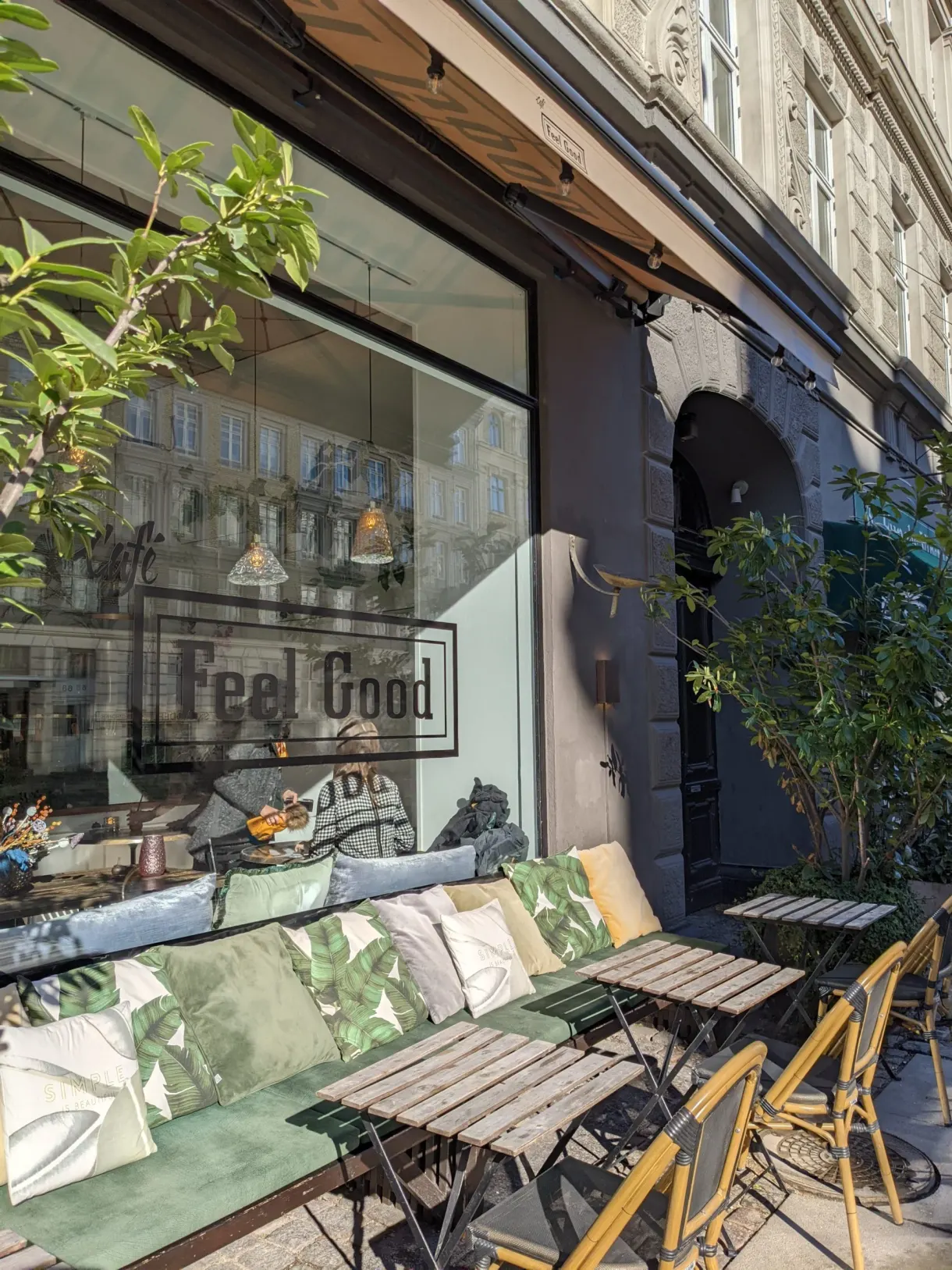
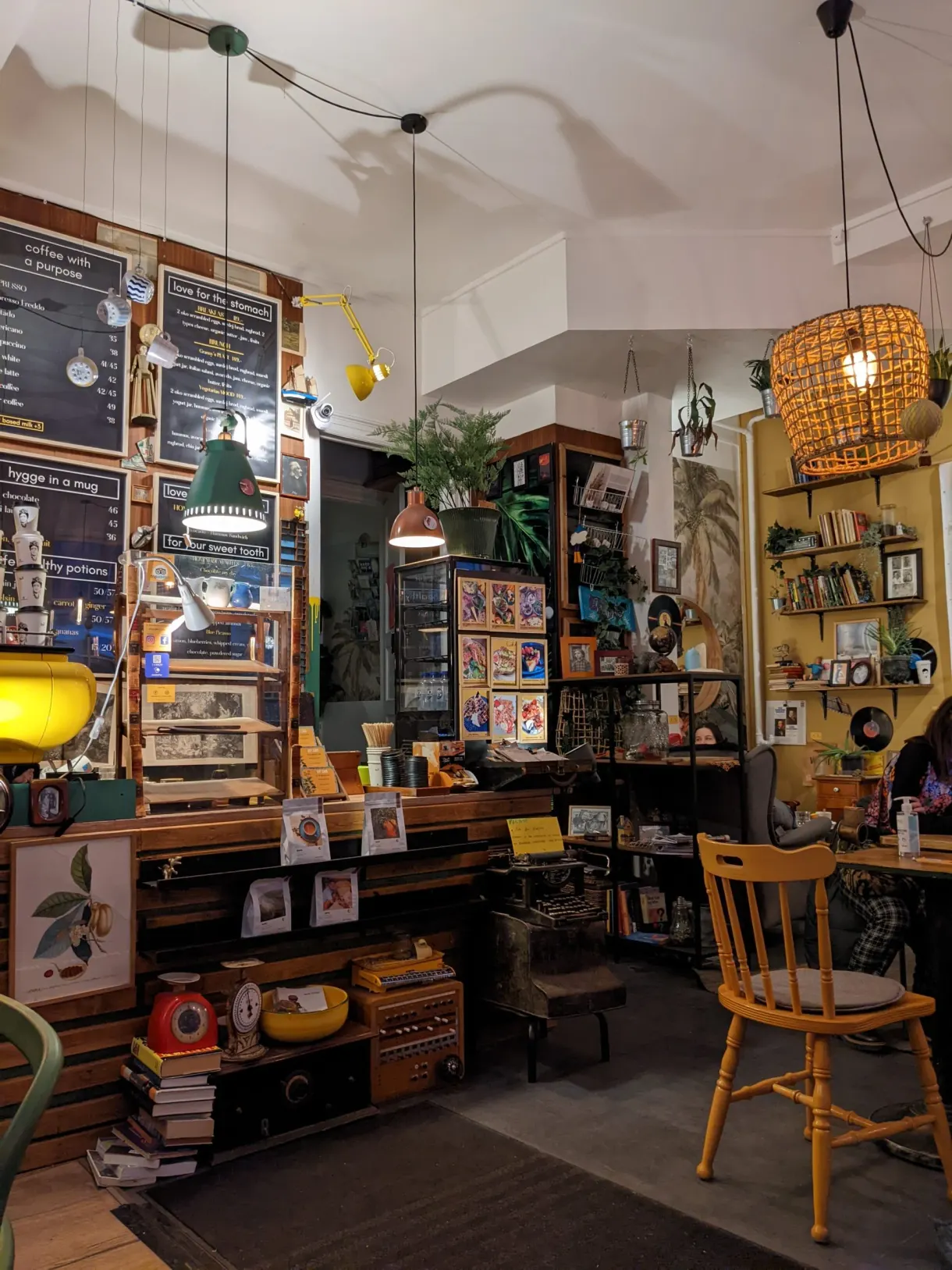
- Café Feel Good: excellent place for brunch in a lovely, quiet setting. Full brunch deal (159 dkk, 21€) with juice (49 dkk, 6.50€)
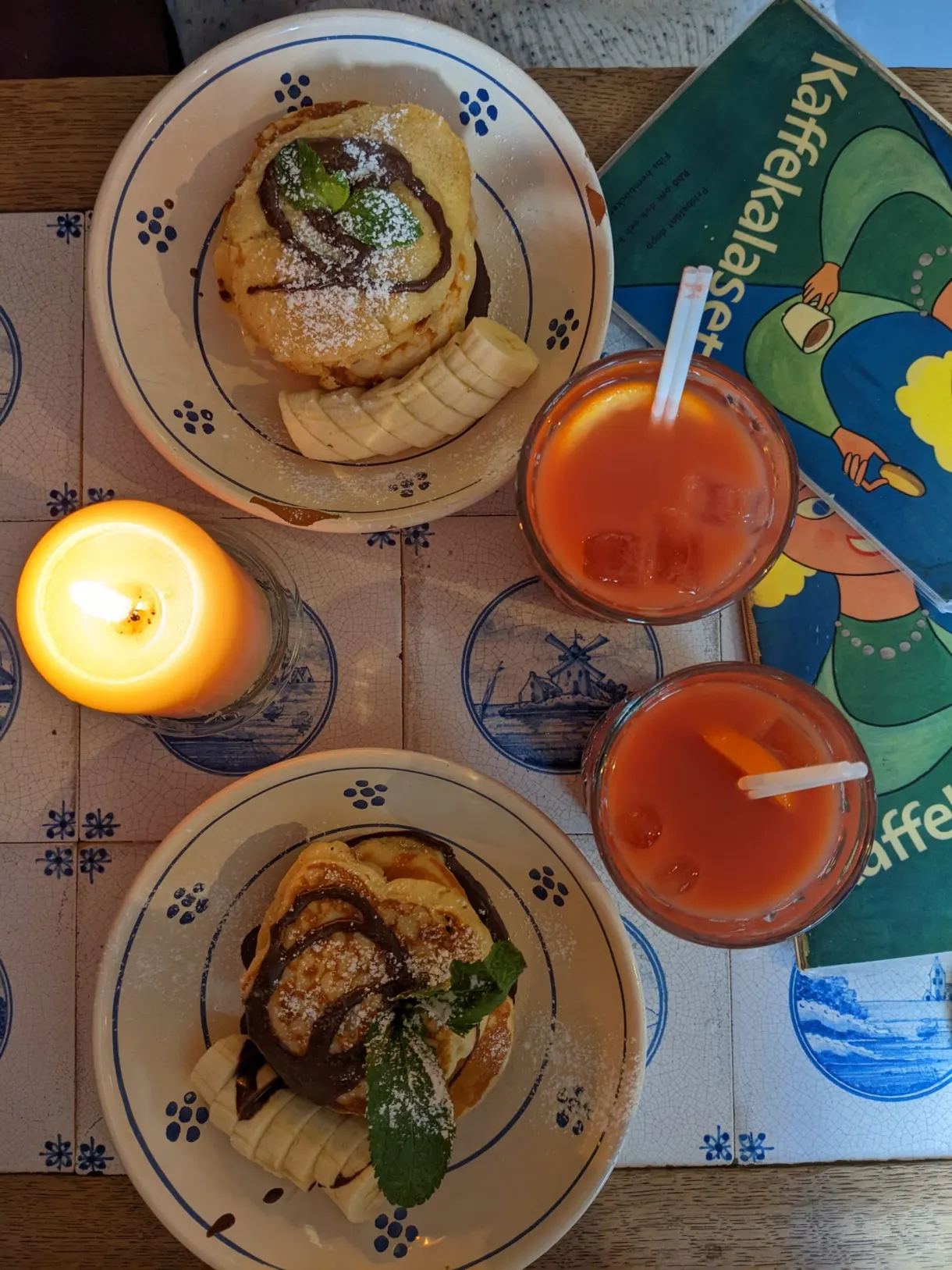
- Kalaset: traditional place for brunch recommended by our host, with vintage decor. Pancakes (65 dkk, 8.50€) and juice (25 dkk, 3€)
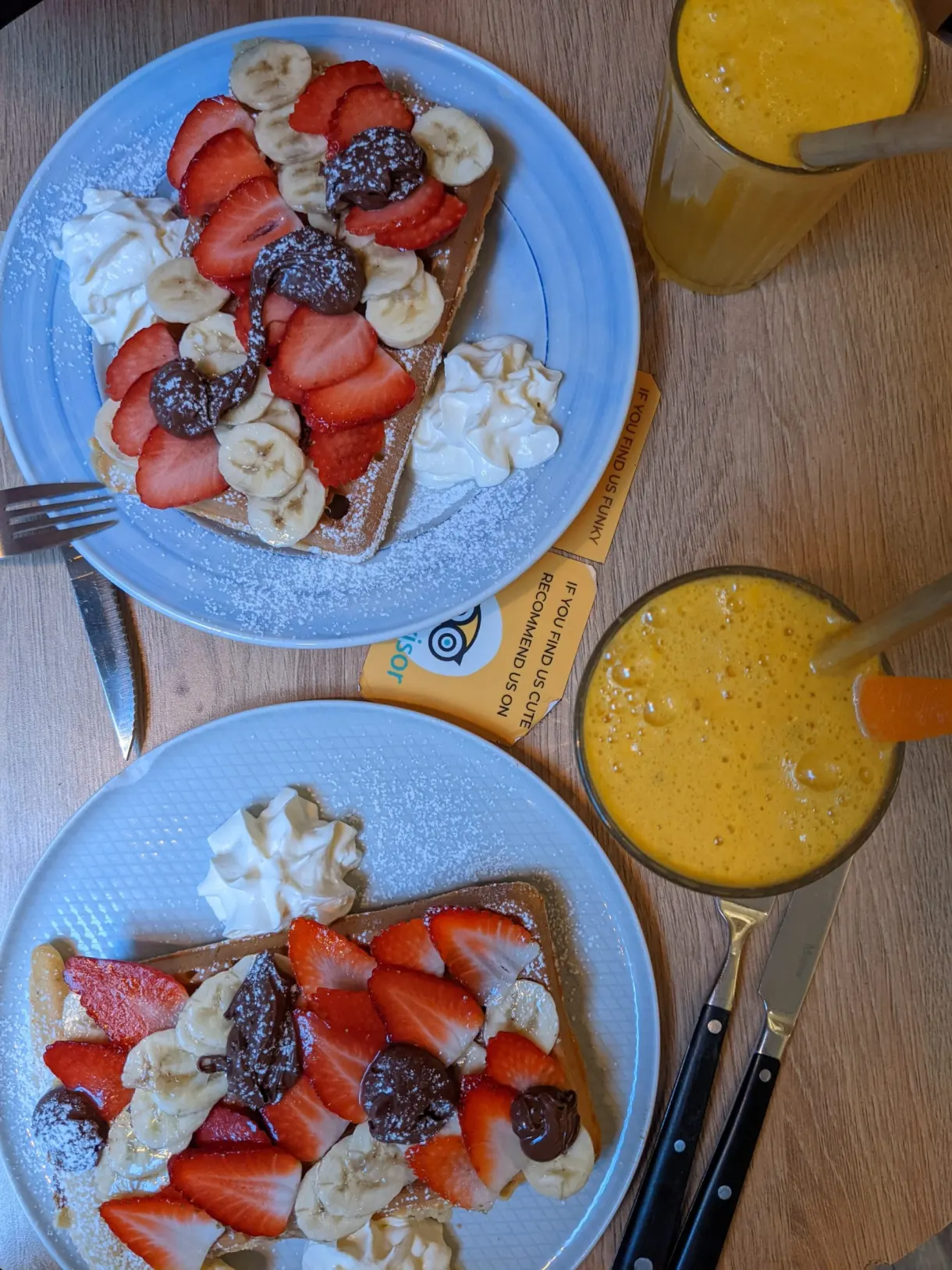
- 20 grams: good place for a coffee or an afternoon snack (16€ for a waffle and a large juice)
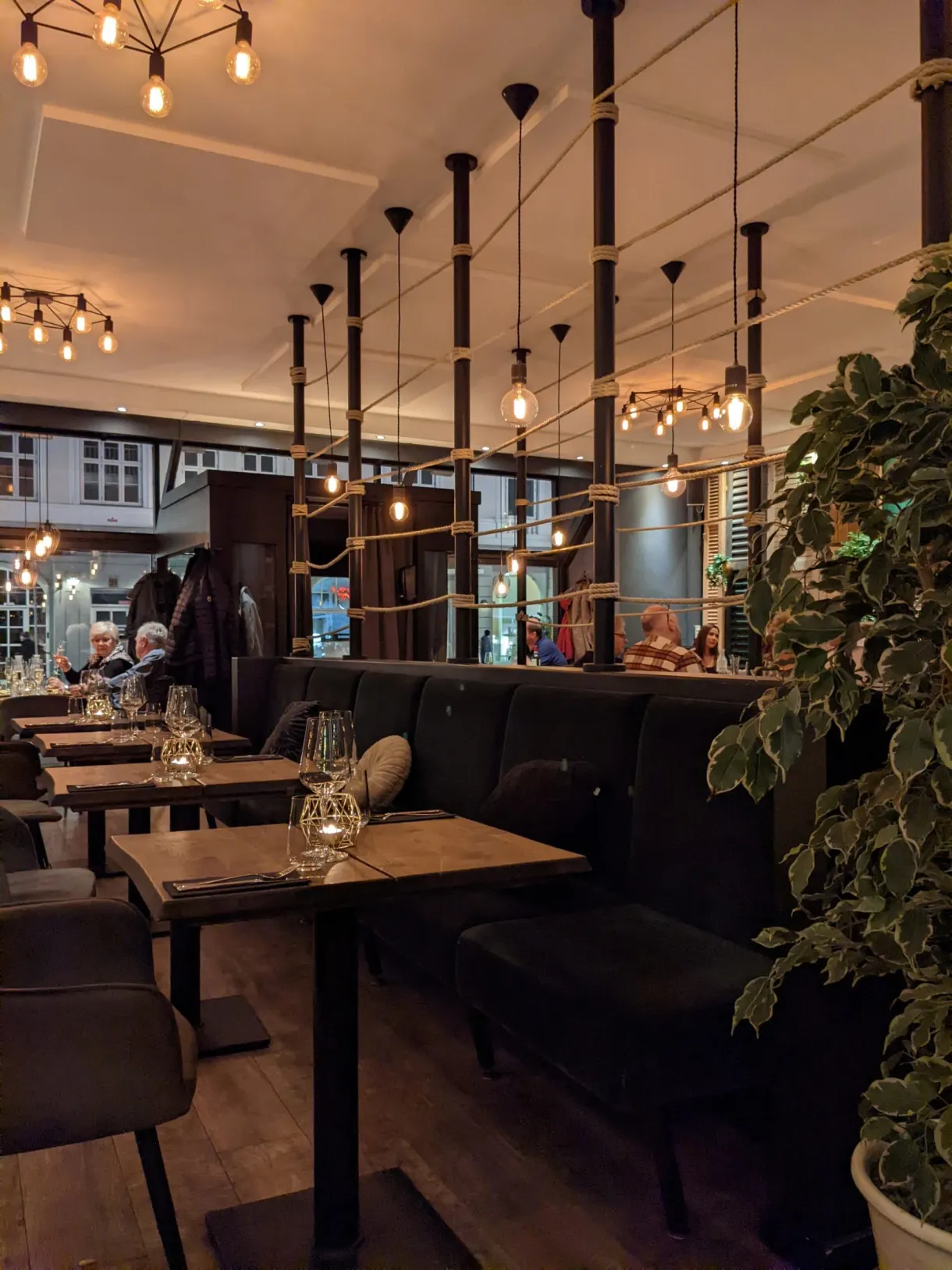
- Maple Casual Dining: excellent smart restaurant for dinner (dishes at 185 dkk, 25€; desserts 85 dkk, 11.50€)
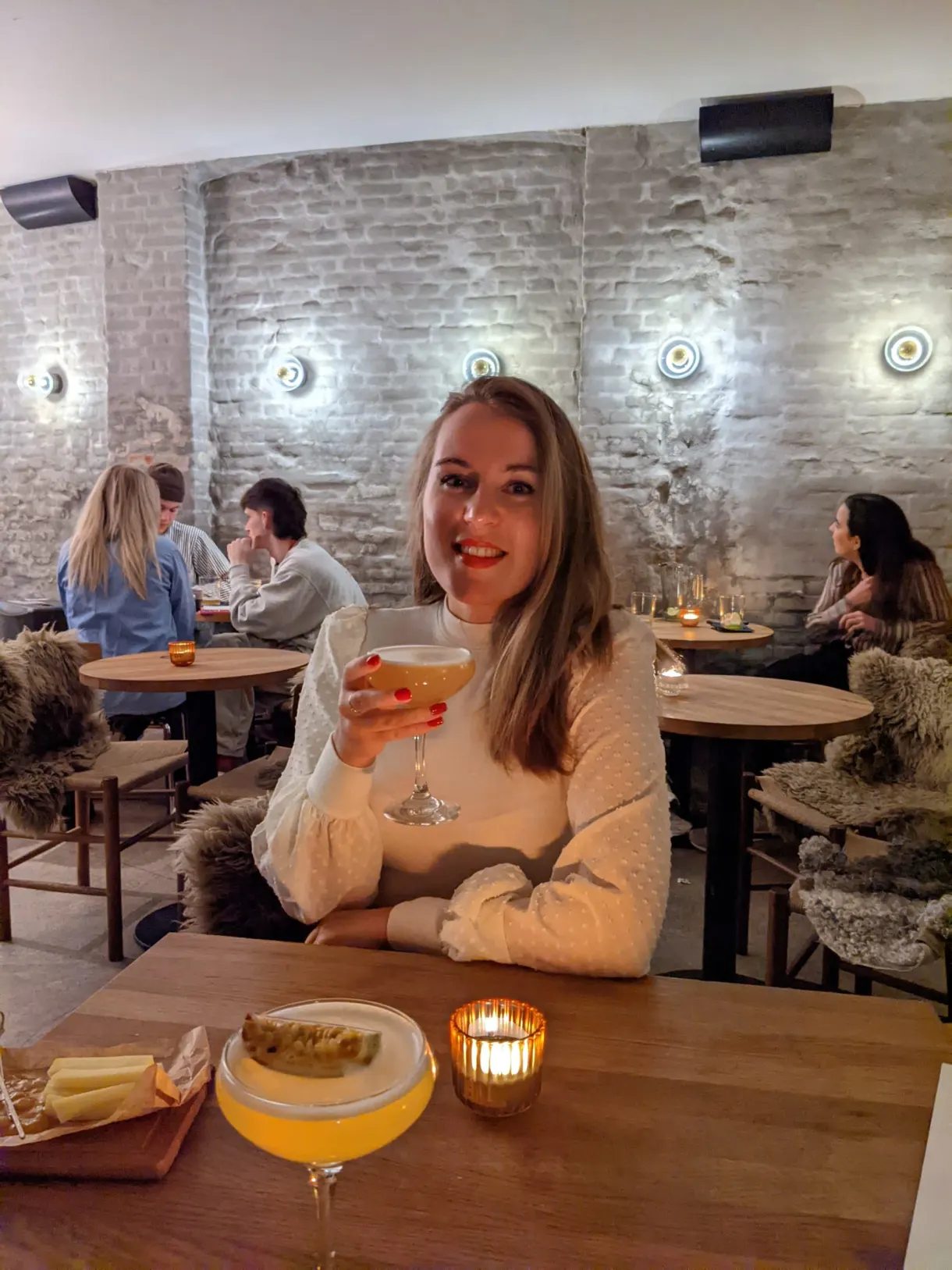
- Bar Next Door: cosy bar with Scandinavian decor, perfect for a cocktail by candlelight (12€-13€ a glass)
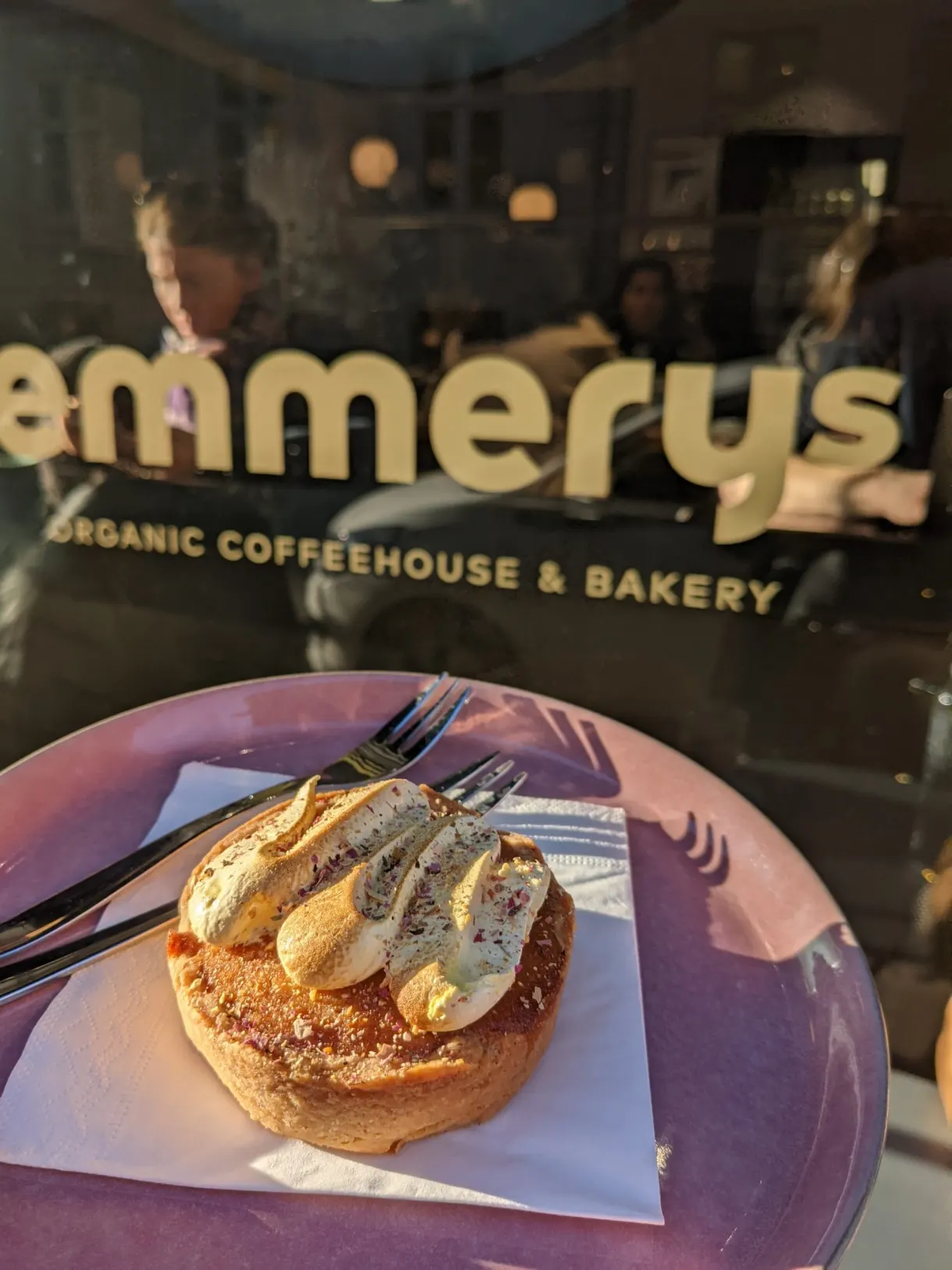
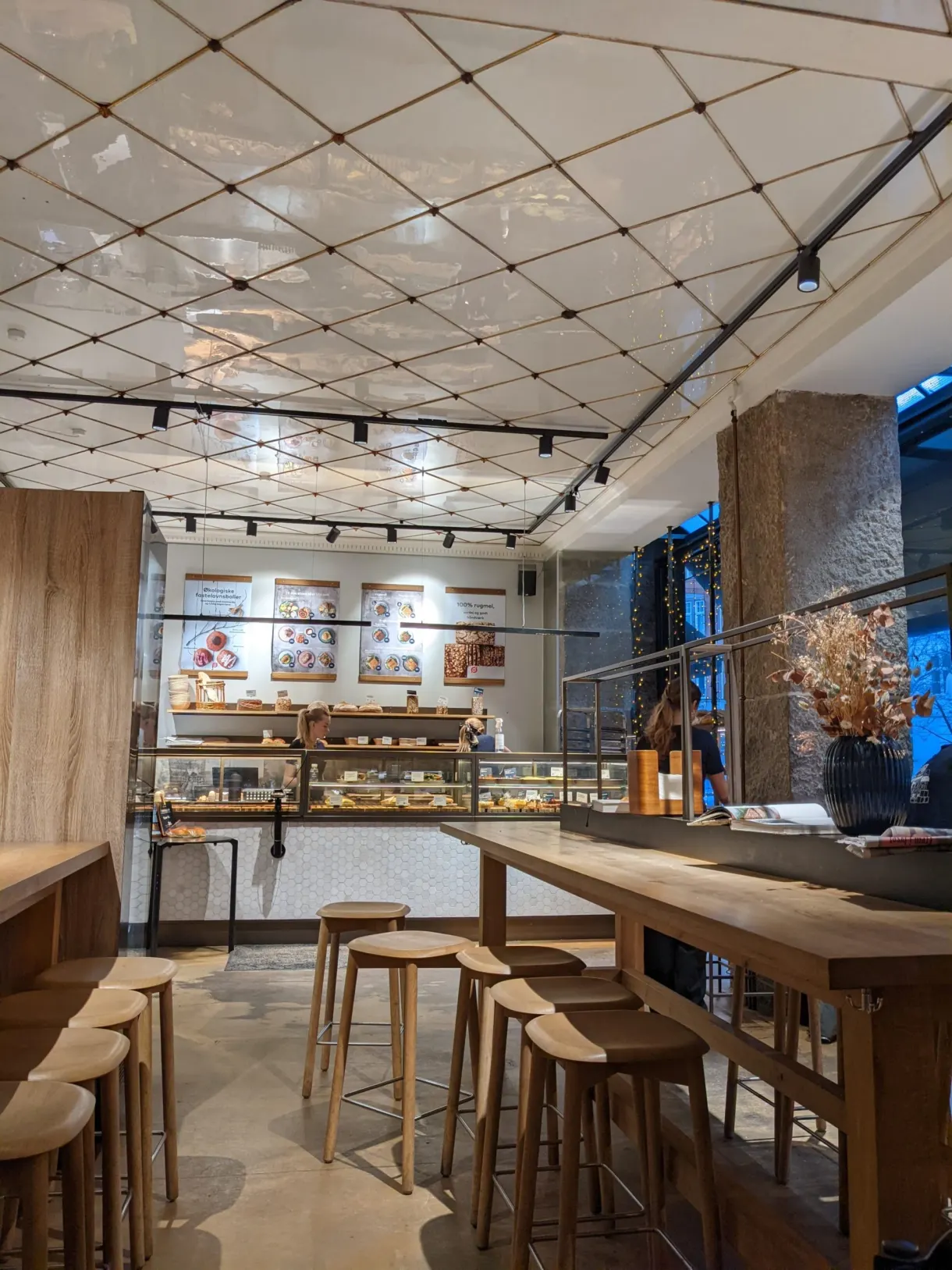
- Emmerys: café and bakery chain where you can sit inside or on the terrace.
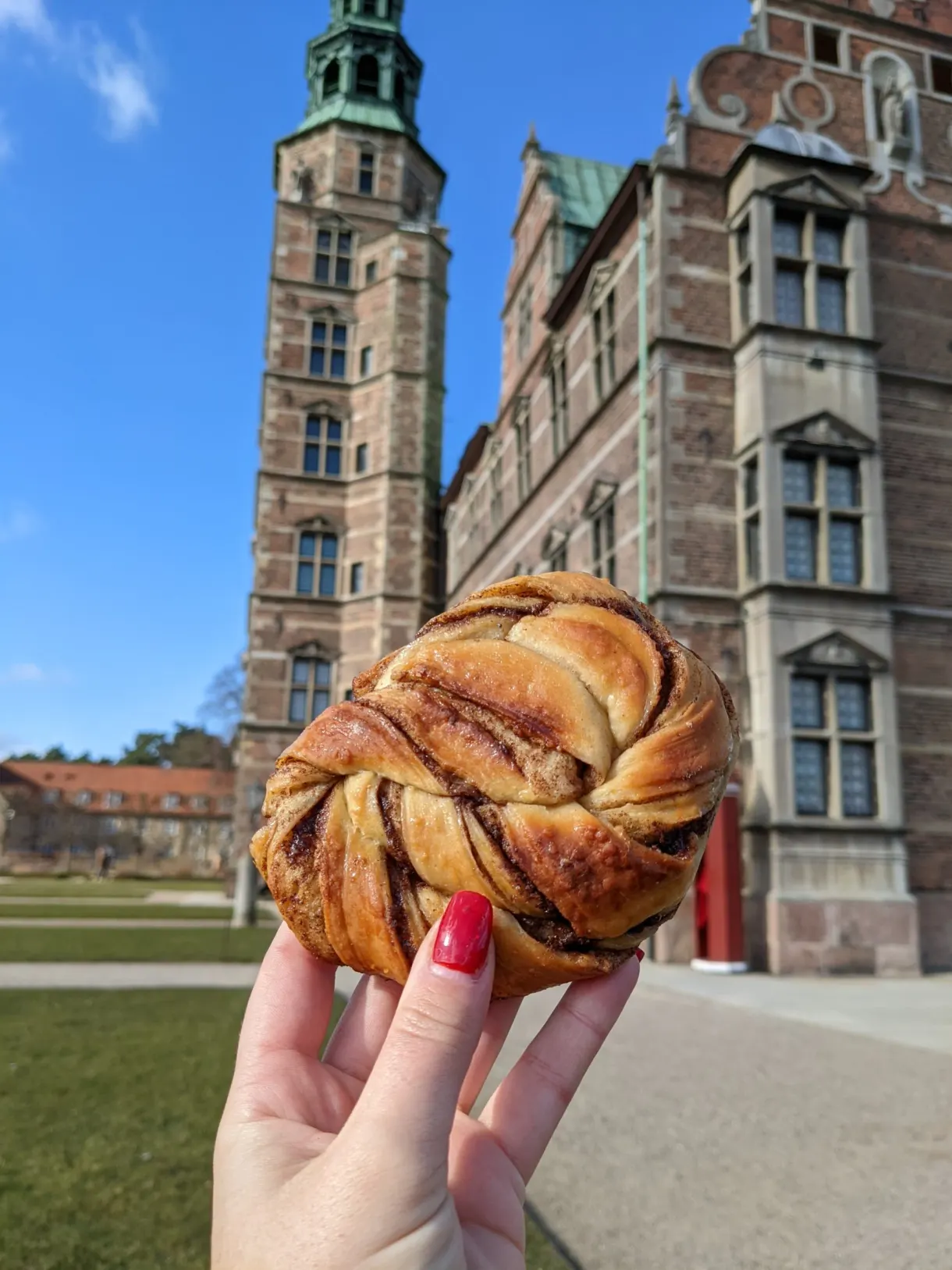
- Meyers Bageri: traditional bakery in the Nørrebro district with excellent cinnamon rolls (around 4€)
- Torvehallerne: THE market and food court not to be missed in the city centre; a wide sweet and savoury offering.
What we thought of Copenhagen
No great surprise, Copenhagen won us over! For its architecture, its atmosphere and its great places to eat. It is a city on a human scale where it feels good to walk and wander from district to district. If the sun was with us at the beginning of March, we already know that we want to go back in summer!
Three days are enough to get a good overview of the city centre and visit the must-sees. But you can plan a little more time to discover the city’s museums or to go to the seaside towards Amager Øst.
Organising another trip in Europe? Read our articles about our beautiful continent!
Leave a comment
Thank you for your comment! Marie & Romain
Be the first to leave a comment.