10 days in Lanzarote: the north of the island
A week after arriving in Lanzarote, we decided to spend a whole day exploring the north of the island.
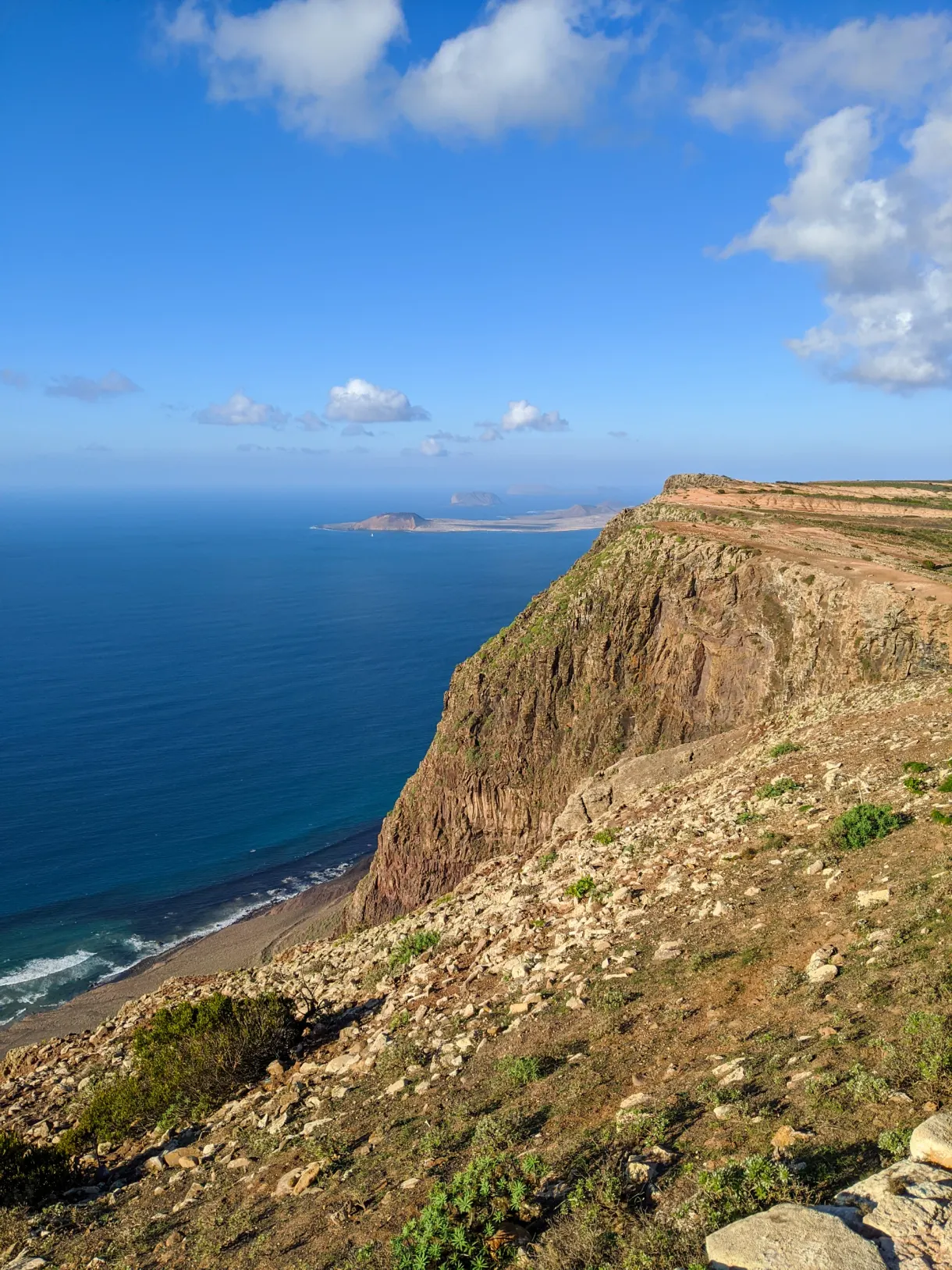
A week after arriving in Lanzarote, we decided to spend a whole day exploring the north of the island. We had read that there were a multitude of natural sites to see or places to visit, in particular linked to the very famous César Manrique. Indeed, the north of Lanzarote lets you discover the coasts, villages, museums and of course, breathtaking viewpoints: impossible to get bored during this day!
What to see in the north of Lanzarote
Stratified City
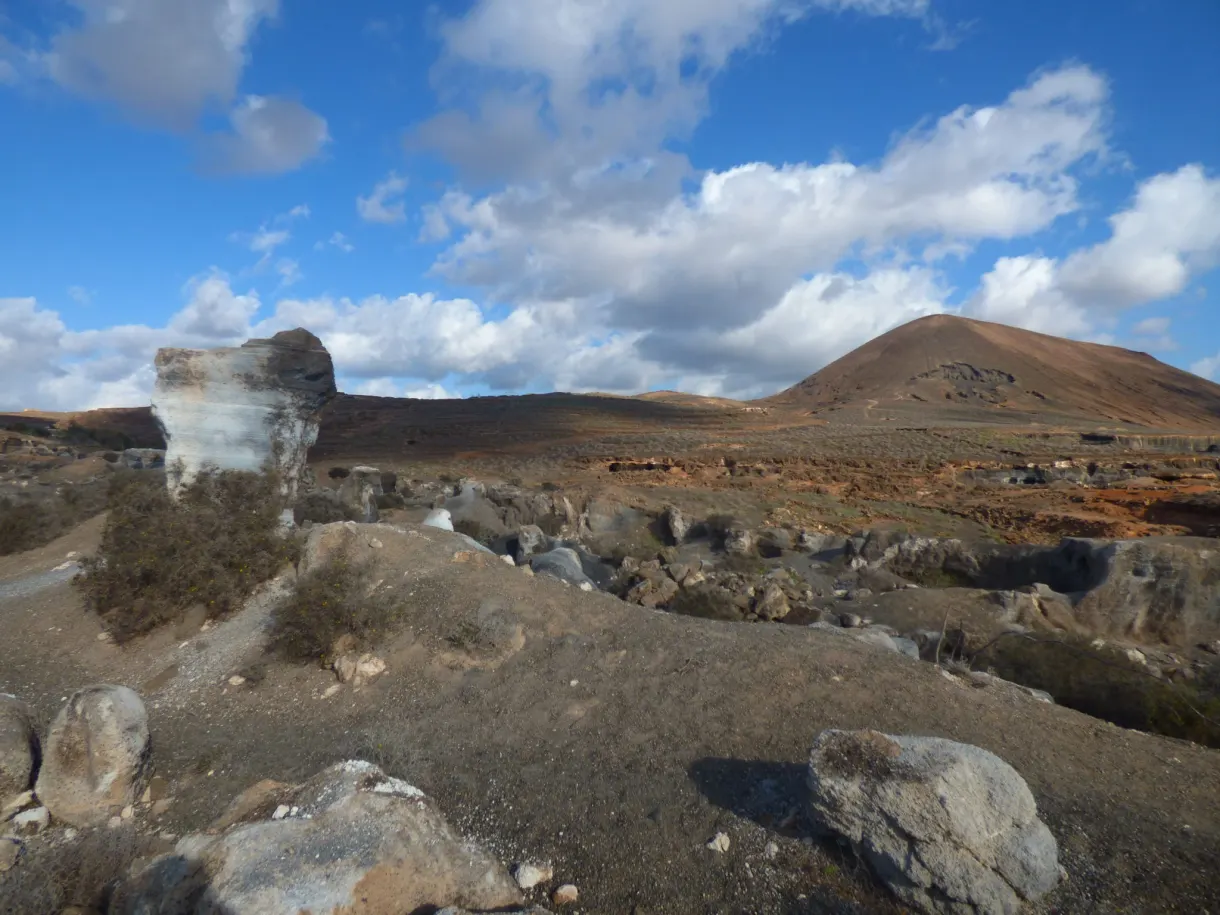
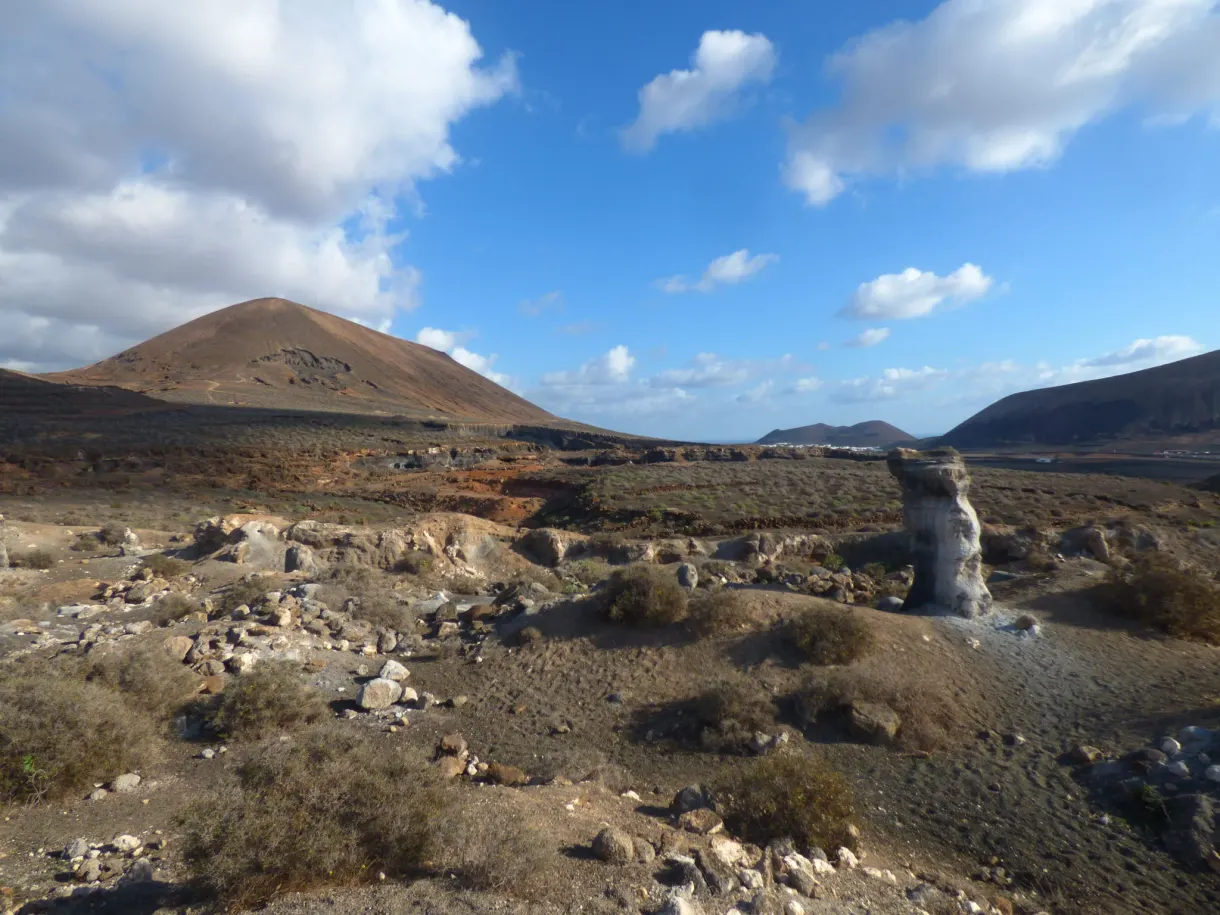
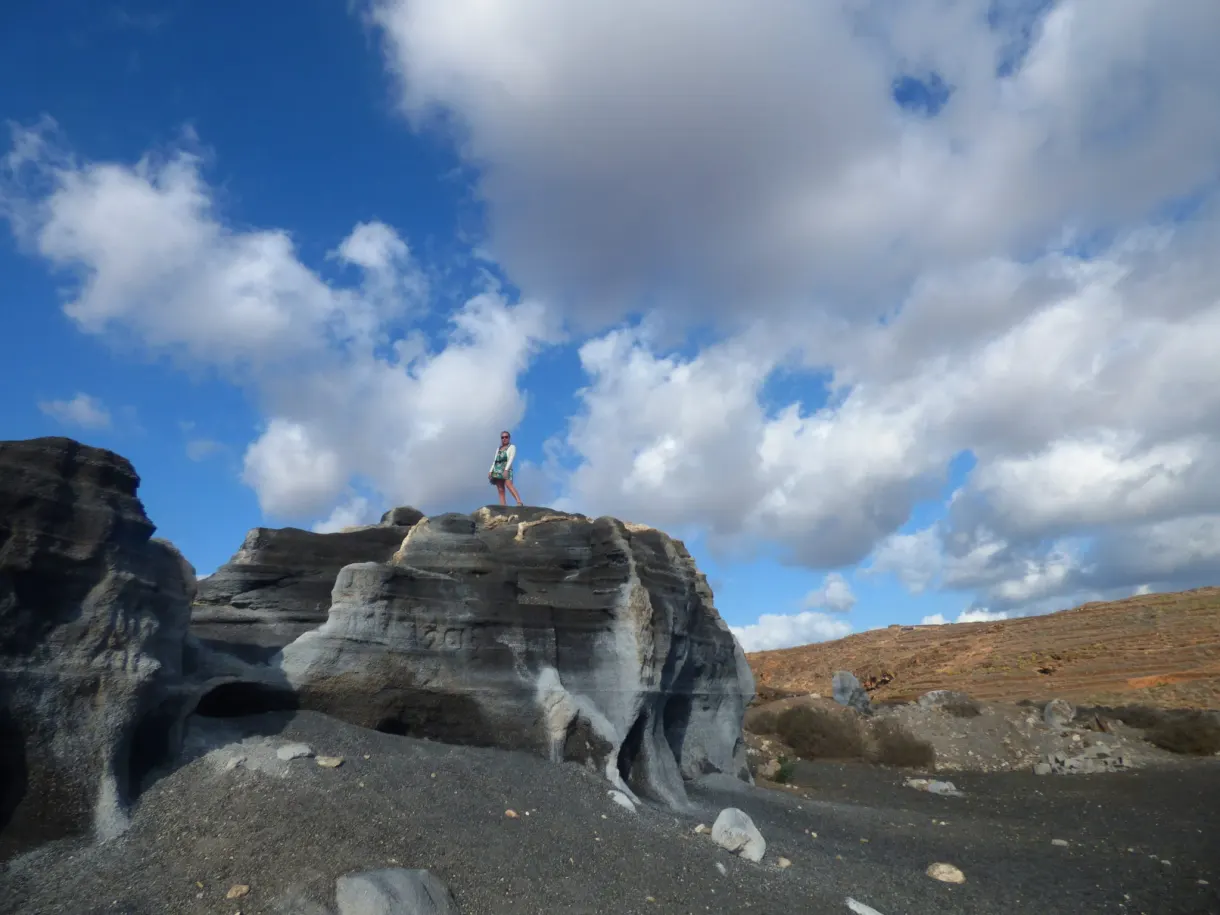
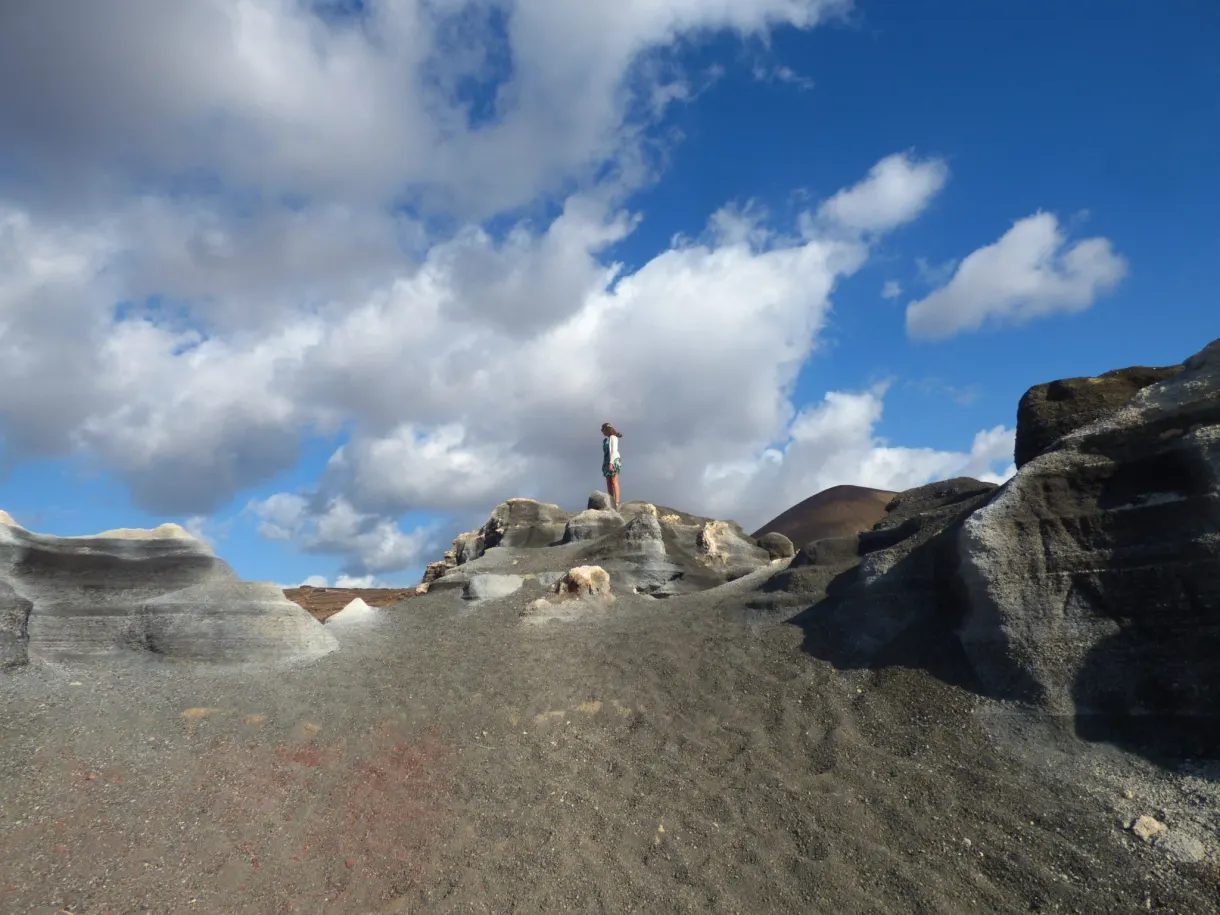
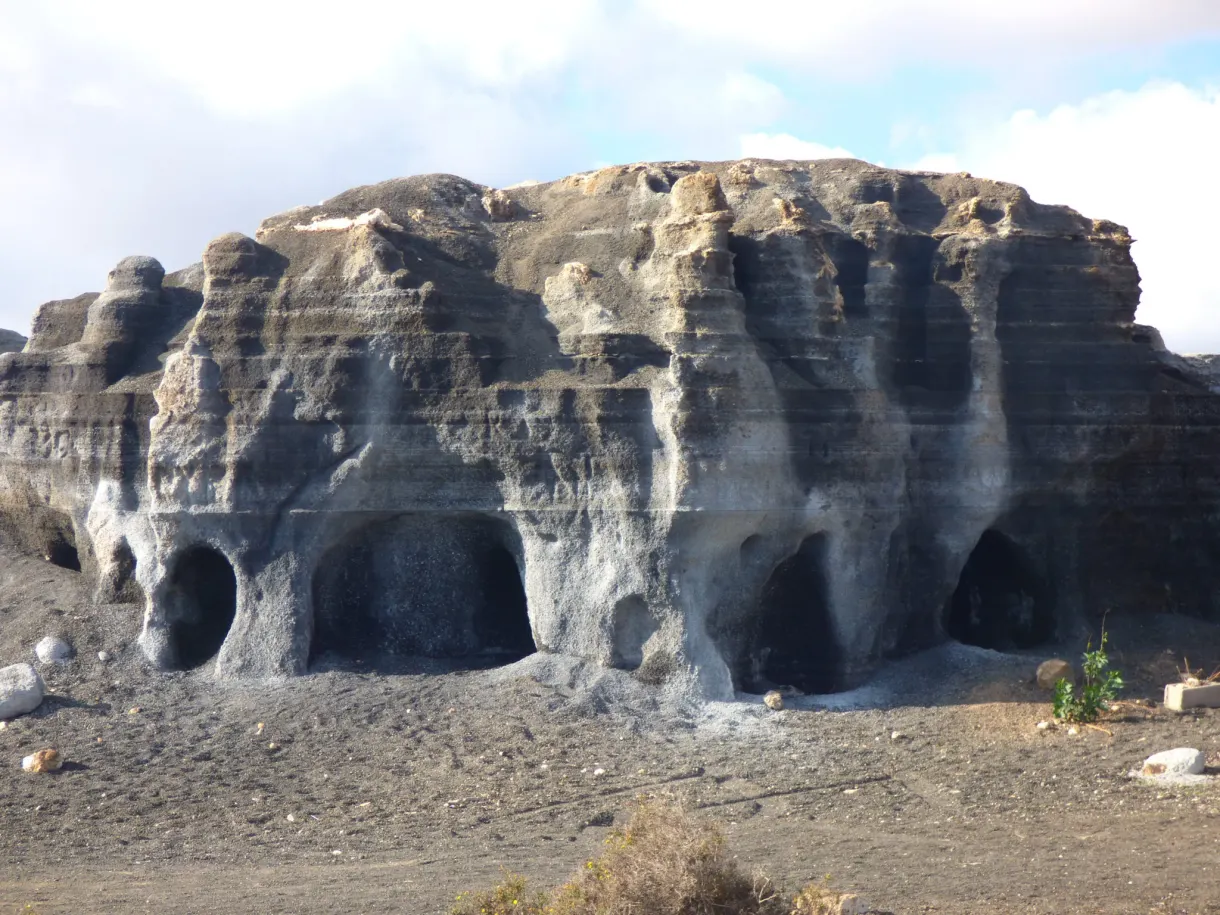
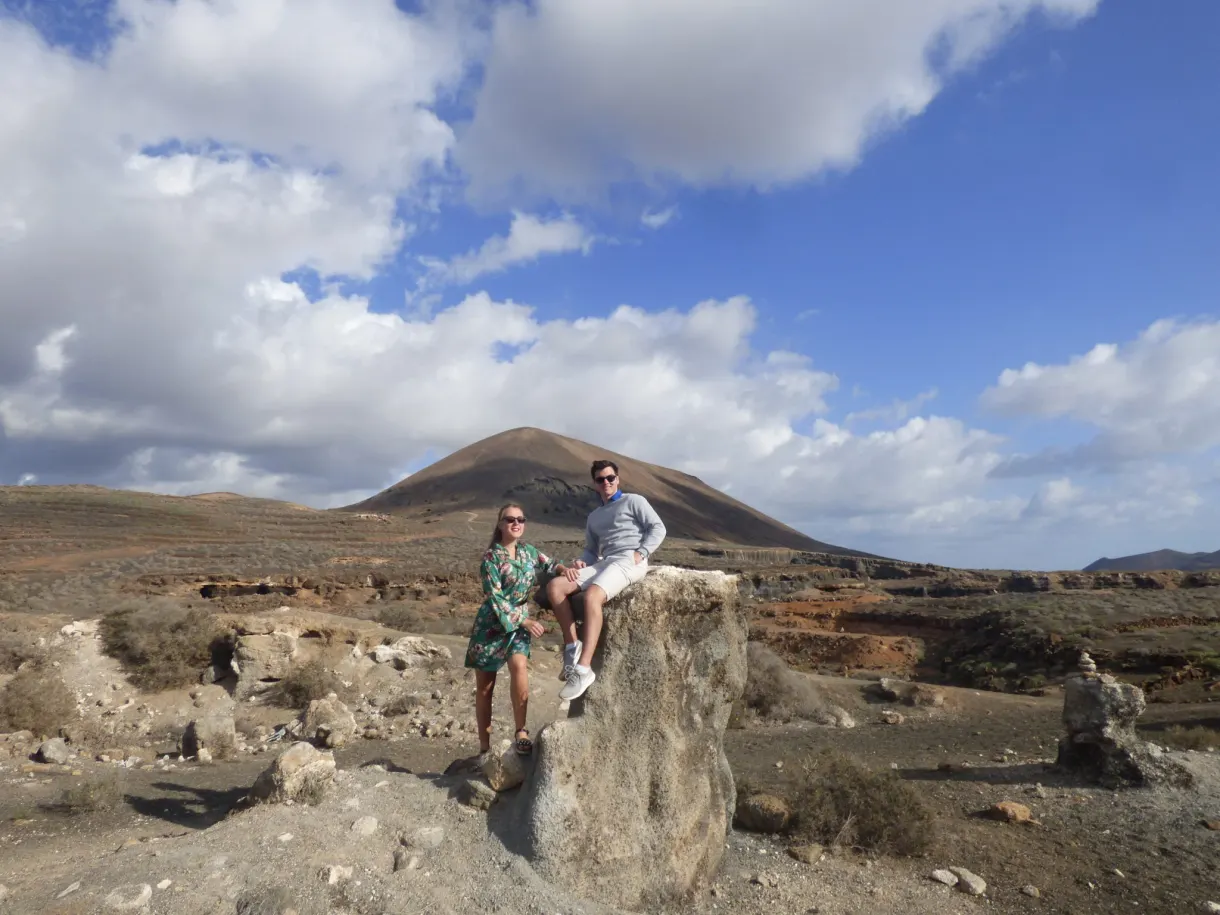
On the LZ-1 road, we came across this geological curiosity by chance, which can make you think of the landscapes of the American west. This natural site does not appear in the travel guides, so we were almost alone parking on the side of the road to discover these big volcanic rocks. It is a dream playground for taking lovely photos that are a bit out of the ordinary when you come to Lanzarote.
So, if you get the chance to take this road to go to the Jardin de Cactus for example, remember to stop at this site!
Jardin de Cactus
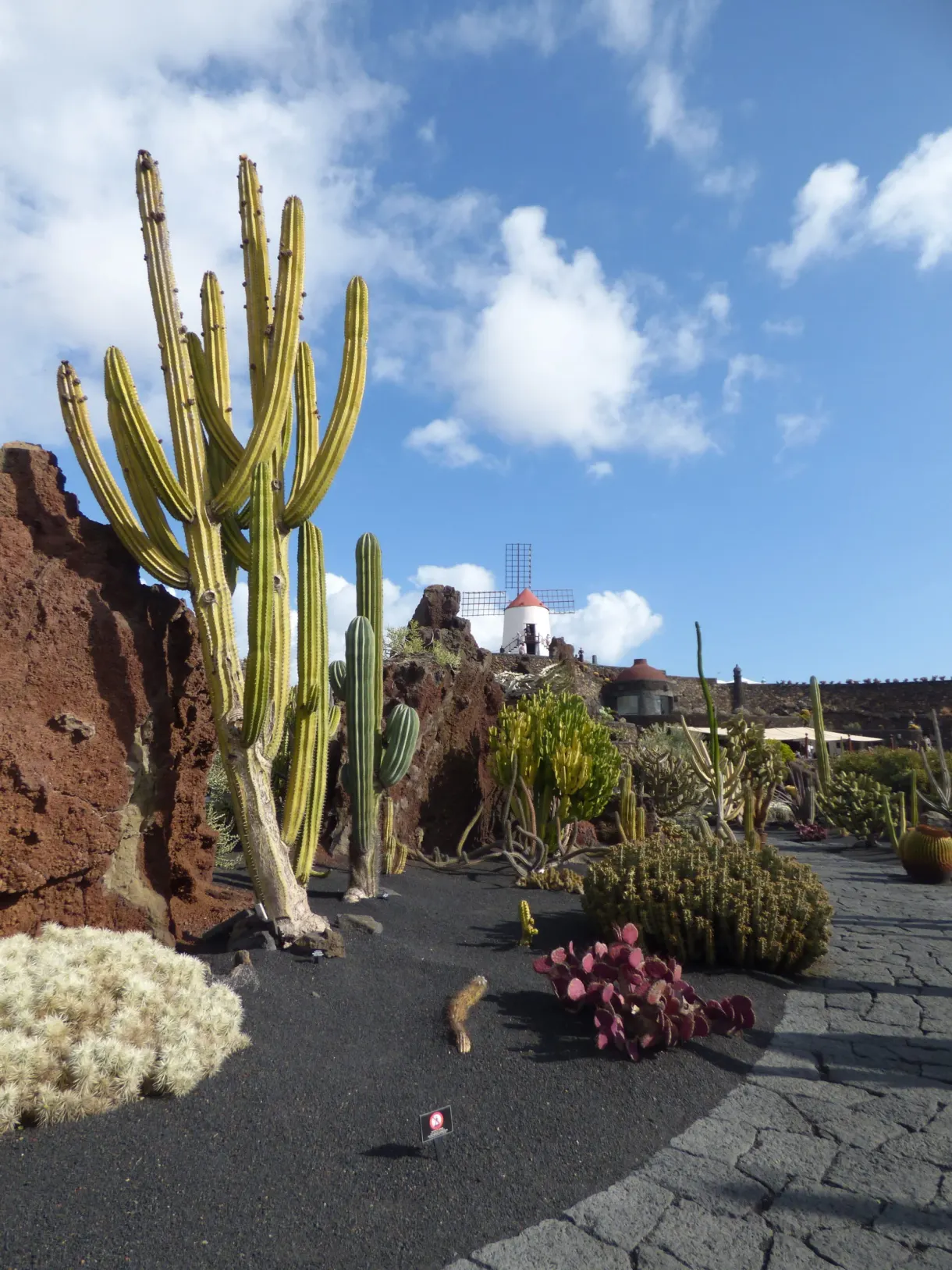
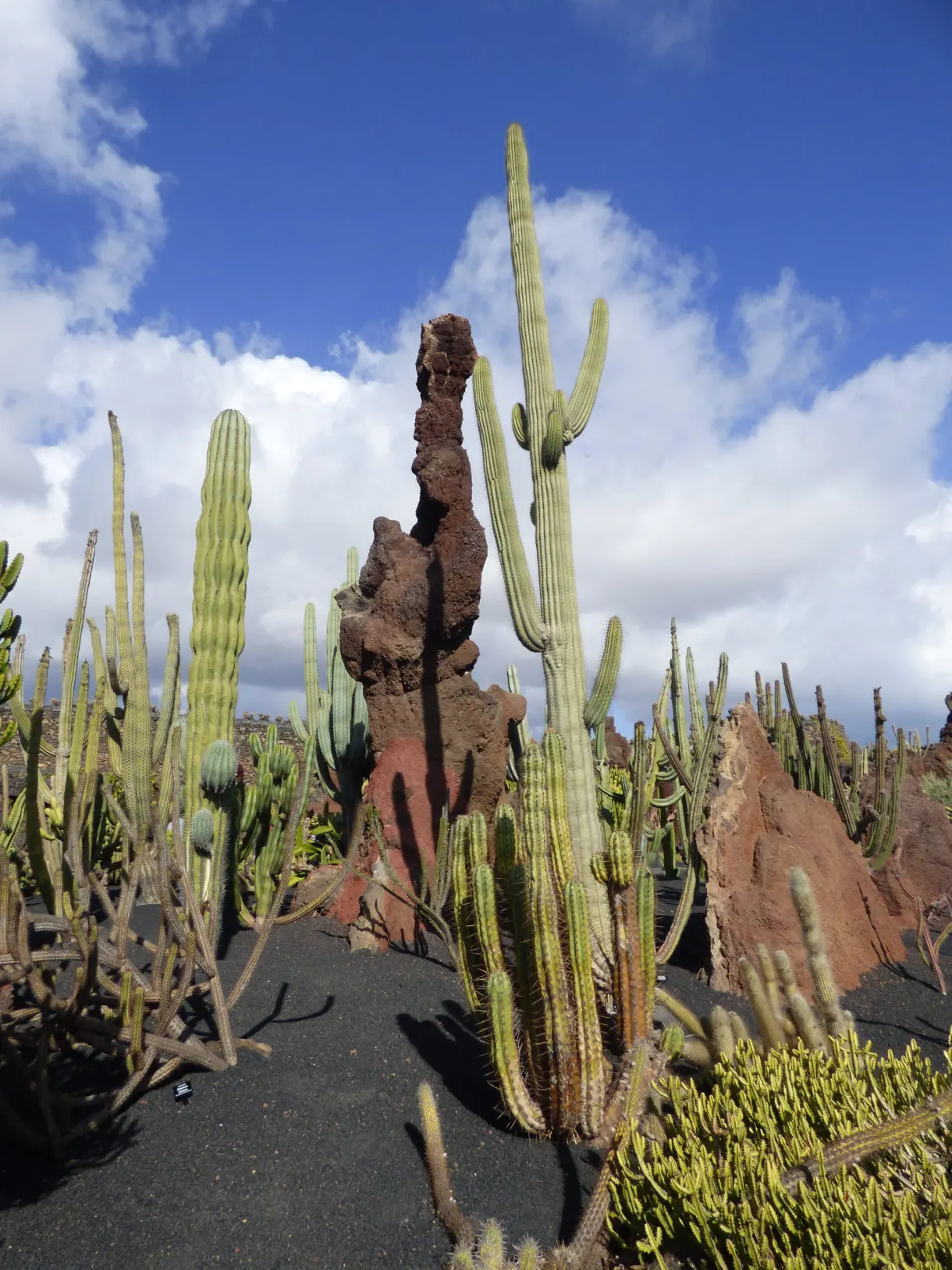
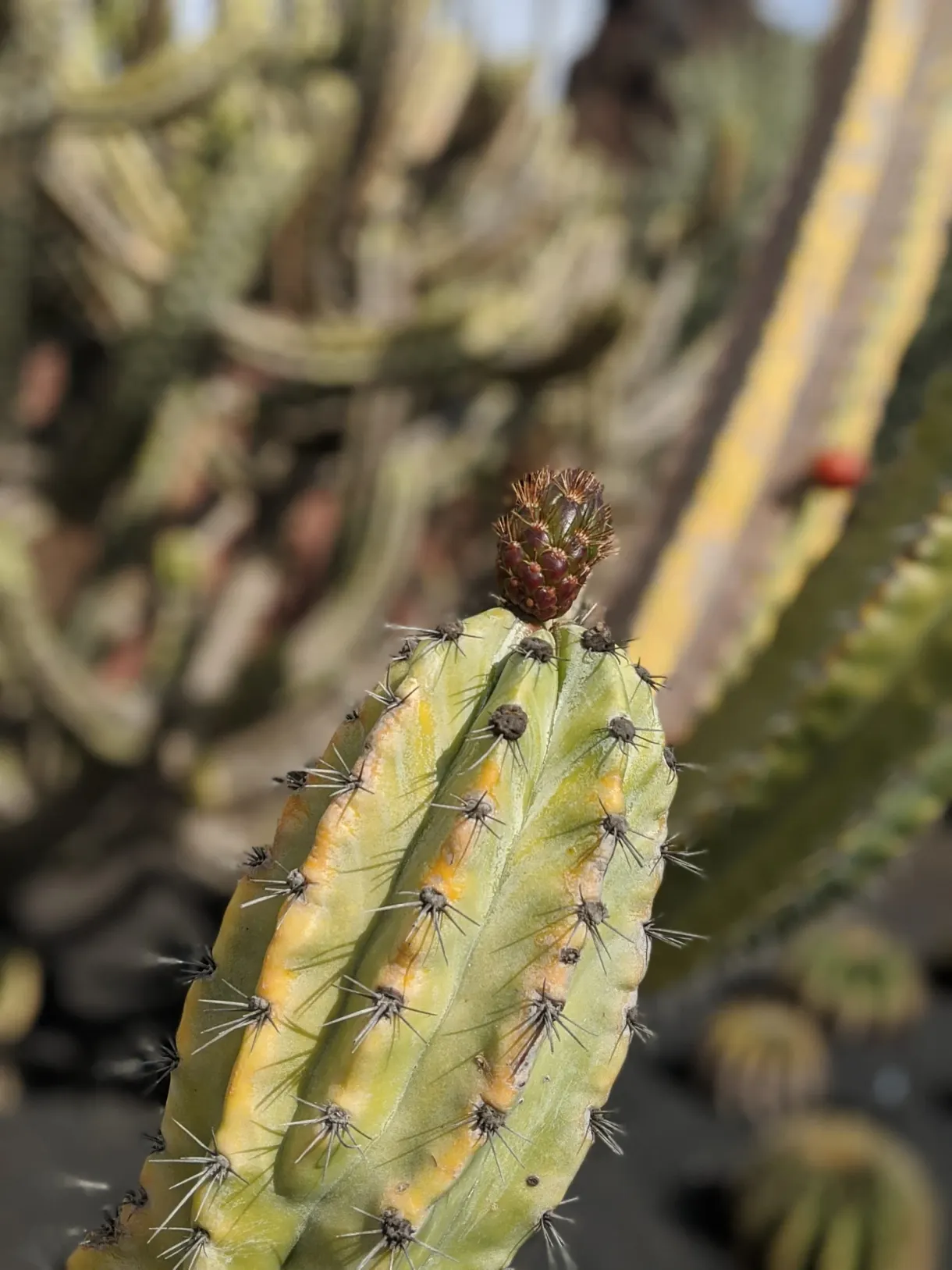
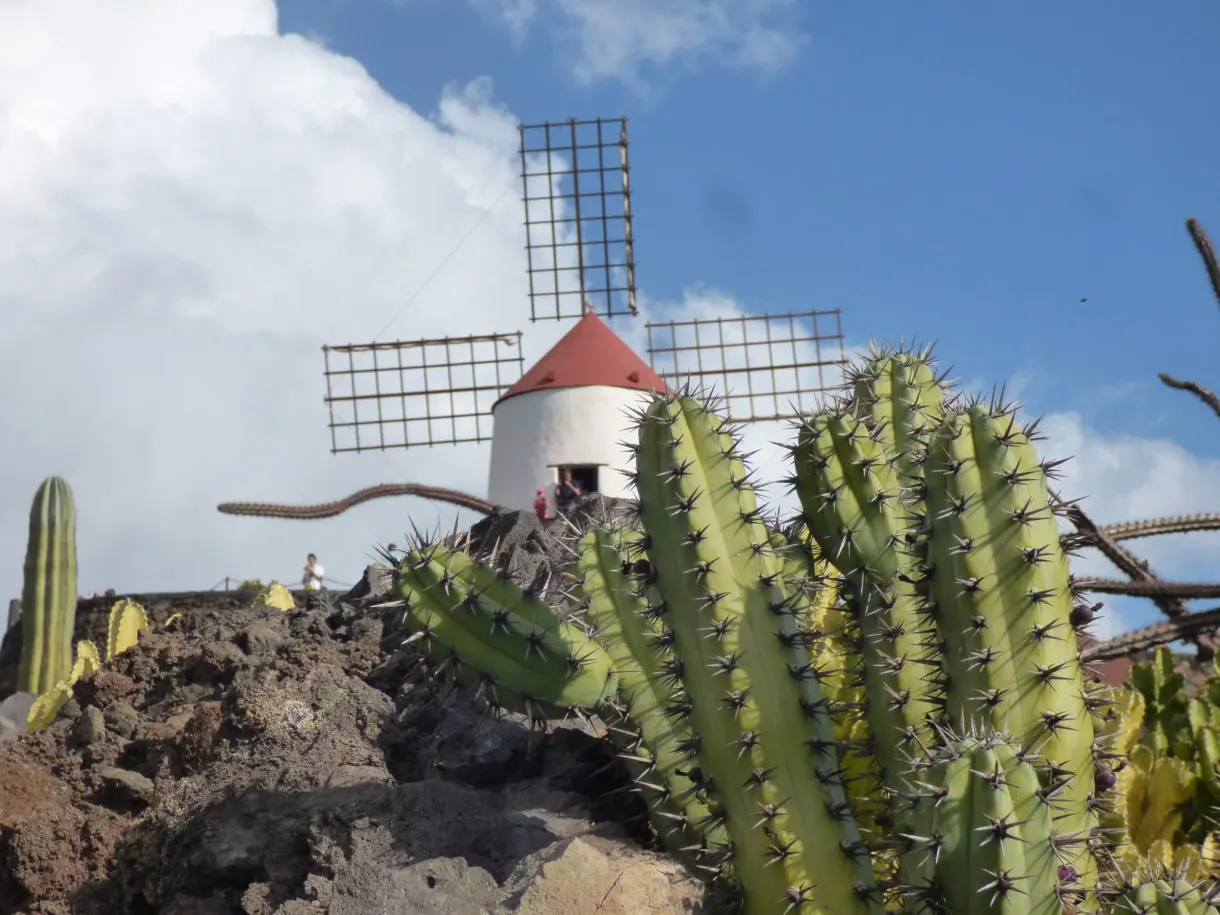
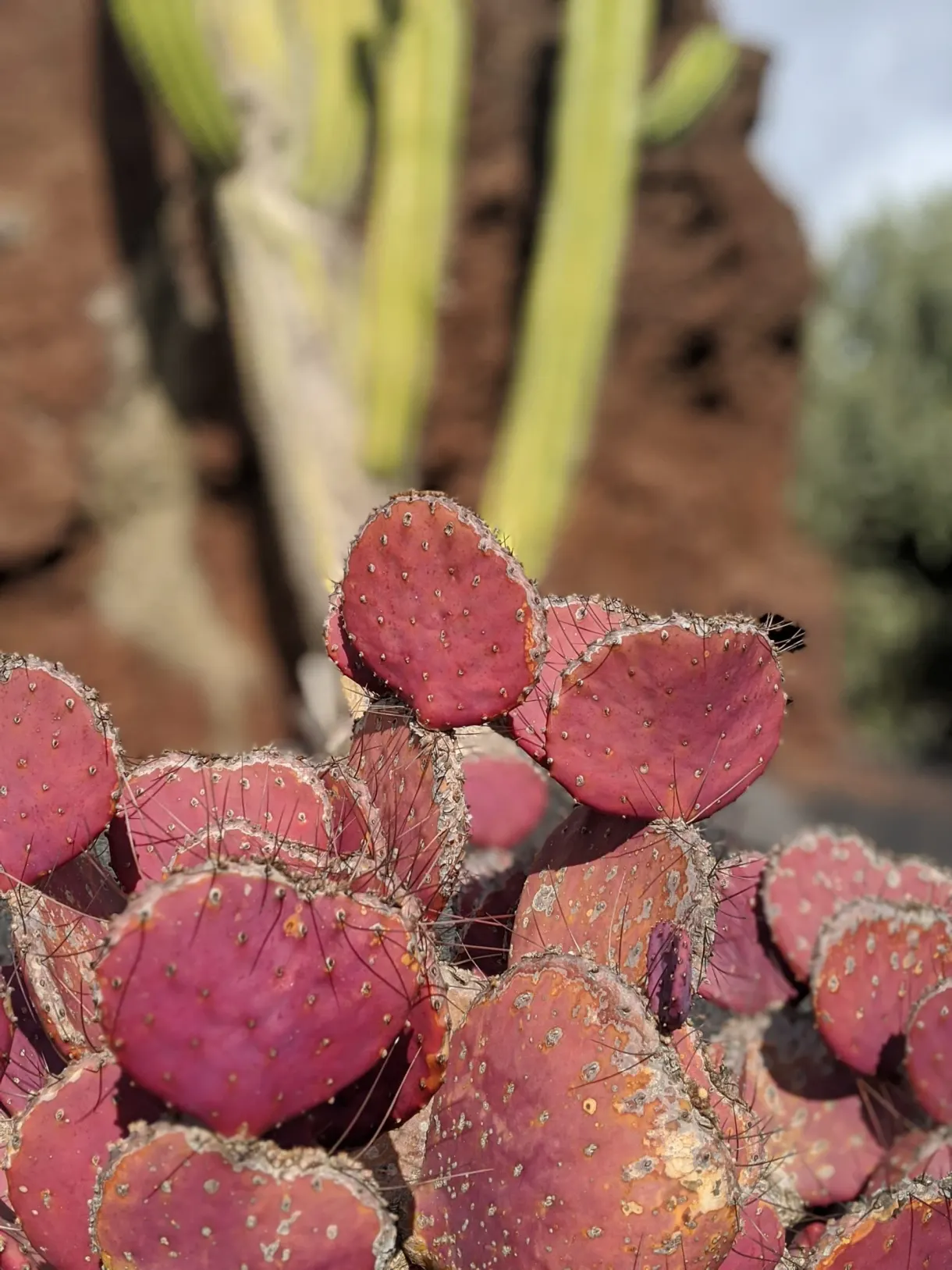
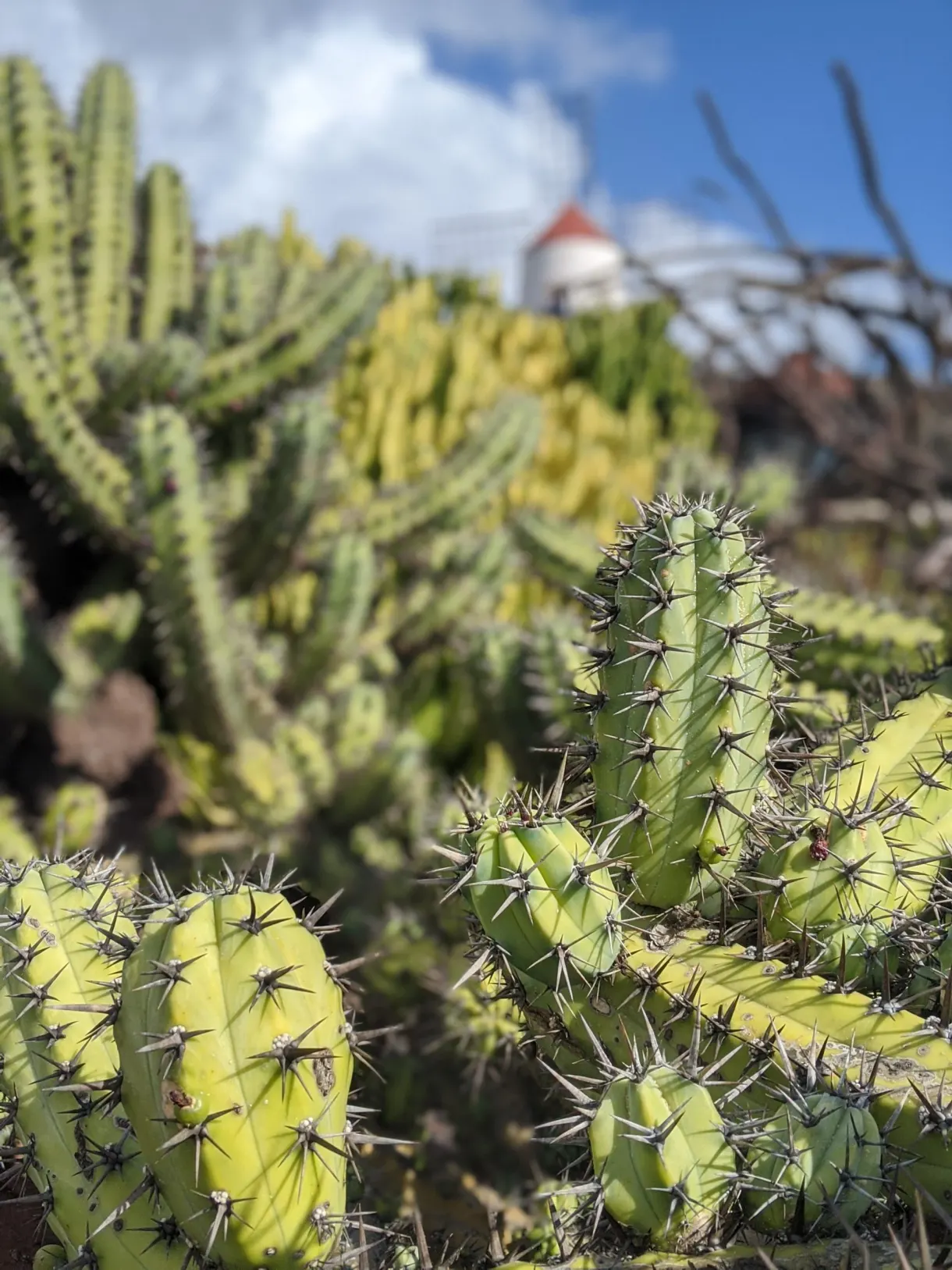
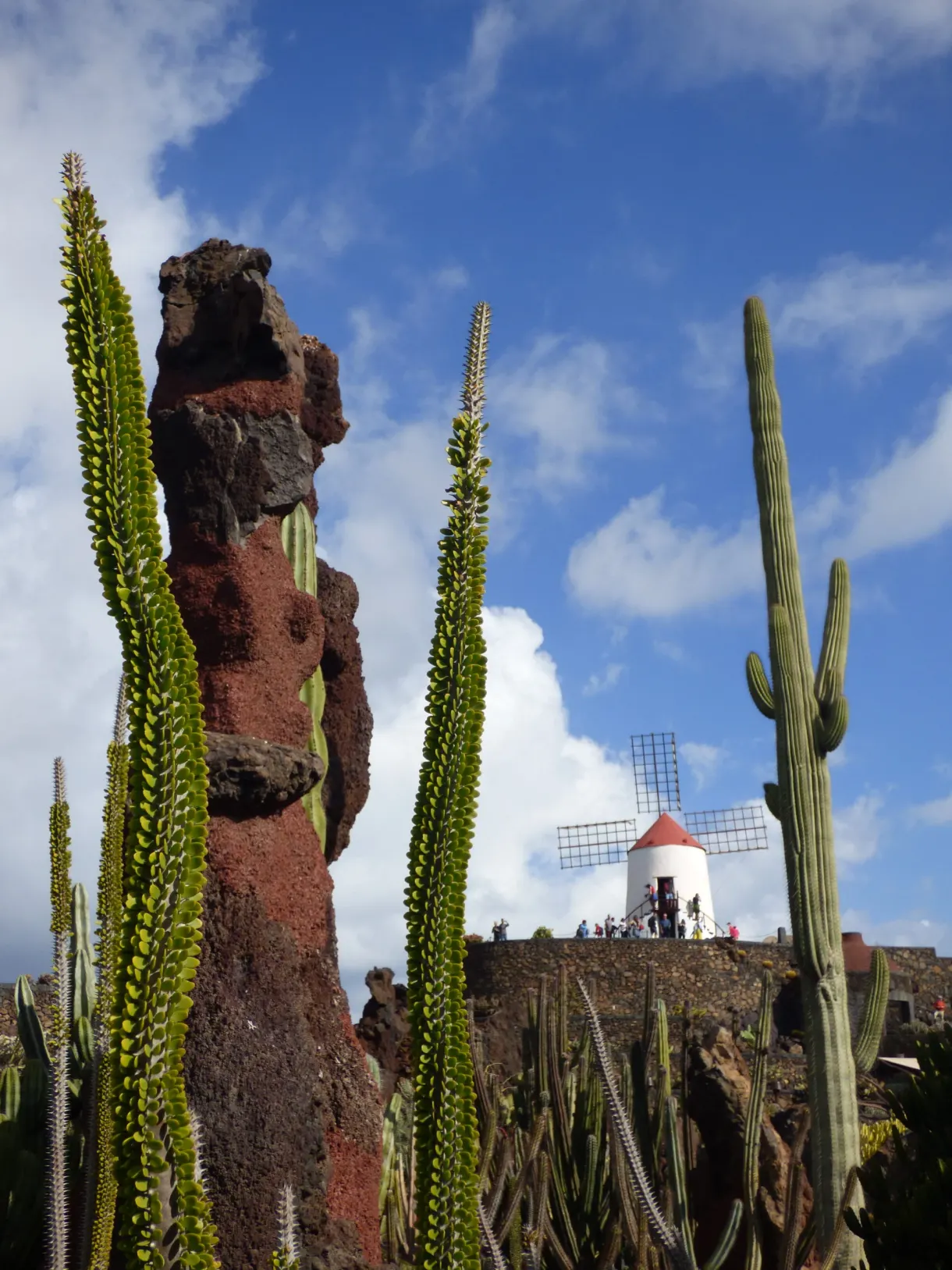
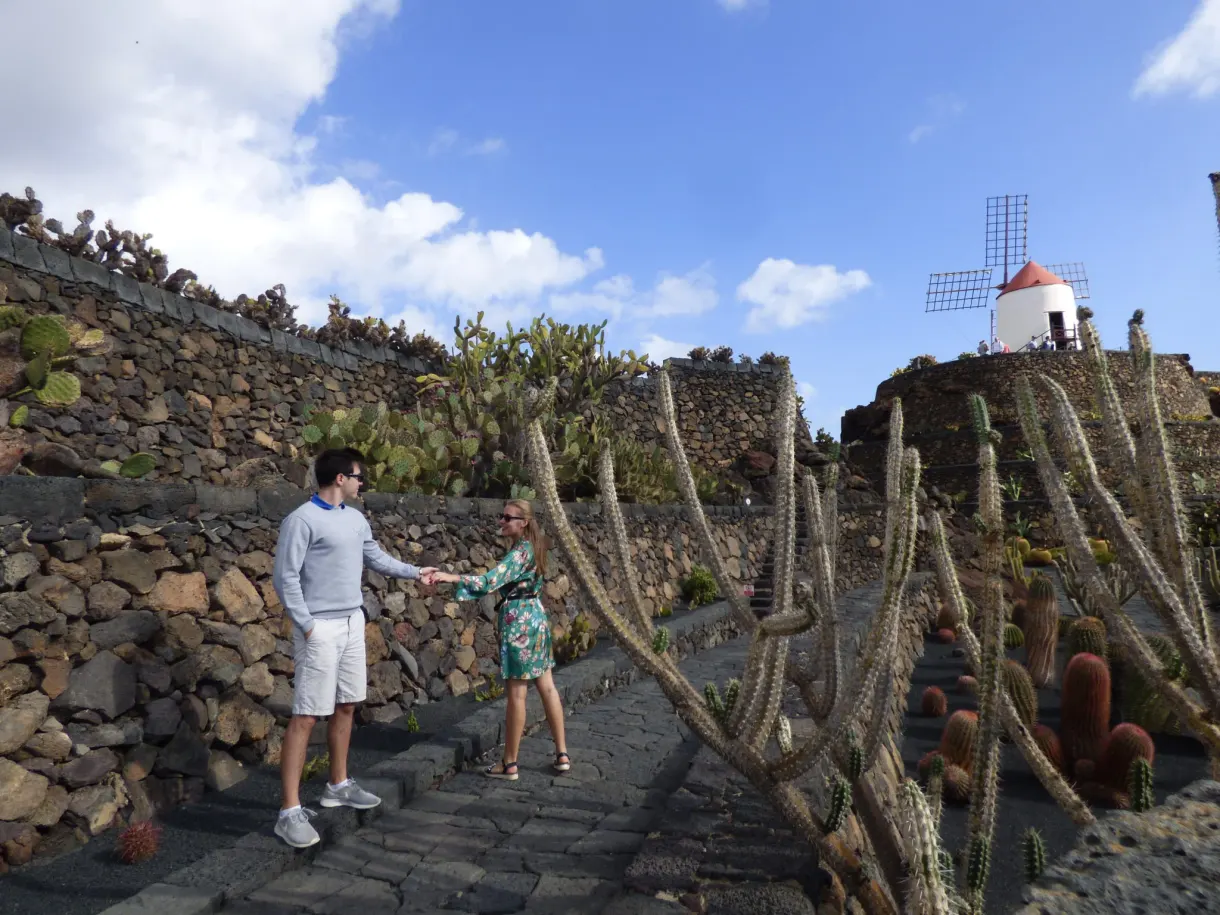
After this astonishing stop, we set off again towards the Jardin de Cactus, which we wanted to visit as soon as it opened at 10am to avoid the crowd. It is one of the best-known sites on the island, so expect a lot of people: you cannot imagine what it must be like in high season, in the middle of summer! Adult entry costs 6.50€ – there is also a package for visits to the sites of the artist César Manrique.
The garden is not huge but we still spent two hours there, taking our time to wander and take lovely photos.
The coastal villages
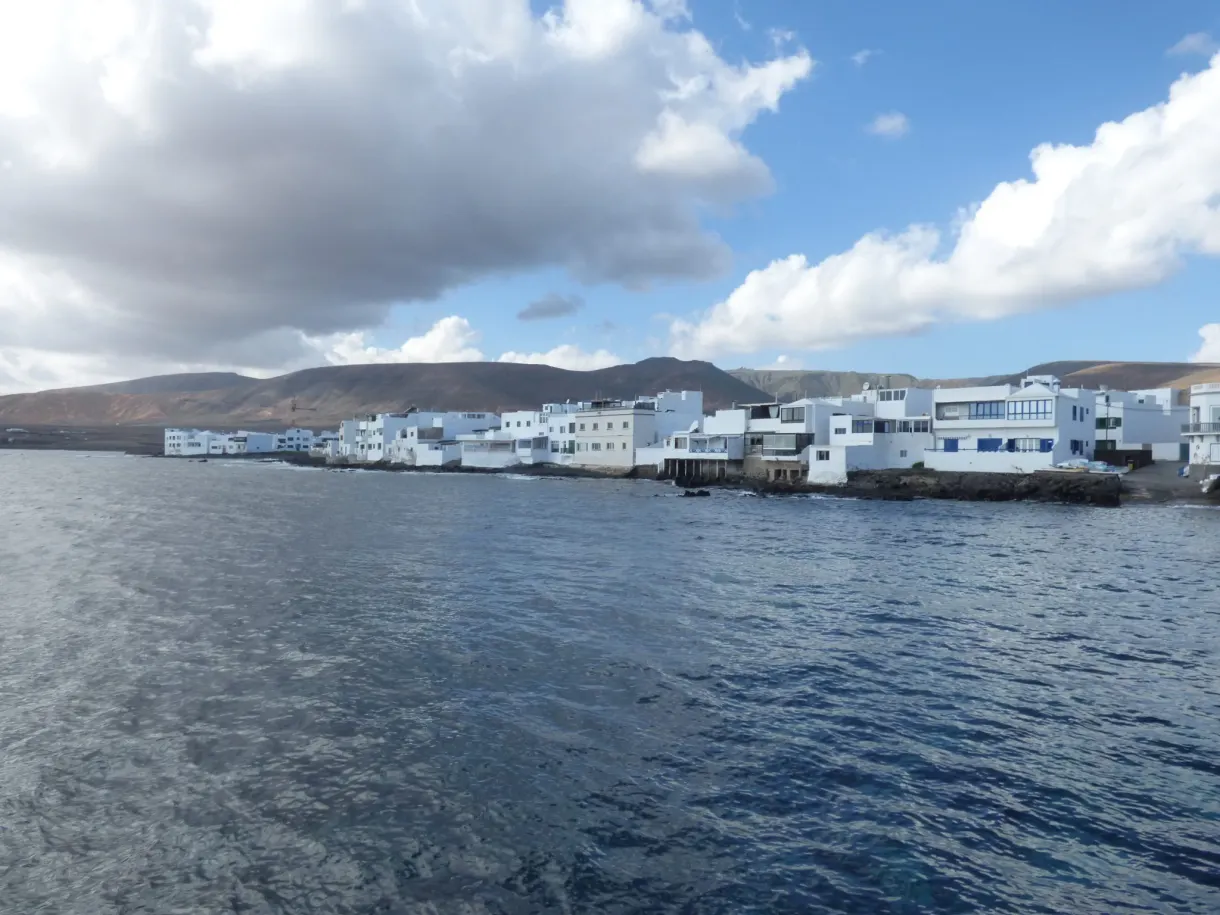
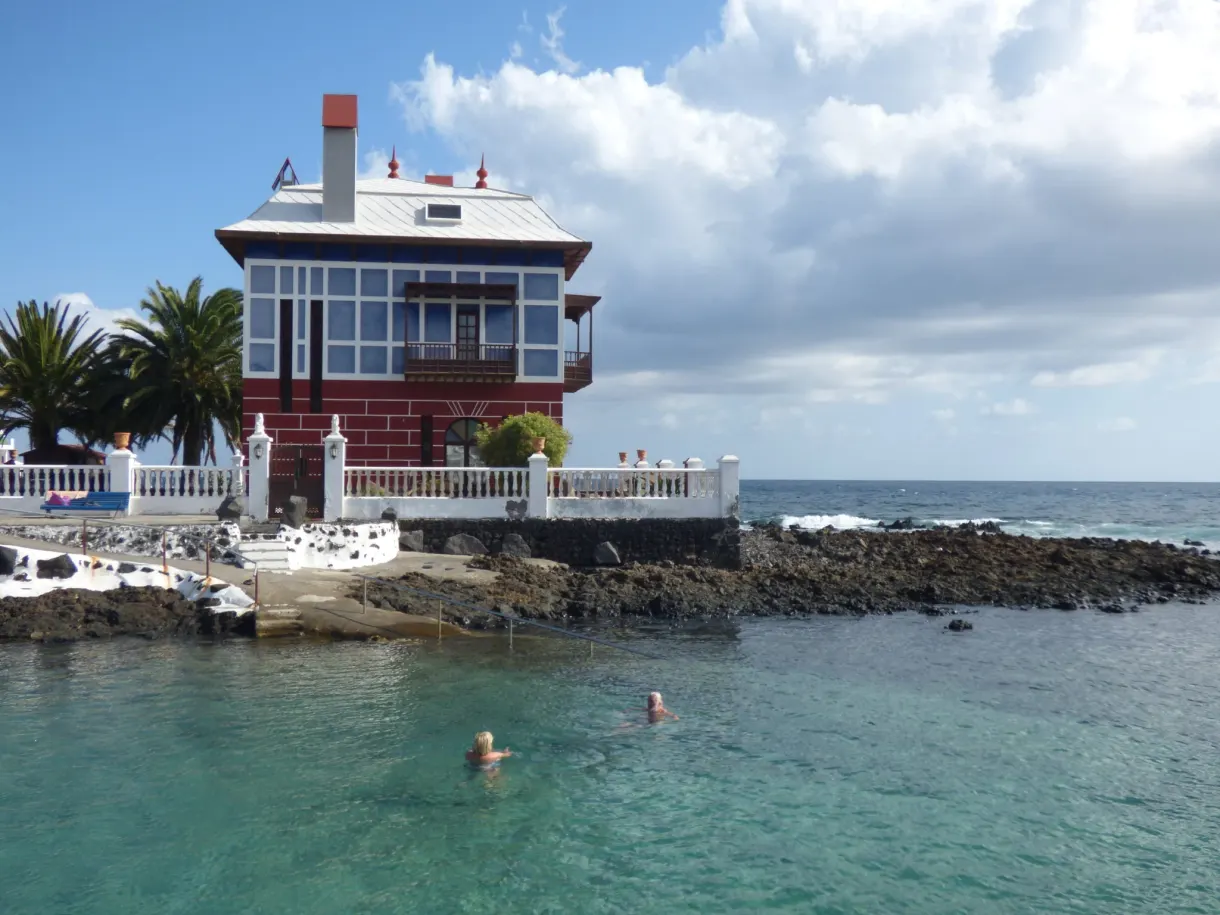
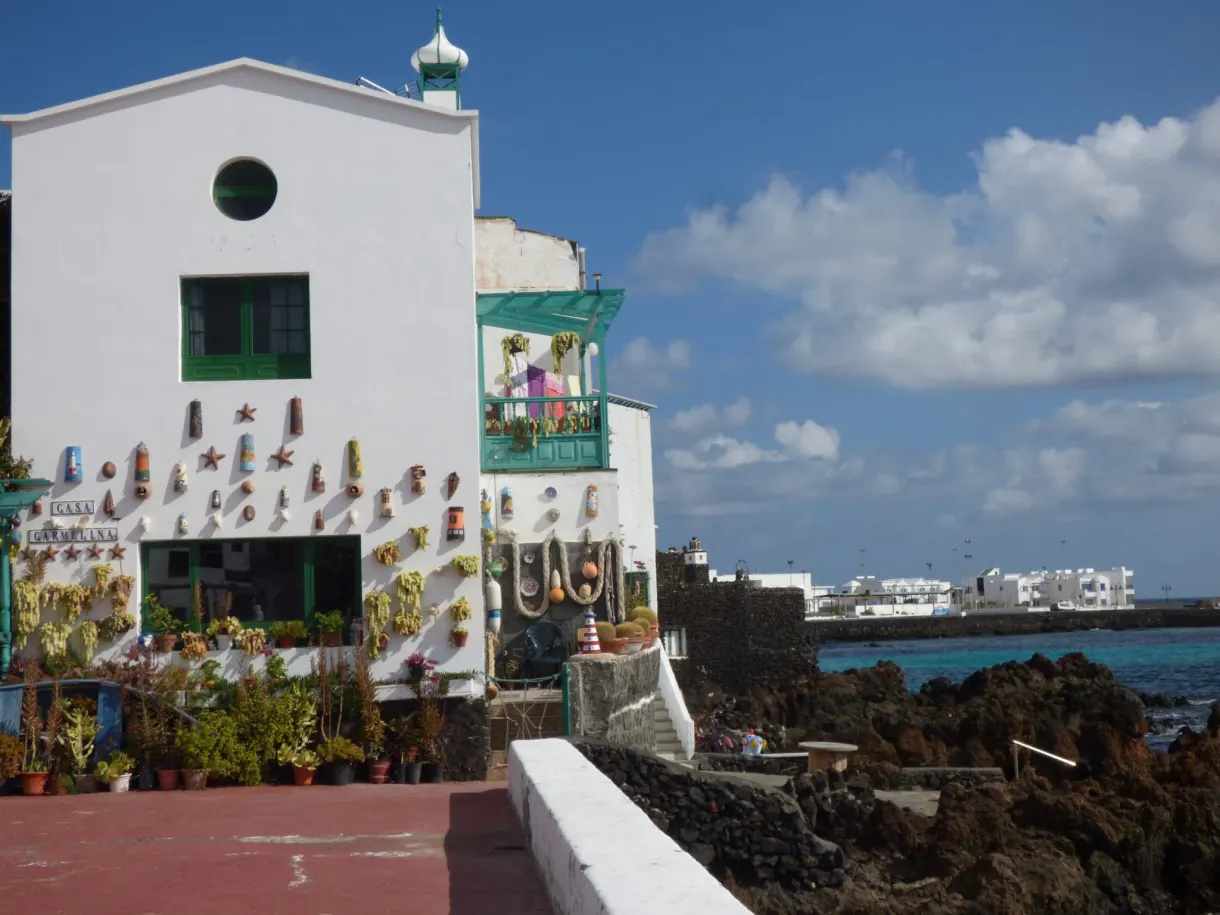
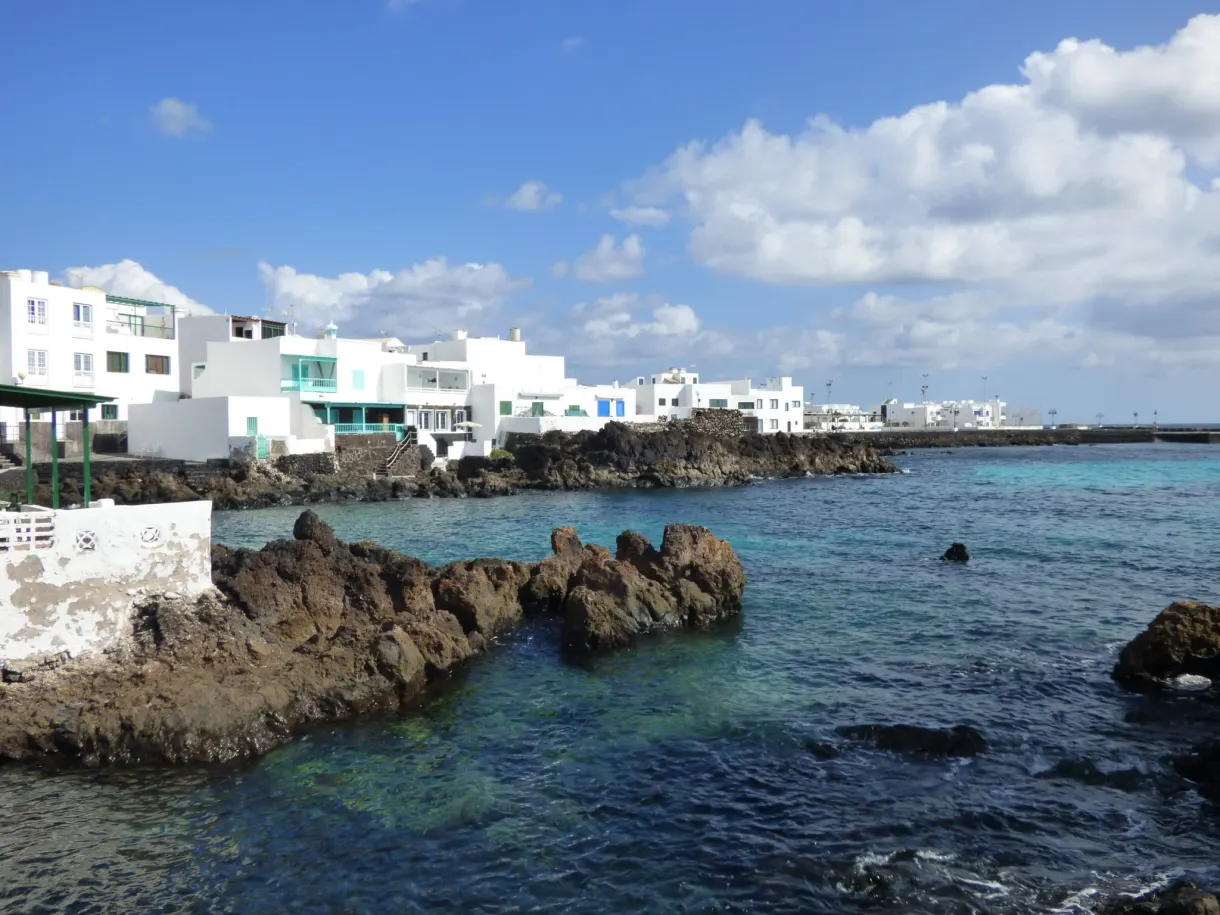
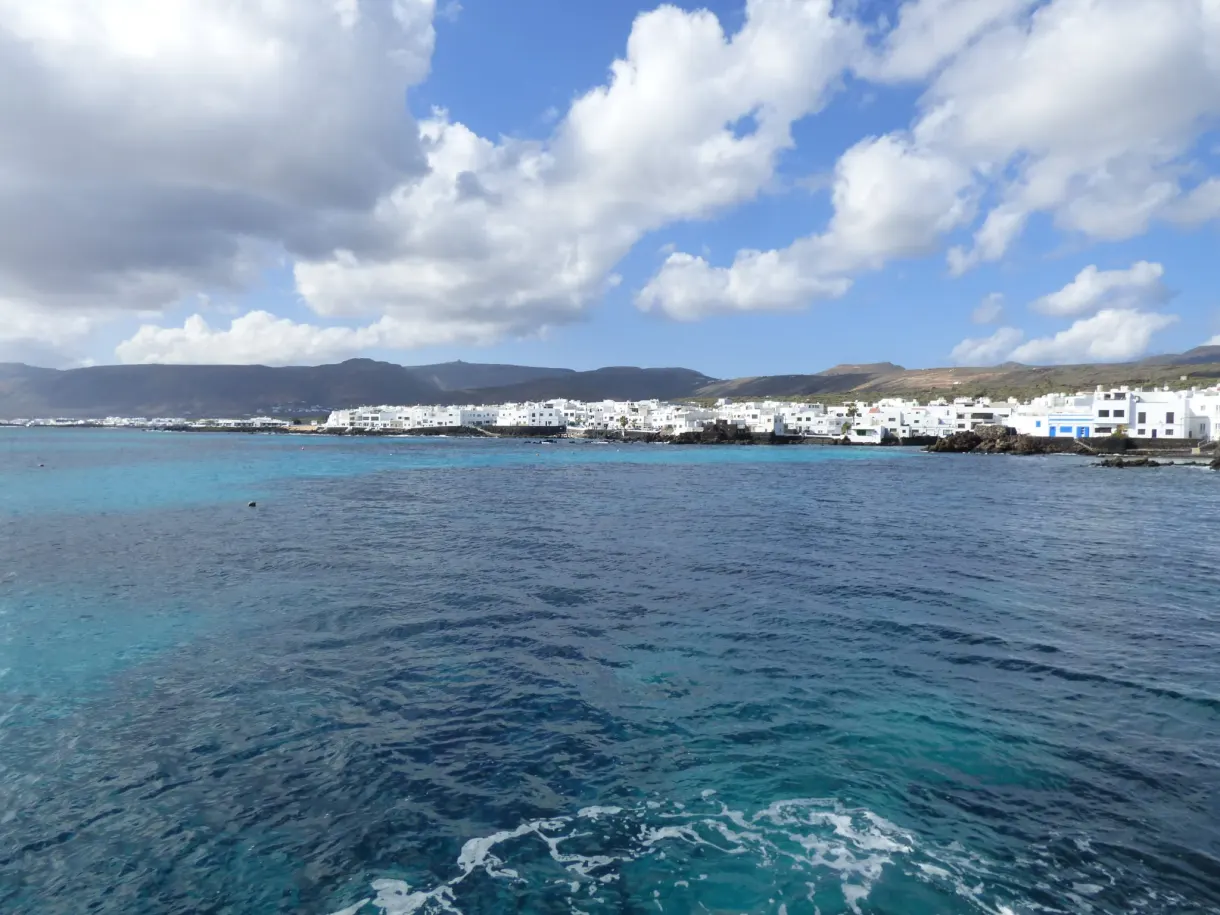
Following the LZ-1, we stopped at Arrieta and at Punta Mujeres, two typical seaside villages. There is not much to see really in Arrieta, apart from La Casa La Juanita; but if you fancy a little break, it is a pleasant place to get some fresh air. We preferred the small town of Punta Mujeres with its traditional white houses that stand out against the turquoise of the sea. There was nobody in the streets, we were literally the only tourists walking around there!
The northern tip: Mojón Blanco, Caletón Blanco, Orzola
We decided not to visit the two César Manrique sites in this part of the island: Jameos del Agua and Cueva de los Verdes – the number of cars in the car parks having put us off. As soon as we had passed these two places, the landscape changes completely and vegetation appears along the road. We then decided to park in a car park to take a closer look at the white sand beaches of Mojón Blanco.
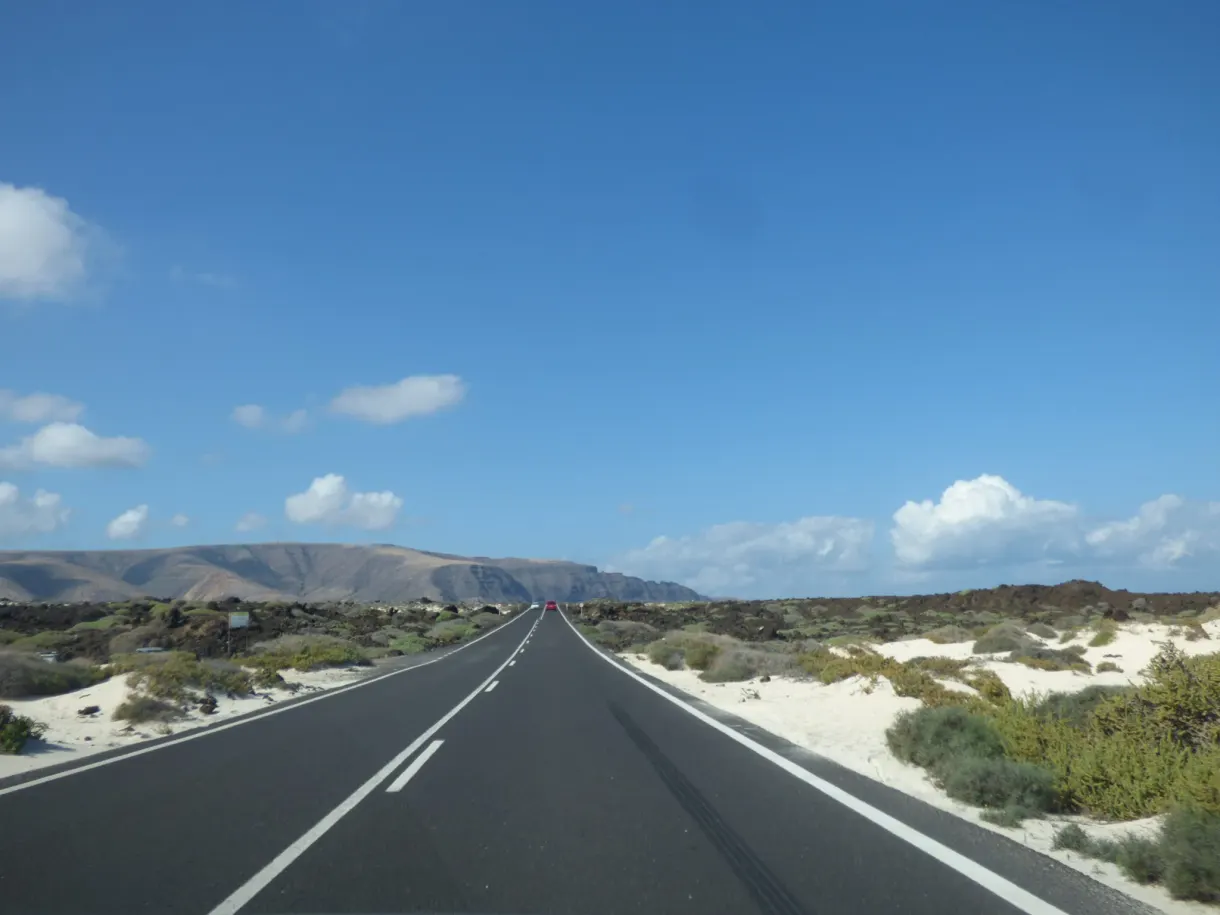
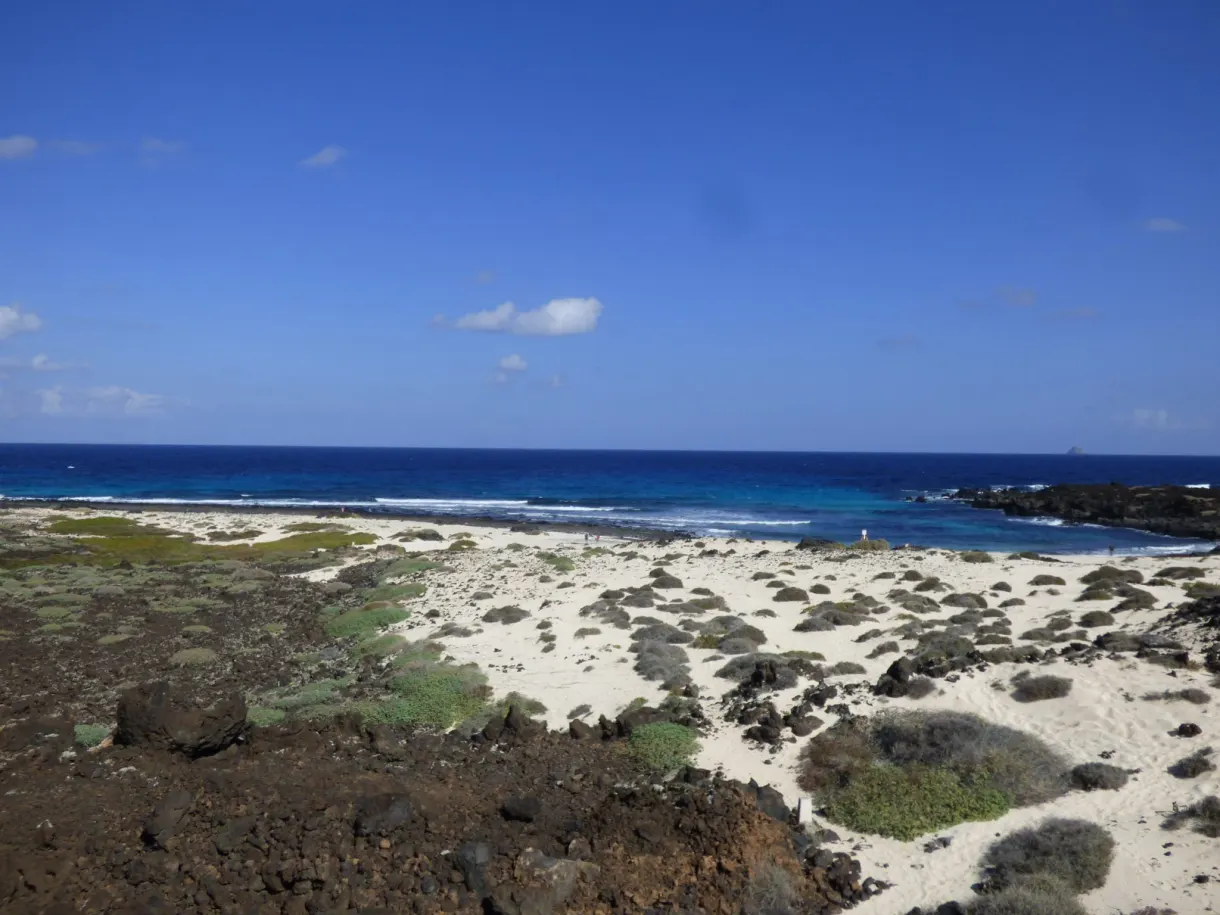
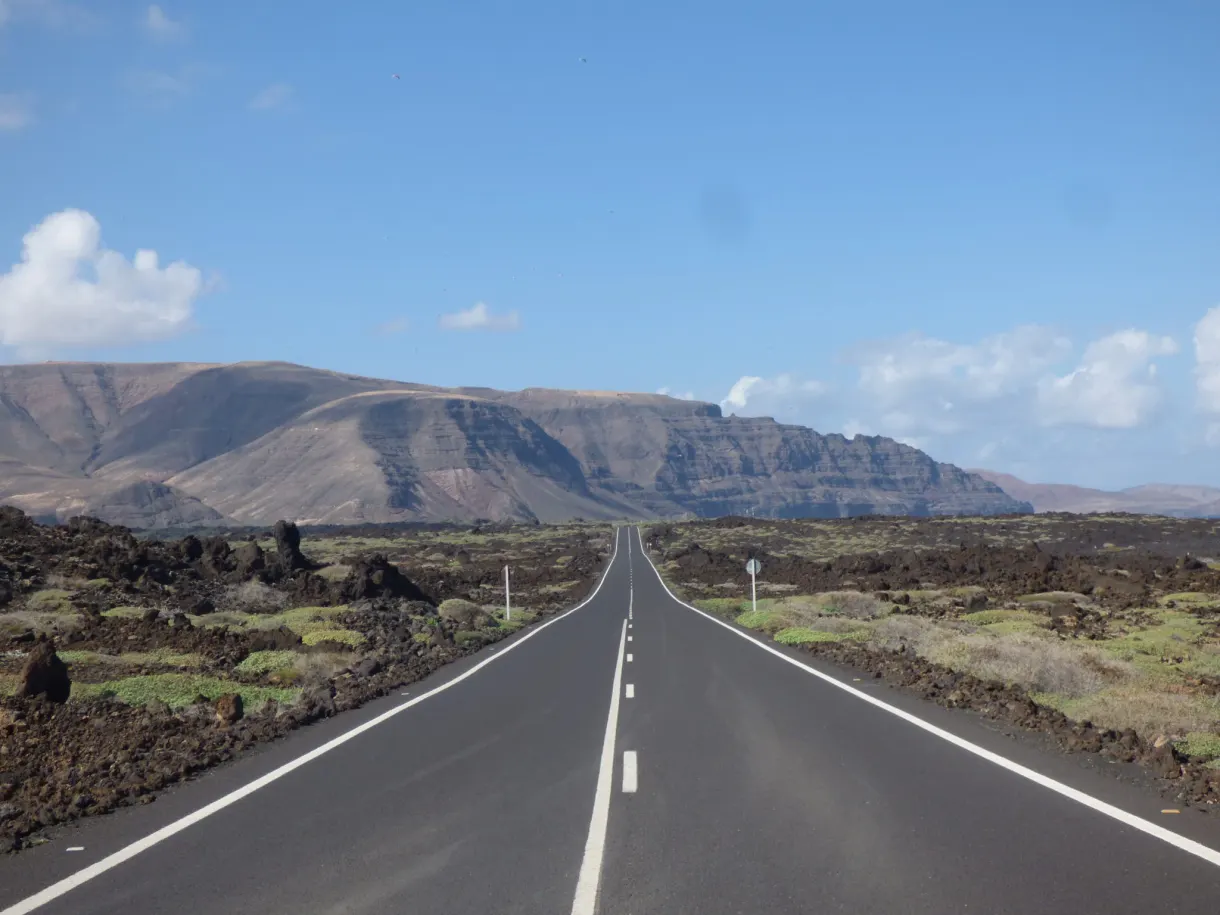
There is no waymarked path to get onto the sand, so you have to walk and climb a bit over the volcanic rocks that lie before the beach. It is a landscape we had not yet seen on the island and it made us say again that Lanzarote has more to offer than volcanoes as far as the eye can see.
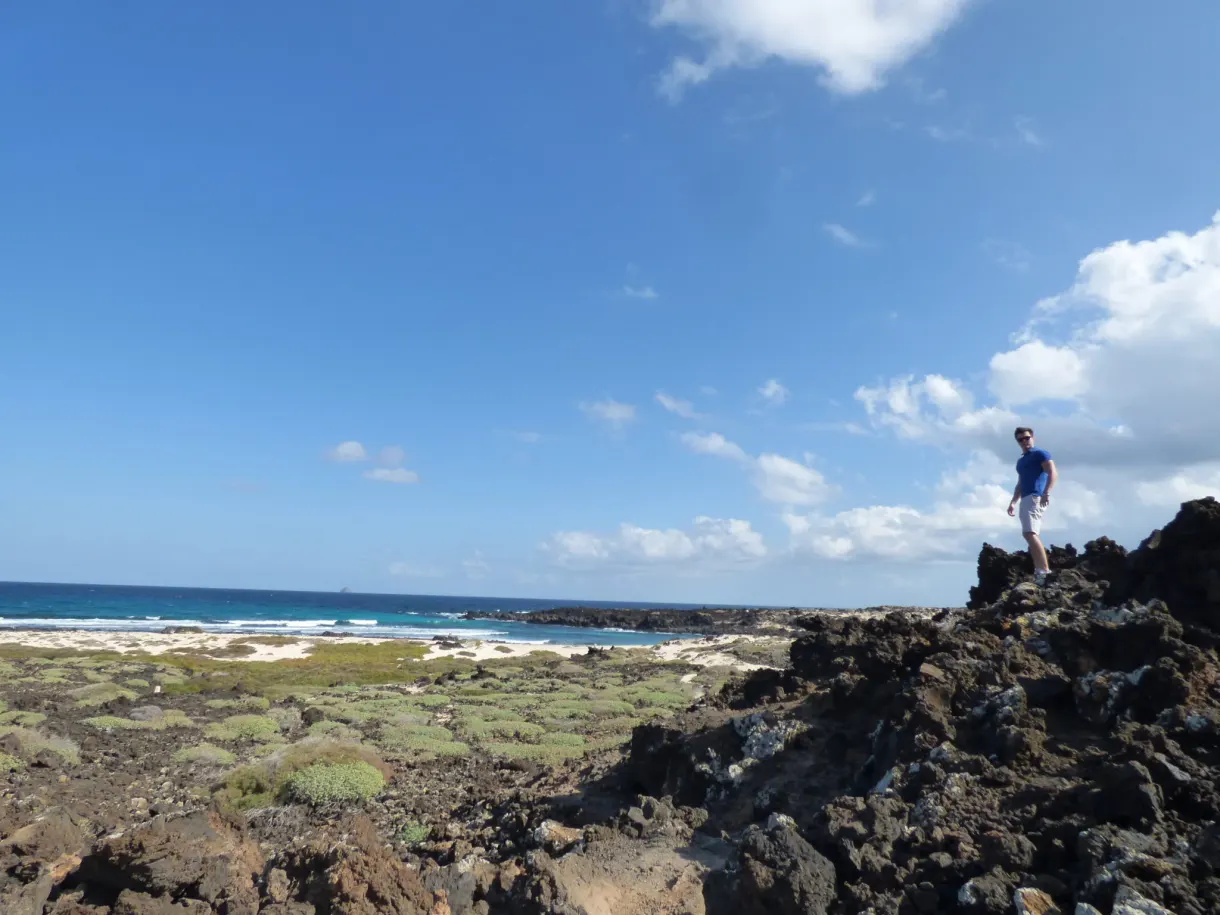
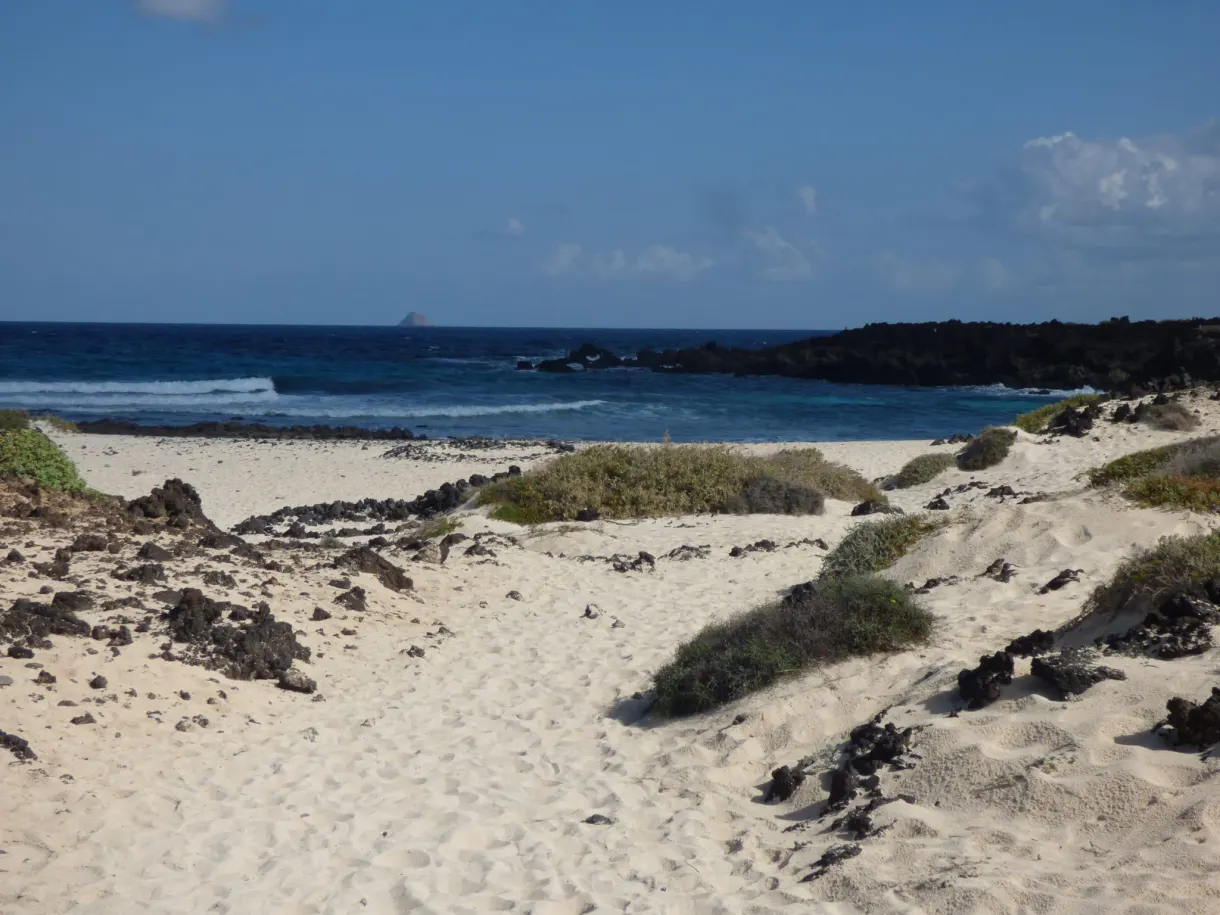
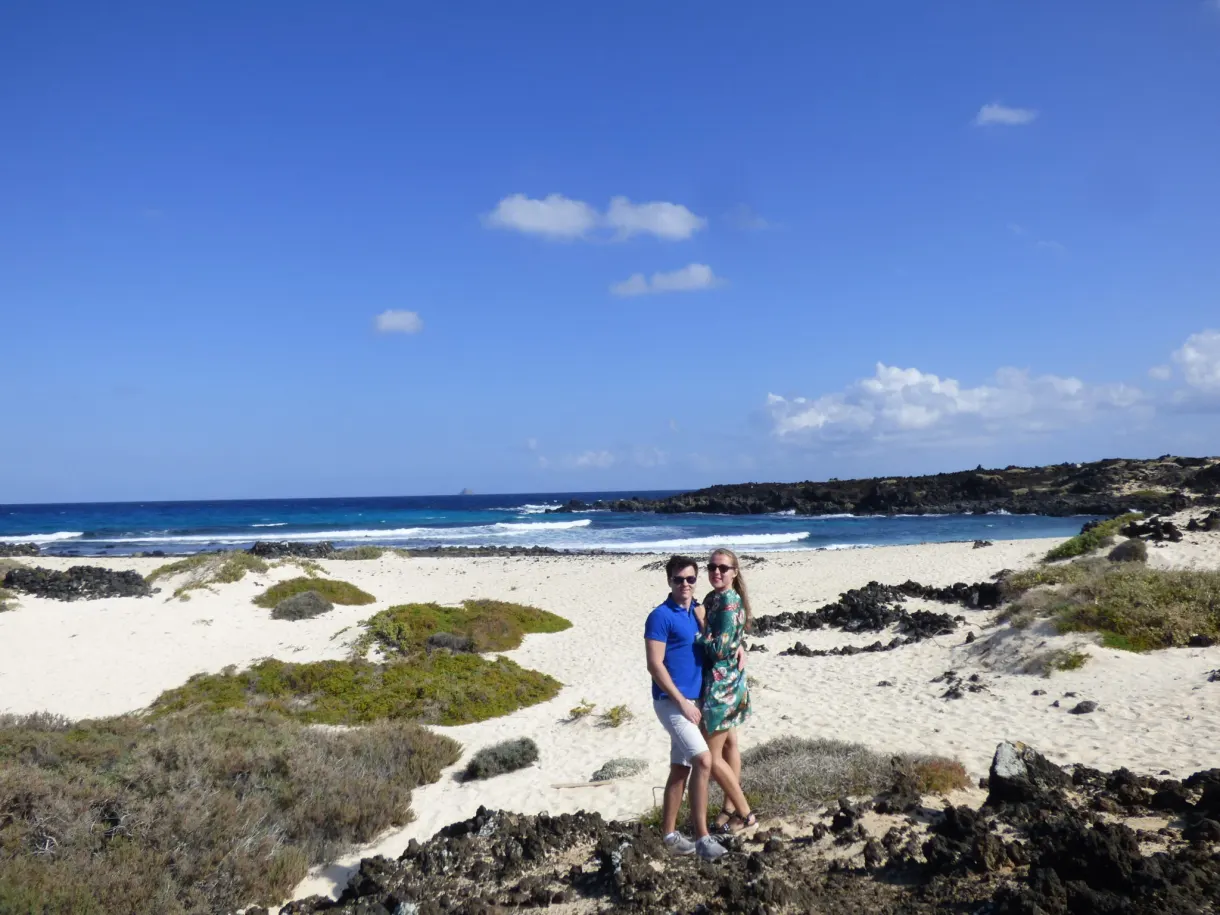
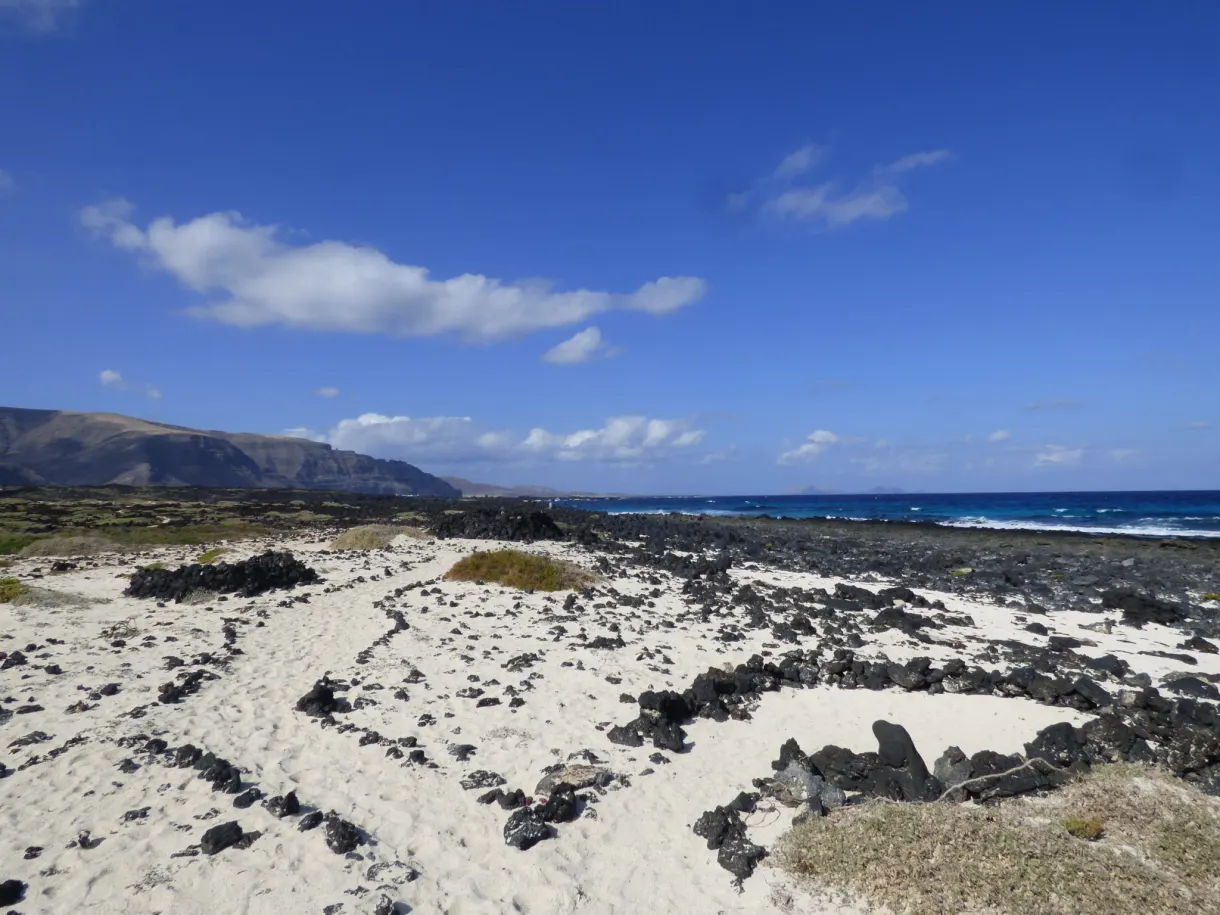
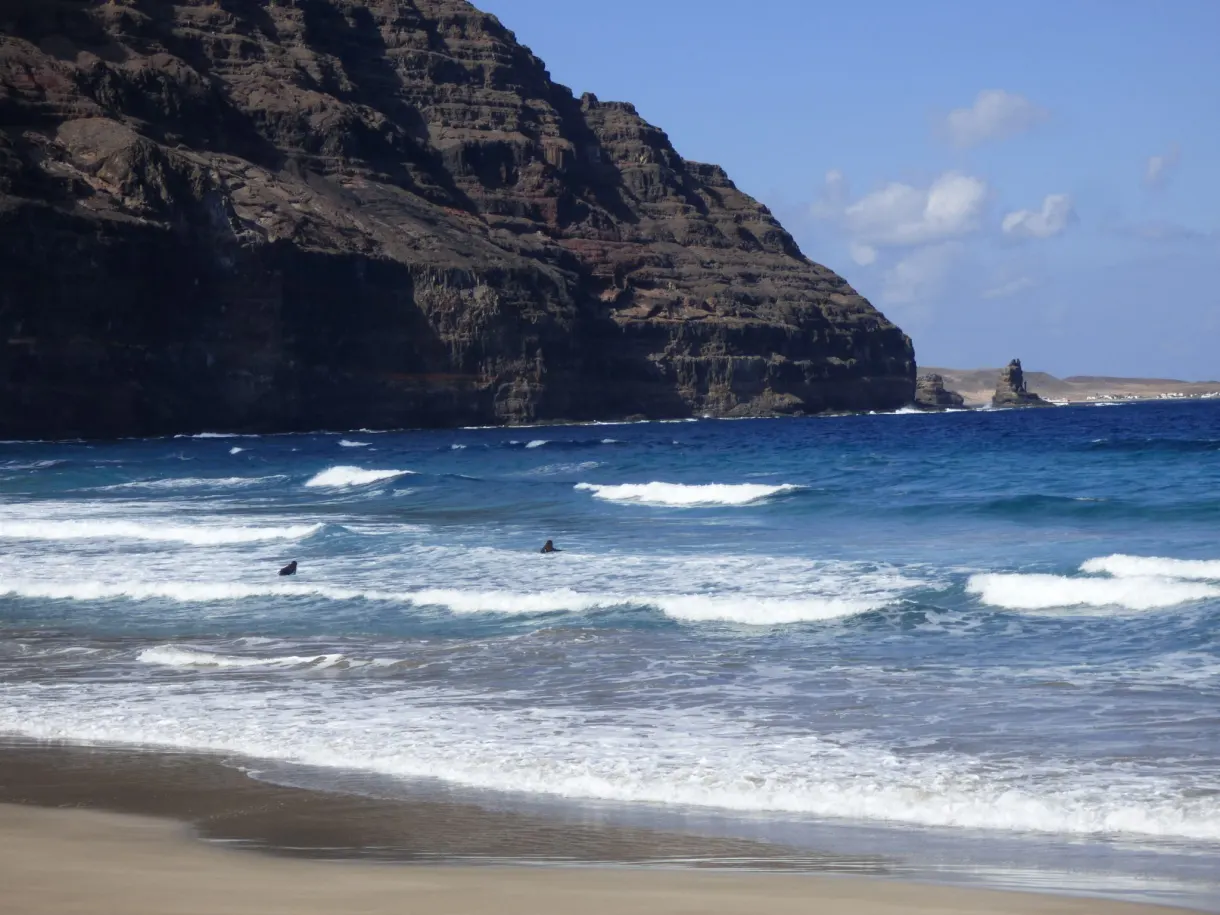
We then followed the road as far as Orzola, the northernmost village in Lanzarote. It is here that you can take a ferry to the island of La Graciosa. At the exit of the village, we took a dirt road that led us to the Orzola beach, very popular with surfers. It is a pebble beach below high cliffs over which paragliders fly: if you want to try this activity, this is where you have to come.
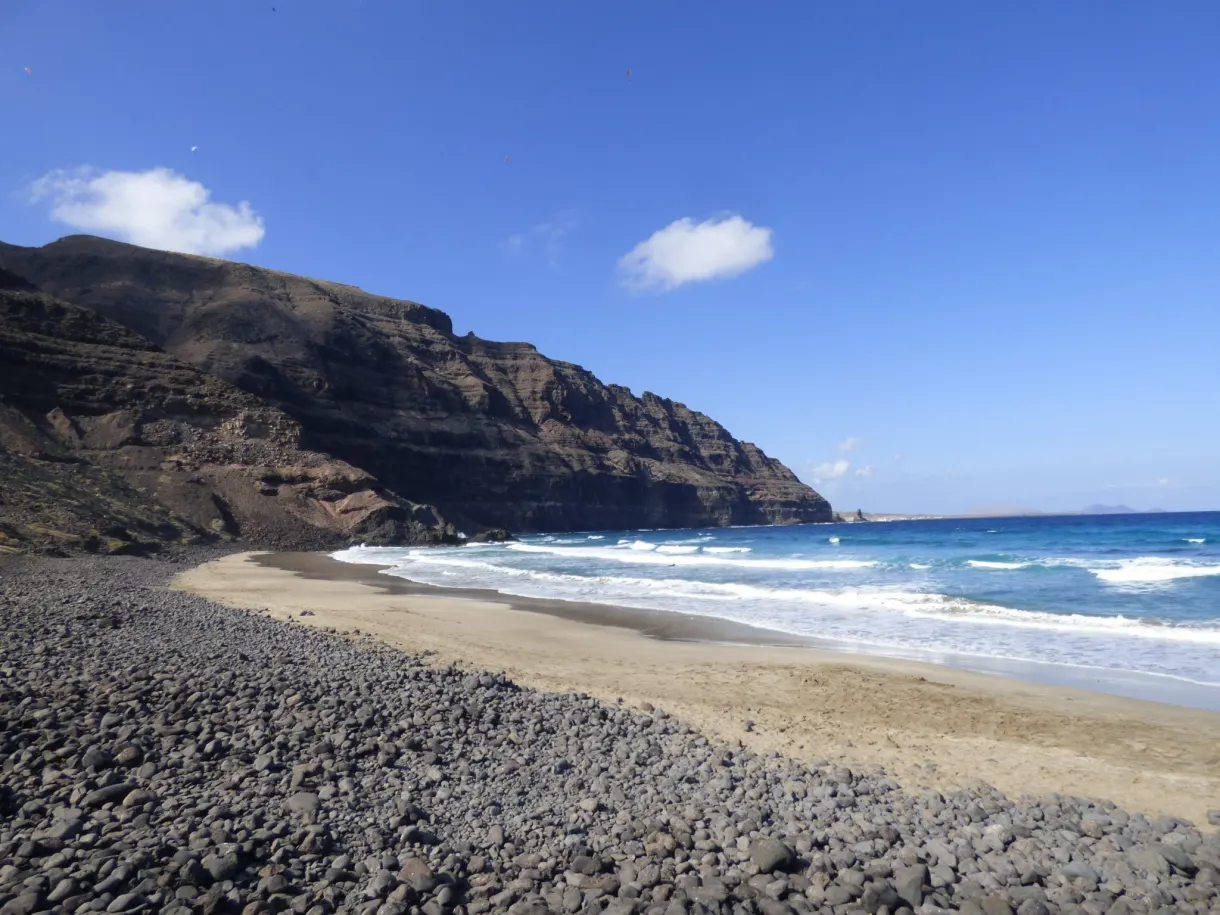
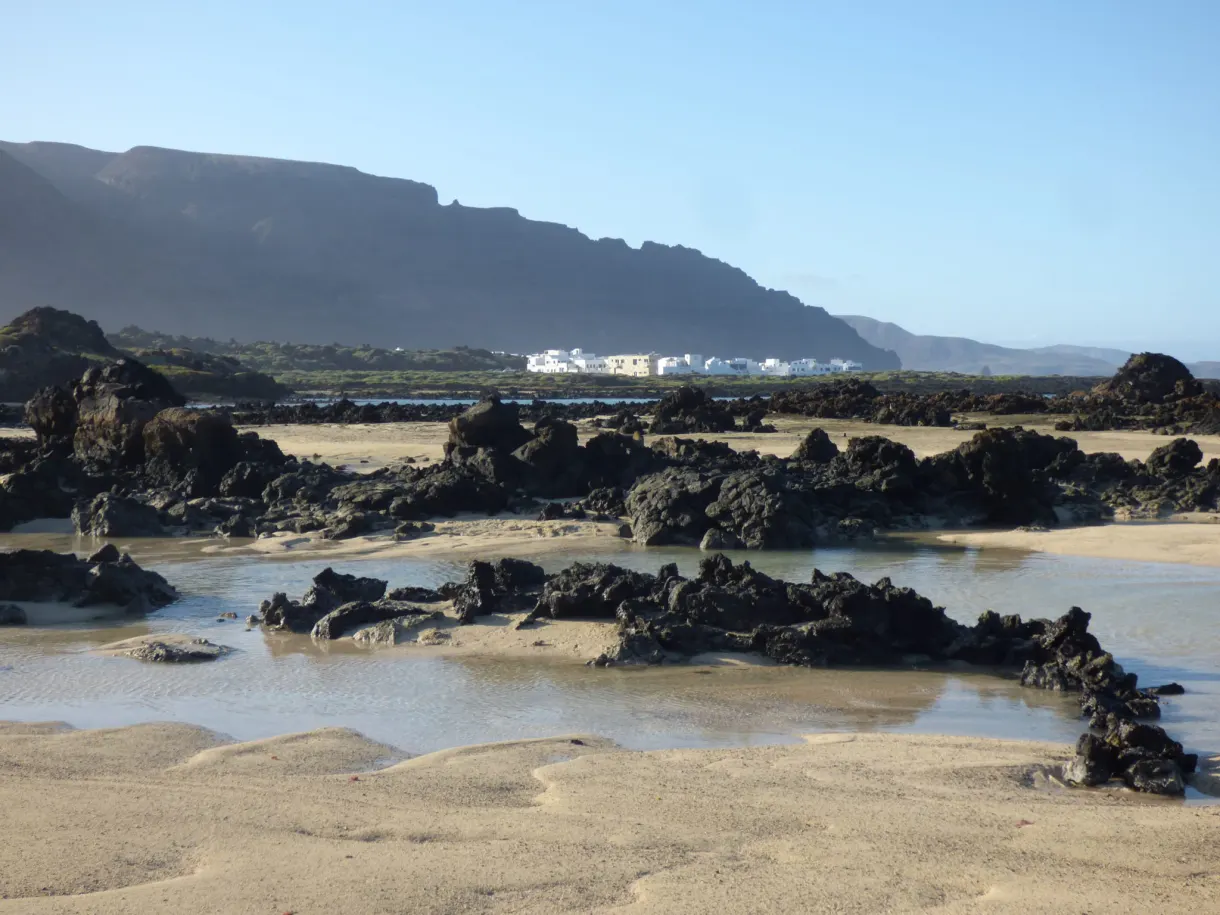
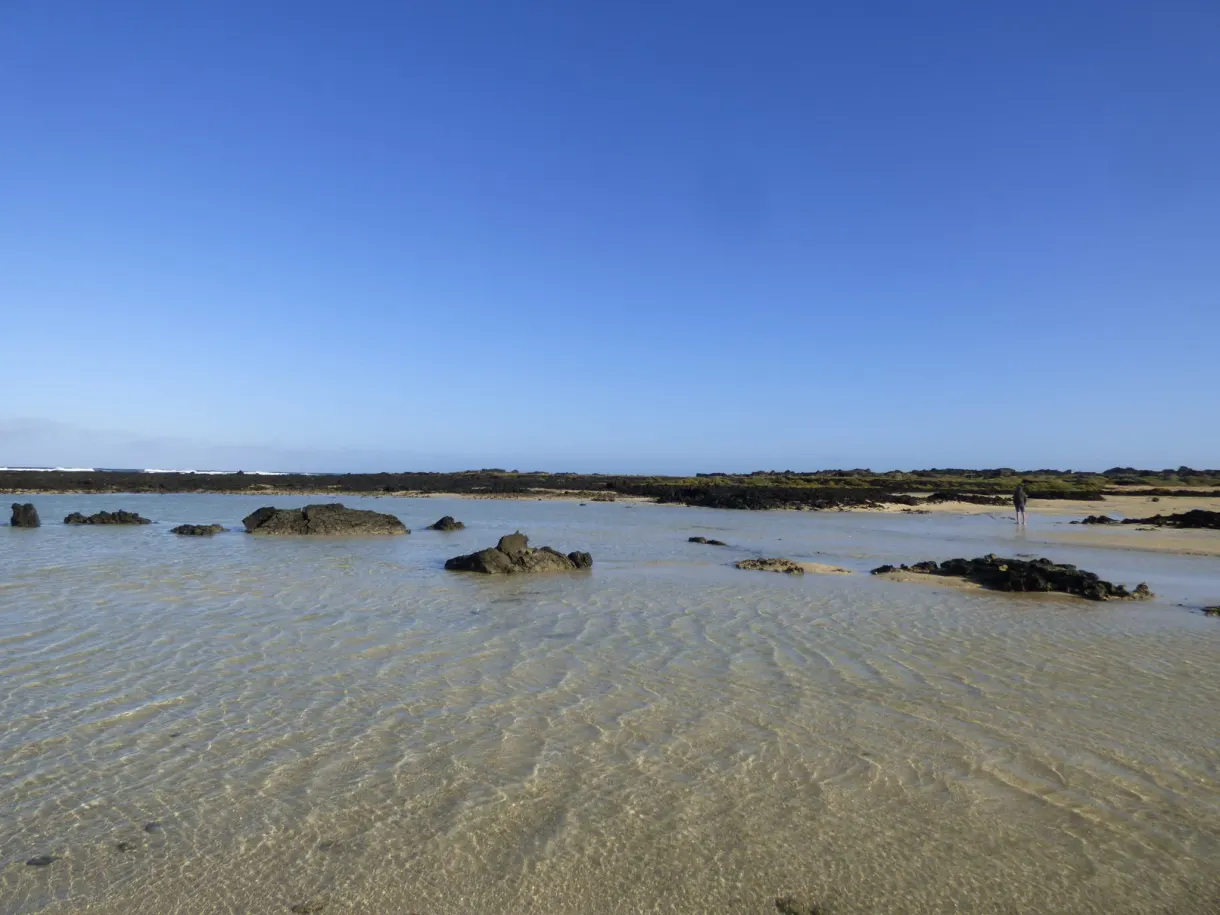
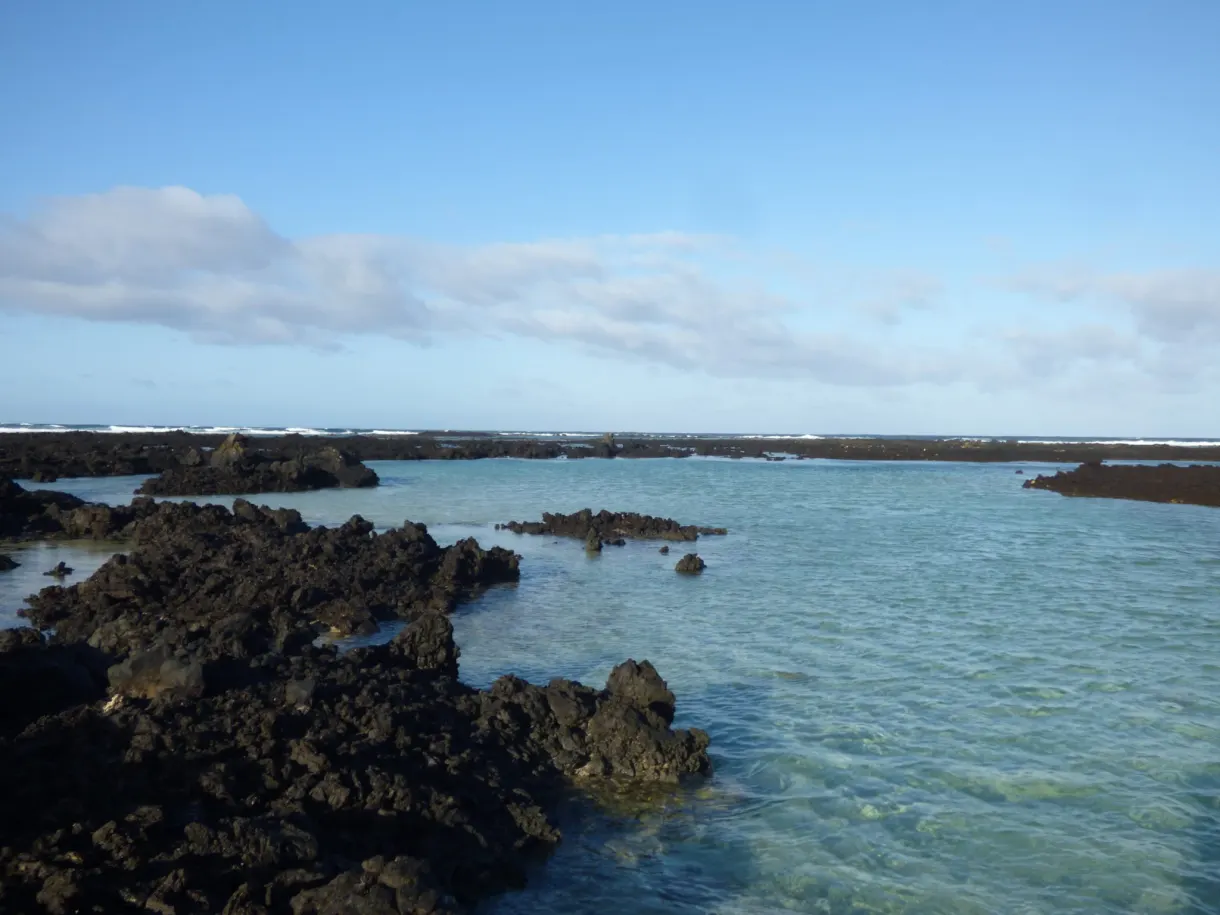
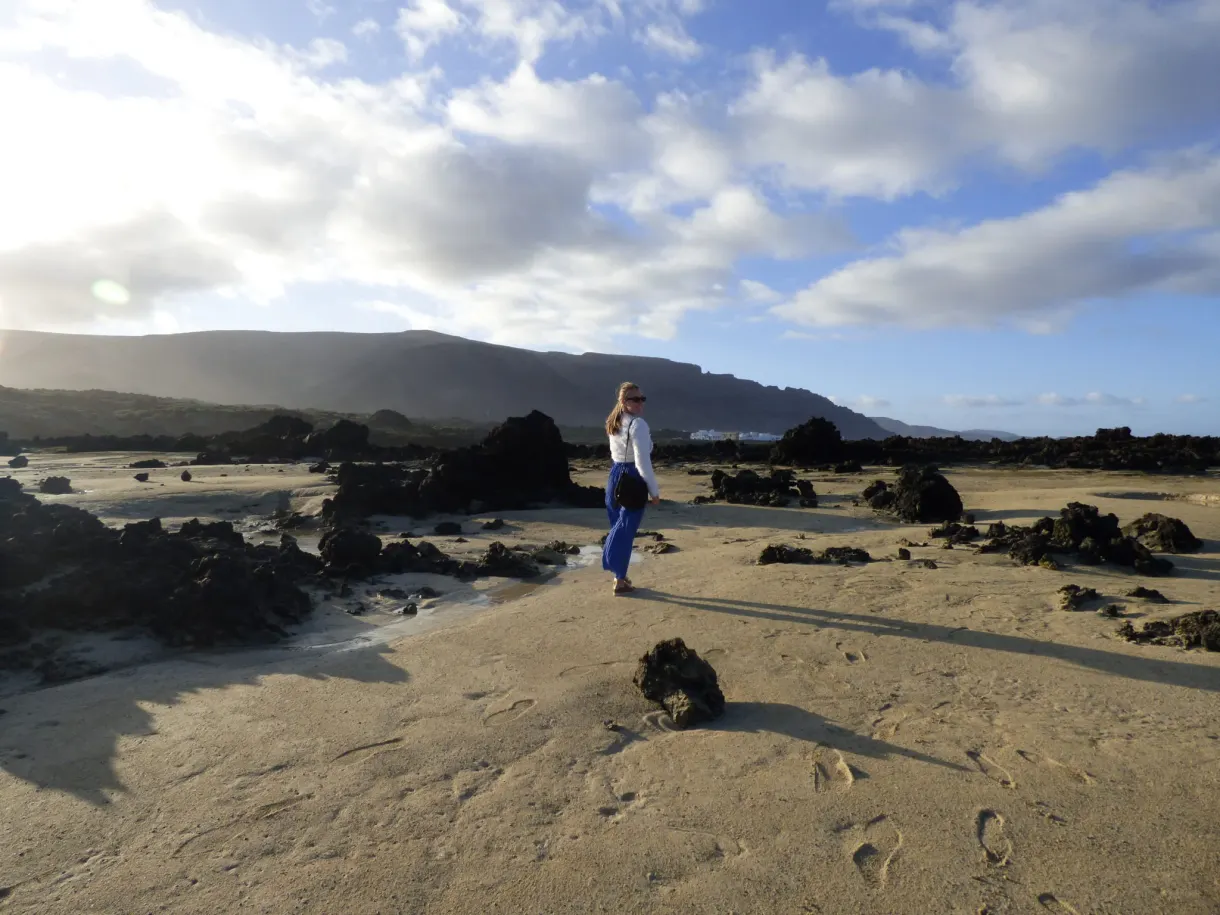
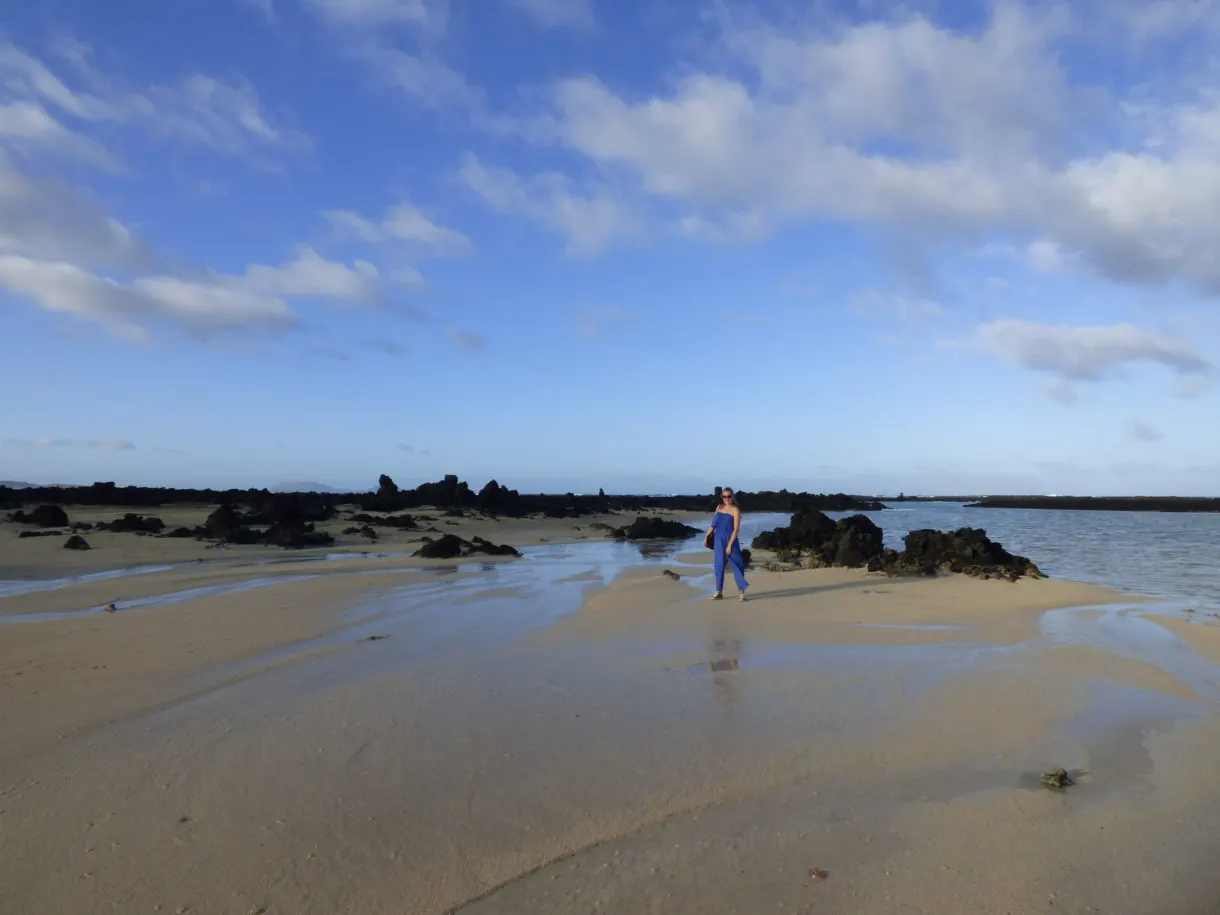
A small departure from this day’s itinerary: we went to Caletón Blanco on our second to last day in Lanzarote because we had not stopped there after Mojón Blanco. This is a lagoon into which the sea comes in and where it is possible to walk at low tide.
Mirador del Rio
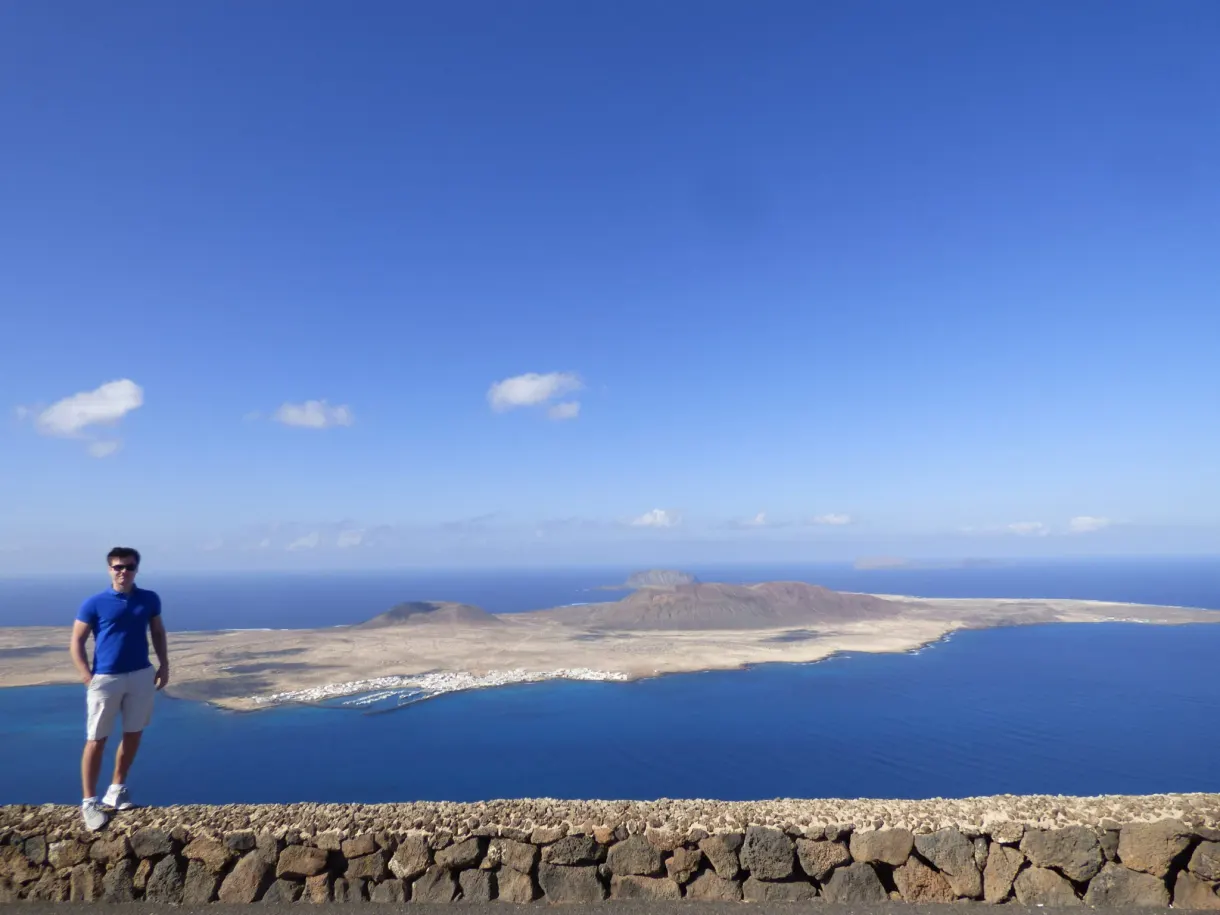
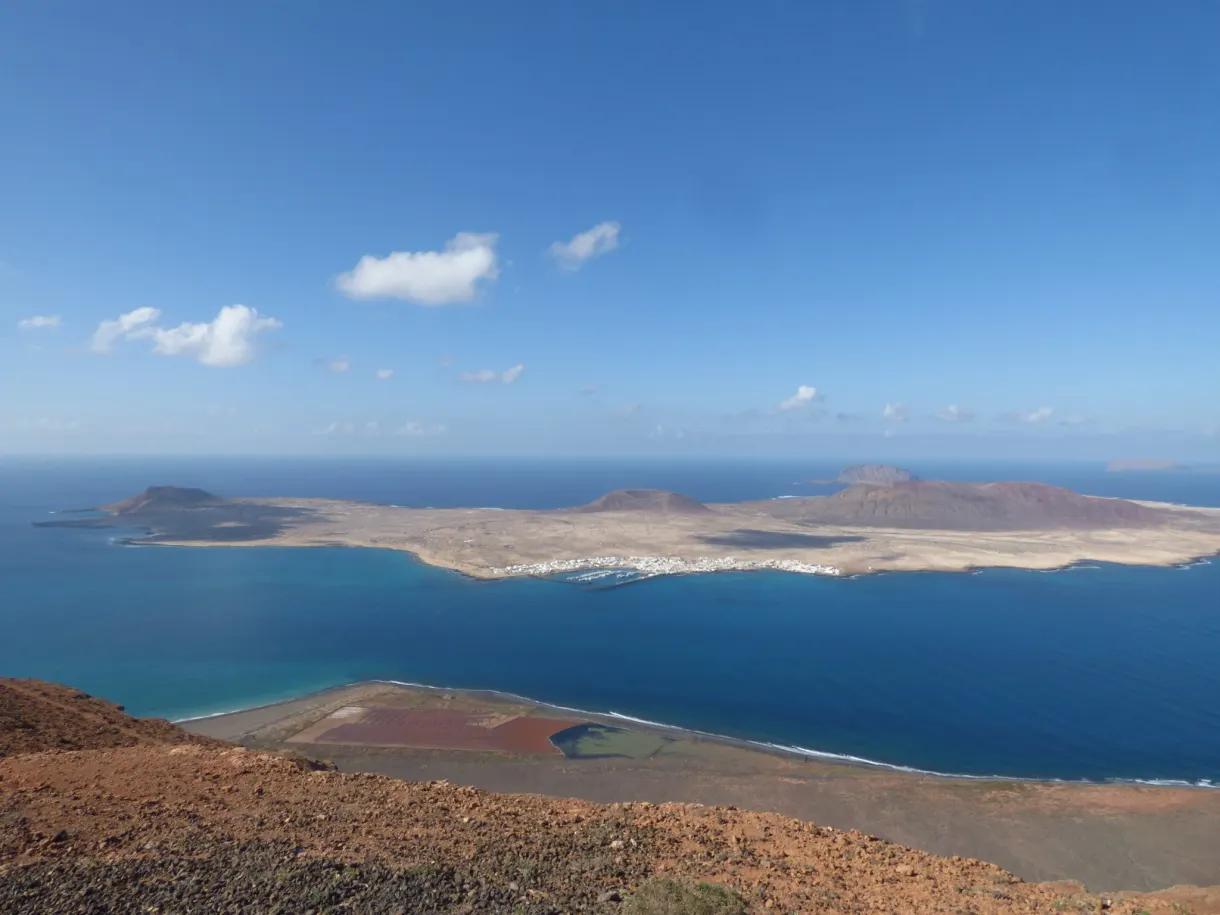
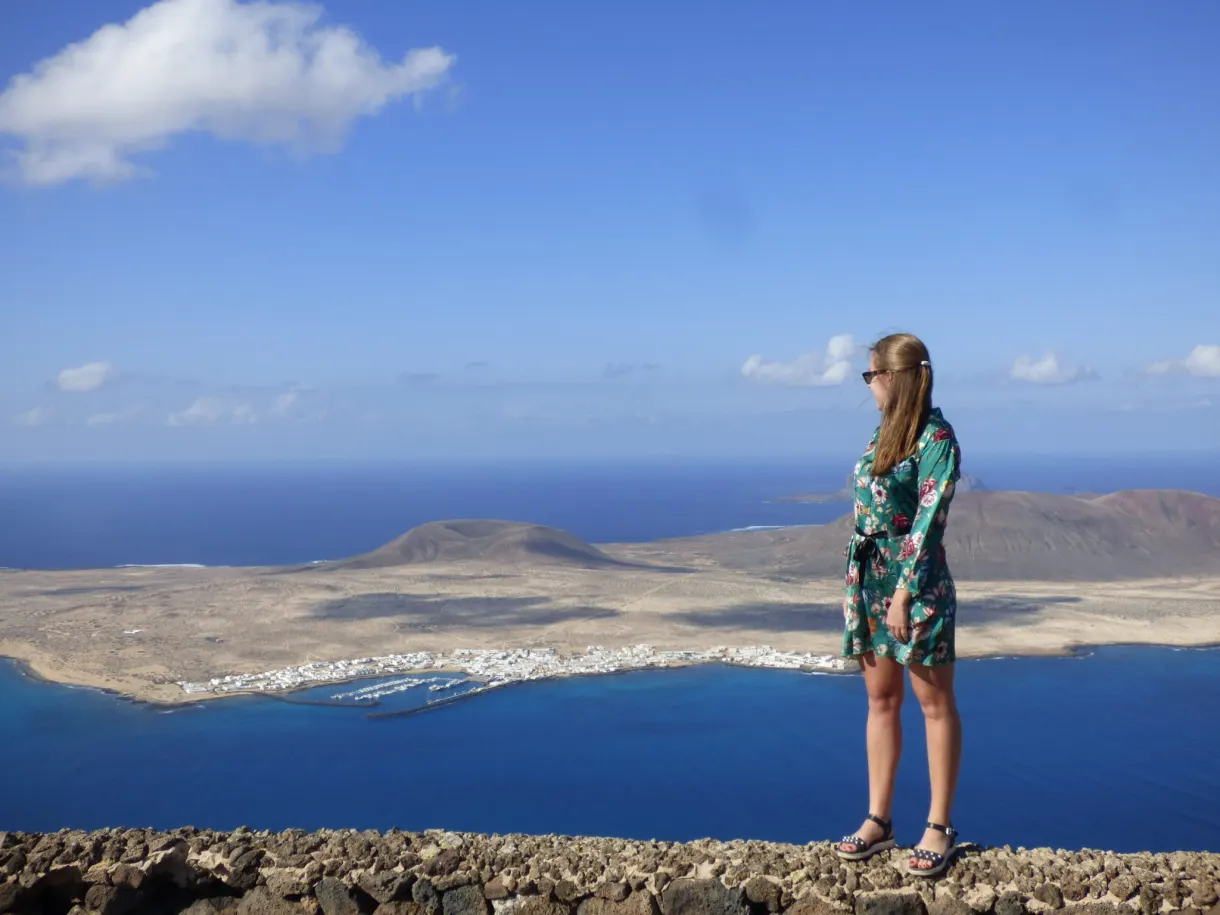
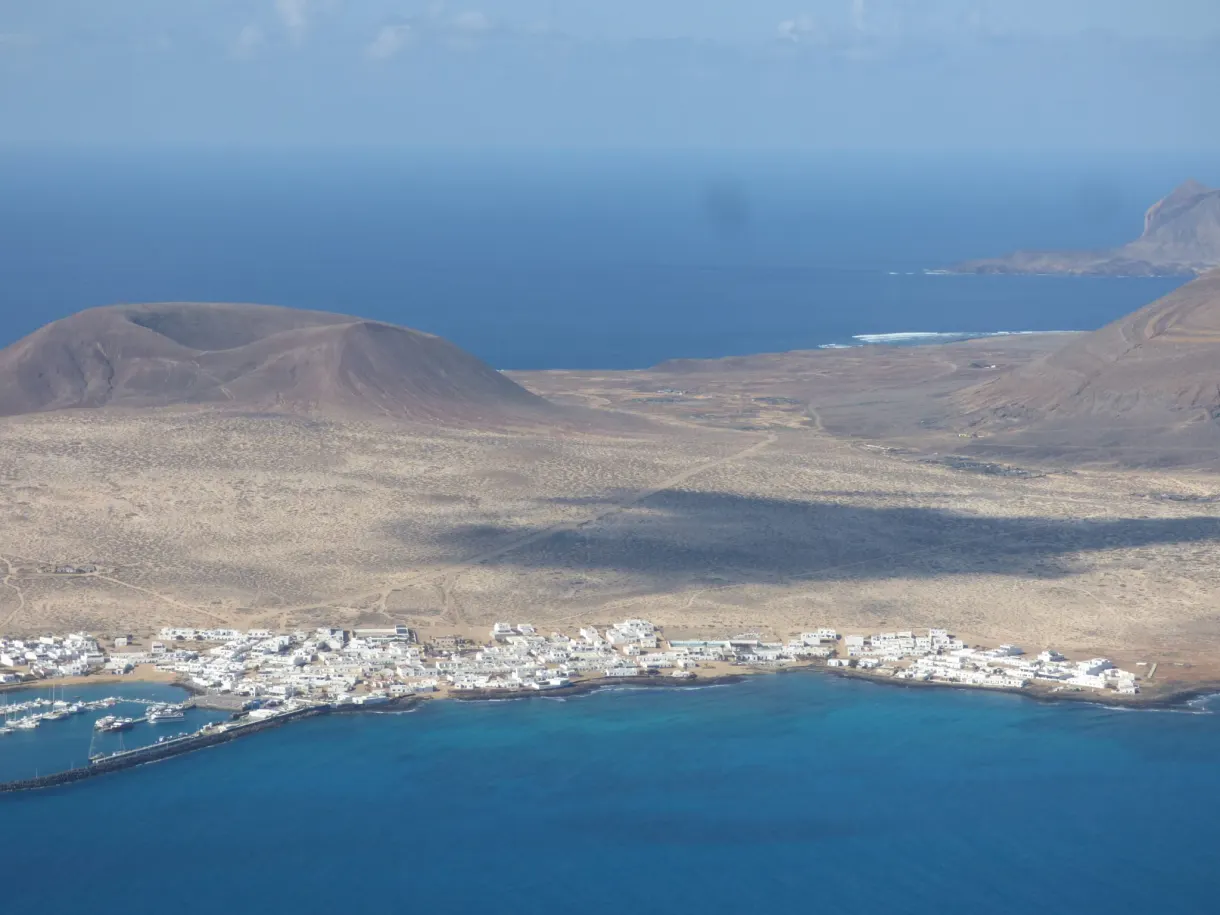
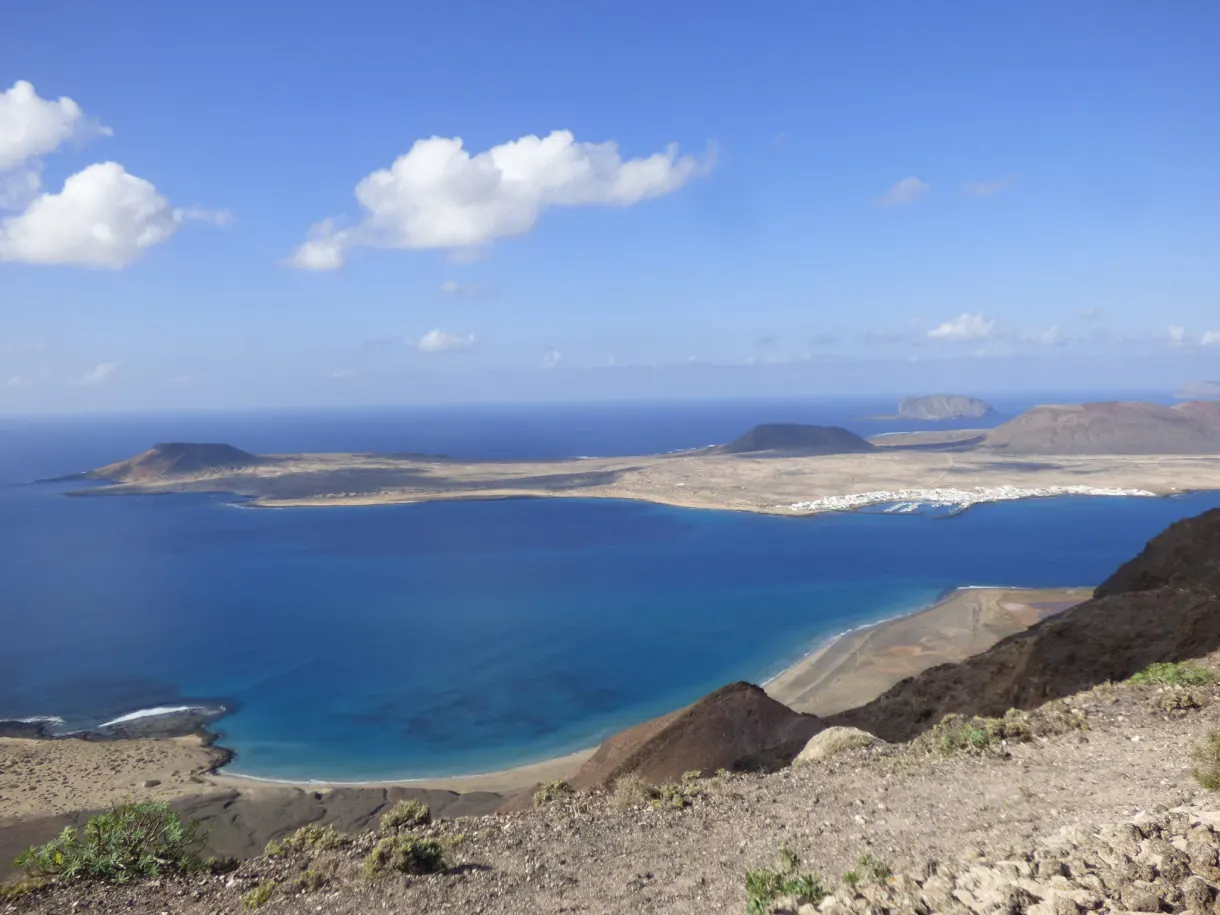
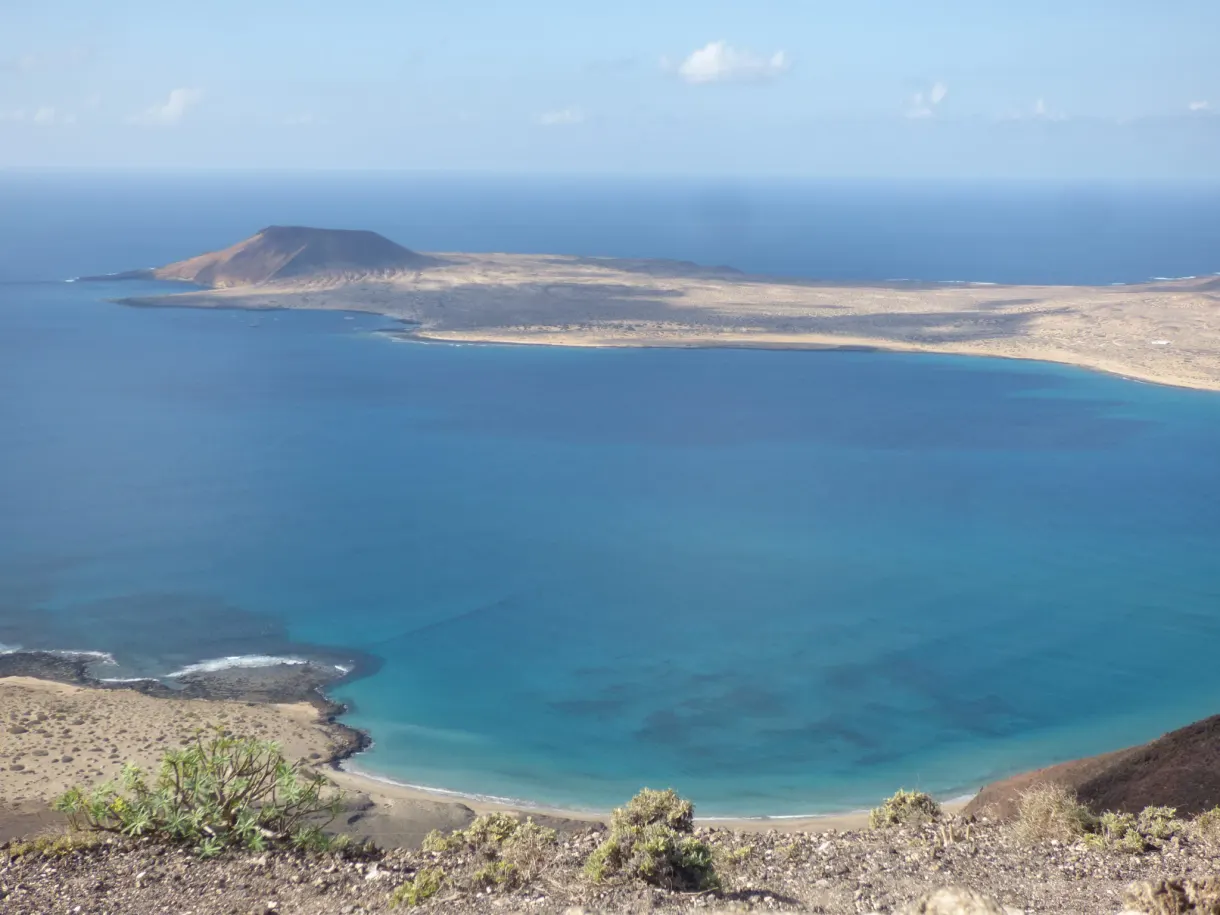
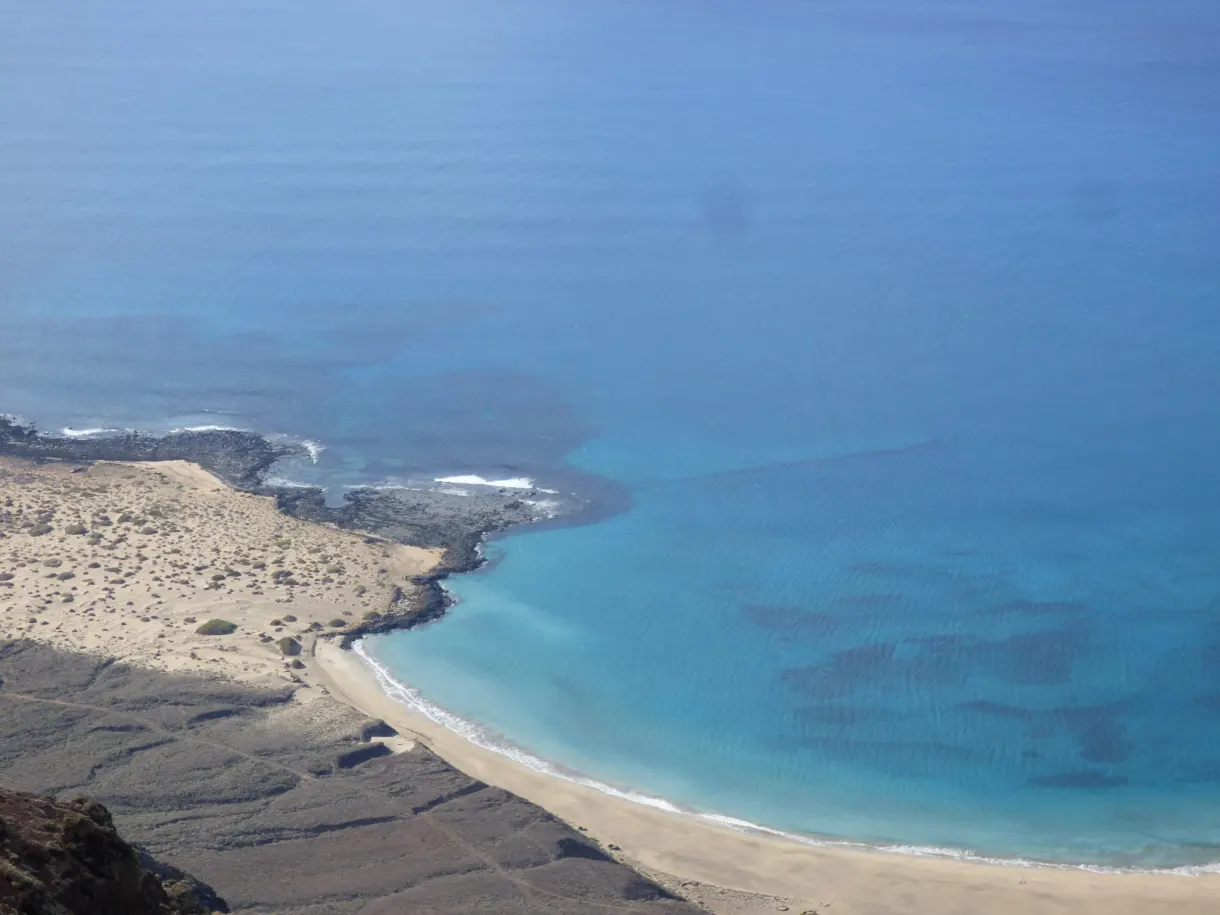
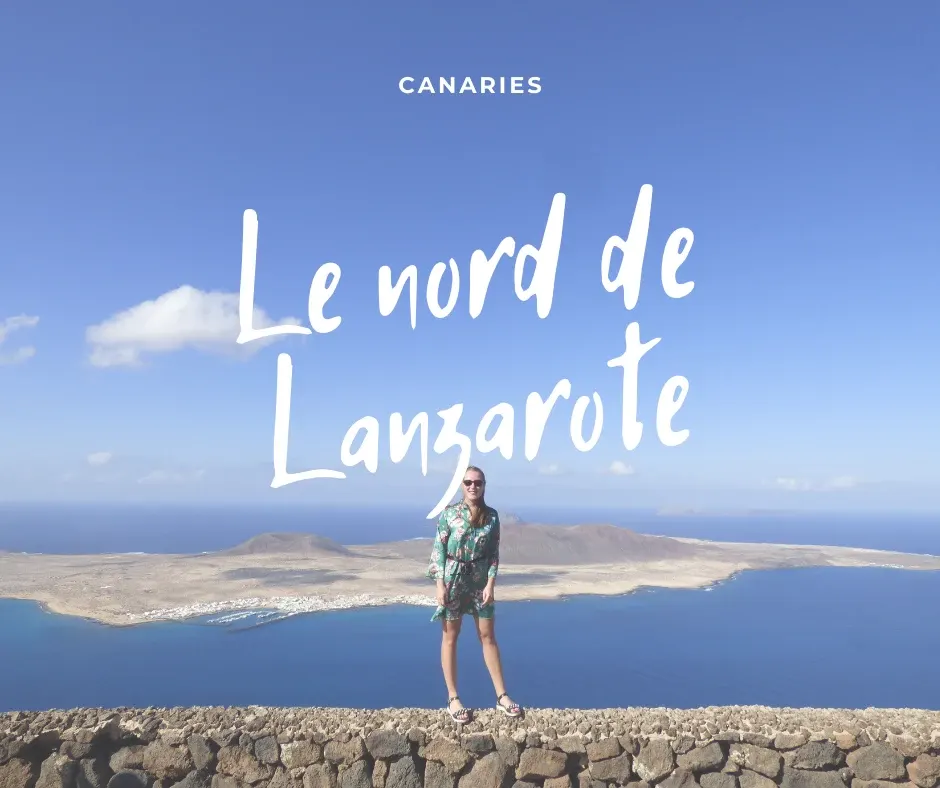
After Orzola, we headed towards the very famous Mirador del Rio, another of César Manrique’s architectural works and also an unmissable viewpoint over the island of La Graciosa. So we parked in the car park and walked along the LZ-202 road which is to the left of the Mirador: we chose not to pay to go into the monument (which houses a café) because the view is exactly the same next to it.
The photos speak for themselves: the view is spectacular.
Mirador del Guinate
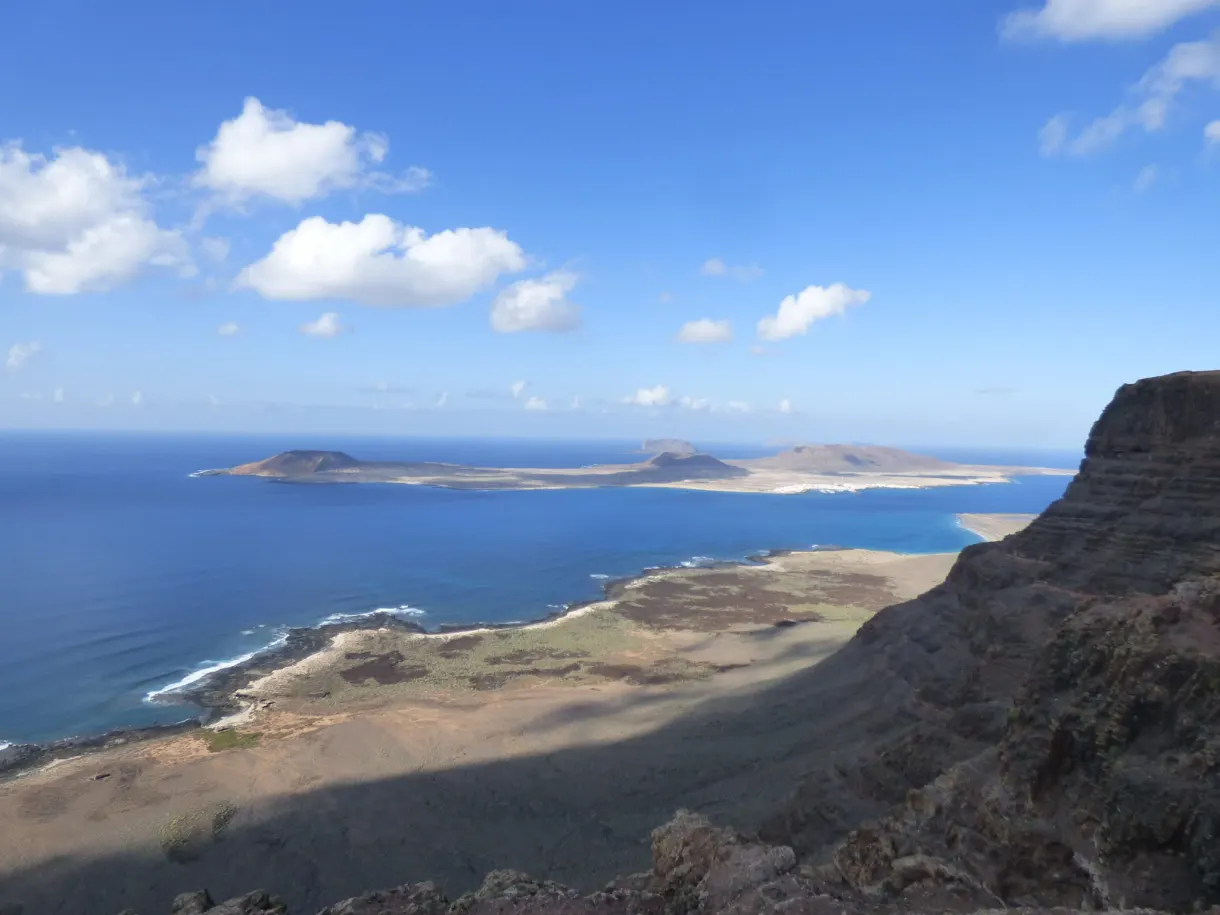
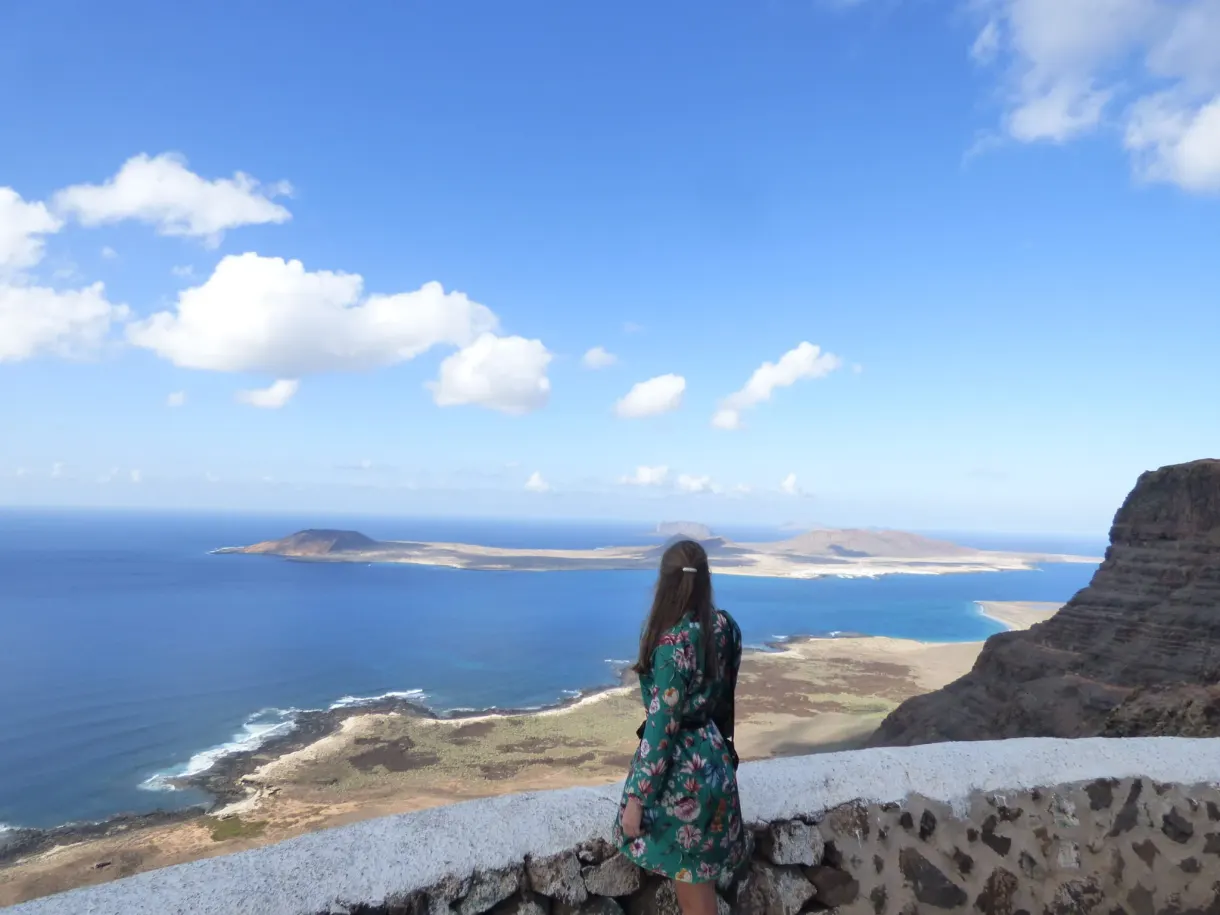
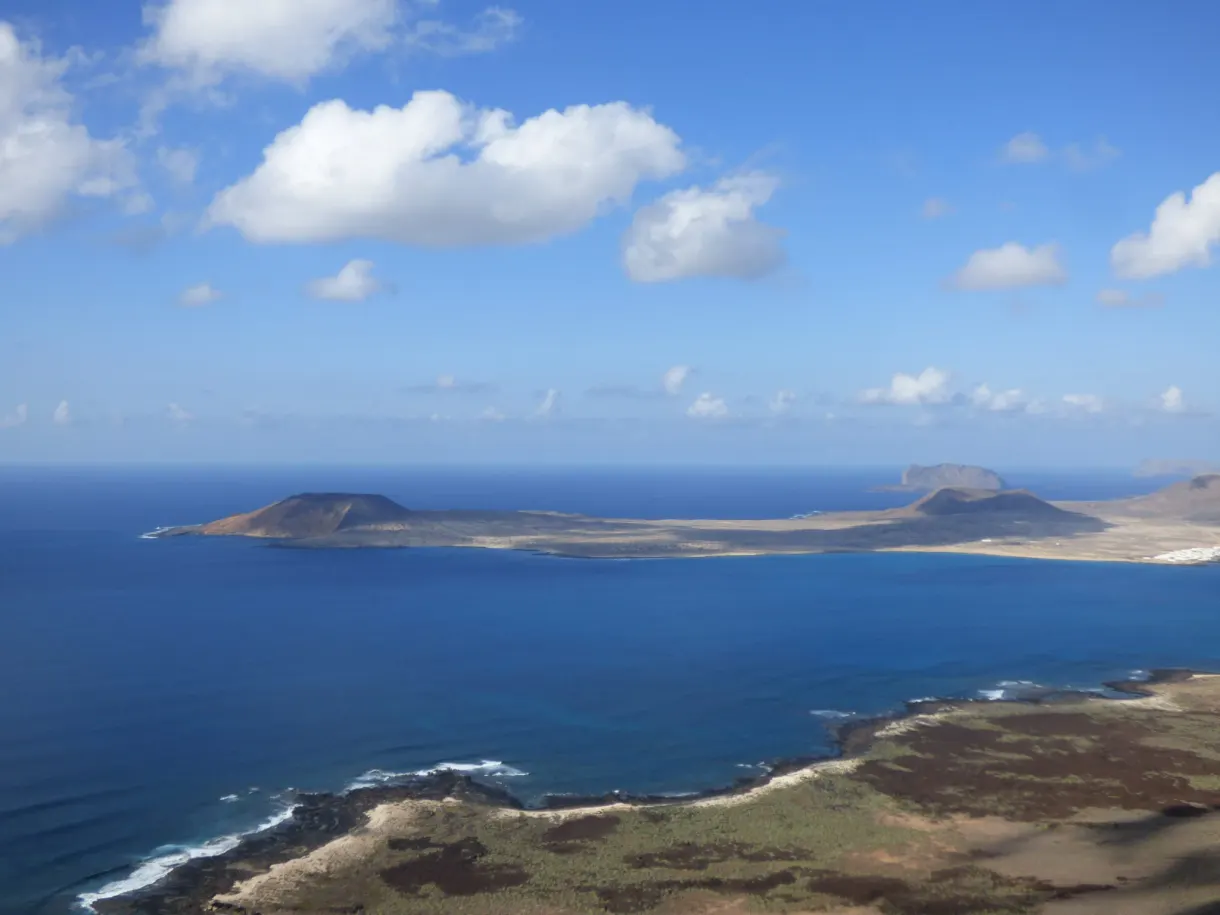
We had spotted another Mirador, a little further along the LZ-201, less well known than the one del Rio. The Mirador del Guinate is at the end of a dead-end road: we were almost alone there! It offers a different viewpoint over the cliffs and the island of La Graciosa: it is worth going there.
Casa Museo de César Manrique
During our visit to the César Manrique Foundation in Arrecife, we had bought tickets combined with the artist’s Casa Museo in Haria, in the north of the island. So we stopped in this peaceful little town inland, to visit César Manrique’s house. Unlike the Foundation, the Casa Museo does not draw crowds and there were only about ten of us wandering through the house and the grounds. Photos are forbidden inside the house, so the surprise is total!
The visit is really interesting and lets you get to know the artist better, his inspirations, his way of life and his works, as it is even possible to discover his studio.
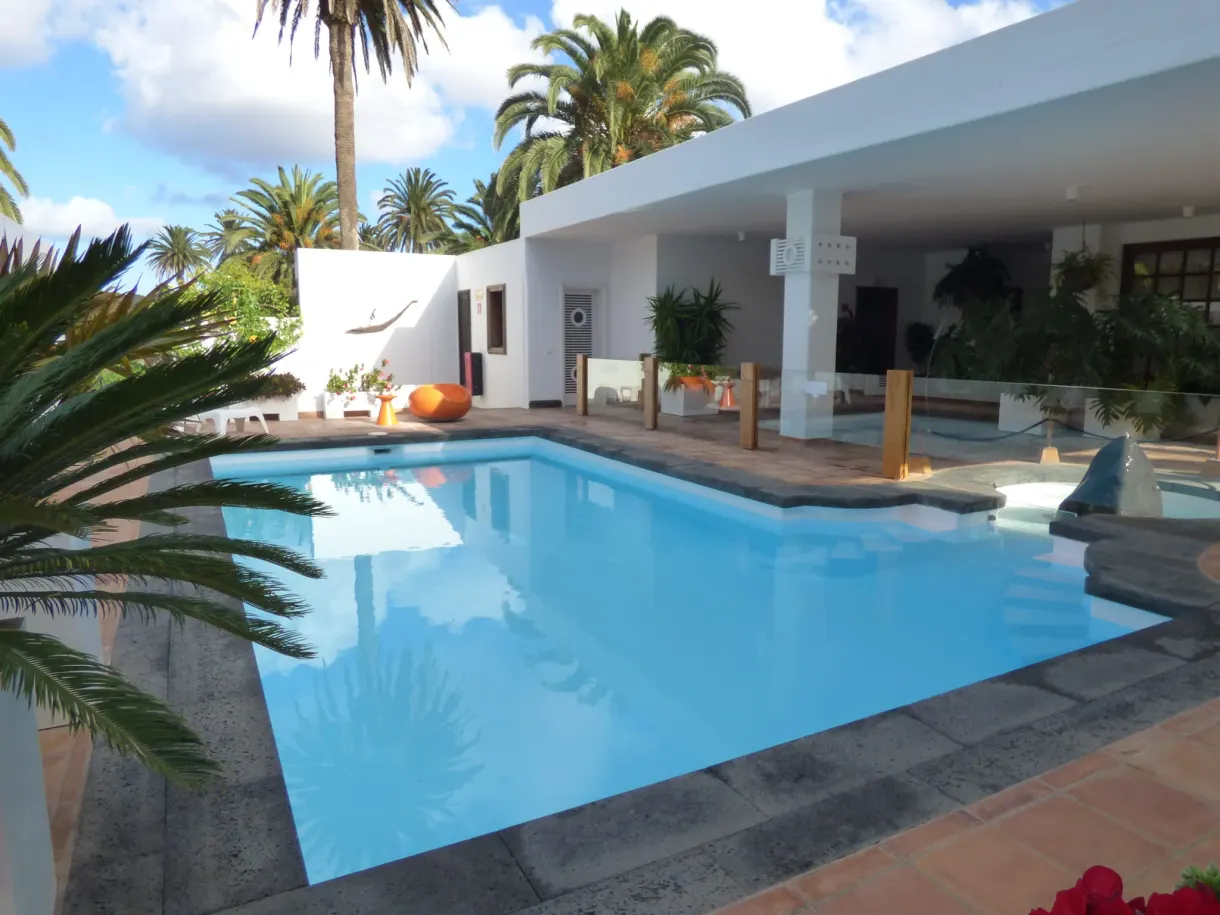
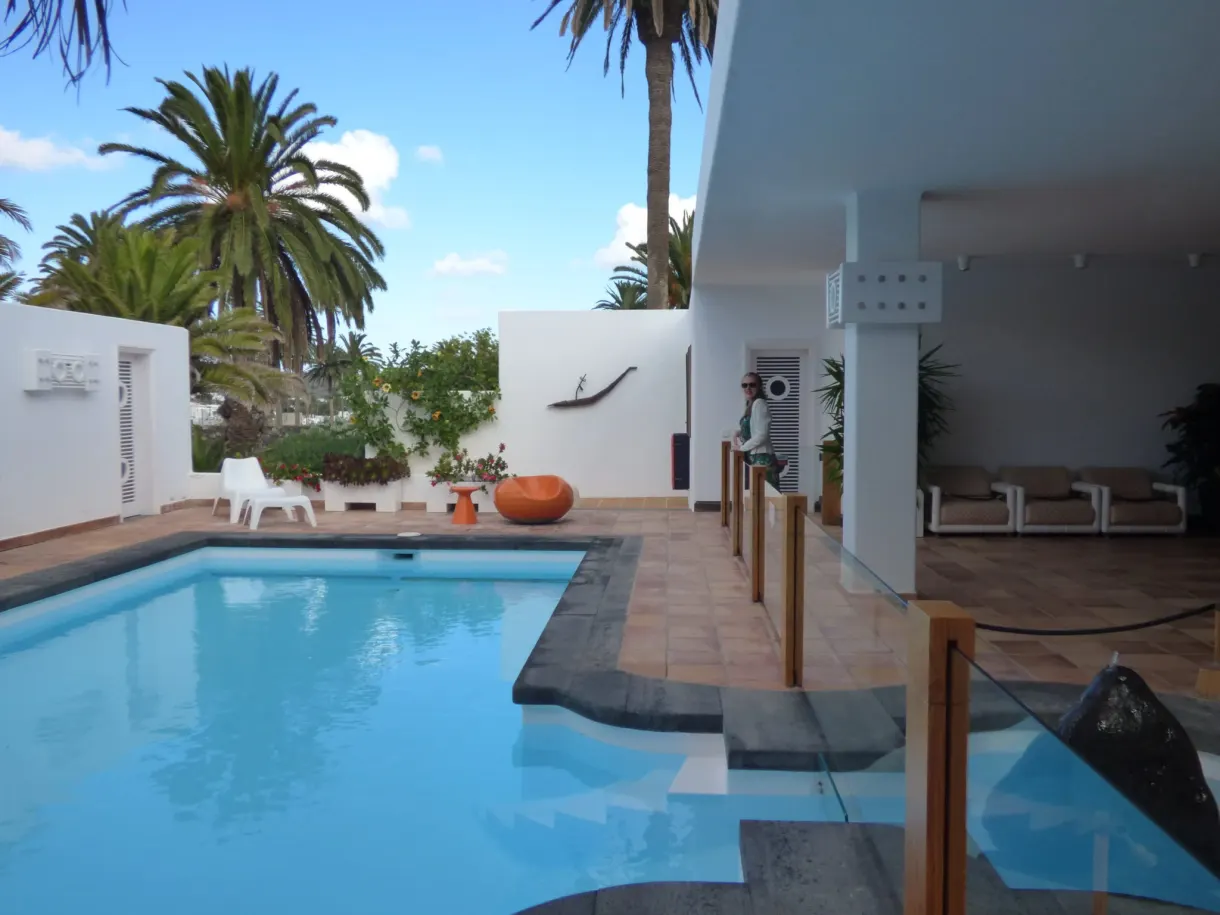
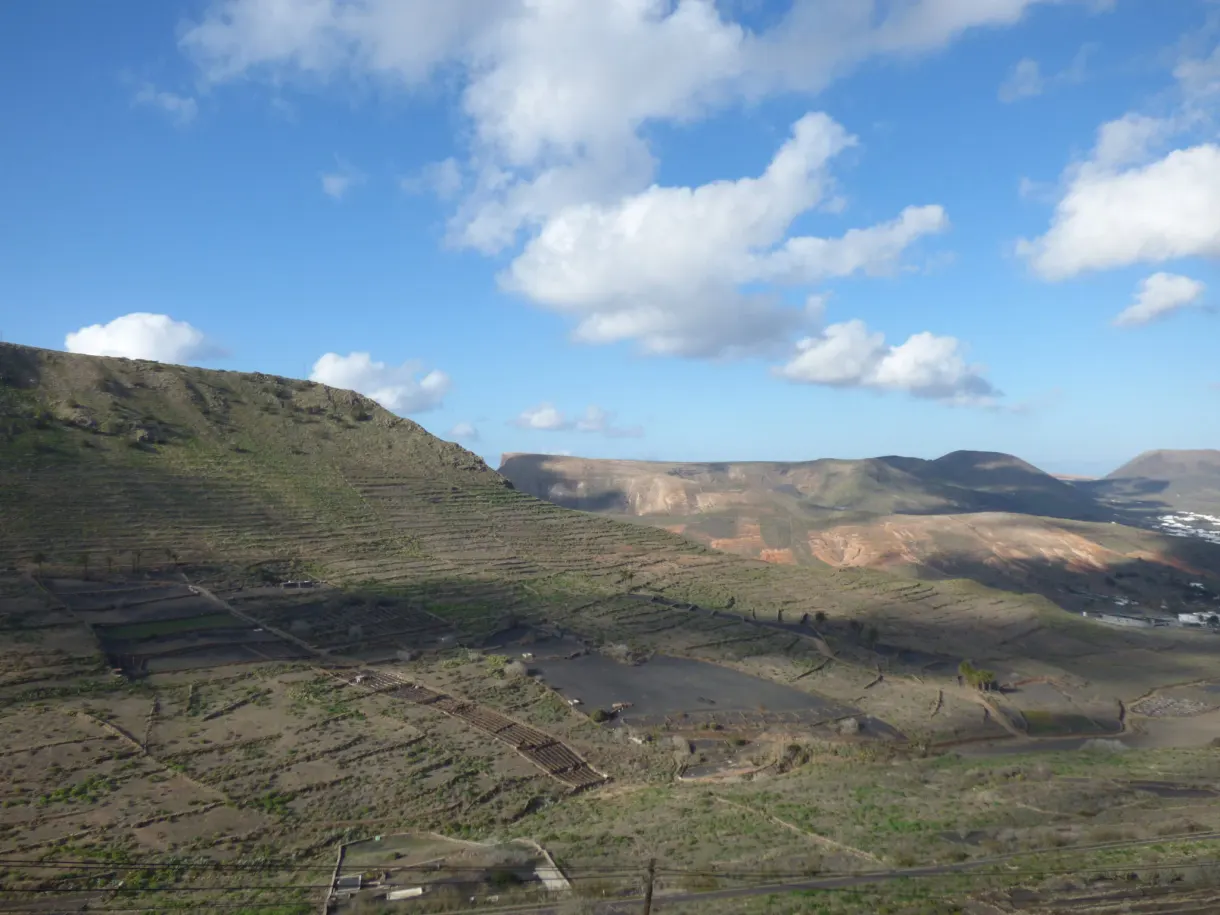
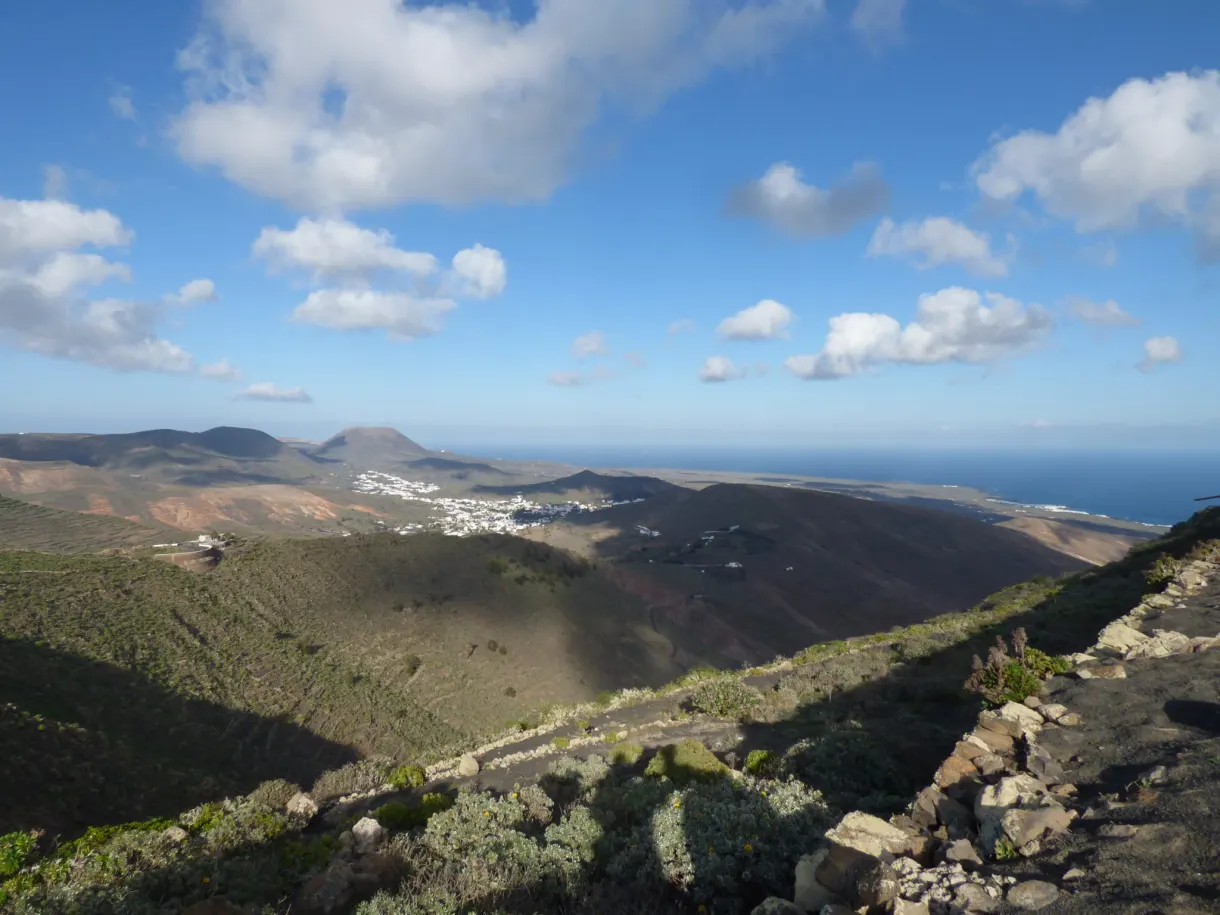
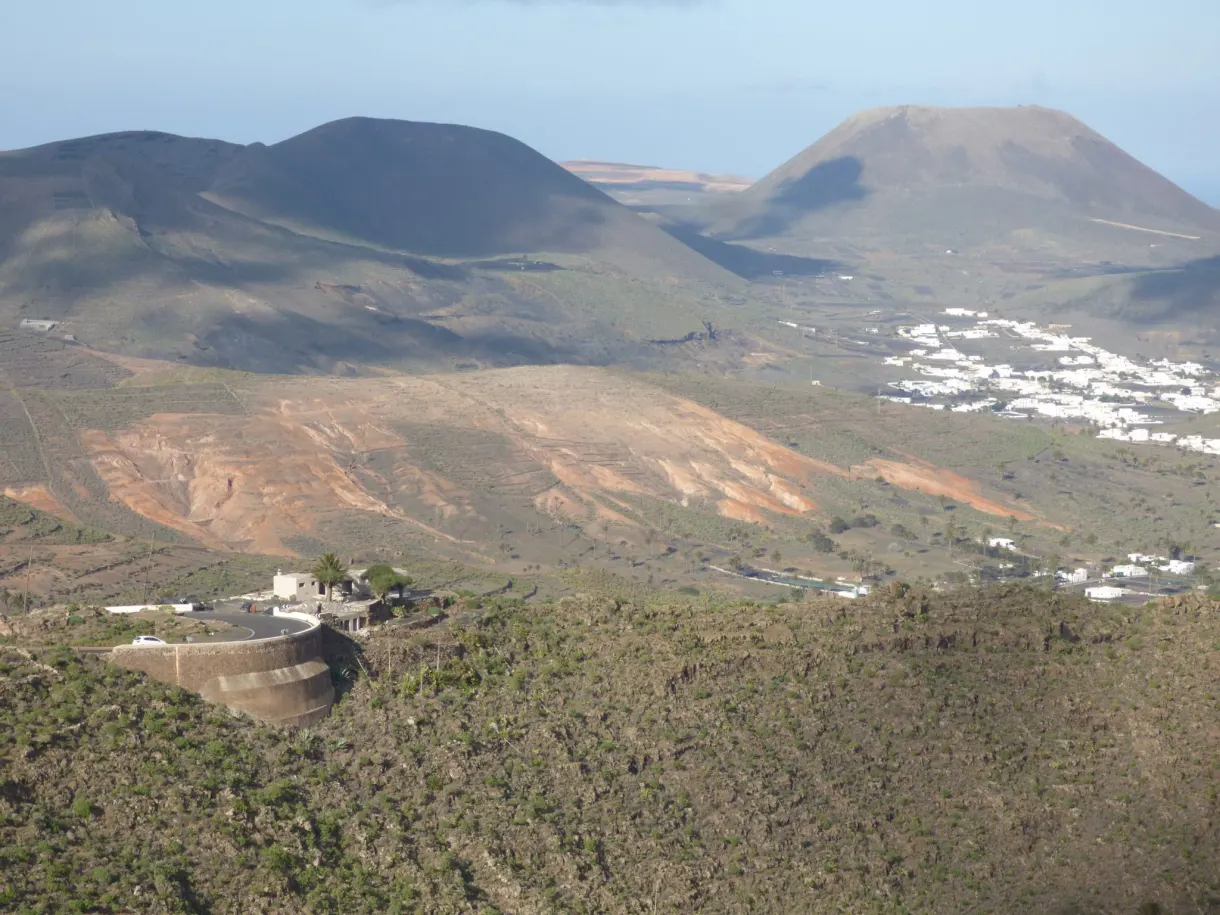
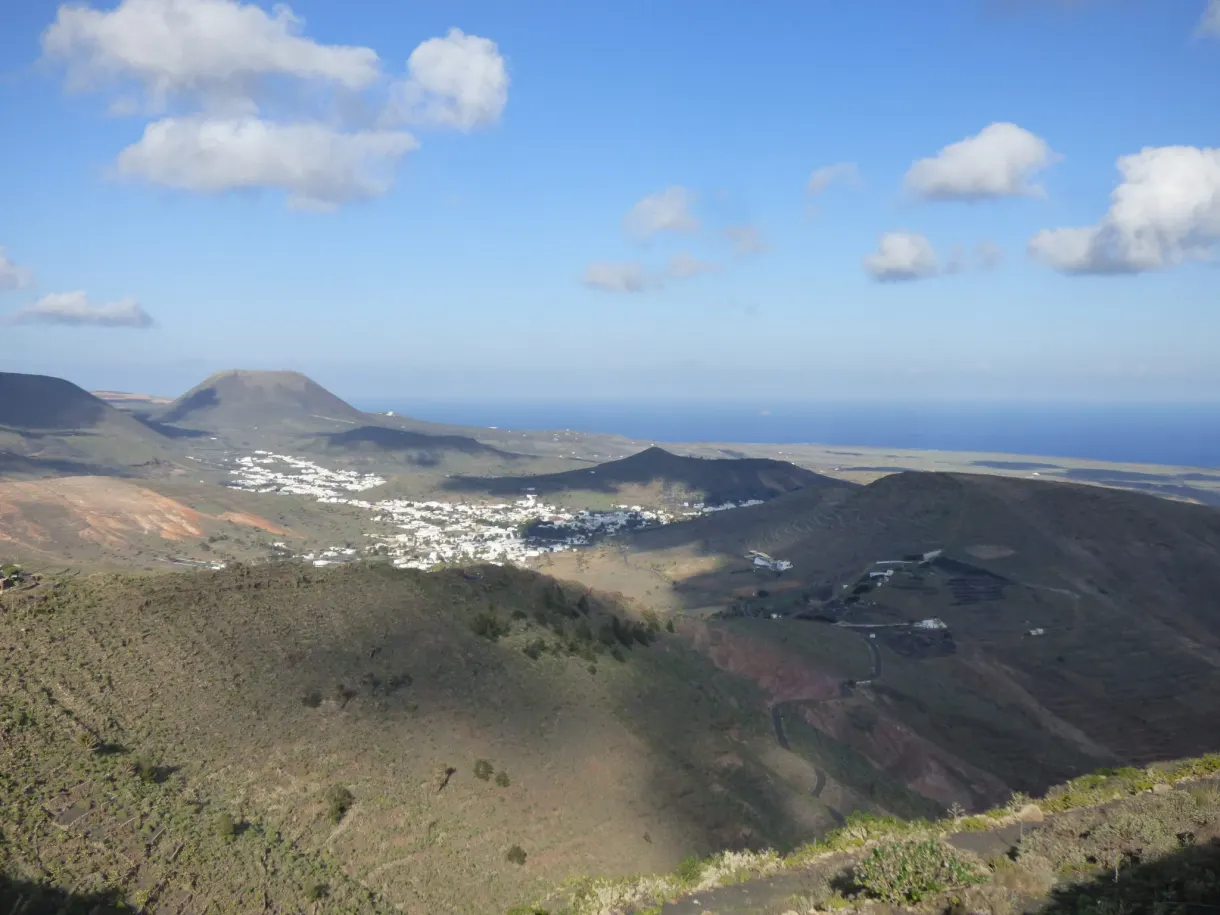
Haria is in the middle of nowhere, in a green valley of palm trees. The LZ-10 winds through this Malpaso valley and offers magnificent viewpoints over a landscape we had not yet seen up to then…
Mirador del Bosquecillo
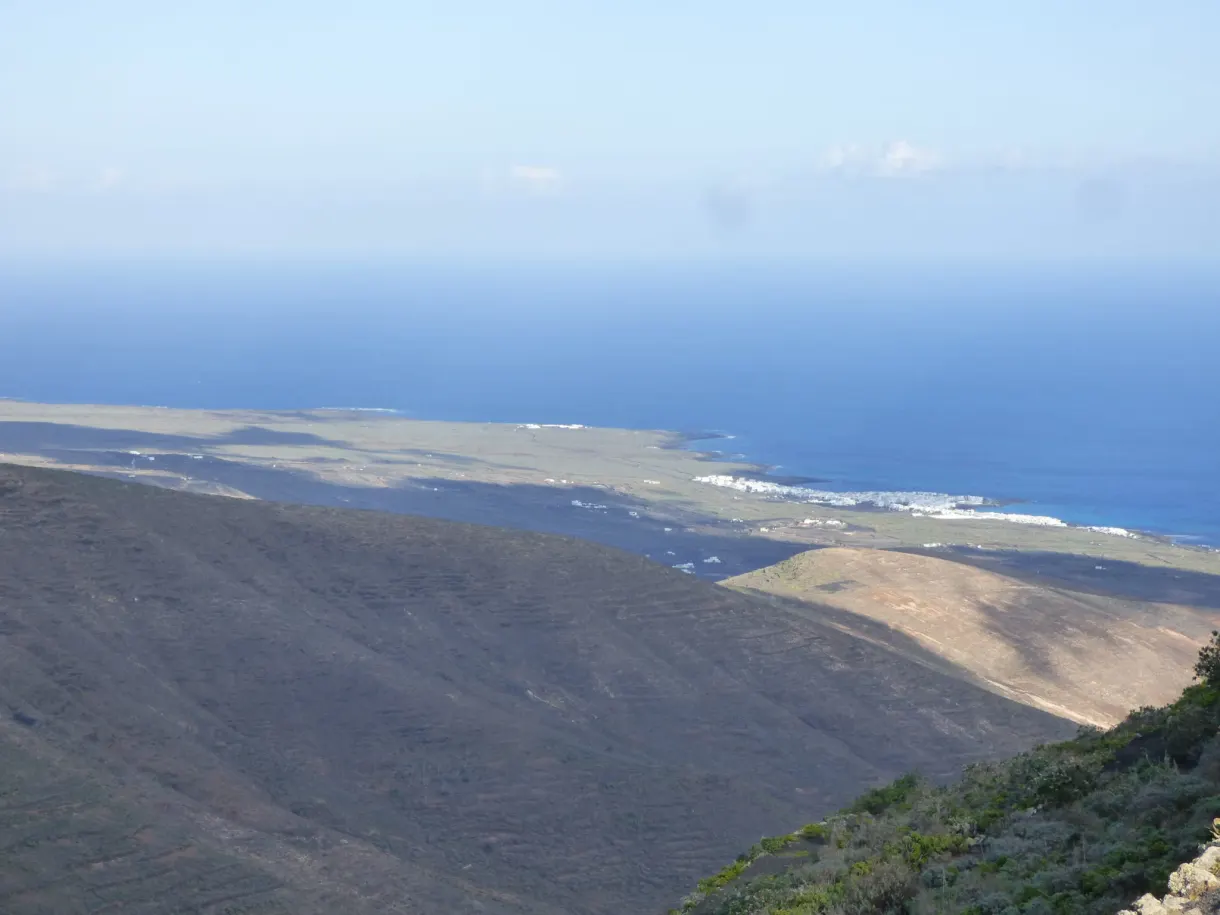
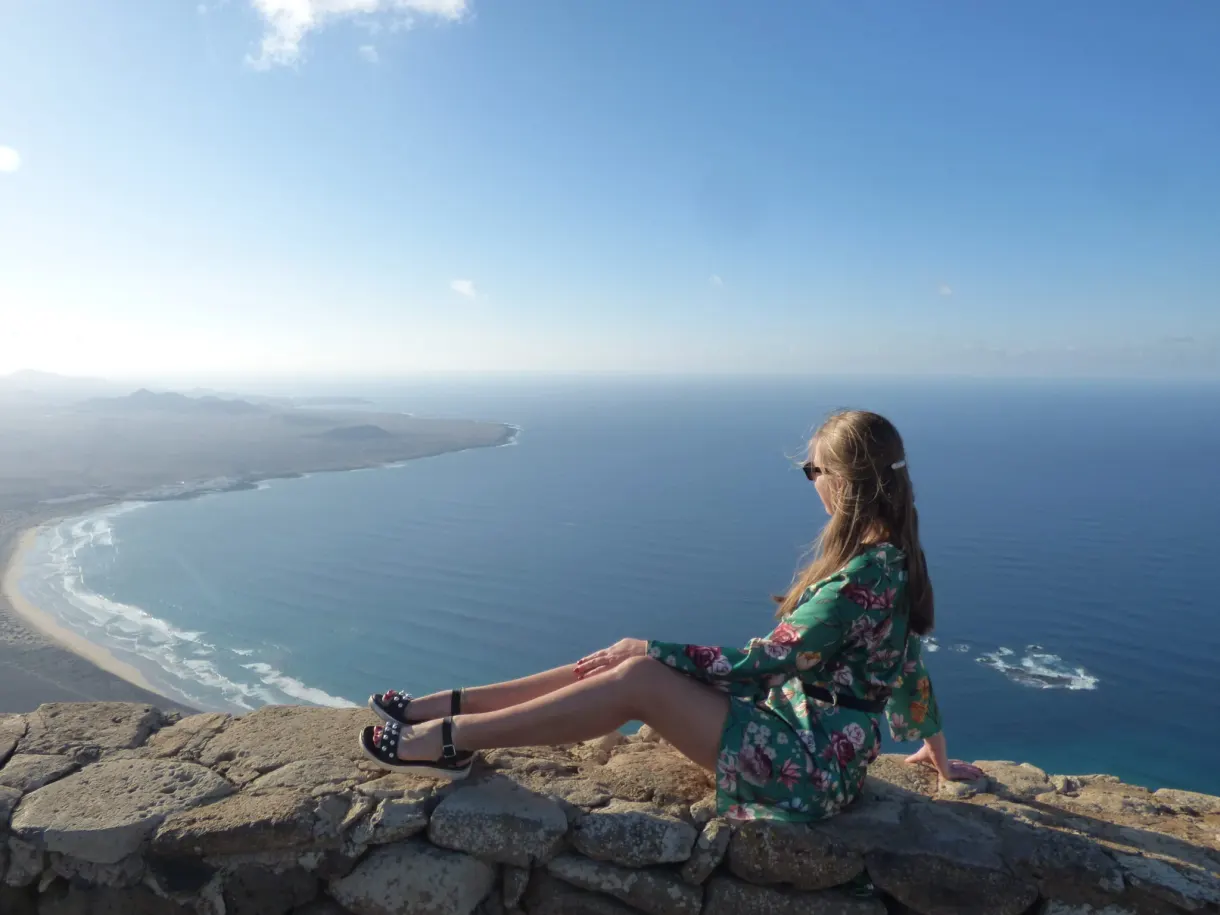
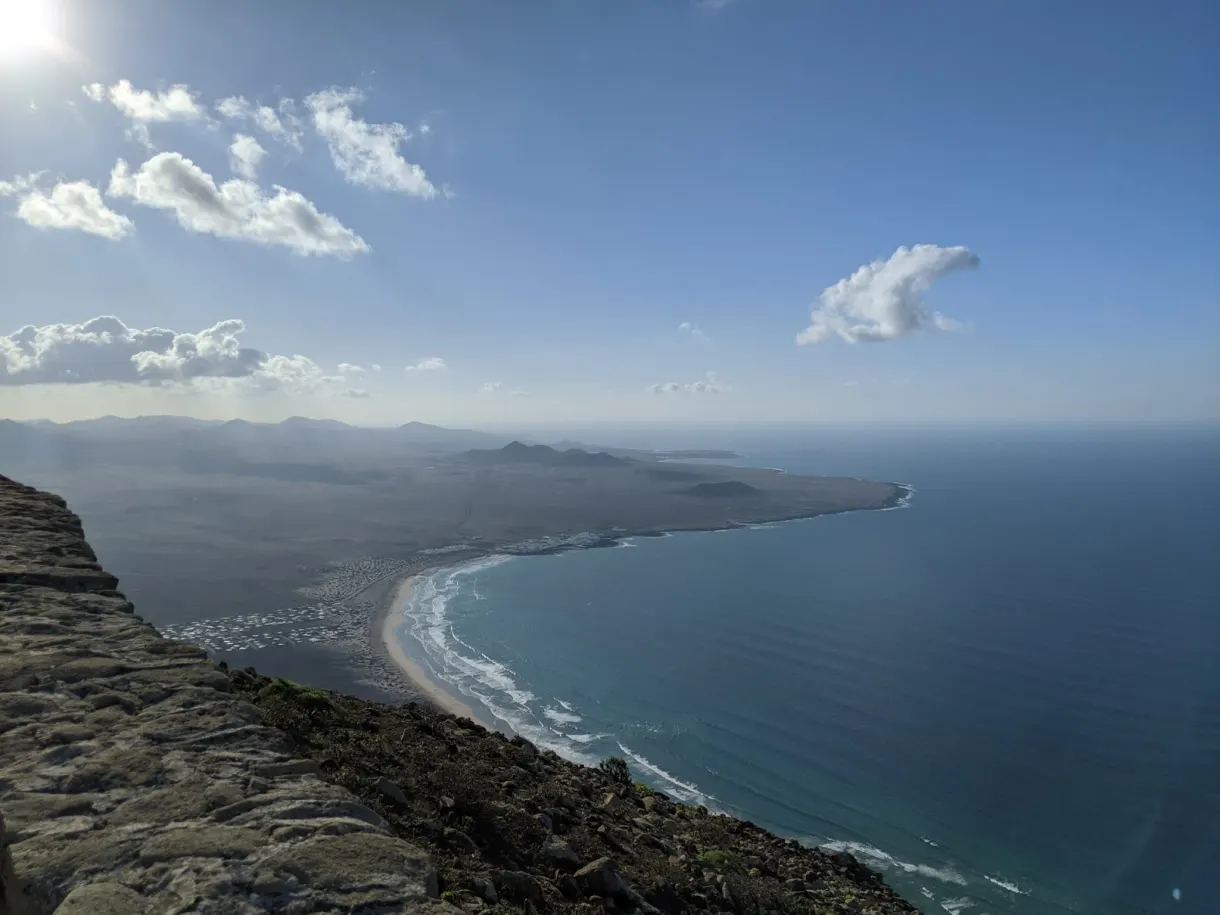
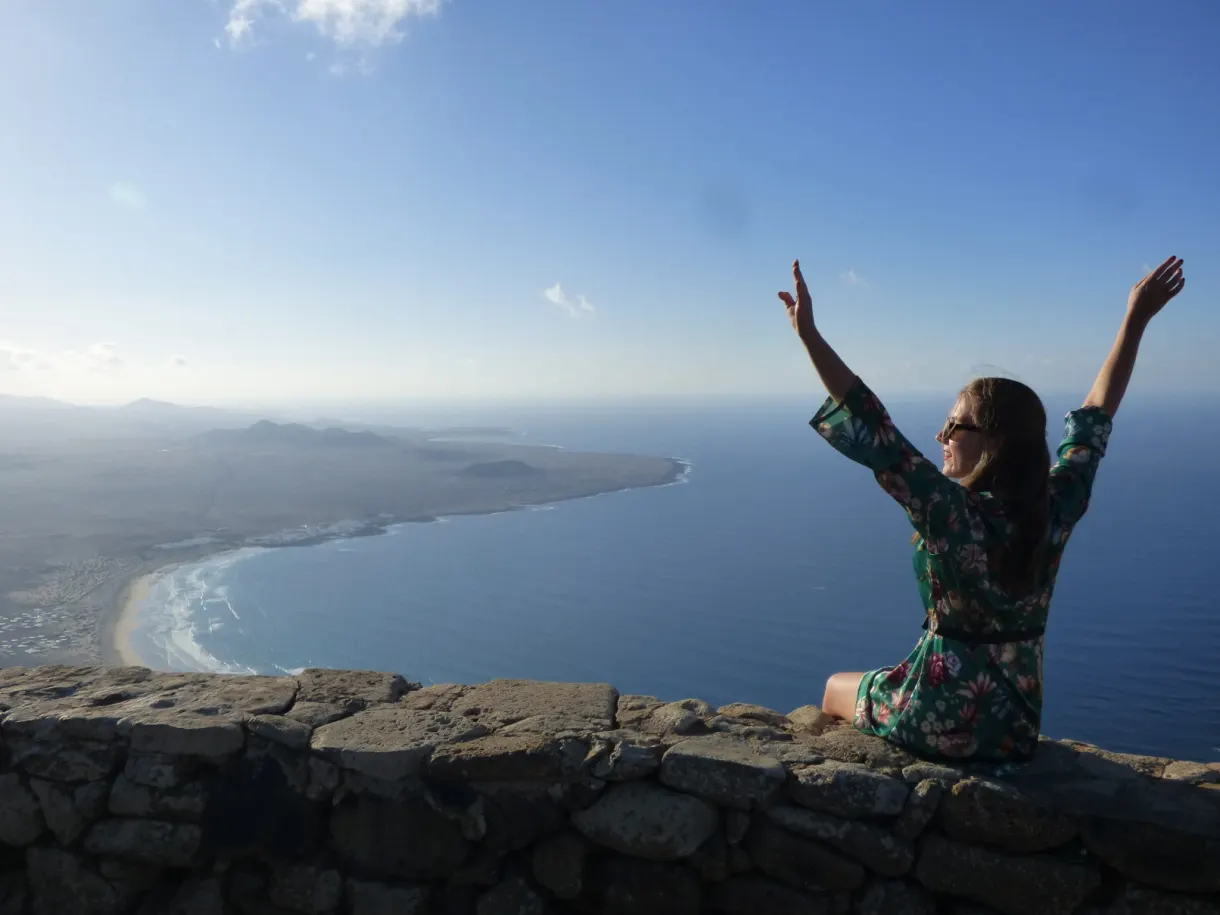
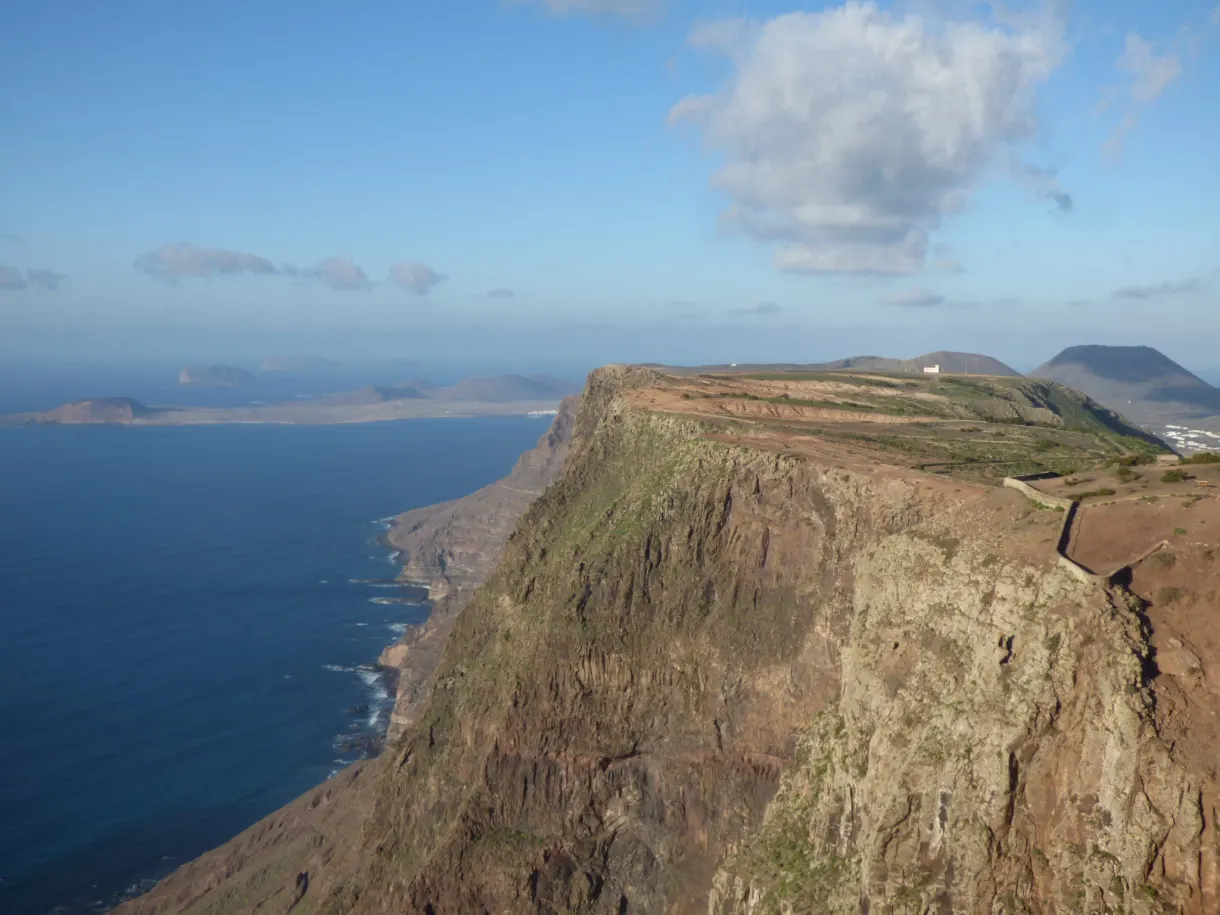
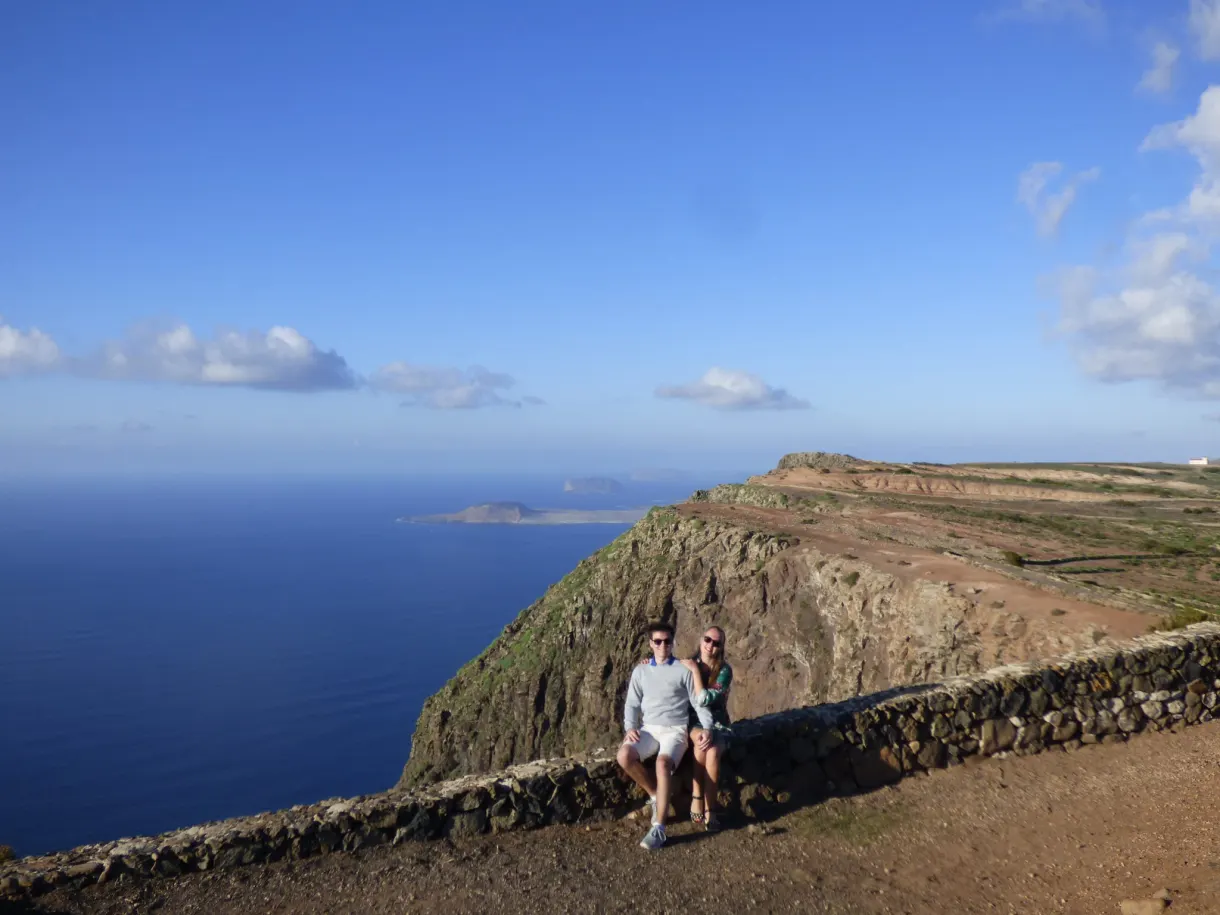
It was on the blog Notre Monde à Deux that we had found this other viewpoint, over the Famara cliffs. Indeed, you have to type “El Bosquecillo” into Google Maps to find the road, first tarmac then dirt. We chose to park the car on the part that is still drivable and to do the rest on foot (it climbs a bit!). This place is not known at all to tourists, only to locals, so we were alone for the end of the day! The photos surely do not do justice to the grandeur and the beauty of the place… the viewpoint is so high that you can see the sea on the other side of the island, beyond the tip. Incredible!
What we thought of the north of Lanzarote
This day in the north of the island was without doubt one of our finest discoveries in Lanzarote and remains a must-see for us. The landscapes are quite simply impressive, we could have stayed for hours admiring them. It is in the north that we visited the finest viewpoints, in particular the Mirador del Rio and the Mirador del Bosquecillo.
So, even on a short stay on the island of Lanzarote, do not miss this northern region which offers a breathtaking diversity of landscapes!
Organising a trip to Lanzarote? Read all our articles about the island!
4 comments
Thank you for your comment! Marie & Romain
Nicole Noël18 April 2020
Les jardins de cactus , les paysages merveilleux et la casa del museo de Manrique doivent être un ravissement pour les yeux
Marie18 April 2020
Le nord de l’île est magnifique : on recommande vivement d’y passer au moins une journée ! 🙂
Reply
isapixelvoyages29 March 2022
je suis revenue de Lanzarote il y a quelques semaines, et j’ai été émerveillée par cette île. Comme vous j’ai découvert stratified City tout à fait par hasard, et je me suis régalée pour les photos ! Merci pour la belle balade et vos photos, j’y retrouve tout à fait le Nord le d’île, à ceci près que je ne suis pas trop allée sur la côte; donc je la découvre sur vos photos (j’ai plutôt exploré la côte sud et ouest).
Je suis actuellement dans le tri de mes photos et quelques articles à venir bientôt sur mon blog !
Marie29 March 2022
Merci pour votre commentaire Isabelle ! Cela vous donne une occasion de retourner à Lanzarote car le nord de l’île vaut le coup d’oeil 🙂 Au plaisir de vous lire sur votre blog. Marie
Reply