10 days in Tenerife: the north of the island
The north of Tenerife is definitely the part of the island where we spent the most time during our trip. The richness and the diversity of the landscapes make it a very attractive area, but less built-up and crowded than the south.
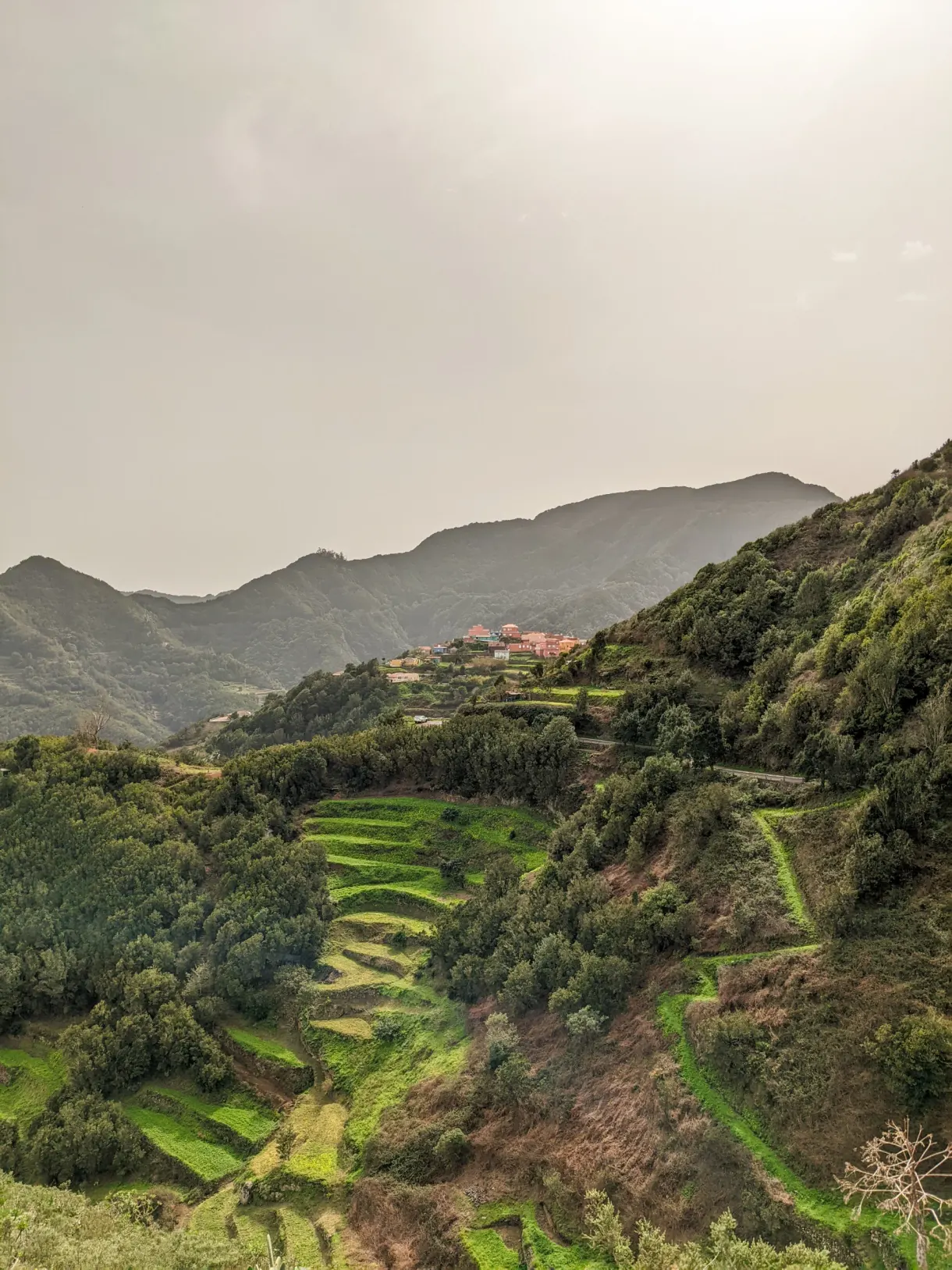
The north of Tenerife is definitely the part of the island where we spent the most time during our trip. The richness and the diversity of the landscapes make it a very attractive area, but less built-up and crowded than the south. No chance of getting bored, then, here are all our must-sees in the north of the island!
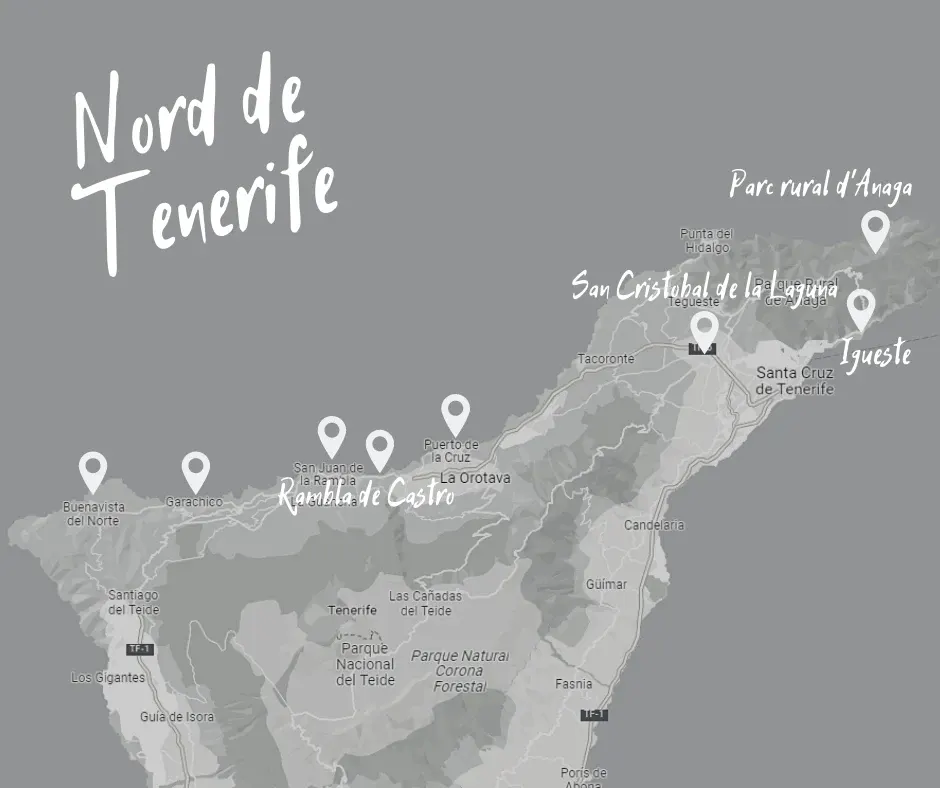
What to see and do in the north of Tenerife?
You need to devote at least two days to exploring the north of Tenerife, to see the island’s must-see places. So we set off for a whole day exploring the north coast of Tenerife, heading to the far west towards the Teno point. When we passed through in February 2022, we couldn’t visit the lighthouse or see the point because the road coming from Buenavista del Norte was closed. Check before you go!
Another day, just after our boat trip at Los Gigantes, we took the road towards one of the island’s most emblematic places: Masca, in the heart of the Teno rural park.
Teno rural park
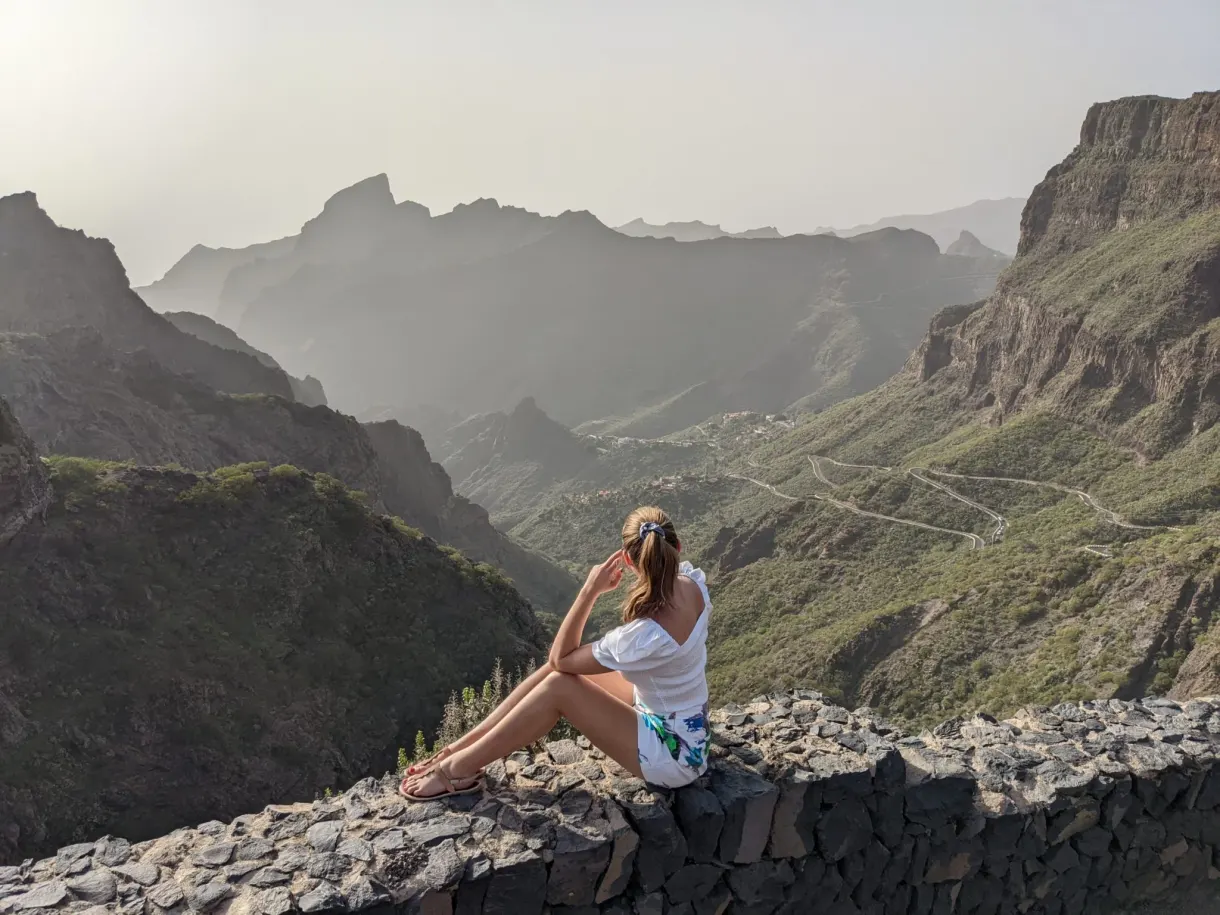
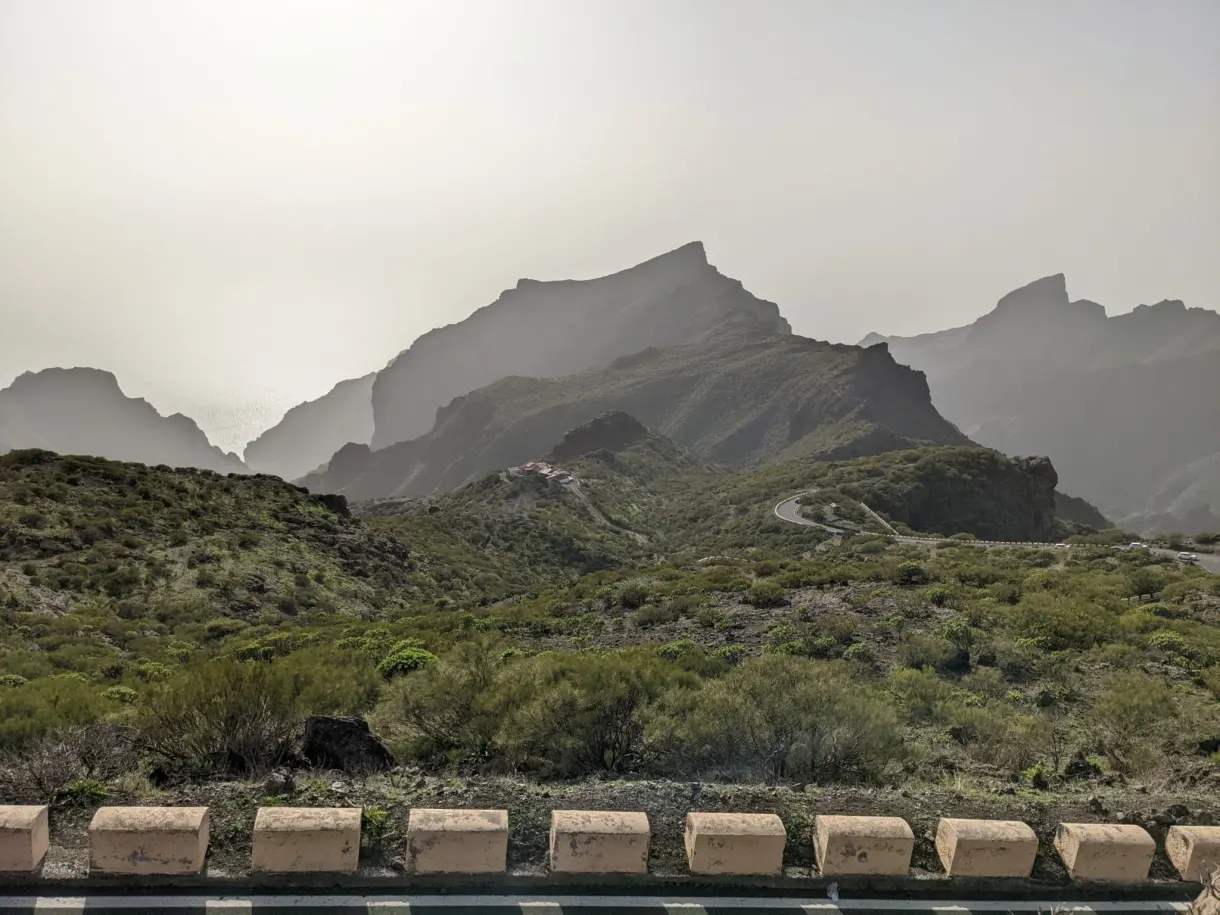
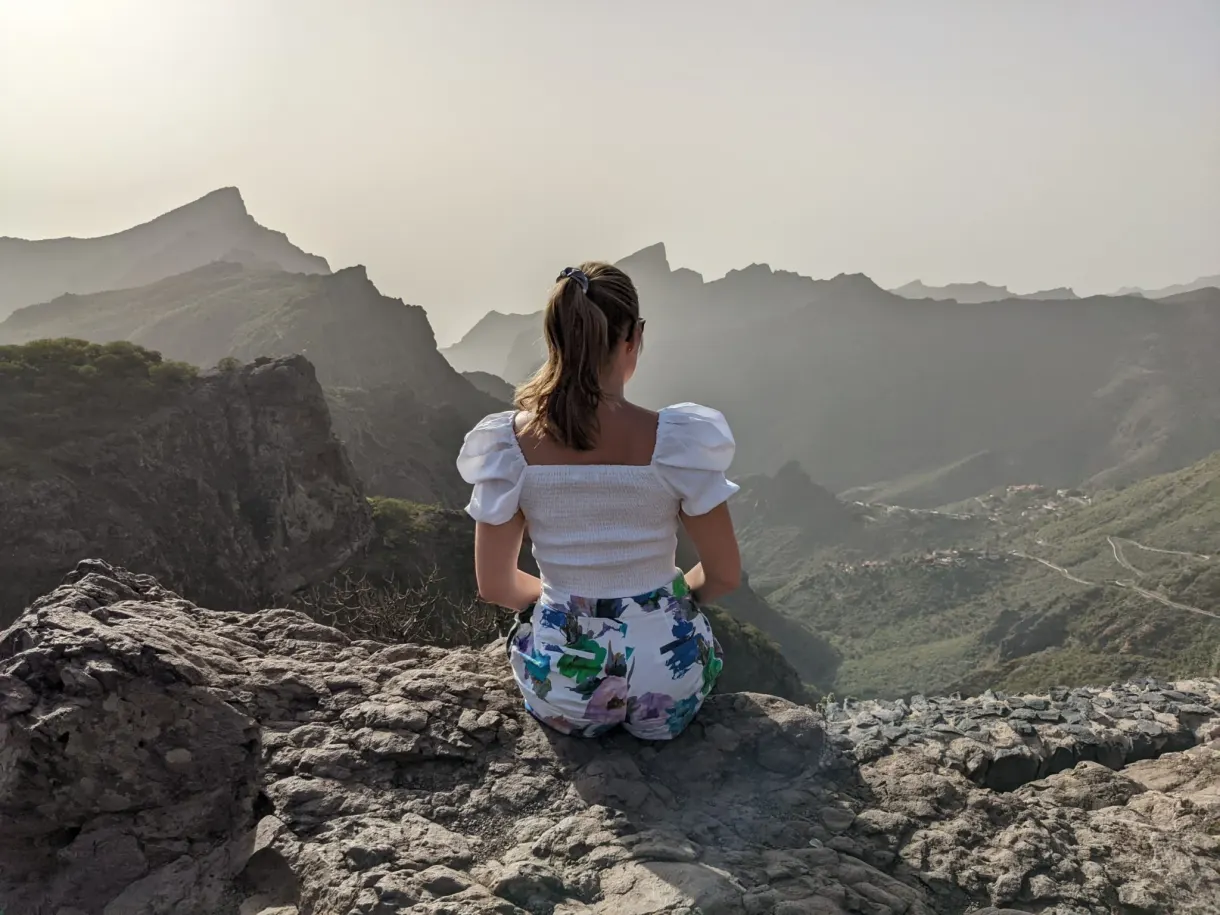
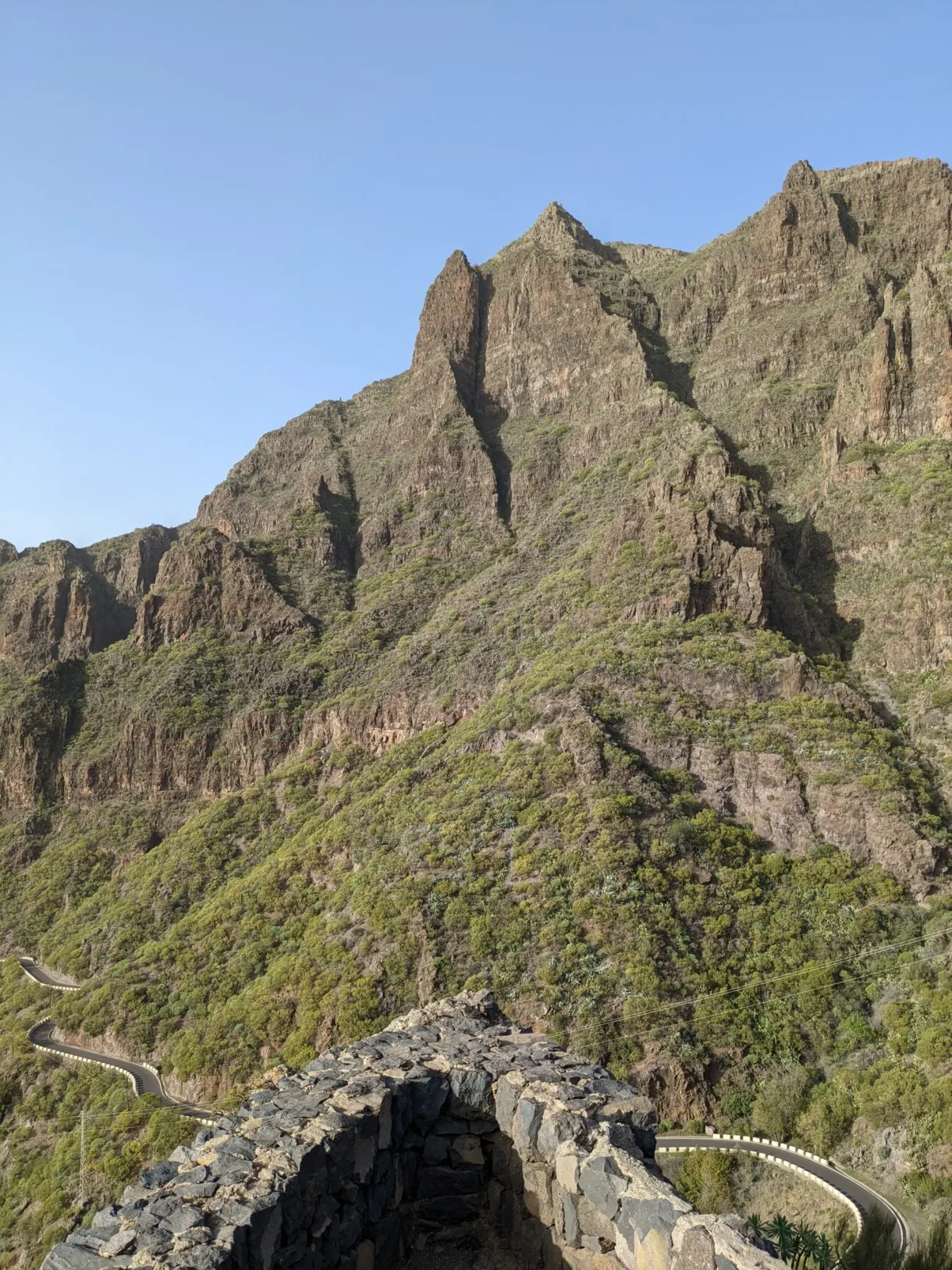
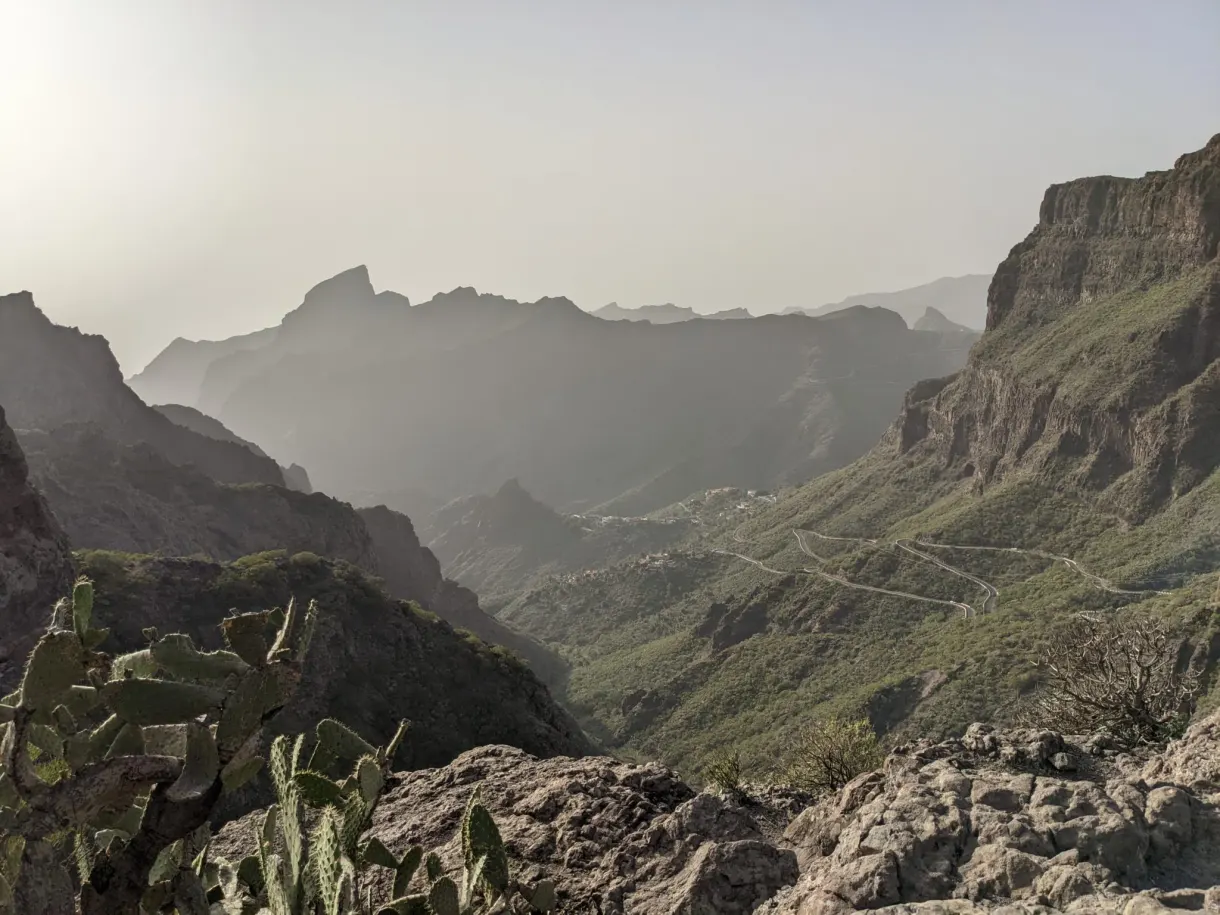
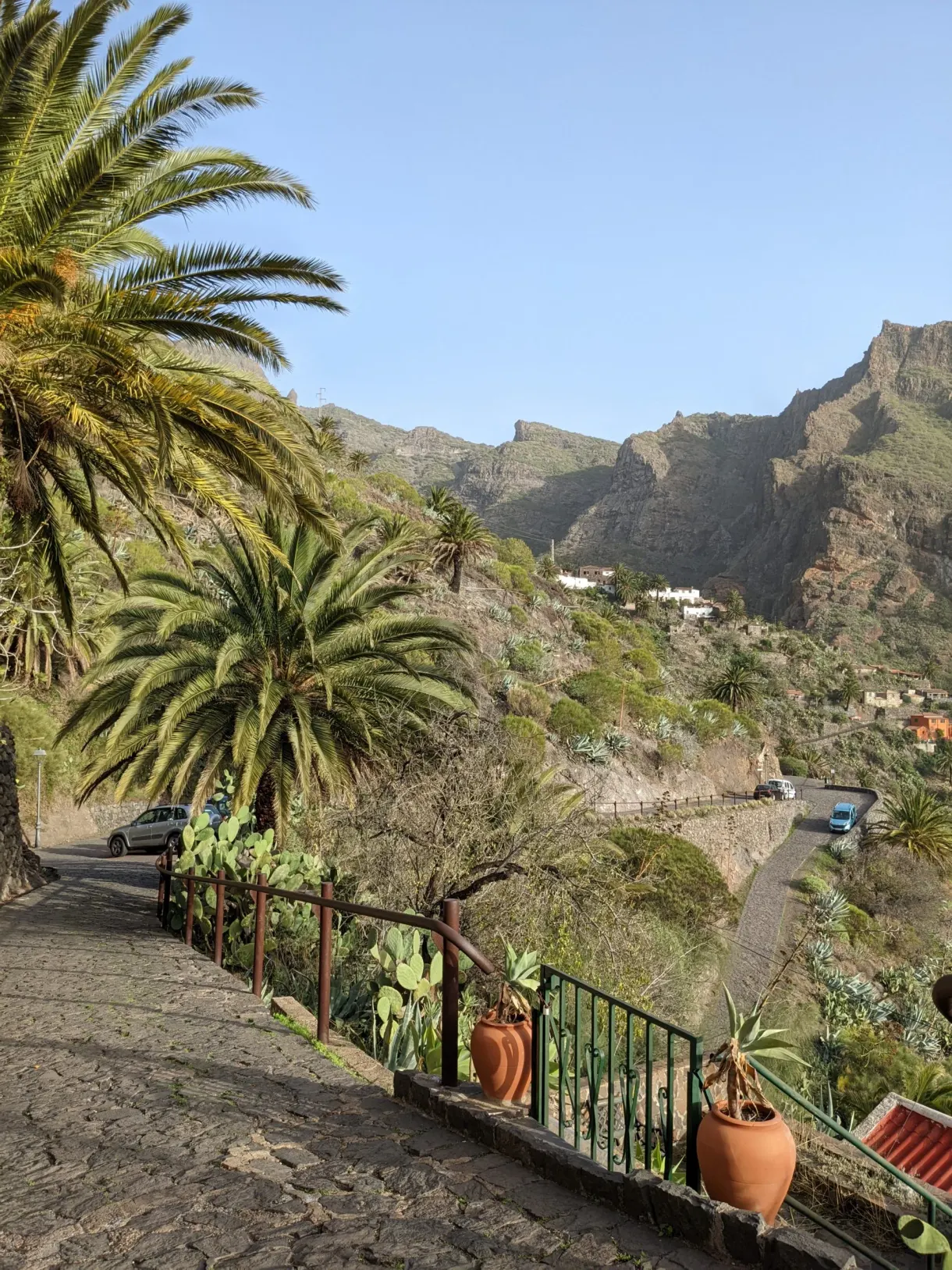
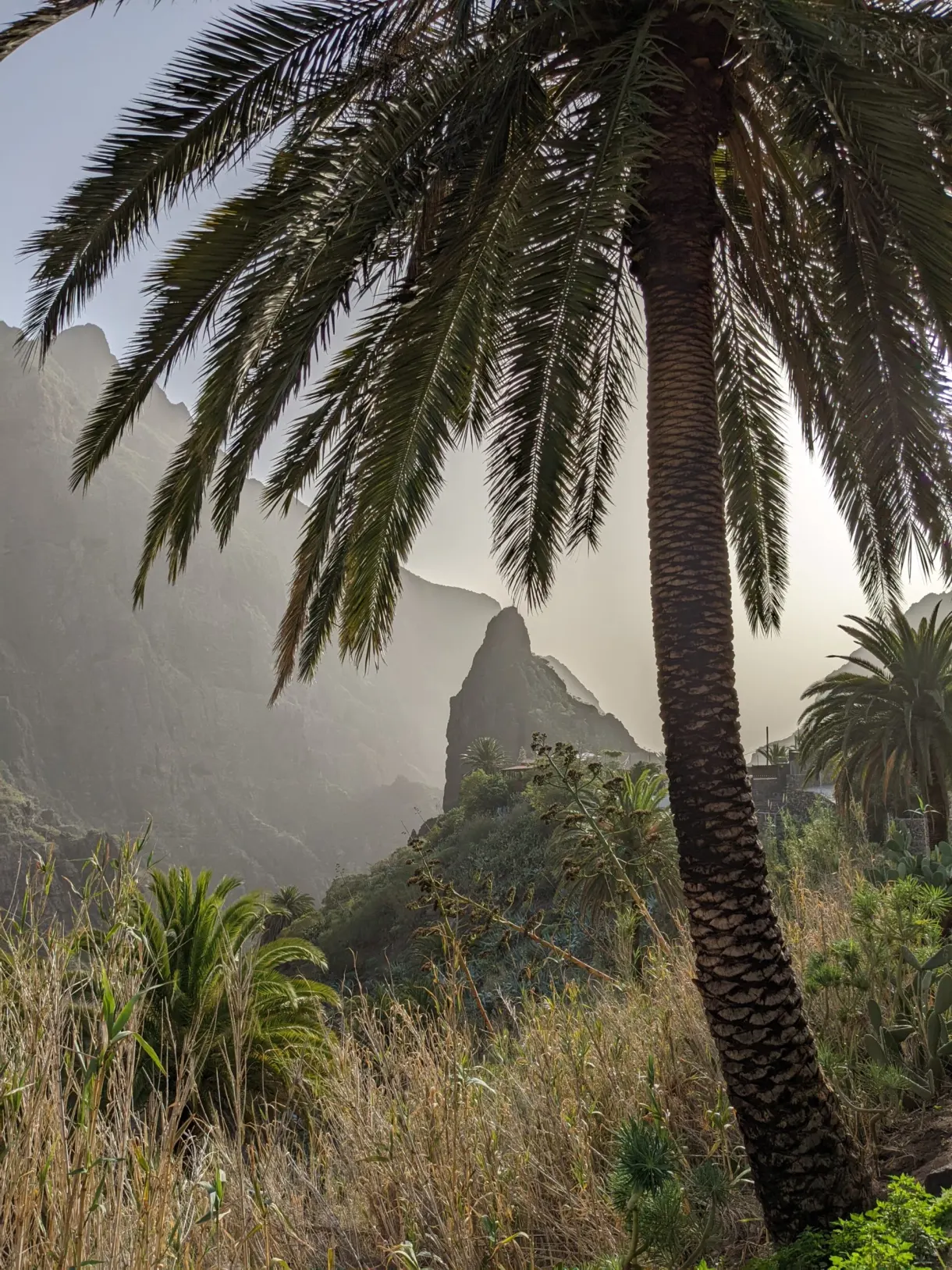
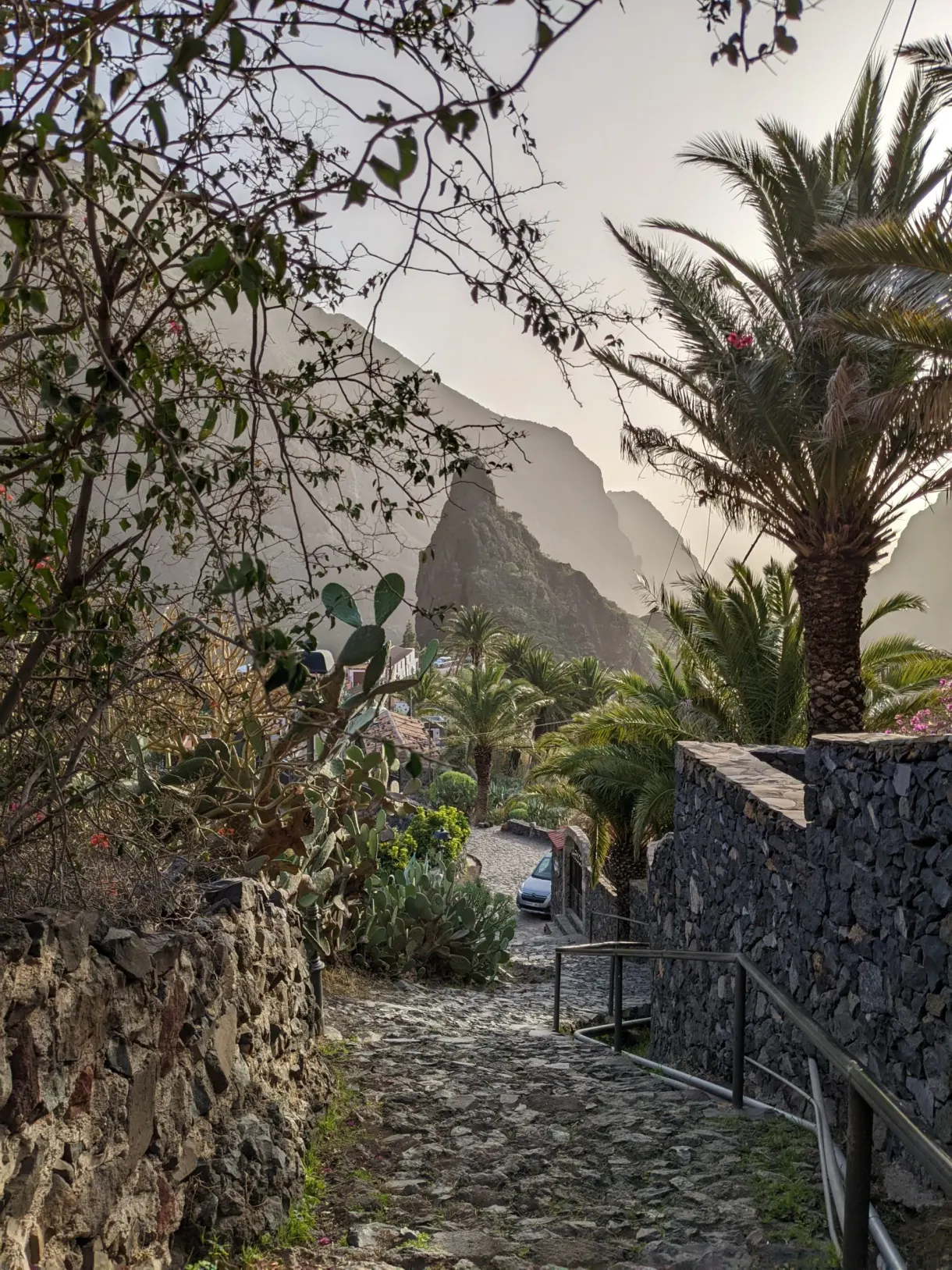
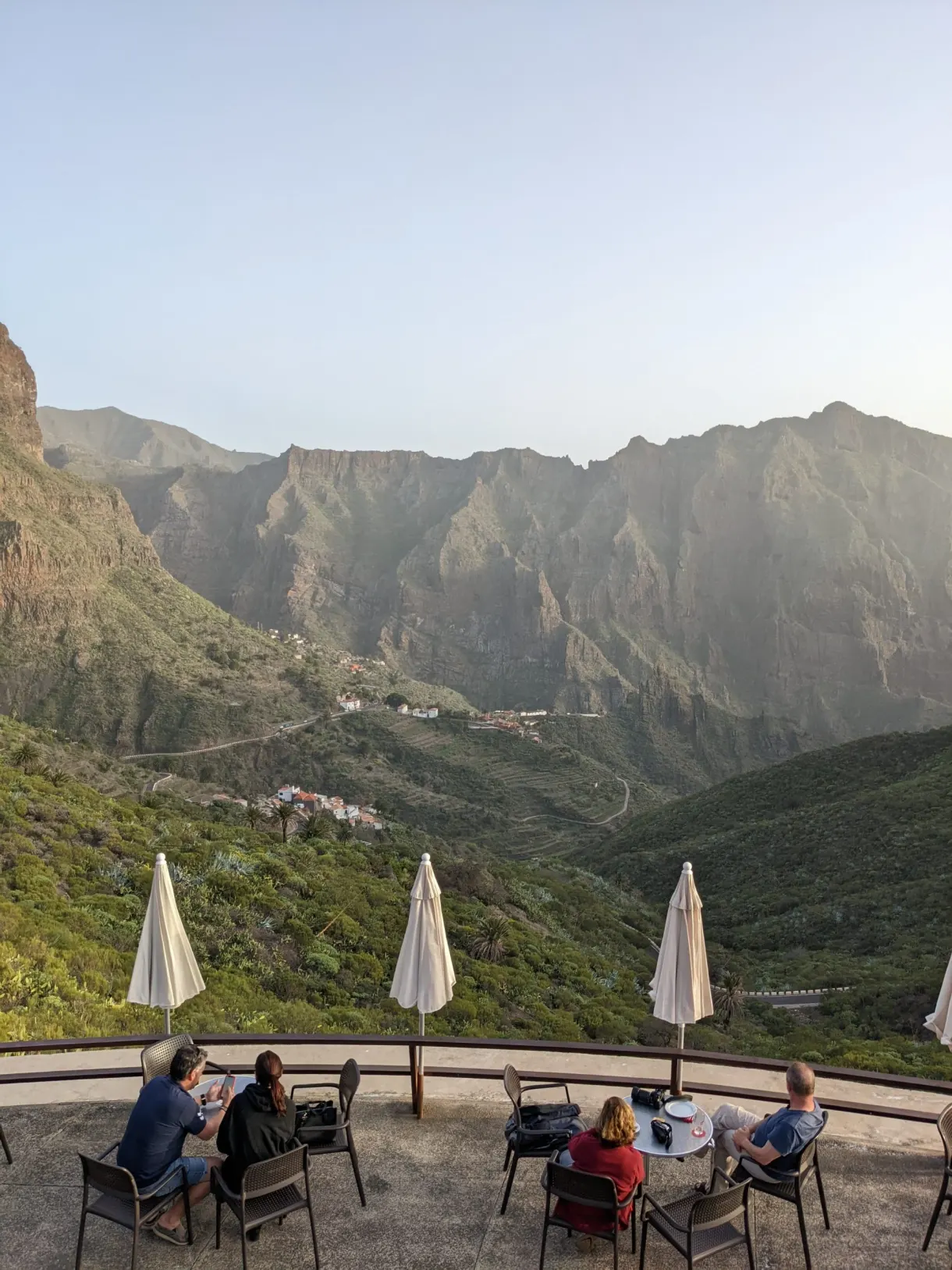
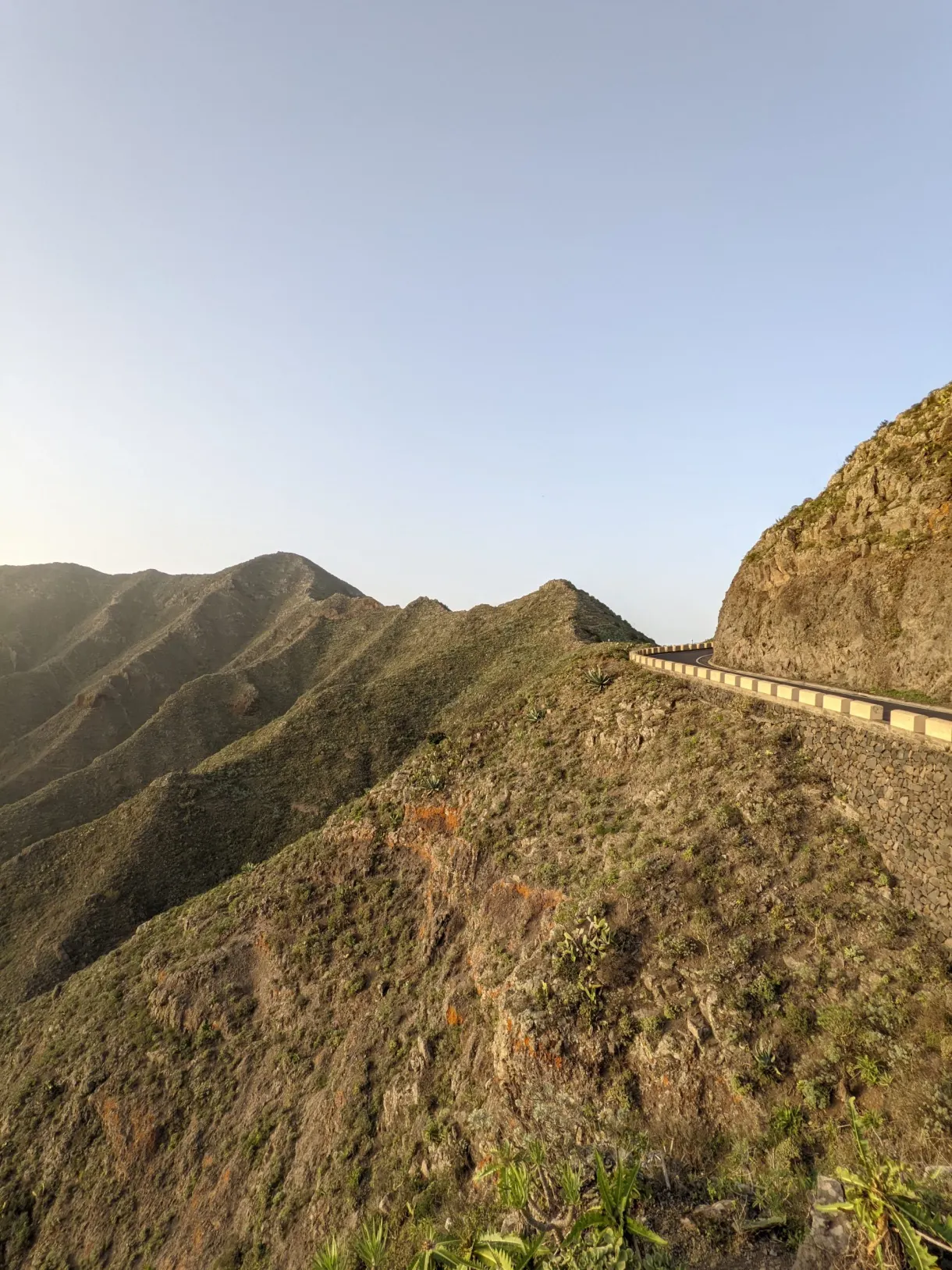
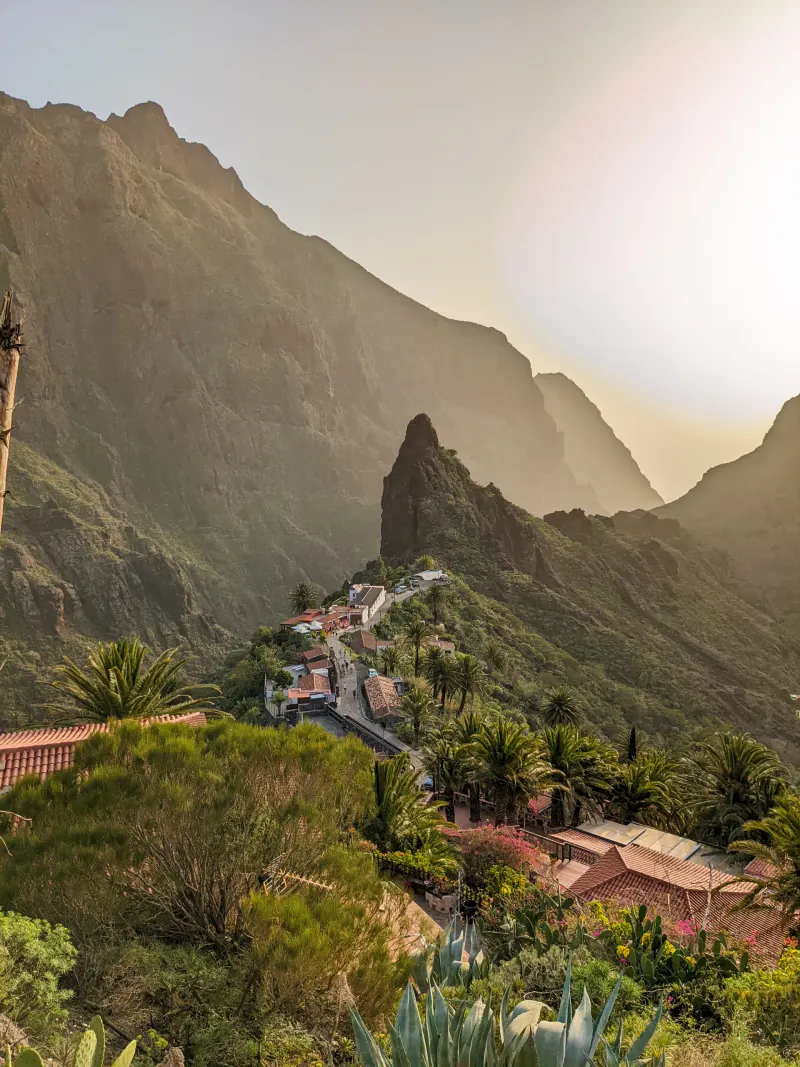
The Teno rural park was one of our favourite places in Tenerife! The landscapes are truly breathtaking, between forest, sea and mountains. Of course, people rush there to see the village of Masca, which features in most travel guides. And you understand where it gets its reputation from! If you come from Santiago del Teide, don’t miss the many miradors along the TF-436: Mirador de Cherfe or the Mirador de Masca, a must. We were there almost at the end of the day, just before the golden hour, and it was magical.
Masca
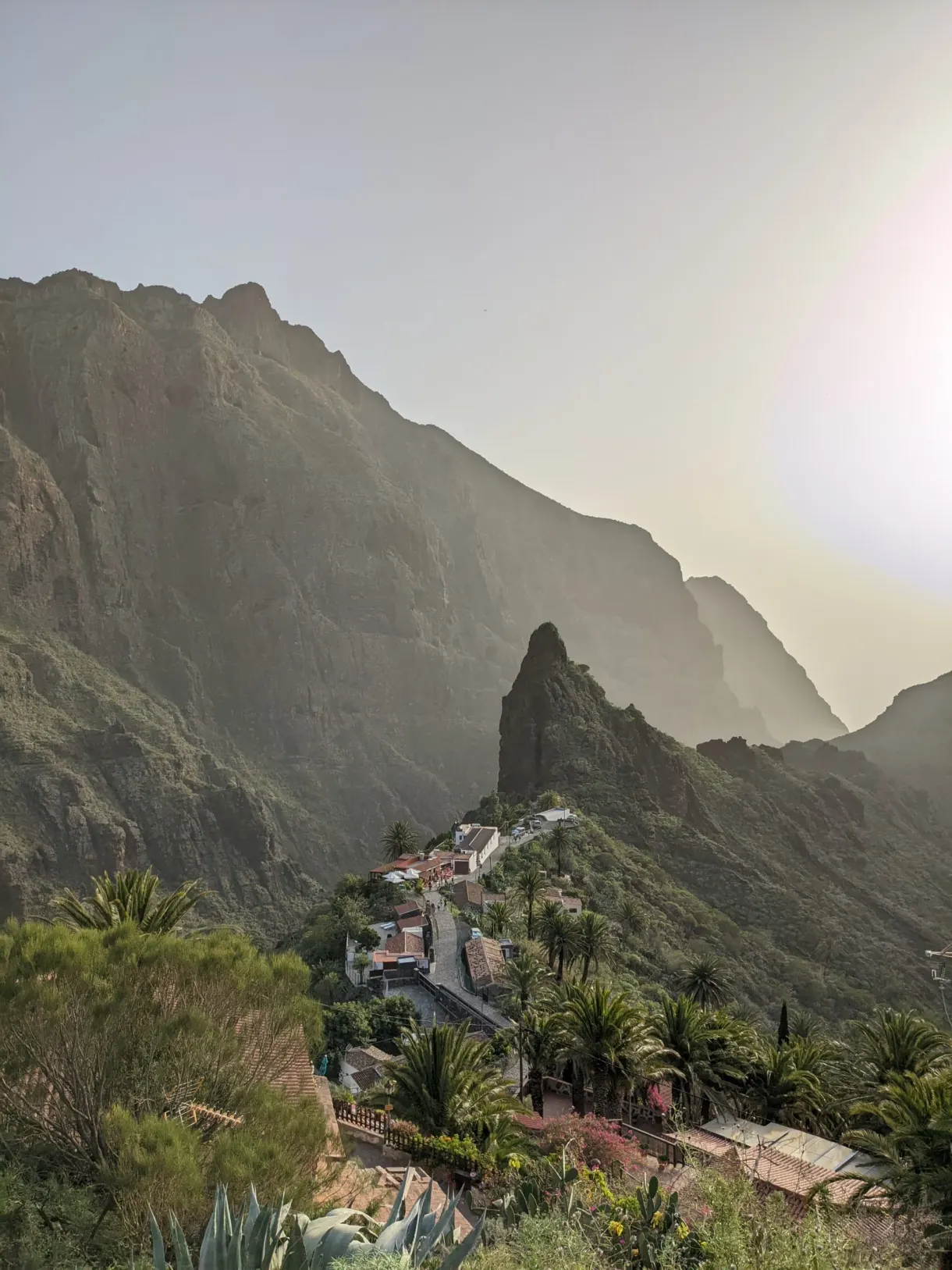
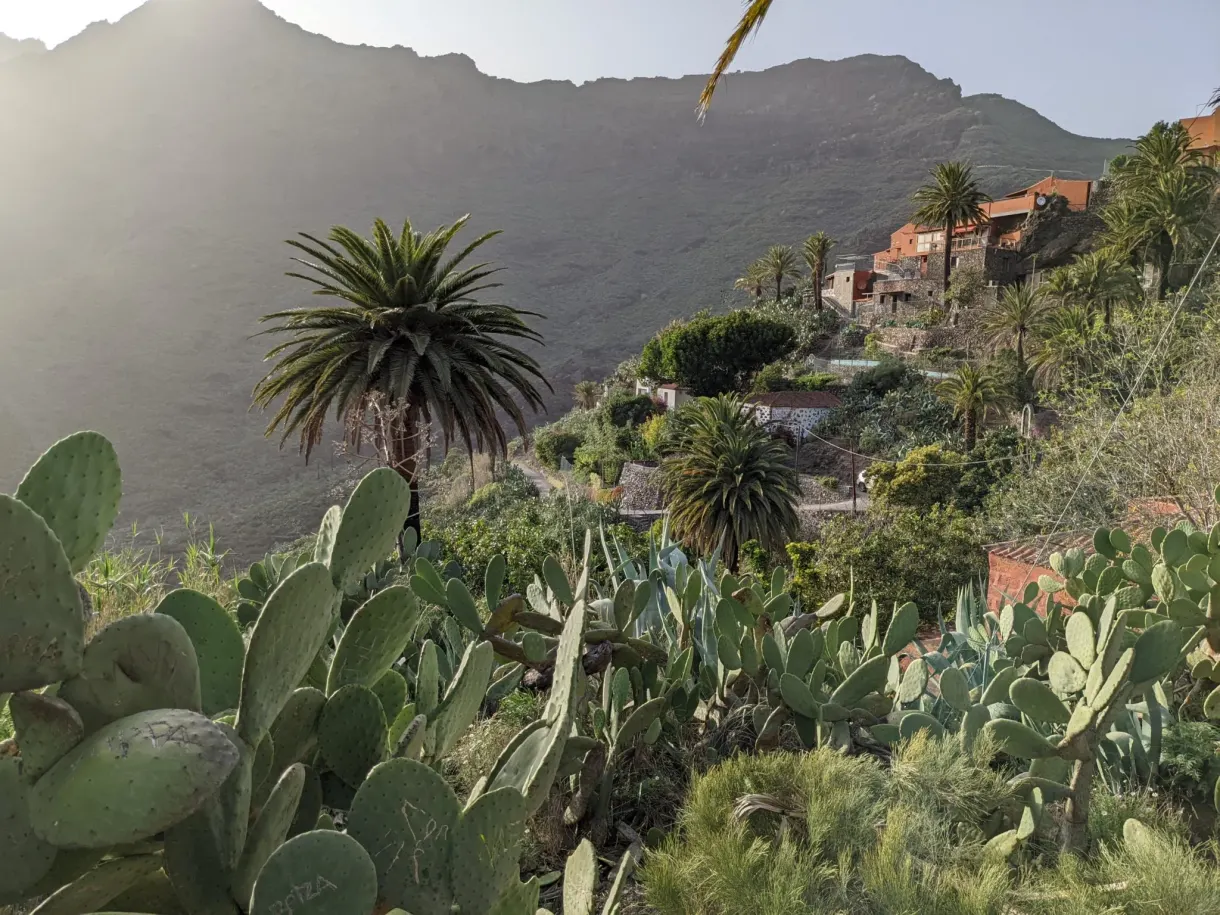
Masca was a real favourite! Don’t hesitate to go at the end of the day like we did, the tourist coaches will already have left. There’s a really peaceful atmosphere there, with those landscapes that are rocky and green at the same time. The village is small and only has a few paths but you can easily spend an hour there. There’s no shortage of viewpoints.
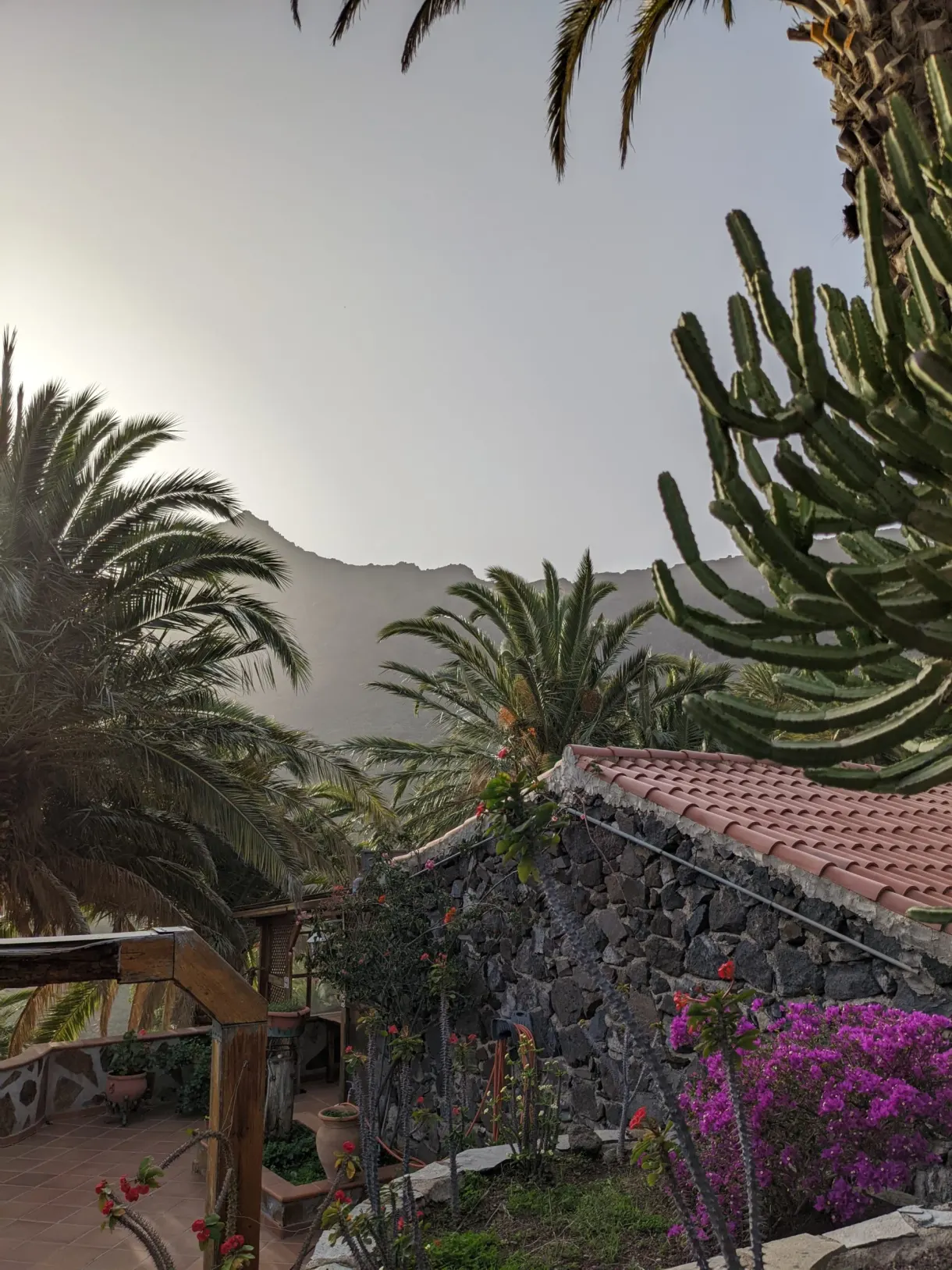
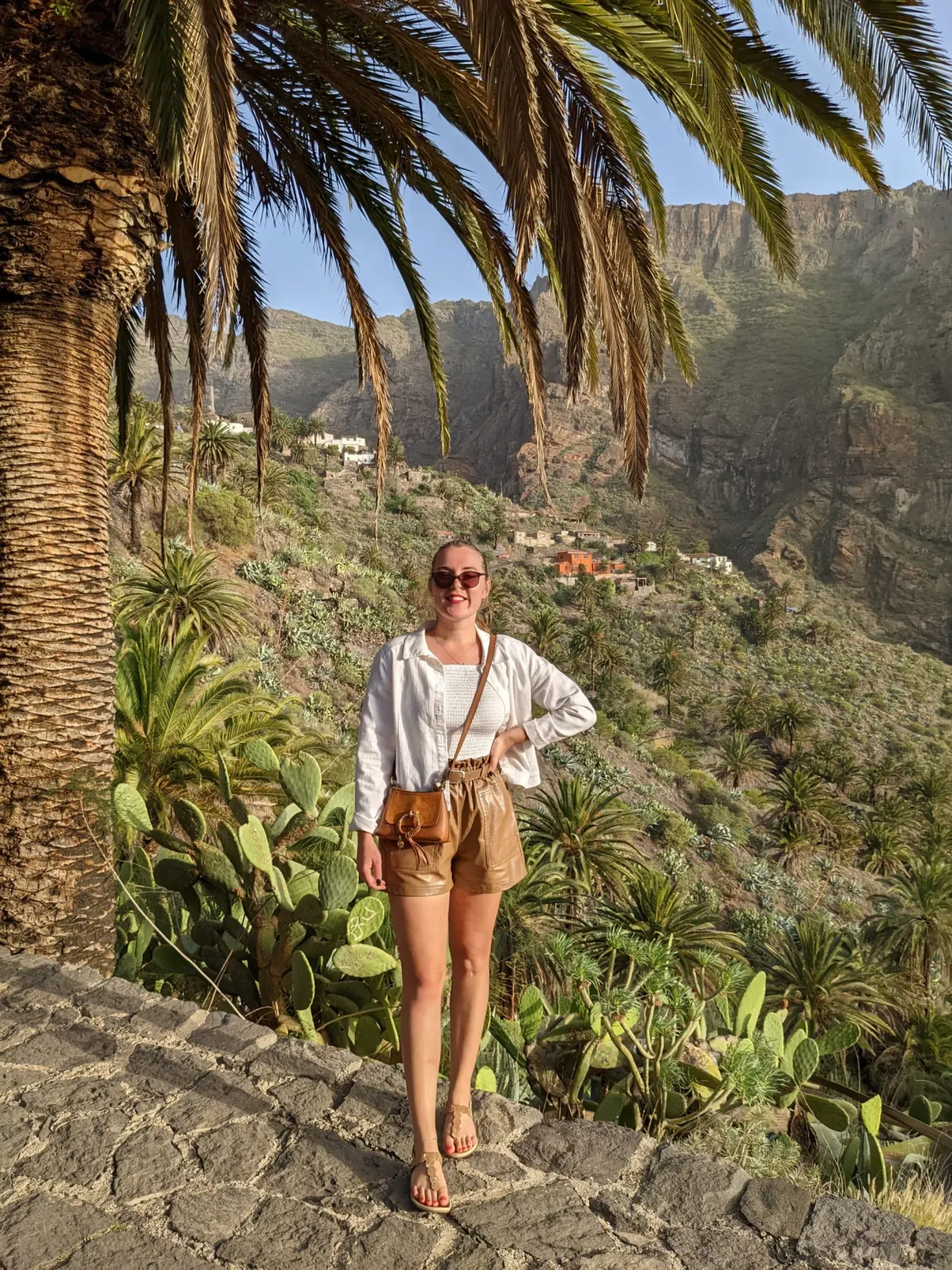
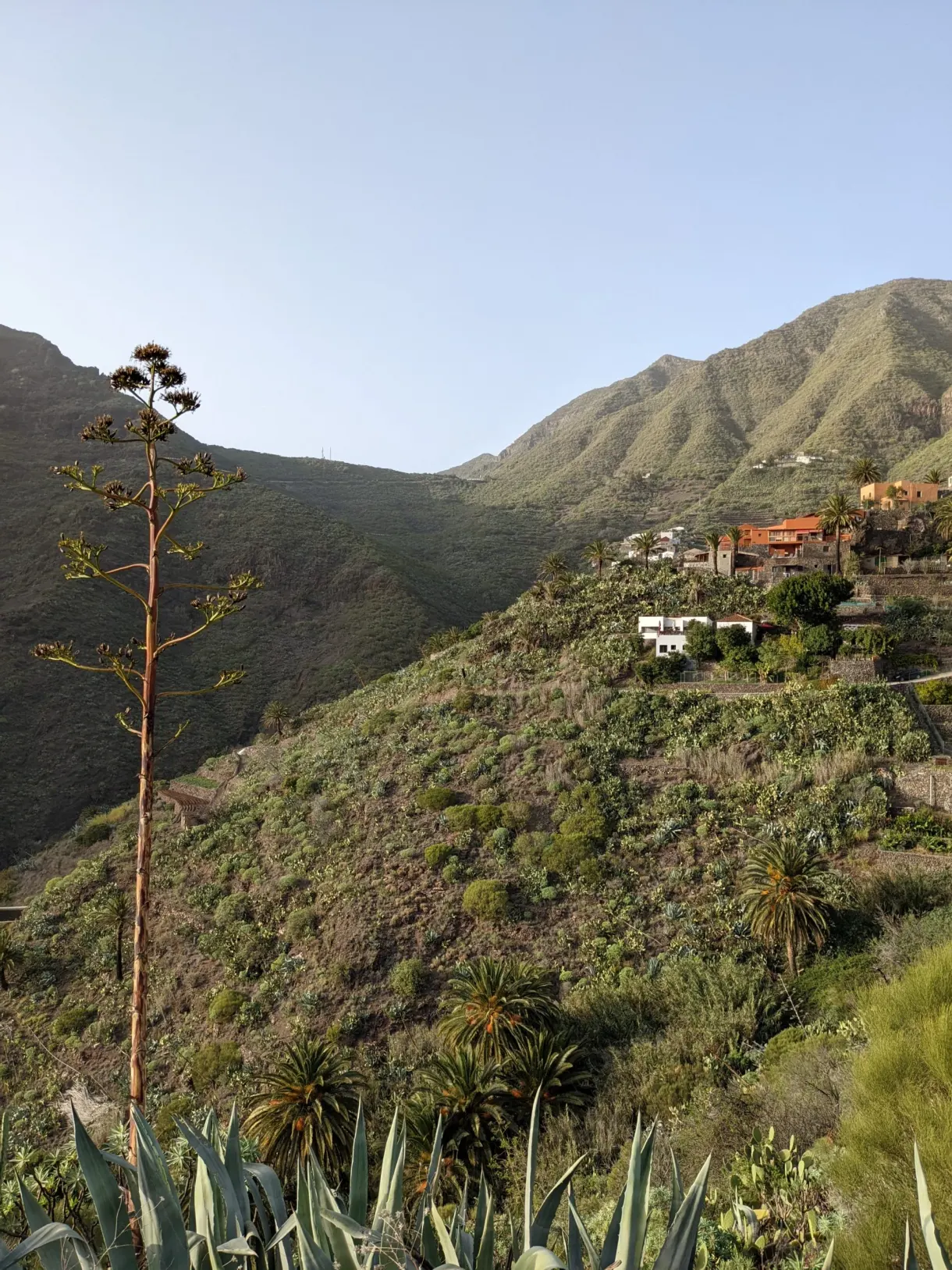
Mirador Cruz de Hilda and Mirador Altos de Baracán
Heading back north, don’t miss the mirador La Cruz de Hilda and its little café overlooking the valley. A superb spot! Just after, the very beautiful Mirador Altos de Baracán, which offers a lovely view over the sea.
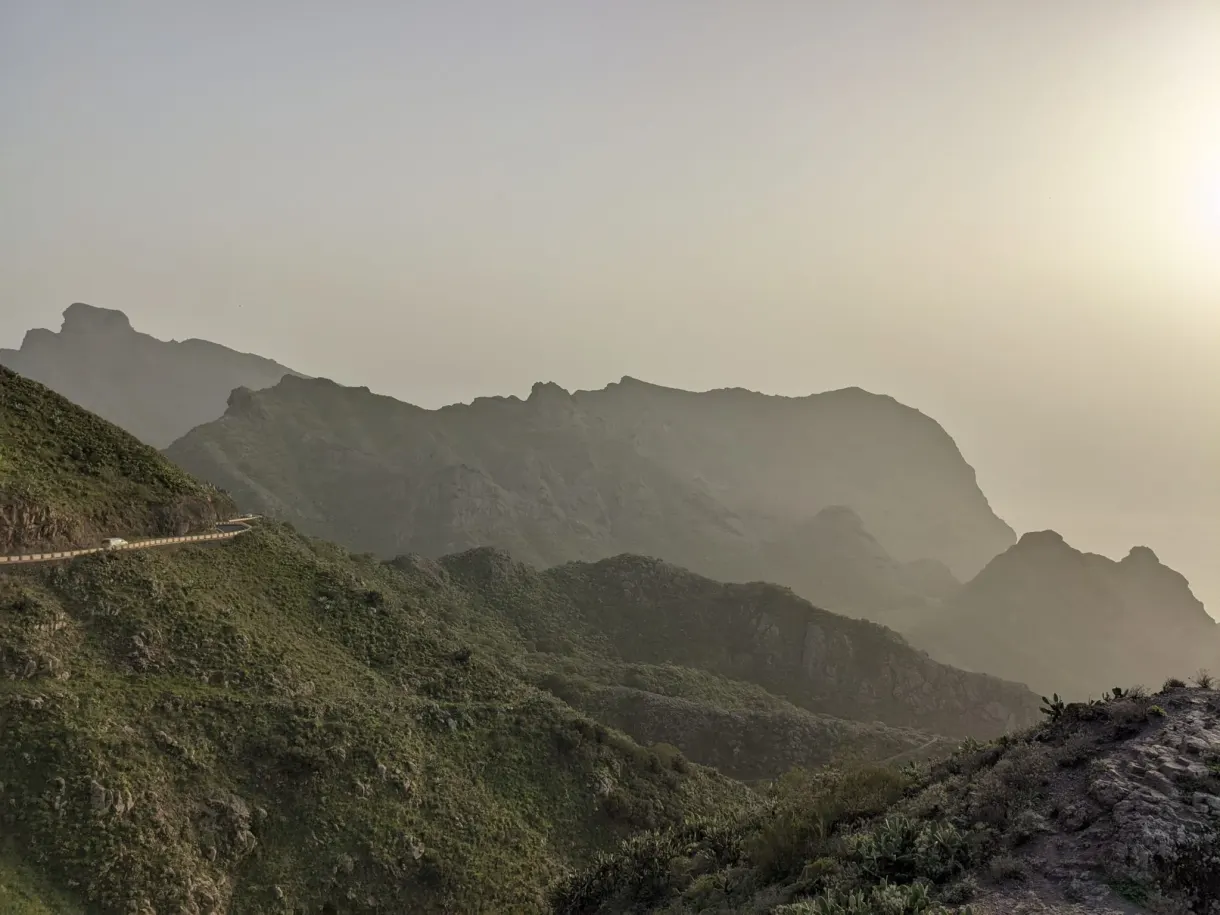
The villages of the north coast
Buenavista del Norte is therefore the last village you can reach in the far west of the island before starting the climb into the Teno rural park, towards Masca. The town isn’t very big but it deserves a stop for its very good pâtisserie and its charming church square.
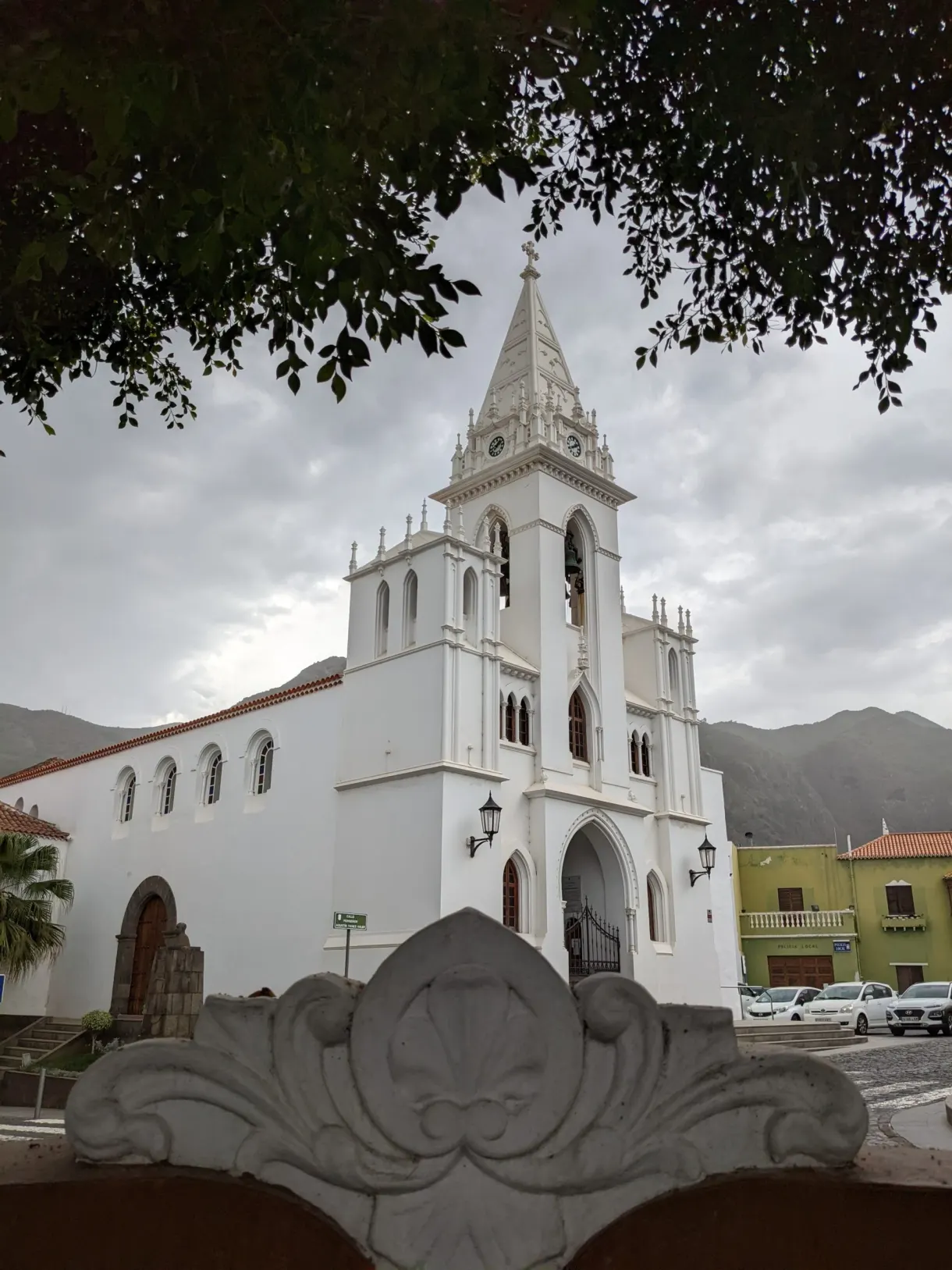
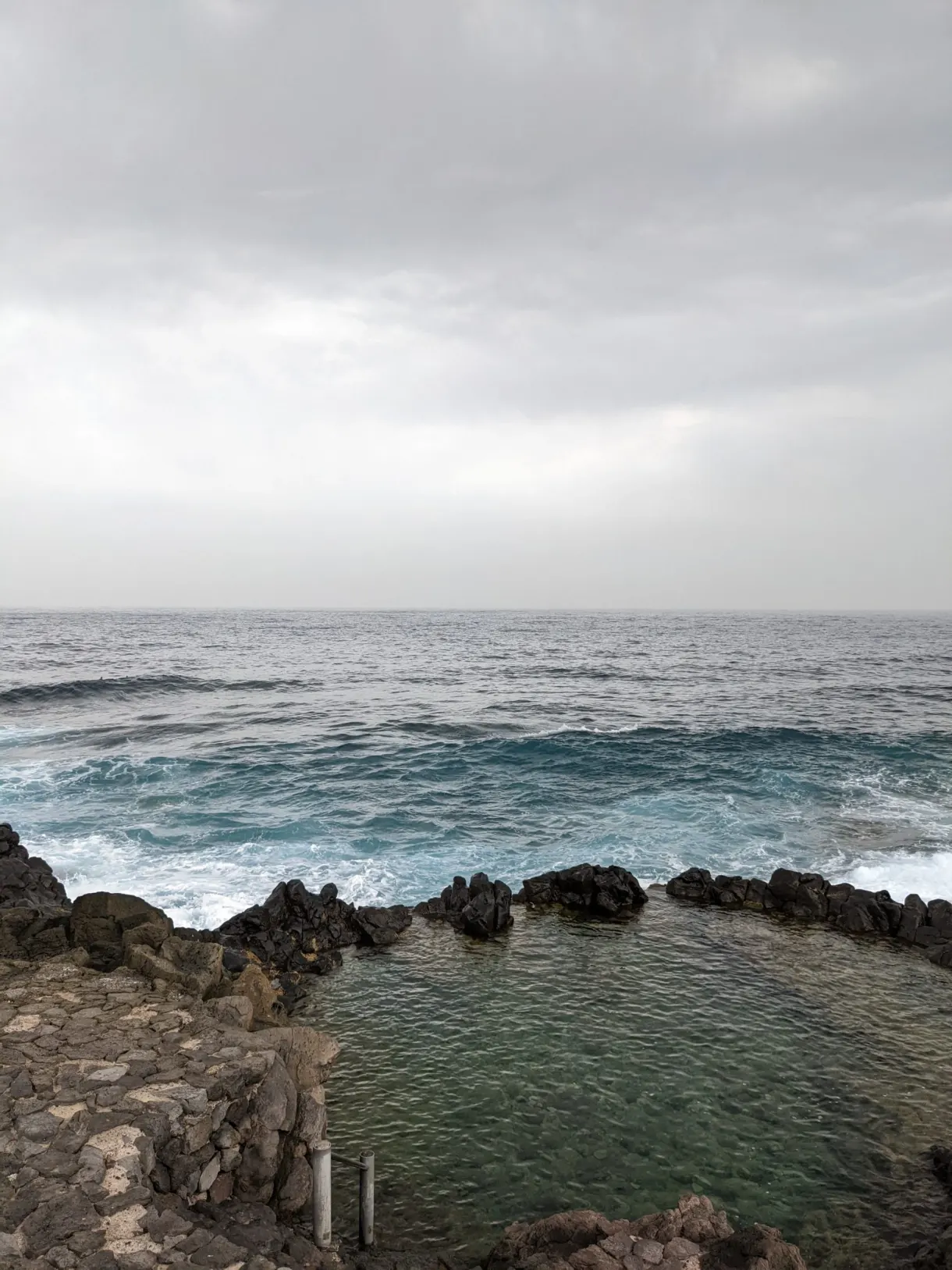
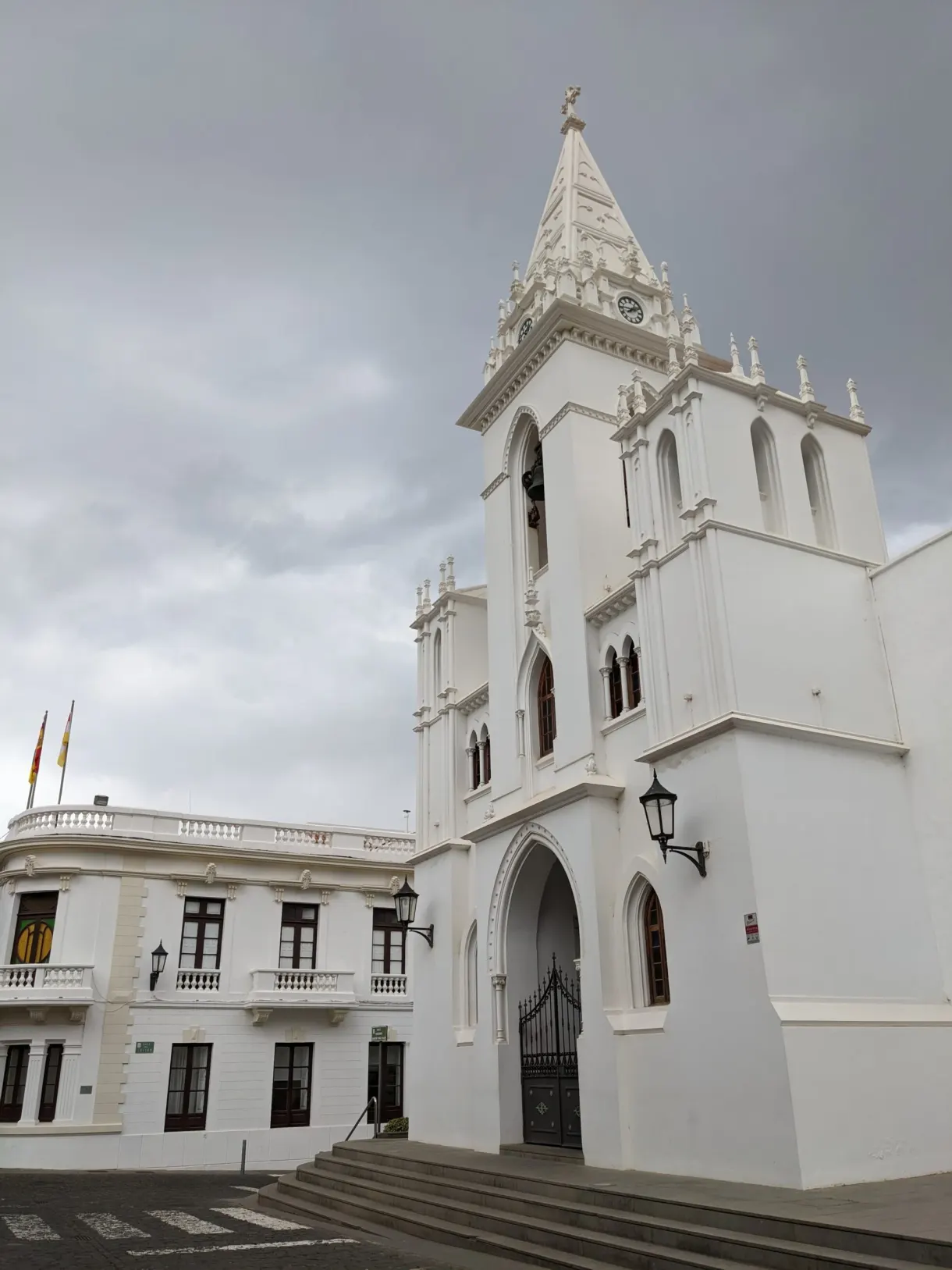
We also stopped for a few moments in the village of Los Silos, which has a pretty square (Plaza de la Cruz) and a very beautiful church (Iglesia de Nuestra Señora de La Luz) whose particularity is being immaculately white. From there, we went down towards the sea to see the Charco Los Chochos, which sits in a seaside resort. This stop isn’t essential but if you’ve never seen a “charco” before, those natural pools in the sea, we can recommend this one. It’s very easy to reach (a big car park is right in front).
Garachico
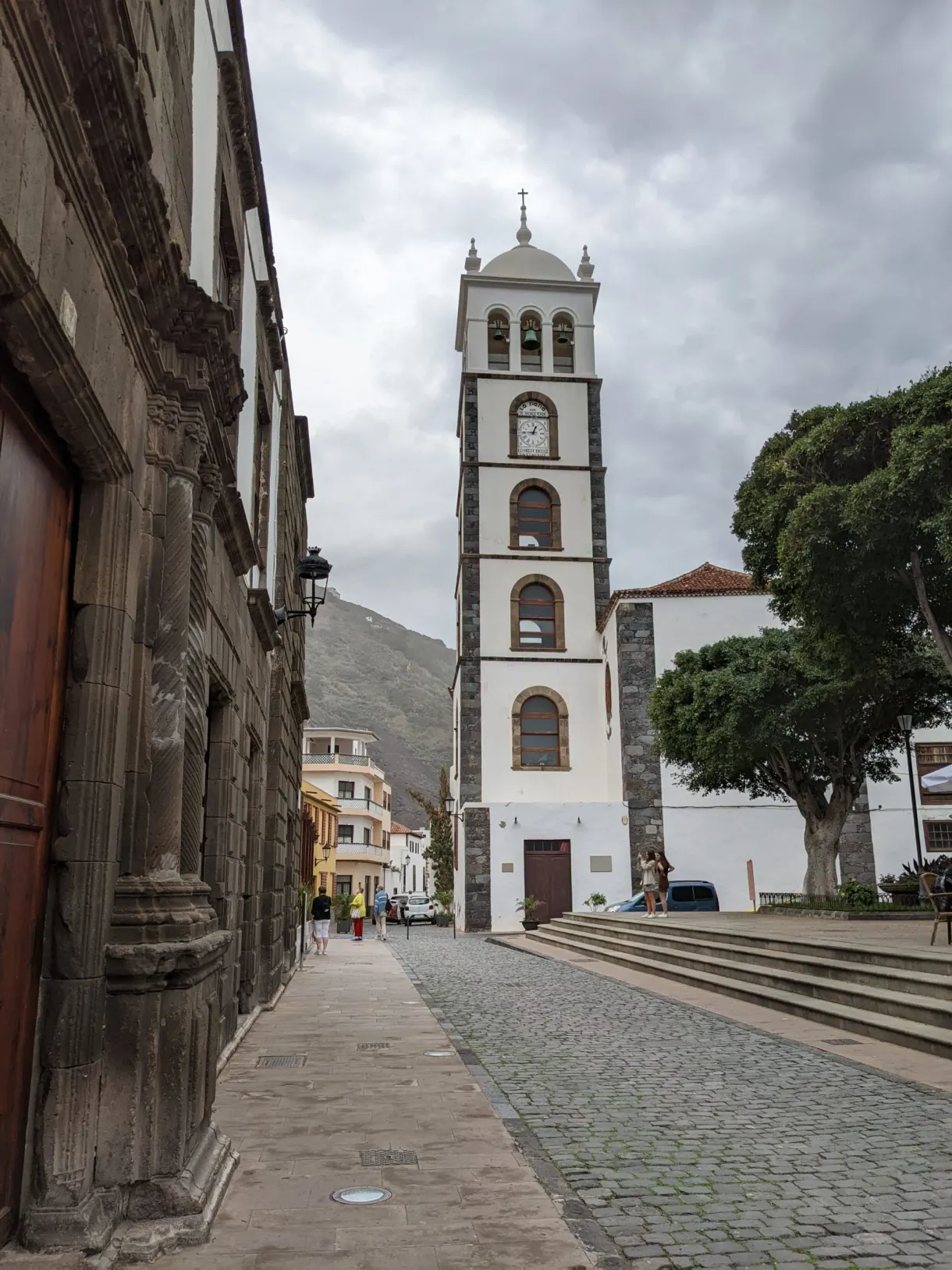
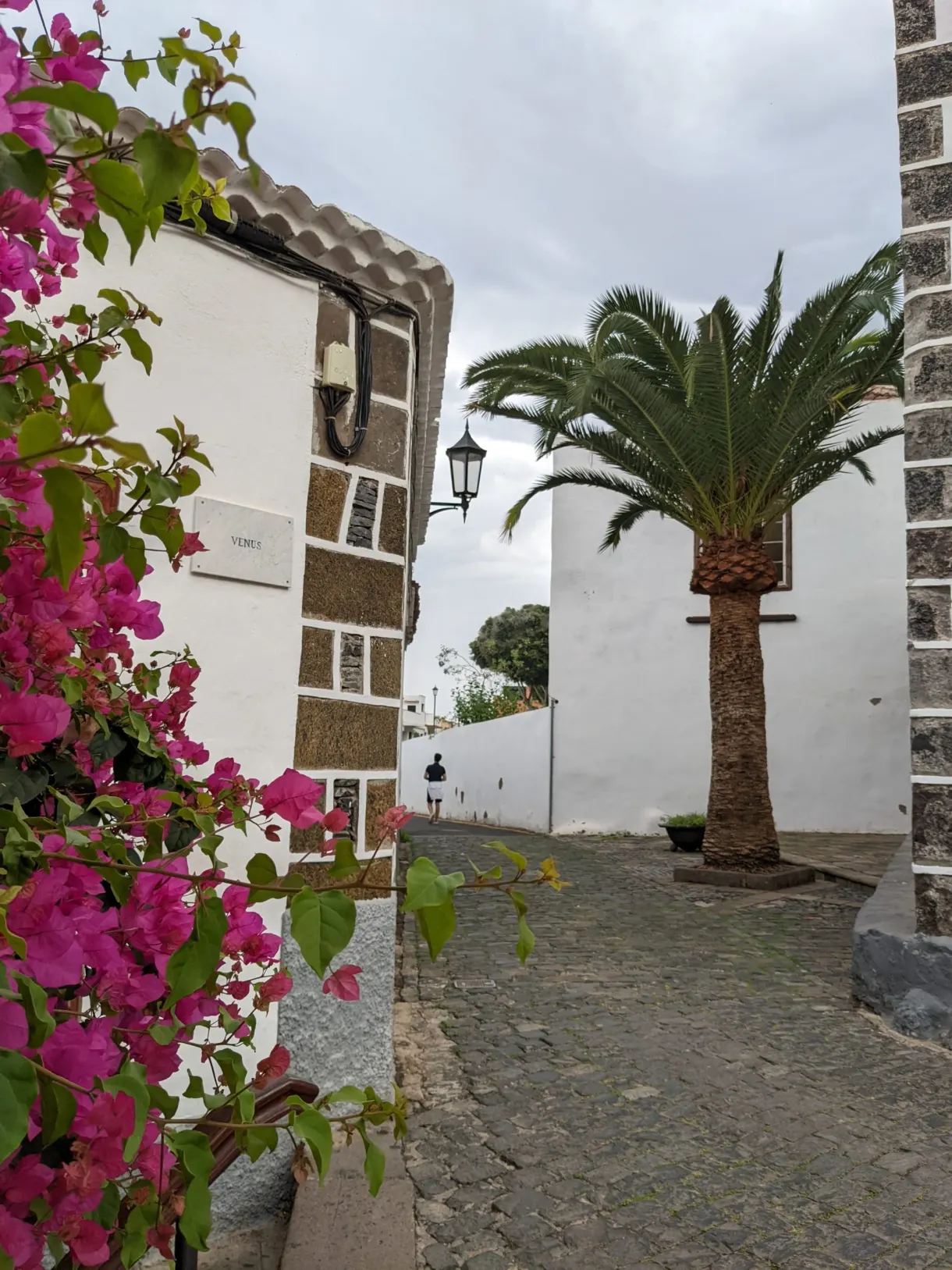
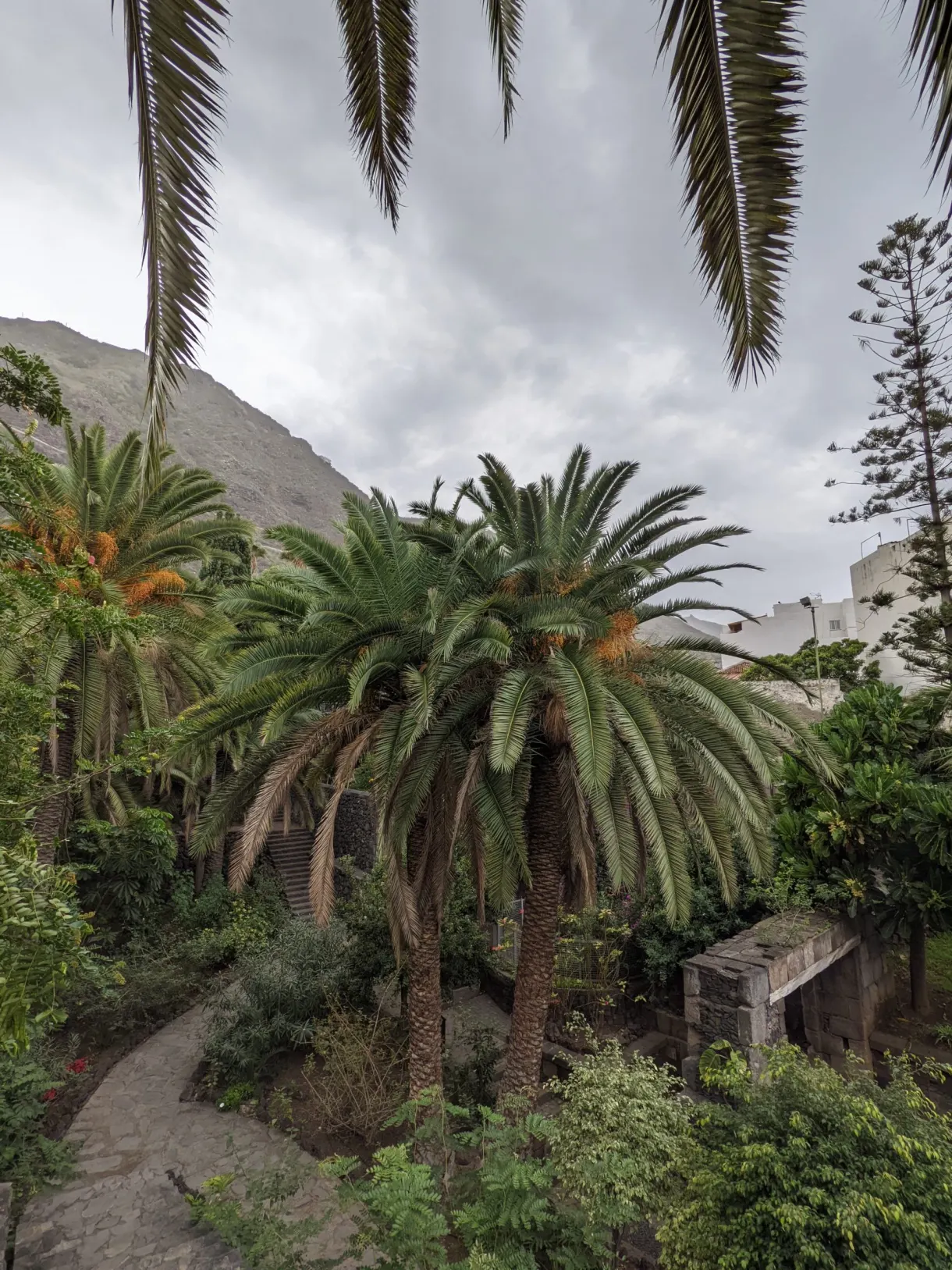
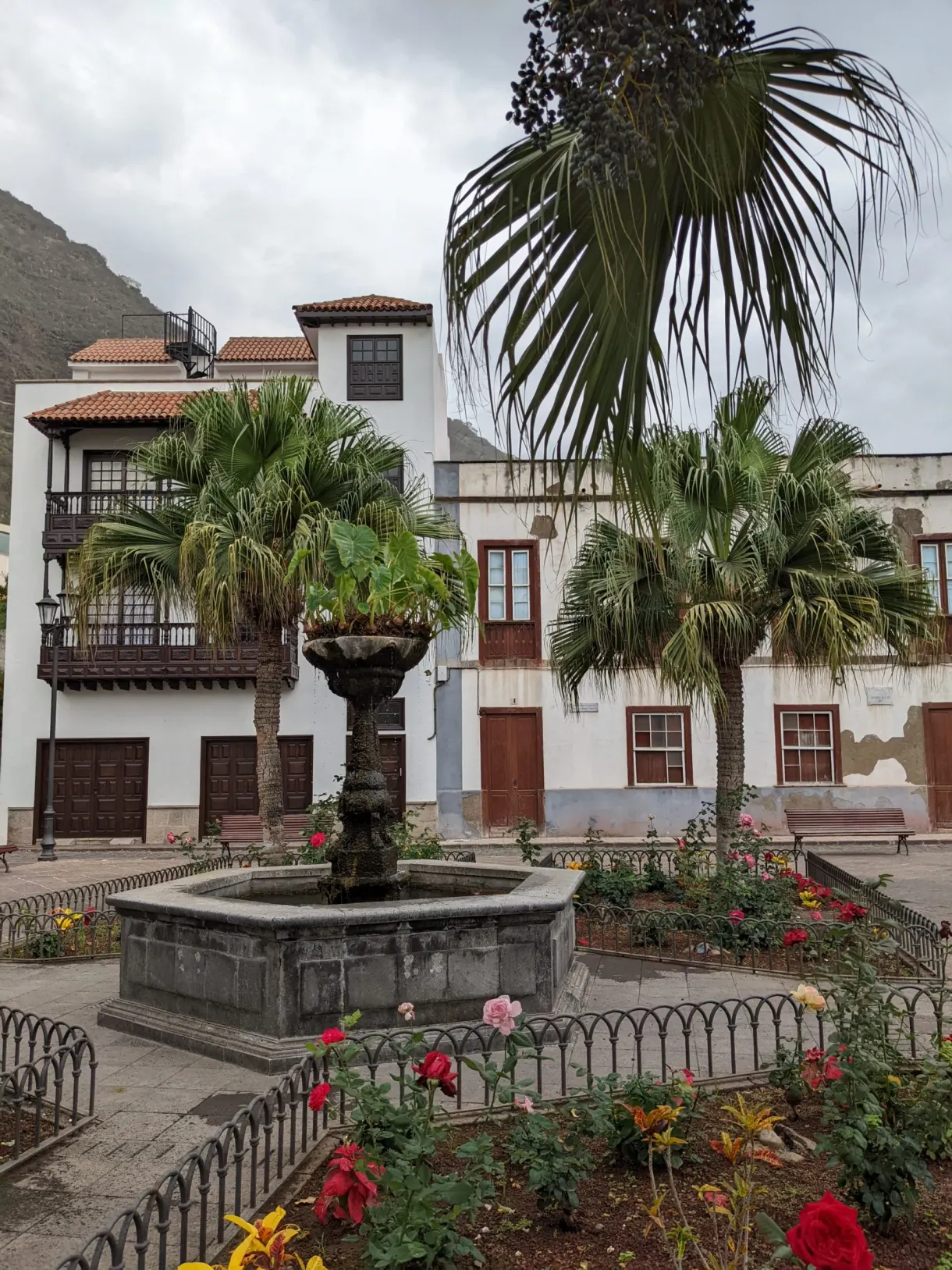
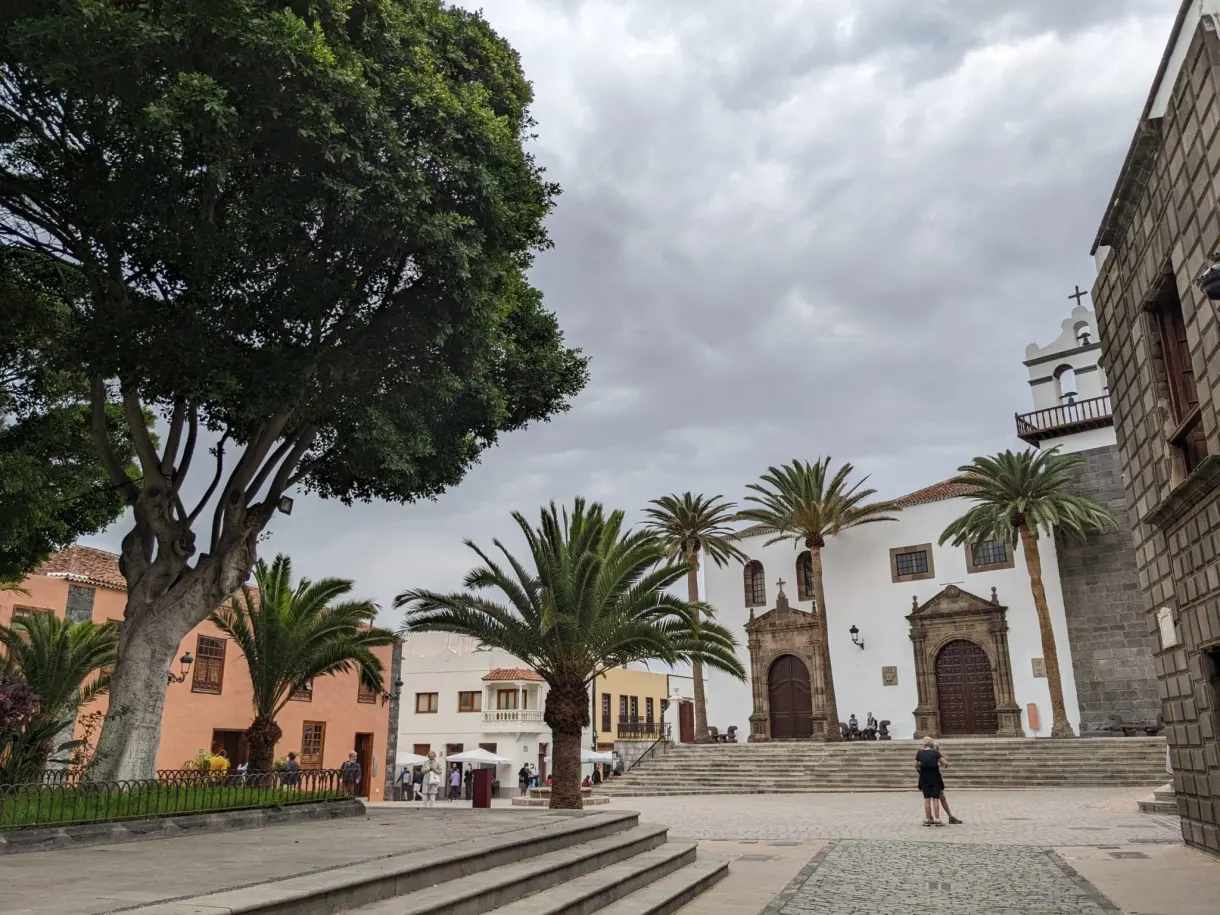
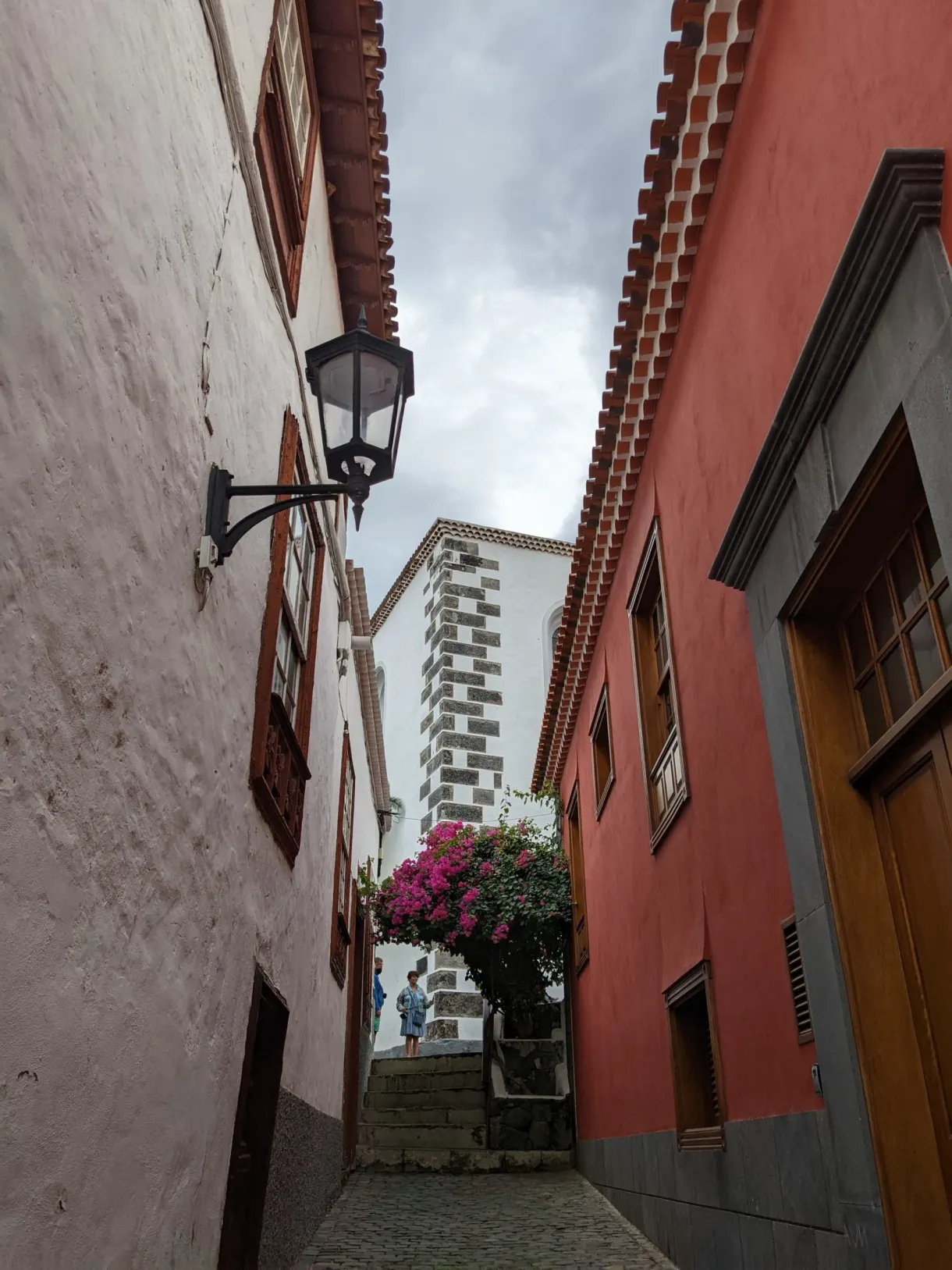
We then stopped off at Garachico, a village by the sea, listed by the tourist guides as a must. To see it from above, we recommend going via the TF-421 and stopping at the Mirador El Lagarito. Even though the village doesn’t lack interest thanks to its historic centre and its pedestrian lanes, it wasn’t a favourite for us! We preferred La Orotava, for example.
Don’t miss, during your visit, the Convento de San Francisco, the Plaza de la Libertad, the Puerta de Tierra park and the calle Pérez Zamora.
Icod de los Vinos
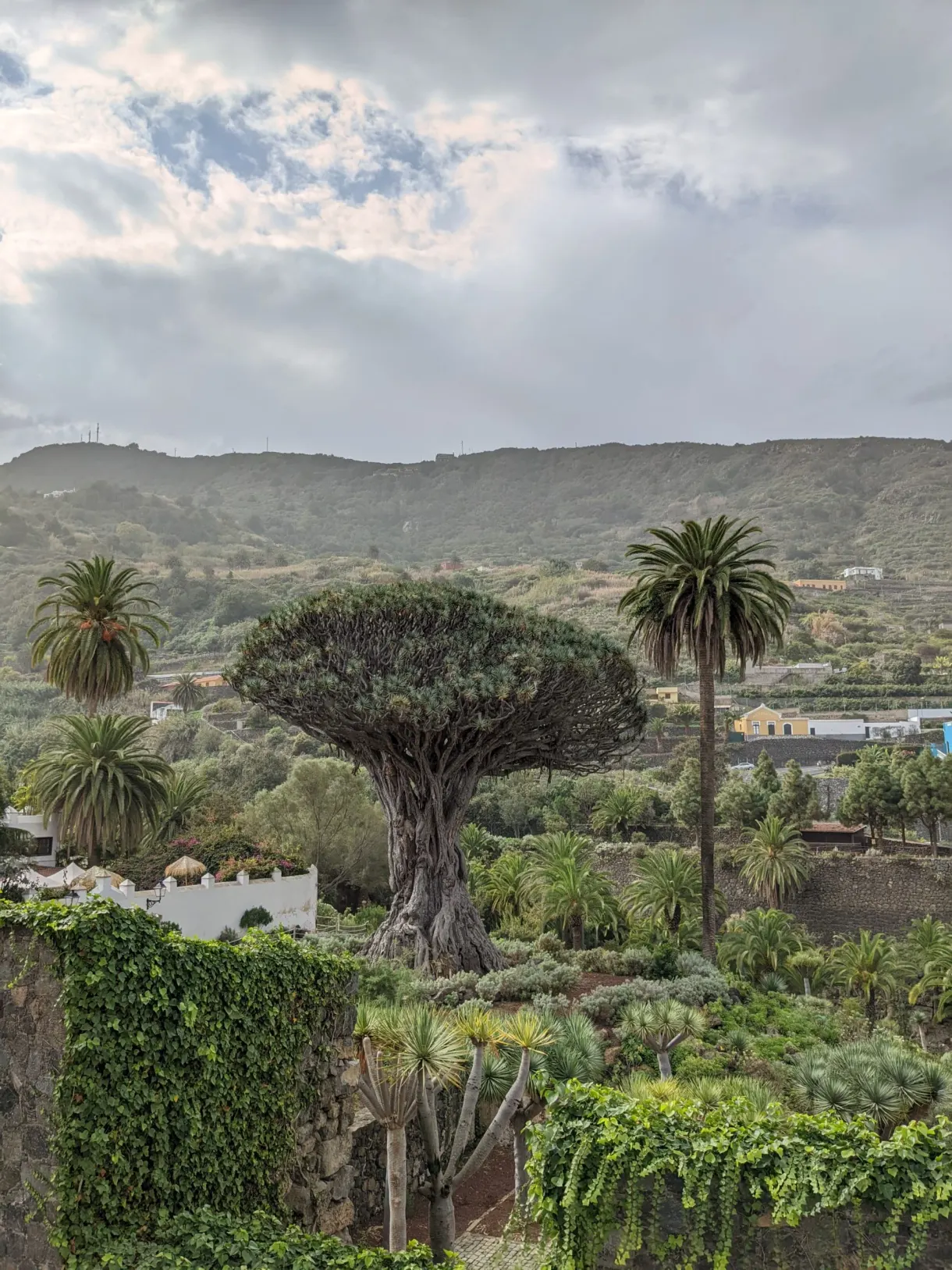
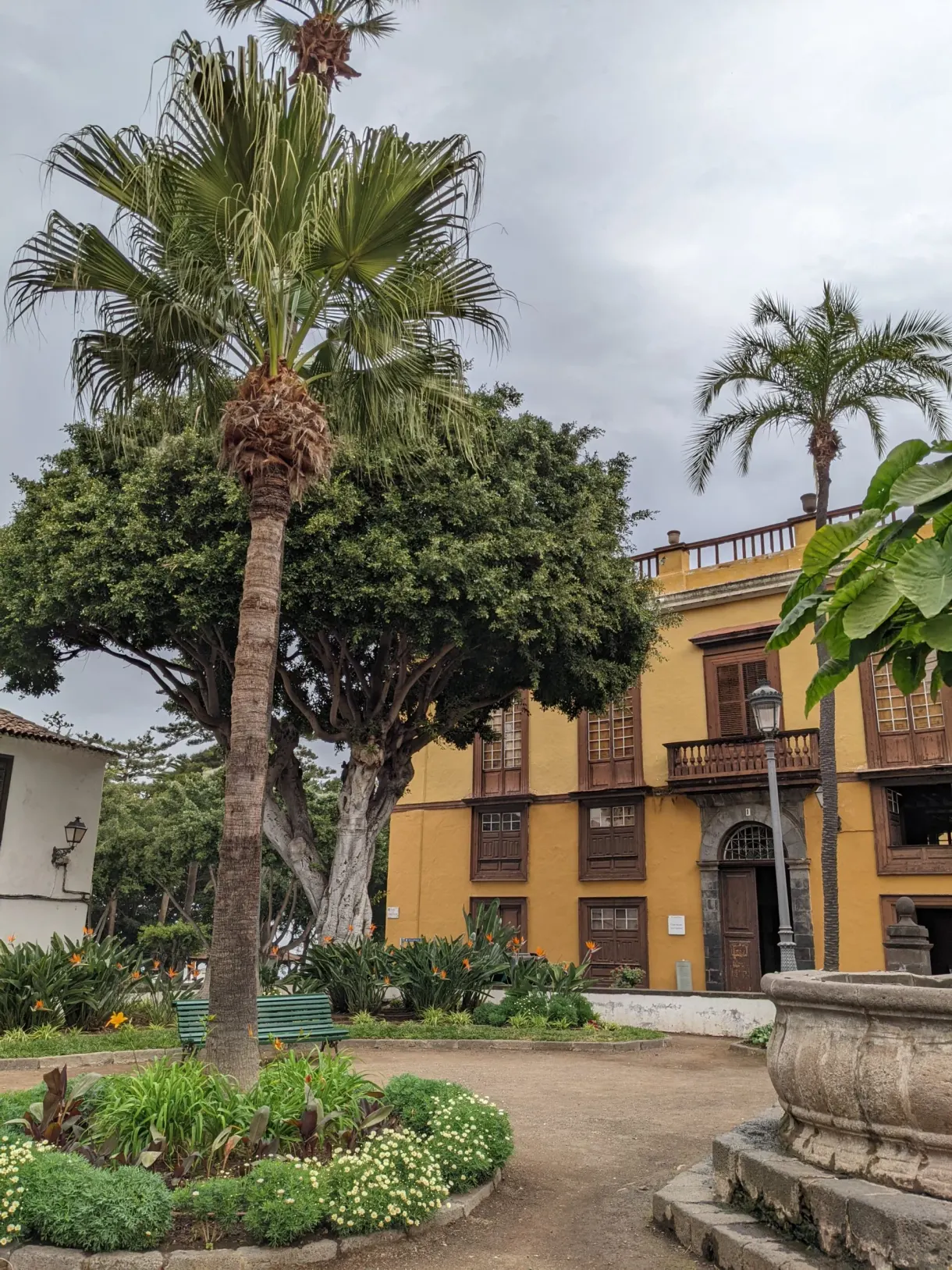
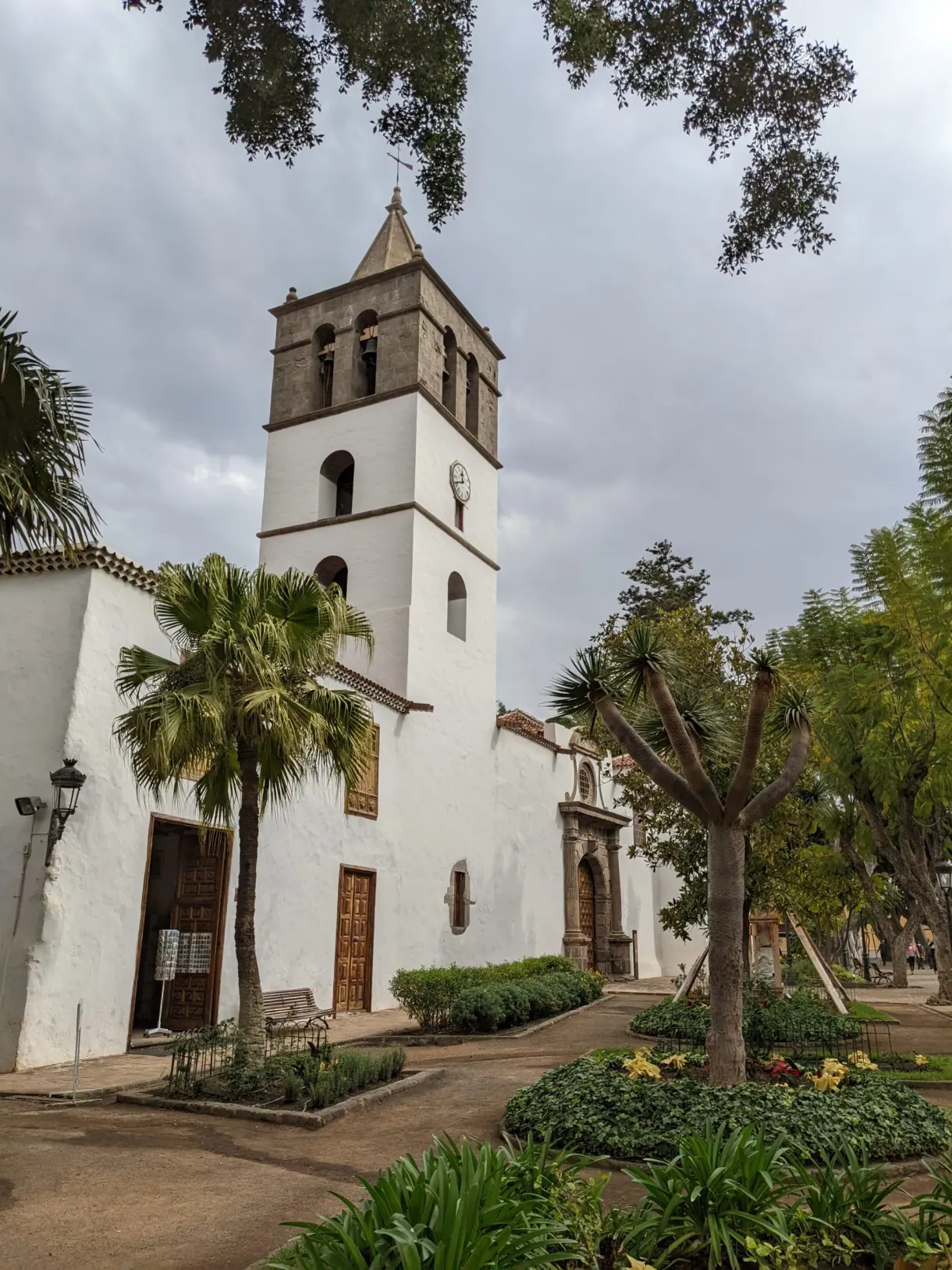
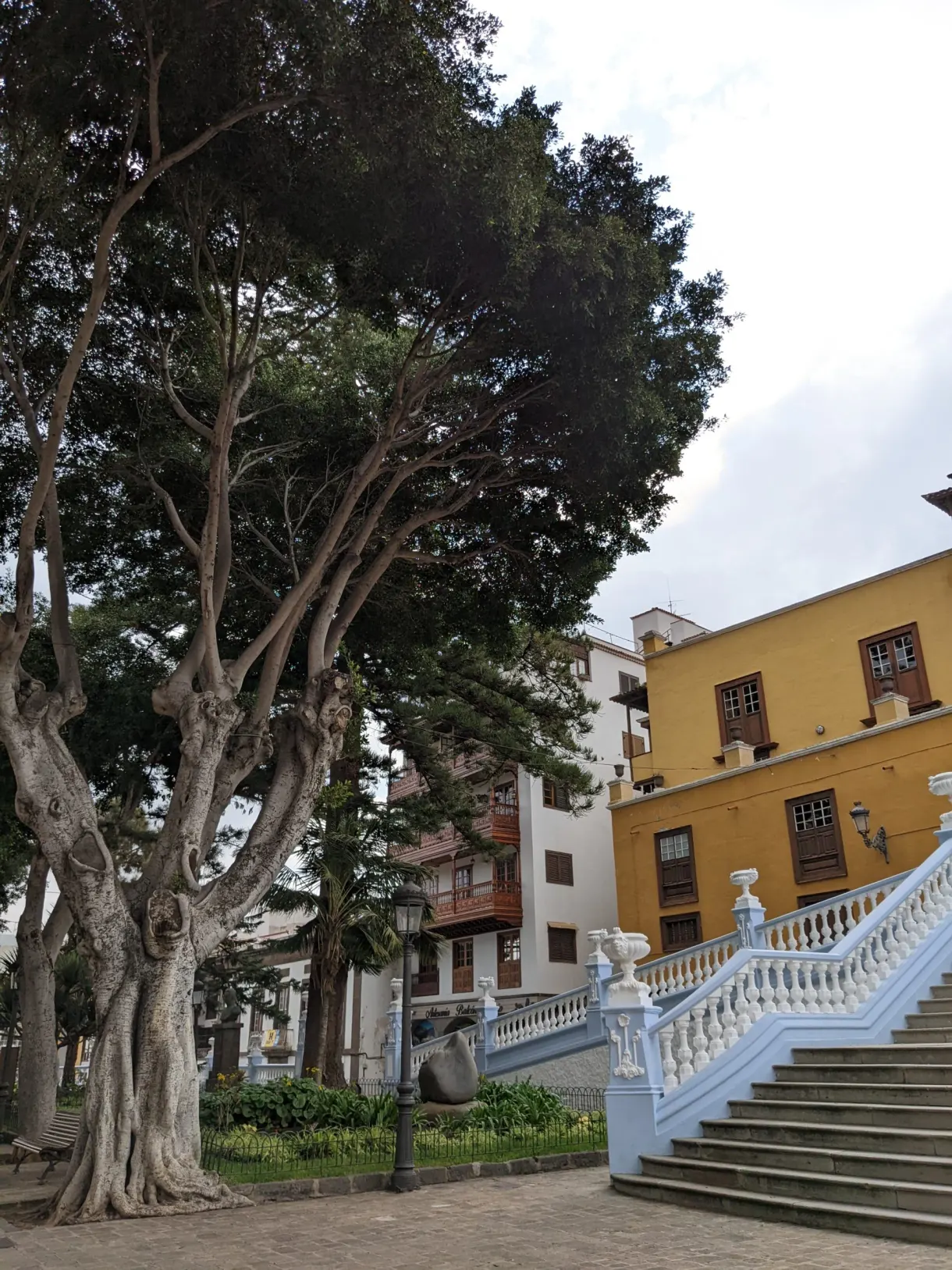
If you carry on along the road, you reach the village of Icod de los Vinos, which you go round quickly. Besides its main square (Plaza Andrés de Lorenzo Cáceres), you come here to see the famous “Drago”, the tree declared a national monument and emblem of the island. Its age is estimated at between 800 and 1,000 years and it’s a unique specimen because it’s endemic! There’s no need, though, to pay the park entrance fee to admire it: go to the kiosk at the end of the square and you’ll be looking down over the park. Don’t miss the very pretty, tree-lined Plaza de la Pila either.
San Juan de la Rambla
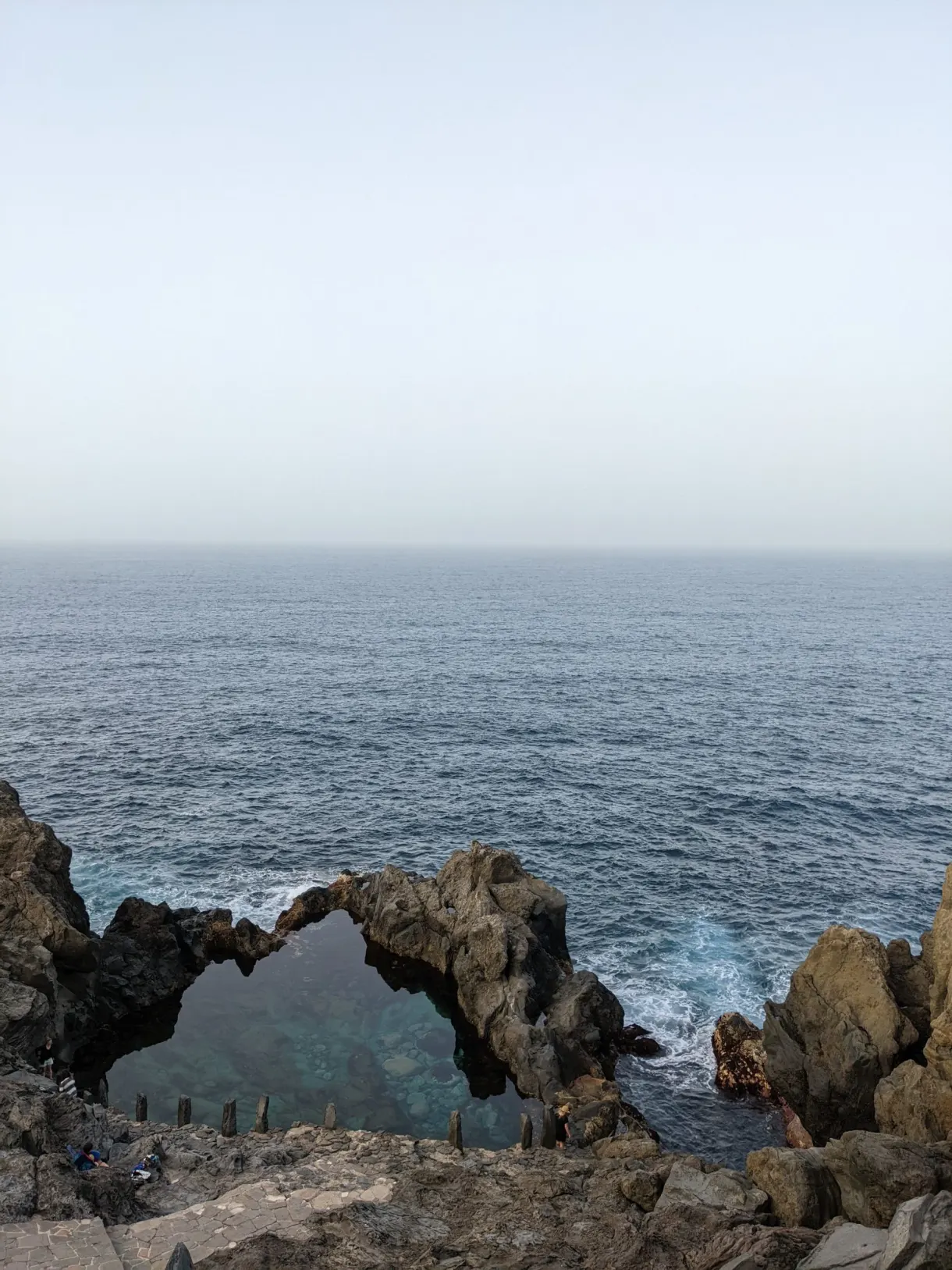
A bit further east is San Juan de la Rambla, where we made two stops: the charco de la Laja (the one we can recommend on the island), accessible but with a wild side, and the viewpoint from the Ermita de Las Aguas church.
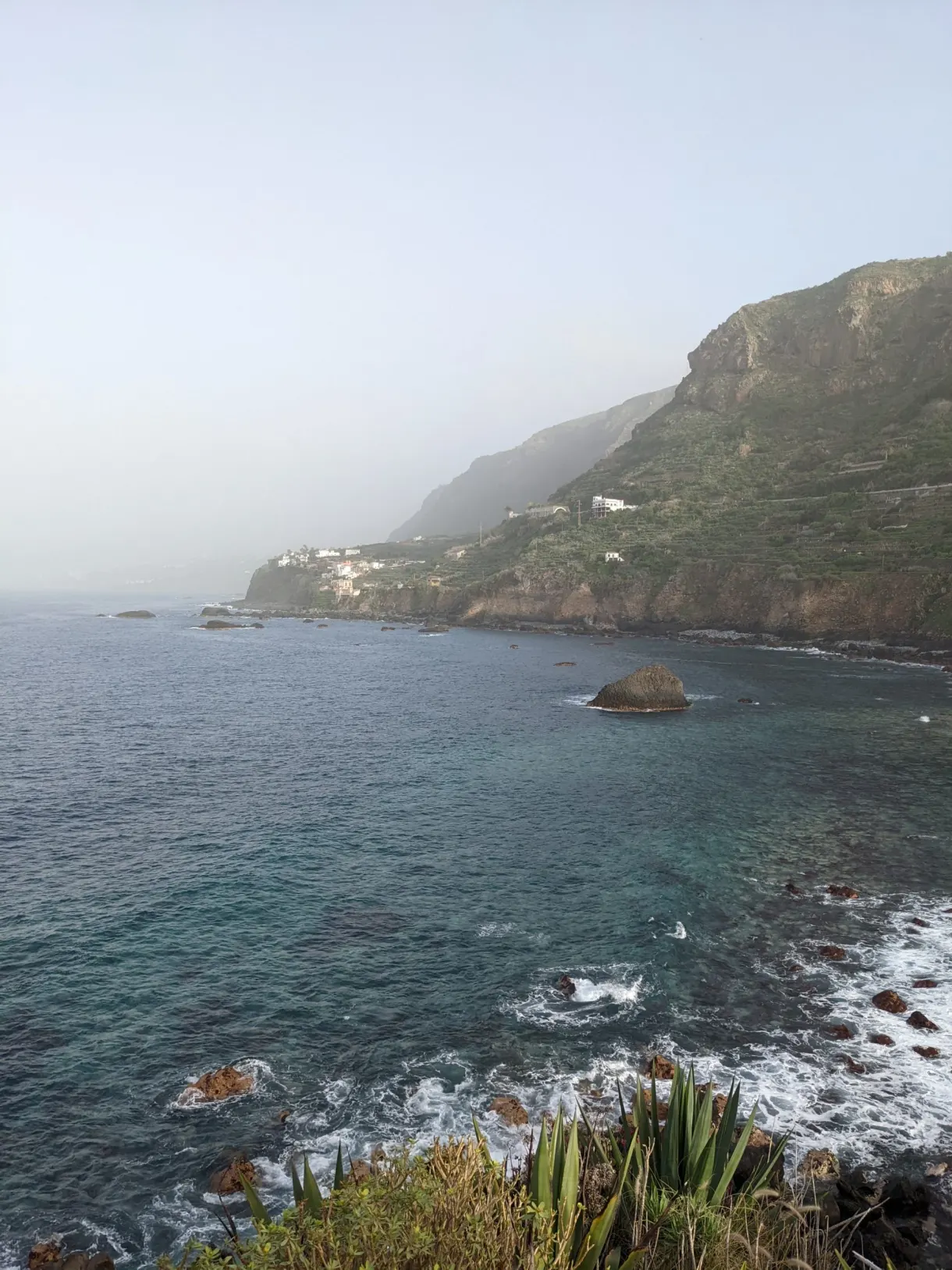
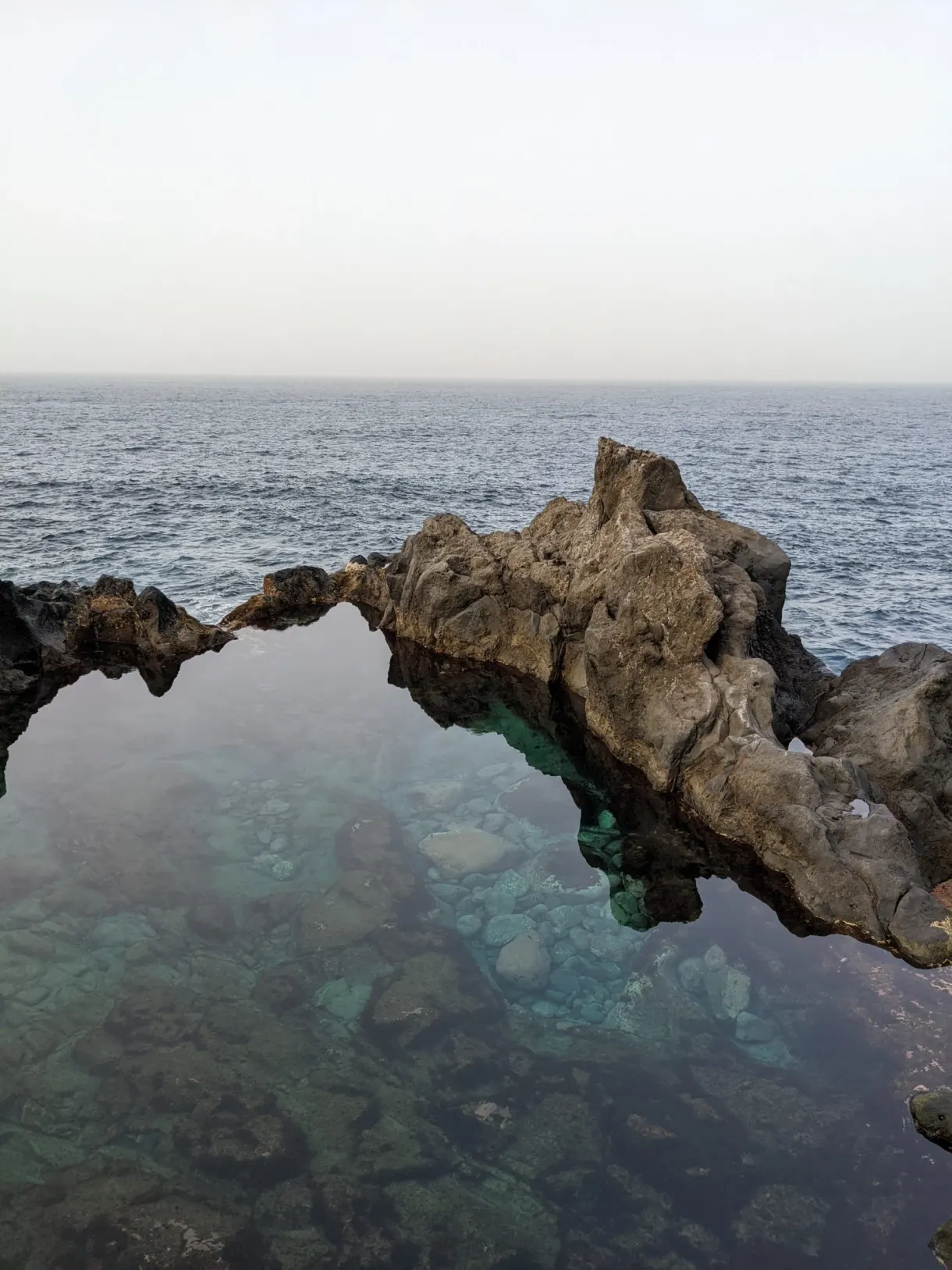
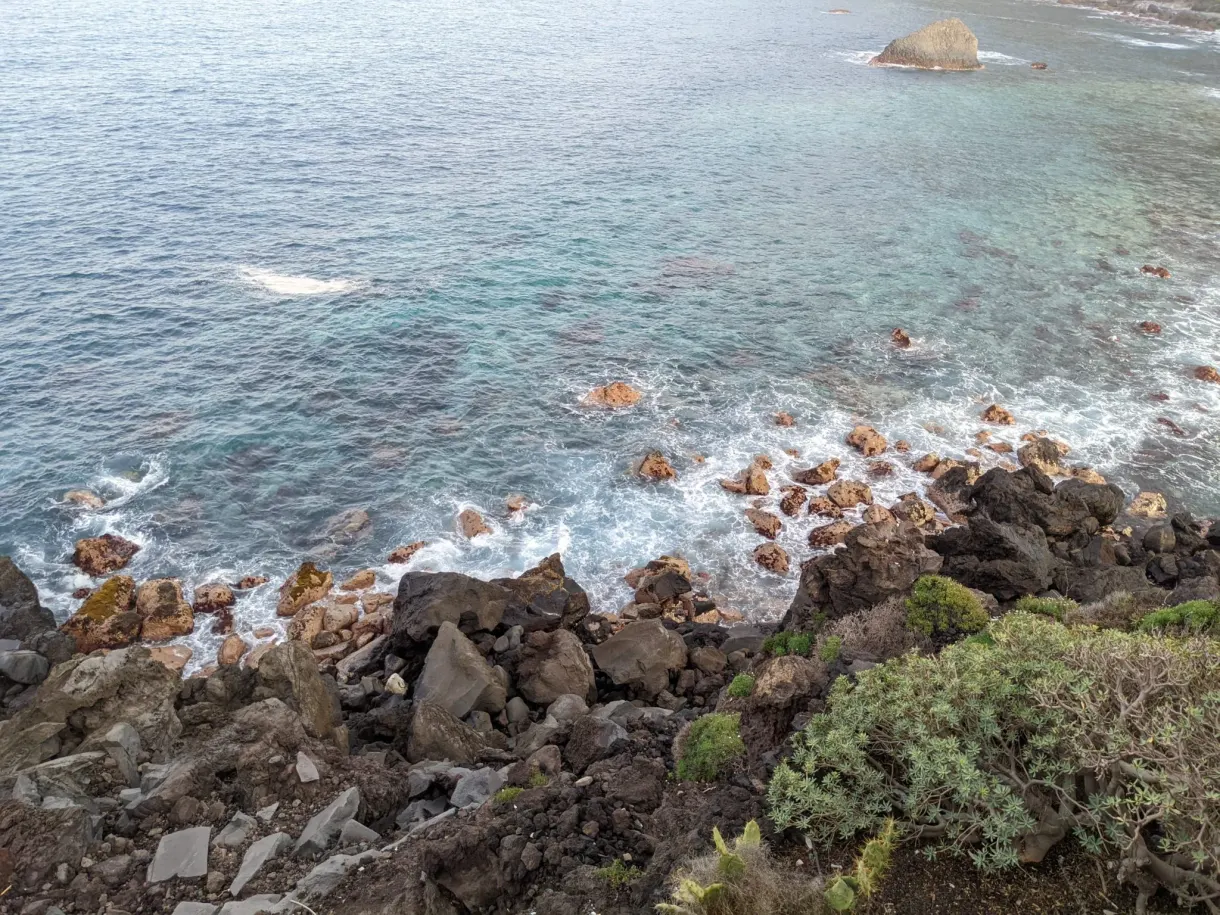
The north coast shoreline
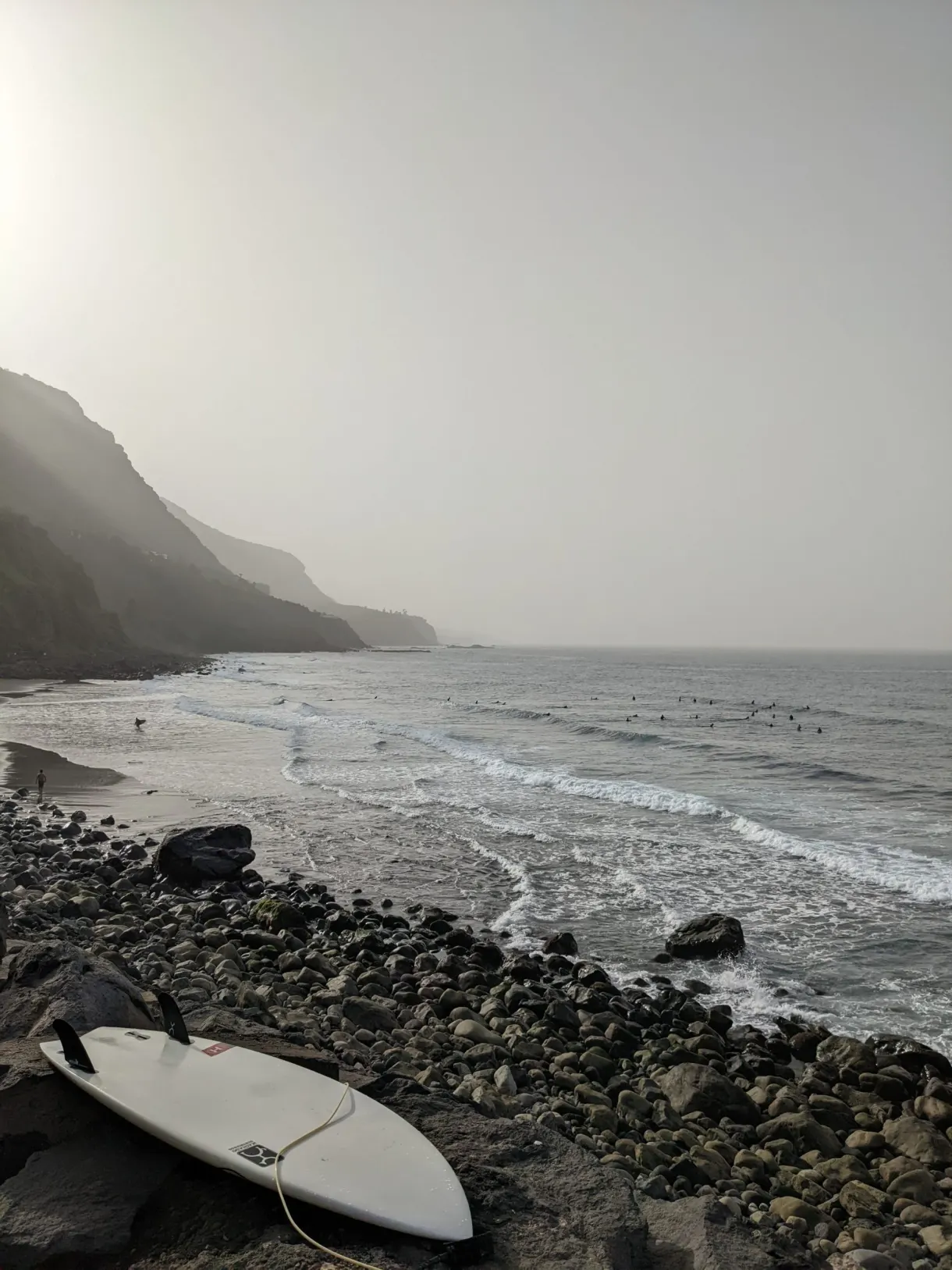
One place not to miss on the north shoreline would be the Playa del Socorro, with its end-of-the-world feel, at the foot of the cliffs. It’s a beach where you meet only locals or tourists who are into surfing, because the waves here are wild. There’s a car park right in front of the beach. This beach is immediately next to the Rambla de Castro, so it’s very easy to pop over after your walk.
Rambla de Castro
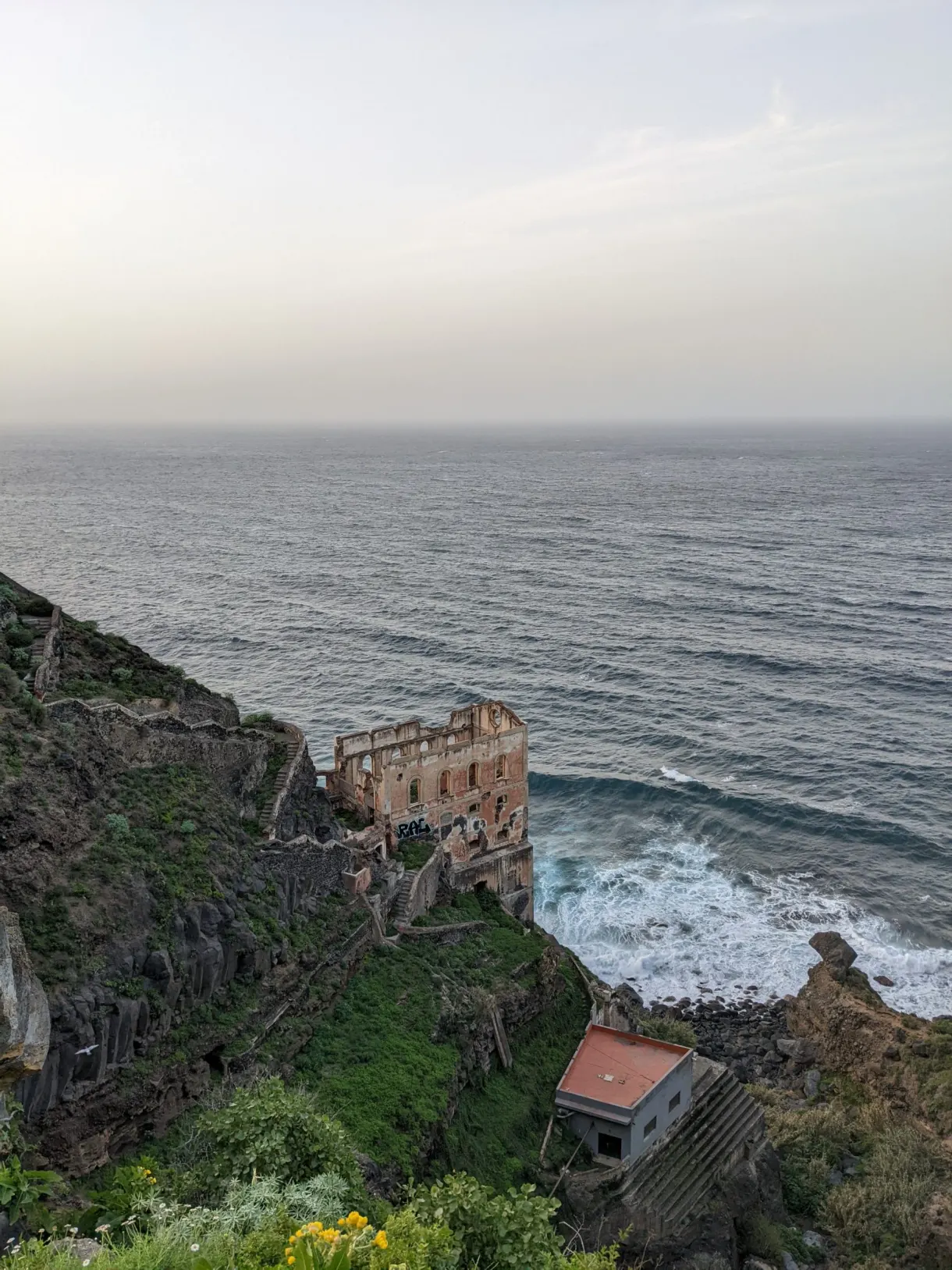
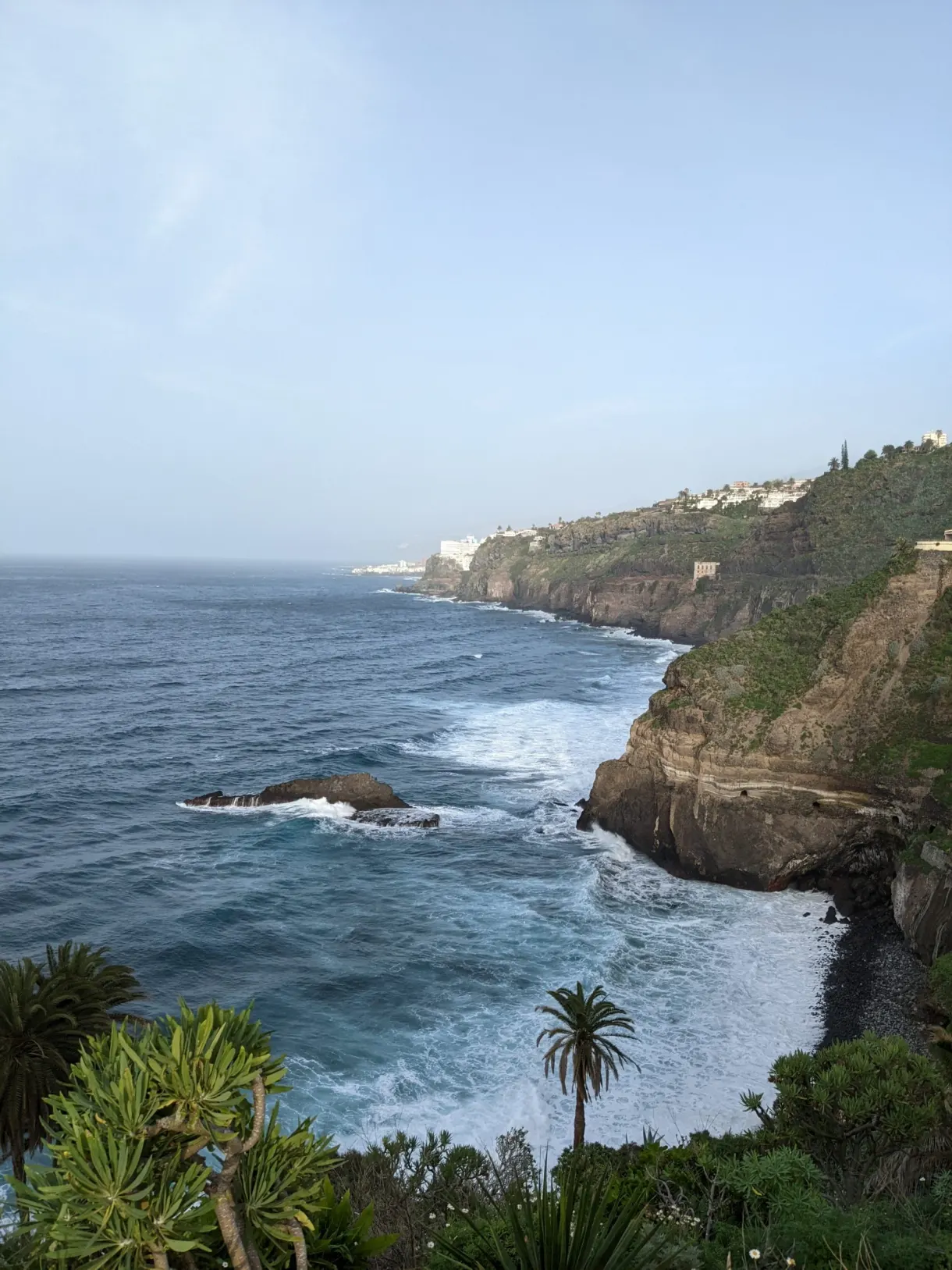
One of our favourite places in Tenerife! We went there twice to walk the footpath that runs along the coast. A place not to miss on your trip to the island because it’s definitely worth it, between land and sea. There’s a car park at the mirador de San Pedro, just off the TF-5. And it’s here, by the way, that we ate very well on a terrace, with a magnificent view over the sea, the cliffs and the banana plantations (see “Our favourite spots” at the bottom of the article).
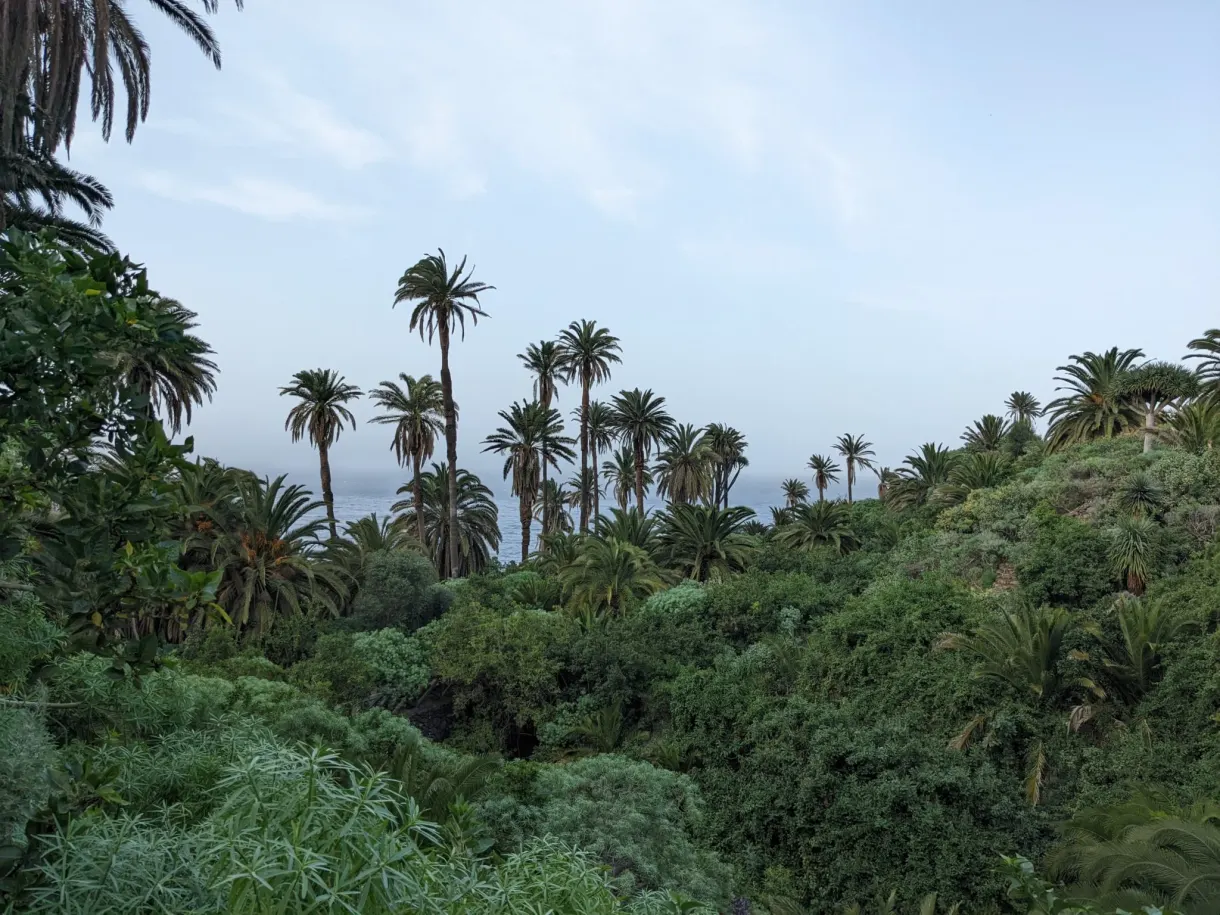
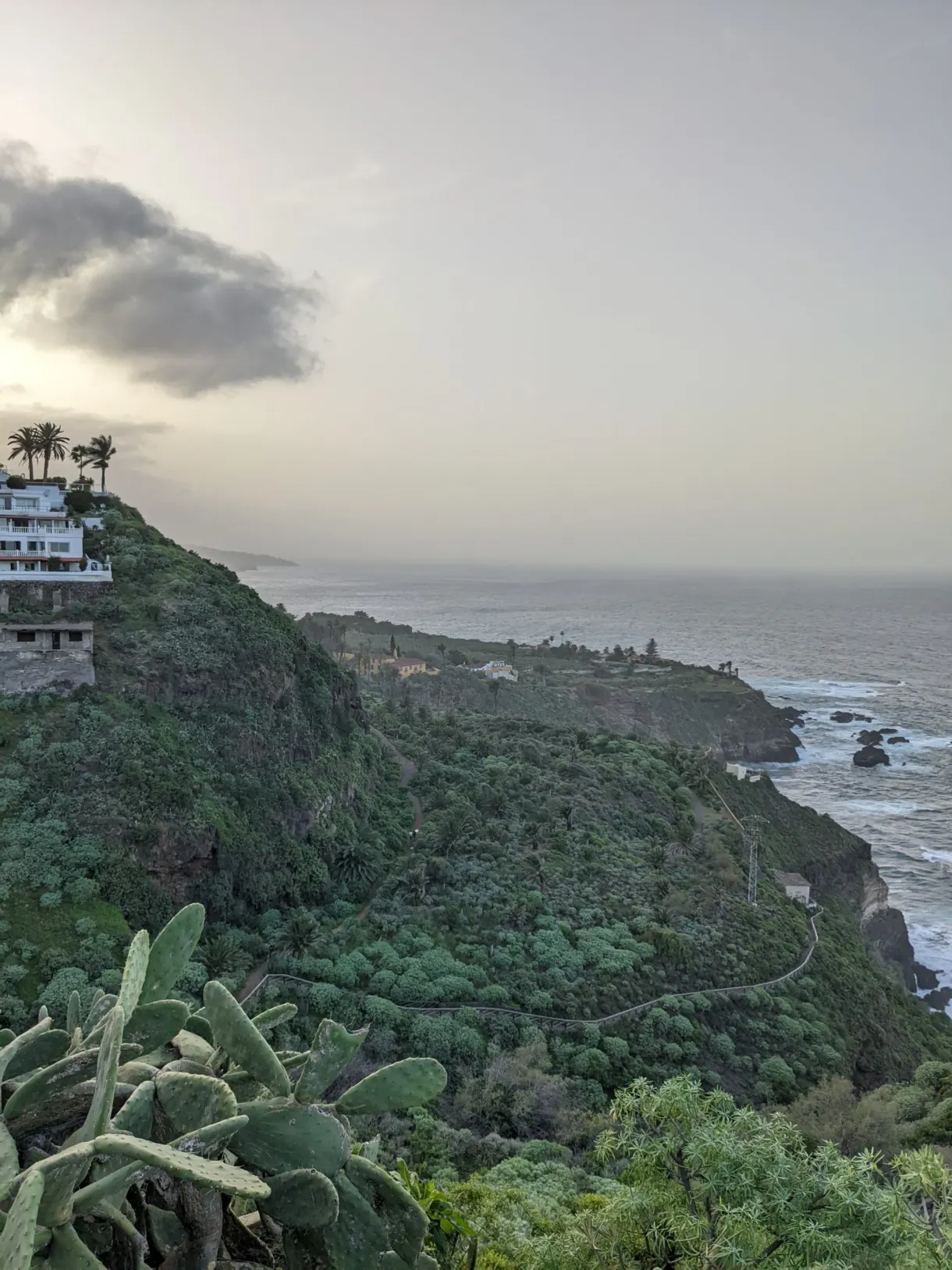
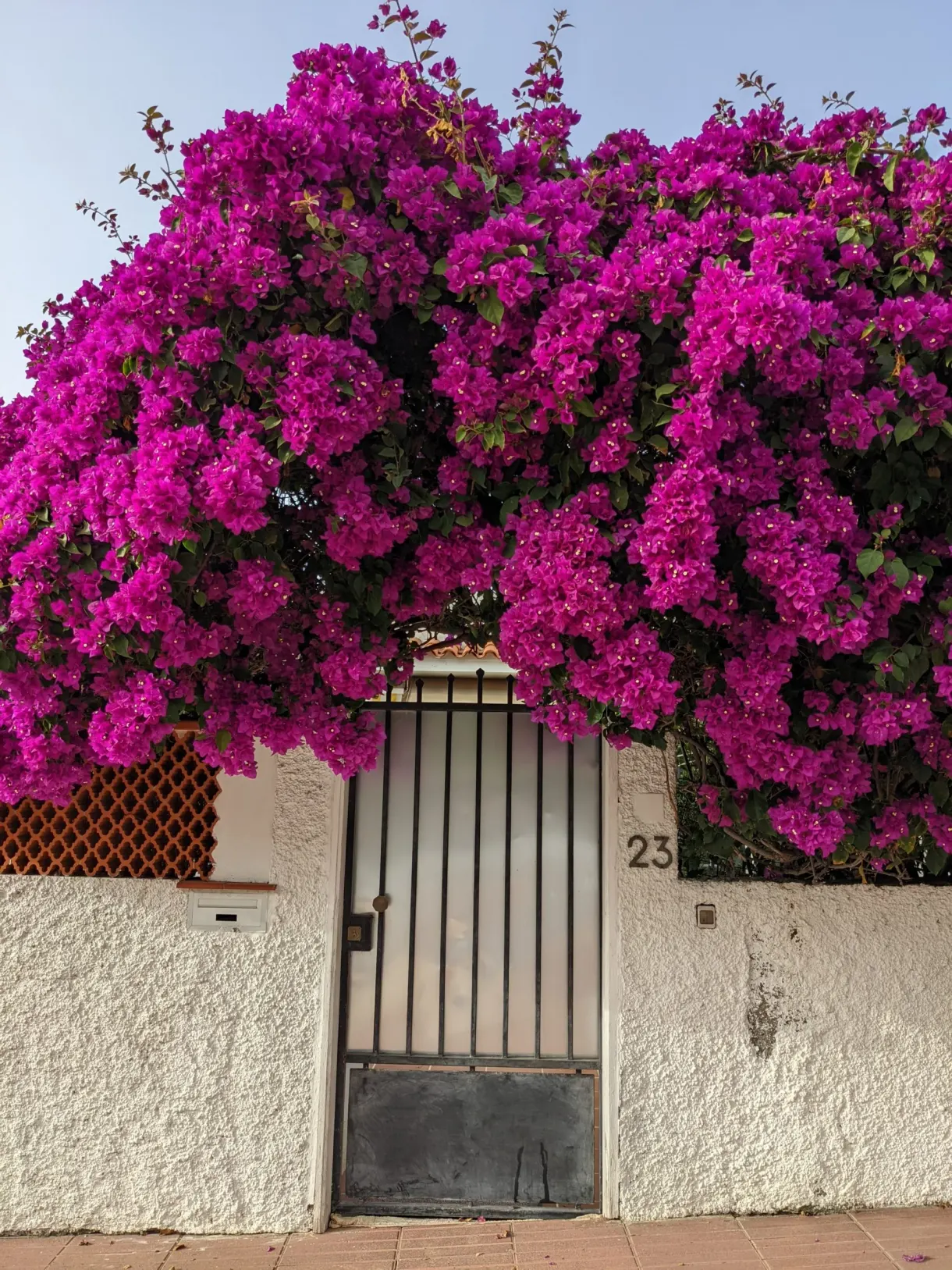
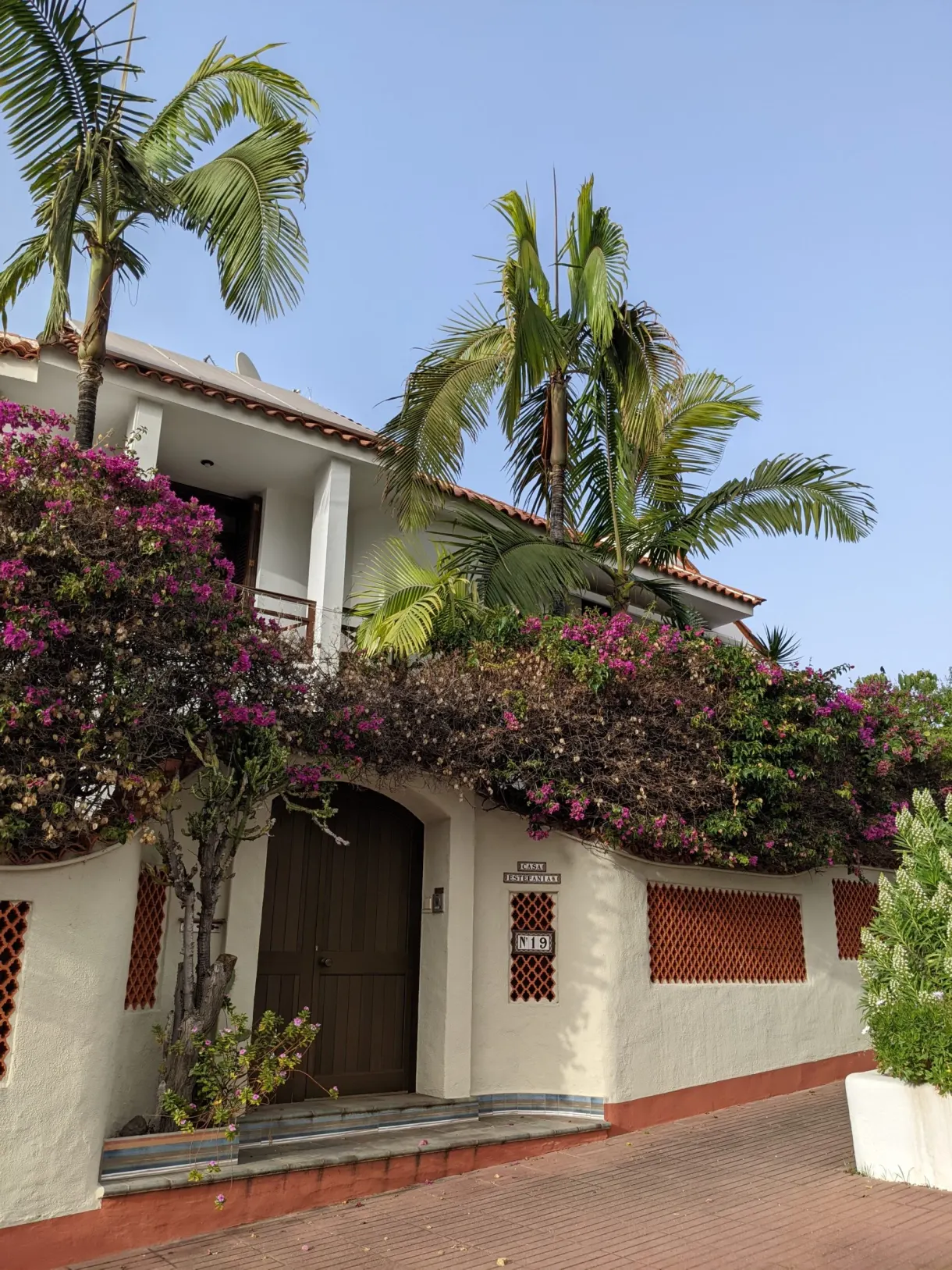
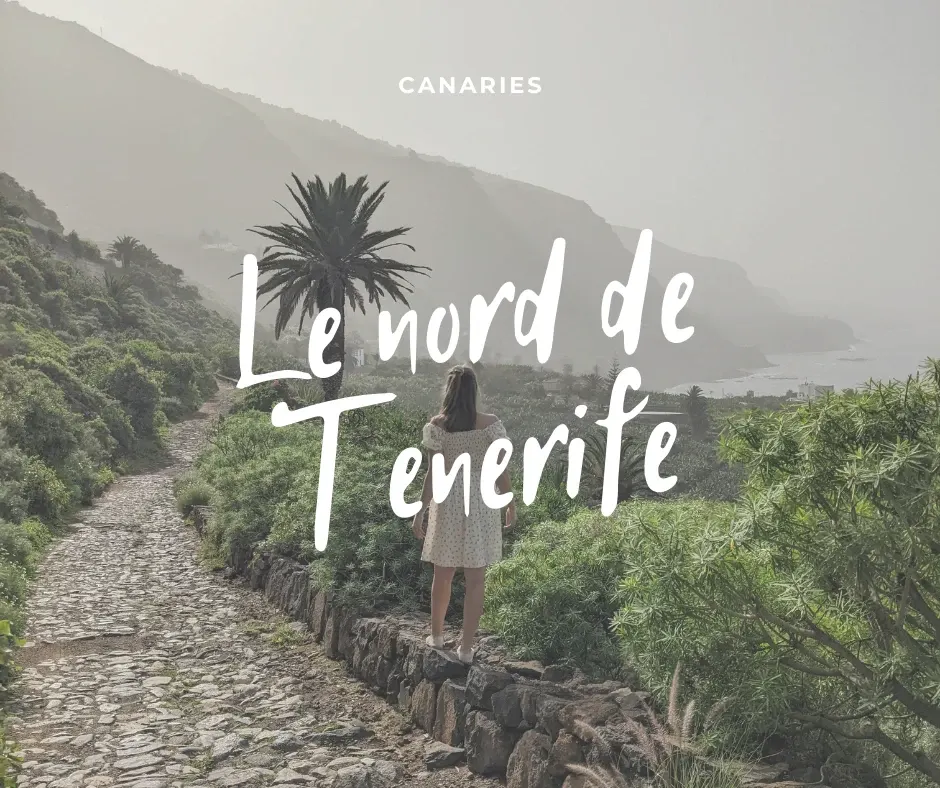
At the restaurant and the mirador, take the paved path that runs beside the Ermita de San Pedro church and turn right at the first fork. From the path, the view over the cliffs is splendid, with the palm trees and the bougainvillea in flower. You then join the Rambla de Castro footpath, which continues towards the Elevador de agua de Gordejuela. When we were there, the path leading to Castro beach is closed off because of a landslide. If you’re lucky when you come, you might see the famous waterfall of the Playa de Castro, which looks magnificent! We really do recommend this walk, at a very easy level, which gives lovely views over the sea and the lush vegetation of the coast.
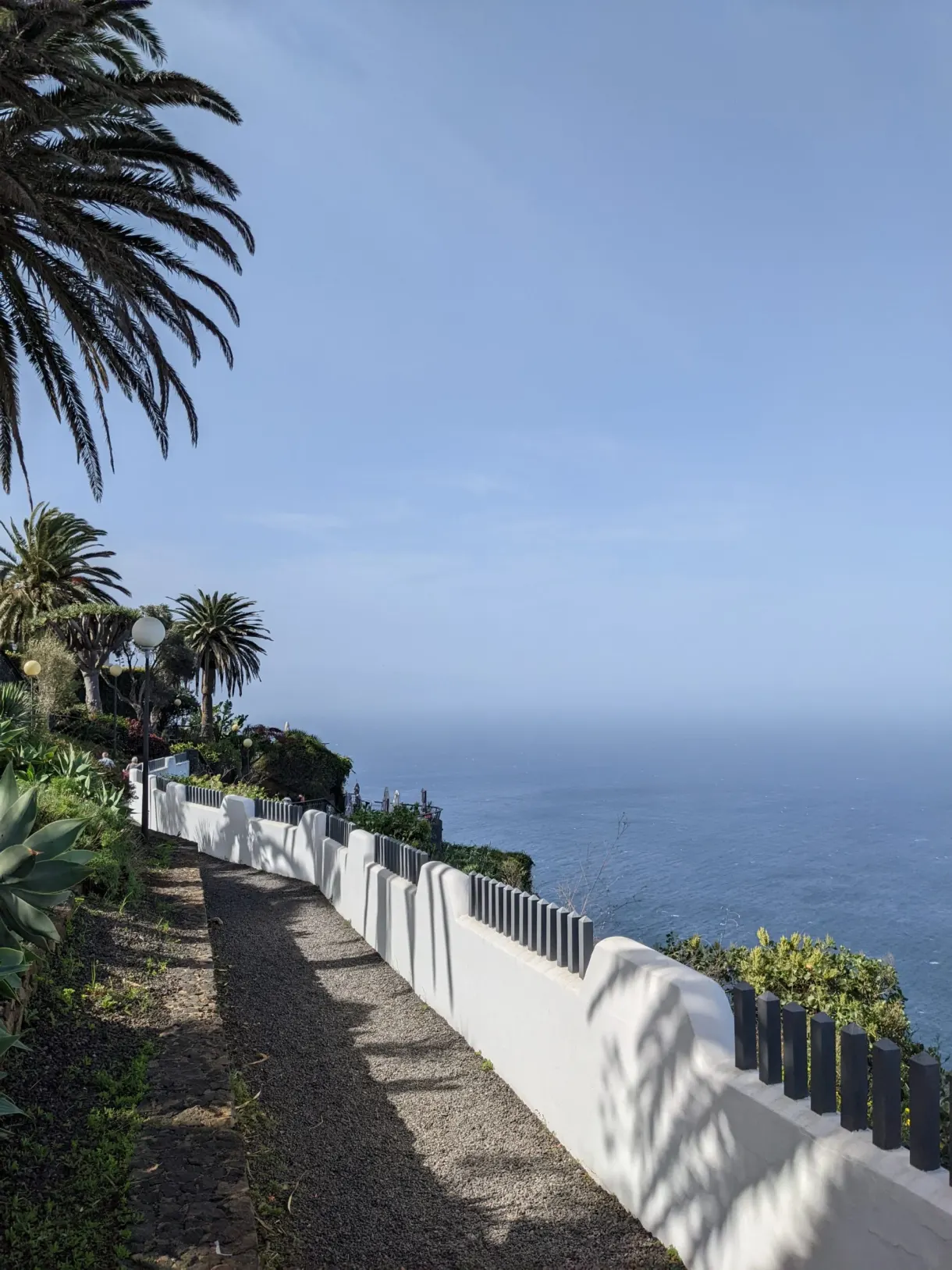
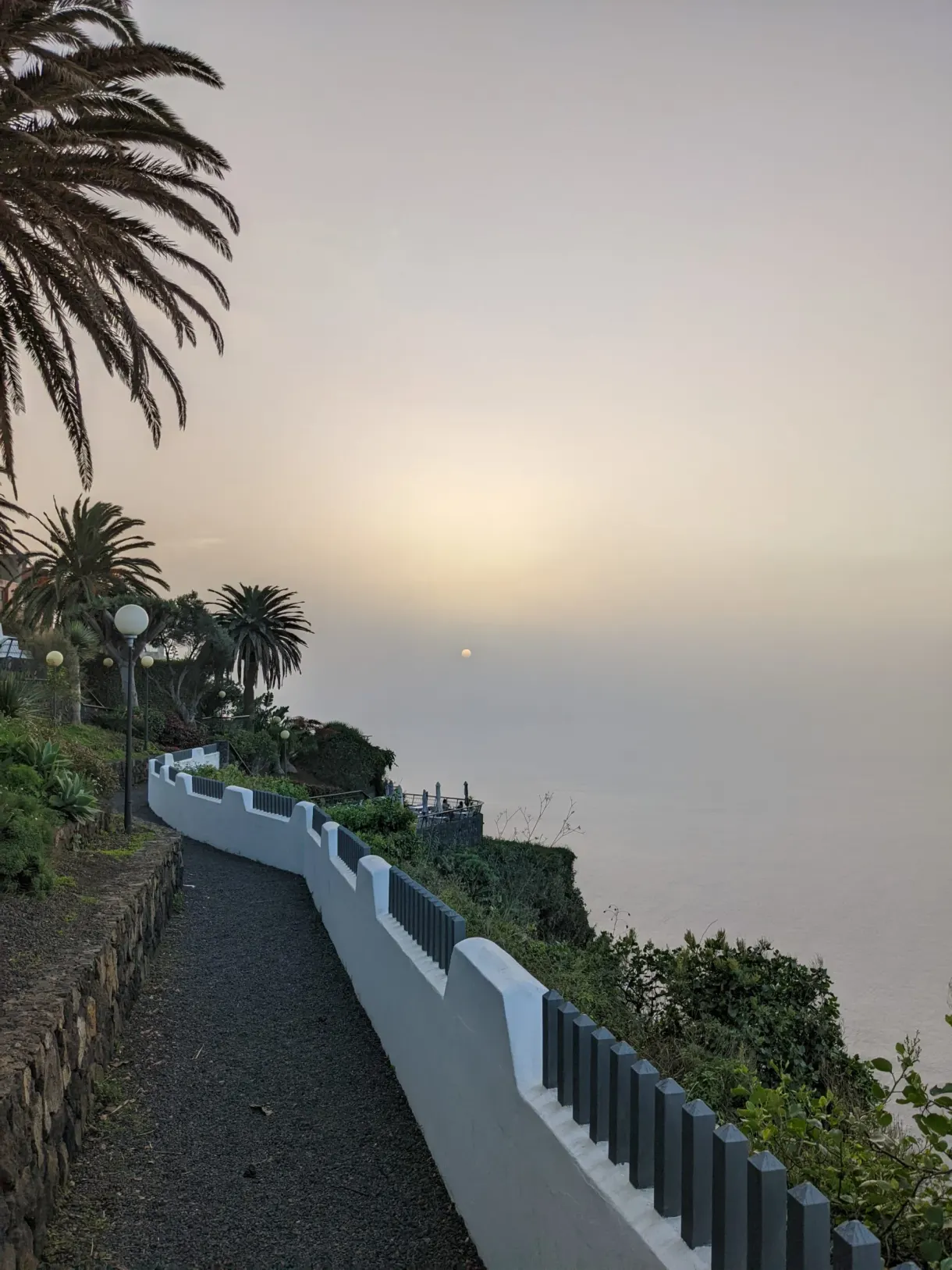
Note that we were there during a calima episode, which explains the hazy, misty look of the sky.
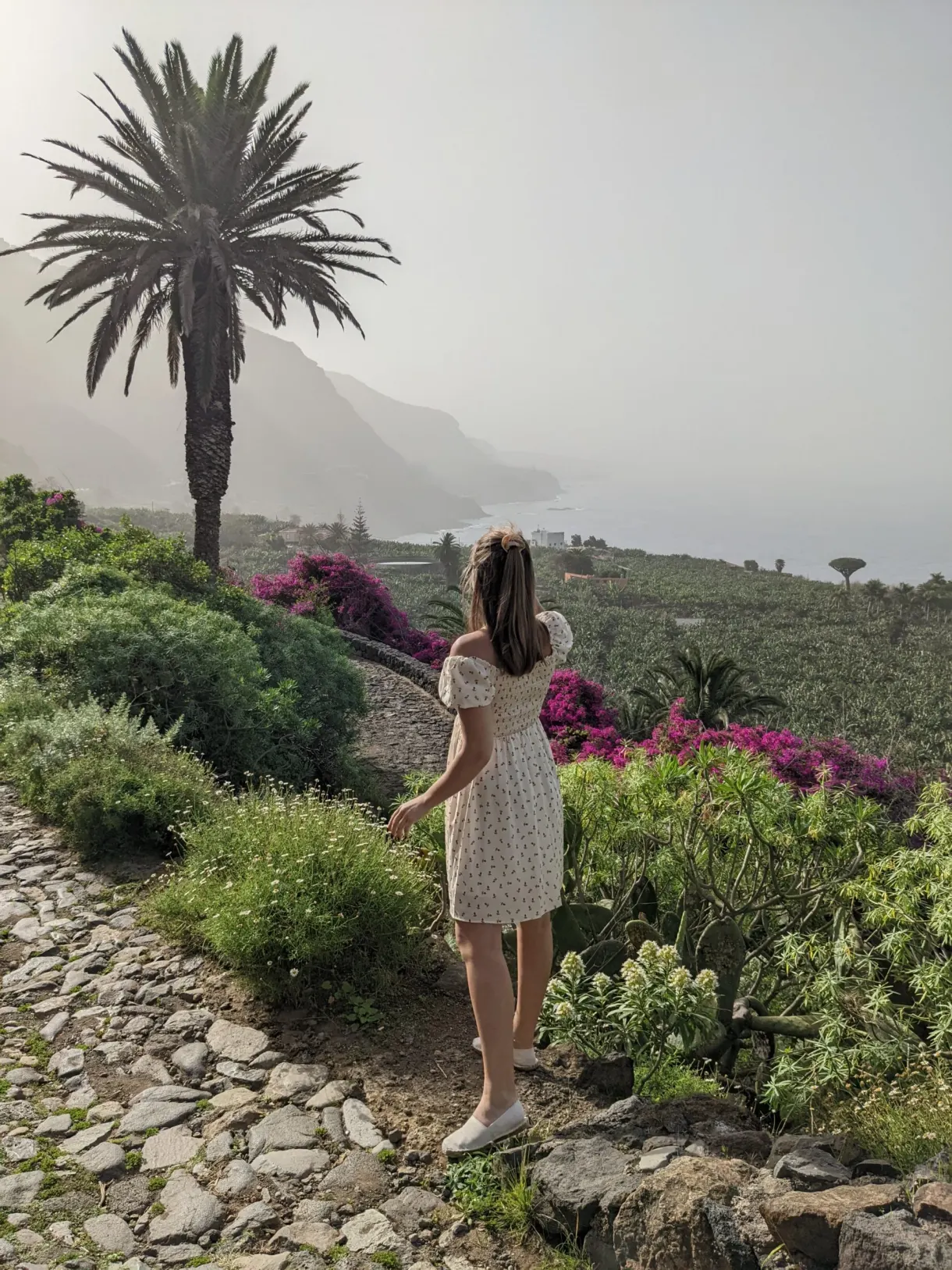
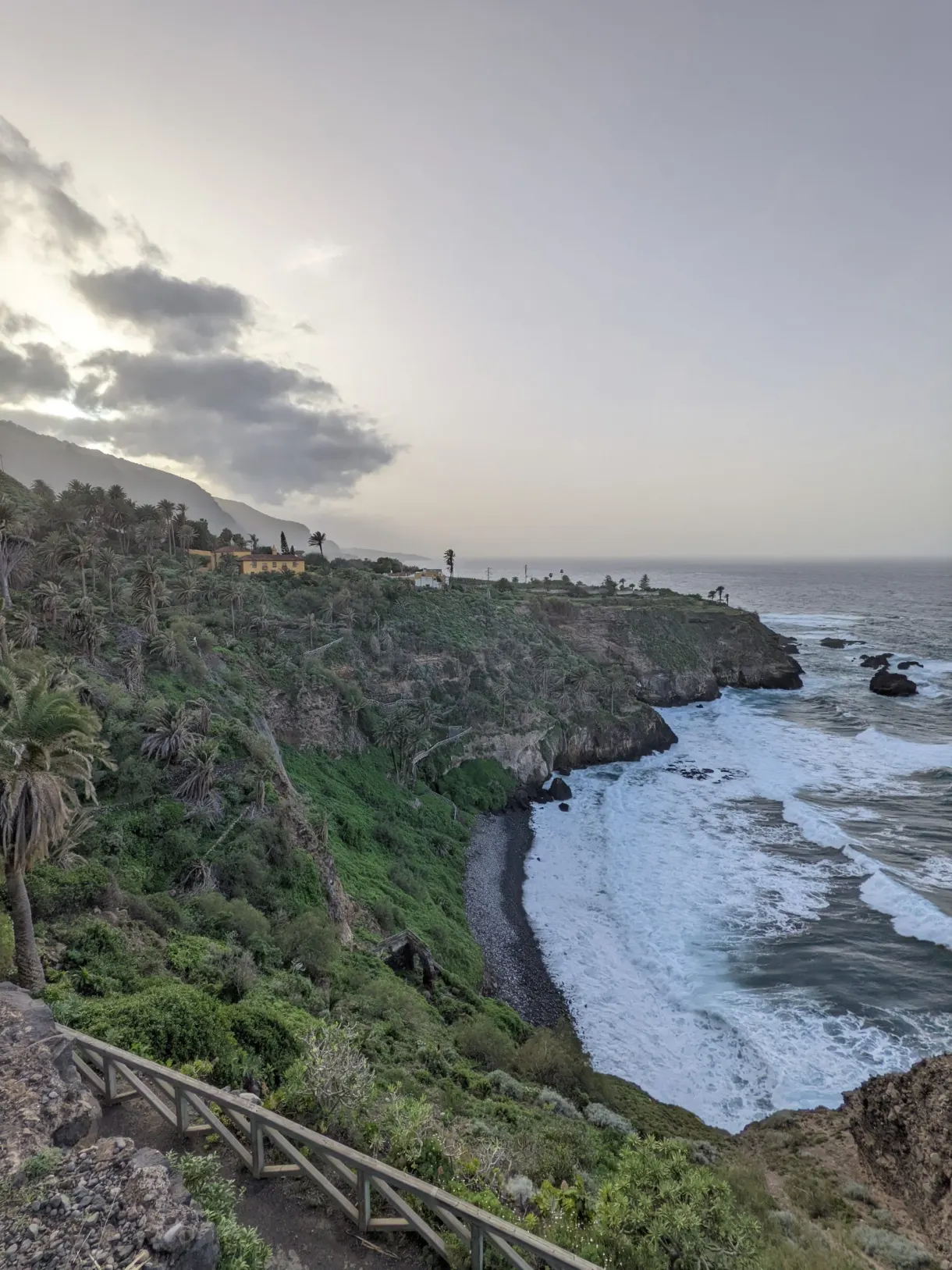
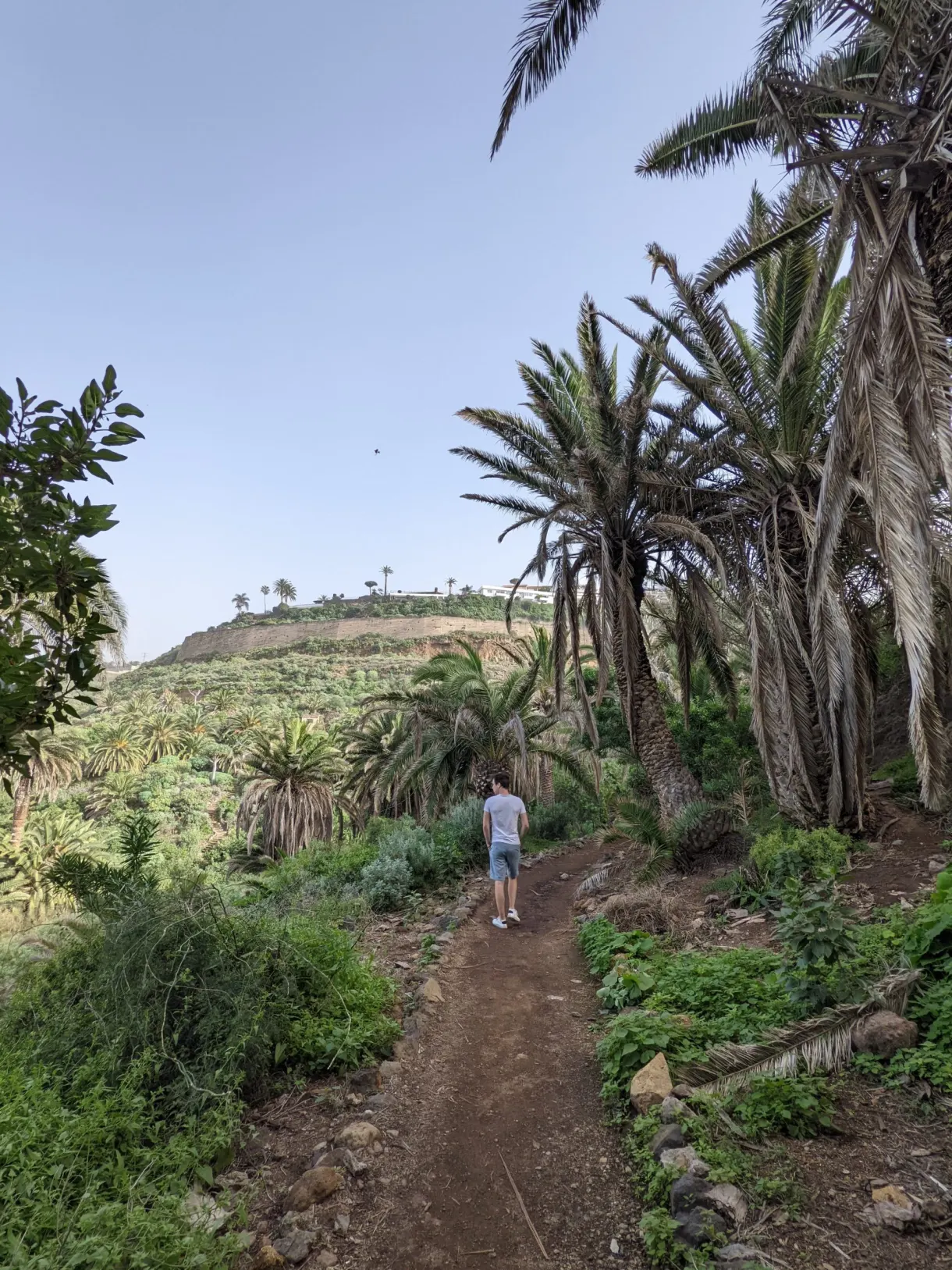
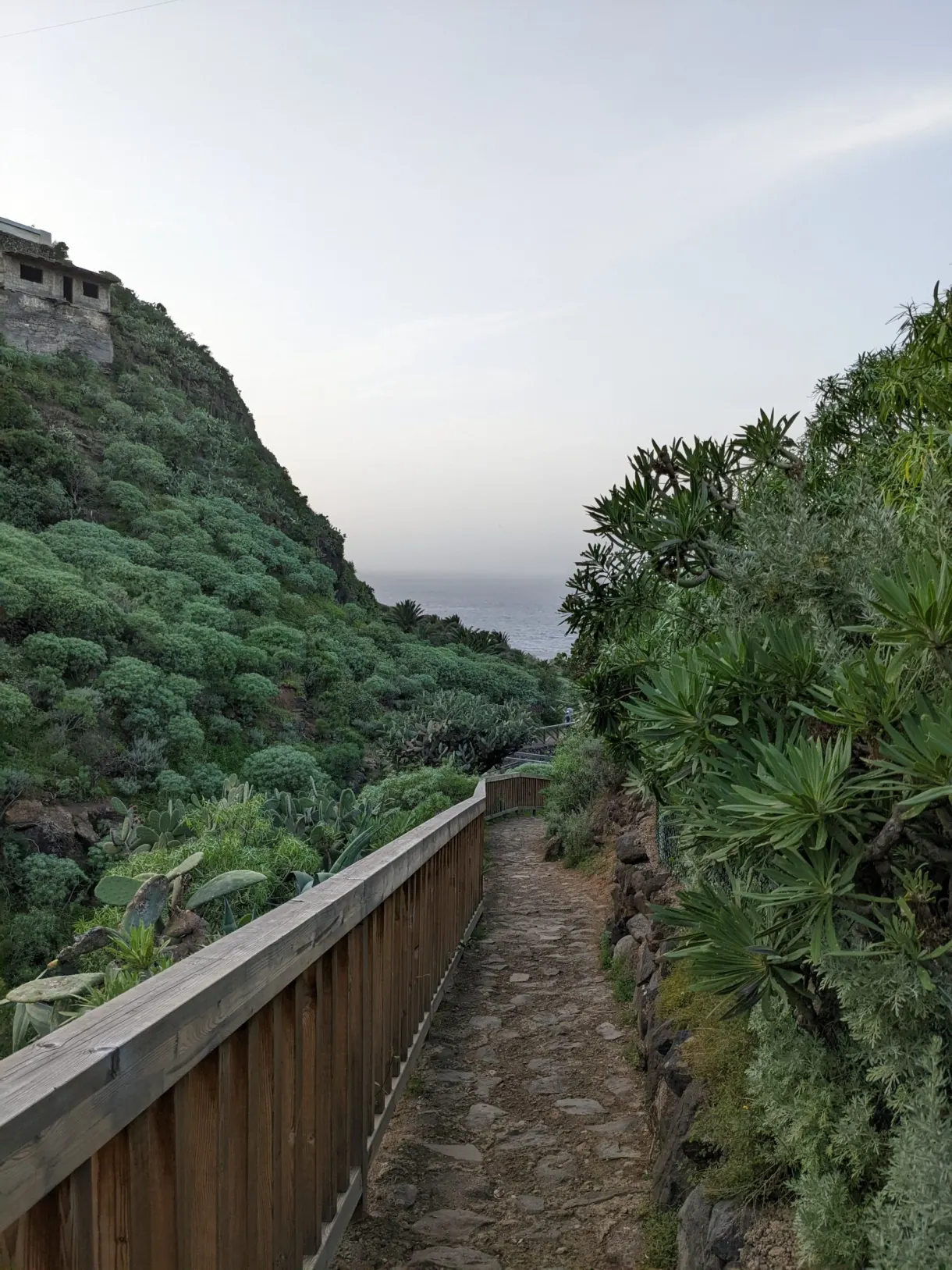
Playa El Bollullo and Barranco de la Arena
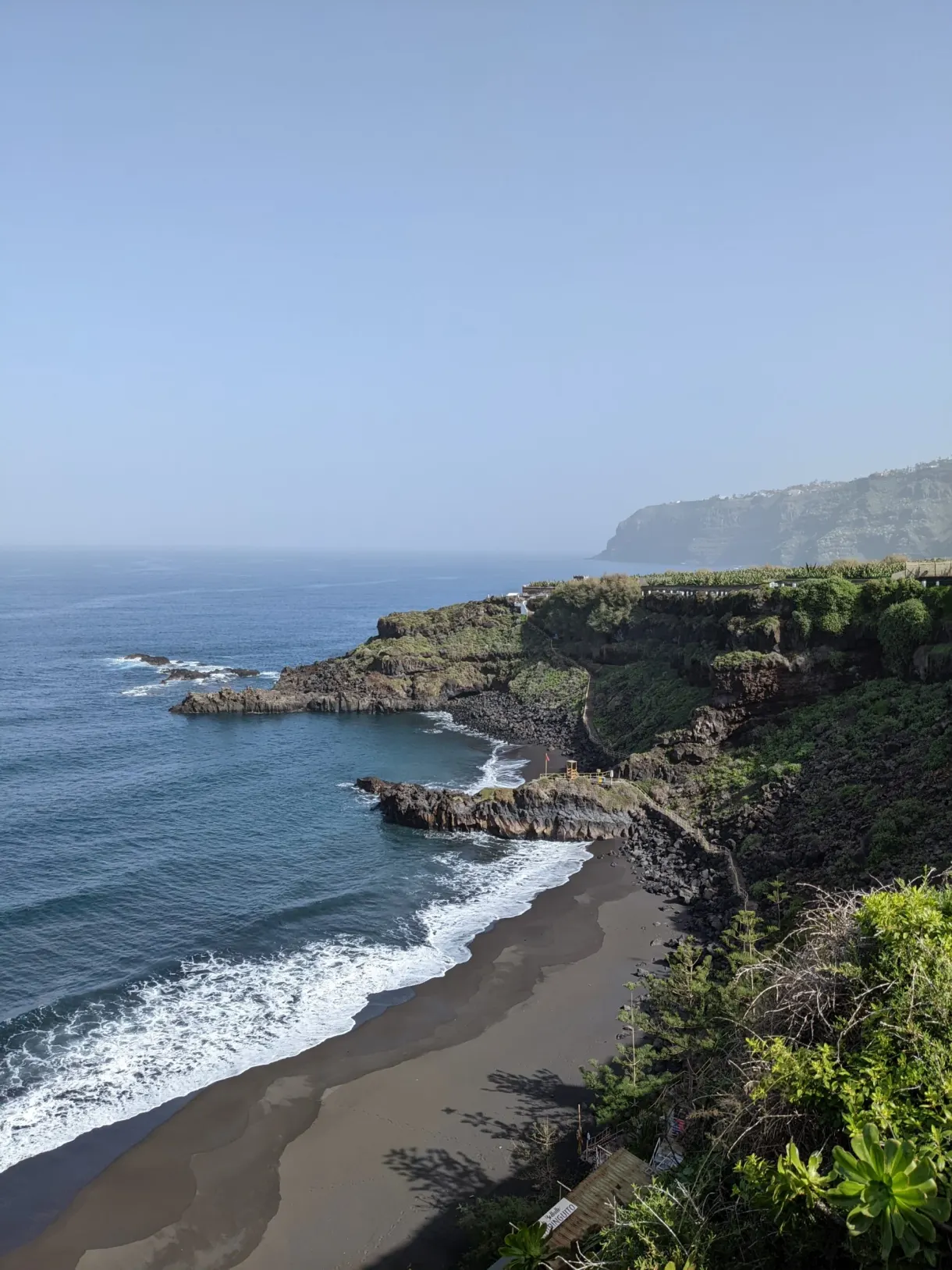
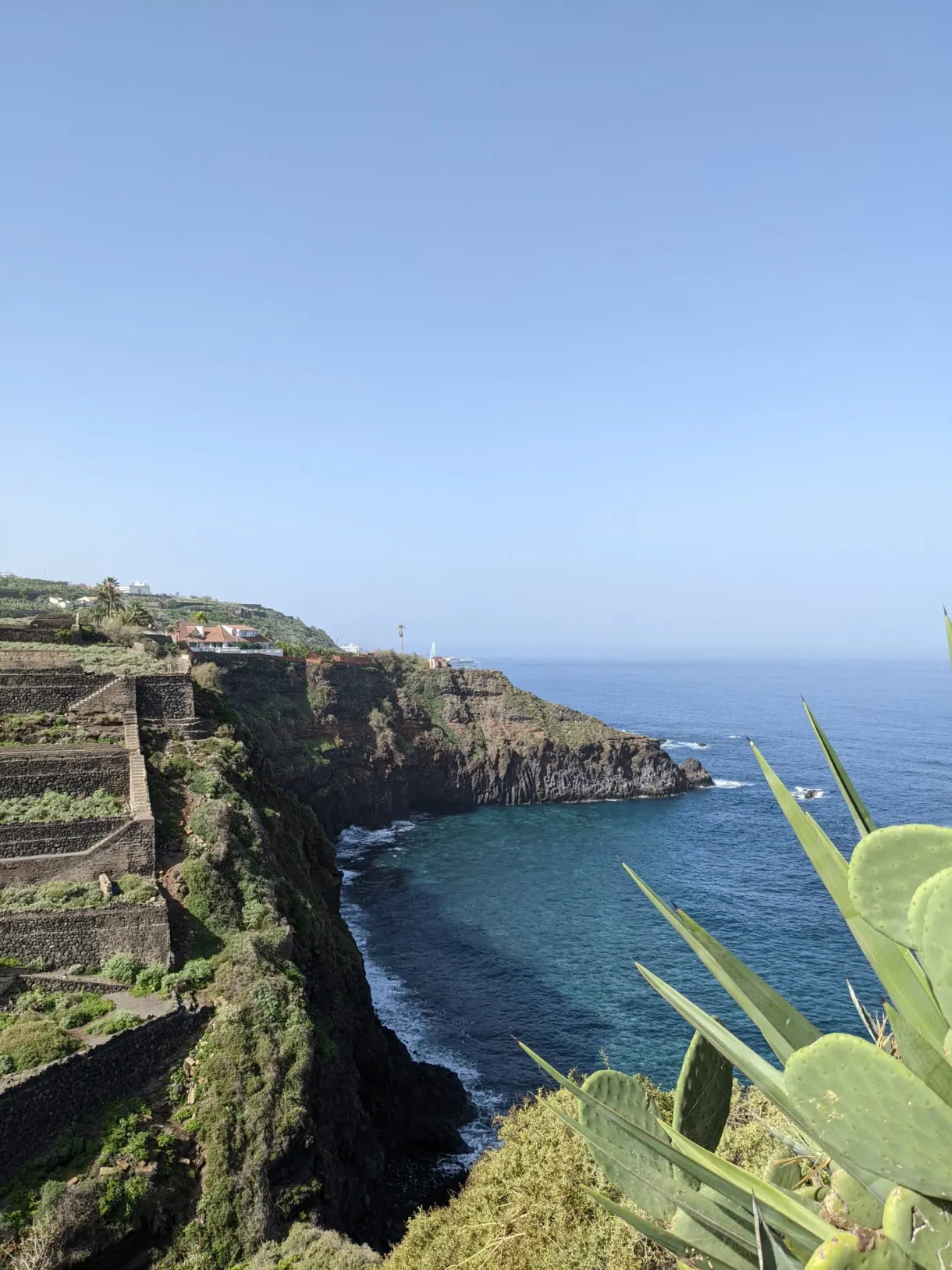
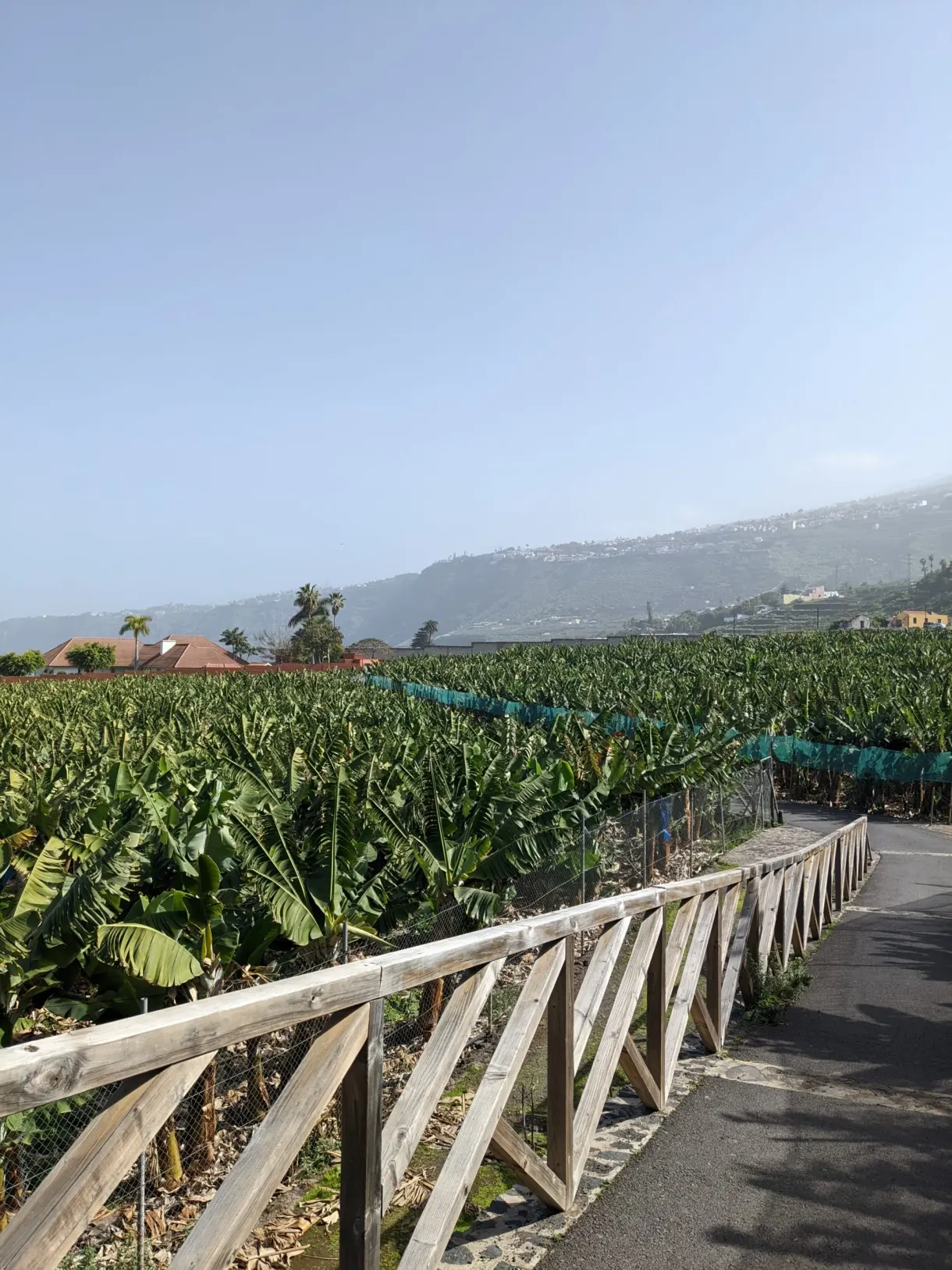
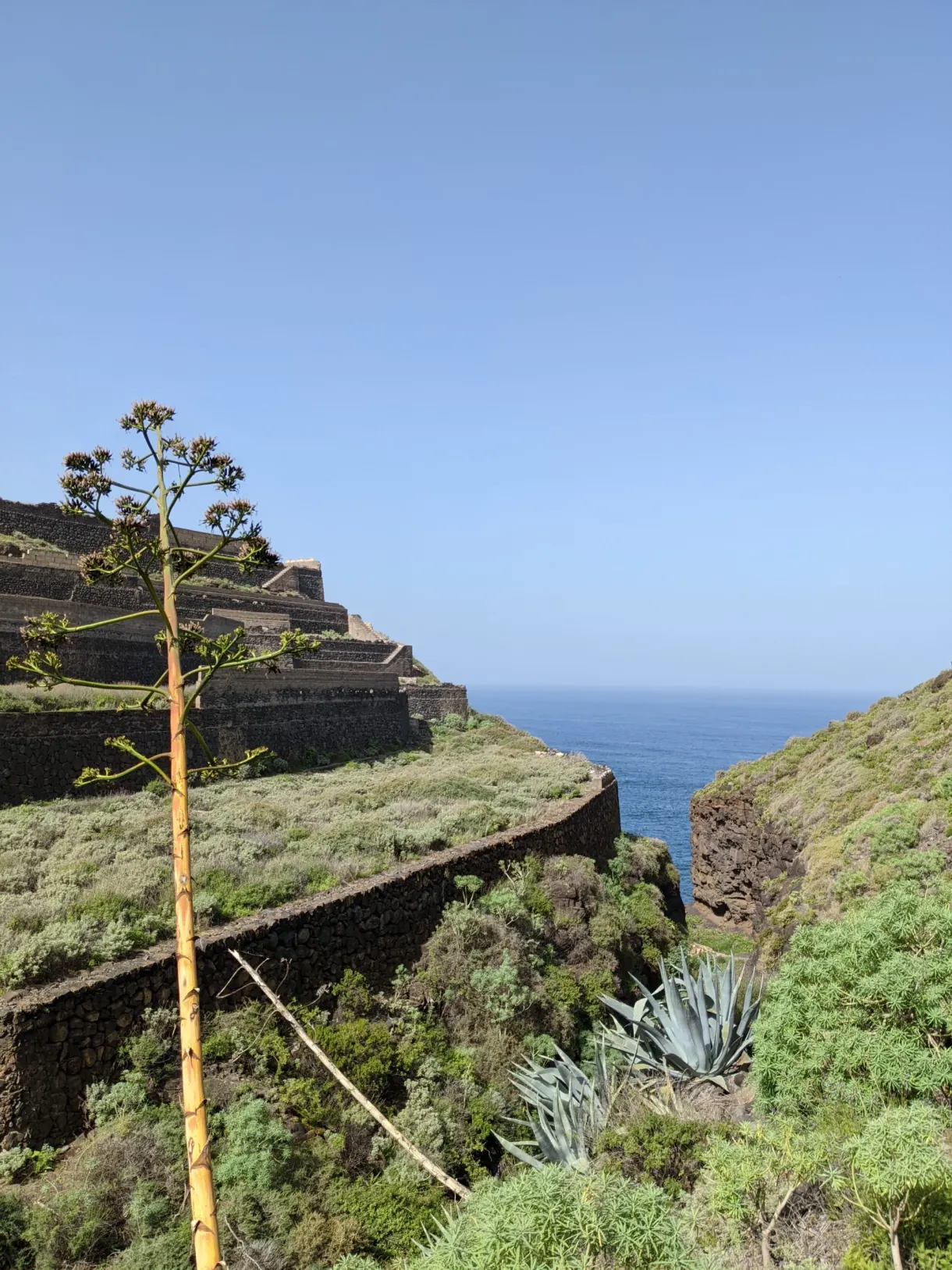
A magnificent place that isn’t often in the travel guides! It has to be said that the beach isn’t that easy to reach, because you have to take a very narrow and winding road. When we arrived, we parked (for free) in the car park of the Bollullo Beach restaurant. What sets this beach apart is the very dark colour of its sand, almost black. From there (to the left as you leave the car park), we headed towards the Barranco de la Arena, a nature reserve with terraced crops and banana plantations. A truly magnificent place, easy to reach, that we highly recommend!
Mirador de la Garañona
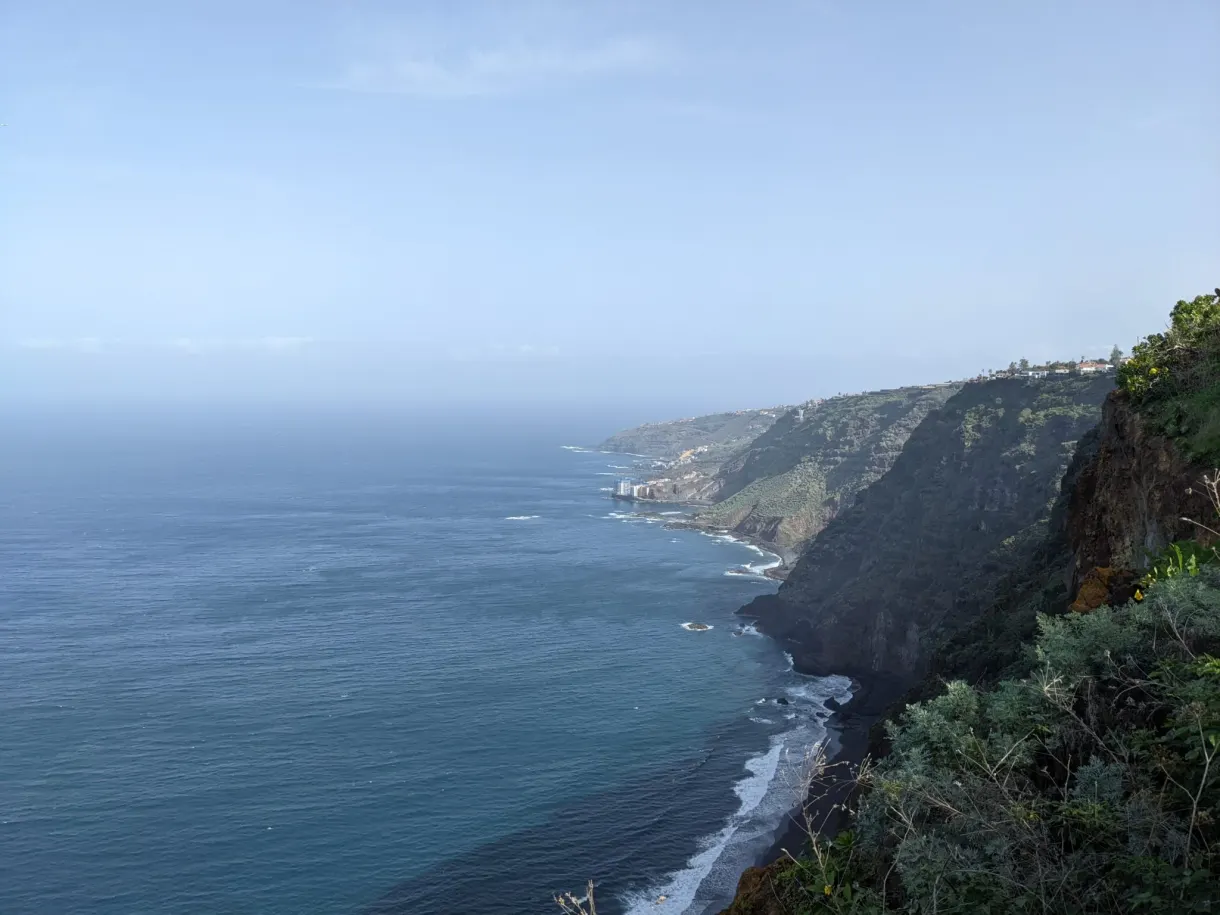
This well-laid-out mirador is in the residential area of El Sauzal and offers a magnificent view over the coasts in the north of the island. There’s even a little café on the mirador’s terrace. Not to be missed if you’re heading towards San Cristóbal de La Laguna, for example! We went there twice, several days apart, because on our first visit the sky was completely hazy because of the calima.
The big towns of the north coast
Puerto de la Cruz
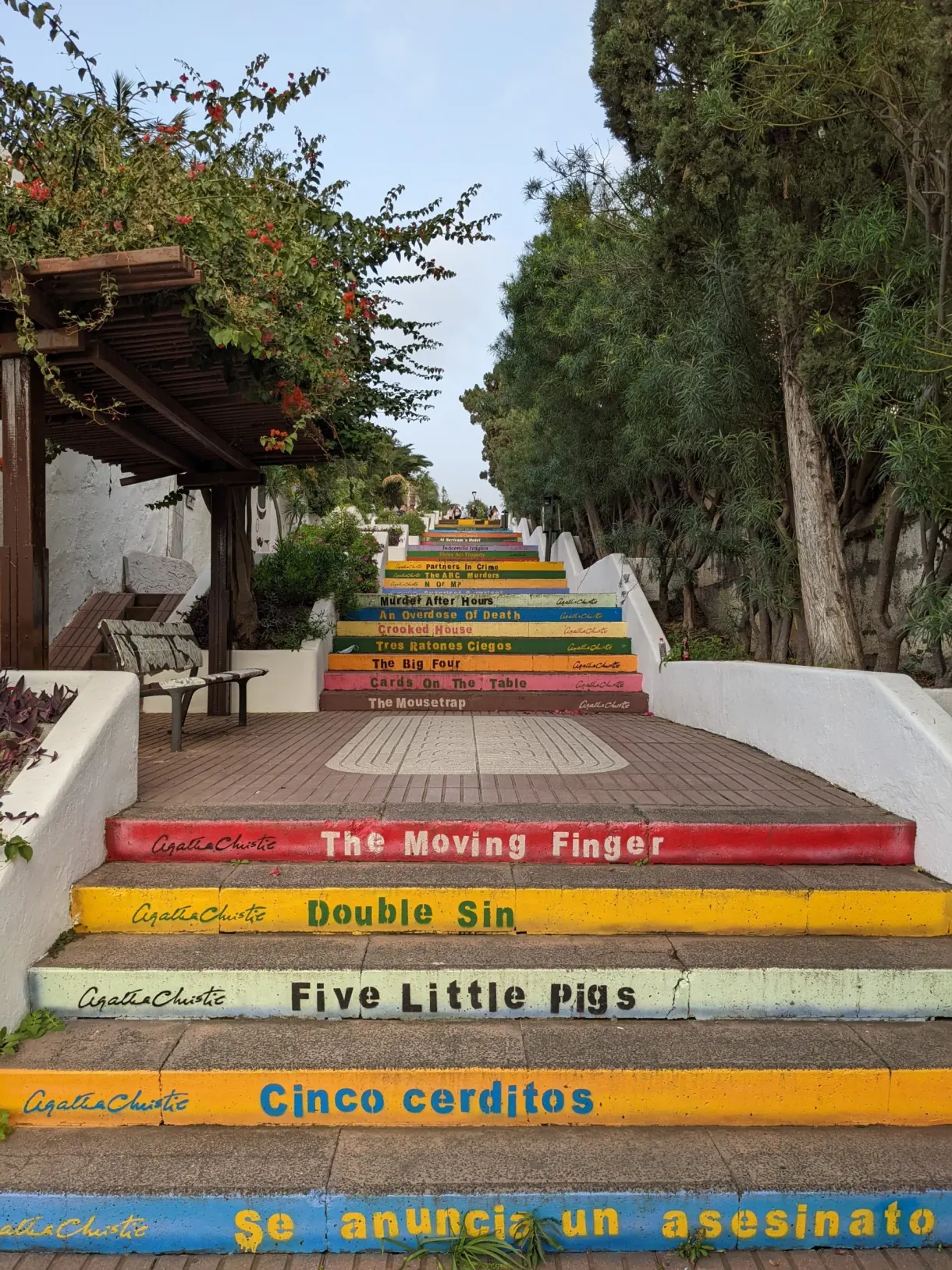
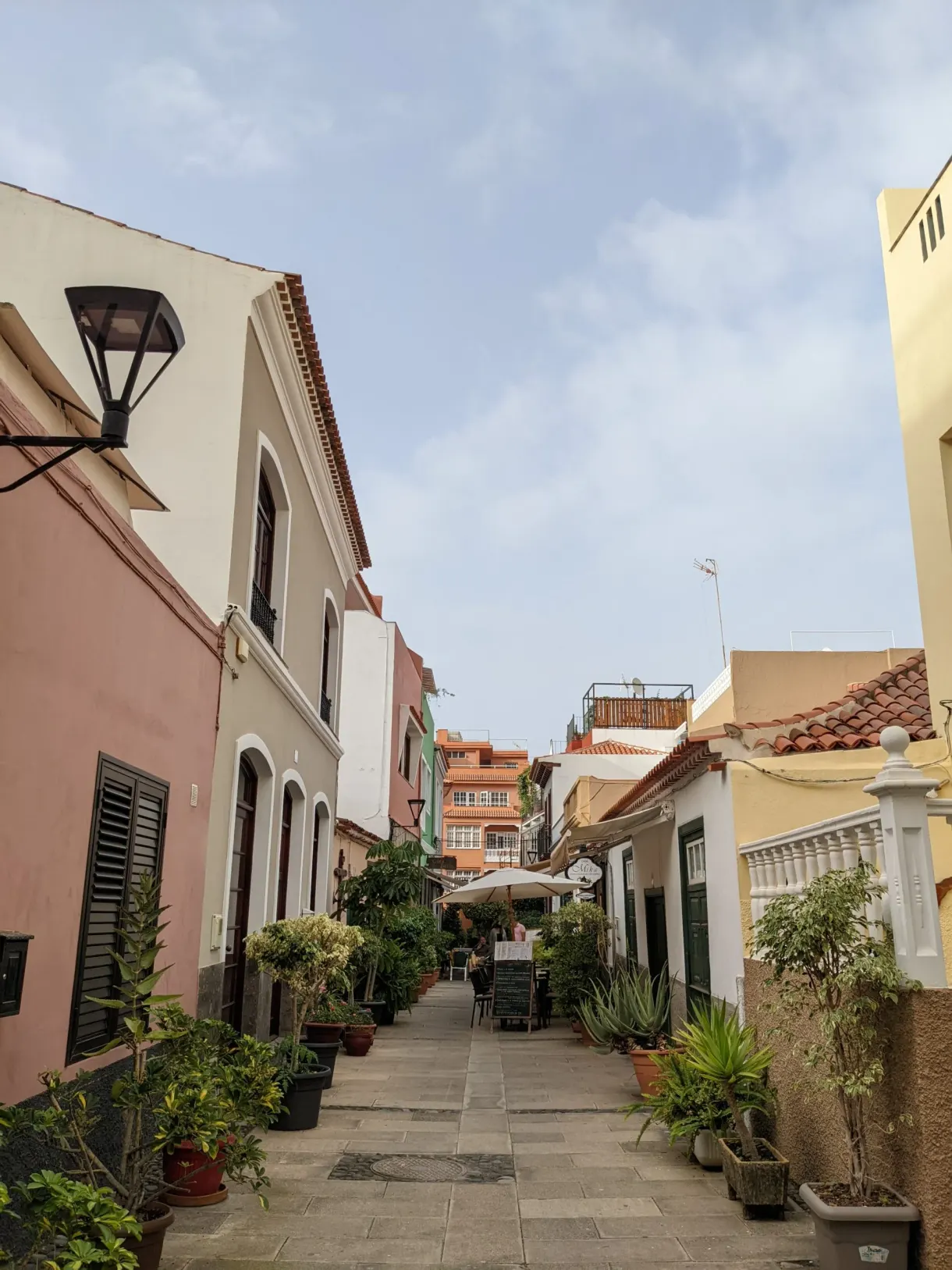
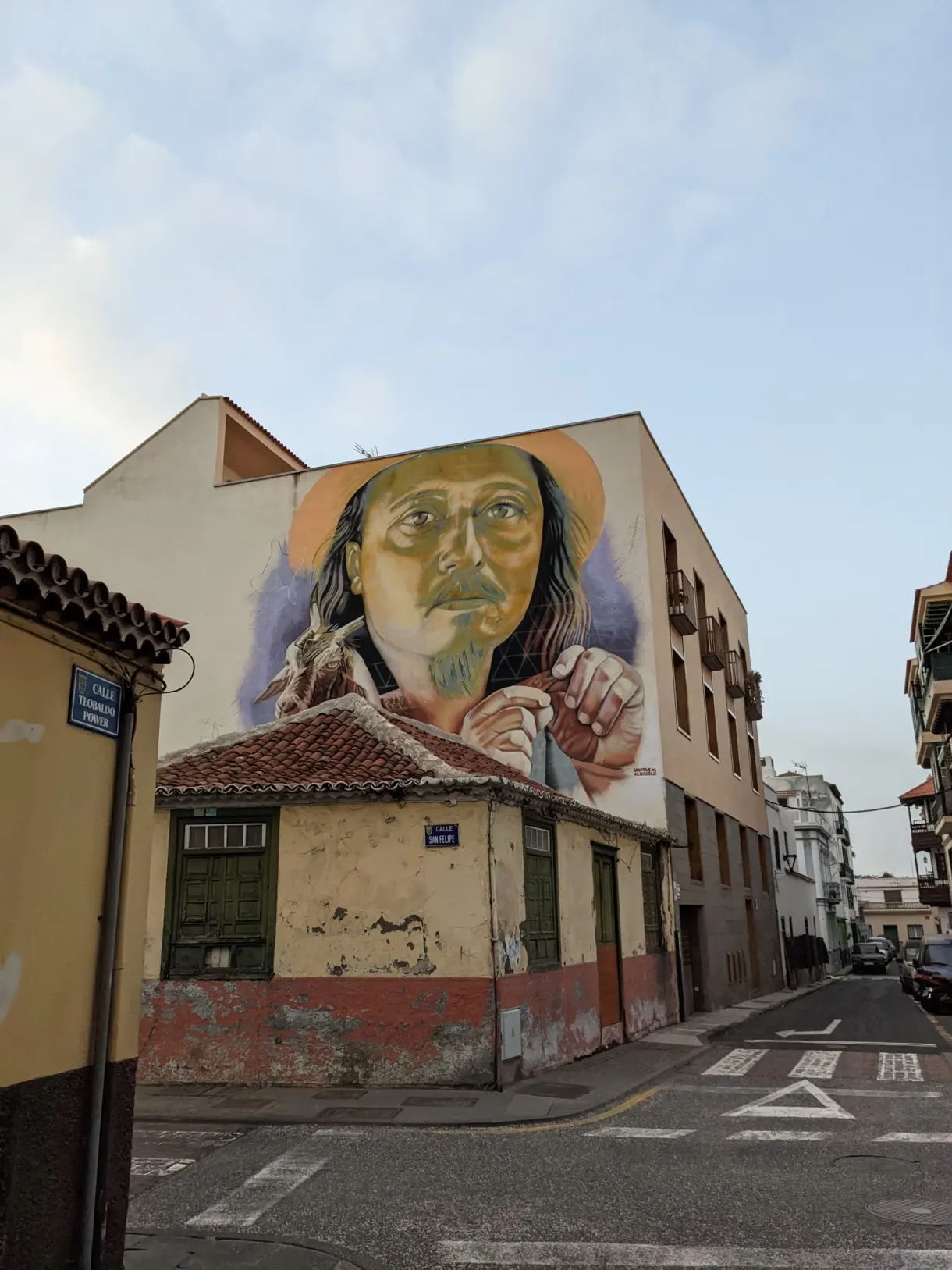
At first glance, Puerto de la Cruz looks like a touristy seaside town, far too concreted over and built up. But you quickly realise it has far more to offer than its big hotels and its tall buildings. The small historic centre with its colourful houses and its lanes (calle Mequinez, calle Teobaldo Power, calle de la Verdad…) is really worth seeing, especially since it holds excellent restaurants! The town has hosted illustrious figures such as Agatha Christie, who gave her name to the colourful steps up on the heights. At the top of these steps is the mirador de la Paz, which offers an overall view of the town.
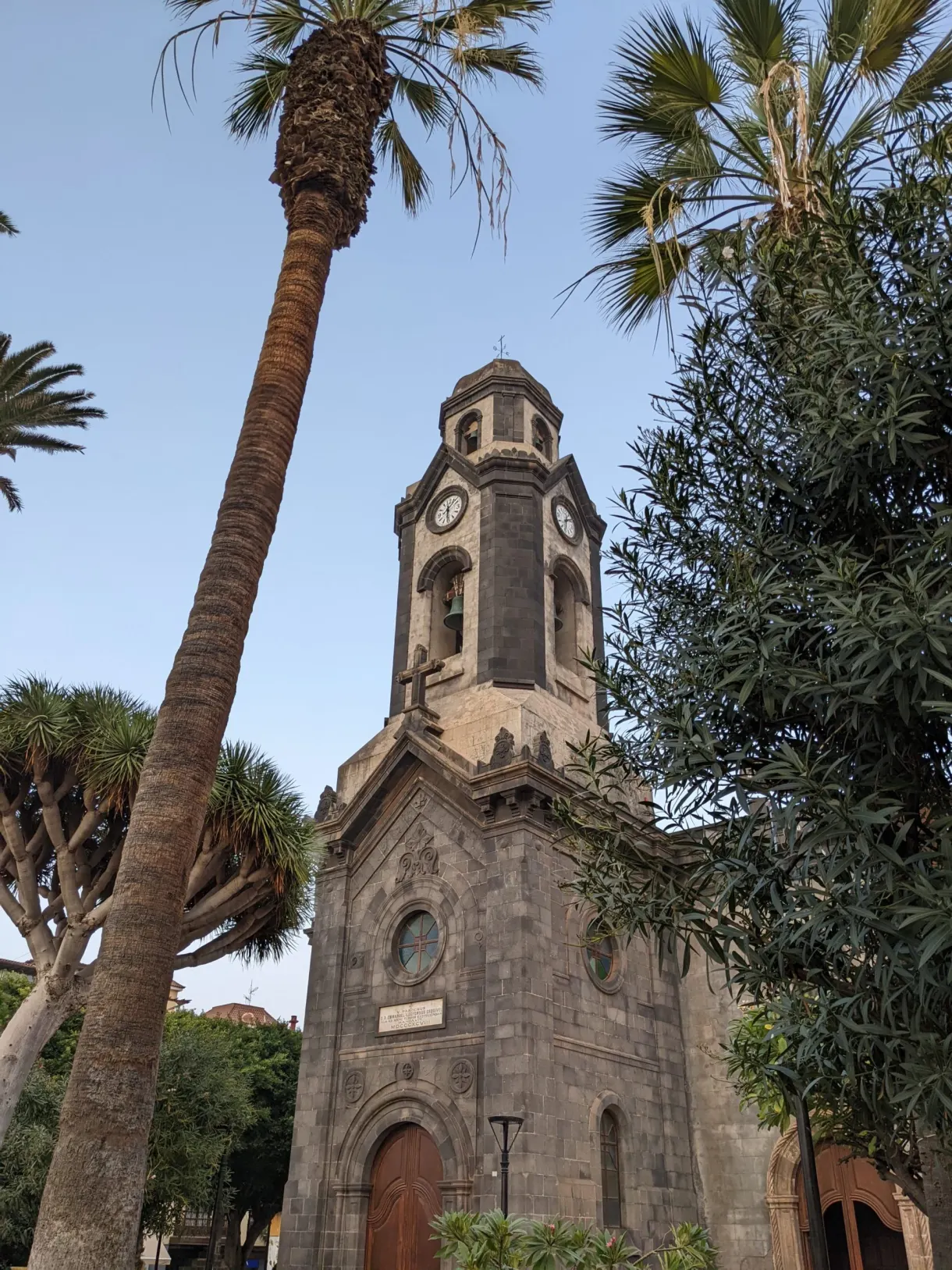
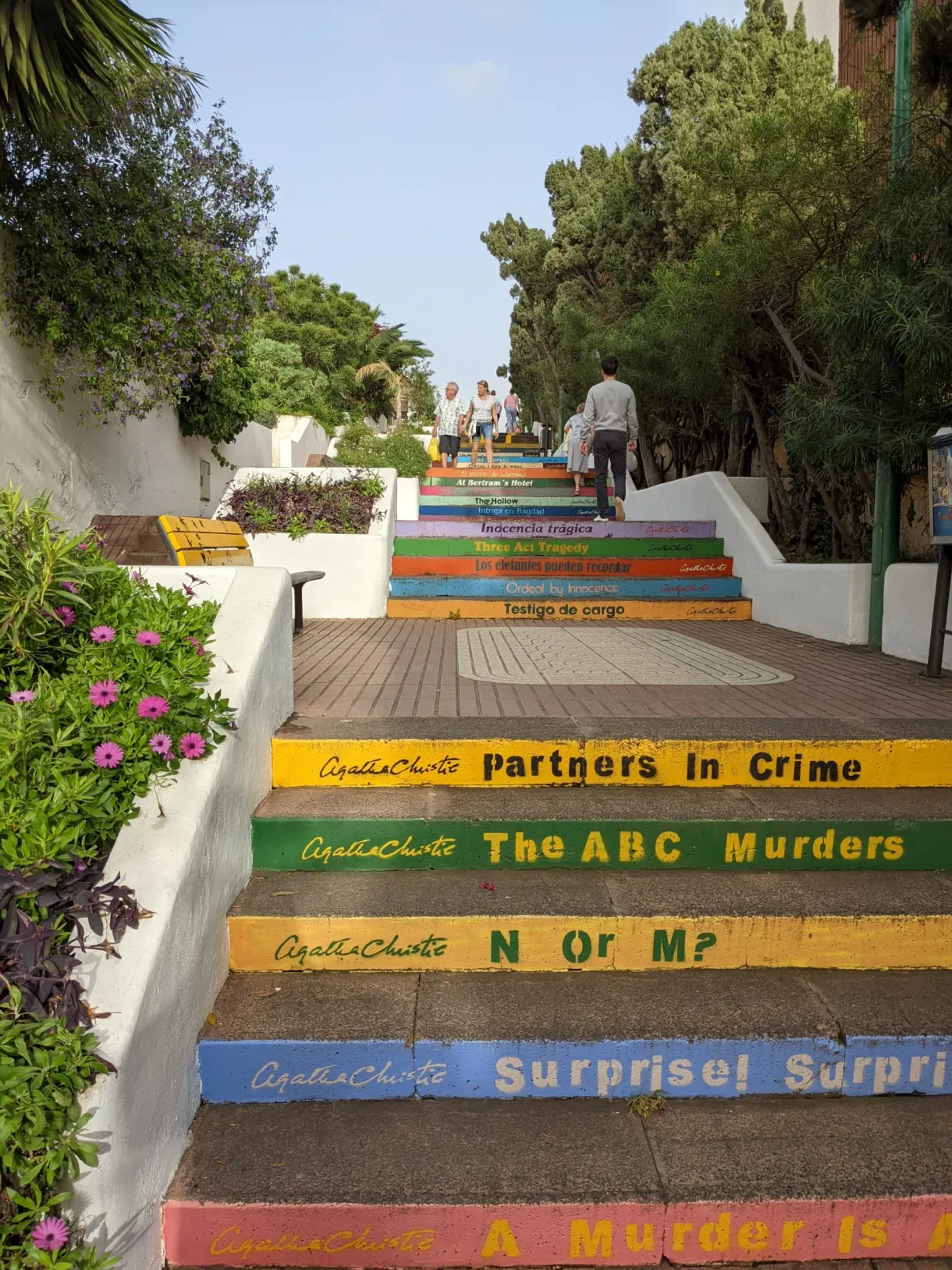
La Orotava
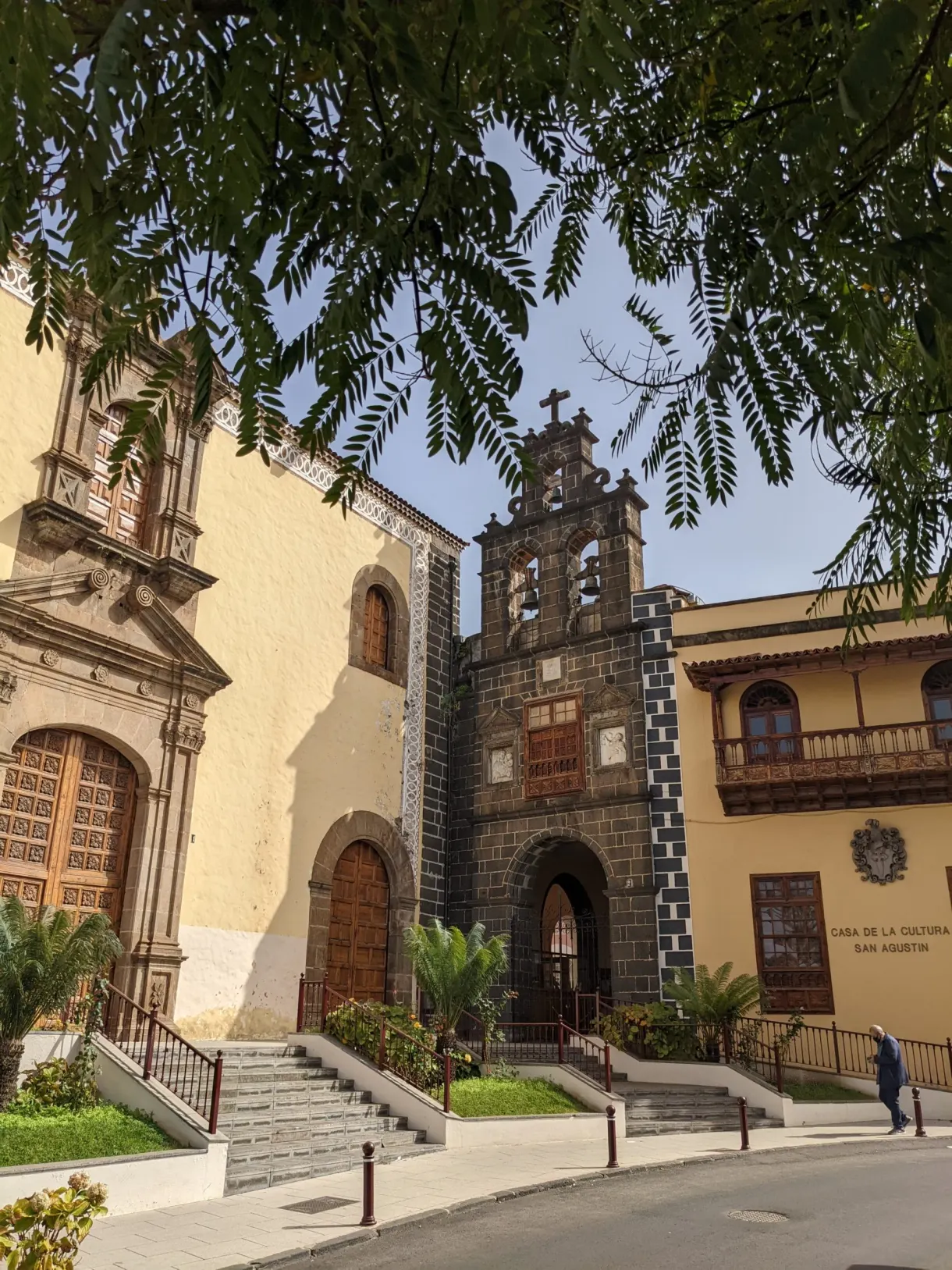
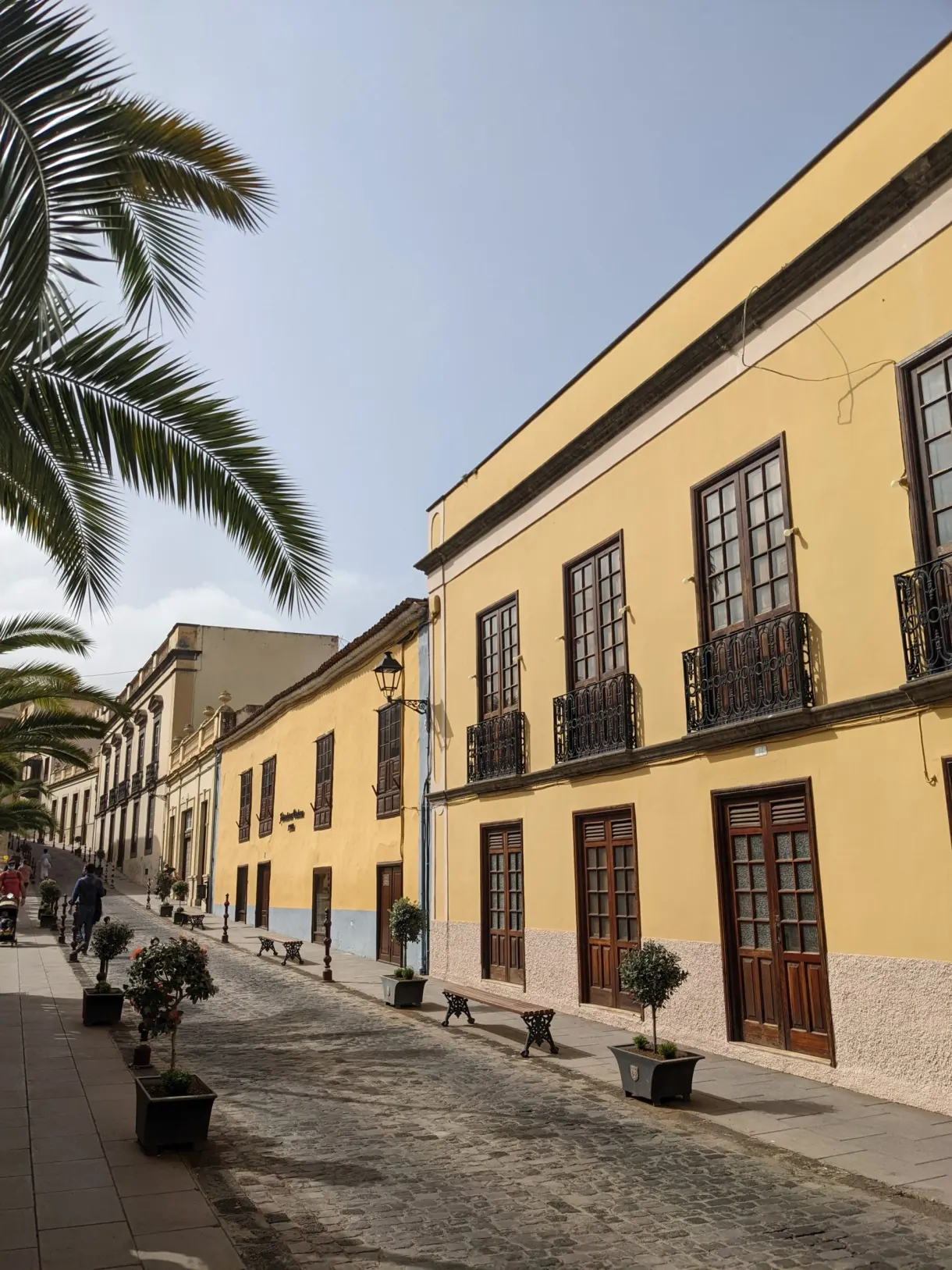
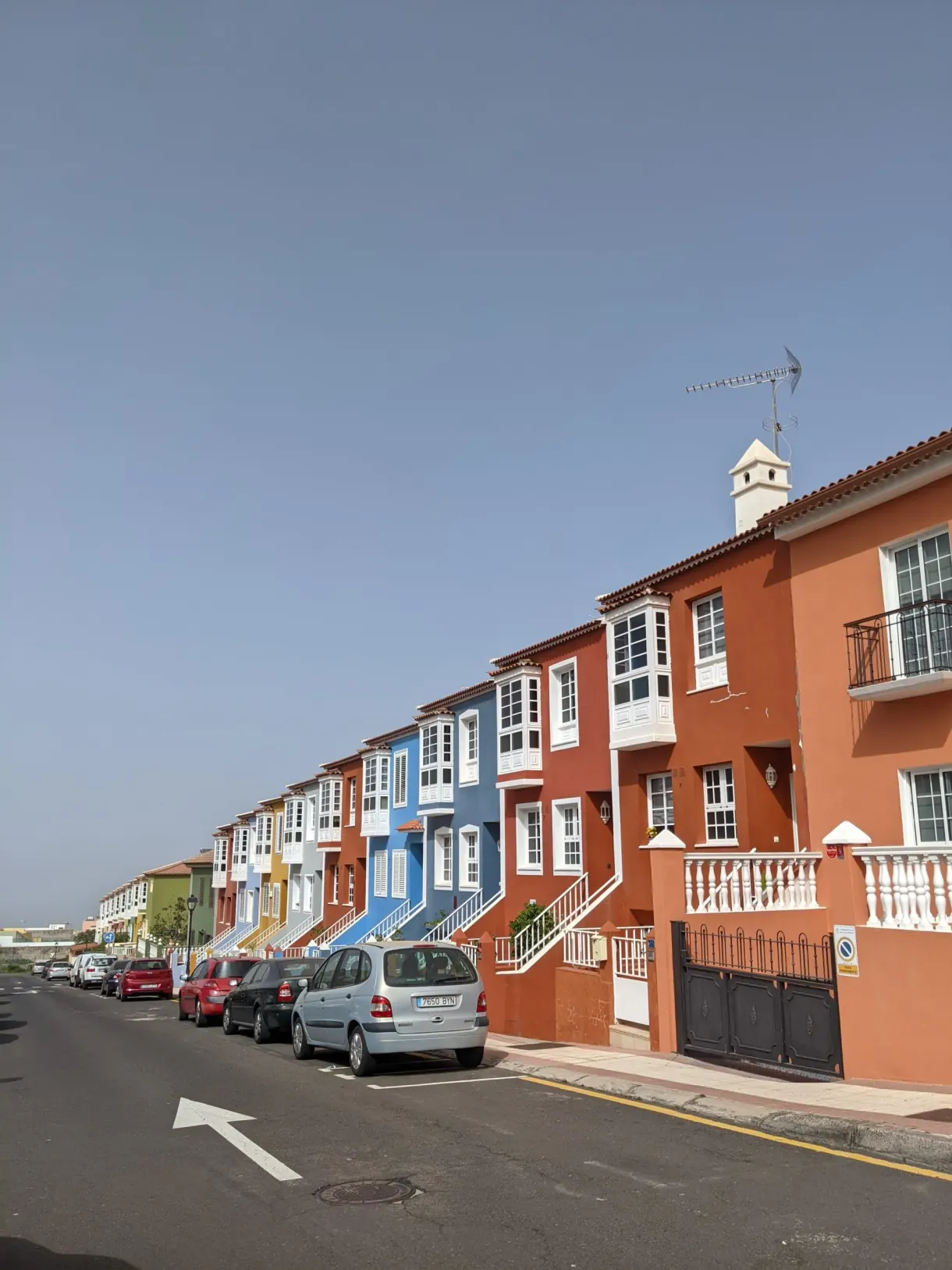
The town we liked best in Tenerife! The historic heart is really beautiful, well preserved and well kept. Not to be missed: the Victoria gardens, the Nuestra Señora de la Concepción church and, a bit further down, the colourful residential quarter towards the Calle El Drago. Don’t hesitate to devote half a day to the town, to take the time to wander the lanes and stop off in one of its good pâtisseries.
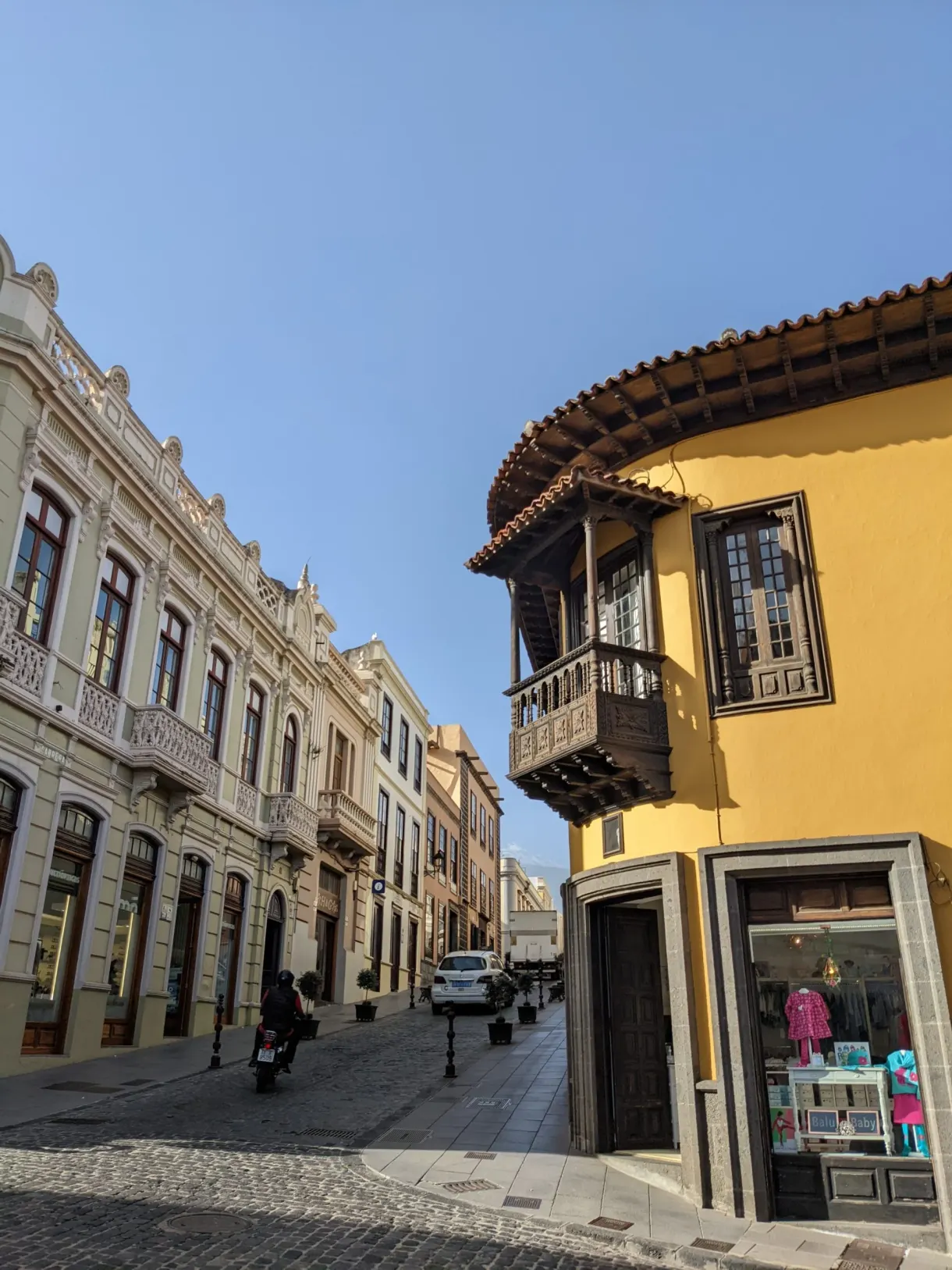
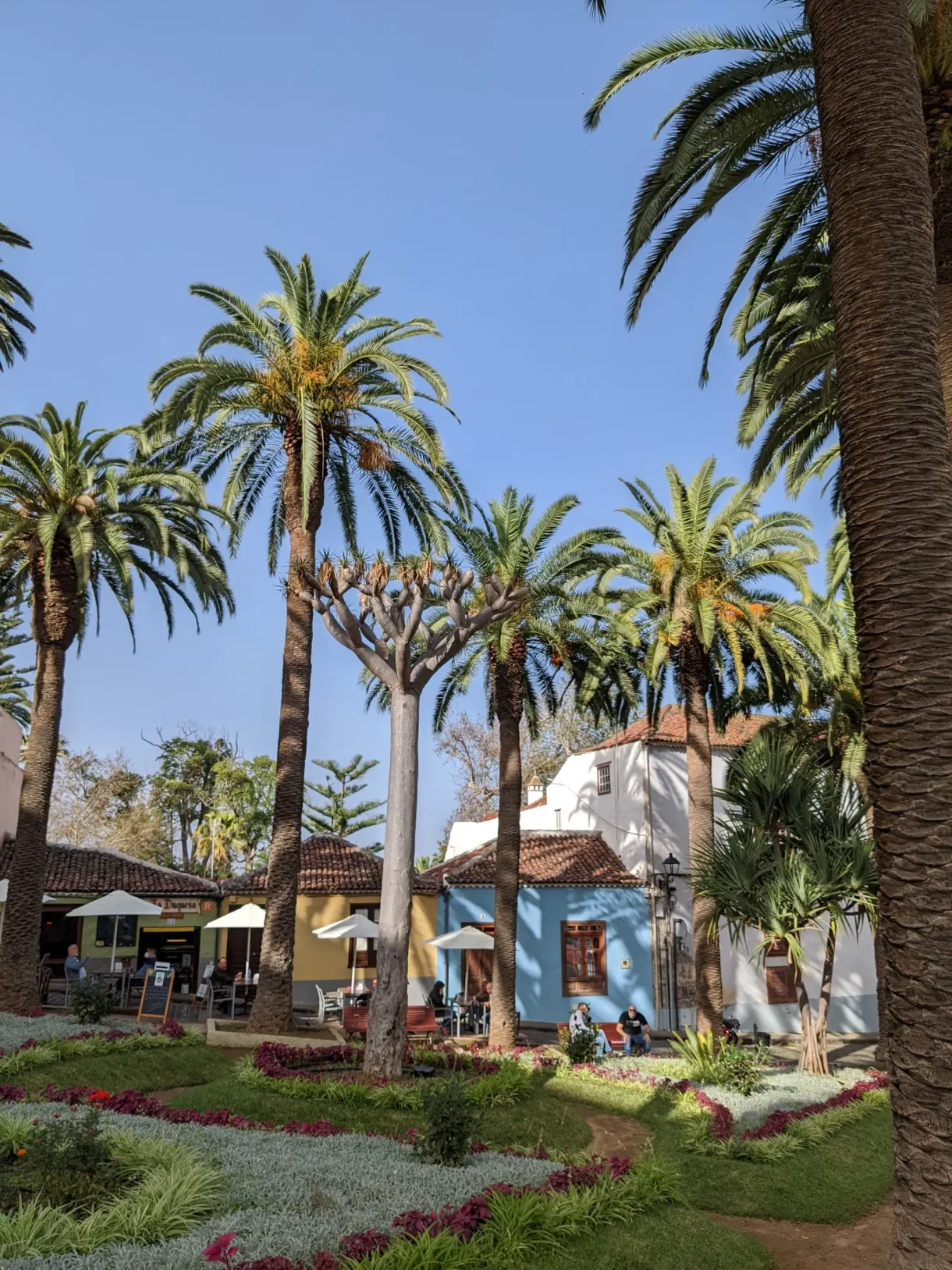
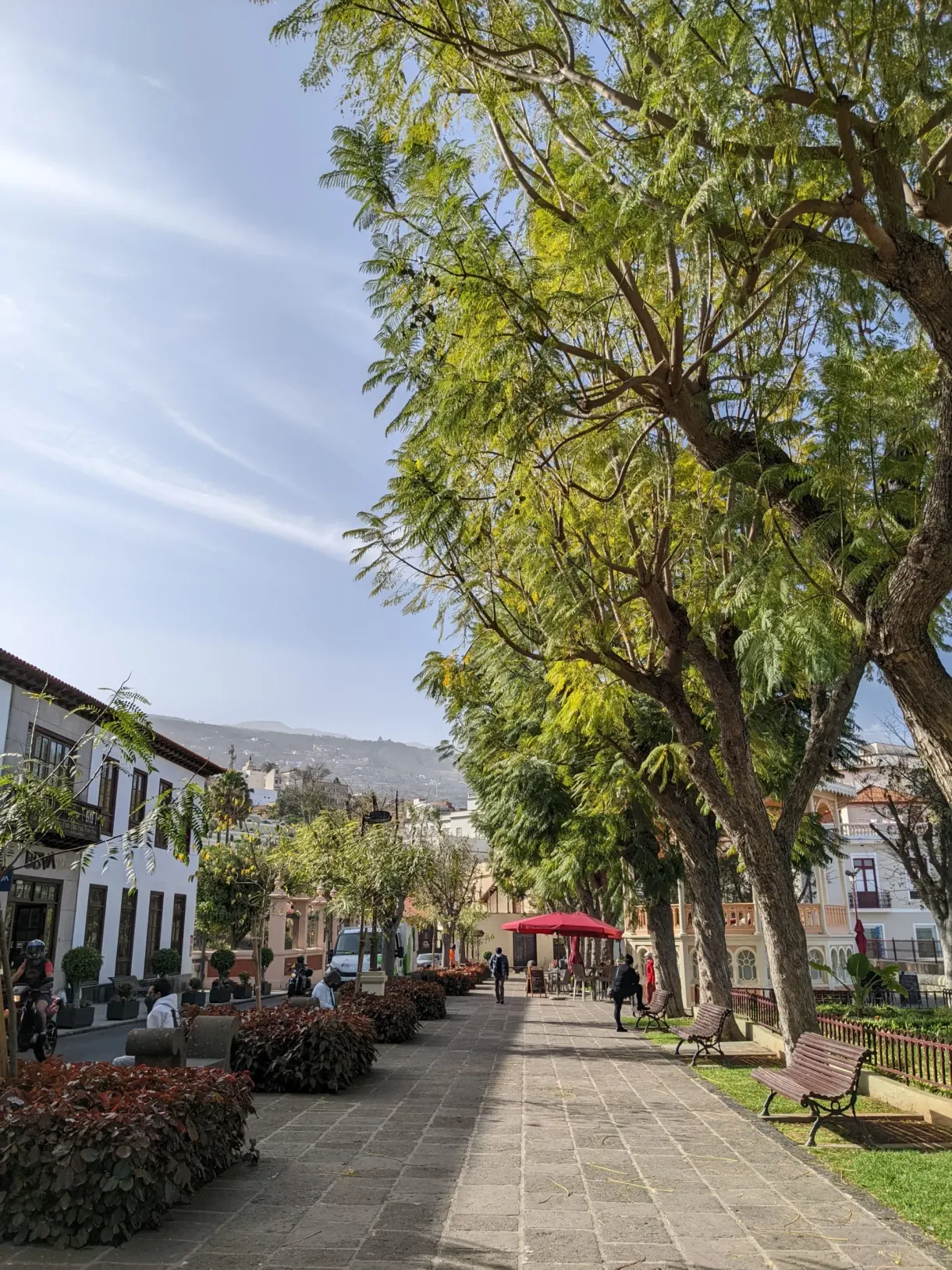
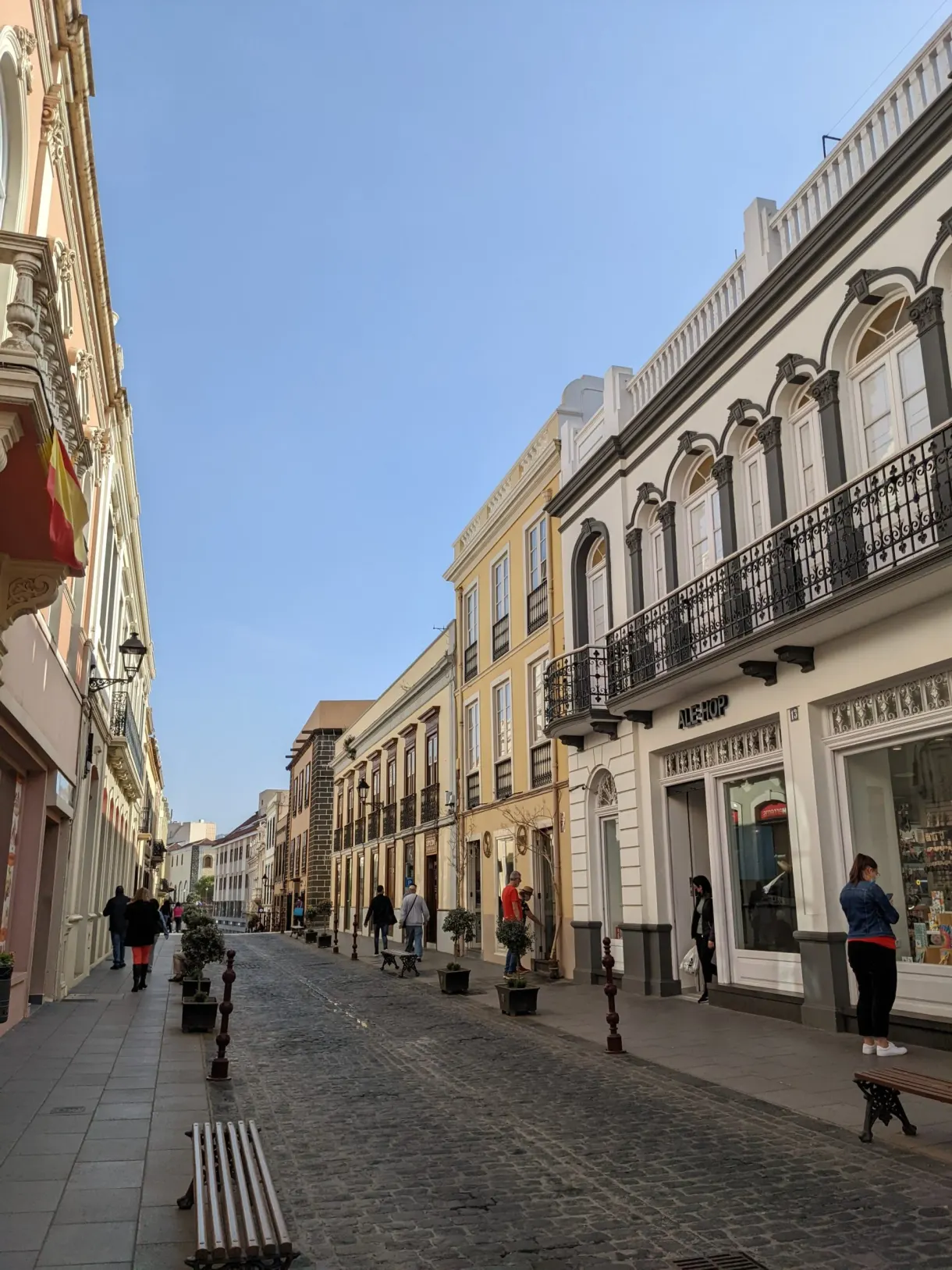
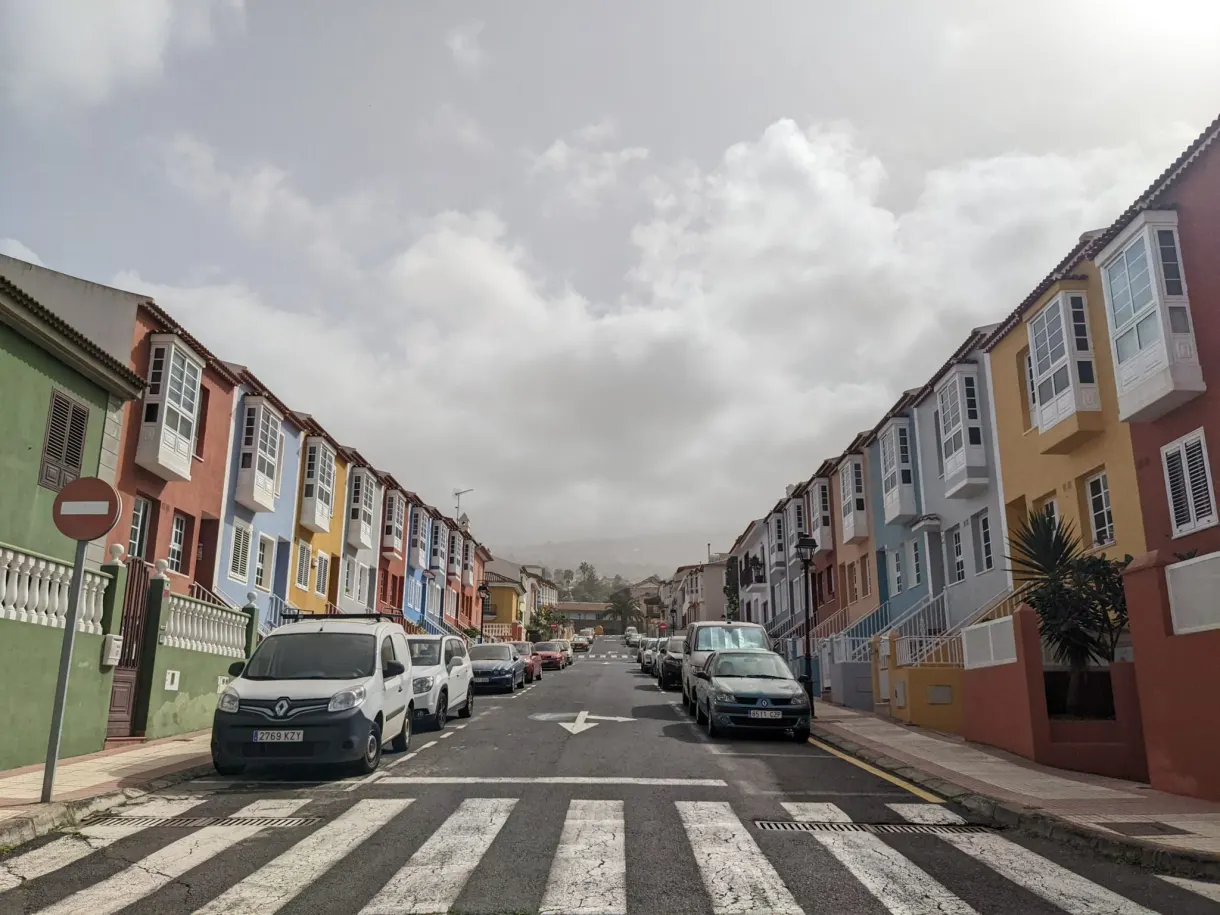
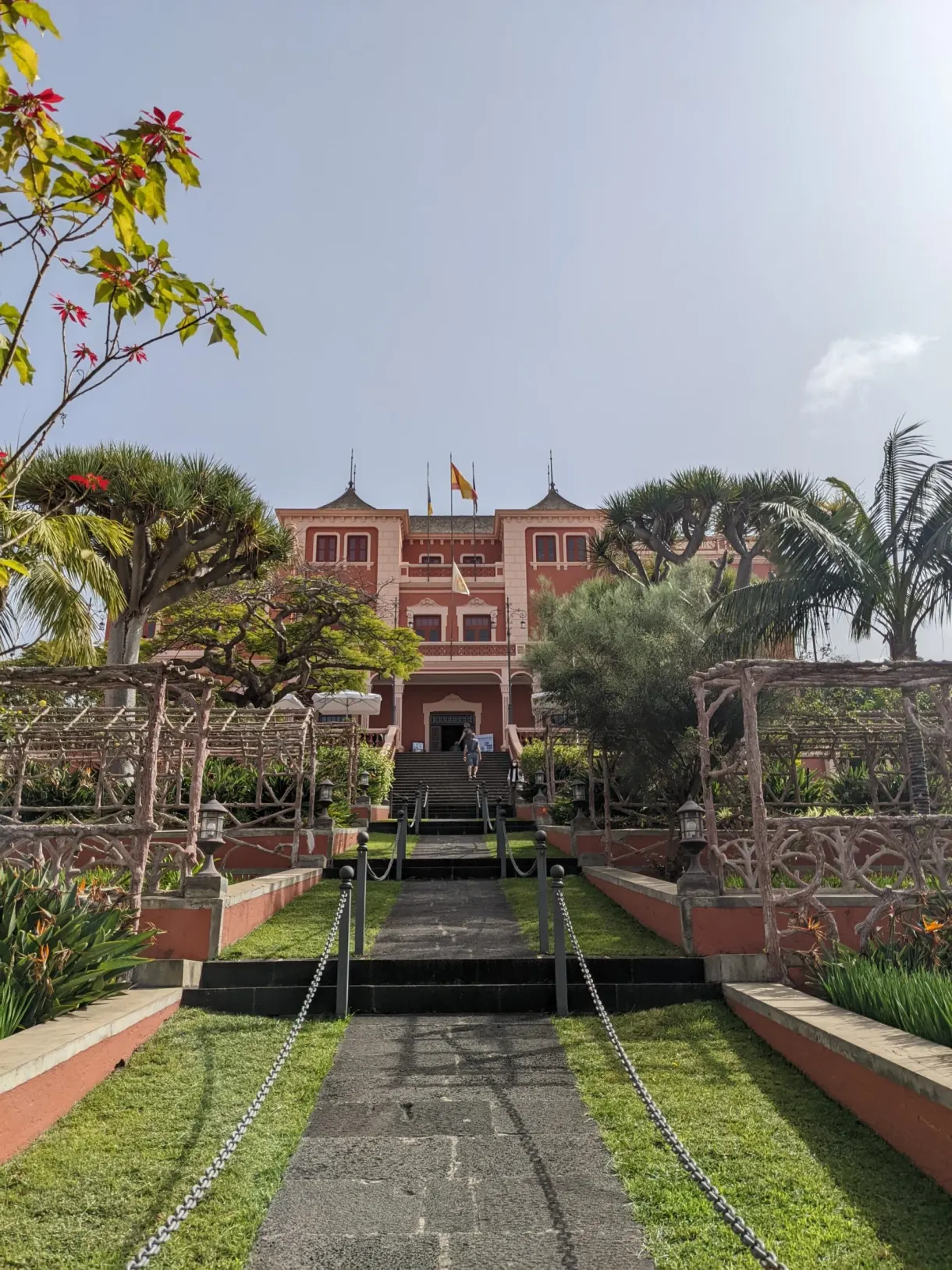
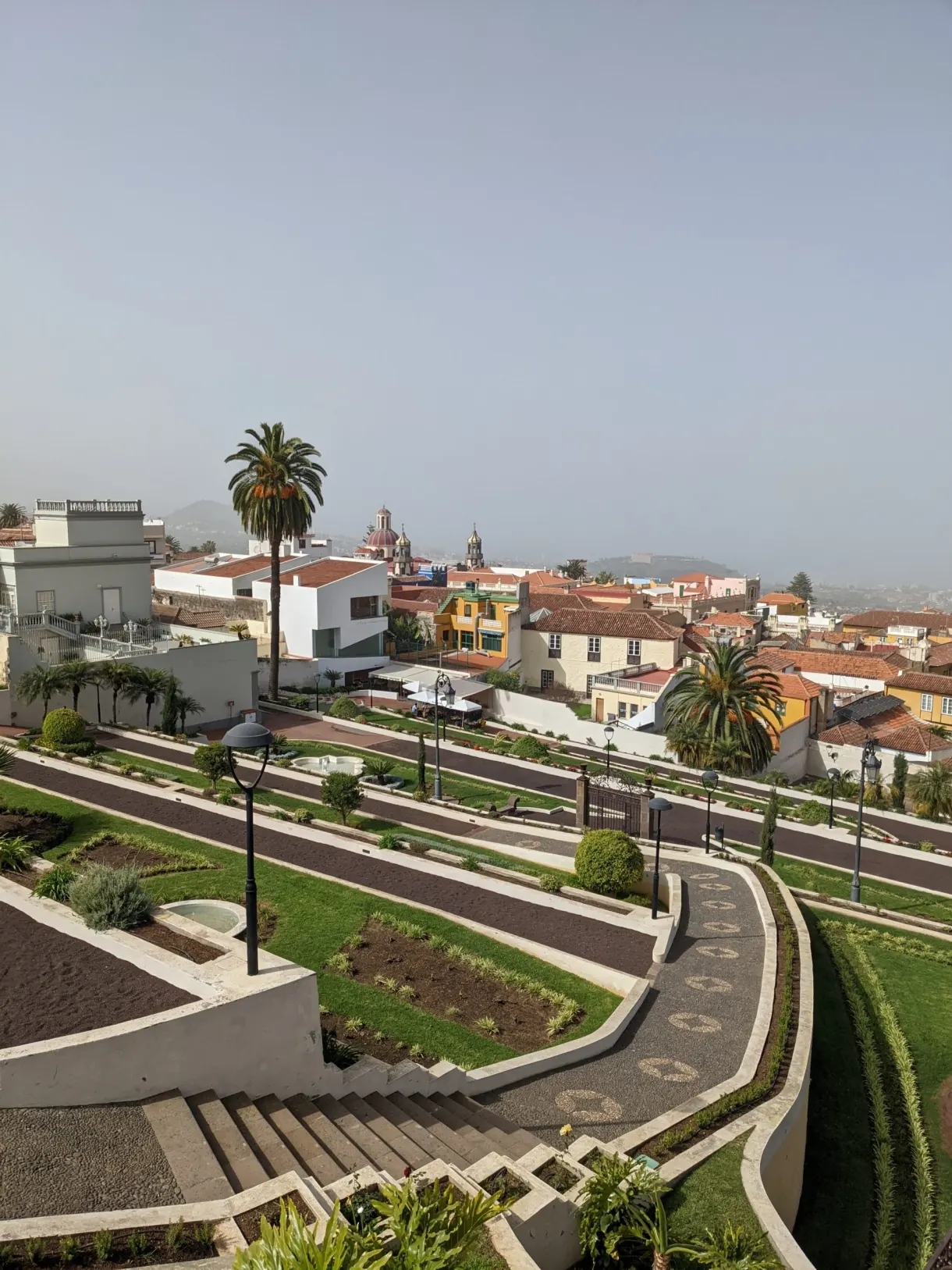
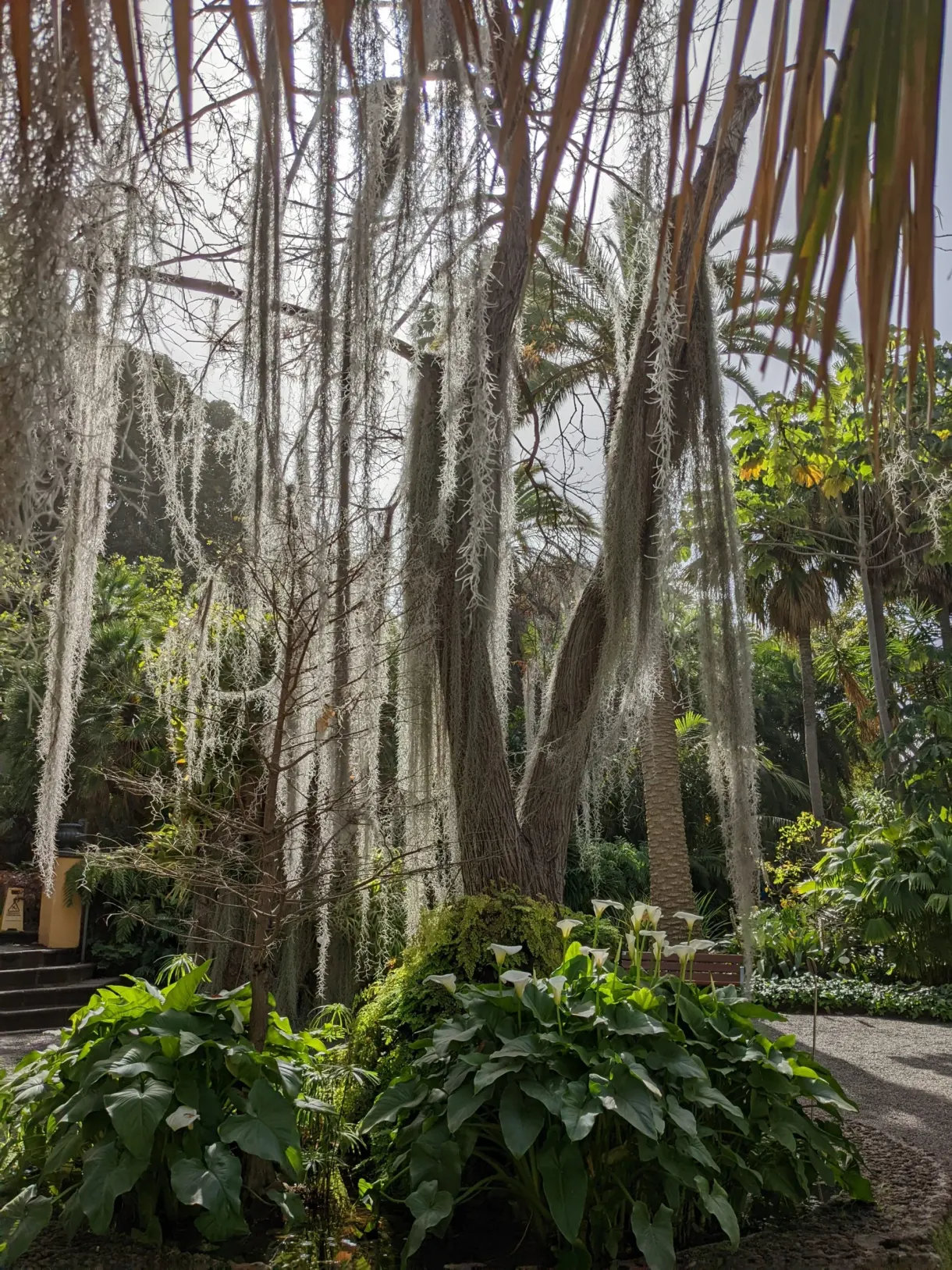
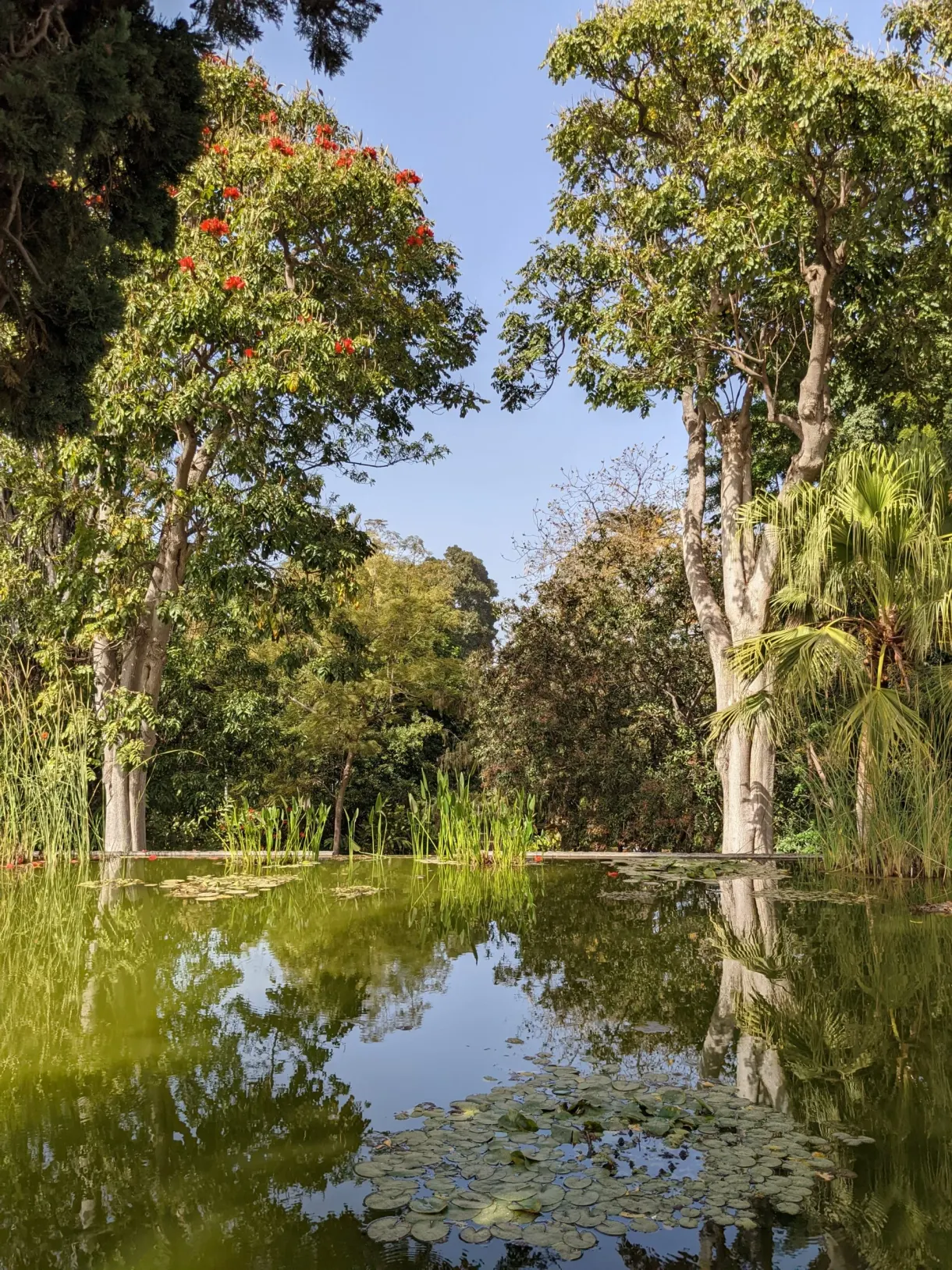
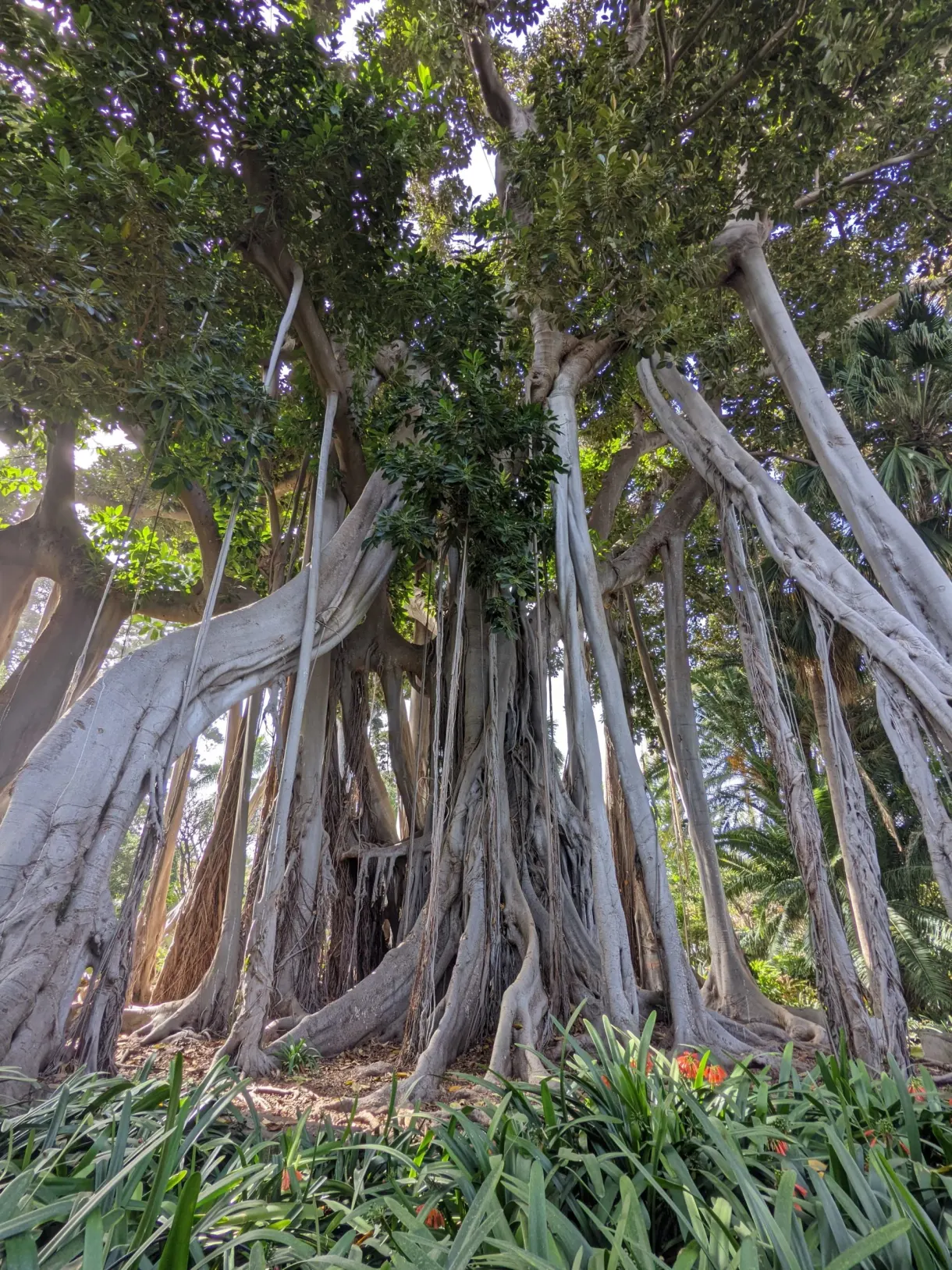
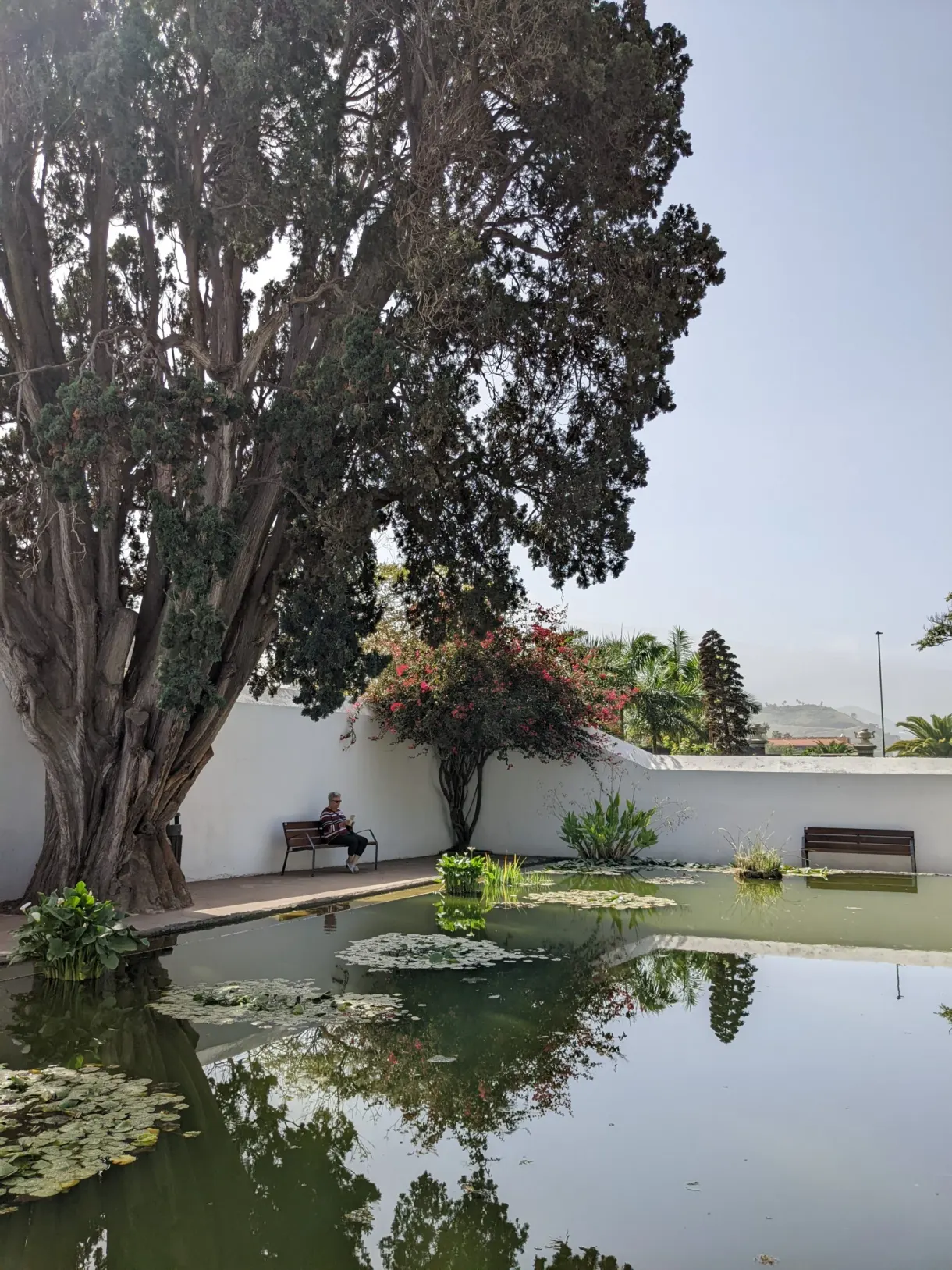
We also went to the famous Jardín de Aclimatación de la Orotava, located paradoxically in Puerto de la Cruz. Entry costs 3€ per person. It’s a very lush botanical garden where it’s good to stroll and take a break in the sun by its pond (at the end of the garden, at the top of the steps). We highly recommend it!
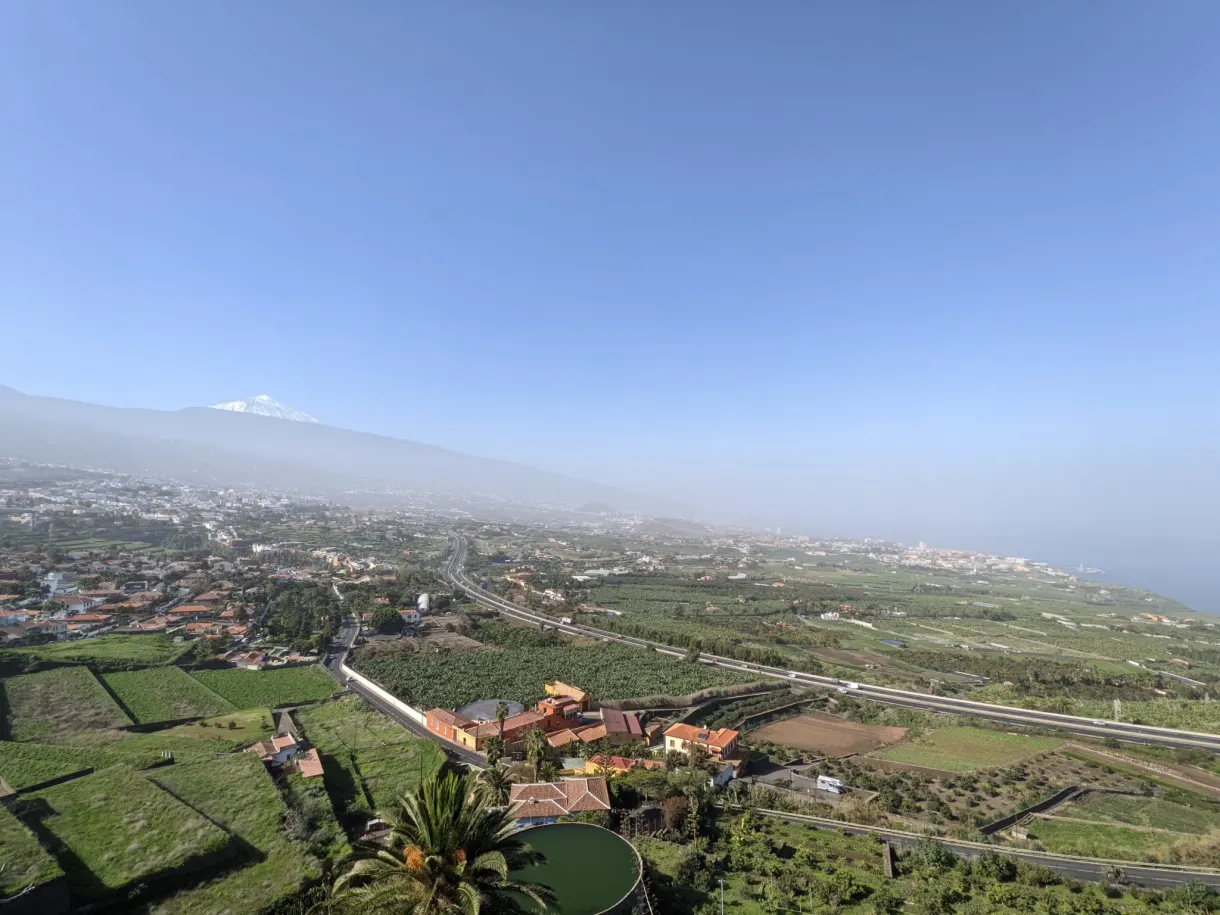
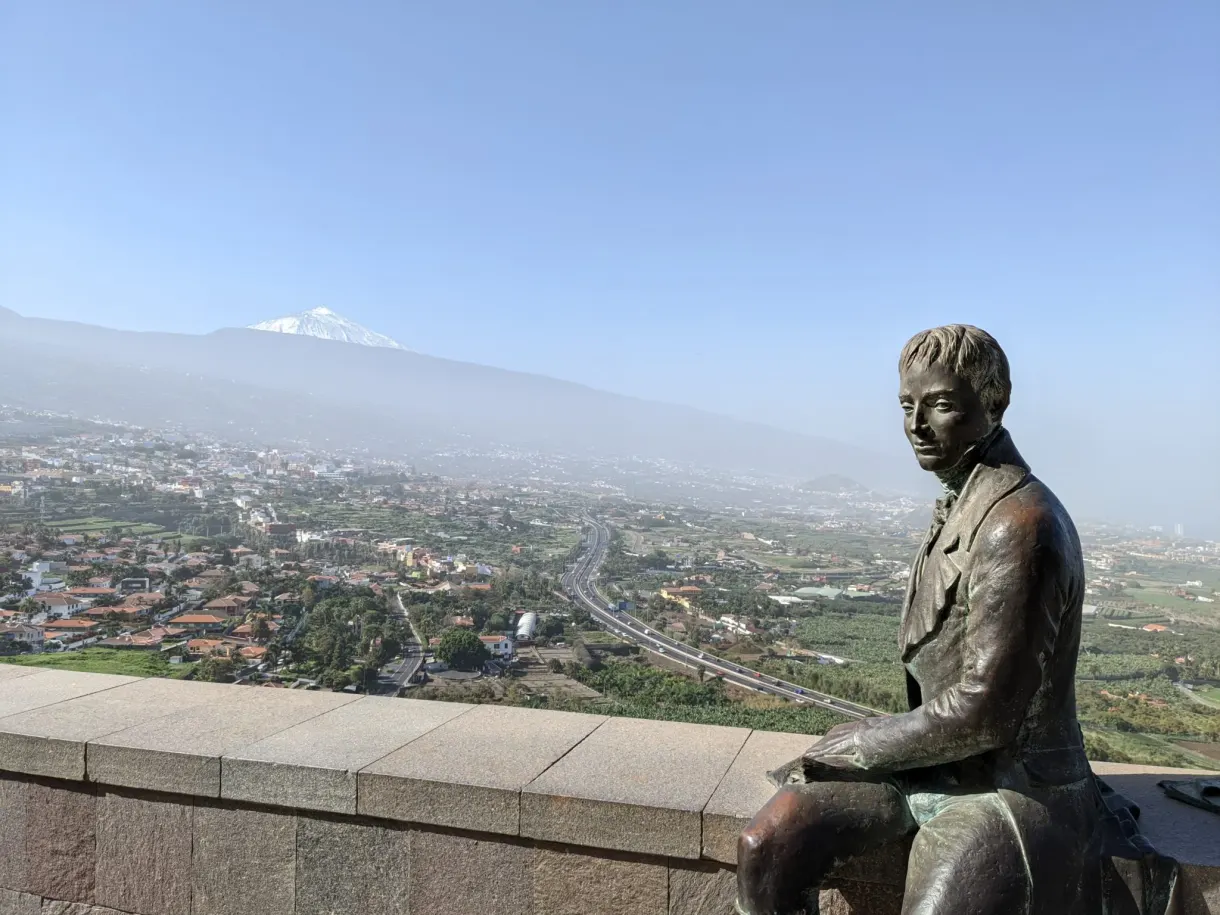
A few kilometres from la Orotava we stopped at the mirador de Humboldt, which offers a magnificent view over the sea, the banana plantations below and the Teide all at once. The mirador is well signposted coming from the TF-5 and there’s a parking area right in front so you can park easily.
San Cristóbal de La Laguna
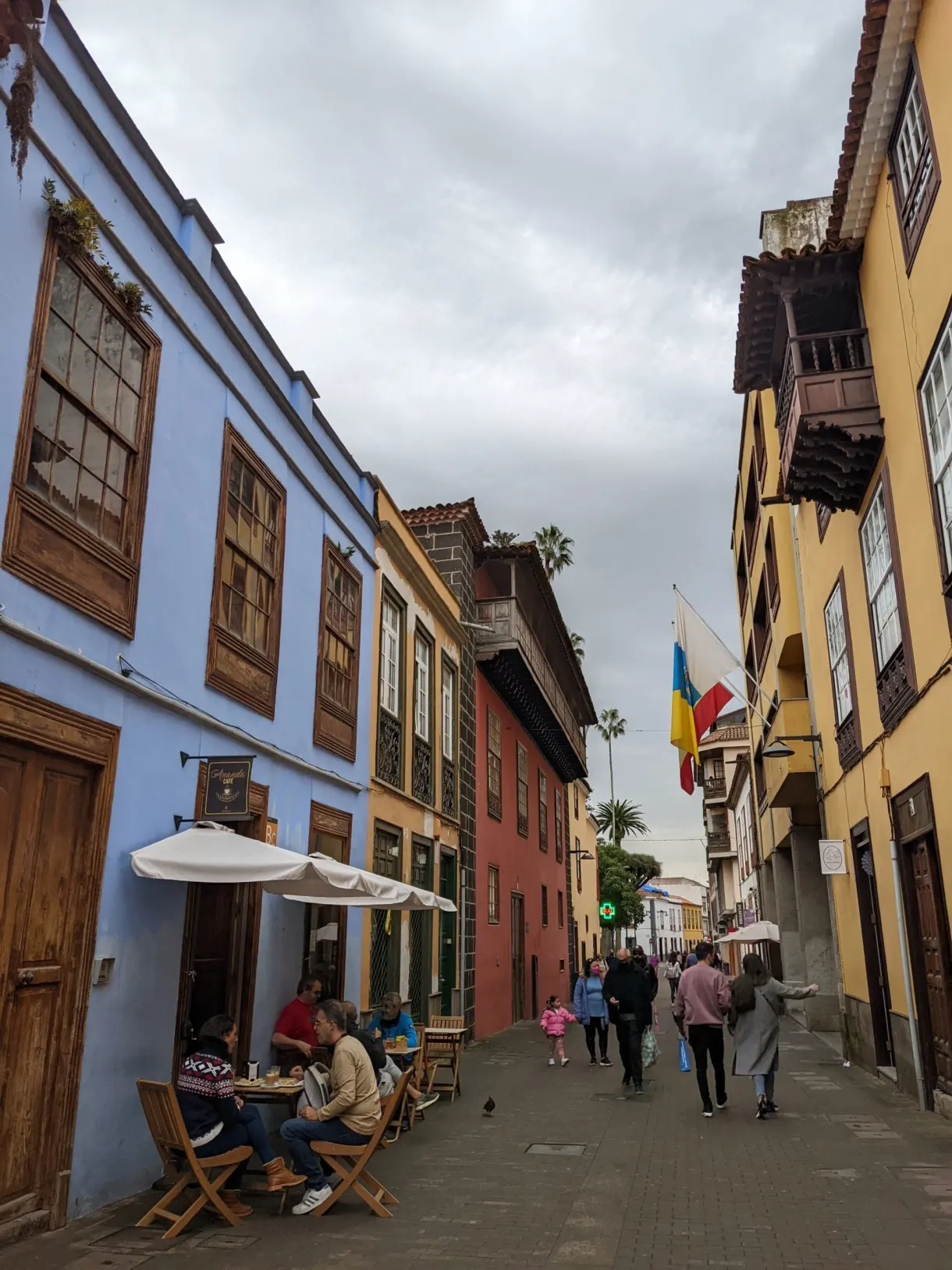
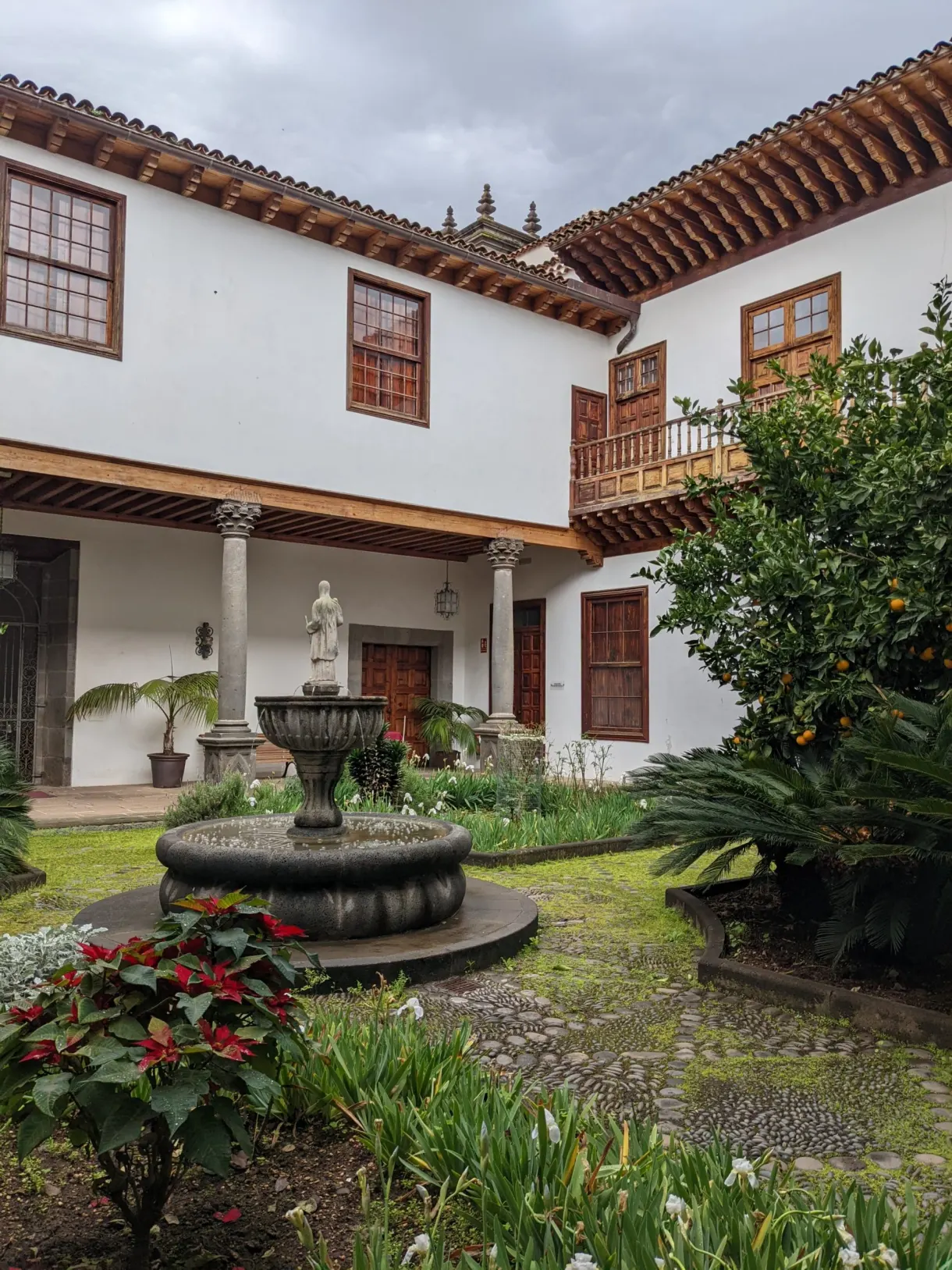
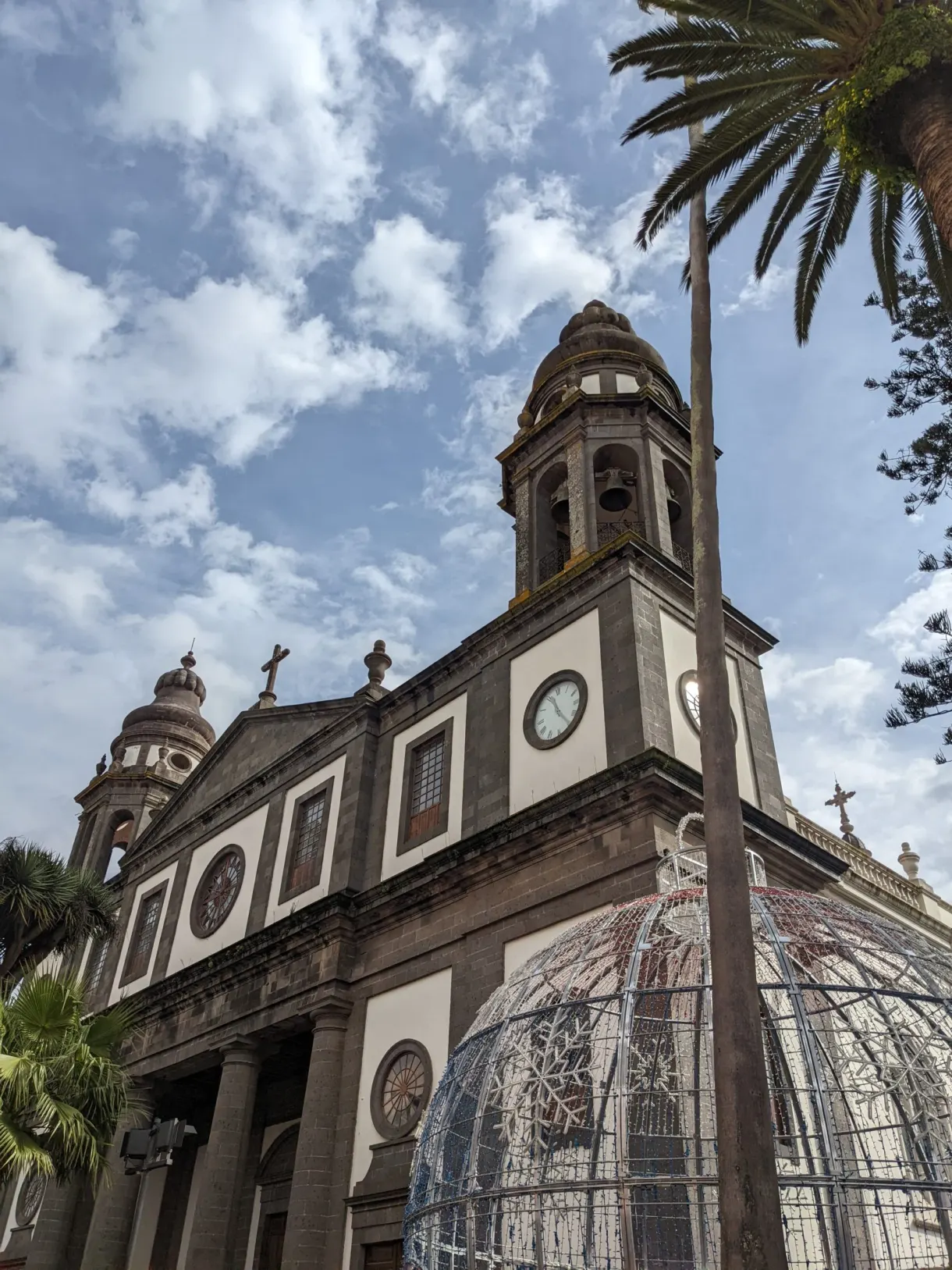
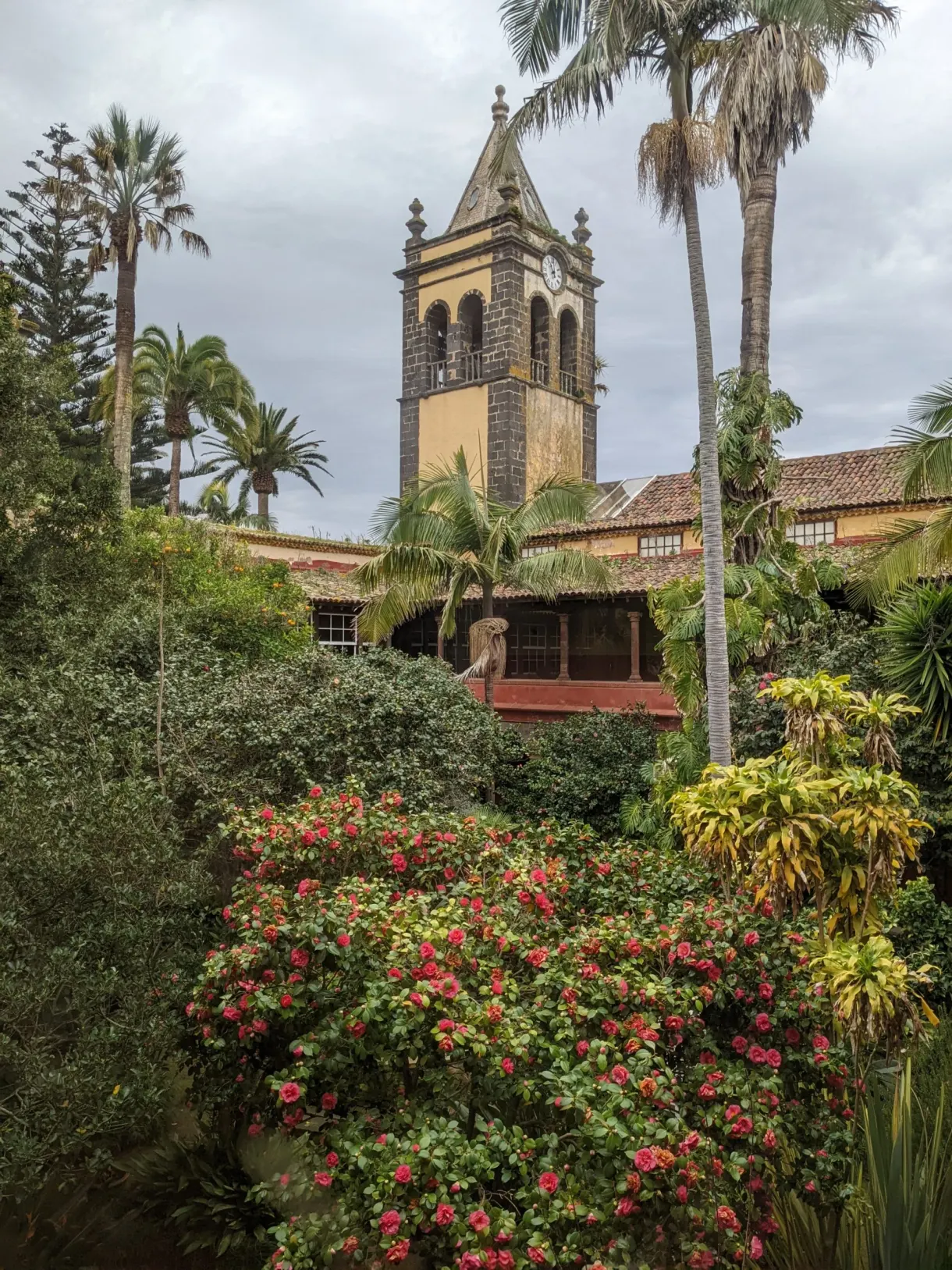
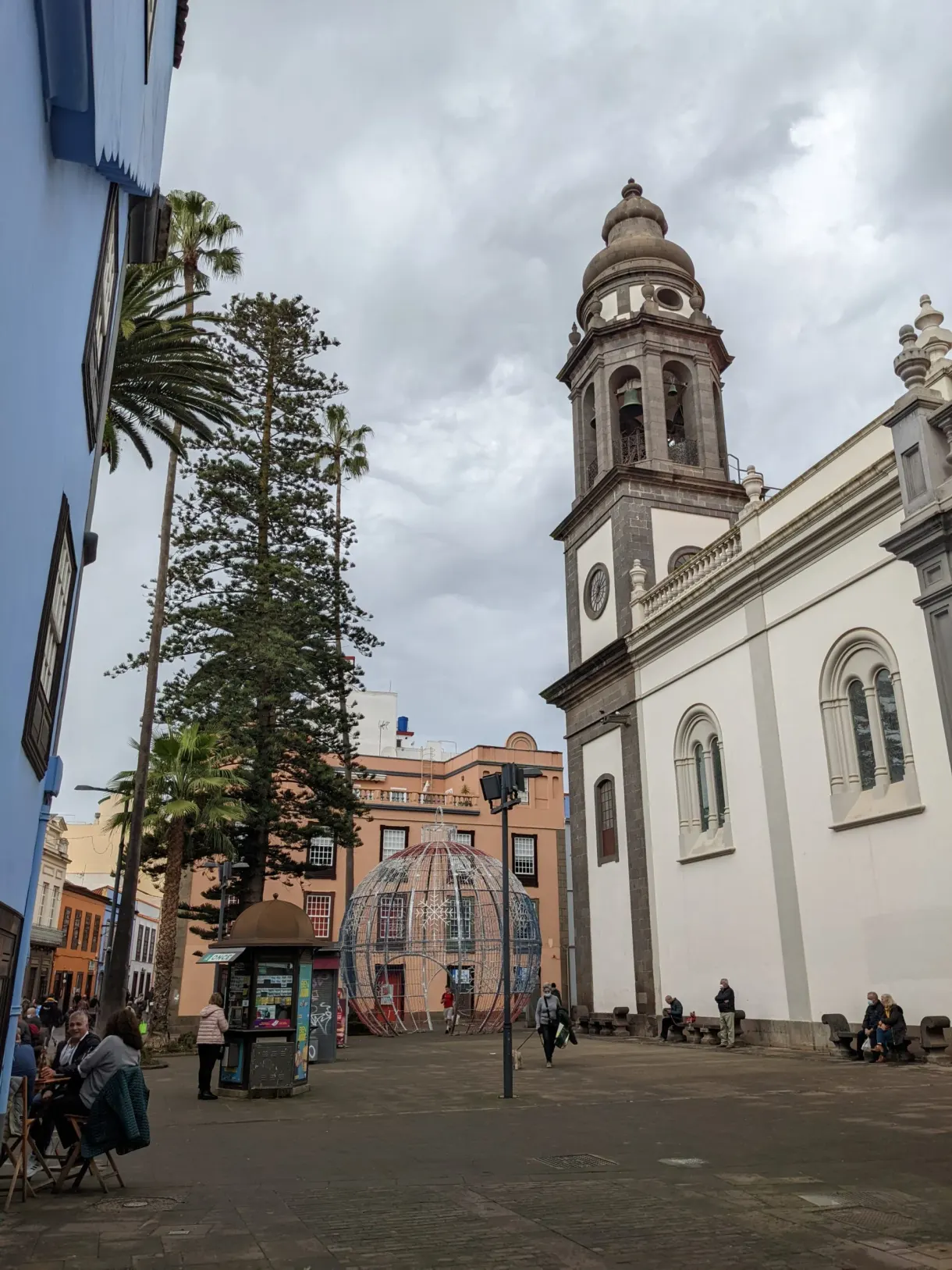
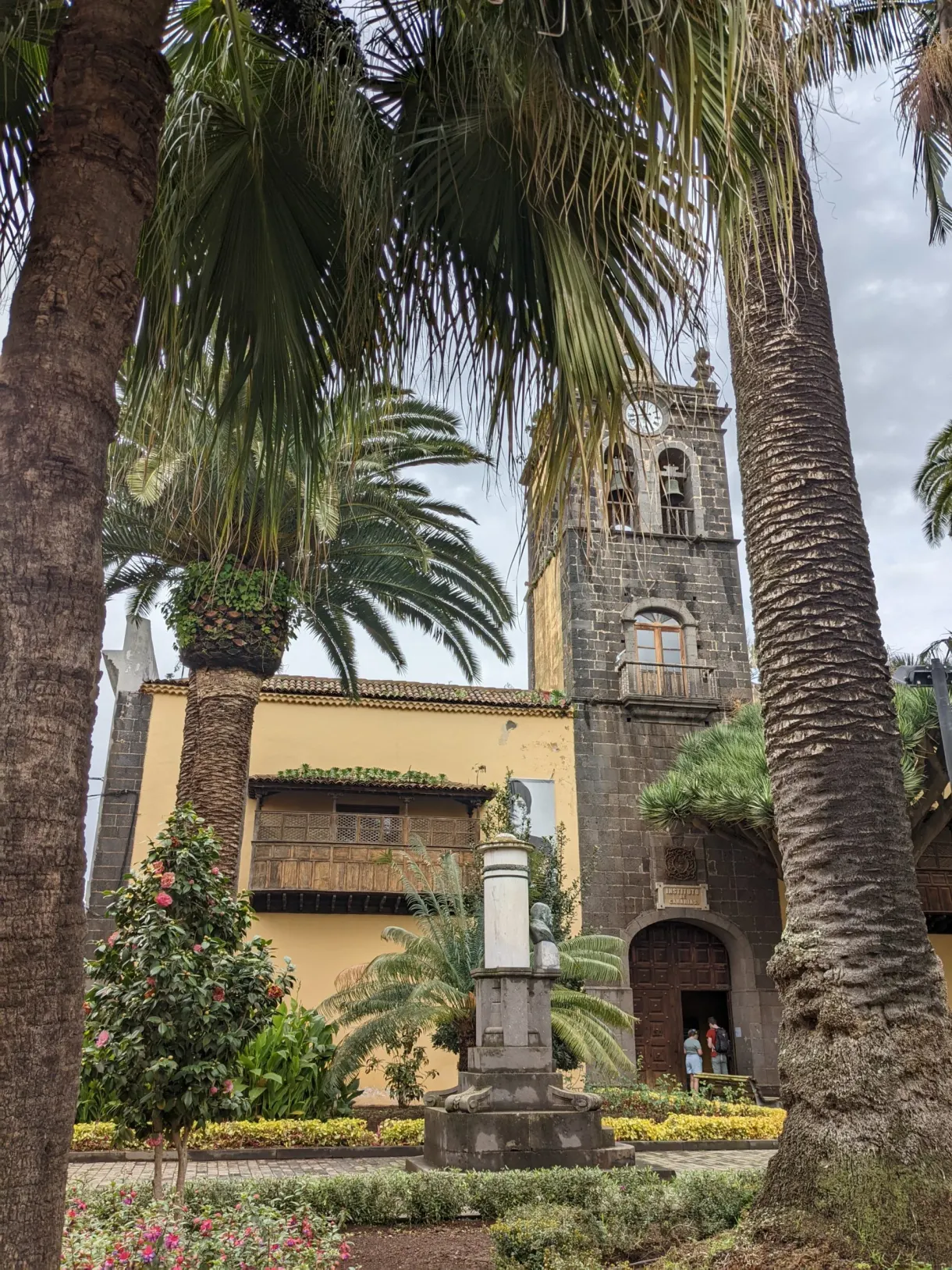
Along with la Orotava, this is a town we liked a lot too! A colonial town declared a Cultural Asset and World Heritage Site by UNESCO, San Cristóbal de La Laguna is very well preserved and rich in architecture. Don’t miss its cathedral, the Saint Augustine convent, the Plaza del Adelantado or its many palaces such as the Casa Salazar, for example. Enough for a good half day there.
Santa Cruz de Tenerife
If you don’t have many days to spend on the island, give Santa Cruz de Tenerife a miss! The island’s capital is not a must-see at all. Arriving from the heights, it surprises you with its density and its industrial side. Despite that, some places in the town centre are picturesque and well preserved, such as the Iglesia de Nuestra Señora de la Concepción, the Plaza del Príncipe de Asturias or the Parroquia de San Francisco de Asís church.
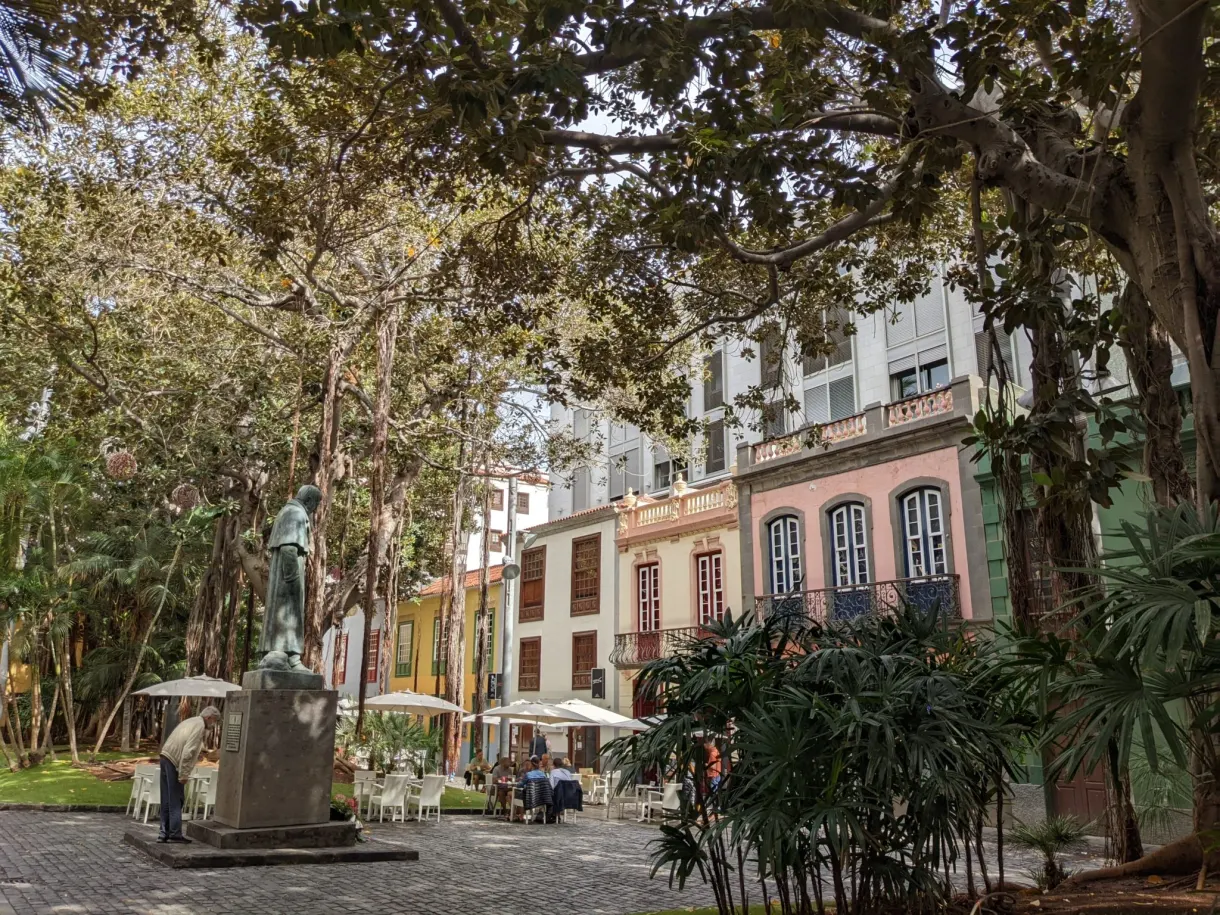
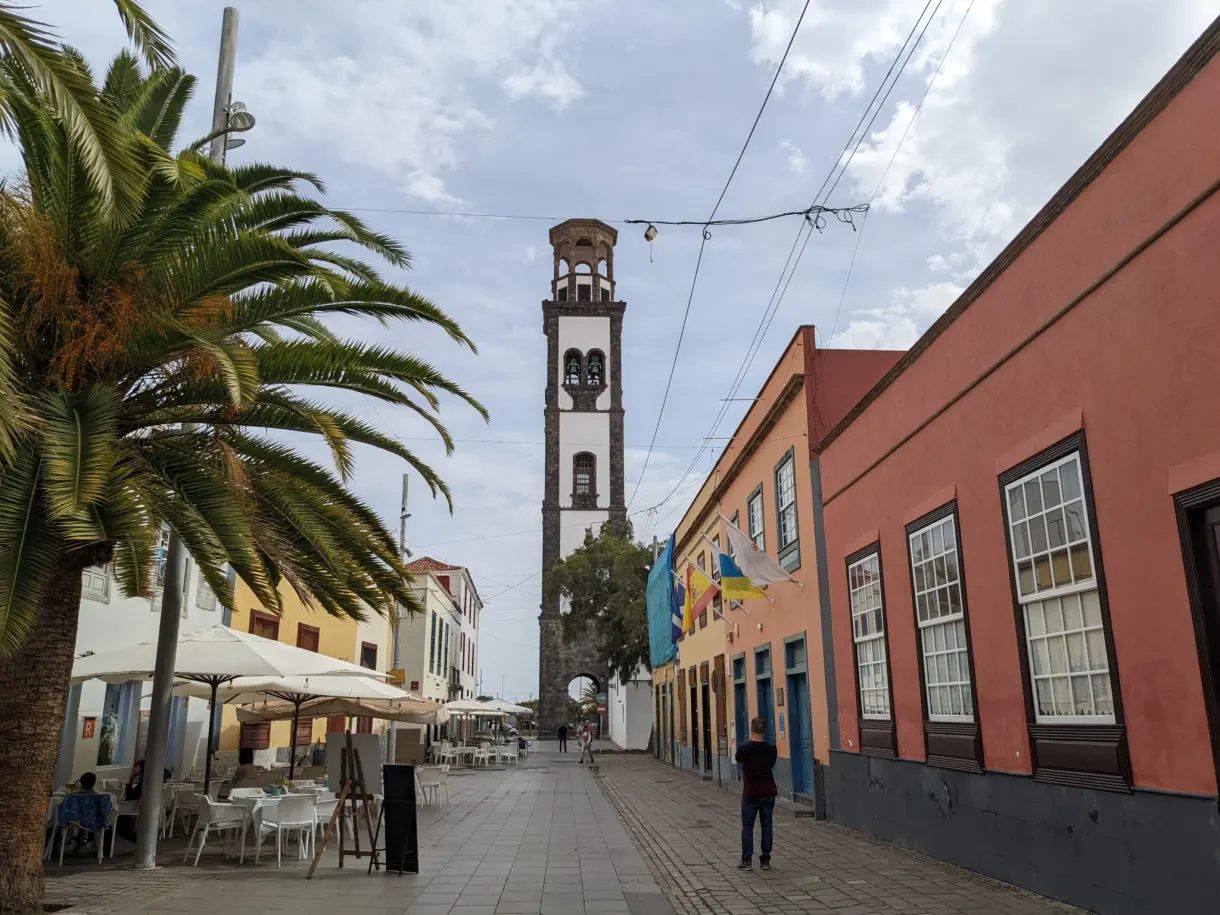
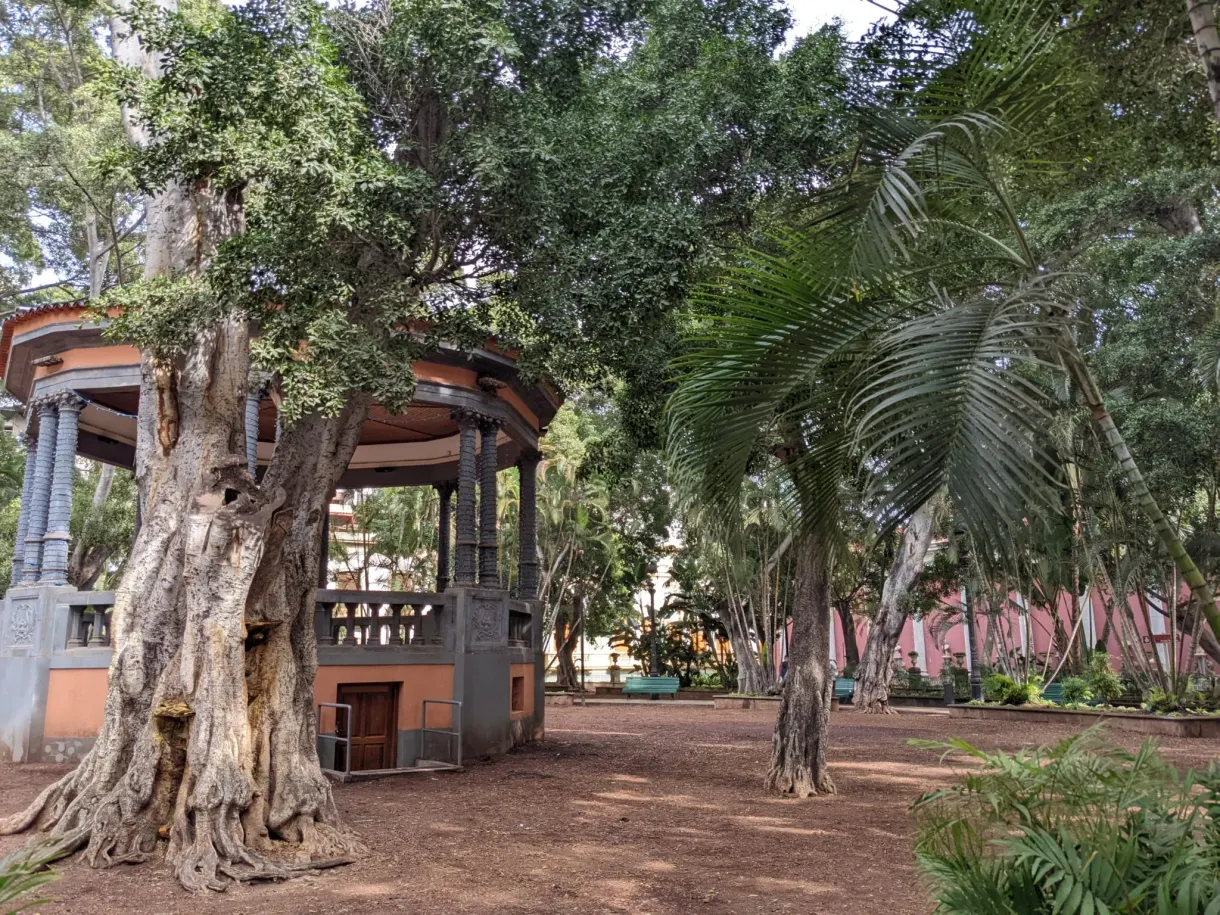
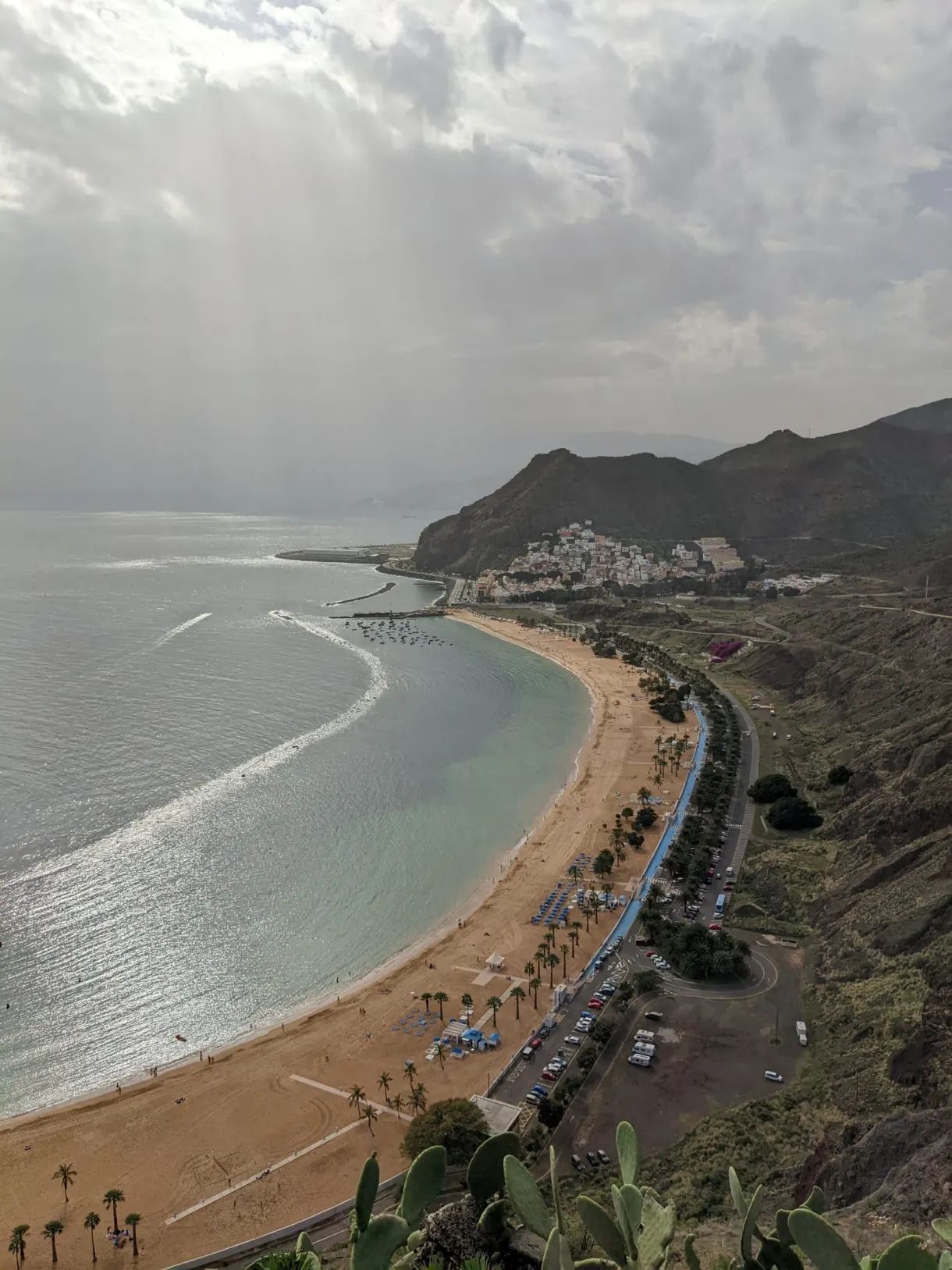
A few kilometres from Santa Cruz there’s a beautiful golden sand beach, the Playa de las Teresitas. But you should know that this sand isn’t there naturally: it was imported from the Sahara! It’s very easy to park there because a big car park runs along the beach. To see the beach from above, we took the TF-121 and stopped at the Mirador, which gives a lovely overall view.
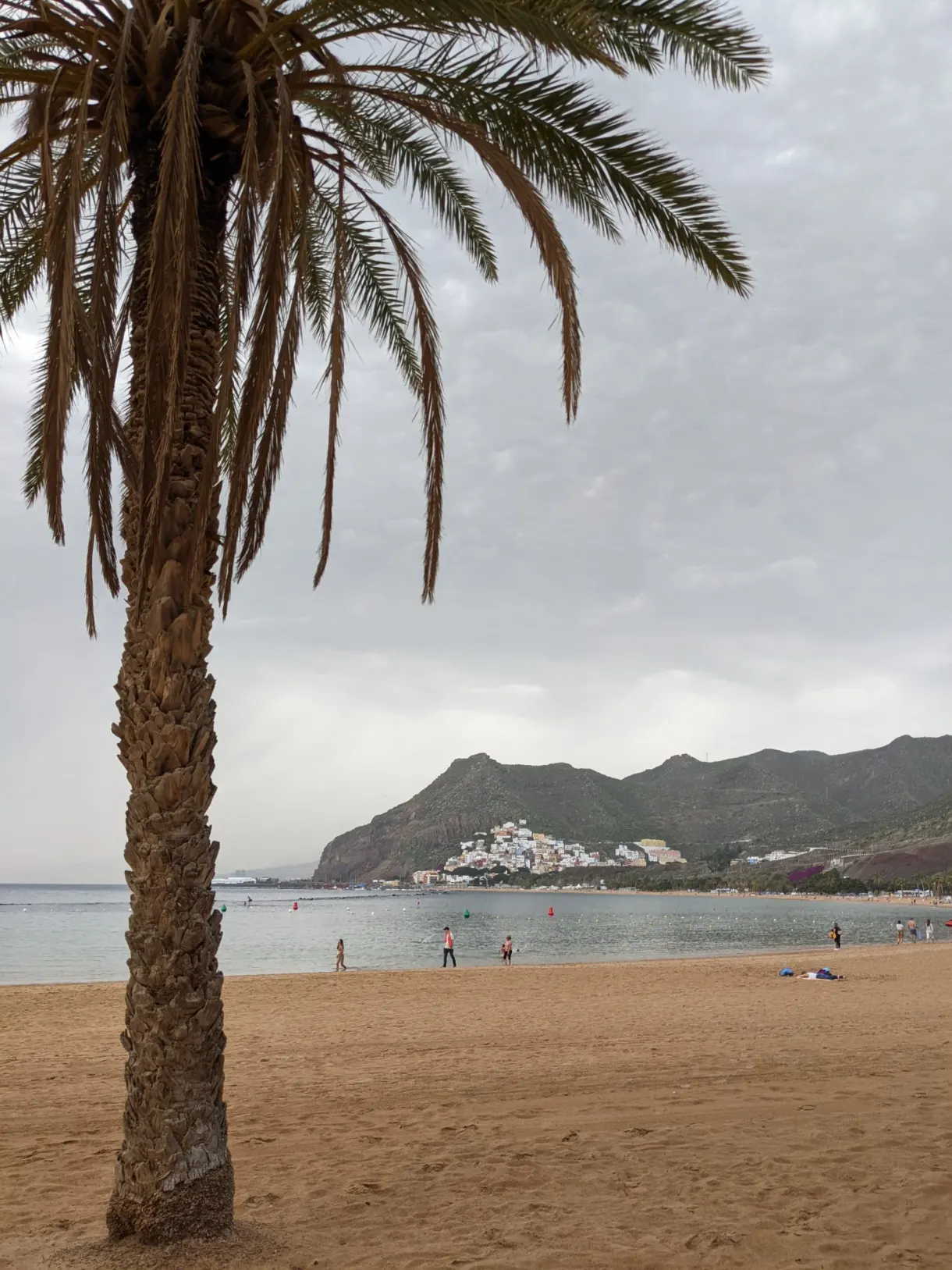
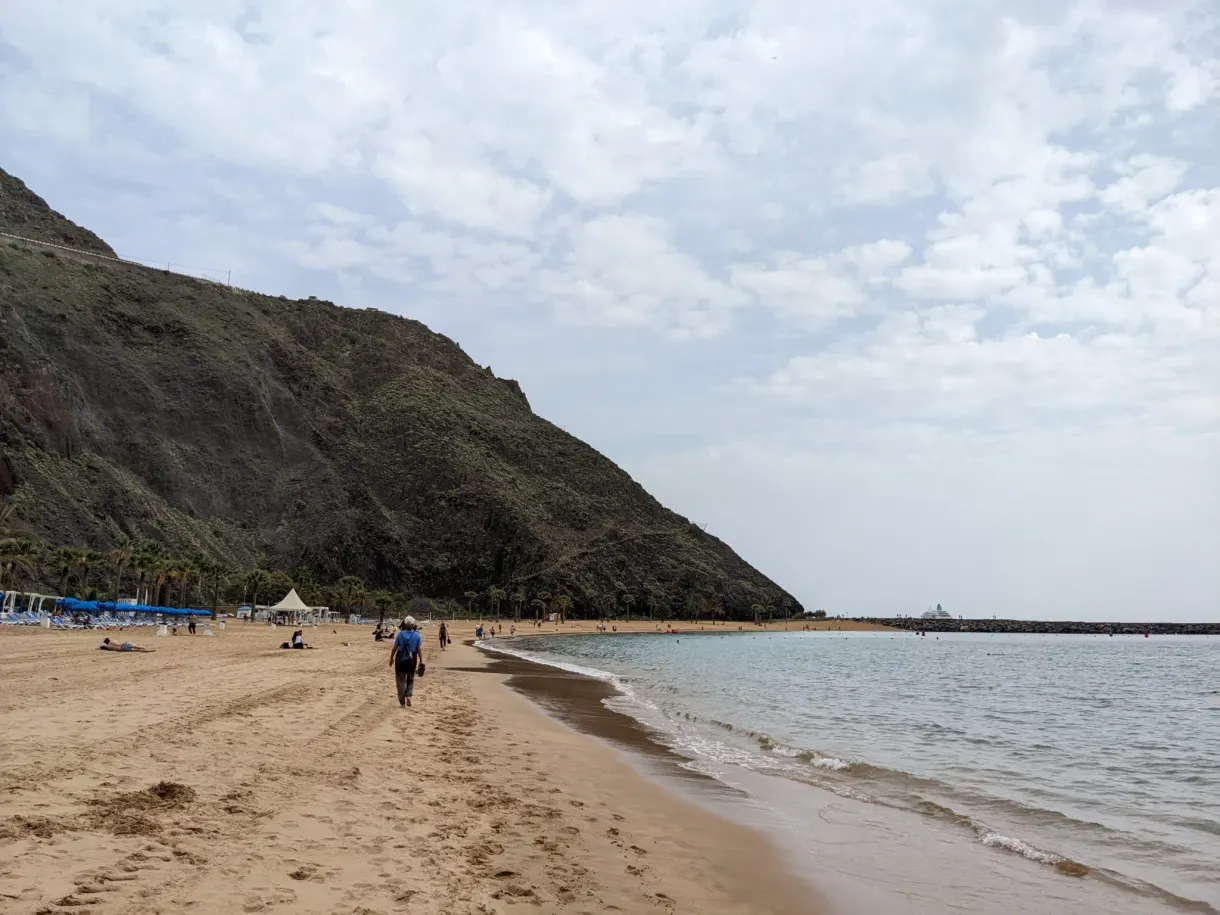
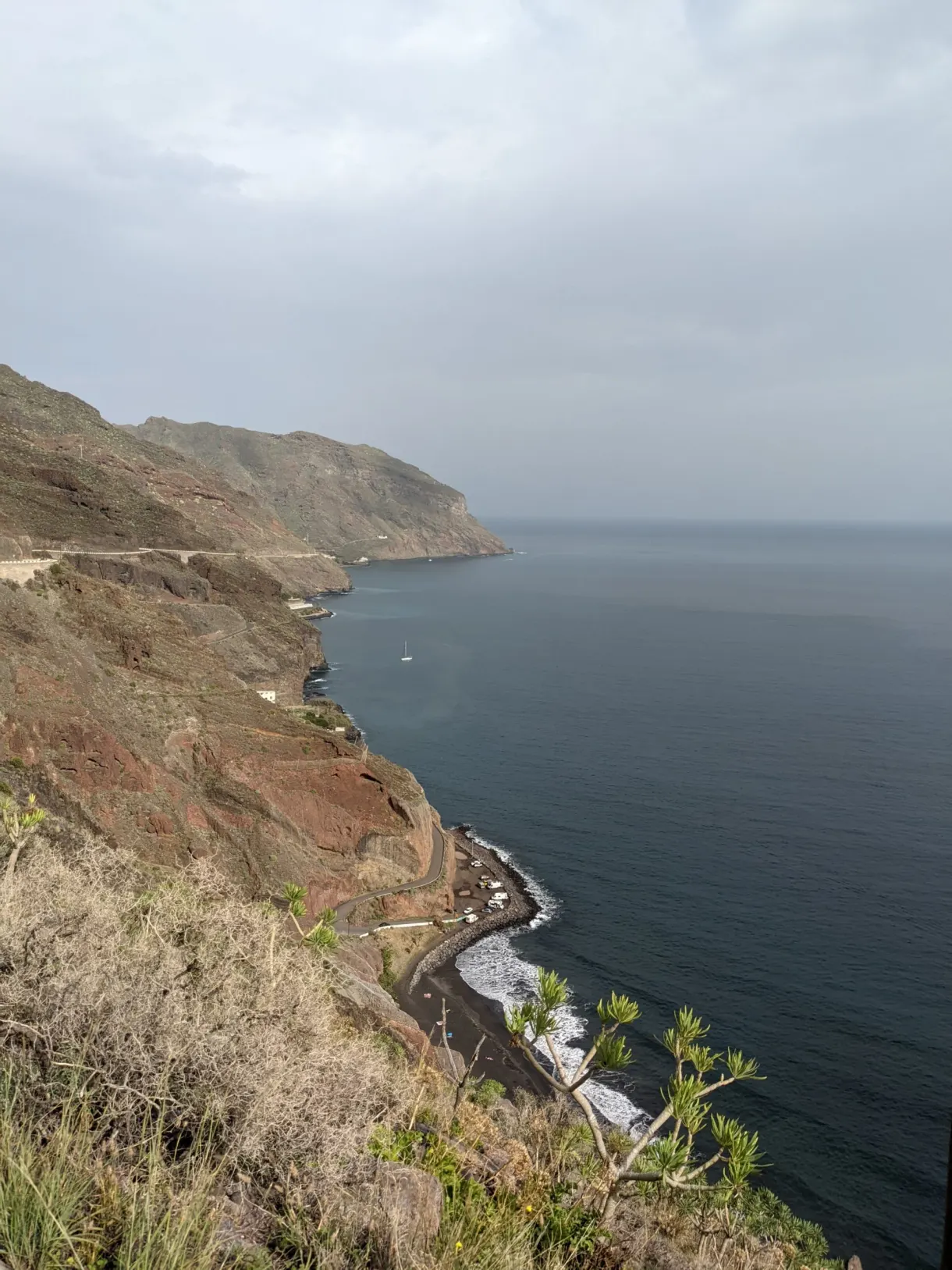
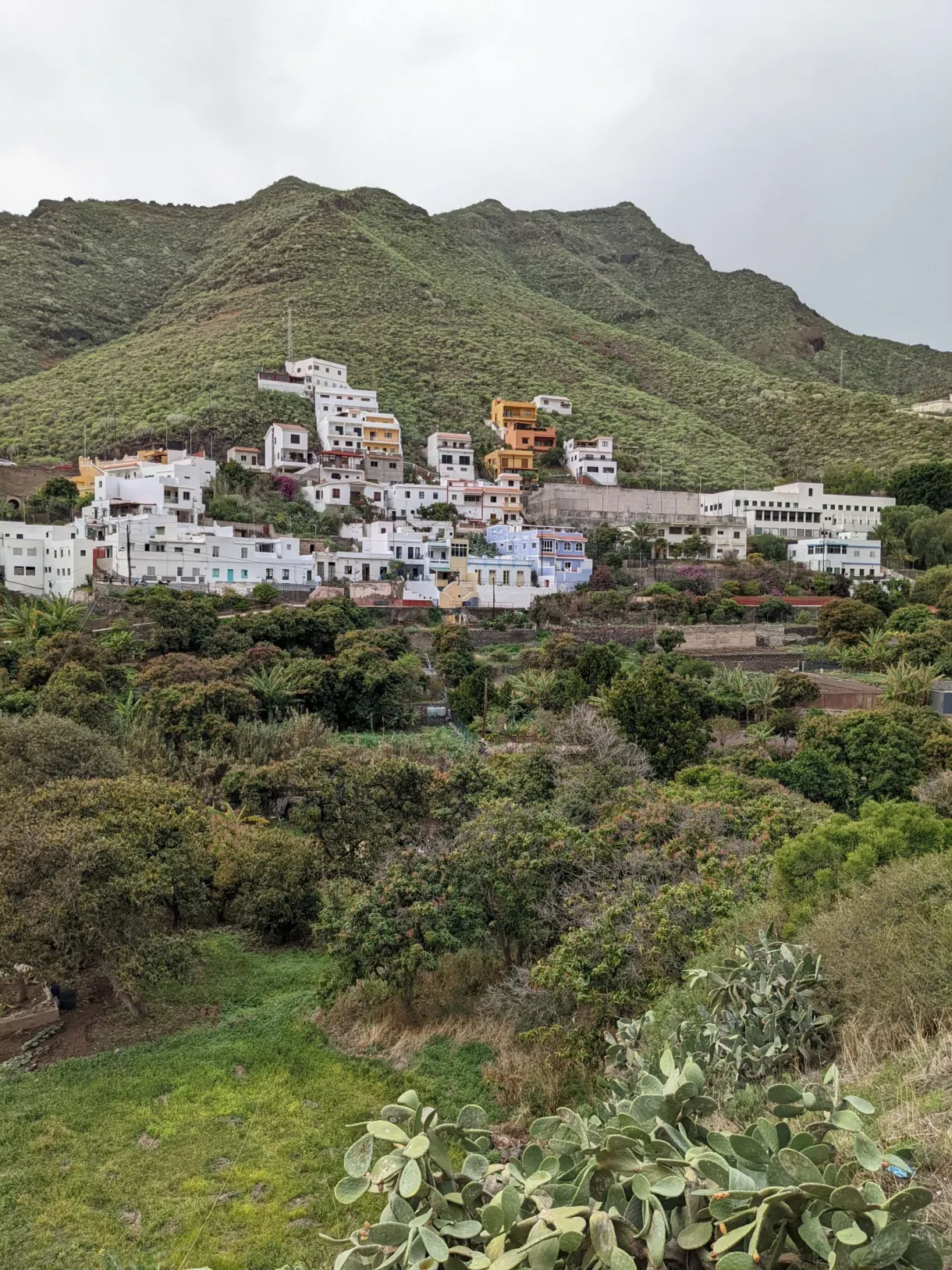
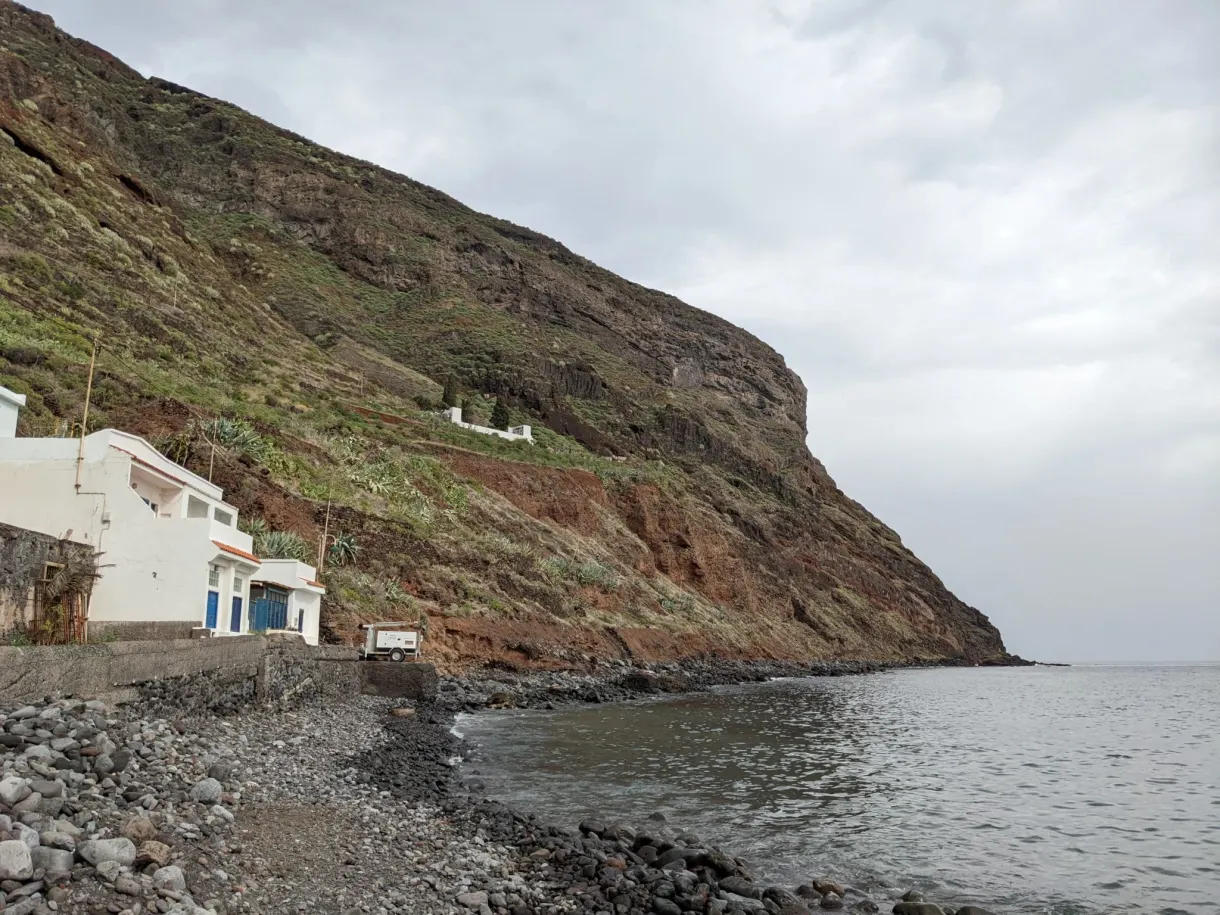
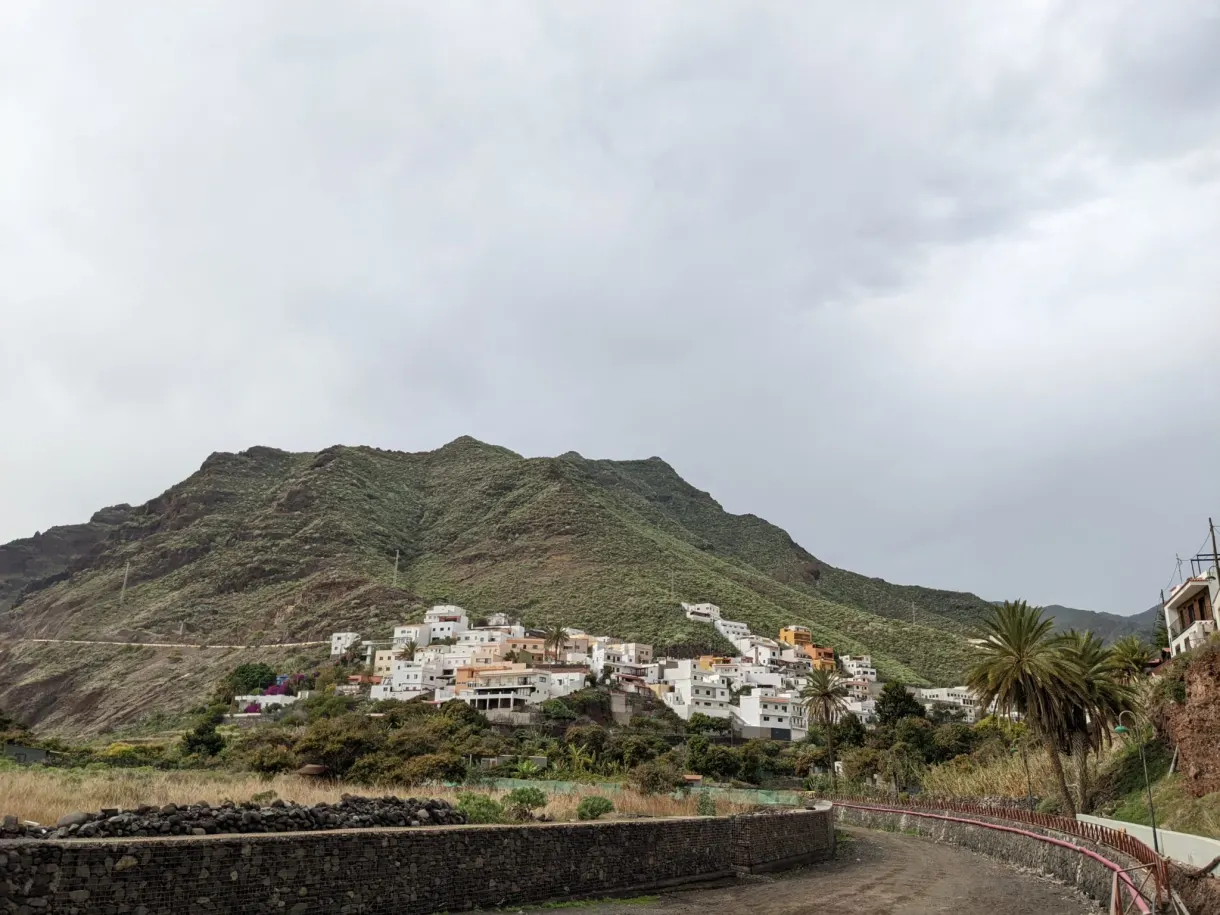
Carrying on along the magnificent TF-121, we reached the last village of the south coast: Igueste de San Andrés. Clinging to the mountain, by the sea, Igueste still looked like a deserted village. We didn’t come across anyone during our short walk. The stream that runs through it (Barranco de Igueste) was completely dried up when we came.
The Anaga rural park
The Parque rural de Anaga is one of the three main parks of the island, along with the Parque de Teno and the Parque del Teide. It’s a must-see in Tenerife because it offers magnificent landscapes and views between land and sea. We devoted almost two days to it because we wanted to drive every one of the roads that cross it. Here’s our selection of stops to make in the park, from east to west!
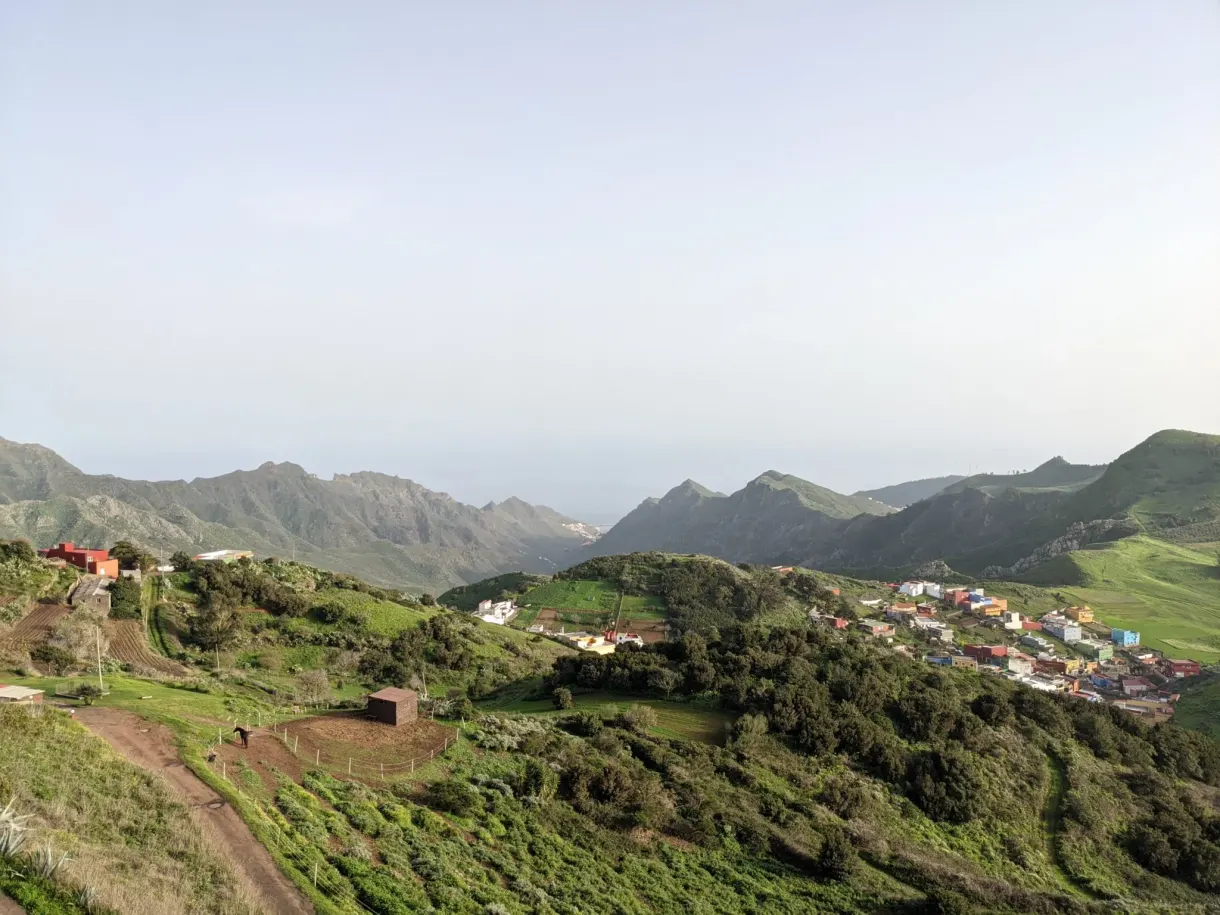
Mirador de Jardina
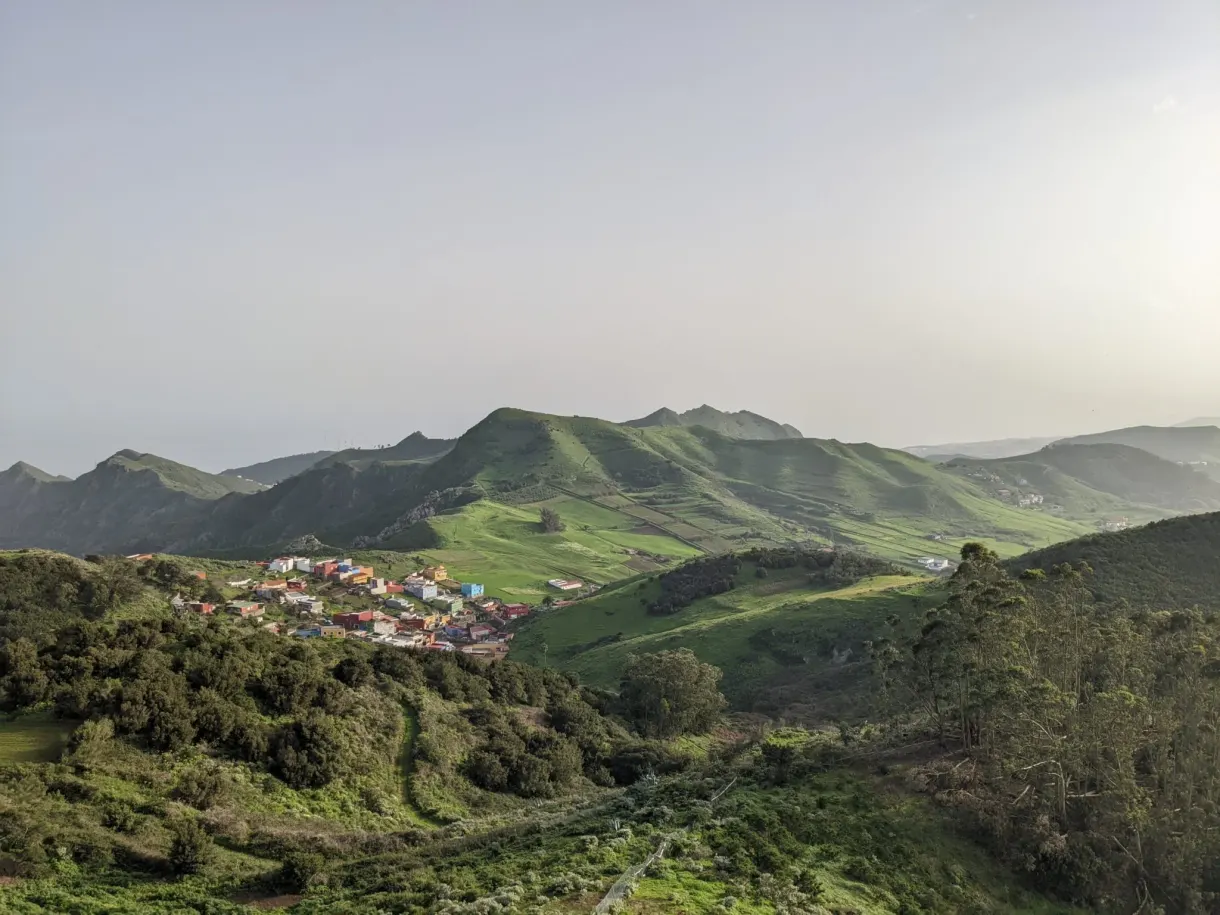
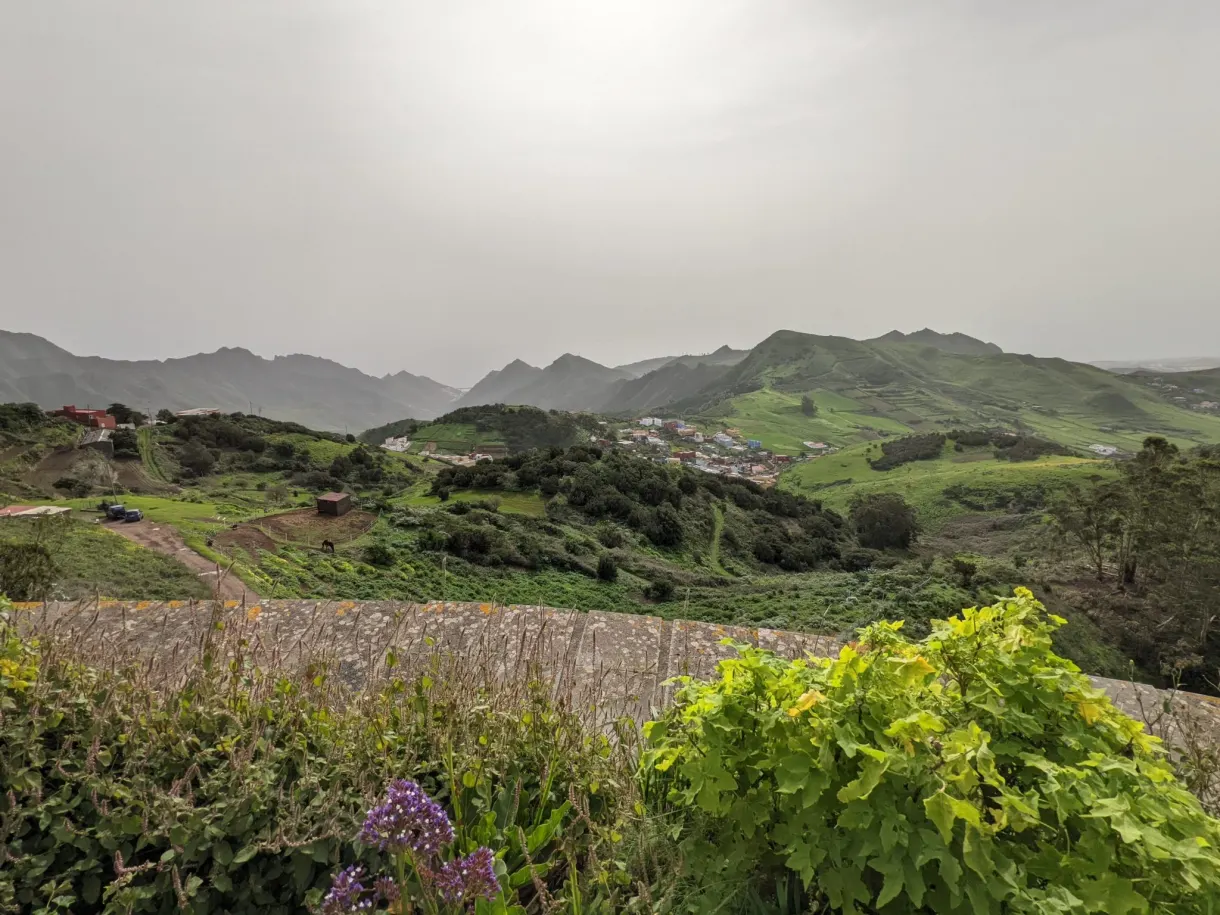
Coming from San Cristóbal de La Laguna via the TF-113, we first stopped at the Mirador de Jardina, which really won us over! The view over the green hills, the fields and the surrounding villages is truly superb: it made us think of the green landscapes of South America. Not to be missed at the entrance to the Anaga rural park!
Mirador Cruz del Carmen
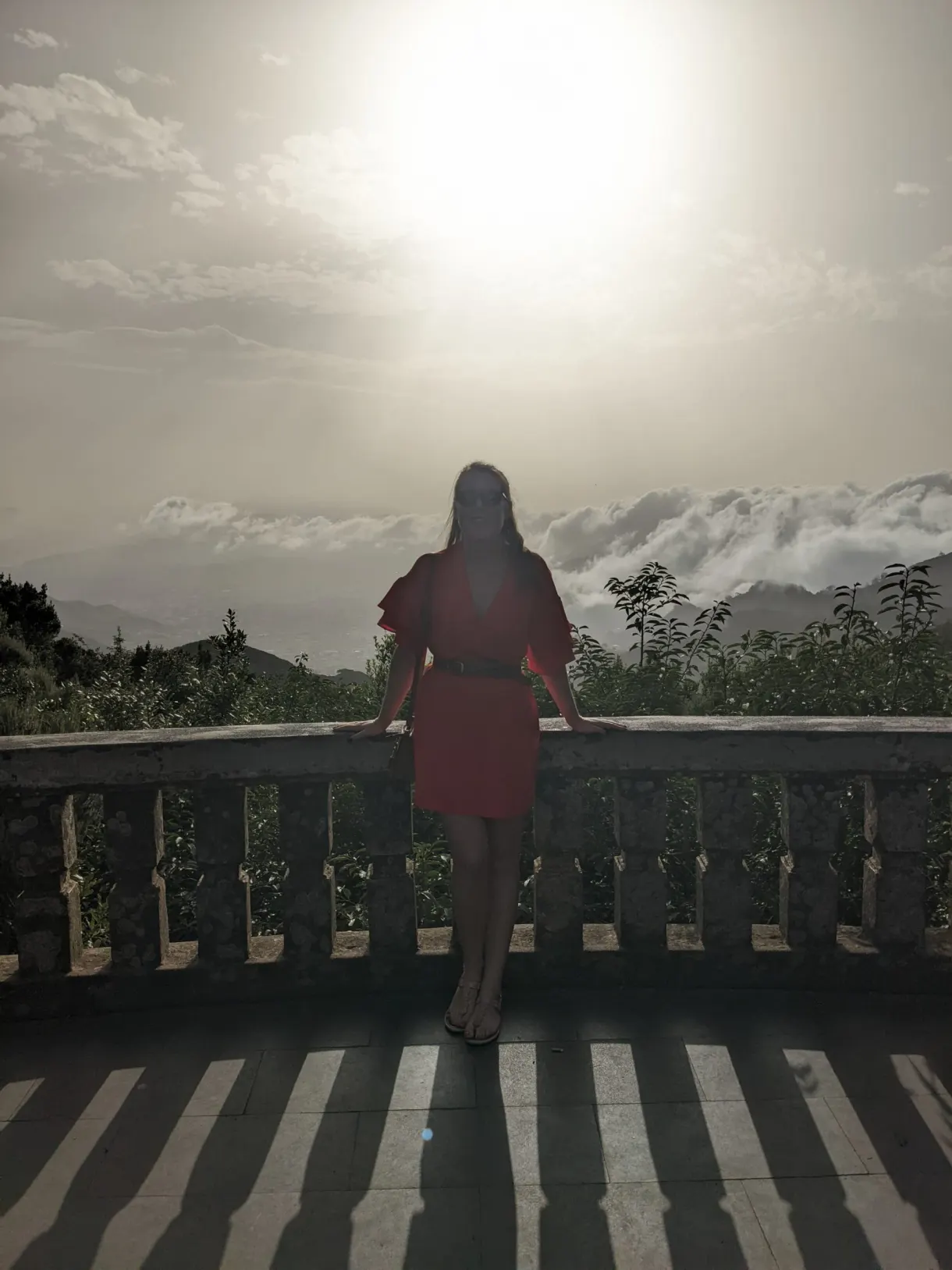
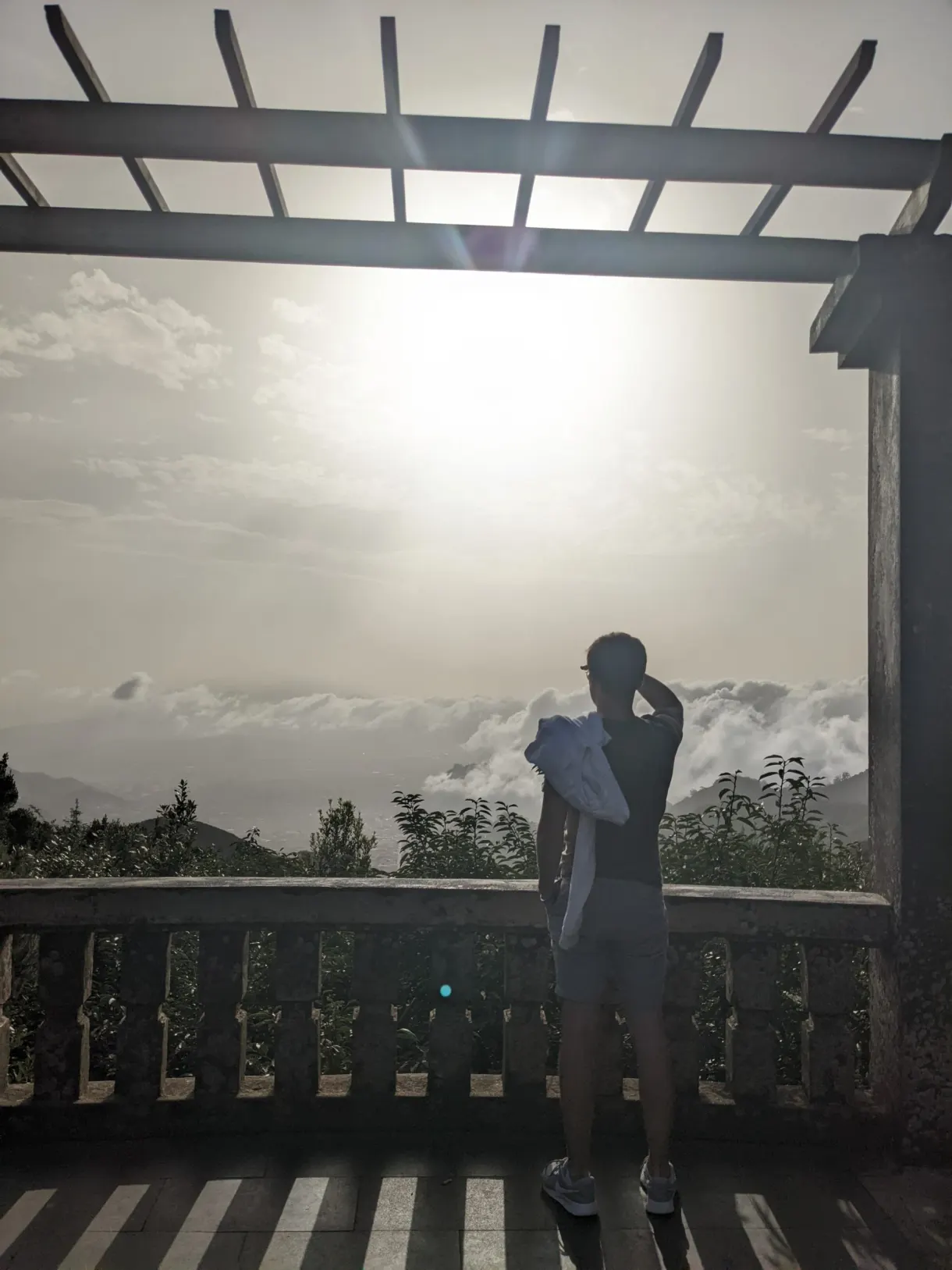
A few kilometres further on are the visitor centre of the Anaga rural park and the mirador Cruz del Carmen, which attract a lot of tourists. A few paths into the woods also set off from there (including the Sendero de los Sentidos). For us, it isn’t a must-see, even if the mirador offers a nice view (against the light at the end of the day, be warned).
Mirador Pico del Inglés
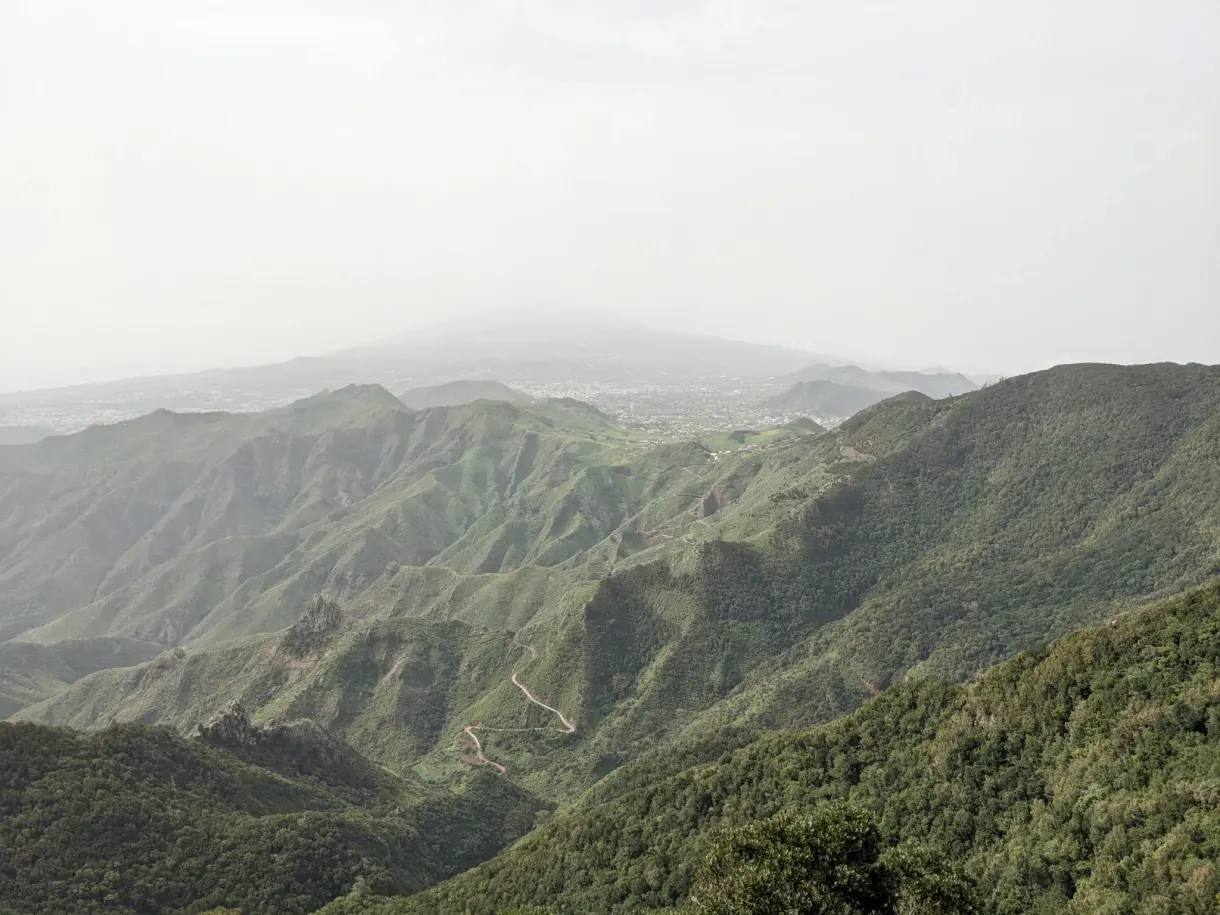
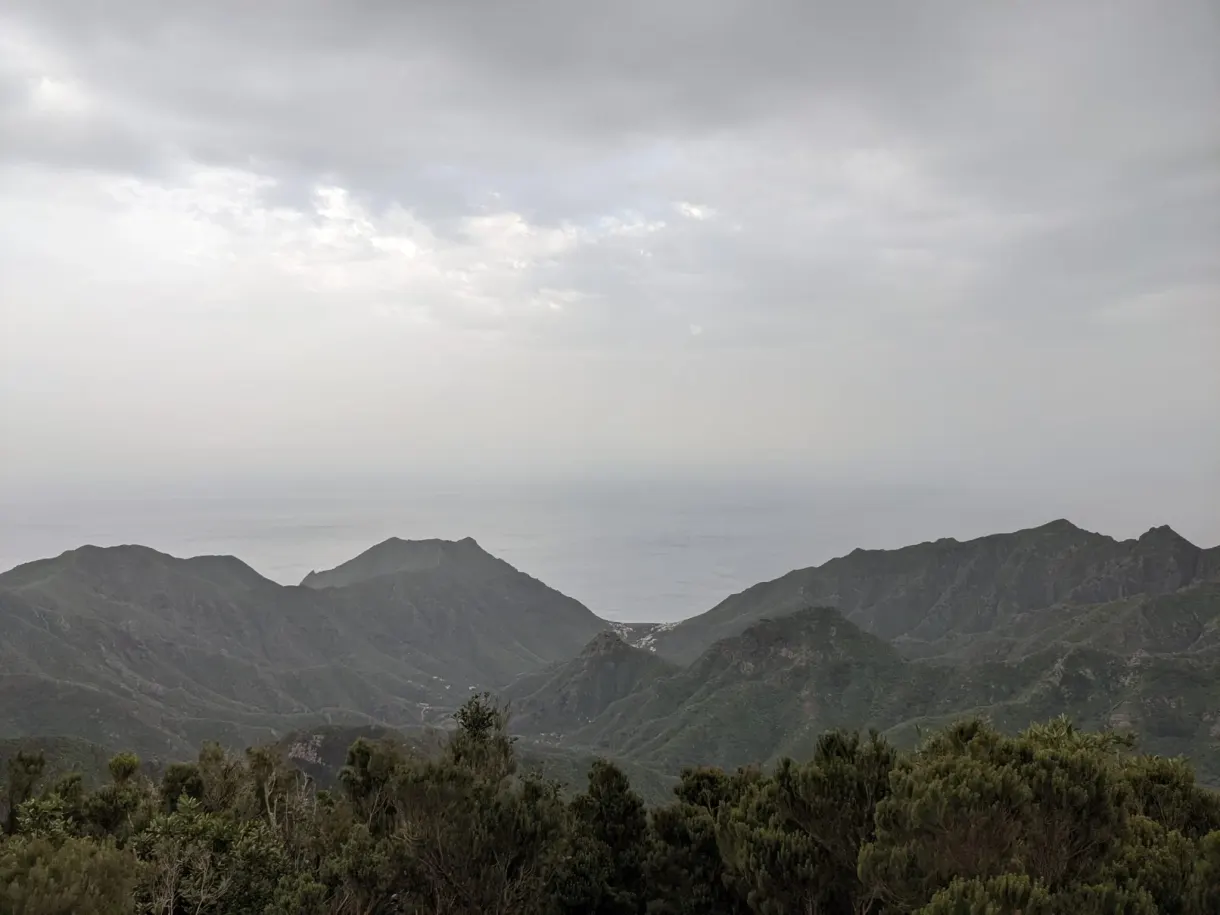
Just after the Mirador Cruz del Carmen is the famous Mirador Pico del Inglés, which draws more of “the crowds” (all things being relative, in February). Careful, there are few parking spaces available. The mirador overlooks the green mountains of the park: superb! The remains of the calima stopped us from seeing the Teide but, in clear weather, you’ll be able to admire the volcano.
Chinamada
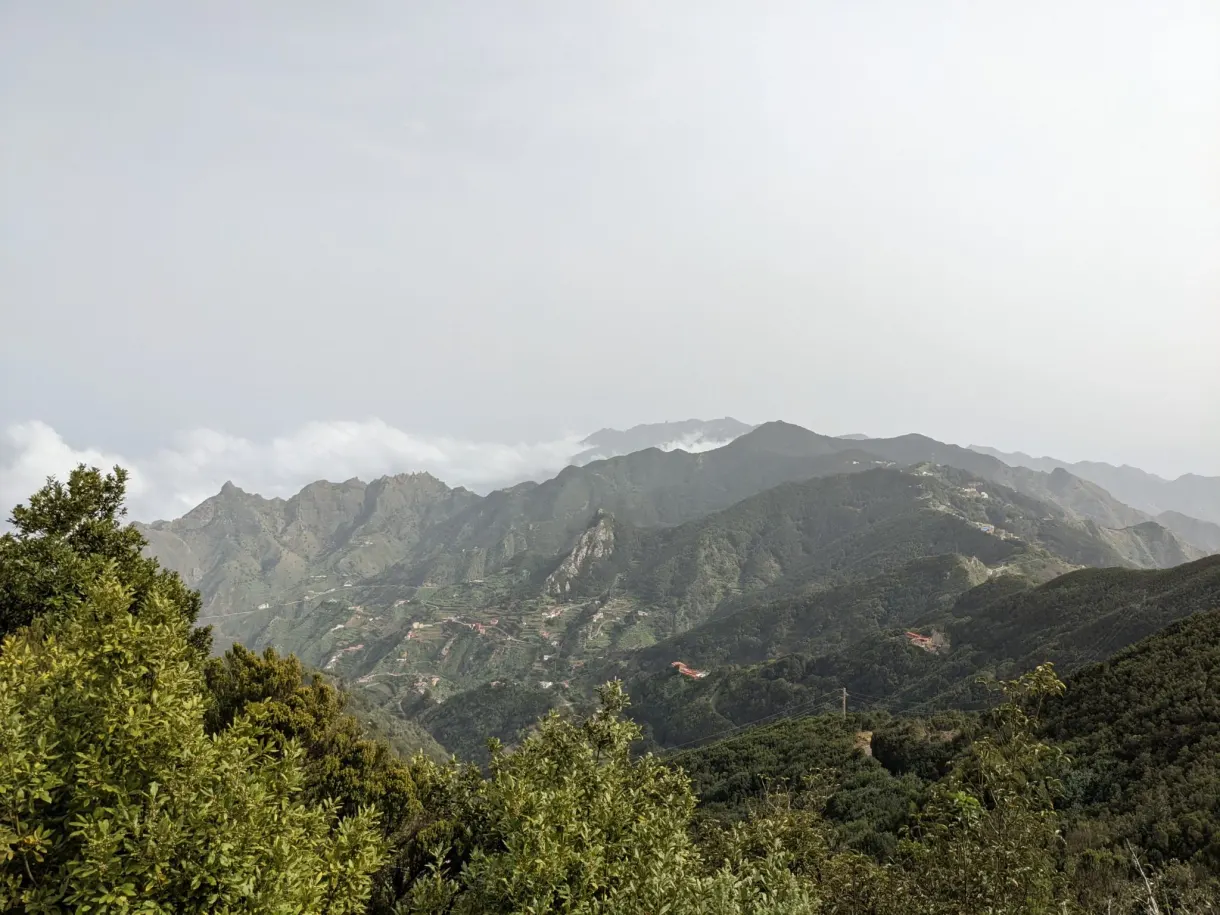
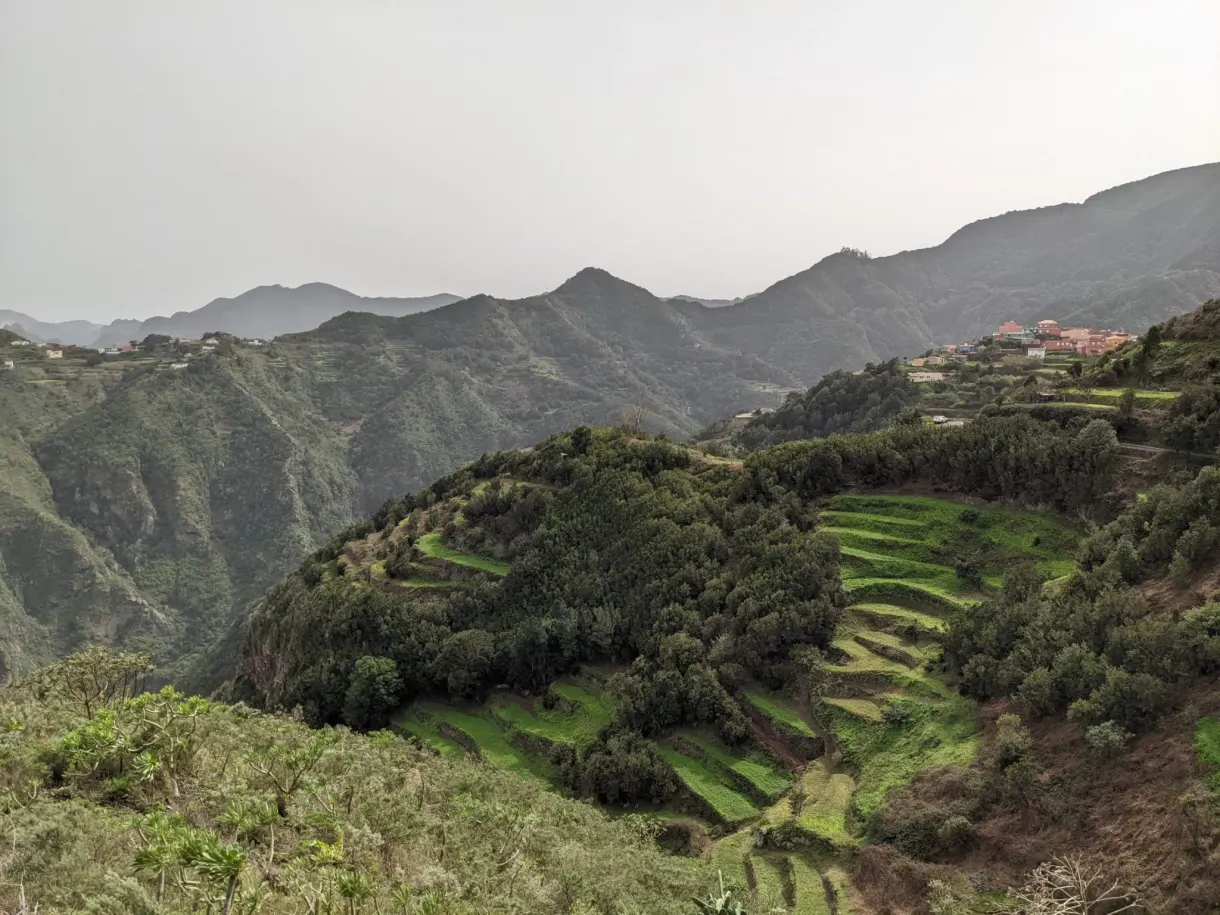
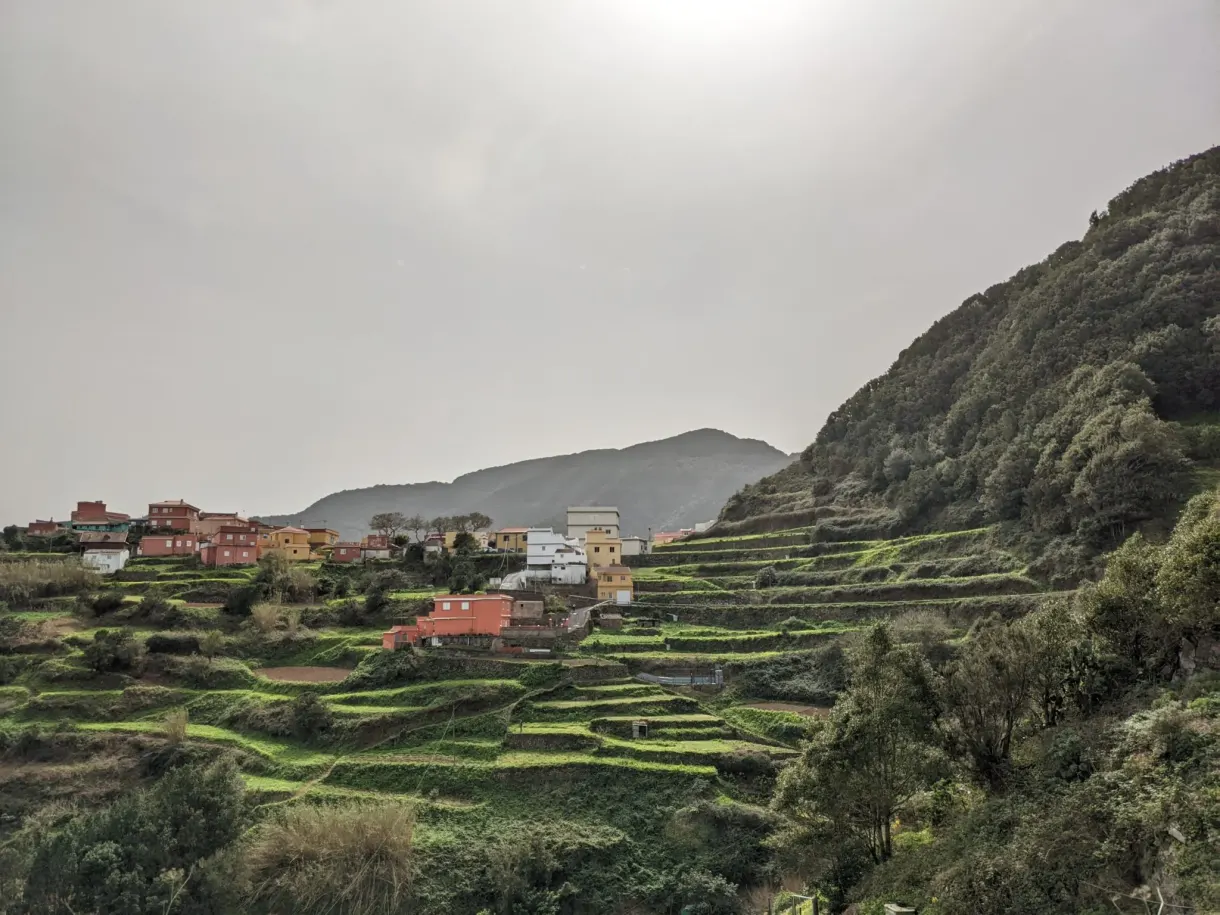
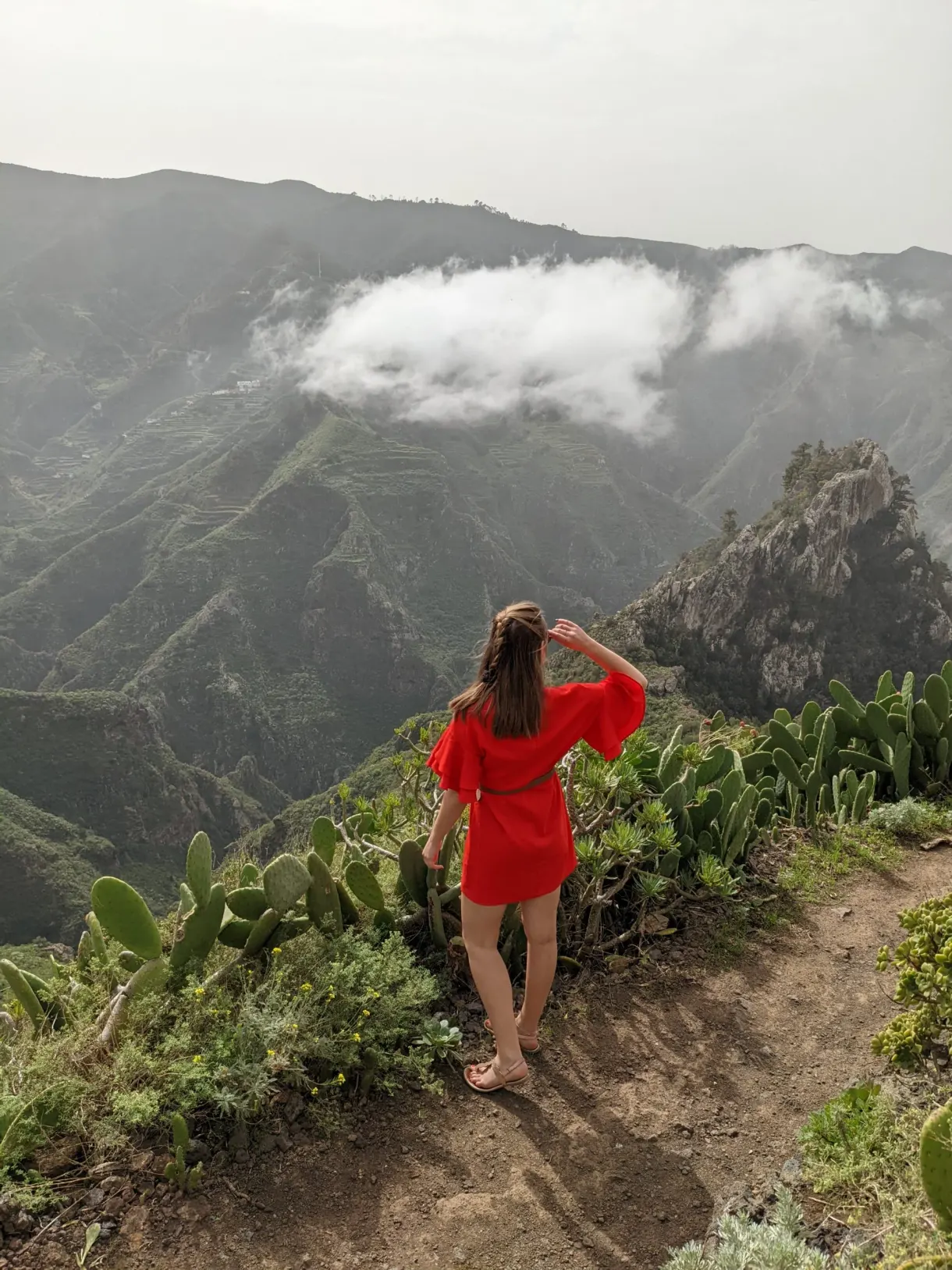
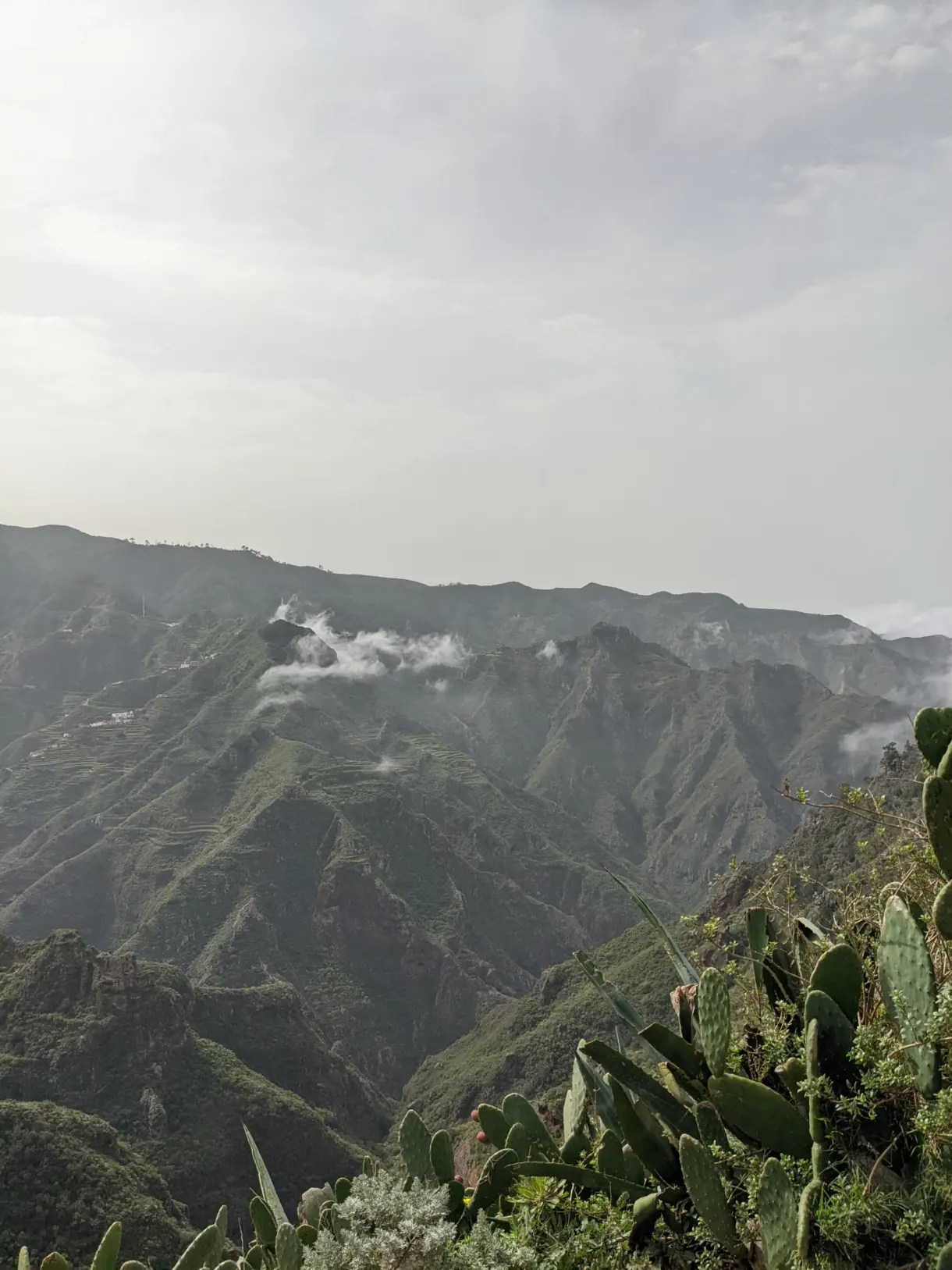
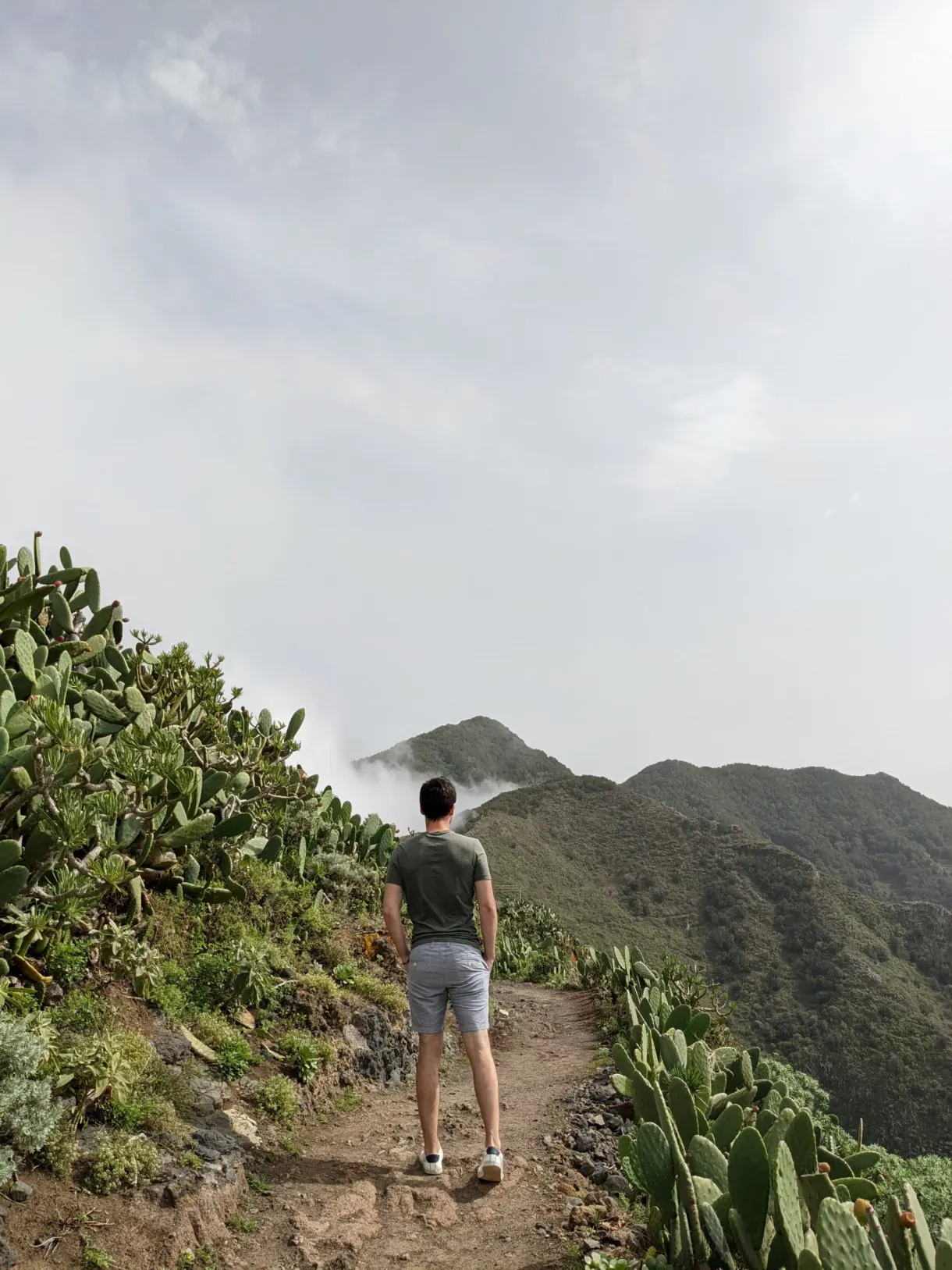
Our lovely gem unearthed inside the Anaga rural park! We didn’t meet anyone on this road to las Carboneras, far from the touristy miradors. This narrow road (a dead end at Chinamada) goes through the heart of the forest, then offers incredible views over the mountains and the terraced crops. You could almost believe you were on another continent! It’s a must-see within the park: you need to allow at least an hour. Once in the hamlet of Chinamada, you can set off on hikes that lead down to the sea, through barrancos. The atmosphere there was very special because we were at cloud level, in the heart of the mists! Quite simply magnificent.
Along the TF-12
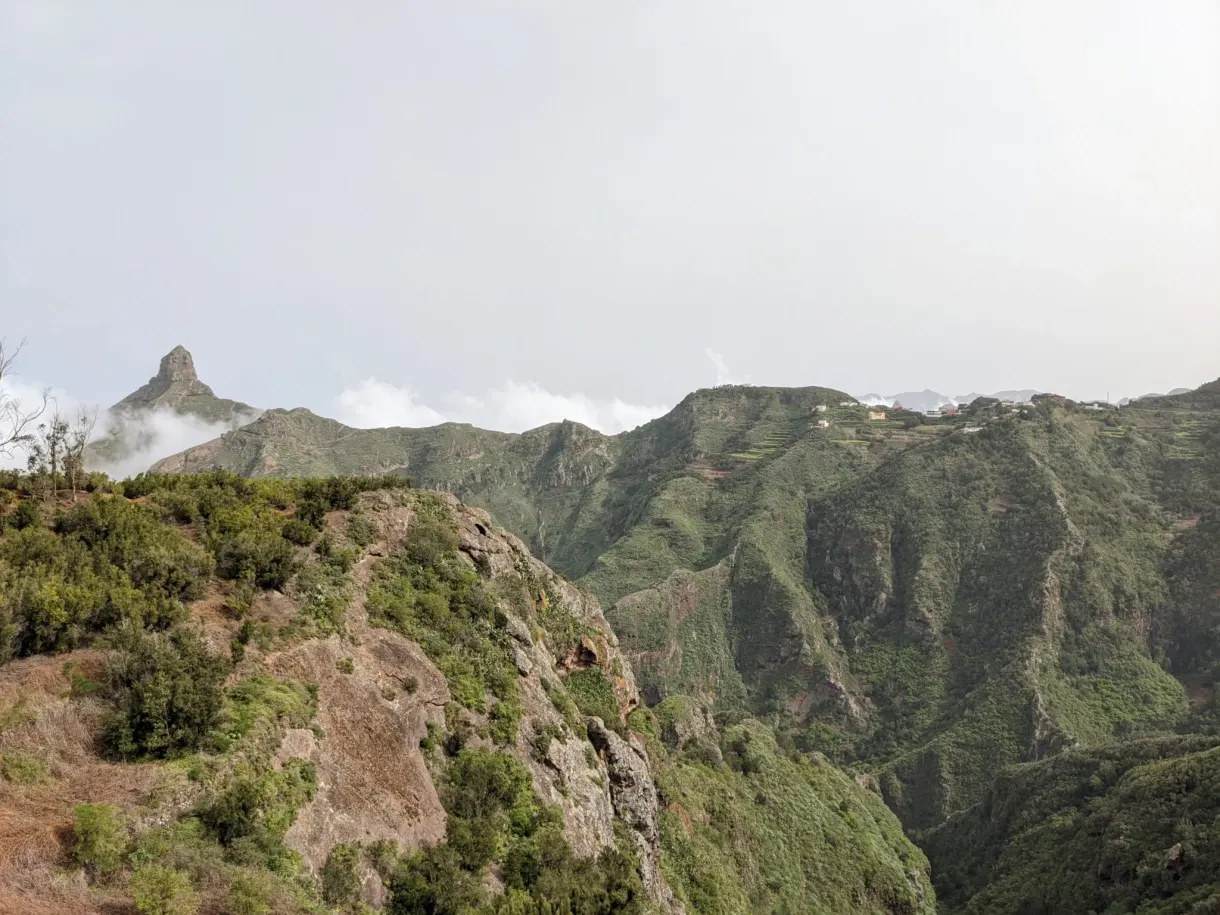
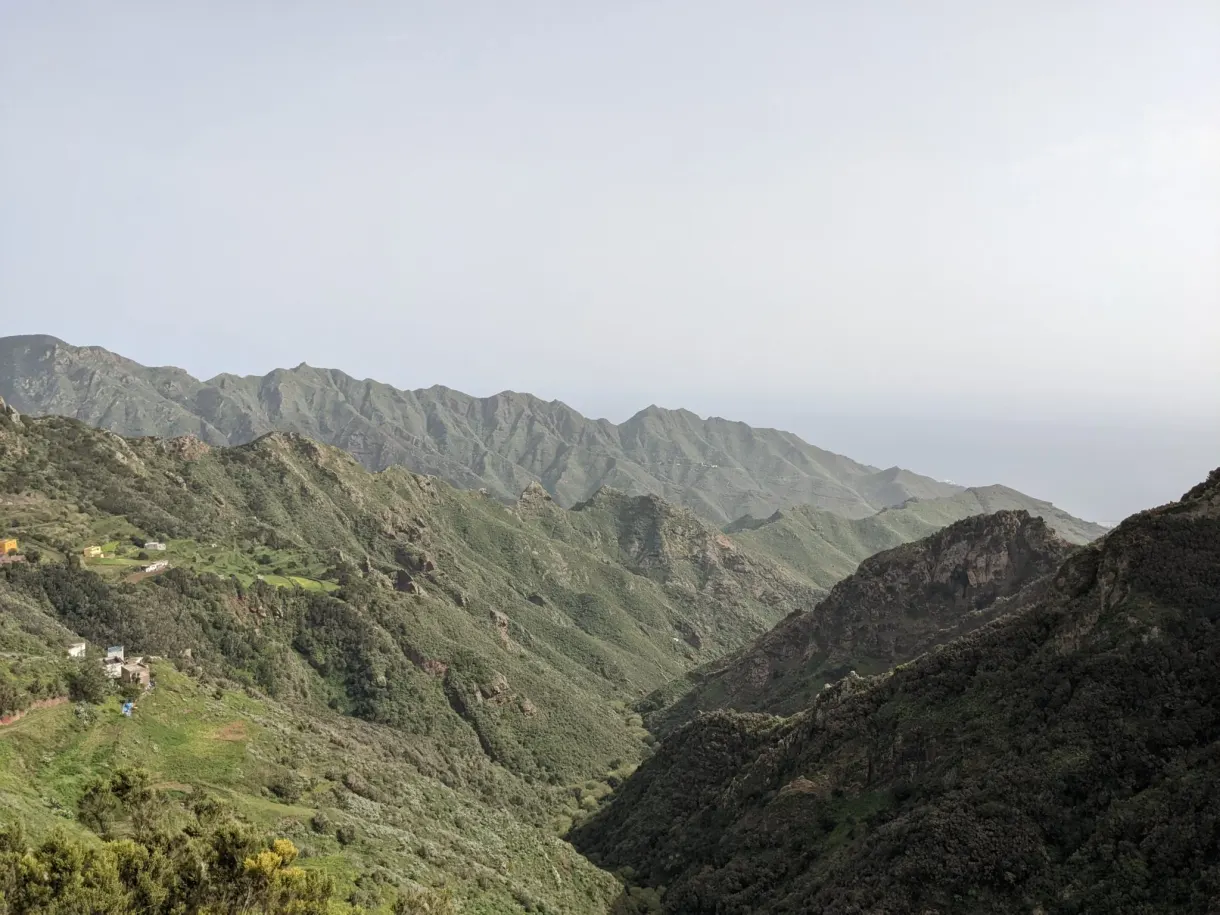
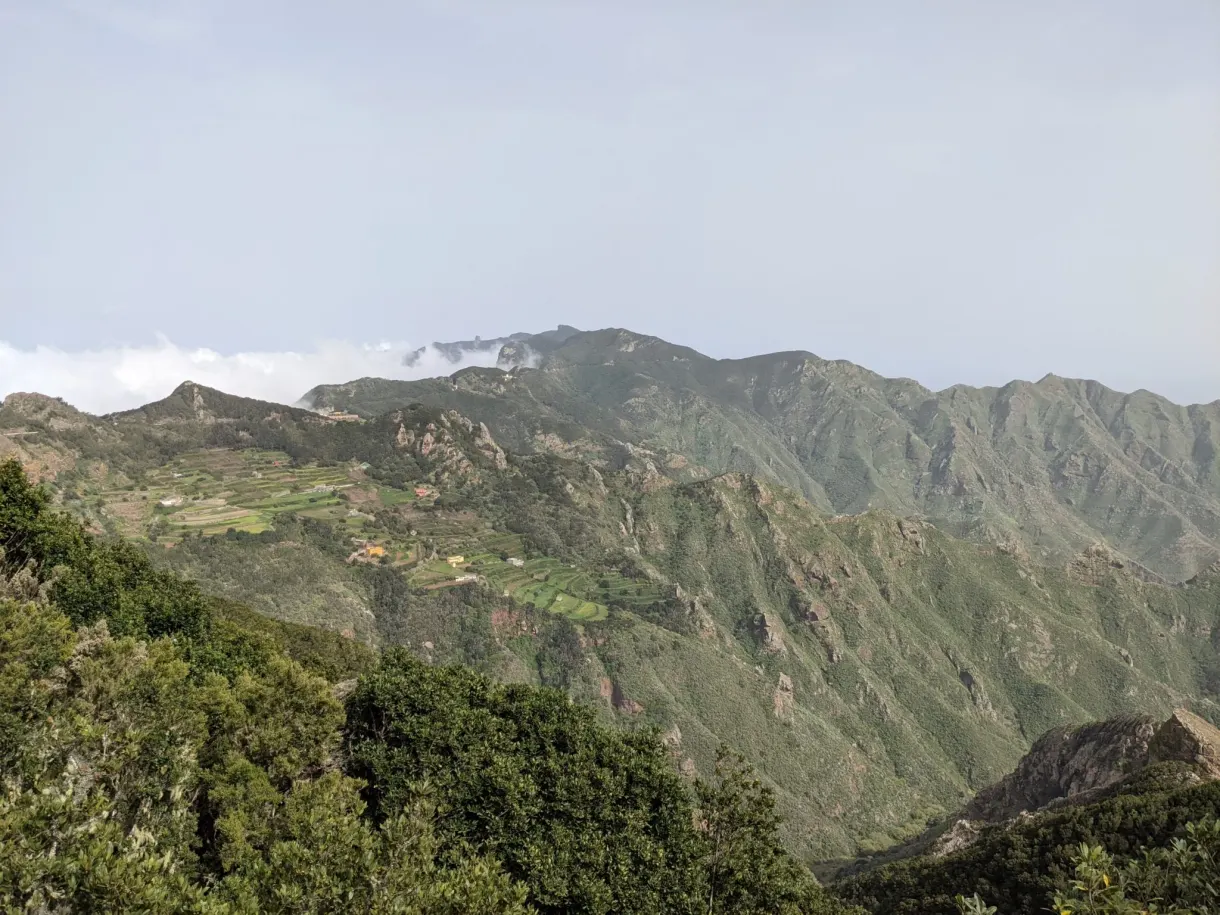
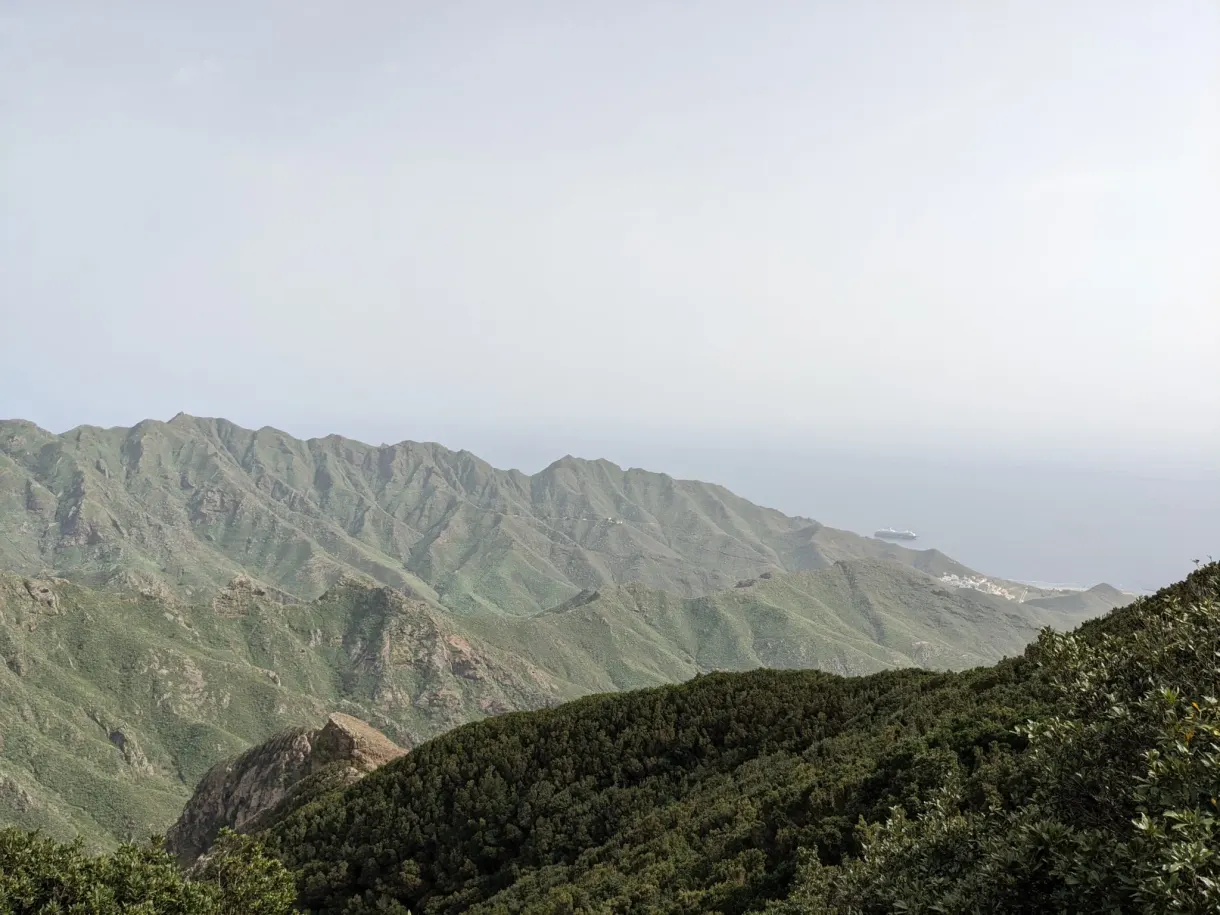
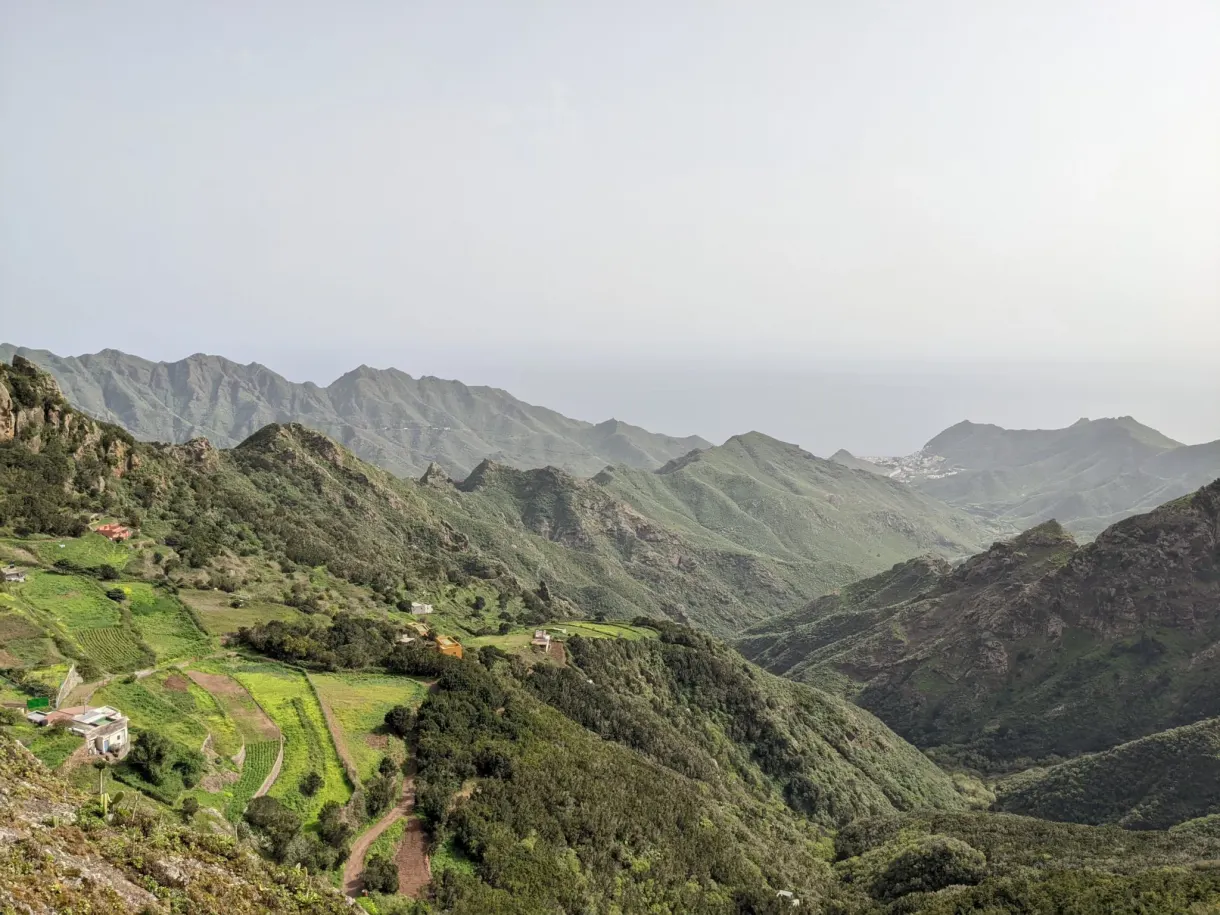
We then took to the road again on the TF-12, which leads into the heart of the Anaga rural park. There are many miradors along this road where you can stop on the verge. We were lucky enough to see the mountains and the forests in the sunshine, in relatively clear weather. We had read that fog was very frequent in this area of the island!
Taganana
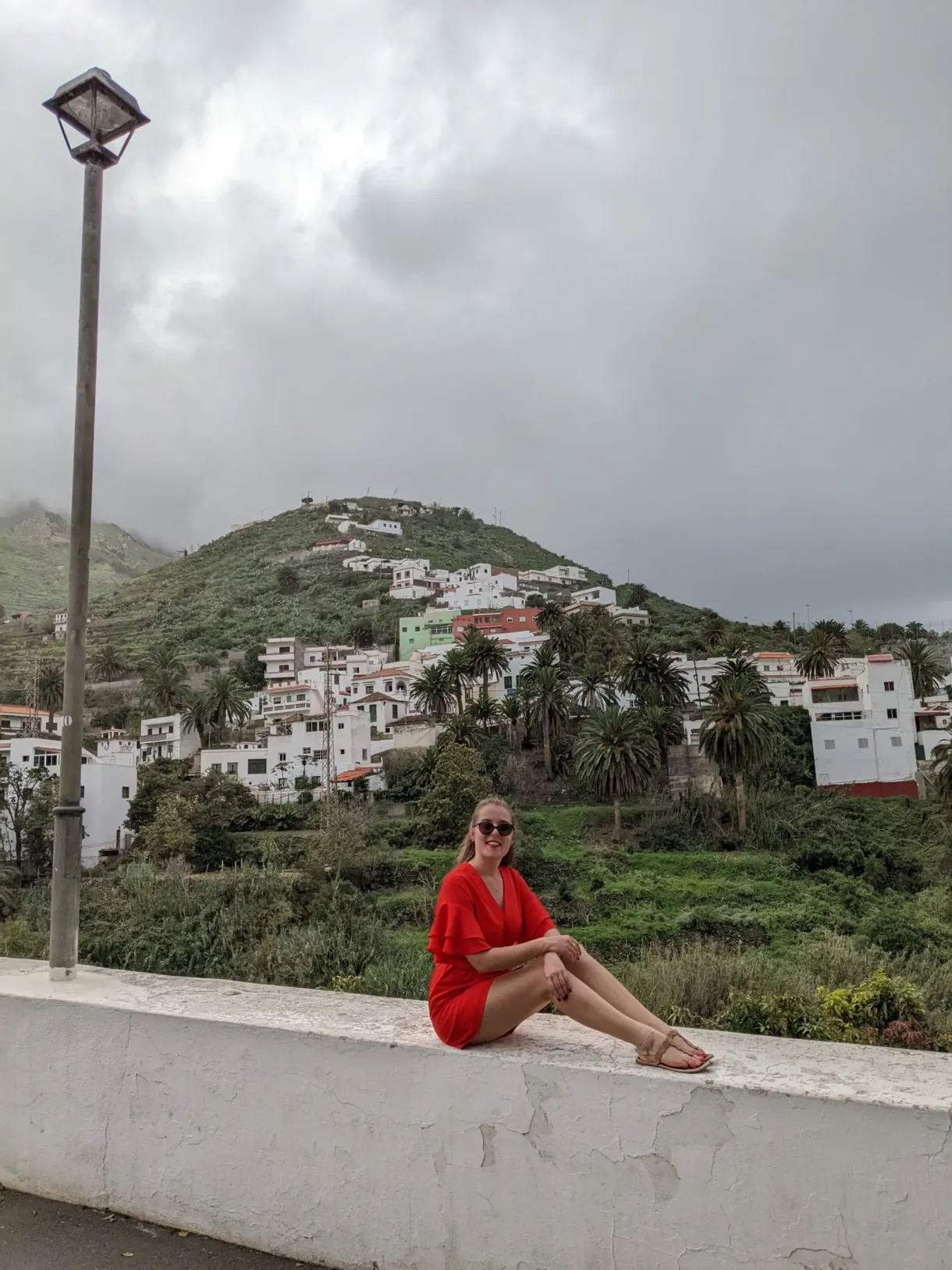
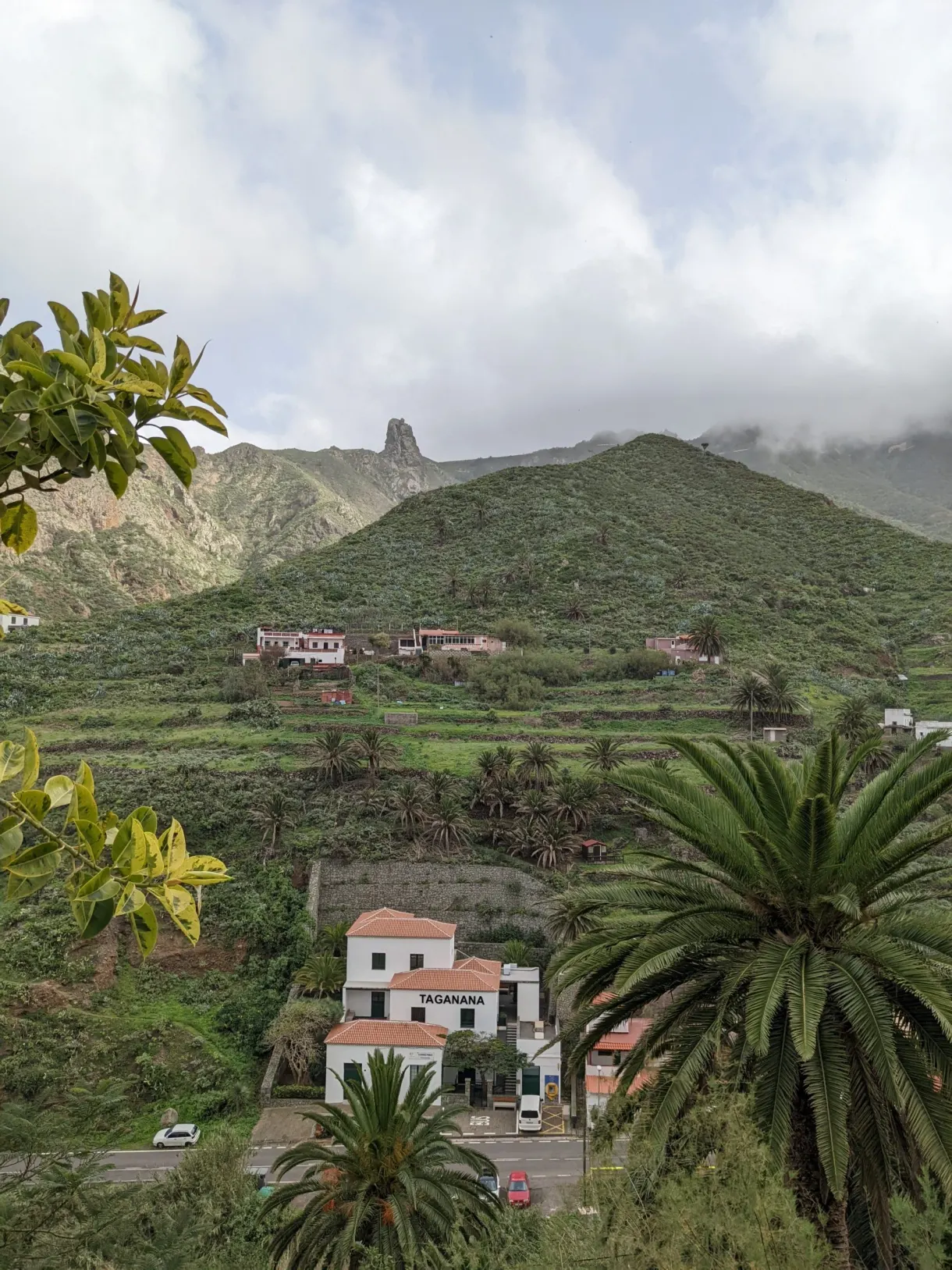
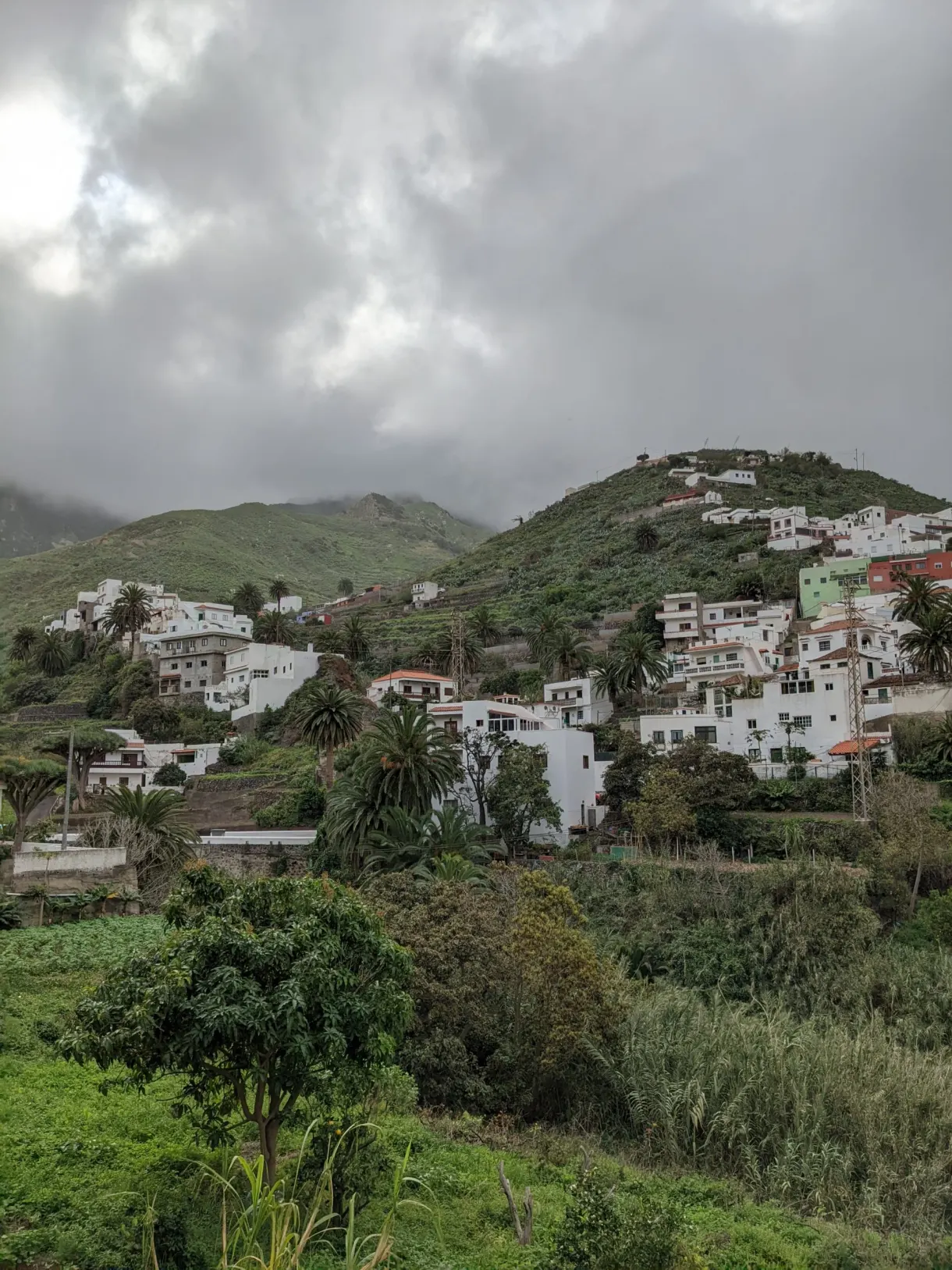
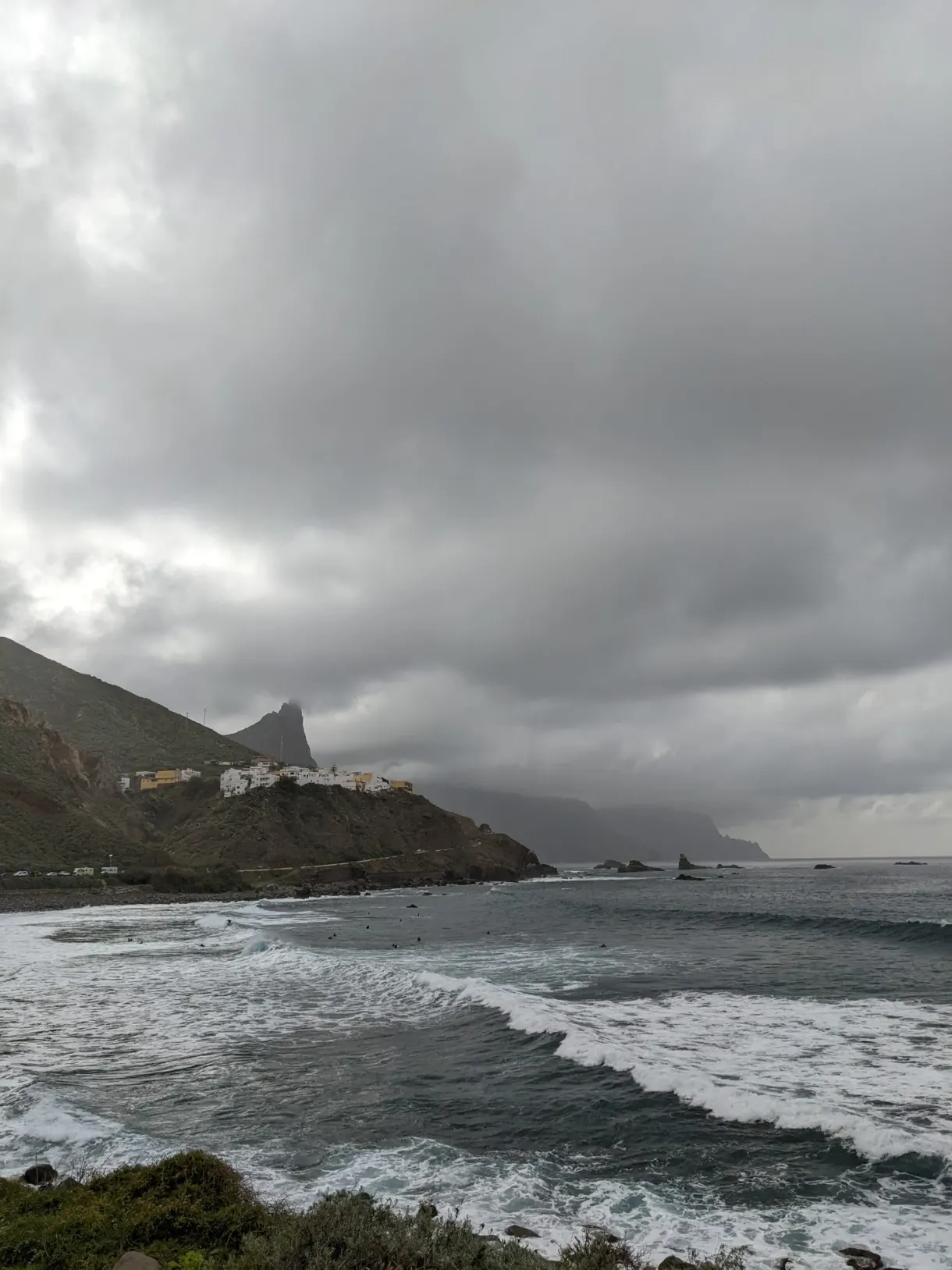
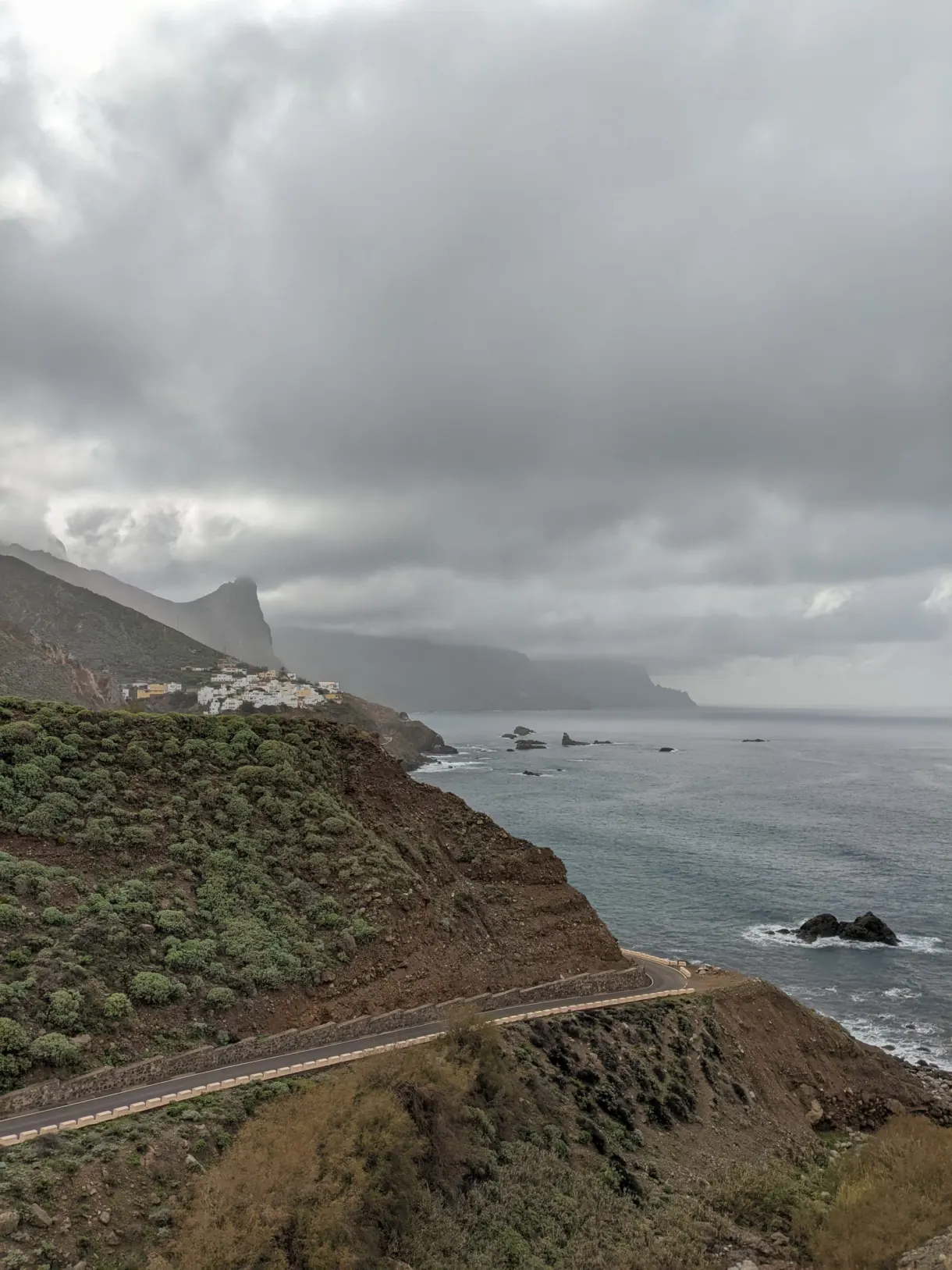
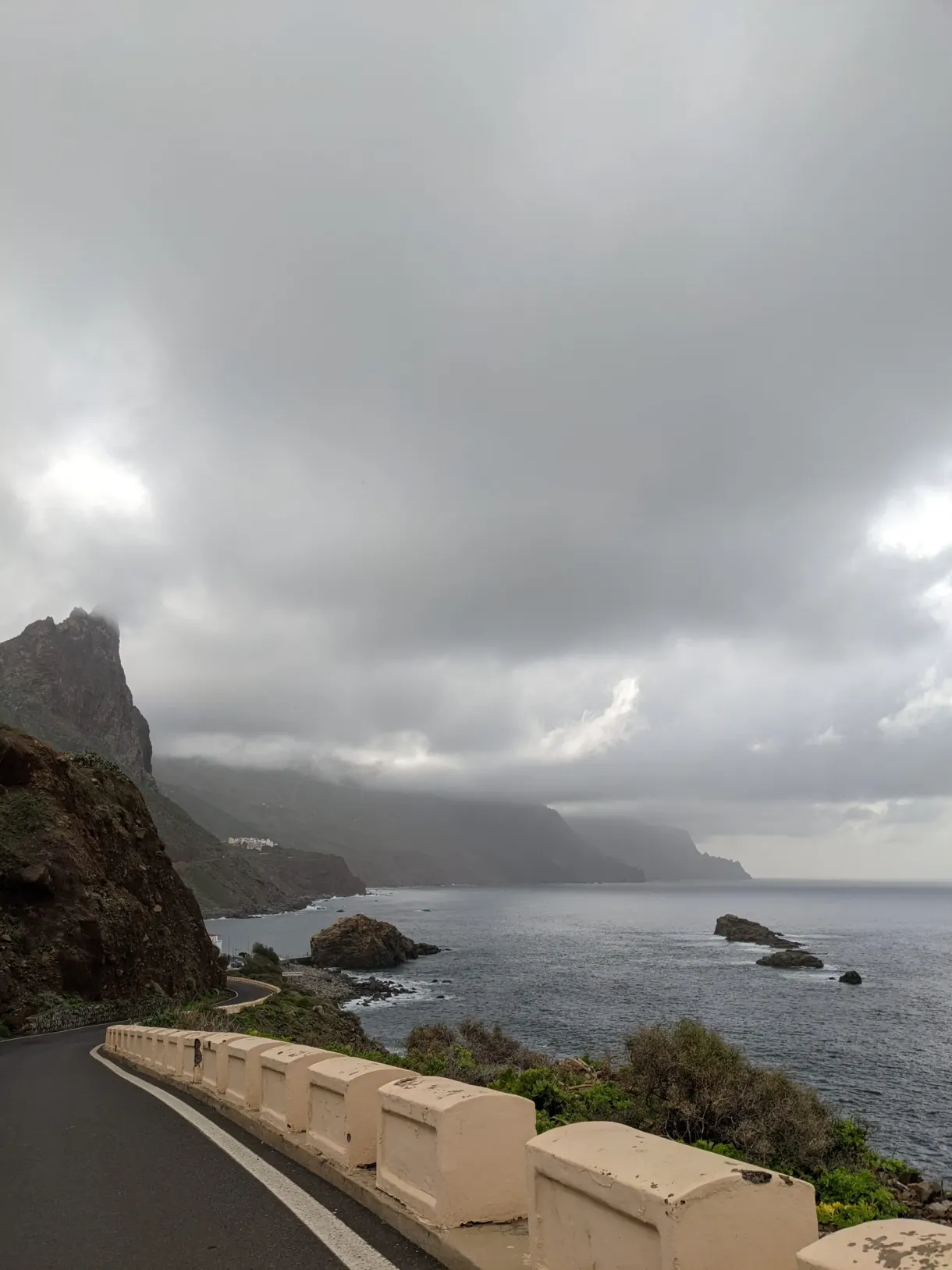
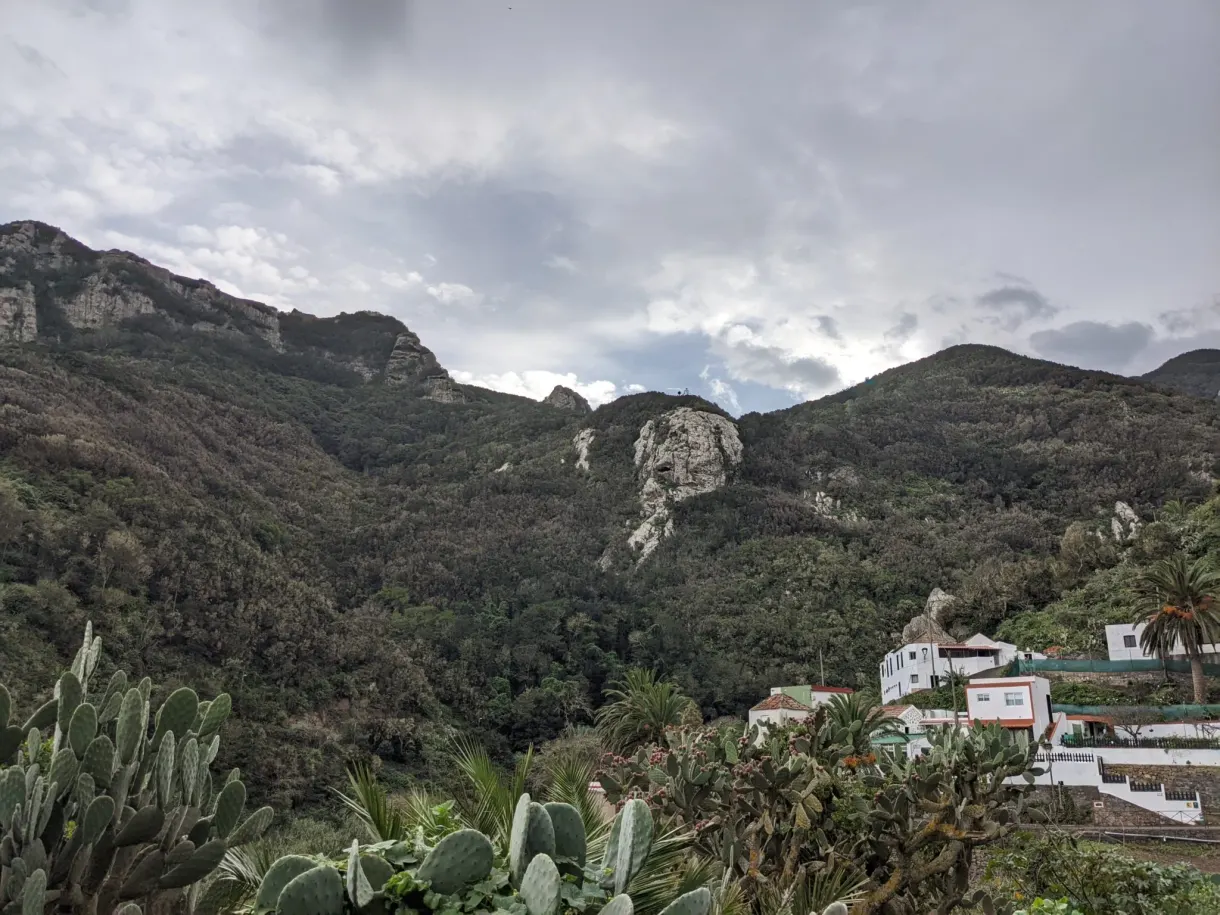
To reach the village of Taganana on the north coast, you have to go through a tunnel… radical change of weather on the other side! The sun was completely hidden under grey clouds and low mists. We parked in front of the Iglesia Ntra. Sra. de las Nieves. The village is small, so we went round it quickly!
The northern beaches
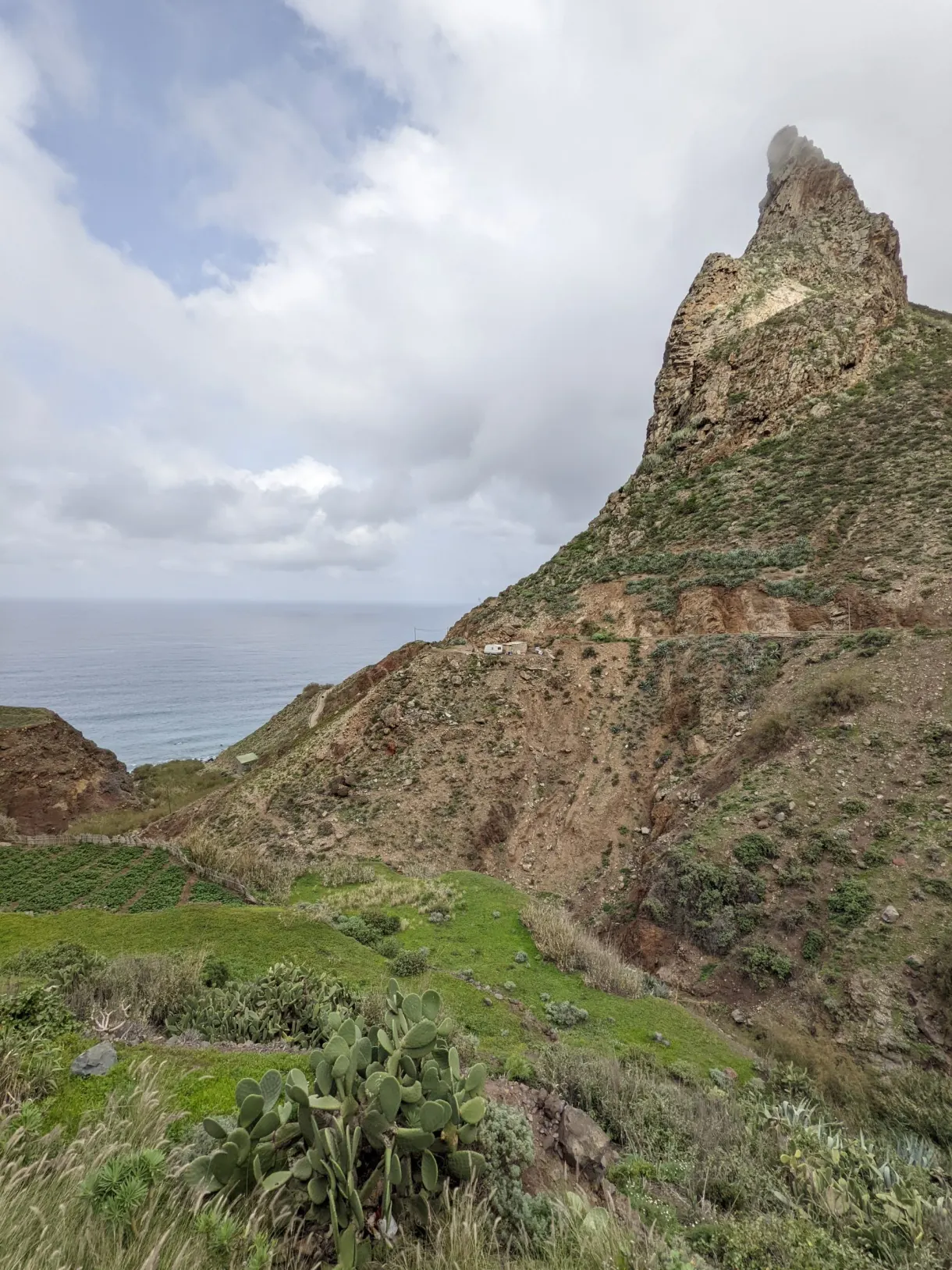
From Taganana, you can head to the north coast of the island to see the black sand beaches of Almáciga and Benijo. Very well known among surfers! The landscapes here are very different, with tall cliffs and low vegetation by the roadside. Unfortunately the sky was very grey and heavy, so we didn’t spend much time by the sea.
The TF-123
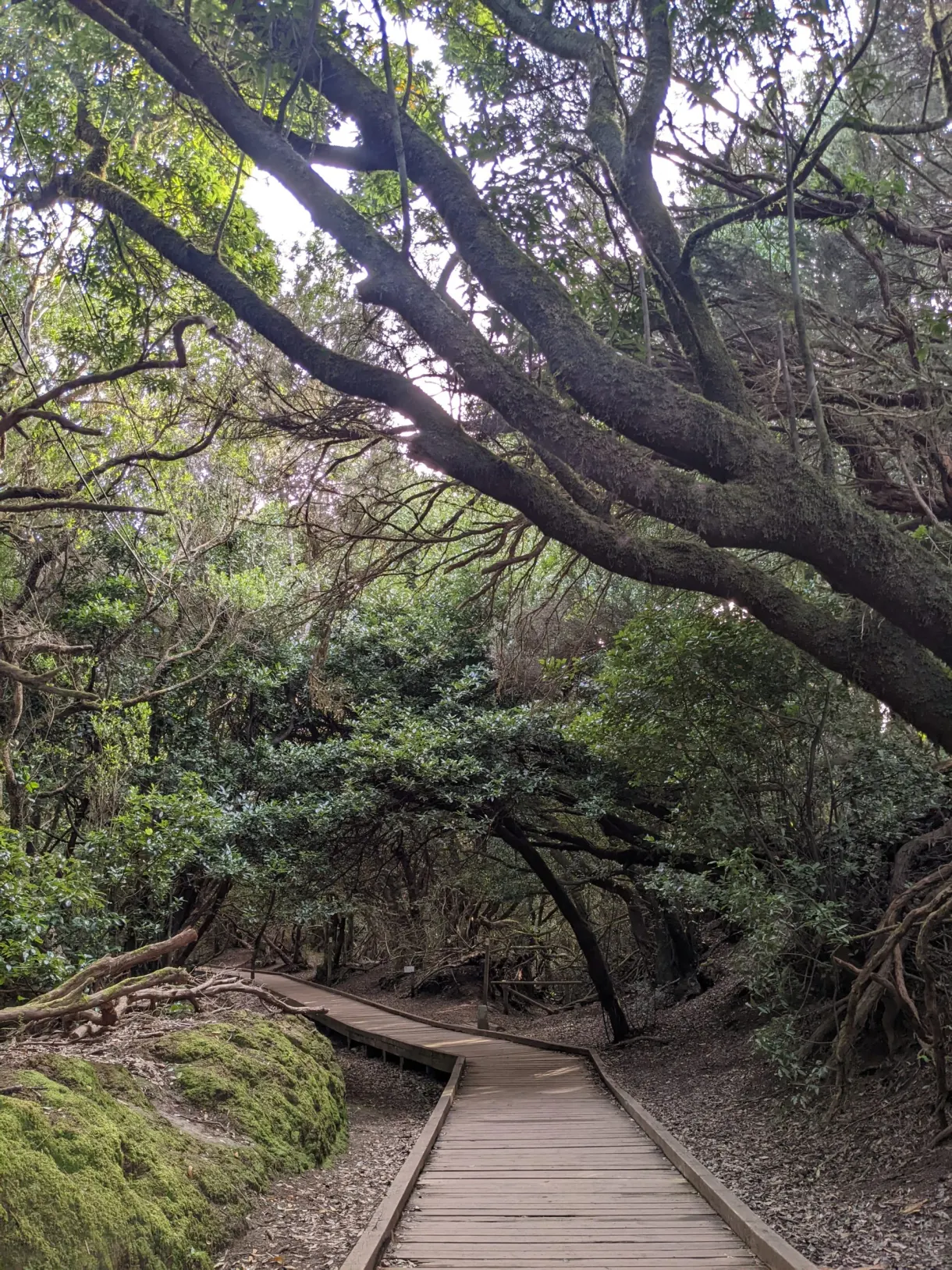
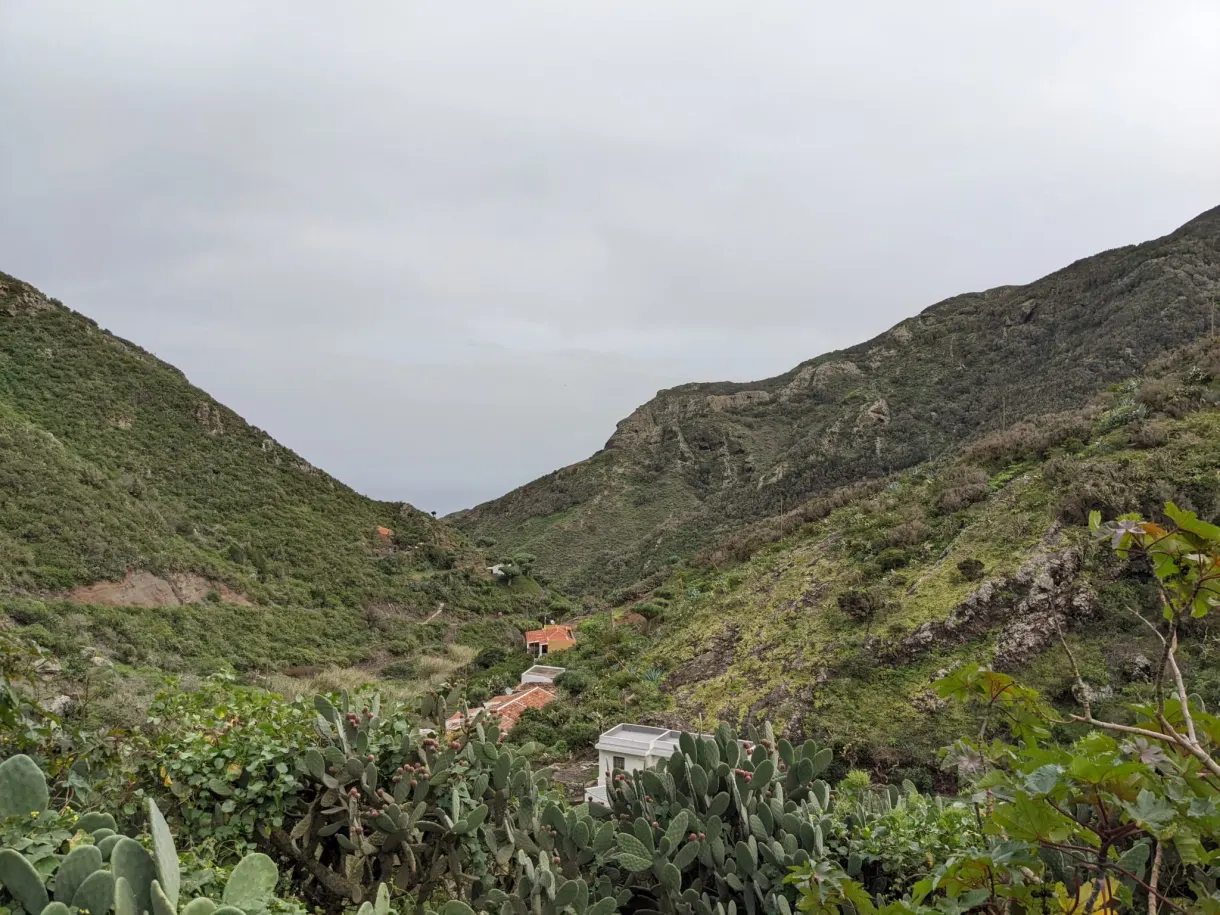
On our first visit to the Anaga rural park, we went to the easternmost point of the park, towards Chamorga. On the way to the village, we passed through the Bosque Encantado nature reserve (La Ensillada), a laurisilva forest that dates from the Tertiary era. This type of forest is made up of lichens, ferns, laurels and so on, which gives the road a special atmosphere. Chamorga isn’t of much interest in itself: it’s more of a starting point for hikers.
Food and drink: where to eat in the north of Tenerife?
All the good spots from our trip to Tenerife are concentrated in the north of the island.
- Zumaque in Puerto de la Cruz: a real favourite, this lovely spot revisits Spanish dishes with an Asian touch, fusion cooking (56€ for two)
- Naife Gastrobar in Puerto de la Cruz: spot with excellent value for money (traditional tapas revisited, 35€ for 4 kinds of tapas and a dessert to share)
- Mirador de San Pedro at the Rambla de Castro: very good traditional restaurant with an exceptional view (60€ for two starters and a large meat dish to share)
- Guaydil in San Cristobal de la Laguna: discreet spot in the town centre, fairly high prices for the quantity (33€ for two starters and a main to share)
- Makika & Co in San Cristobal de la Laguna: tea room set in a tree-lined patio in the town centre with a wide choice of small hot dishes, pastries and drinks (20€ for two drinks, two desserts and some croquetas)
- El Aderno in Buenavista del Norte: good pâtisserie on the north coast of the island with “French-style” entremets (9,75€ for four entremets
- Habatonka Factoria Dulce in la Orotava: very good “French” pâtisserie in the heart of the town, in a magnificent setting (11€ for two entremets and two cakes)
What we thought of the north coast of Tenerife
The north coast of Tenerife is the part of the island to discover first when you come for the first time! This is where the landscapes are the most preserved and the least spoiled by “mass” tourism. But also the most varied, between the rocky shoreline and the charcos towards Buenavista del Norte, the villages with their historic centres in Garachico or Icod de los Vinos, the seaside resort of Puerto de la Cruz, the Anaga rural park… We strongly advise you to avoid the touristy area in the south and to book your accommodation in the north of Tenerife, towards Puerto de la Cruz, la Orotova, or a bit further north still (where we were).
Read the article about our ten-day road trip in Tenerife to plan your next trip!
14 comments
Thank you for your comment! Marie & Romain
Anne-Marie5 December 2022
bonjour,
merci beaucoup pour vos précieux conseils. je m’en inspire pour organiser notre semaine à Tenerife la semaine prochaine. direction le Nord
Marie10 December 2022
Bonjour Anne-Marie, merci pour votre commentaire ! Ravie de lire que l’article vous est utile : vous devriez apprécier le nord de l’île, plus sauvage et authentique que le sud. Bon voyage à Tenerife !
Reply
HODA6 February 2023
Salut Marie,
Merci pour ton guide aussi riche. Comme je prévois un séjour à Tenerife prochainement, je me demande est ce que les sites/ endroits partagés sont accessibles en moyens de transport en commun vu que je compte pas louer une voiture. Merci!
Marie1 March 2023
Hello Hoda, même si le plus pratique reste la voiture, certains endroits de l’île sont accessibles en bus grâce au réseau TITSA (je t’invite à consulter leur site et leur carte interactive du réseau : https://www.titsa.com/index.php/en/tenerife-by-bus/tourist-routes-in-tenerife) !
Reply
BEY26 August 2023
Bonjour,
Merci pour votre super article. Nous partons à Tenerife en octobre et nous souhaitions passer 5 jours à visiter le Nord. J’ai vu que vous conseillez un logement à Puerto de la Cruz ou plus au Nord, des conseils plus au Nord?
Merci !
Marie26 August 2023
Bonjour Manu, de notre côté nous avons logé à quinze minutes en voiture au nord de Puerto de la Cruz, à cinq minutes de la TF5 (autoroute très pratique car elle fait le tour de la côte), à la Matanza de Acentejo (notre article complet ici : 10-day road trip in Tenerife). El Sauzal peut également une option pour pouvoir bien rayonner ou San Cristobal de la Laguna si vous souhaitez être au plus près du parc de l’Anaga qu’il ne faut surtout pas manquer. Je vous déconseille par contre Santa Cruz, une grande ville sans trop d’intérêt et peu authentique. N’hésitez pas à nous contacter sur Instagram en message privé pour en discuter plus longuement 😉
BEY26 August 2023
Merci beaucoup..!
Reply
Fabienne SEGERS9 November 2023
Merci pour ses excellentes indications. Nous y sommes pour l’instant et on en d’accord avec vos commentaires, gros coup de coeur pour Orotavia et on revient de la Laguna, très contents de la visite (personnellement je ne conseillerais pas la visite payante de la cathédrale,on a vu d’autres églises dans la même style et non payantes sur l’île). Merci
Marie12 November 2023
Un grand merci pour votre retour en direct sur notre article Fabienne : on espère que vous avez passé un bon séjour à Tenerife ! N’hésitez pas à retrouver nos conseils sur Instagram aussi ☺️
Reply
Amelia28 December 2024
Bonjour, mon conjoint et moi serons à ténérife à partir du 07 Janvier,
Nous aimerions savoir s’il est possible d’obtenir votre itinéraire ( Jour 1, jour 2, jour 3, etc)
Ça nous aiderais à construire notre route avec toutes les infos que je viens de lire ici.
Vos photos sont magnifiques !
Marie8 January 2025
Bonjour Amelia, merci pour votre commentaire ! Ravis de vous aider sur ce voyage à Tenerife. Vous trouverez tout le détail de nos 10 jours sur l’île dans notre article dédié : 10-day road trip in Tenerife
N’hésitez pas à nous contacter sur Instagram en message privé pour plus d’infos et de détails ✨
Reply
Mina5 March 2025
Bonjour Merci pour votre article qui nous encourage à réserver dans le nord 🙂 Nous serons 2 couples. Nous qui aimons randonner et bouger et l’autre couple plus sédentaire. Plus à rester à la plage. J’ai bien compris que nous, nous allons adorer. Pour mes amis, y a-t-il des plages sympas avec un peu de mouvement près de Puerto de la Cruz (notre hôtel est à 500m de là) ? Et vous conseillez de visiter le nord en moto/scooter ou plutôt en voiture ? Bonne journée
Marie5 March 2025
Bonjour Mina, merci pour votre commentaire ! Ravis de vous aider sur ce voyage à Tenerife. On vous conseille en effet de loger dans le Nord de l’île pour en profiter un maximum (car c’est la partie la plus belle et sauvage de l’île).
Vous pouvez regarder du côté de la Playa del Castillo à Puerto de la Cruz (sable noir) ; Playa de las Teresitas au nord est également ; Playa de la Tejita au sud.
Pour le moyen de locomotion : 100% la voiture pour circuler facilement !
N’hésitez pas à nous contacter sur Instagram en message privé pour plus d’infos et de détails ✨
Reply
Sandrine5 February 2026
Bonjour
Nous serons 1 semaine dans le nord de tenerife en mars 2026.
Merci pour tous ces conseils de visitesBonjour,
Nous serons une semaine dans le nord de Tenerife en mars 2026.
Merci pour tous ces conseils de visites. Ils me sont bien utiles pour preparer notre voyage.
Bises
Reply