10 days in Provence: the north of the Vaucluse
We started our road trip in Provence with an afternoon and an evening in Orange. Half a day is enough to explore the town centre and its must-sees.
What to see in the north of the Vaucluse
Orange
We started our road trip in Provence with an afternoon and an evening in Orange. Half a day is enough to explore the town centre and its must-sees. Even if the small town centre isn’t wildly charming, we wandered through the pedestrian lanes and visited the Notre-Dame-de-Nazareth Cathedral.
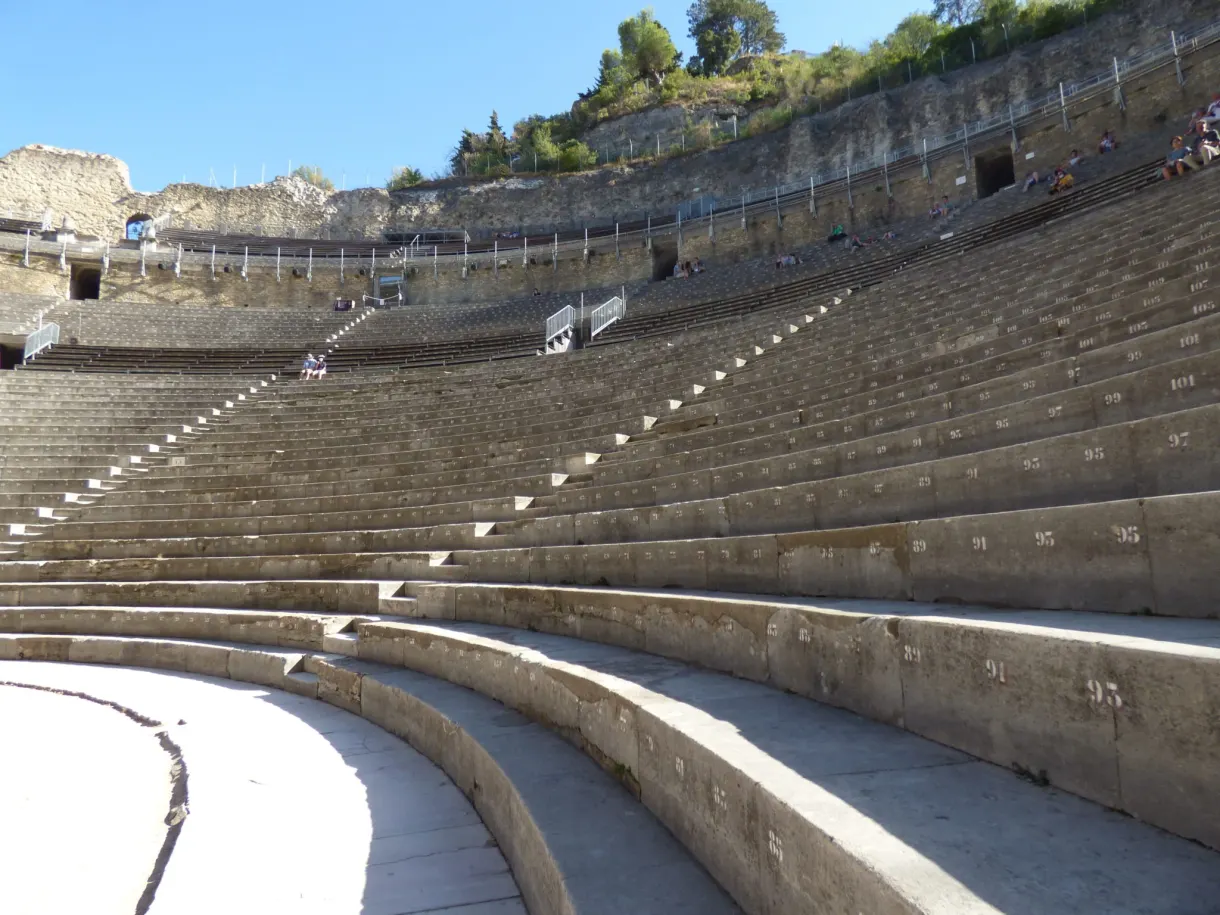
We couldn’t come to Orange without visiting its famous Roman theatre, which hosts the Chorégies concerts every year. Inscribed on the UNESCO world heritage list, it’s the best preserved theatre in Europe! Entry to the Theatre and the Museum of Art and History costs 9.50€ at full price (7.50€ reduced rate). The visit is as interesting as it is impressive! You can discover the stage wall, 37 metres high, the tiers of seating as well as the remains of the temple. Thanks to the combined ticket, we also visited the small archaeology museum opposite the Theatre. It holds a collection of remains found in the many archaeological digs in Orange.
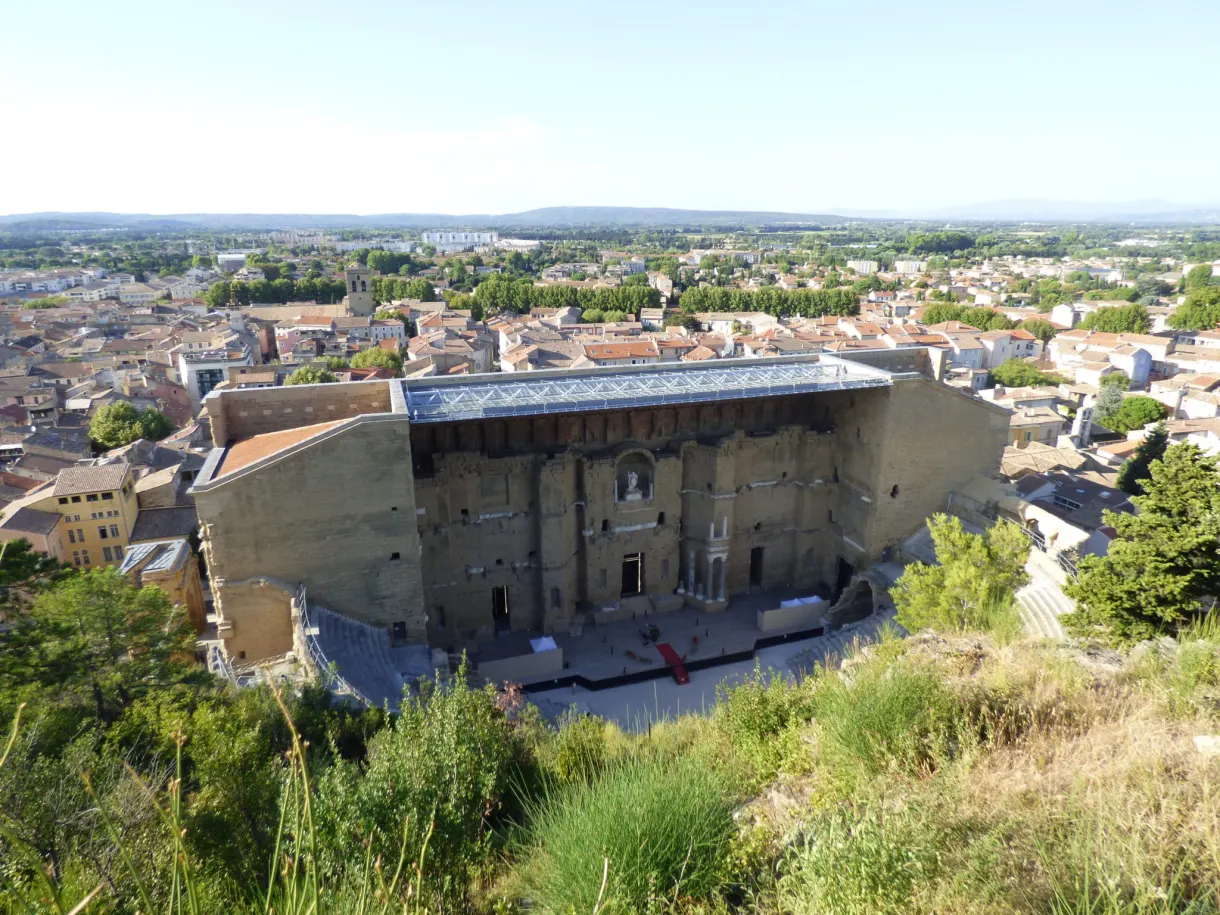
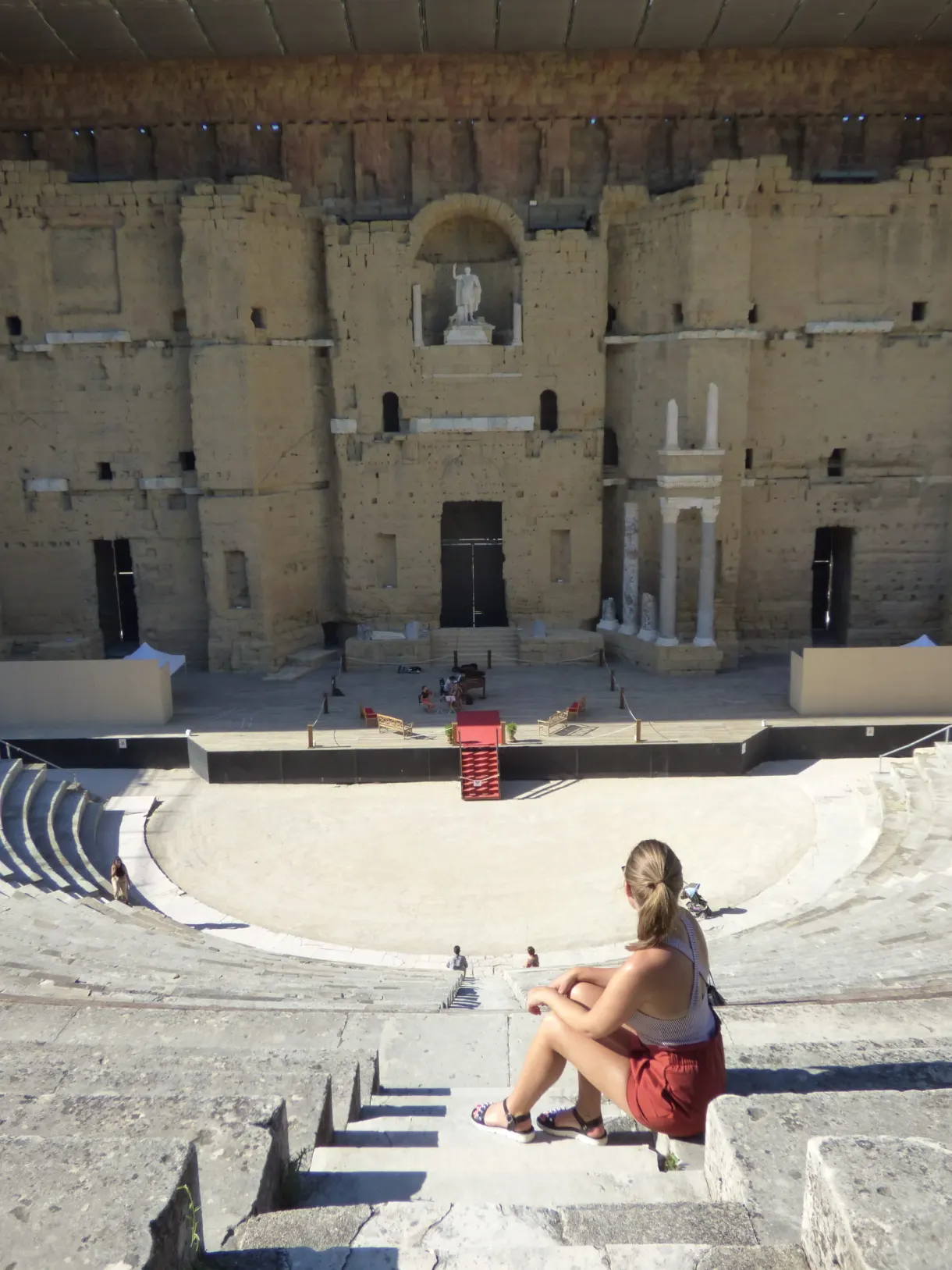
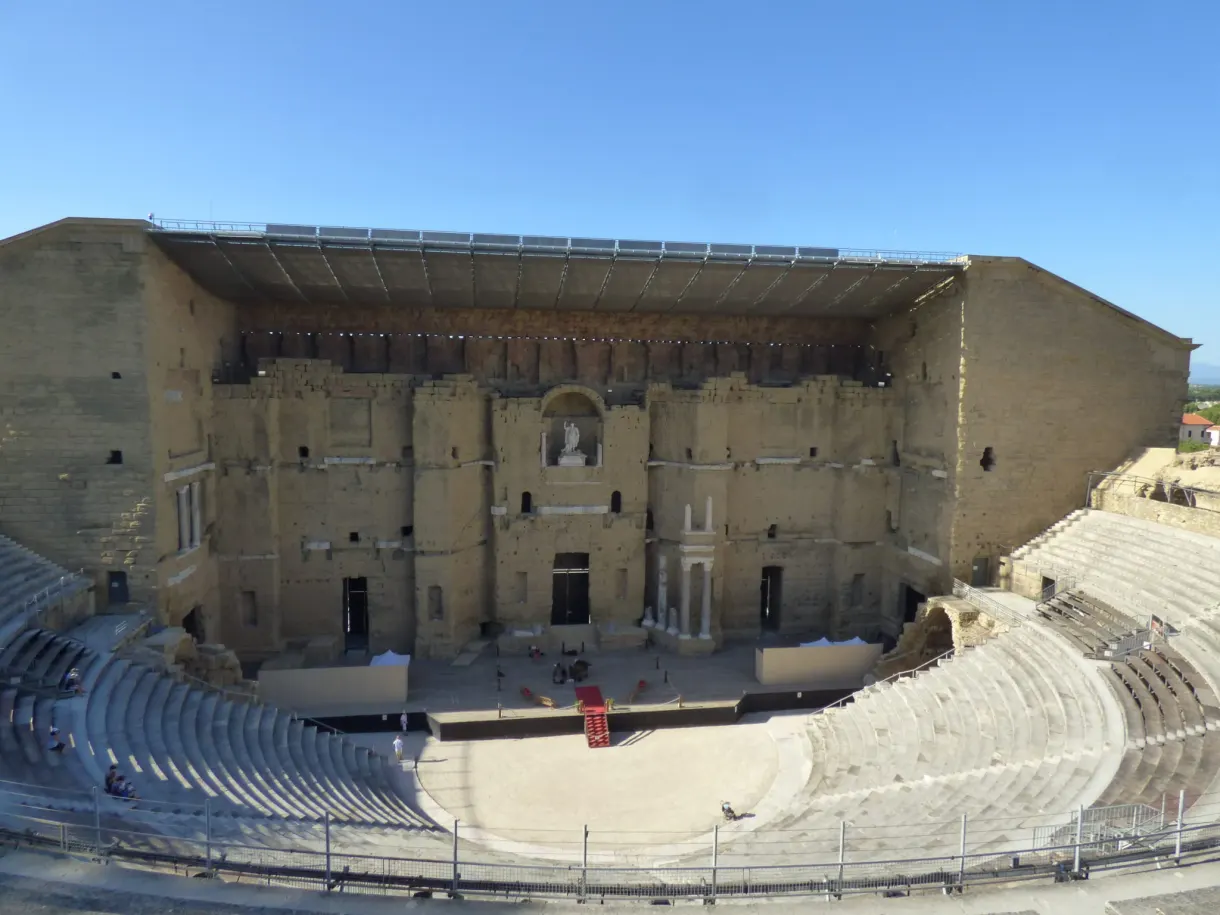
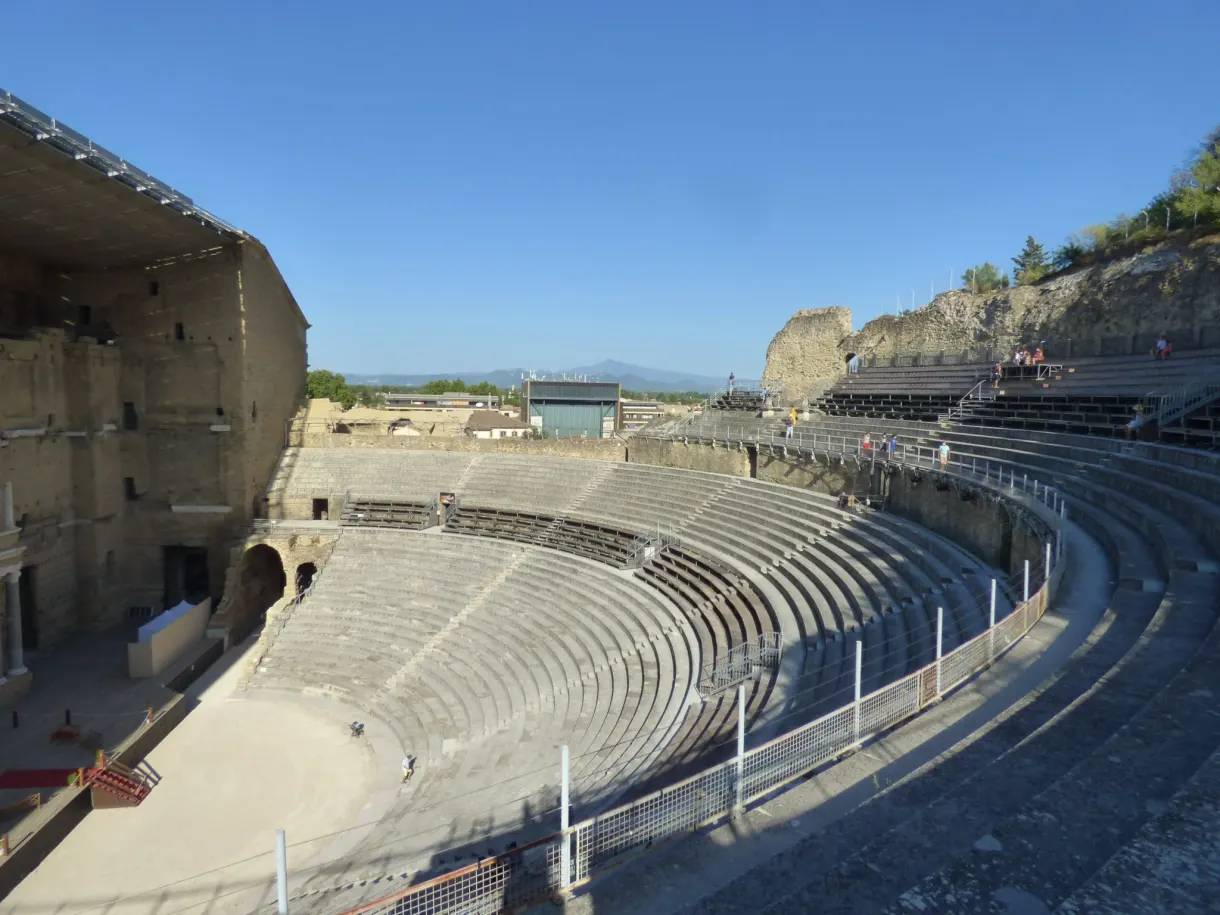
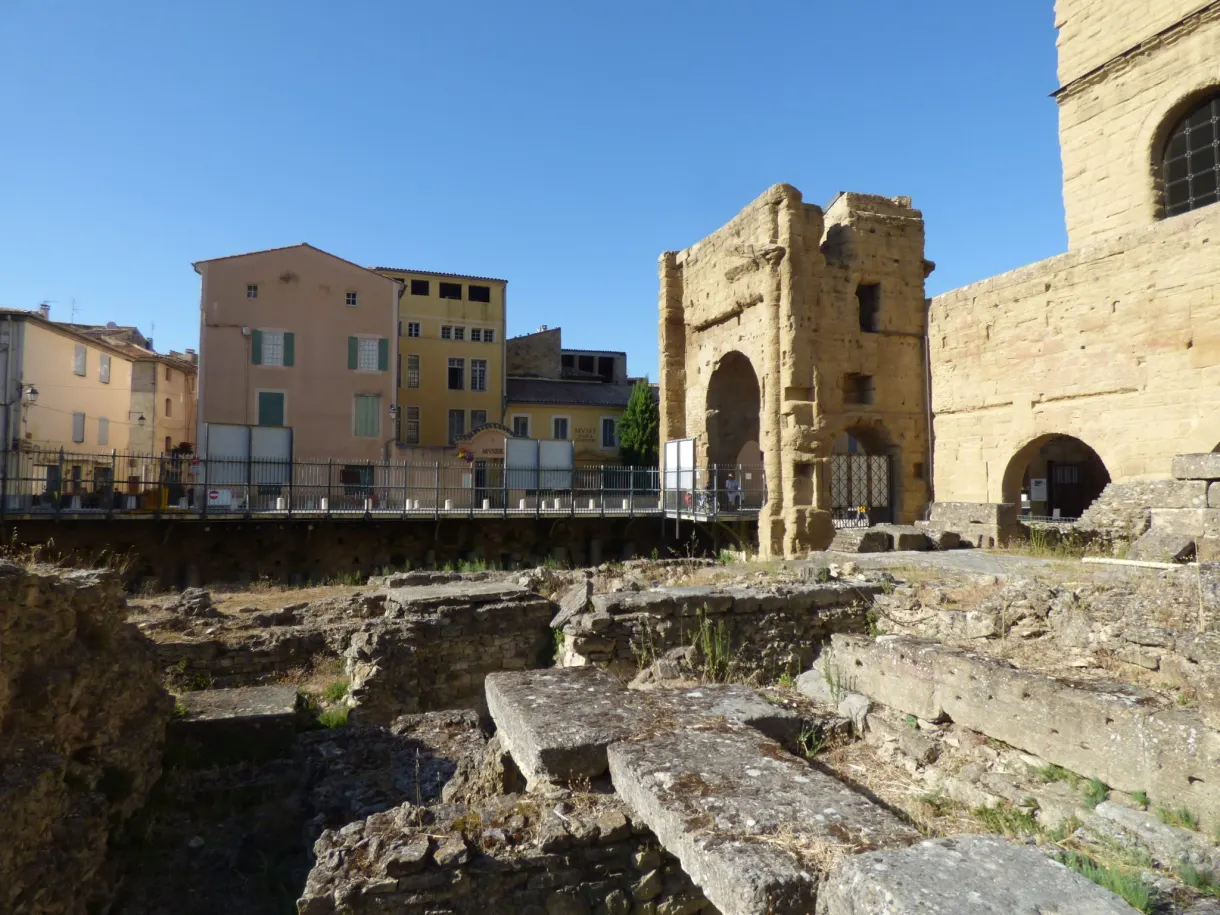
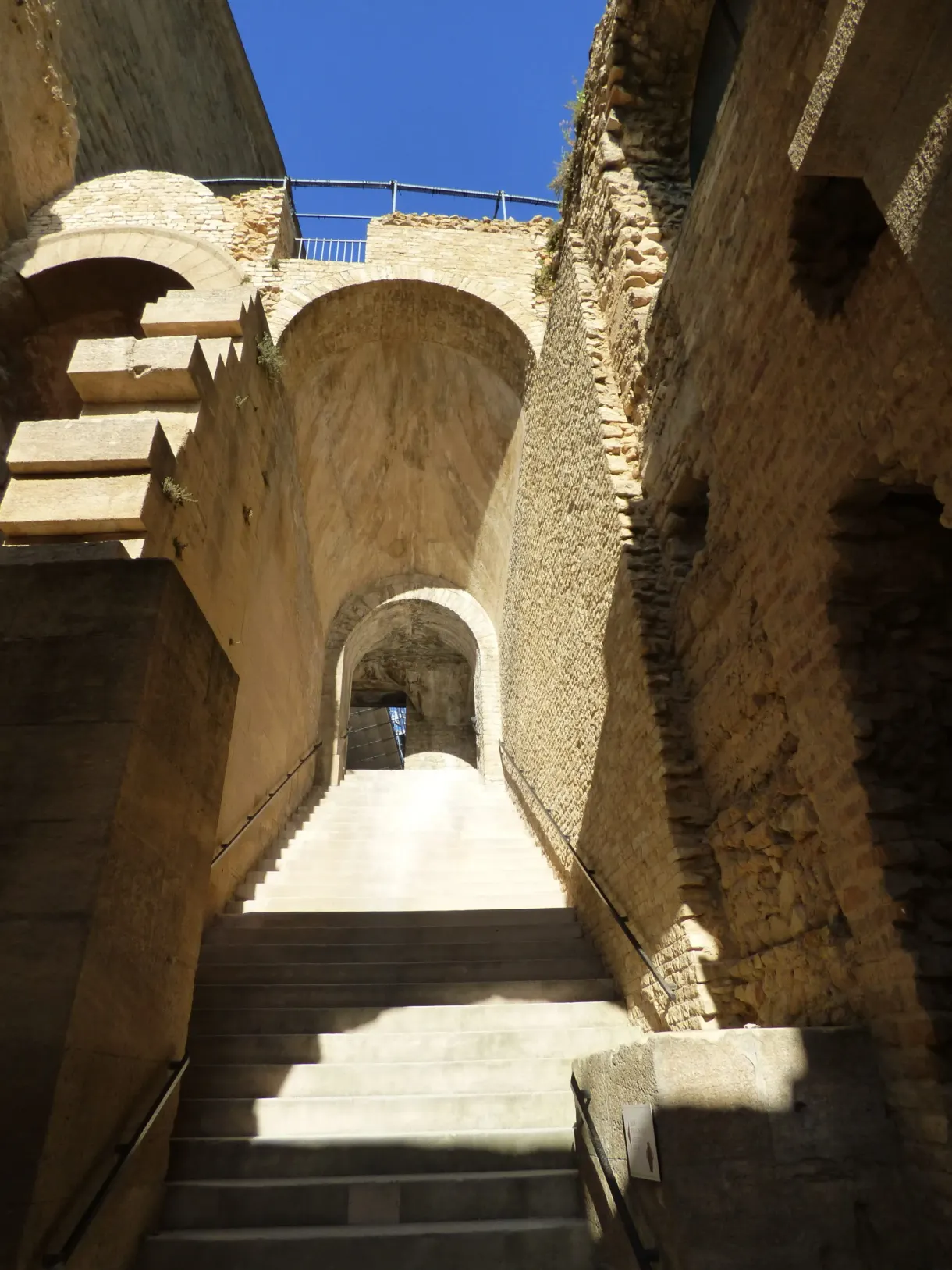
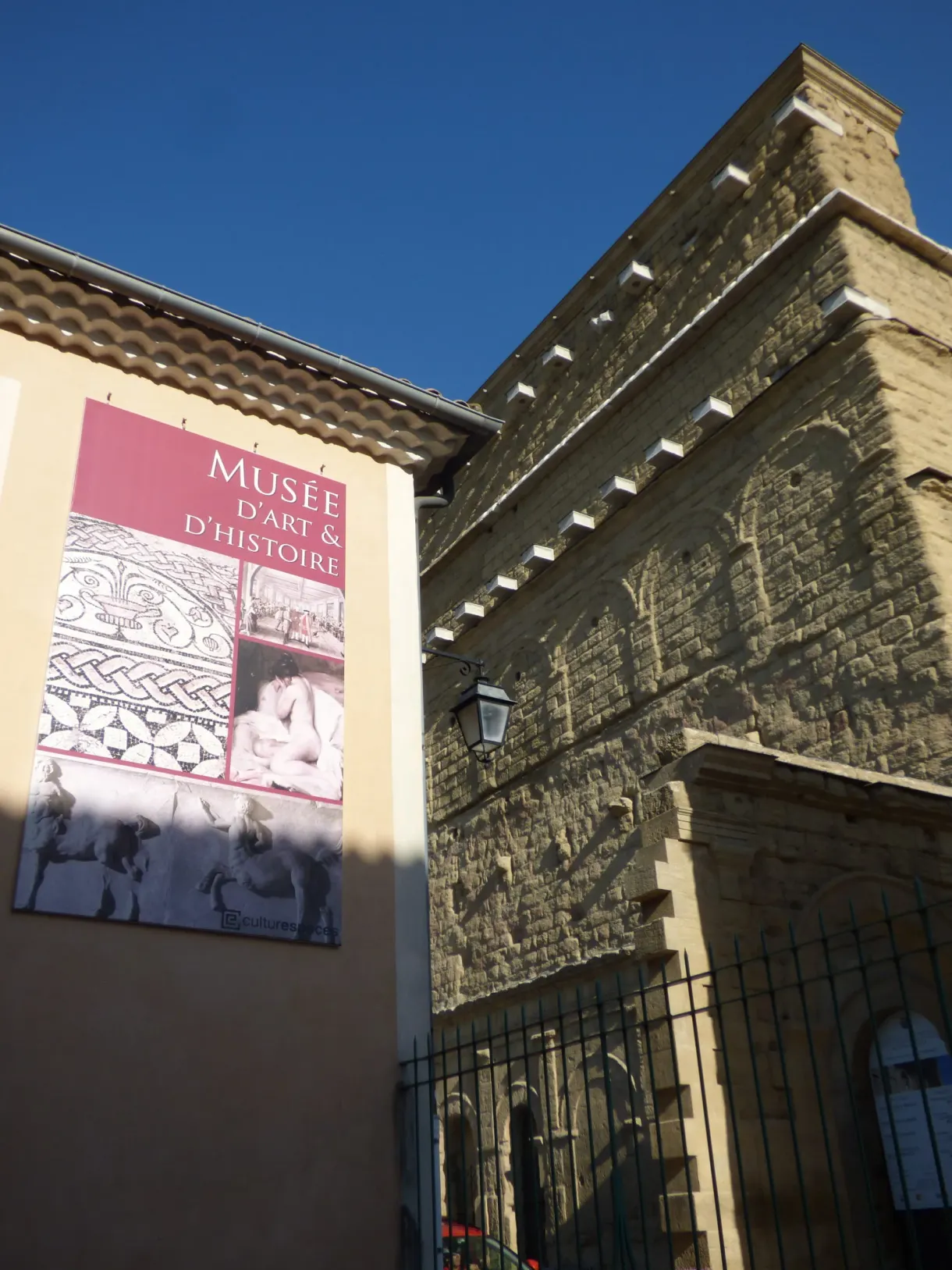
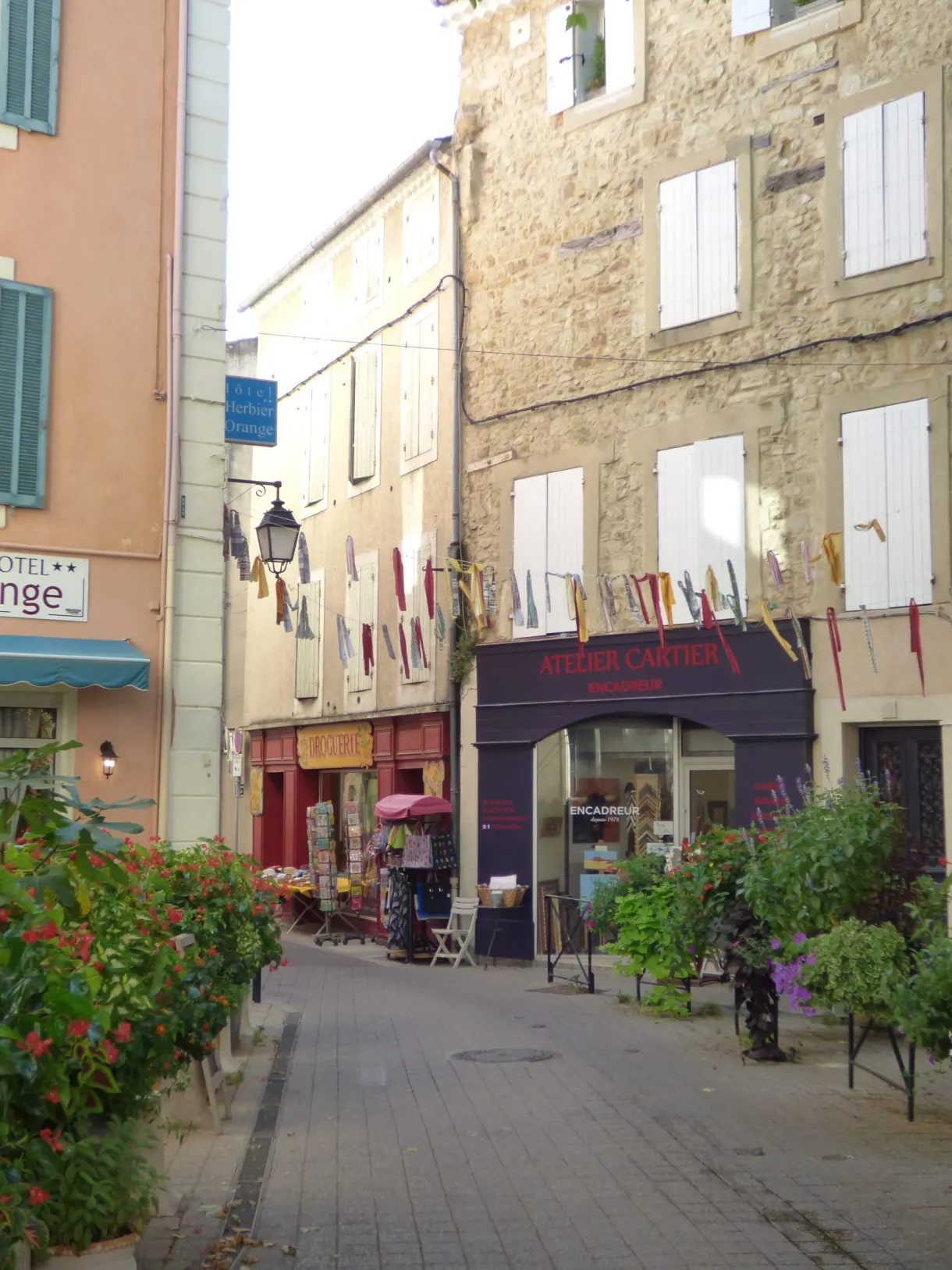
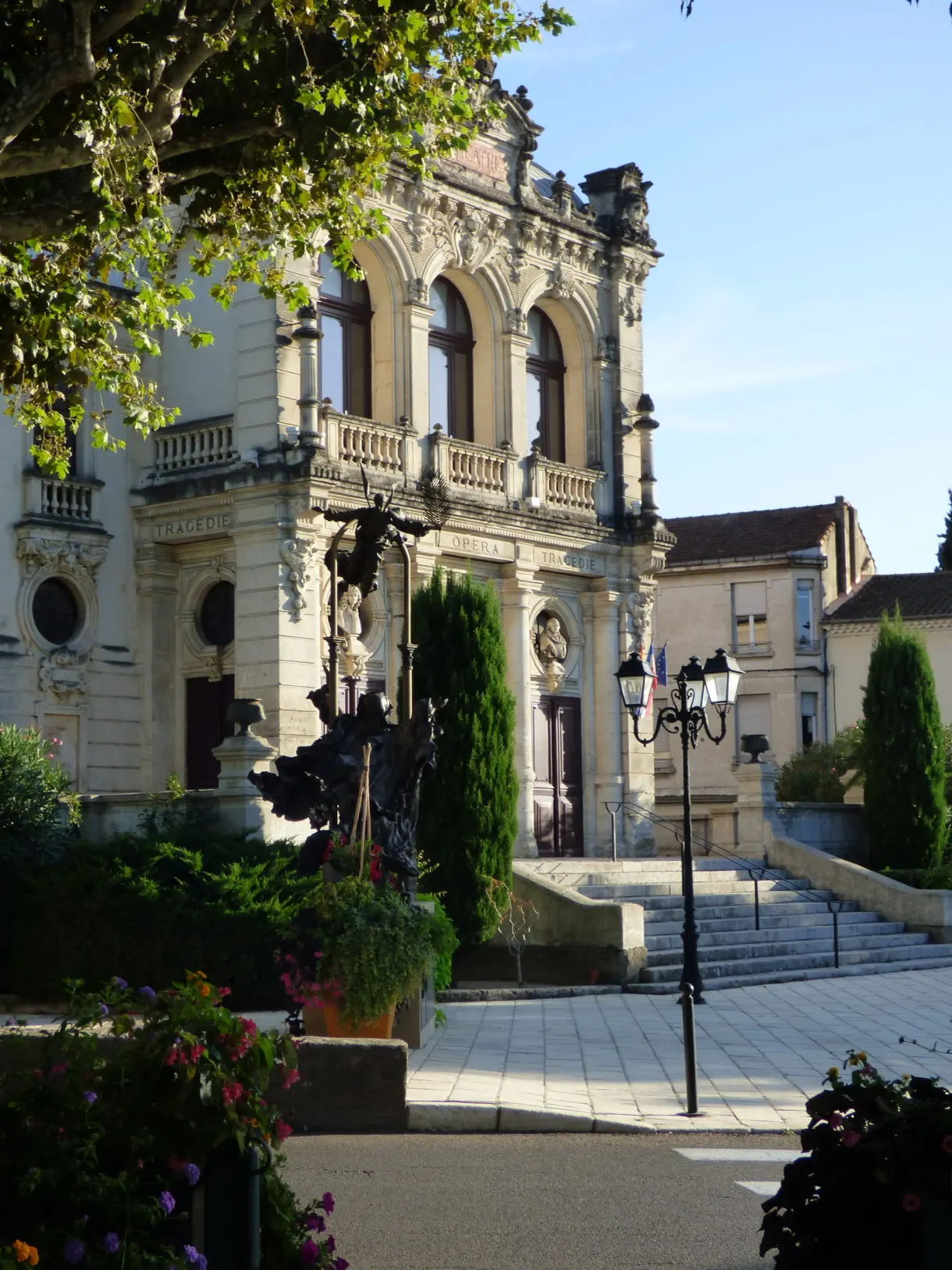
We then wanted to get some height over the town and discover the Roman theatre from another angle. Off to Saint-Eutrope hill and its huge park that overlooks the town and offers a superb view over the surroundings! The climb is worth it: follow the signs for the belvedere, which leads literally to a viewpoint above the theatre.
Another UNESCO listed monument: the Triumphal Arch of Orange, which unfortunately we didn’t get the chance to see as it was being restored that summer.
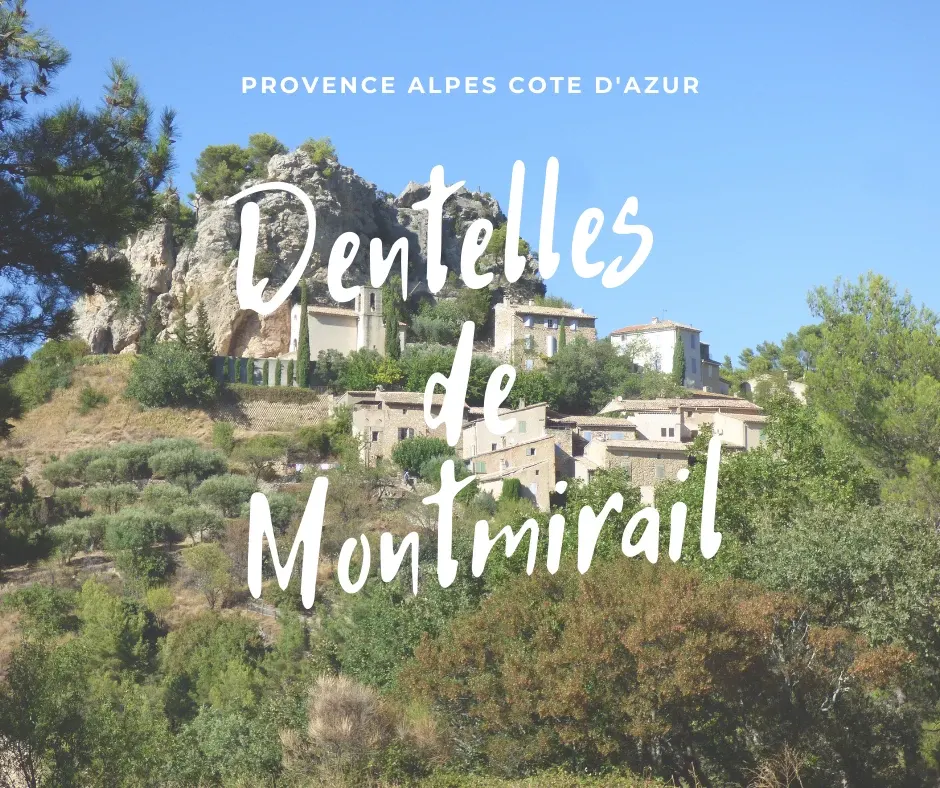
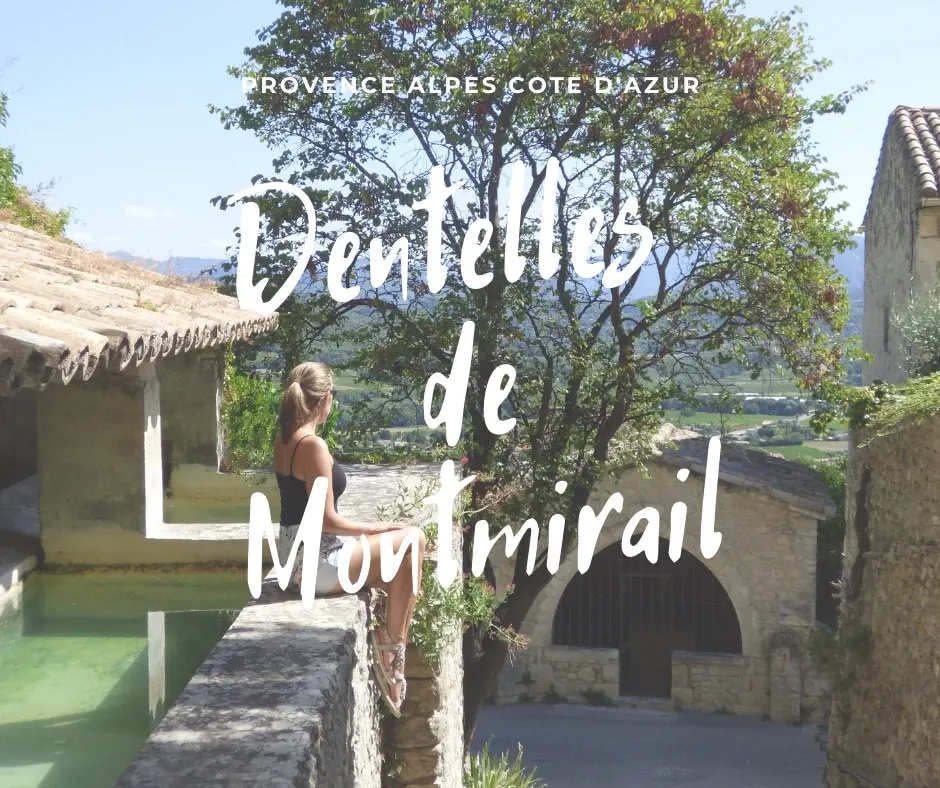
The hilltop villages of the Dentelles de Montmirail
Day 1
Malaucène
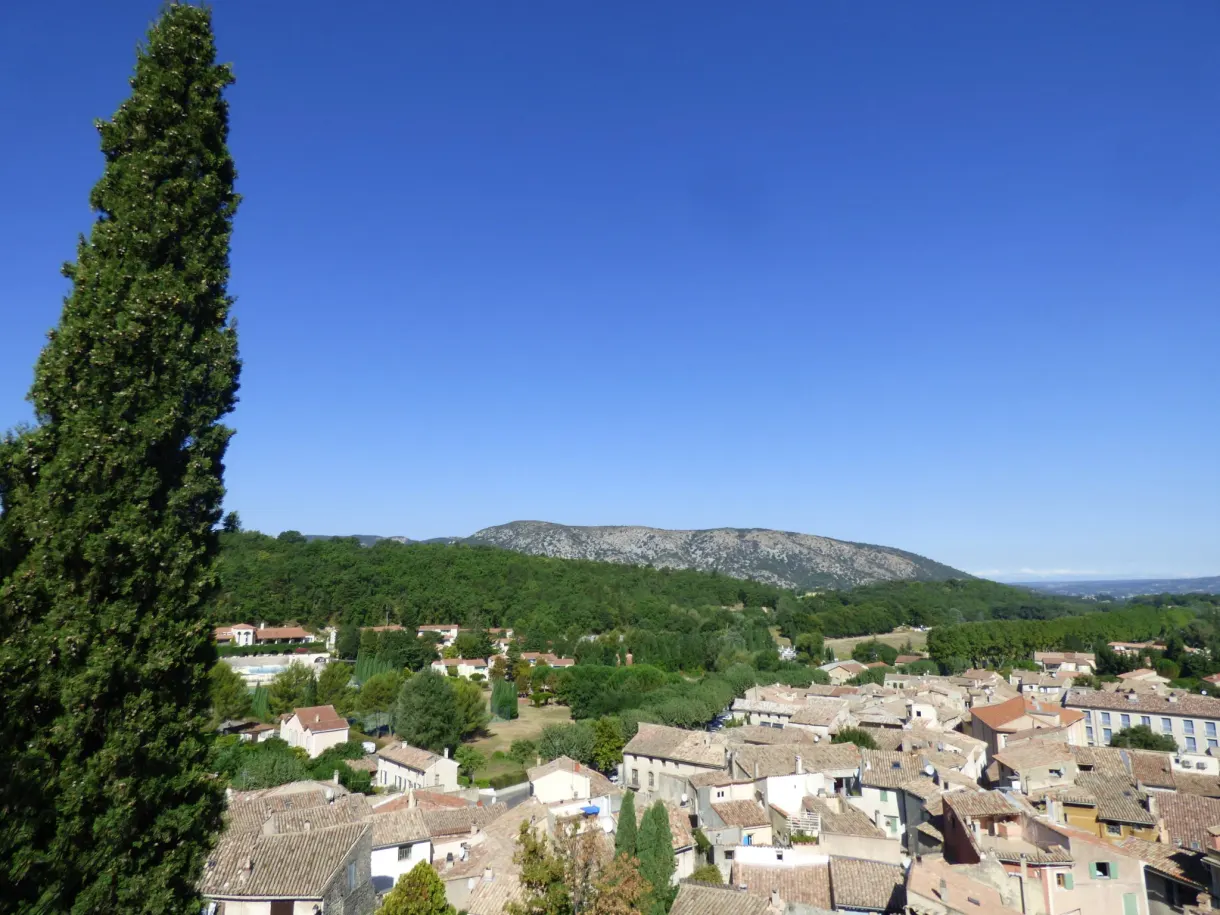
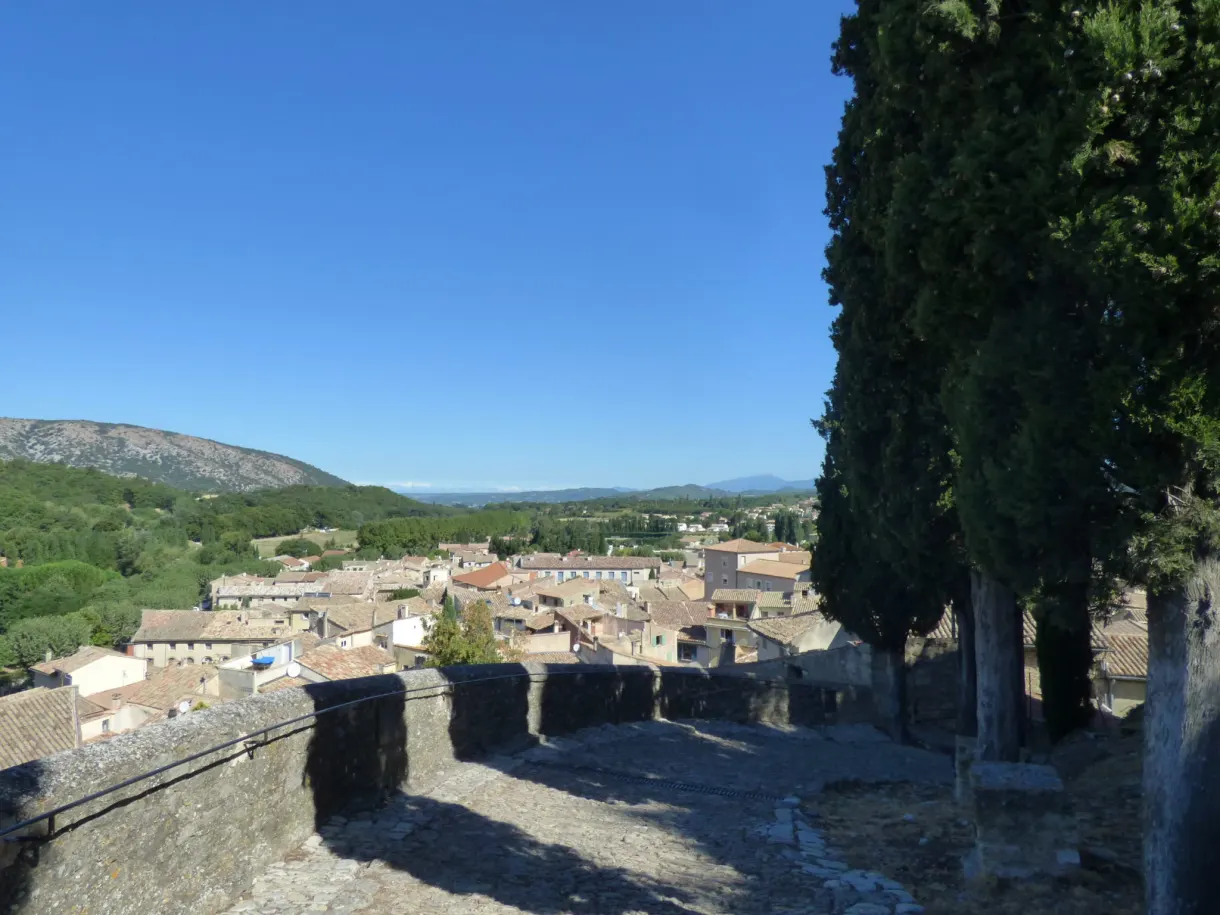
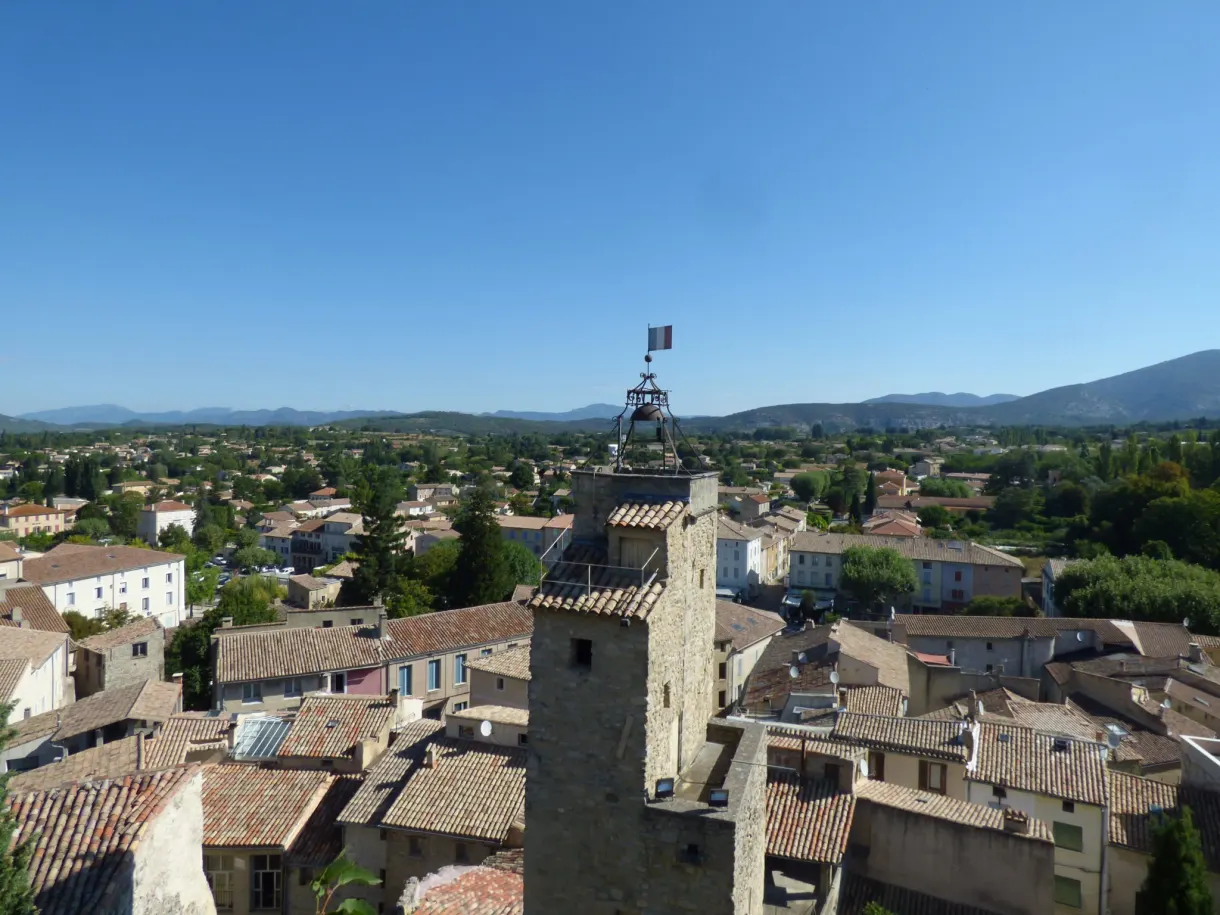
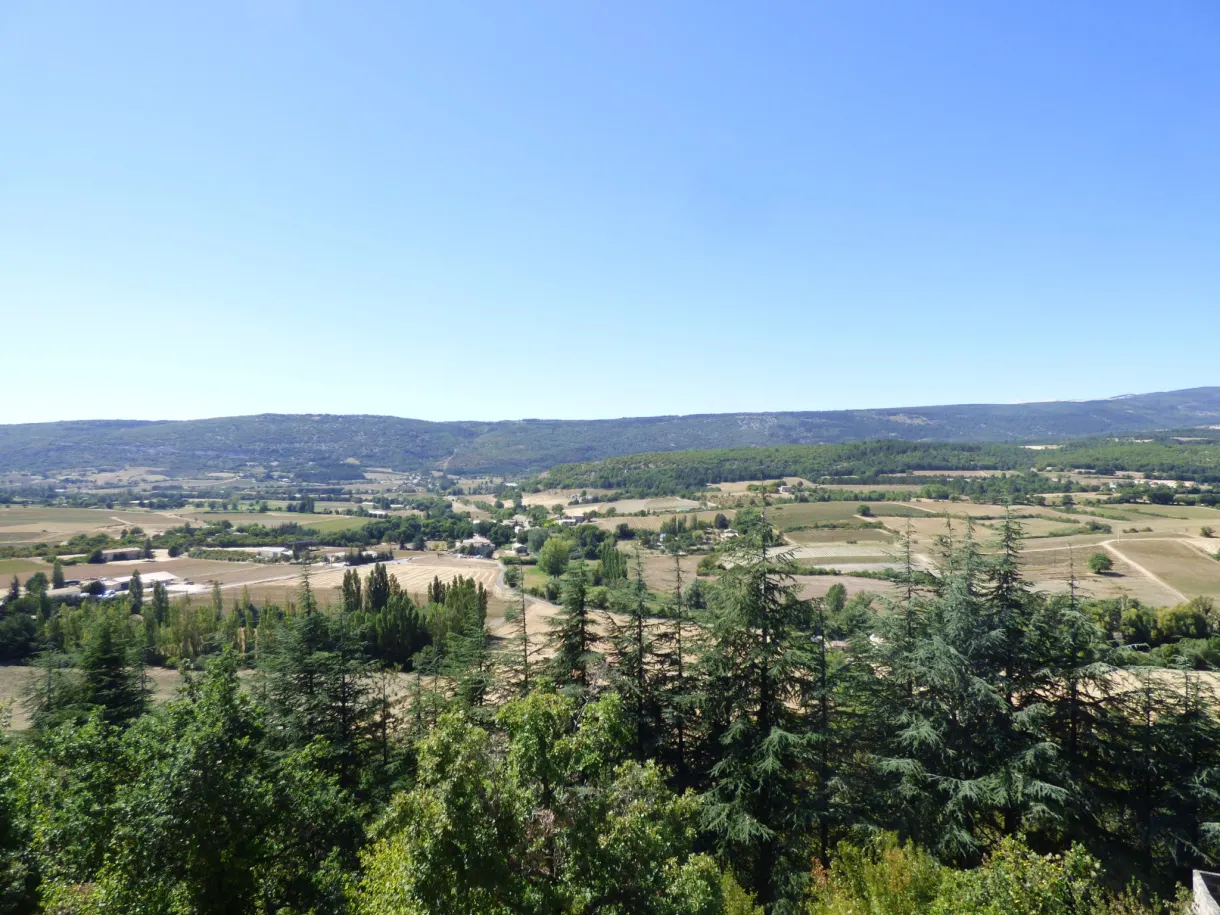
After a night spent in our bed and breakfast in Le Barroux, in the heart of the Dentelles de Montmirail, we started the day with a visit to the small town of Malaucène, whose main attraction is its calvary. Like many Provençal villages, the heart of Malaucène is shaped like a snail shell. Once at the top of the calvary, we had a lovely view over the town, its typical tiled roofs and its surroundings.
Crestet
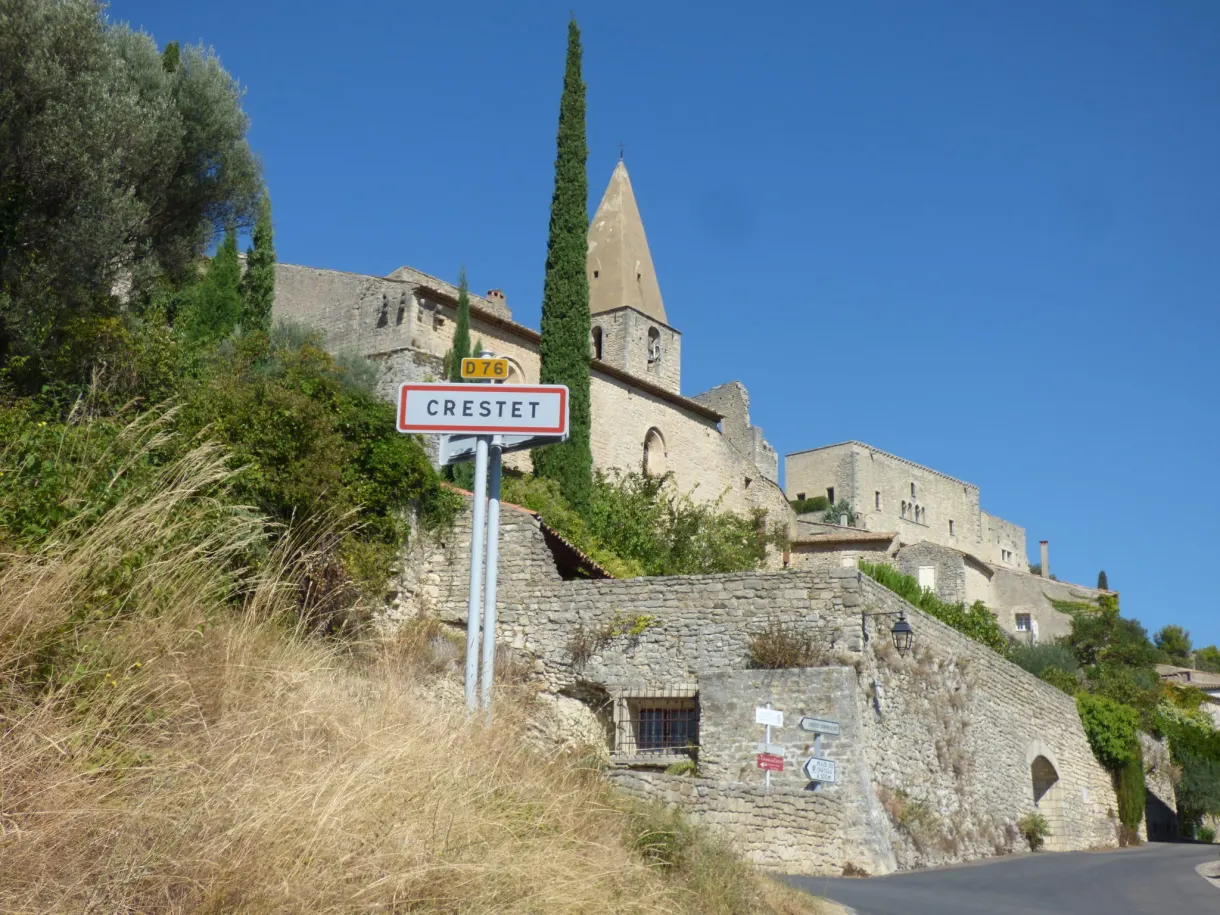
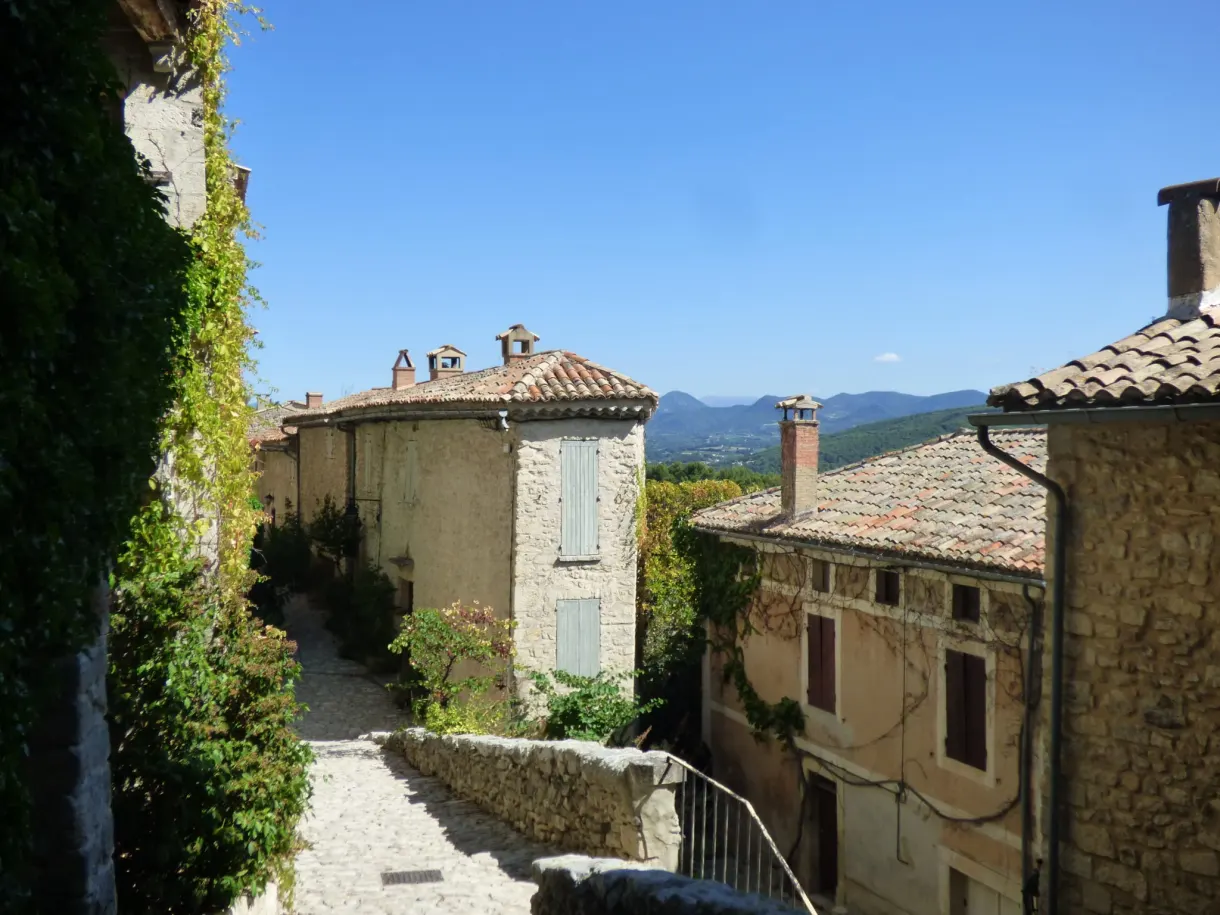
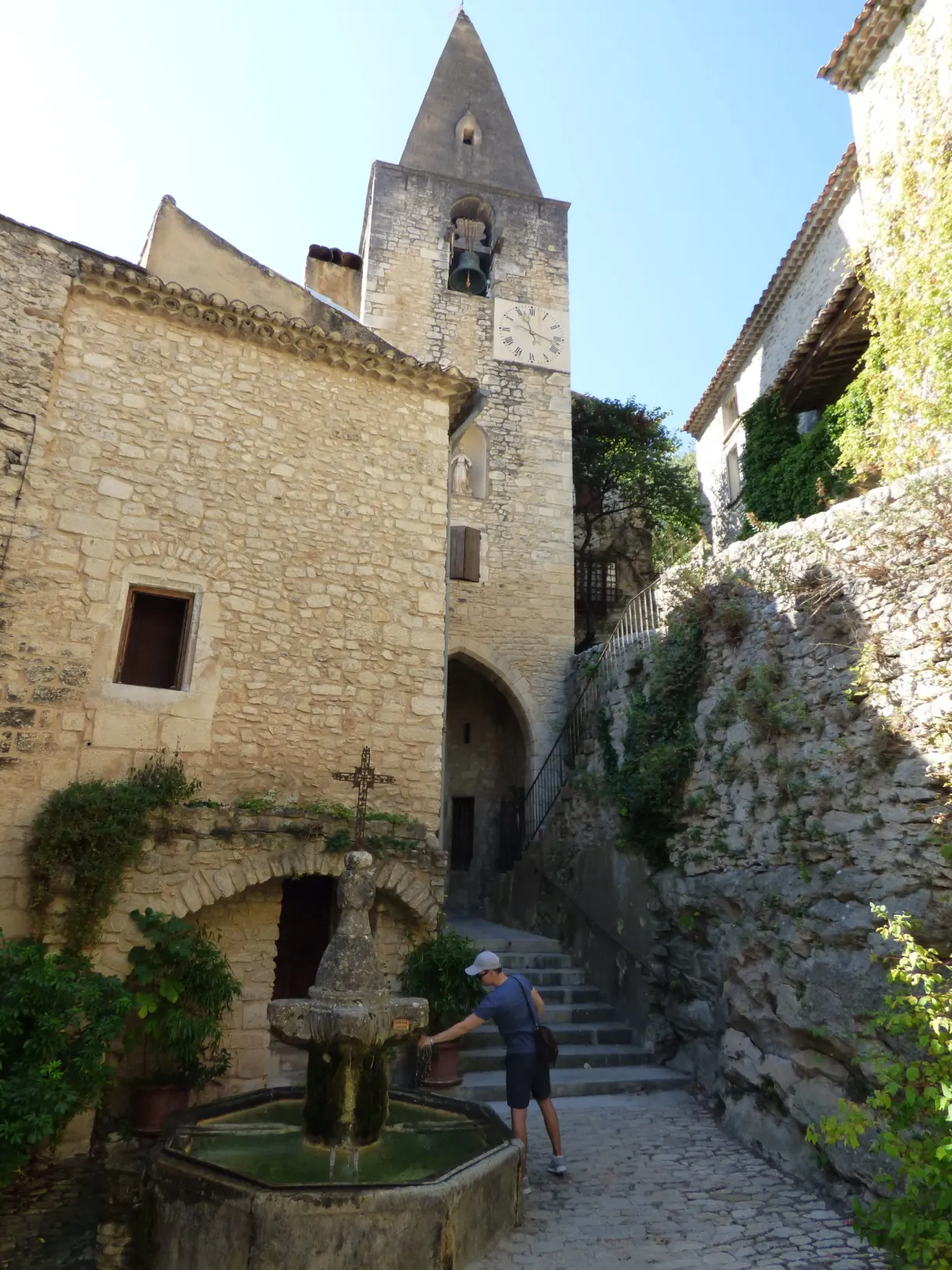
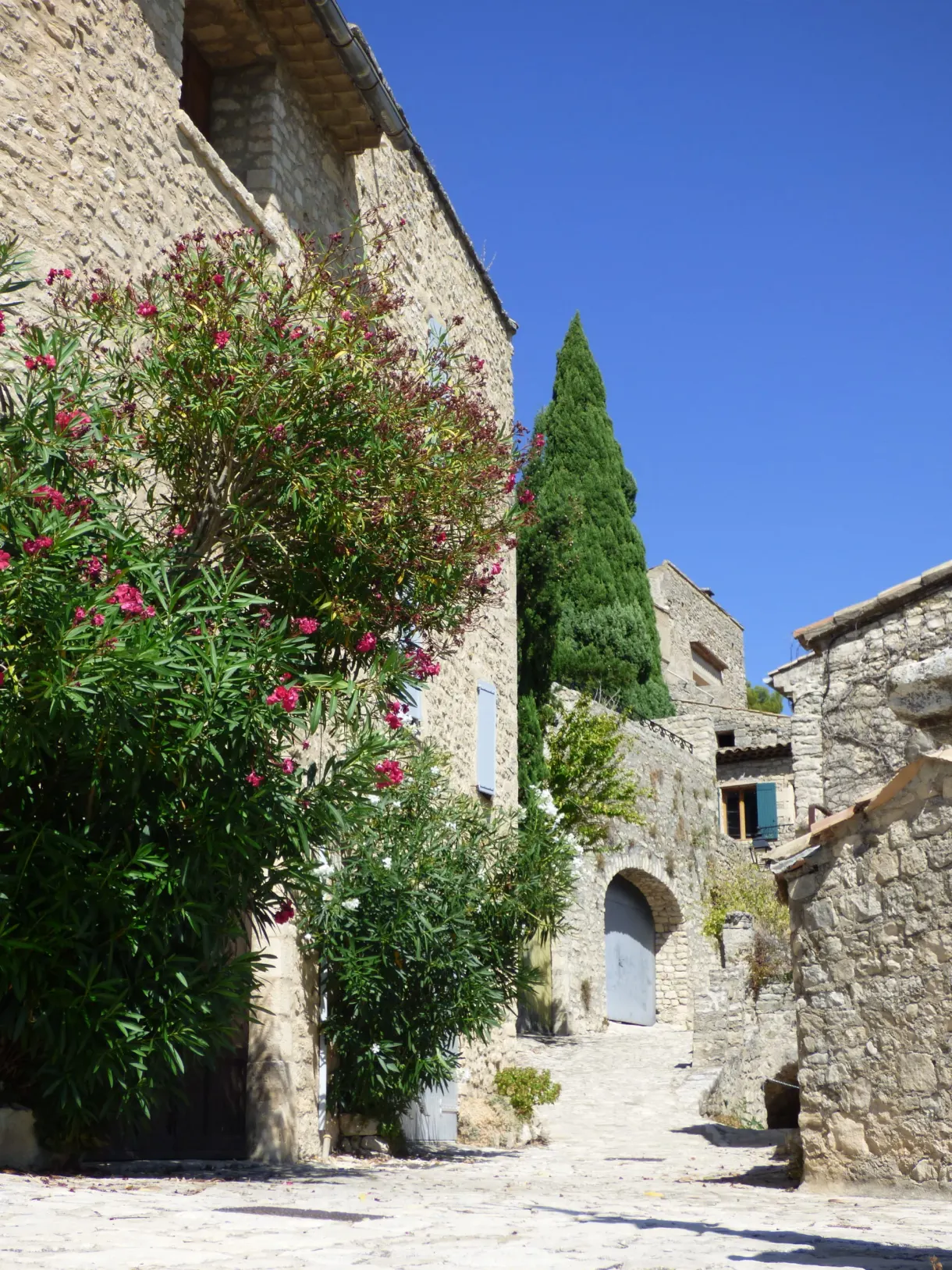
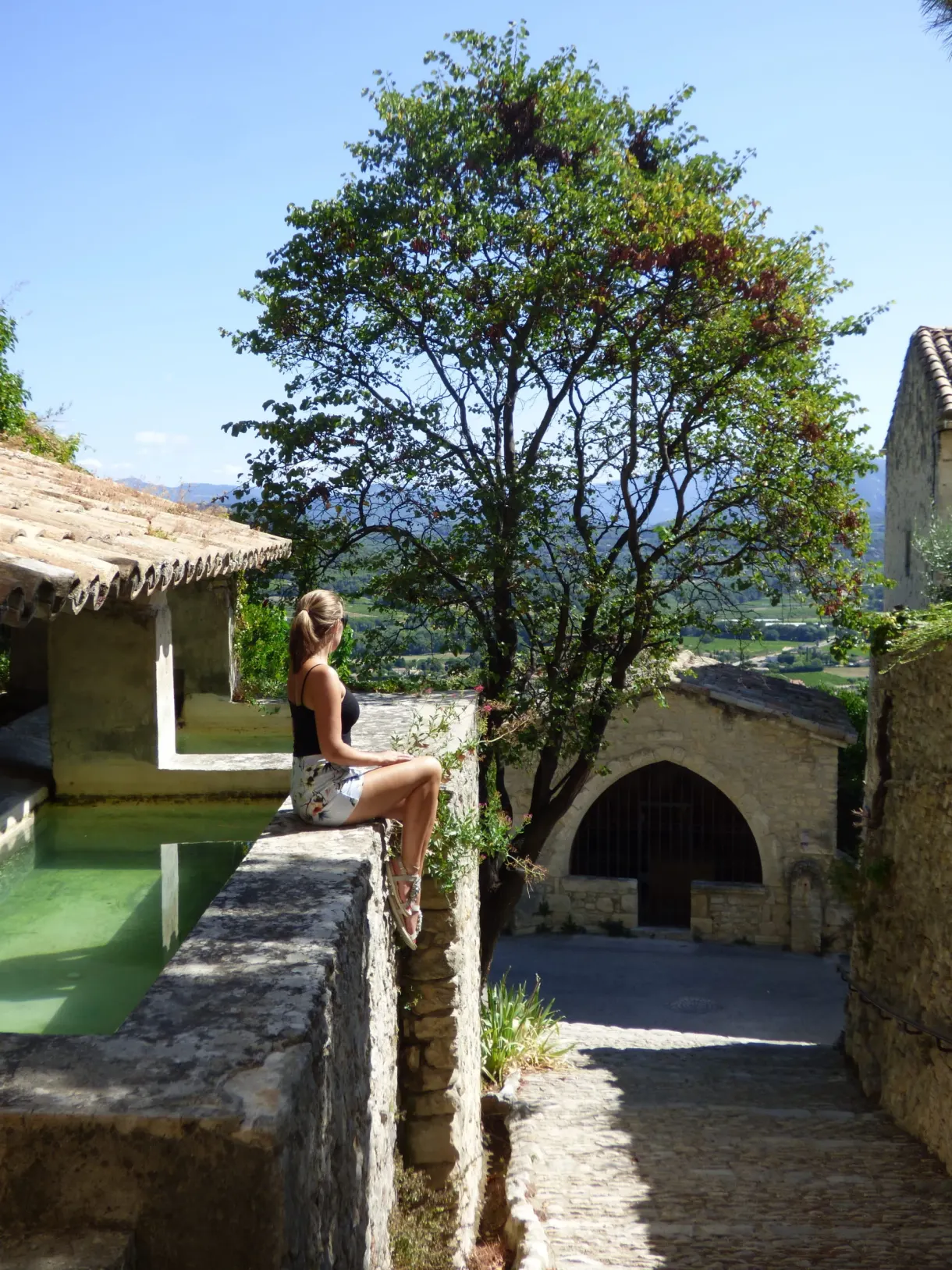
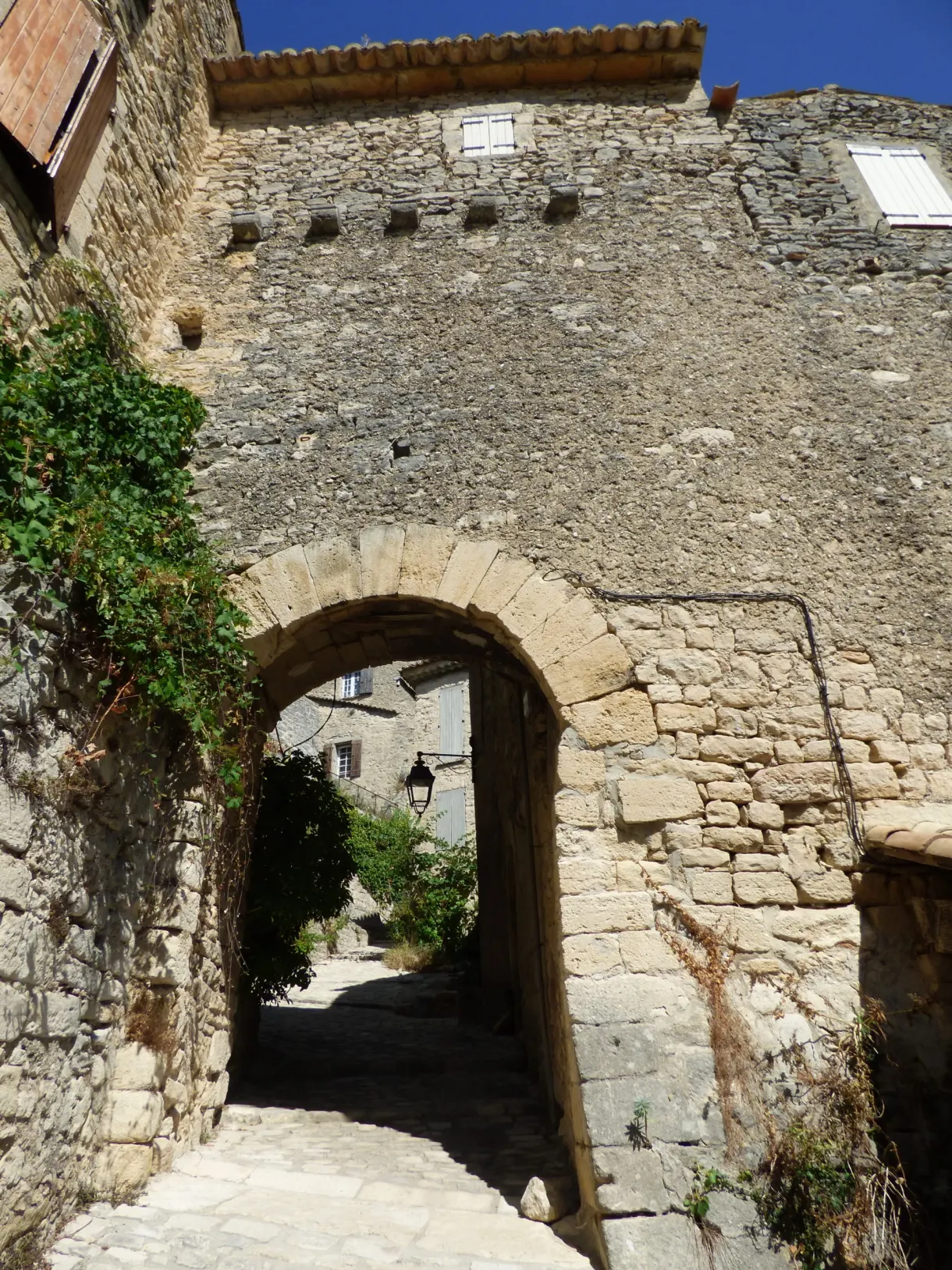
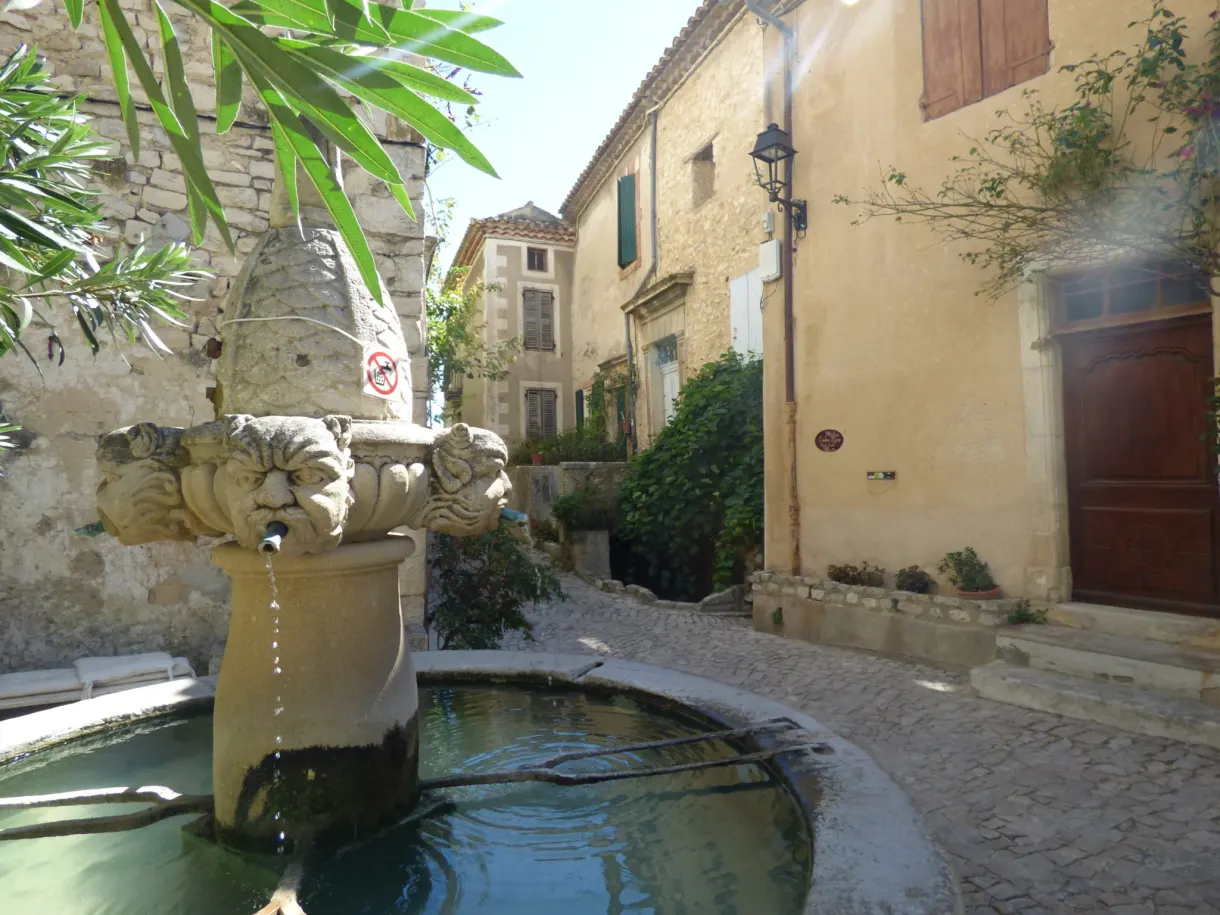
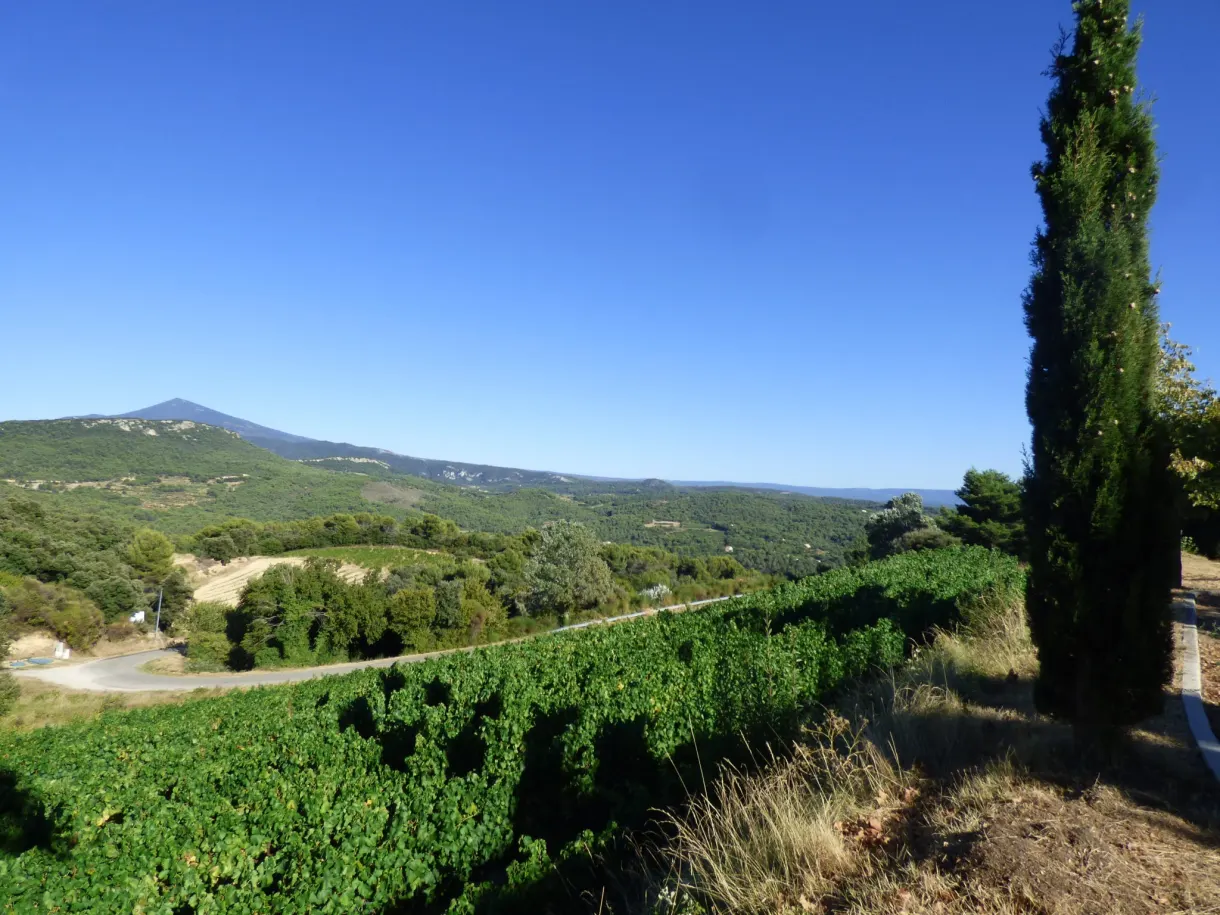
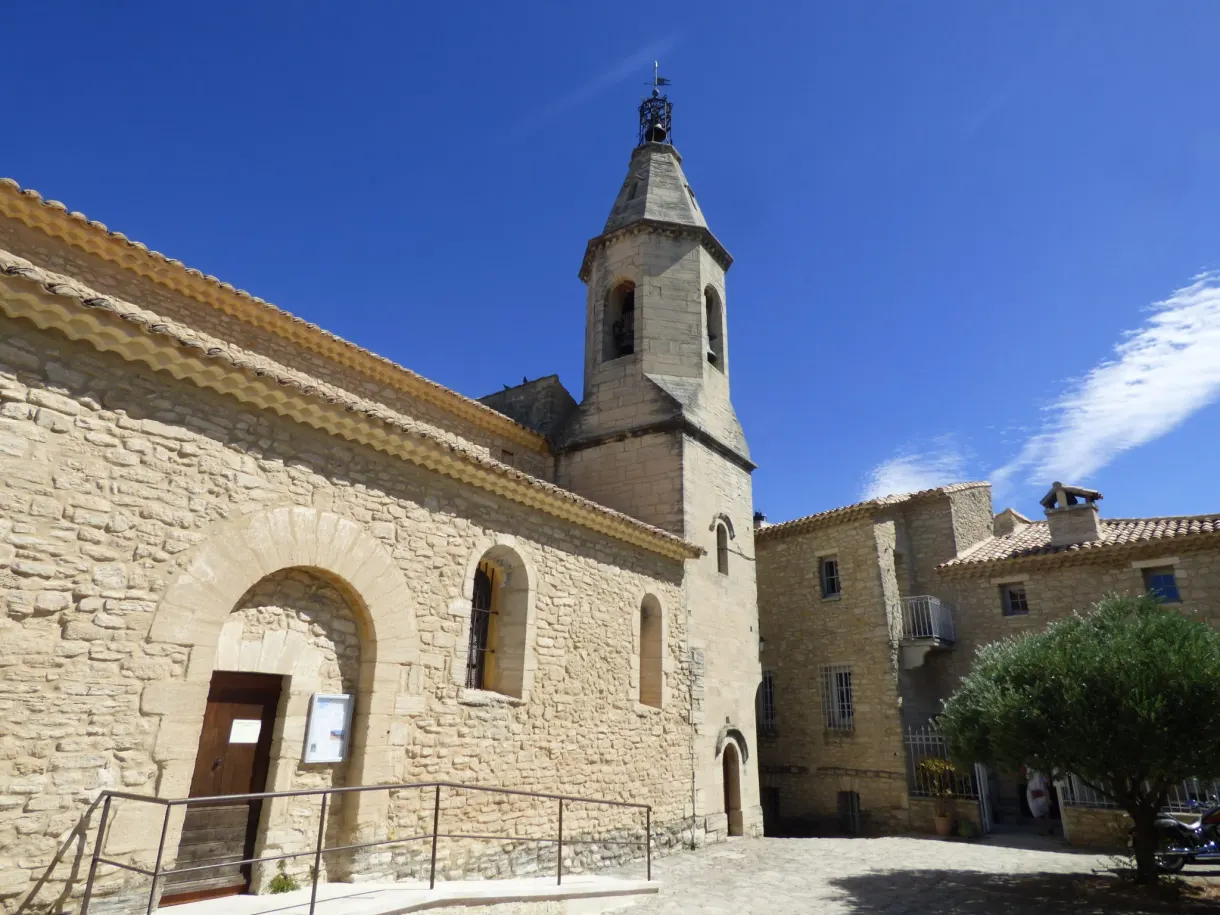
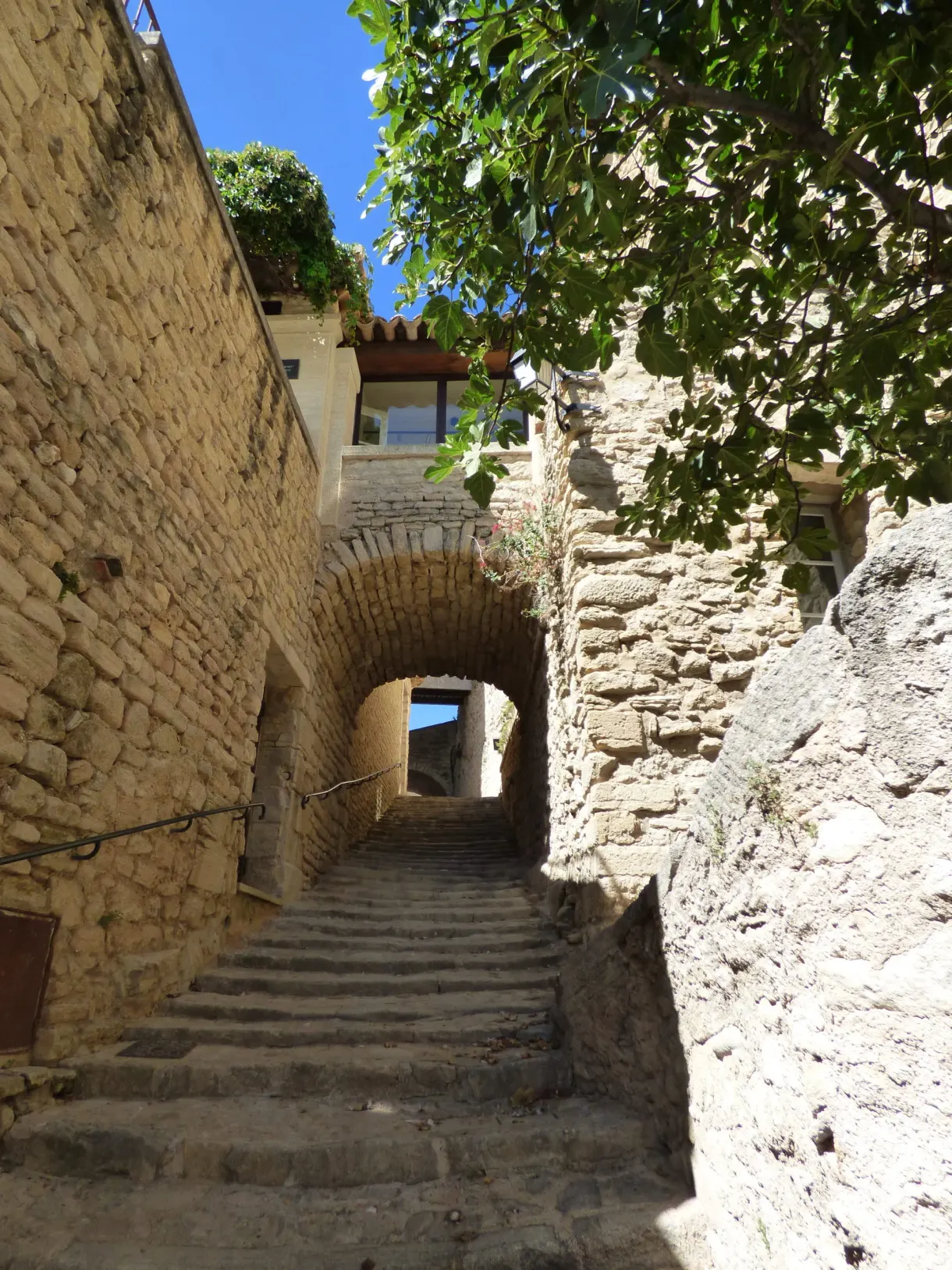
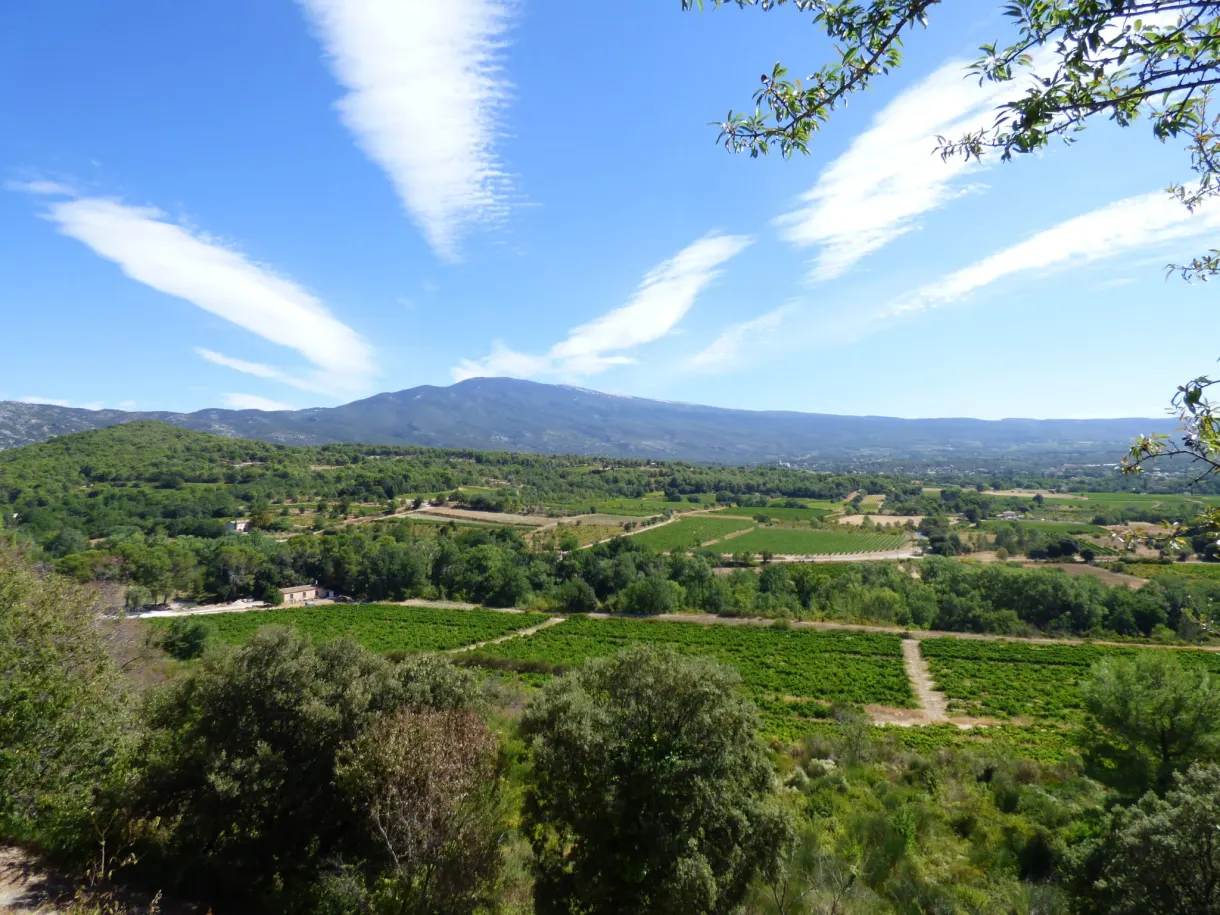
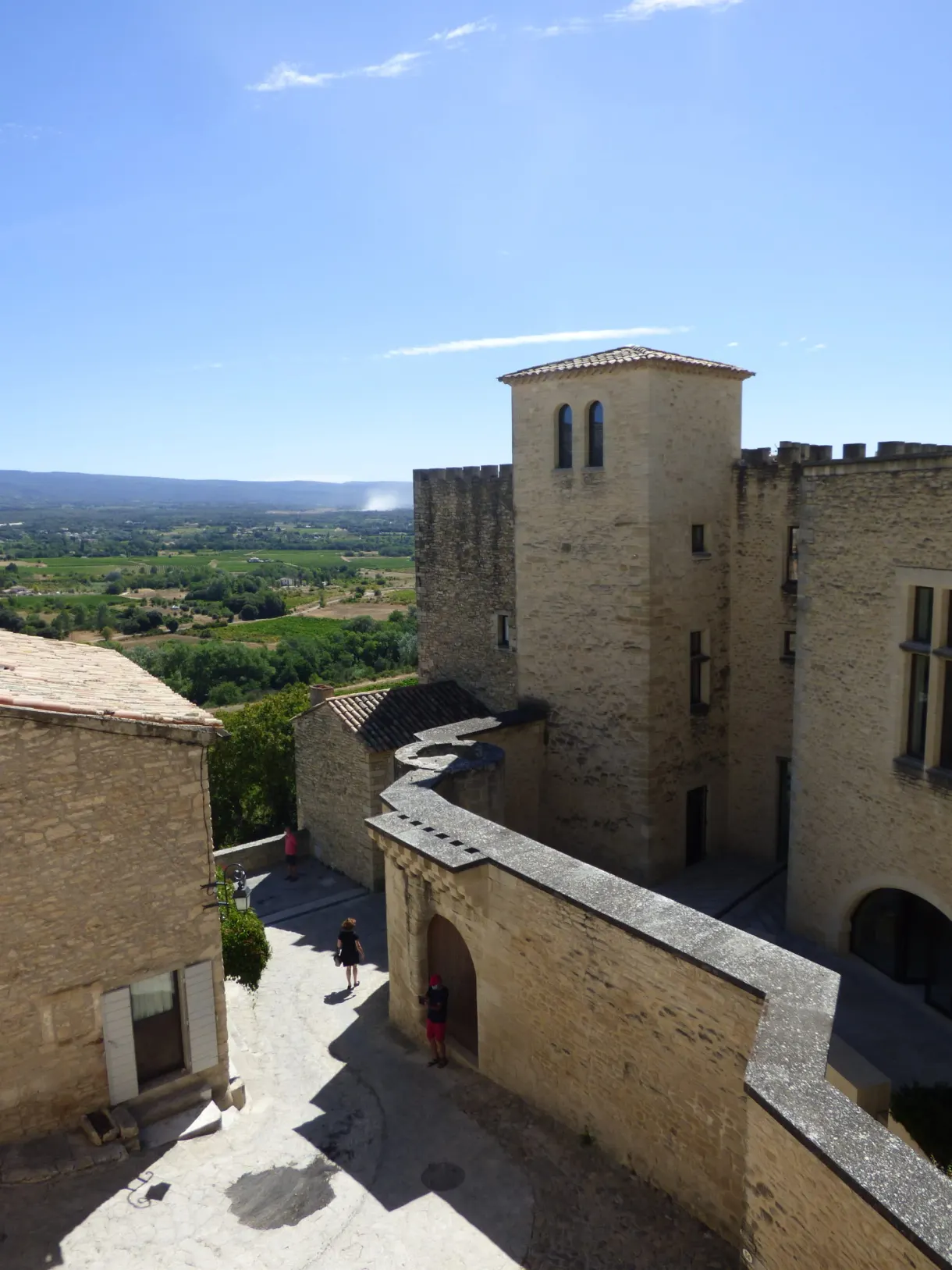
Carrying on along the D938, we stopped in the village of Crestet, which was without a doubt one of our favourite villages on this road trip! There are free car parks below the village, which saves you driving up into the maze of lanes. This charming village isn’t often mentioned in the guides, so we were almost alone during our visit. Crestet sits on a promontory in the heart of the Dentelles de Montmirail range: don’t miss the view of Mont Ventoux once you’re at the top of the village. It notably holds a church, a charming square with the village fountain, a washhouse and a castle.
Vaison-la-Romaine
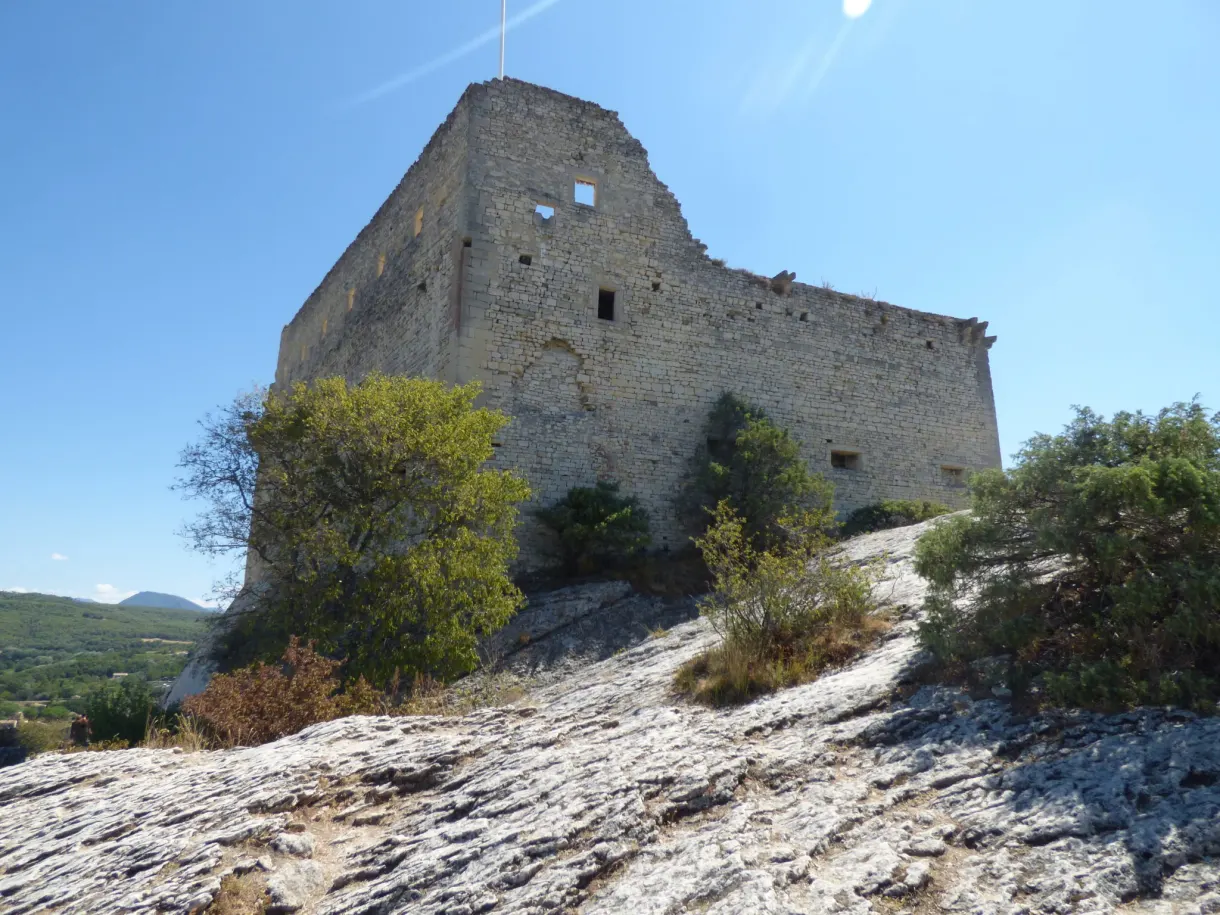
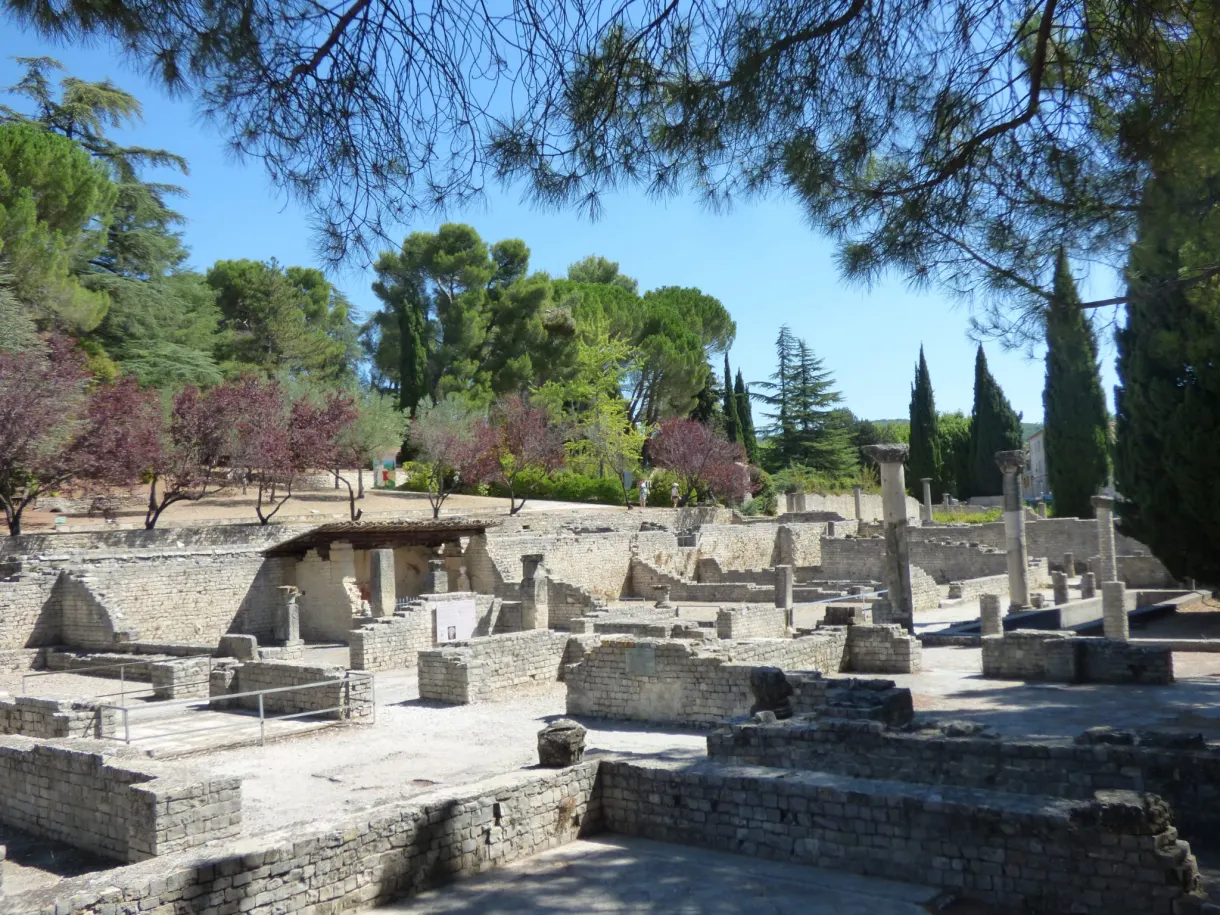
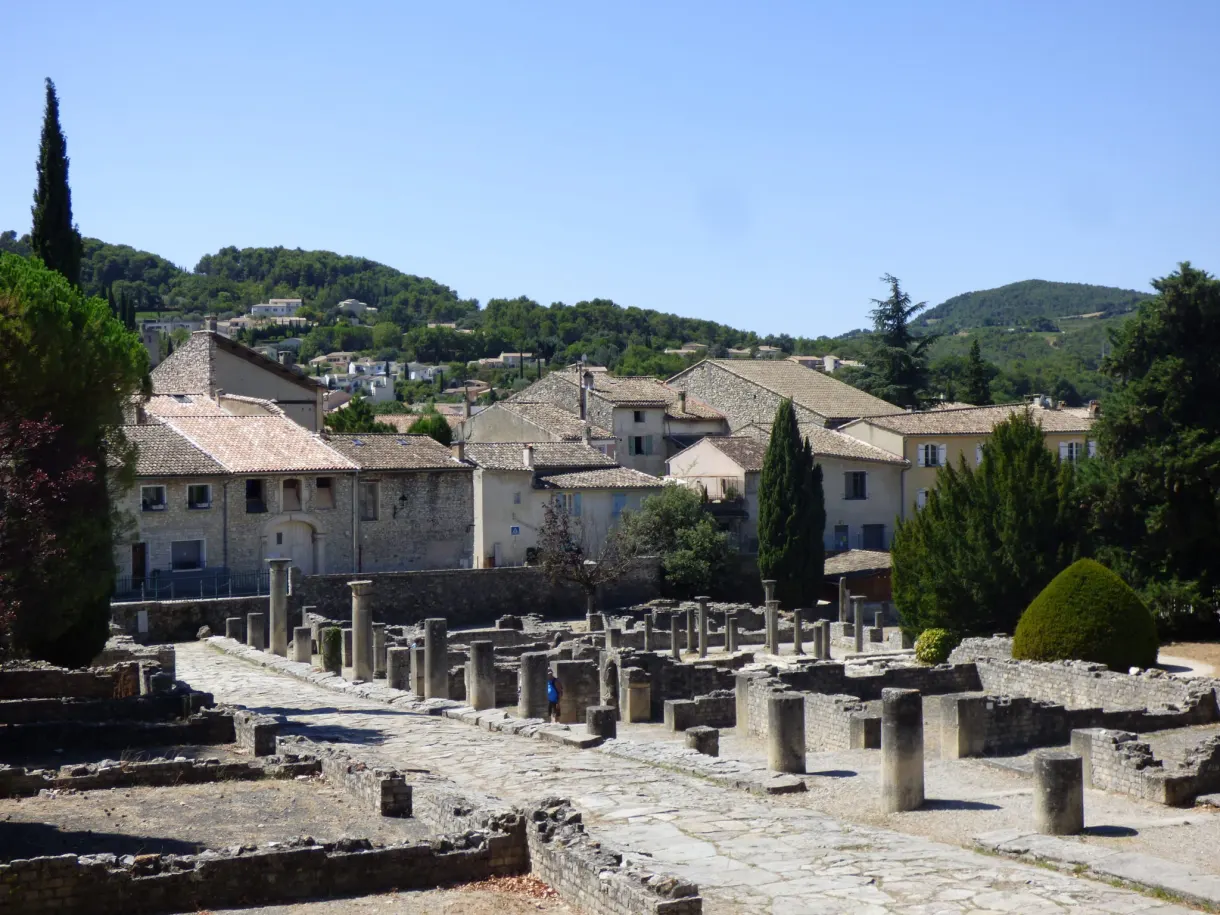
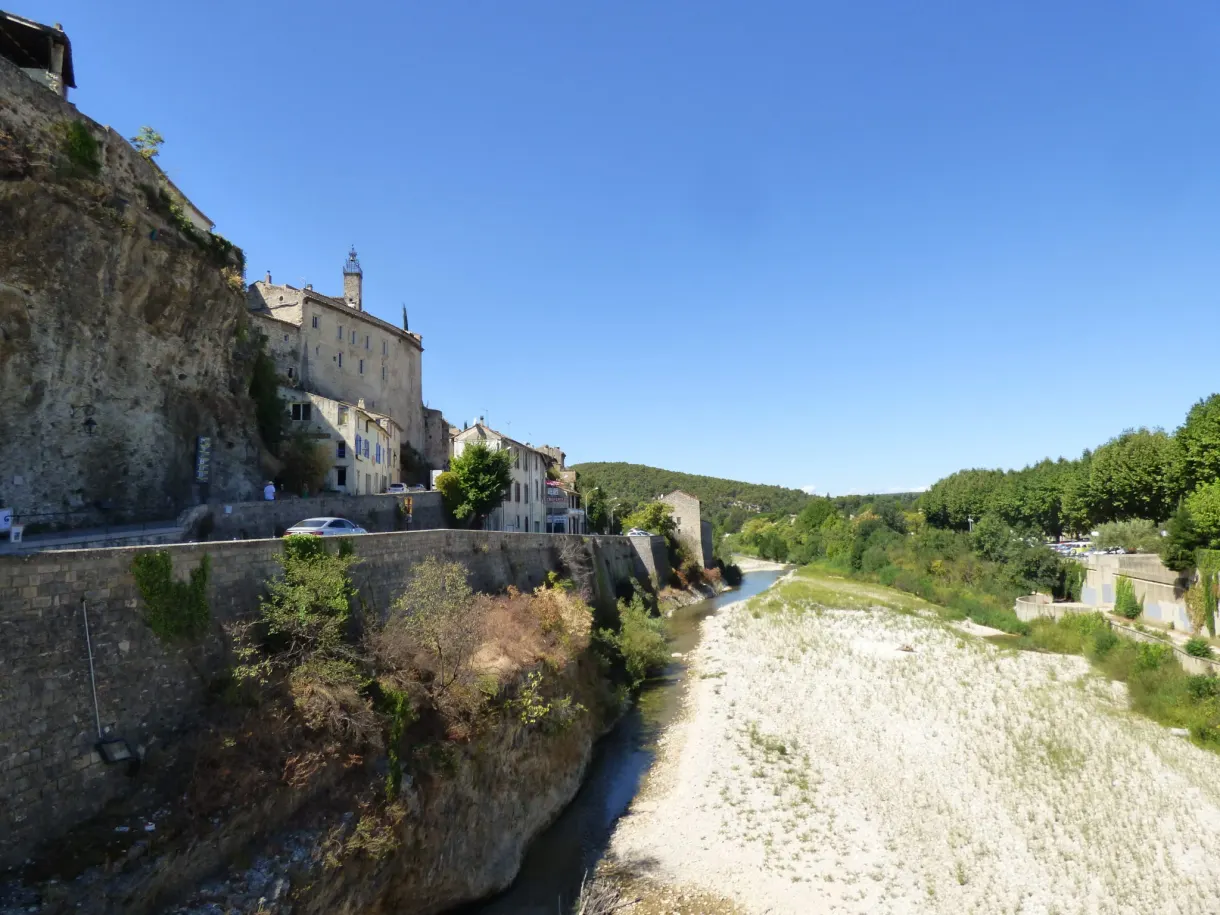
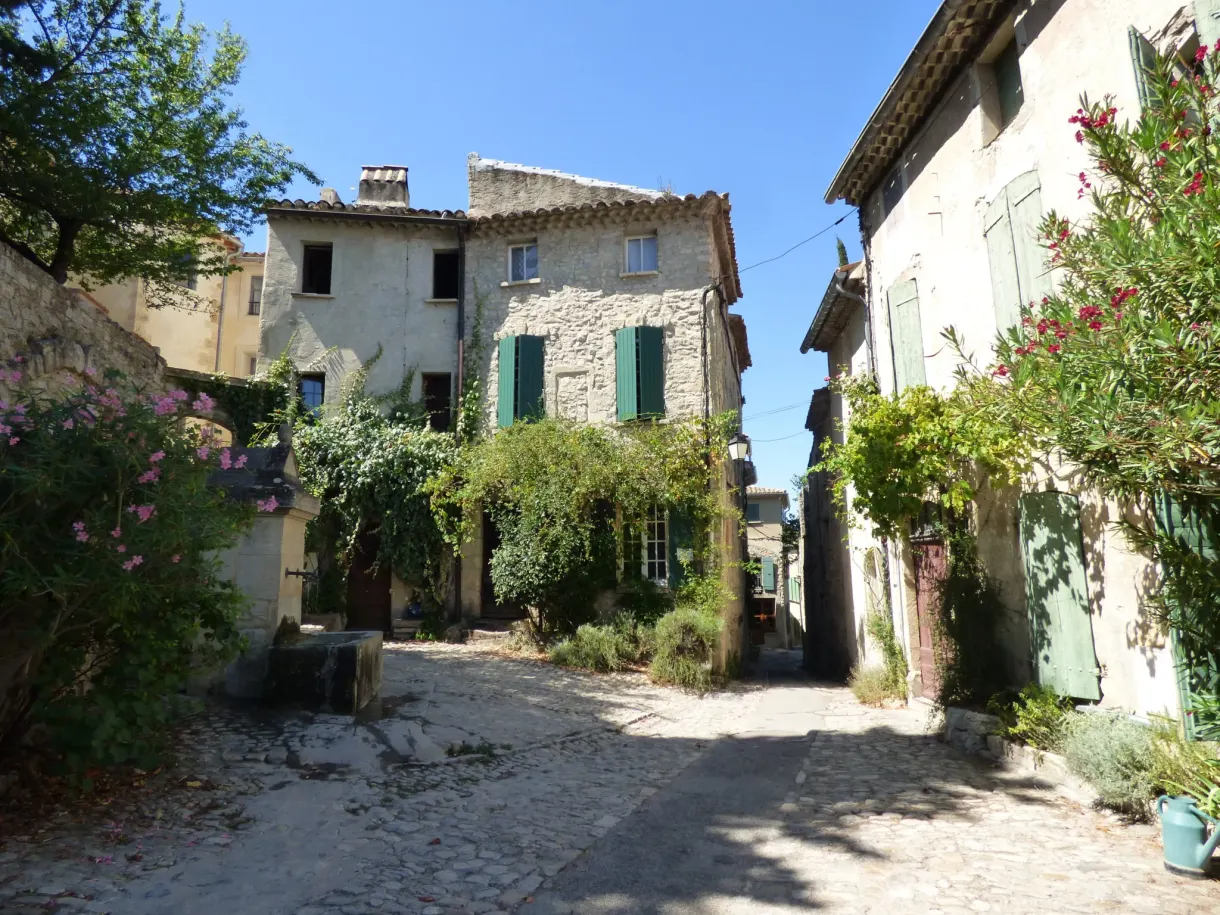
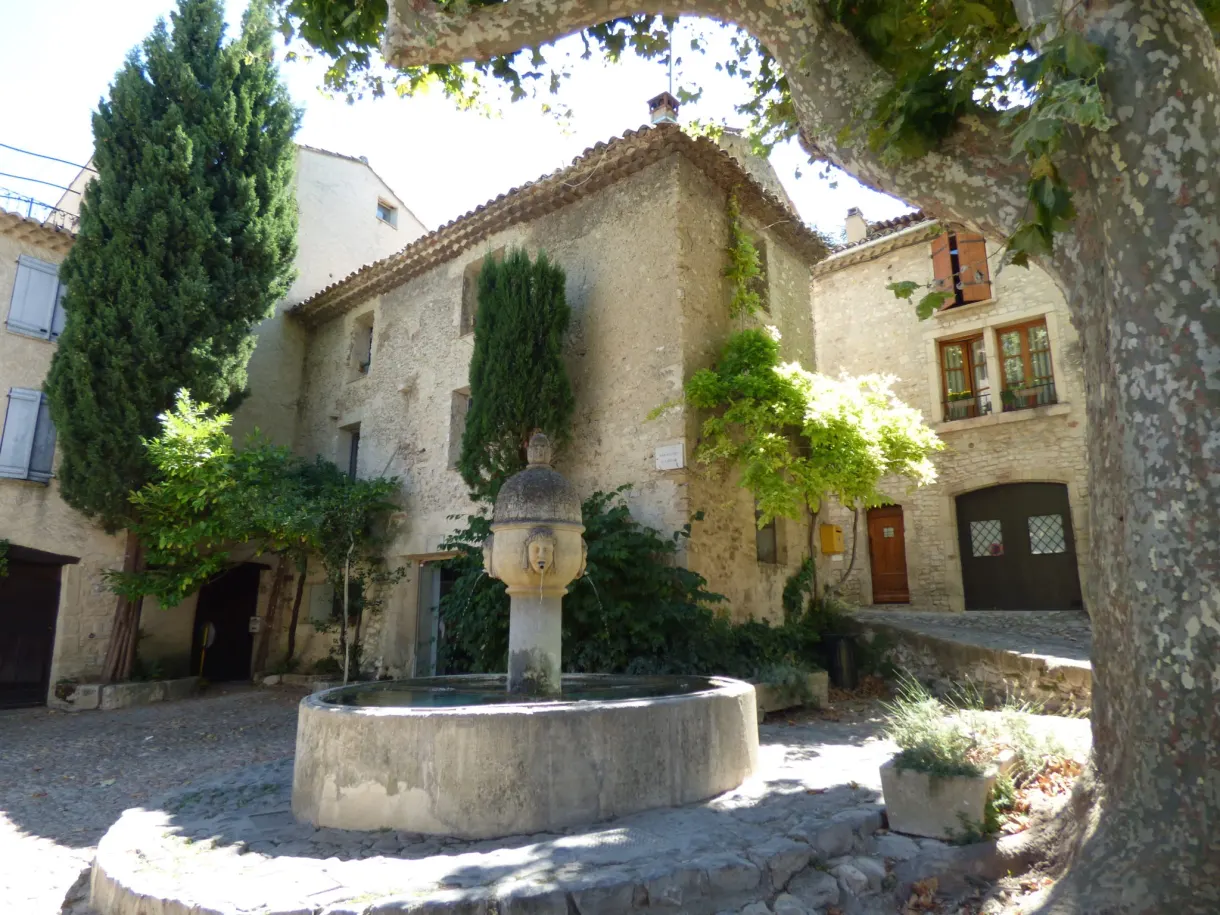
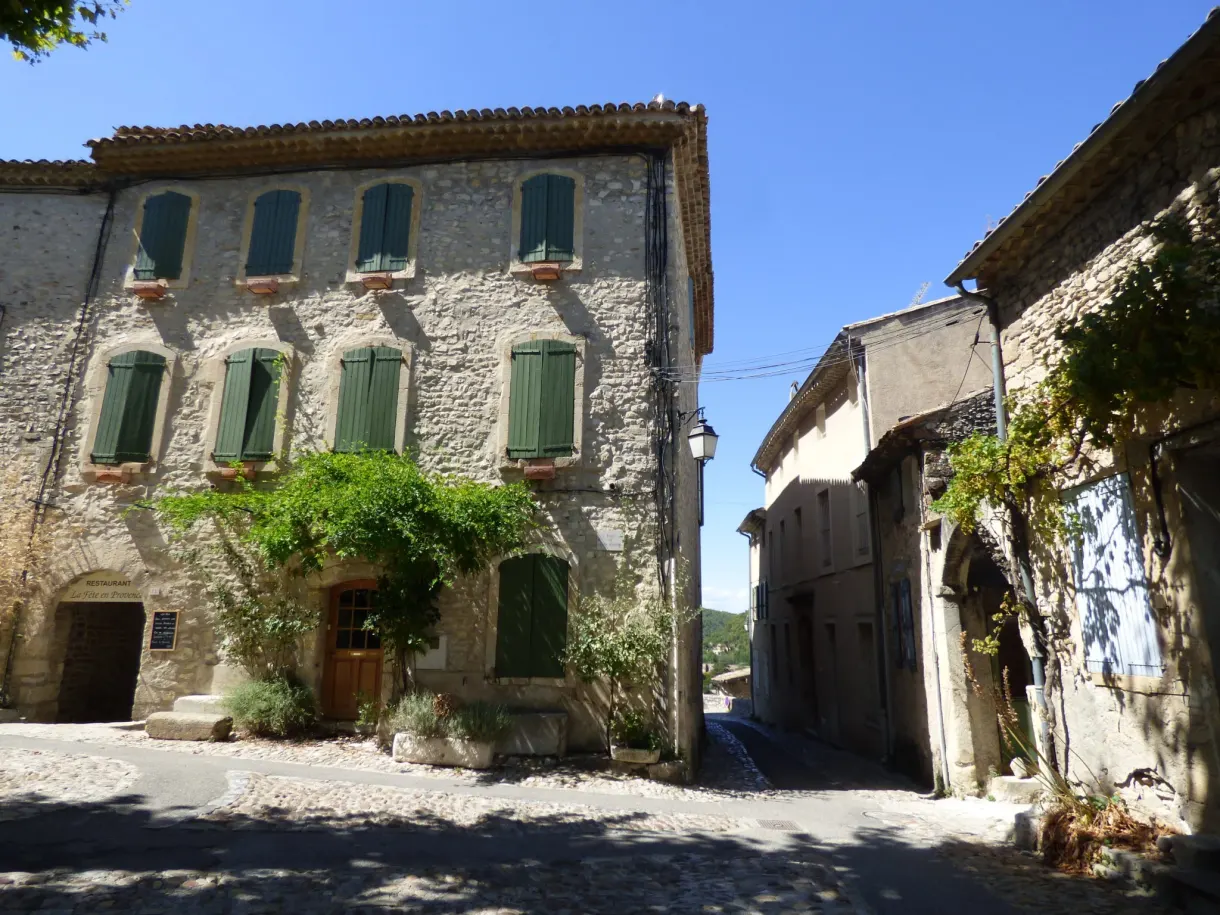
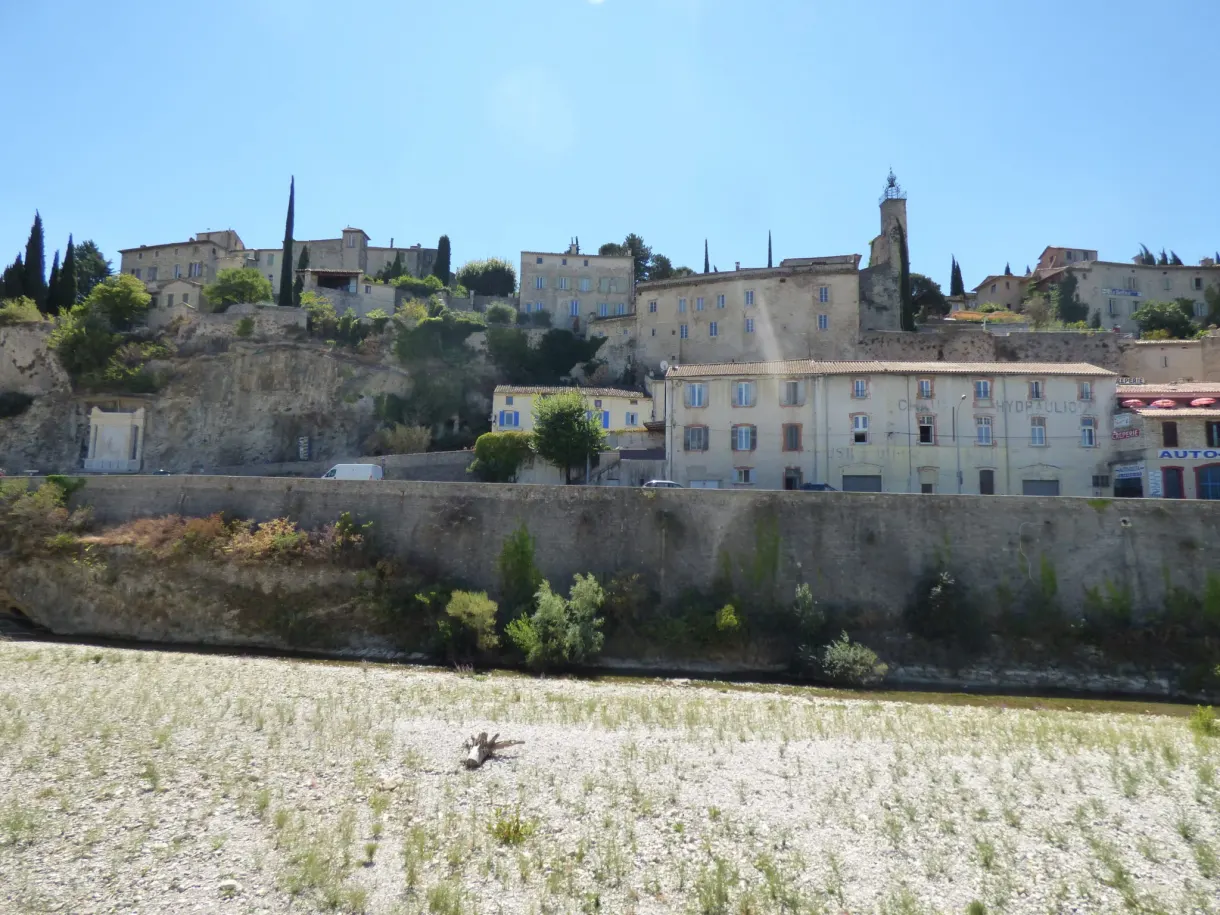
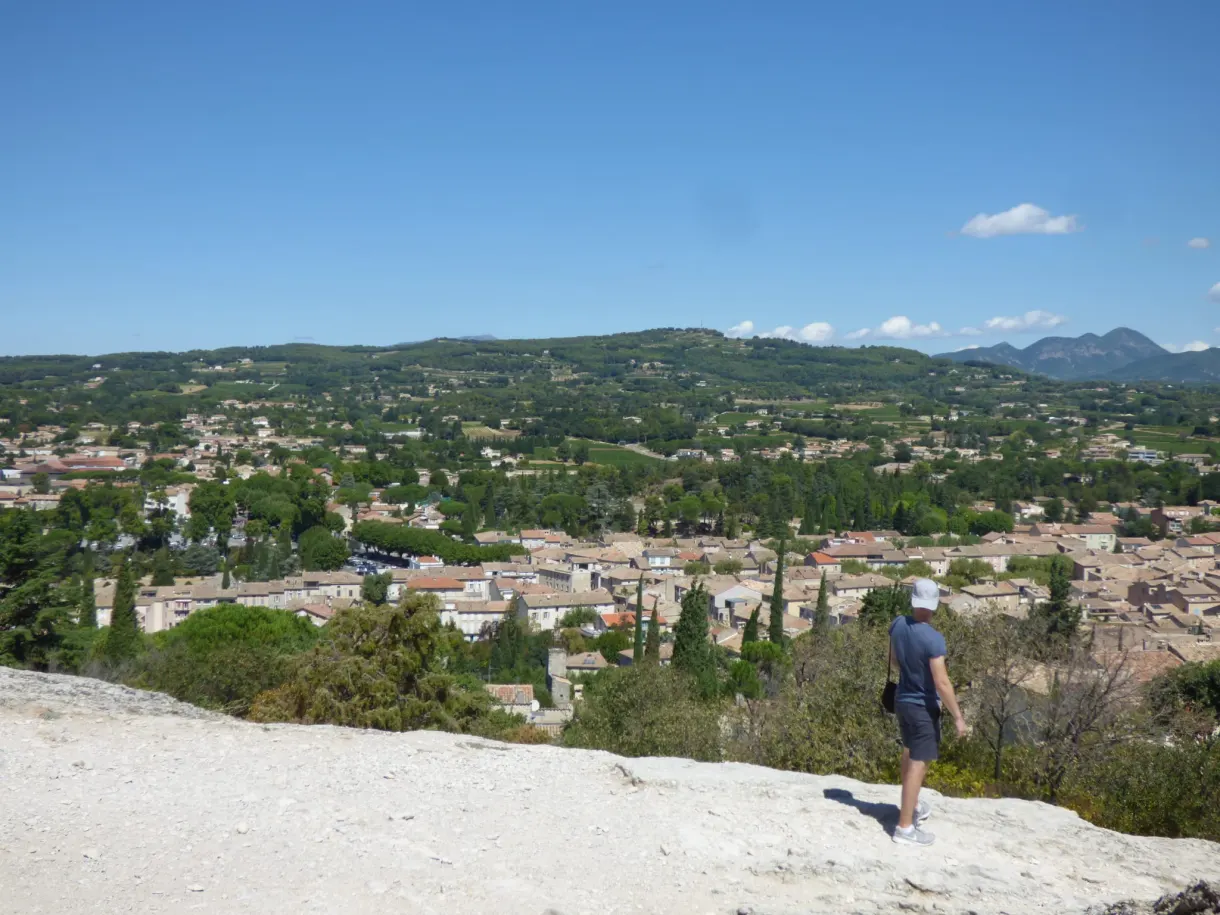
We then took the country road back towards the north of the Vaucluse to reach Vaison-la-Romaine. The town is split in two by the river Ouvèze, spanned by the Roman bridge that leads to the medieval town. We found a free car park, in front of the Puymin archaeological site and the Tourist Office: from there, you reach the old town in a few minutes. We didn’t visit the archaeological remains, spread over the Puymin and La Villasse sites, but they’re apparently ranked among the most important remains in France. We preferred to wander through the medieval town, which offers very beautiful stone streets and a magnificent view over the Dentelles de Montmirail as you go up to the castle.
Séguret
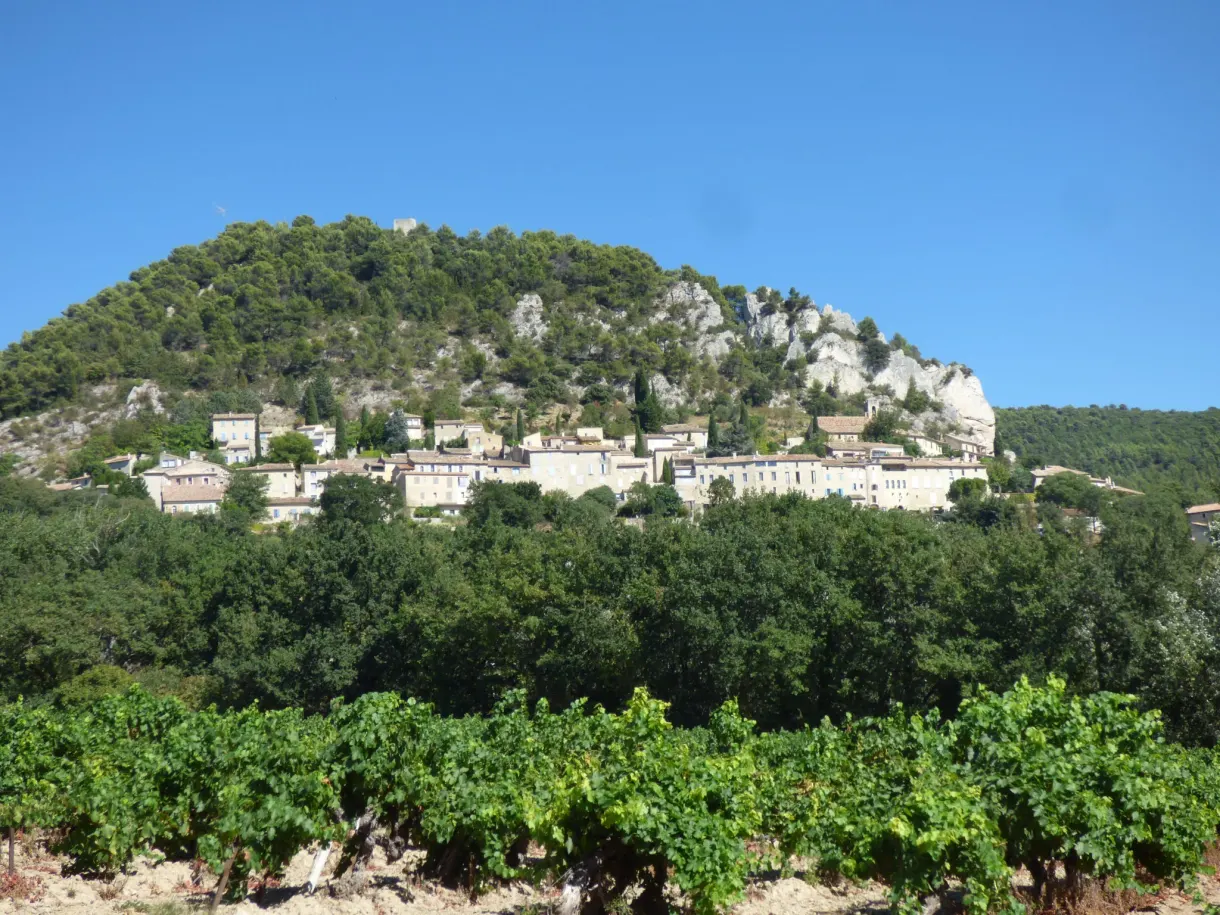
After Vaison-la-Romaine, off west to the village of Séguret, listed among the Most Beautiful Villages in France. To be honest, we don’t entirely agree with that distinction. Séguret is pretty, certainly, but tiny and quickly filled with tourists! By comparison, we preferred Crestet, more authentic and more secret.
Gigondas
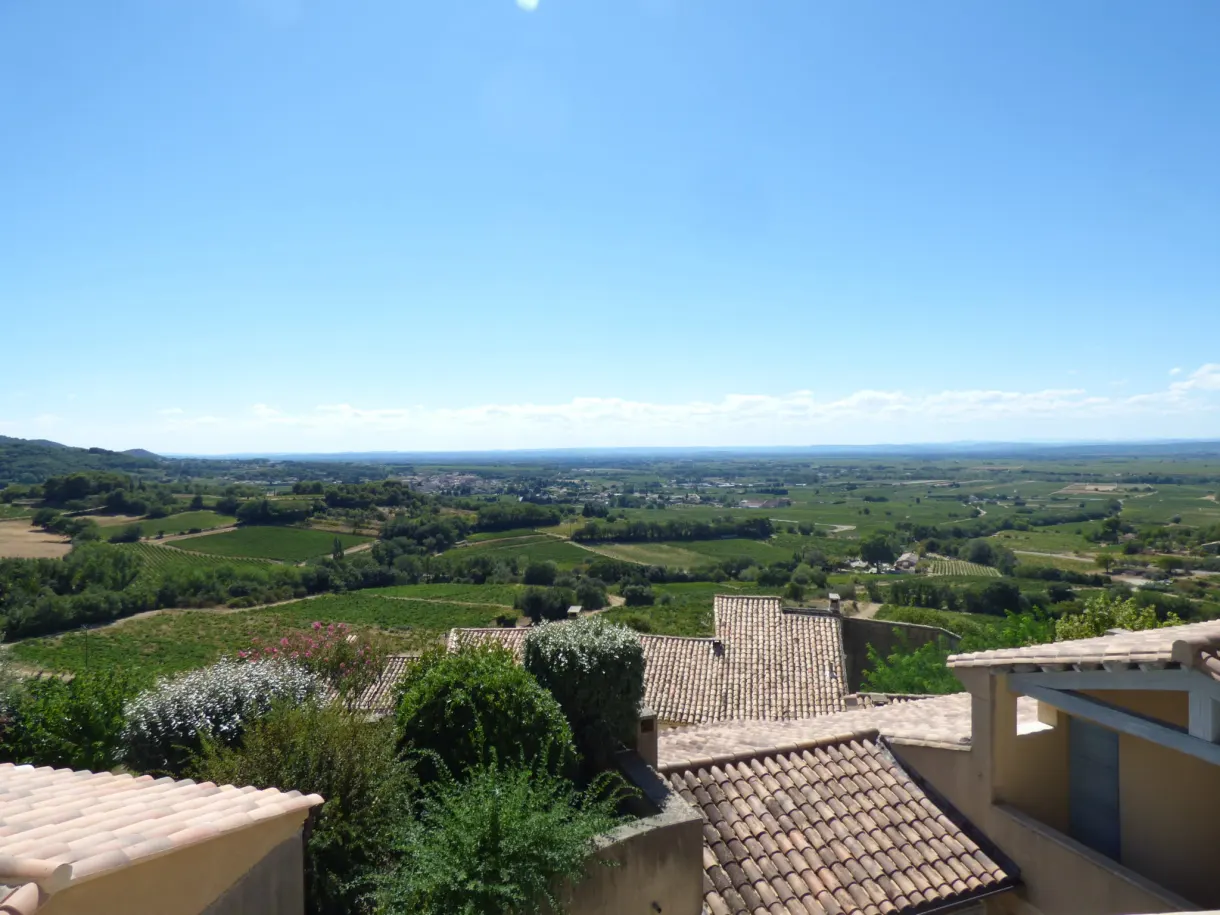
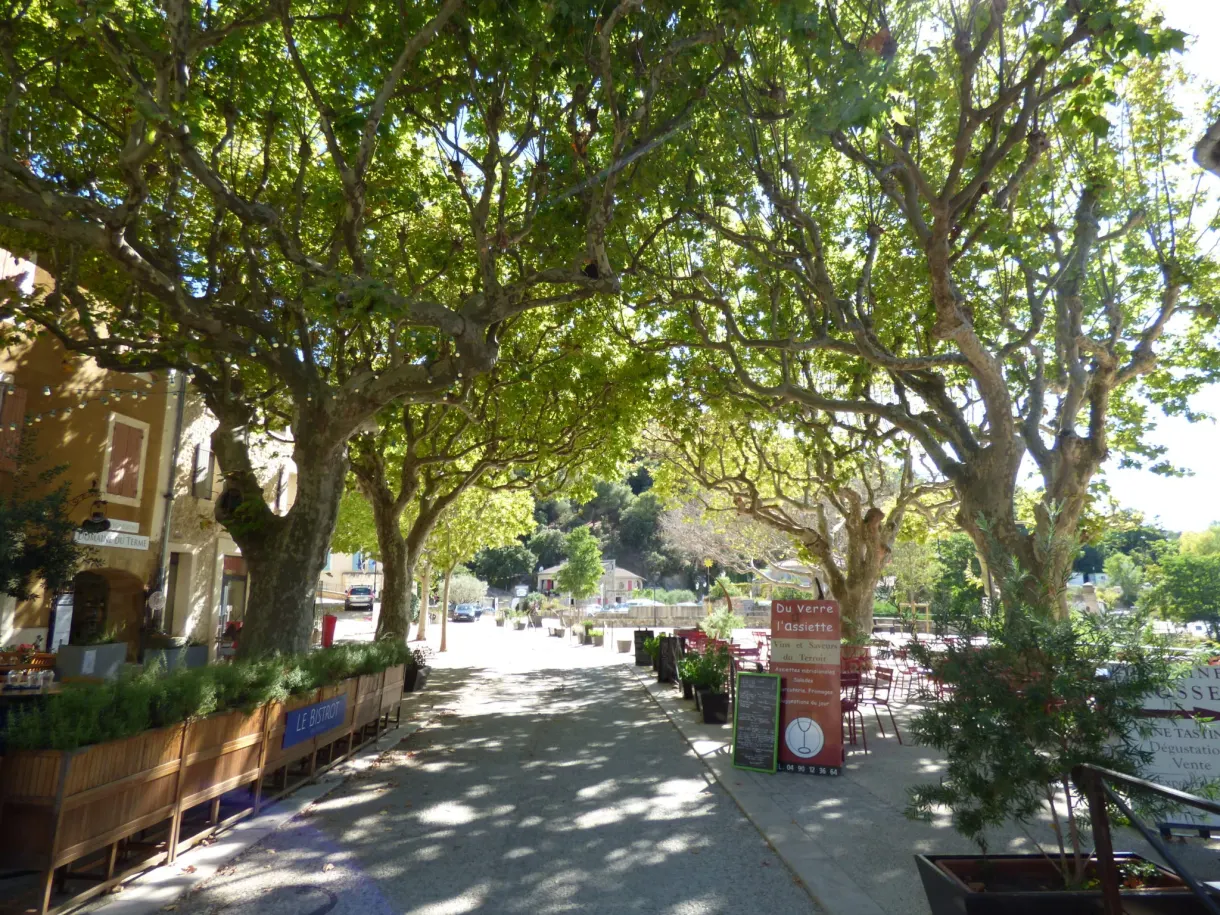
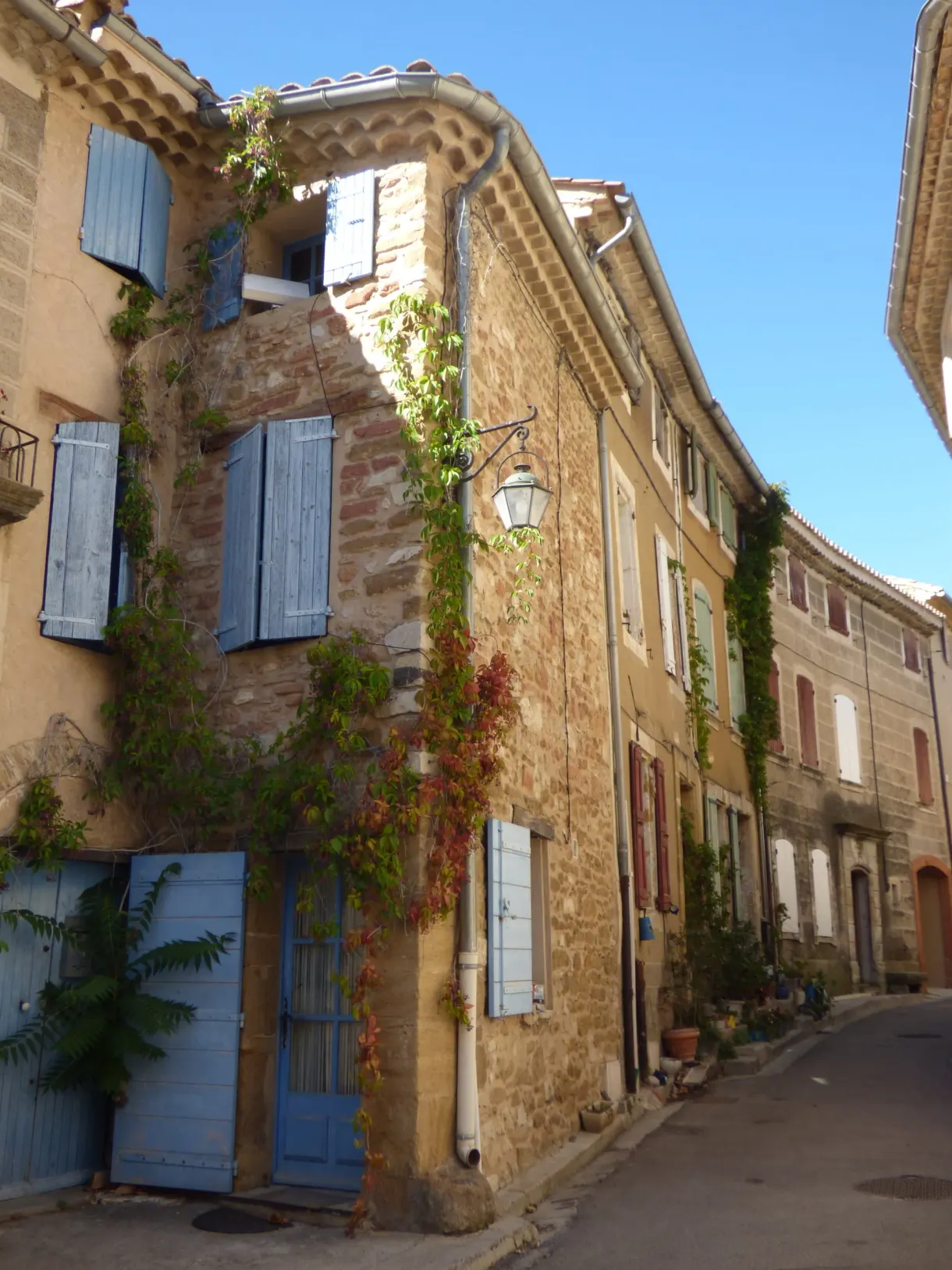
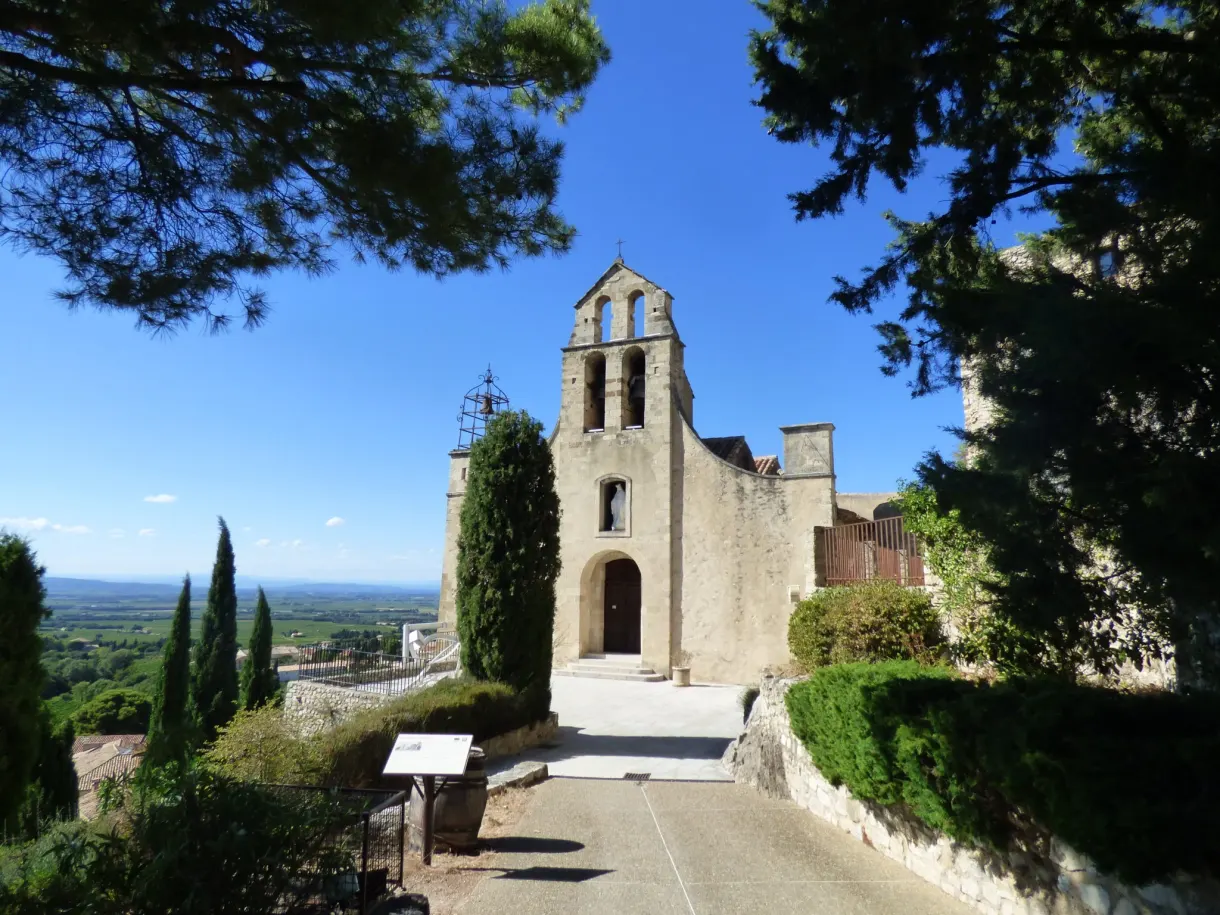
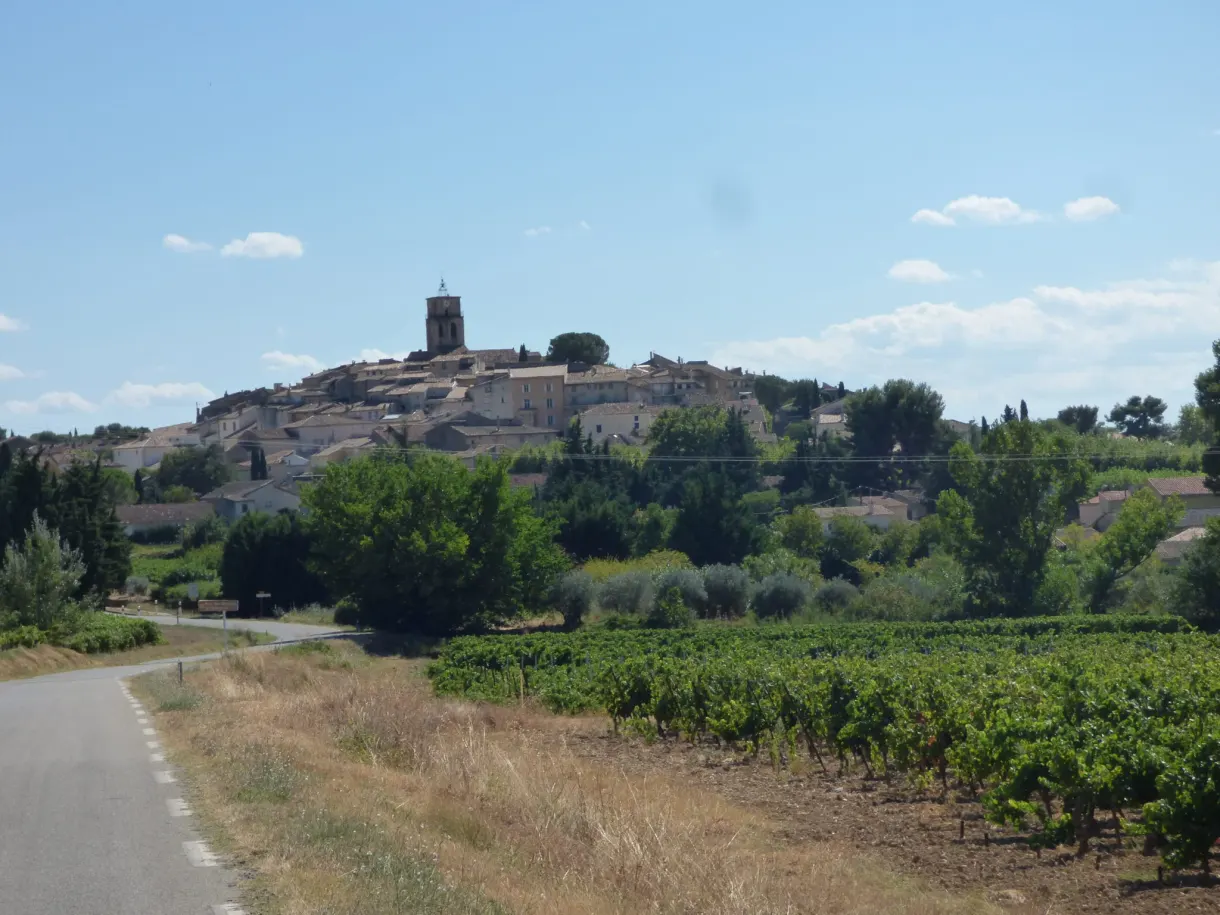
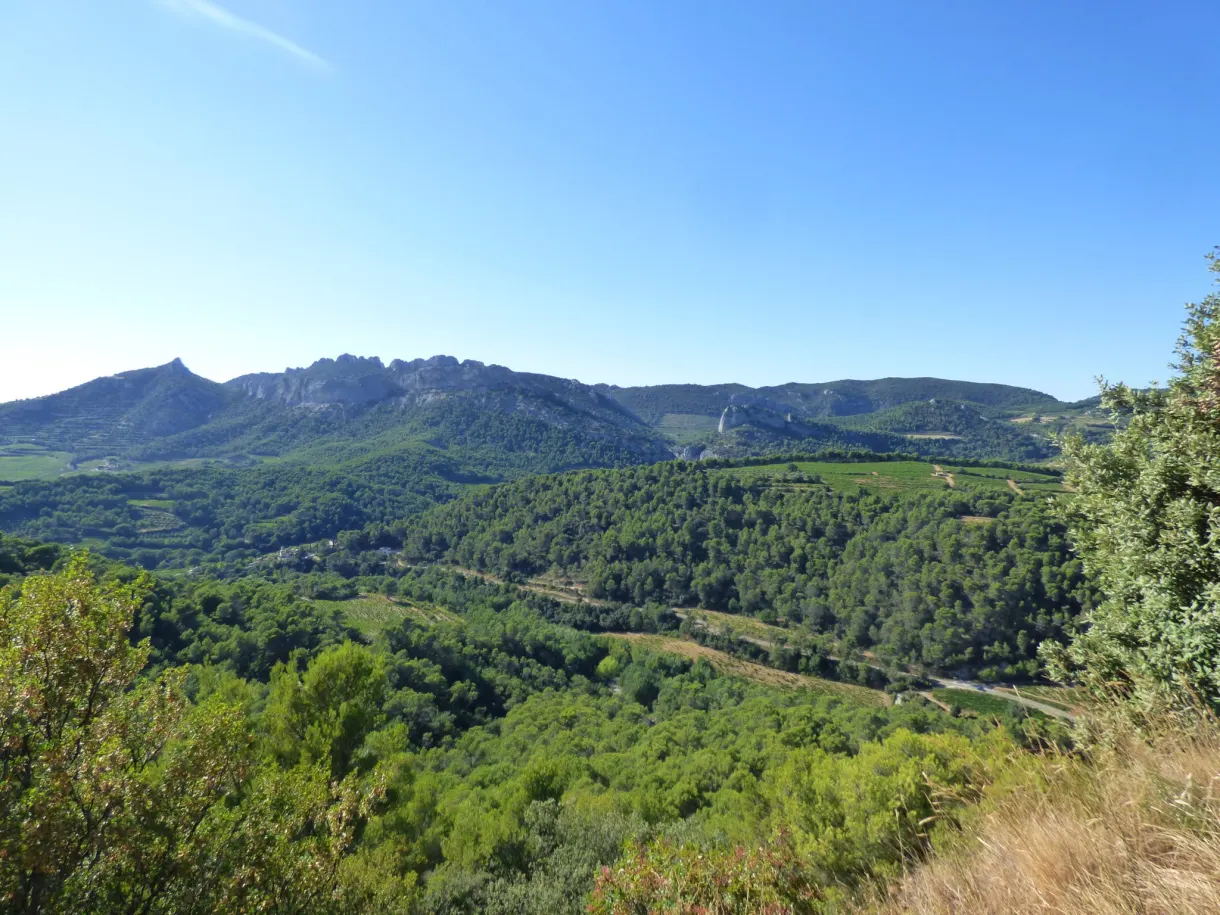
We made a short stop in the village of Gigondas, renowned for its famous vintage. The village is very picturesque (and steep!) with its typical square surrounded by plane trees. We walked up to the Saint-Cosme chapel, which overlooks the Dentelles de Montmirail region and its vineyards.
La Roque-Alric
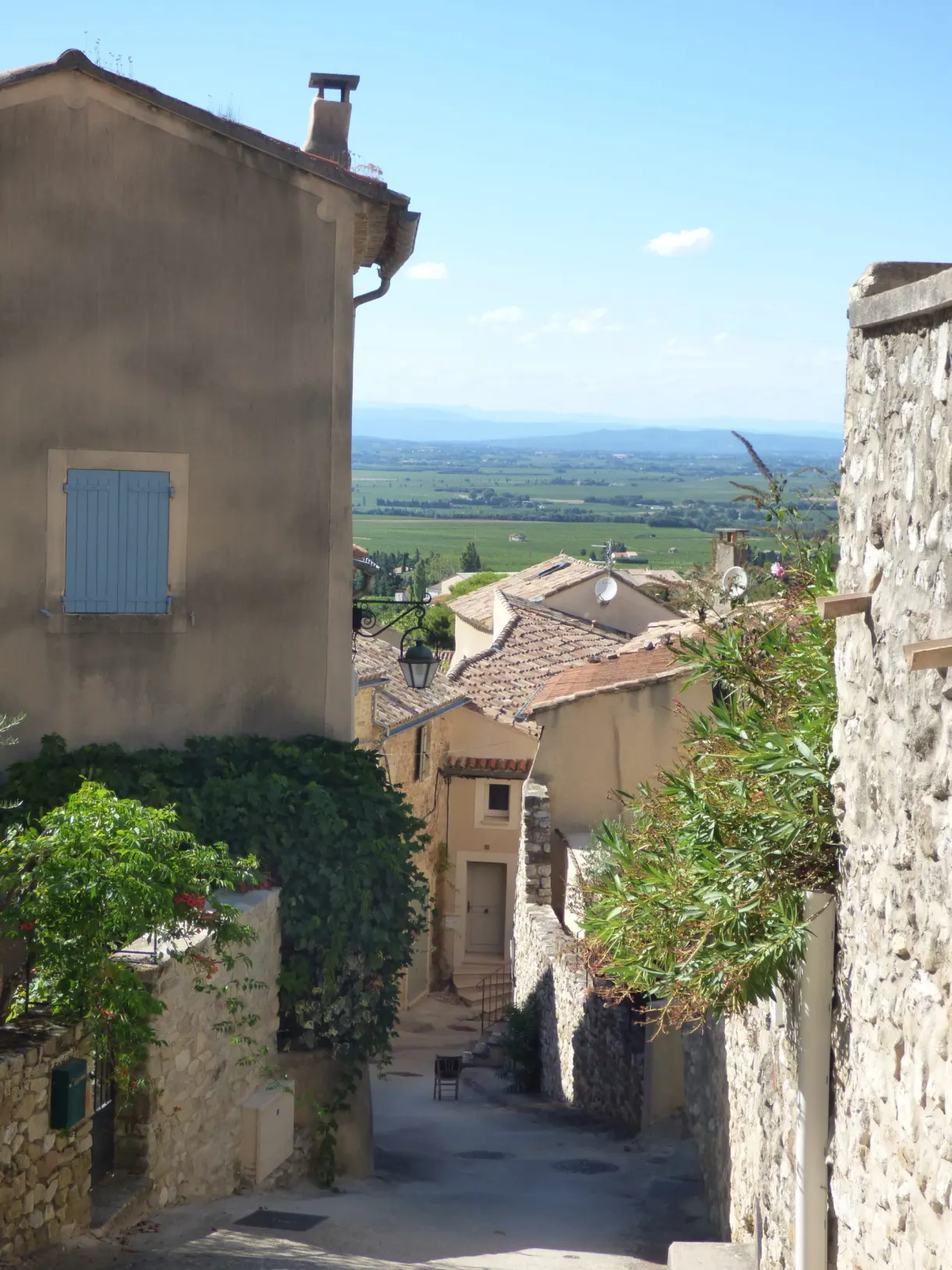
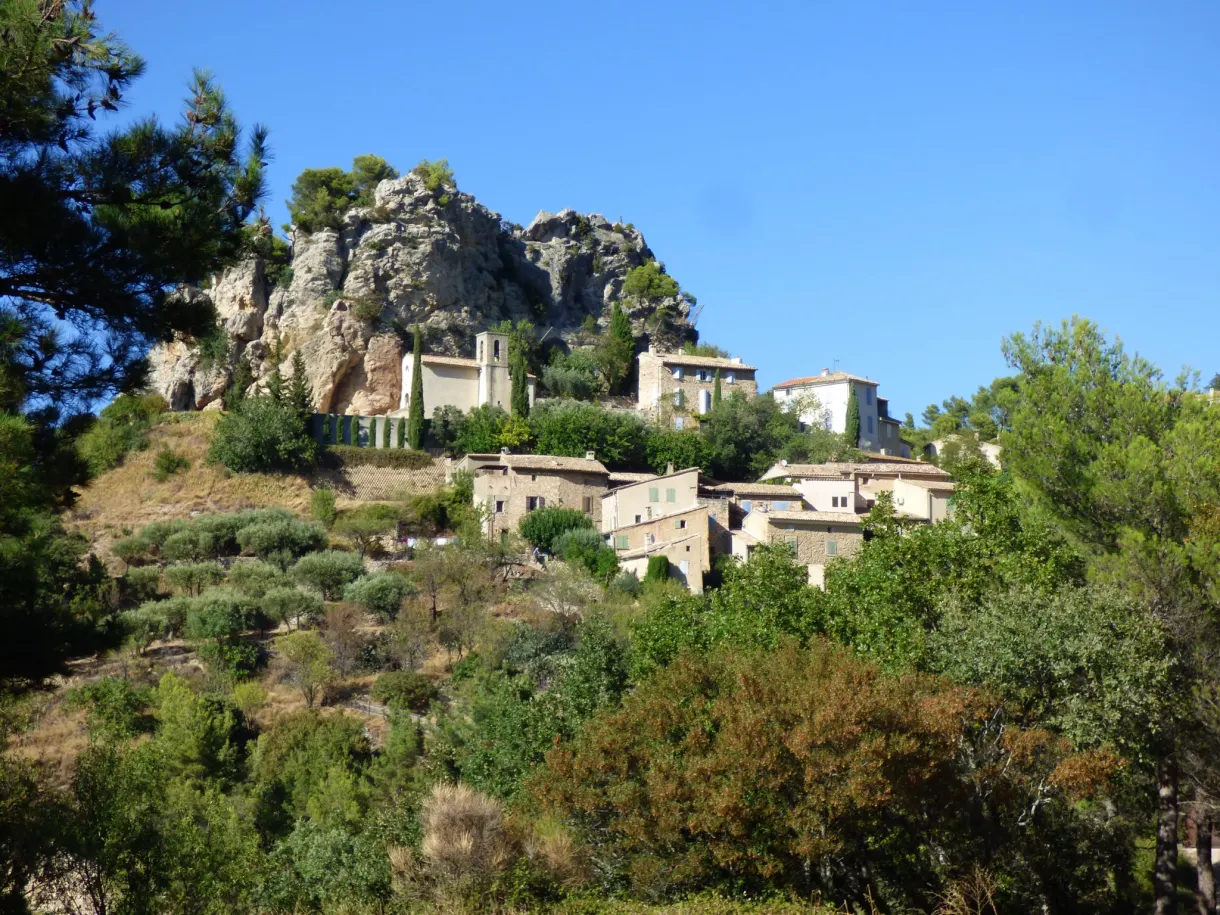
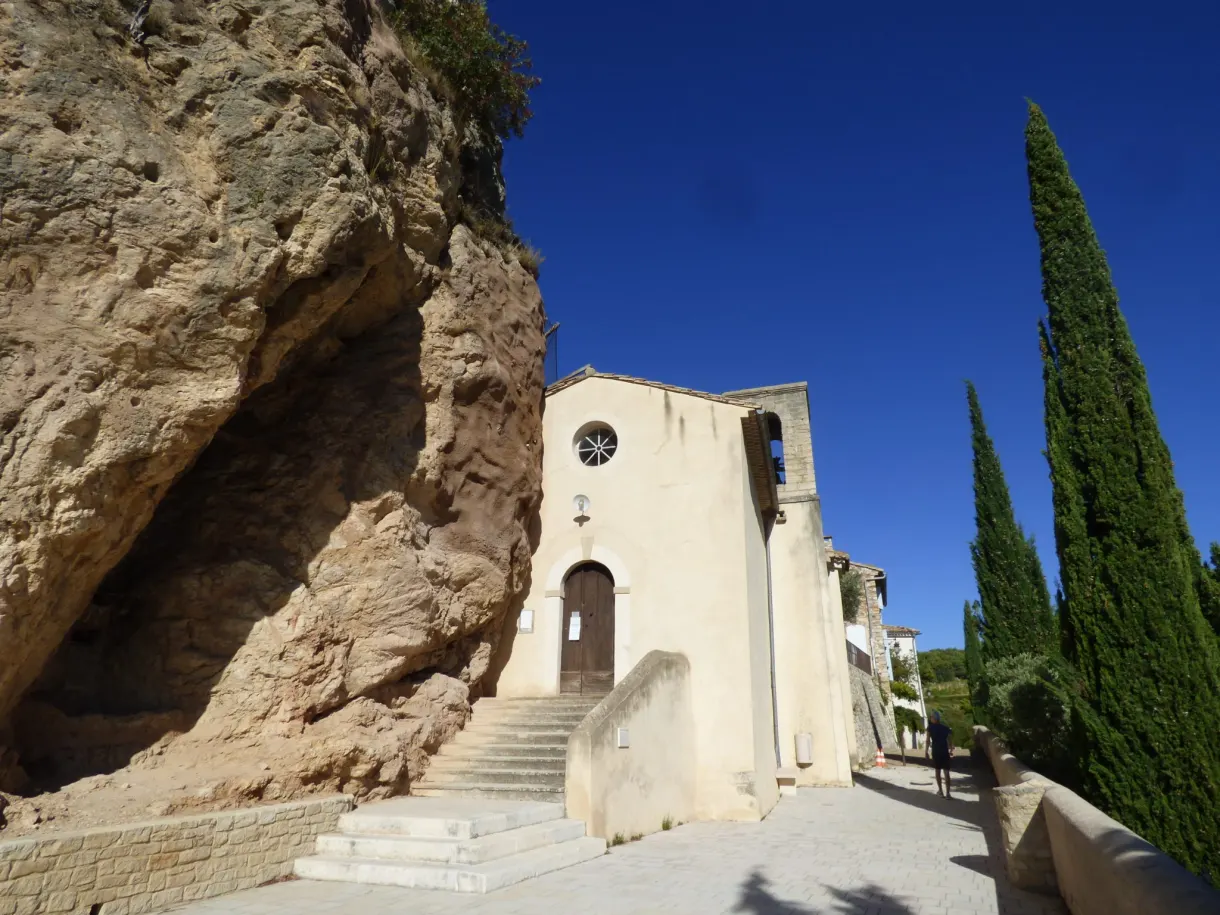
After several kilometres on the winding roads of the mid mountains, we reached the tiny perched village of La Roque Alric. It sits literally in the middle of nature, between pine forest and vineyards. At its top is a small church backing onto the rock: a lovely view over the surroundings guaranteed!
Suzette
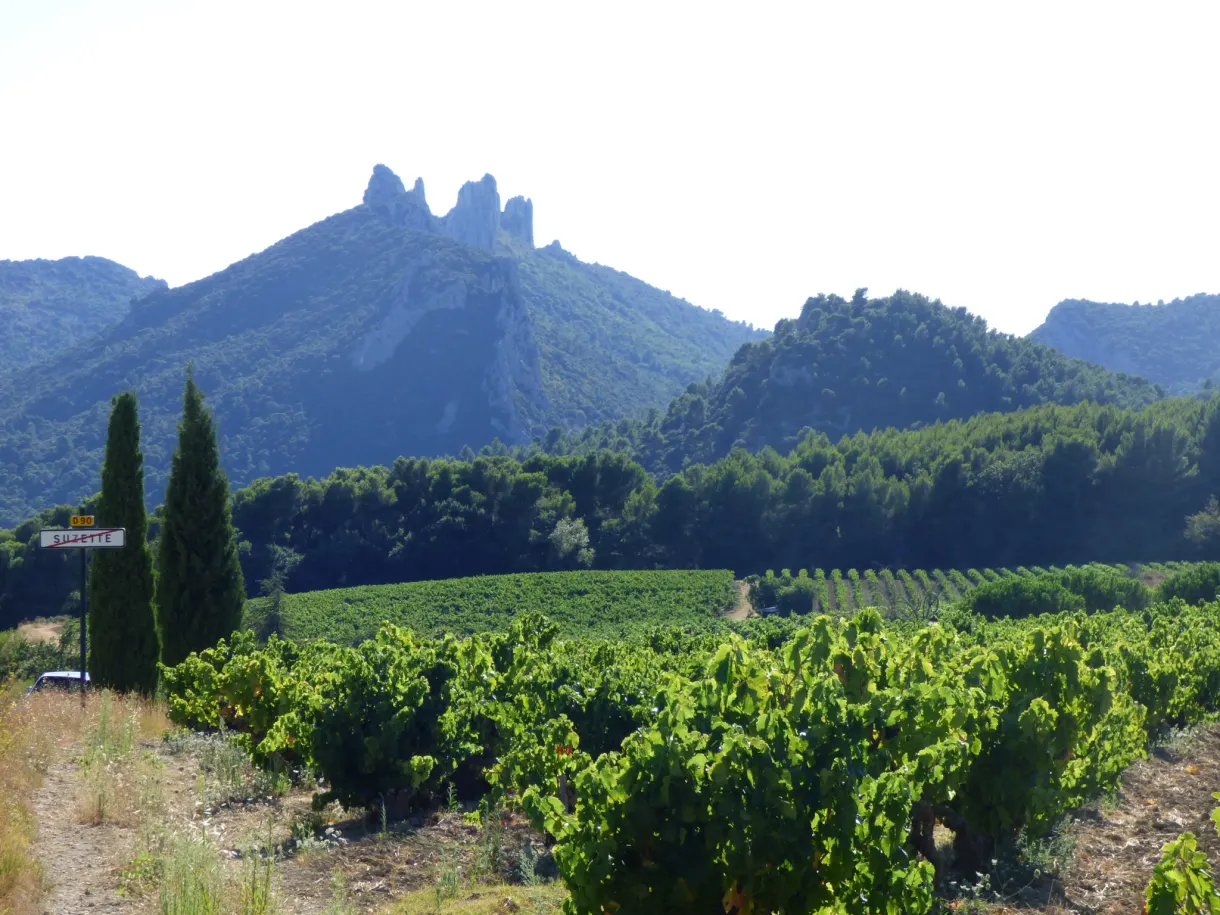
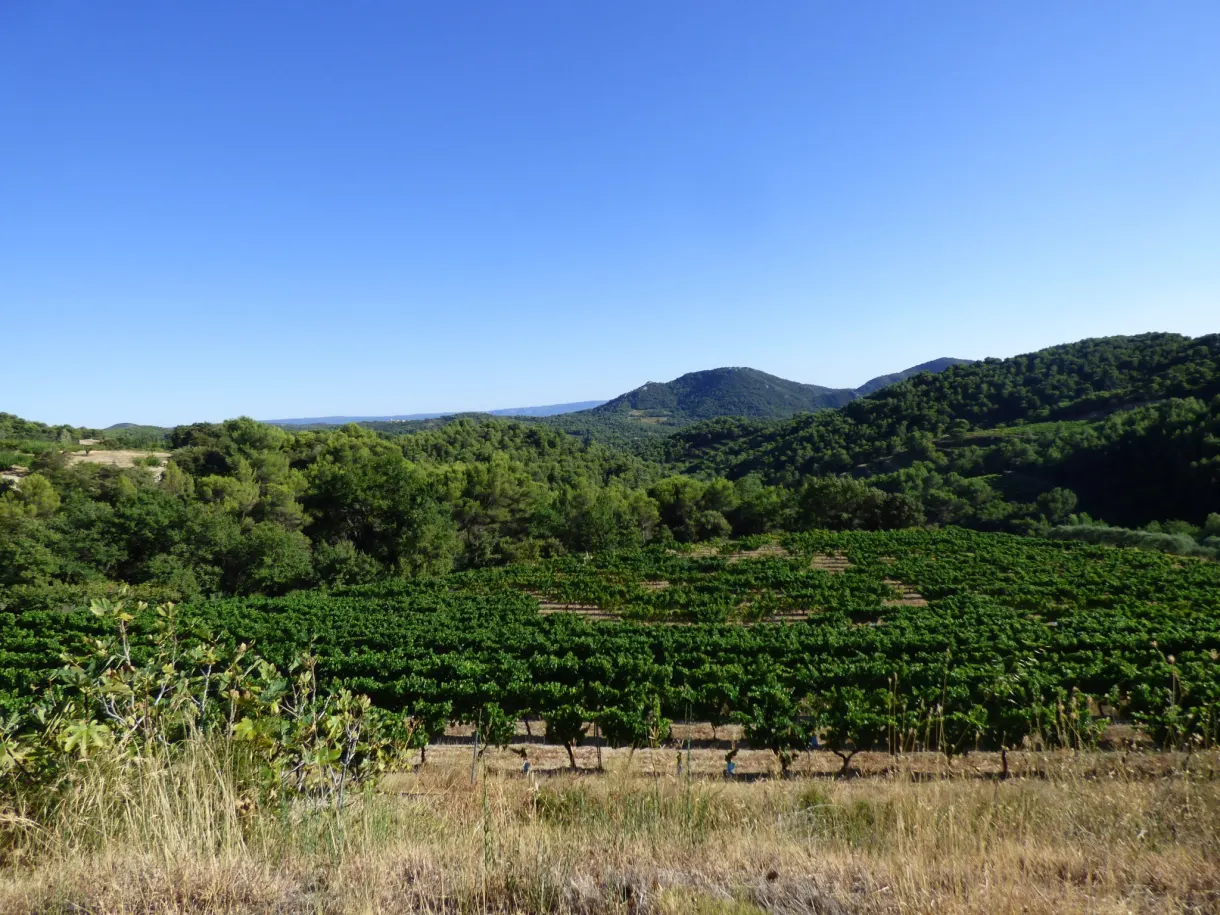
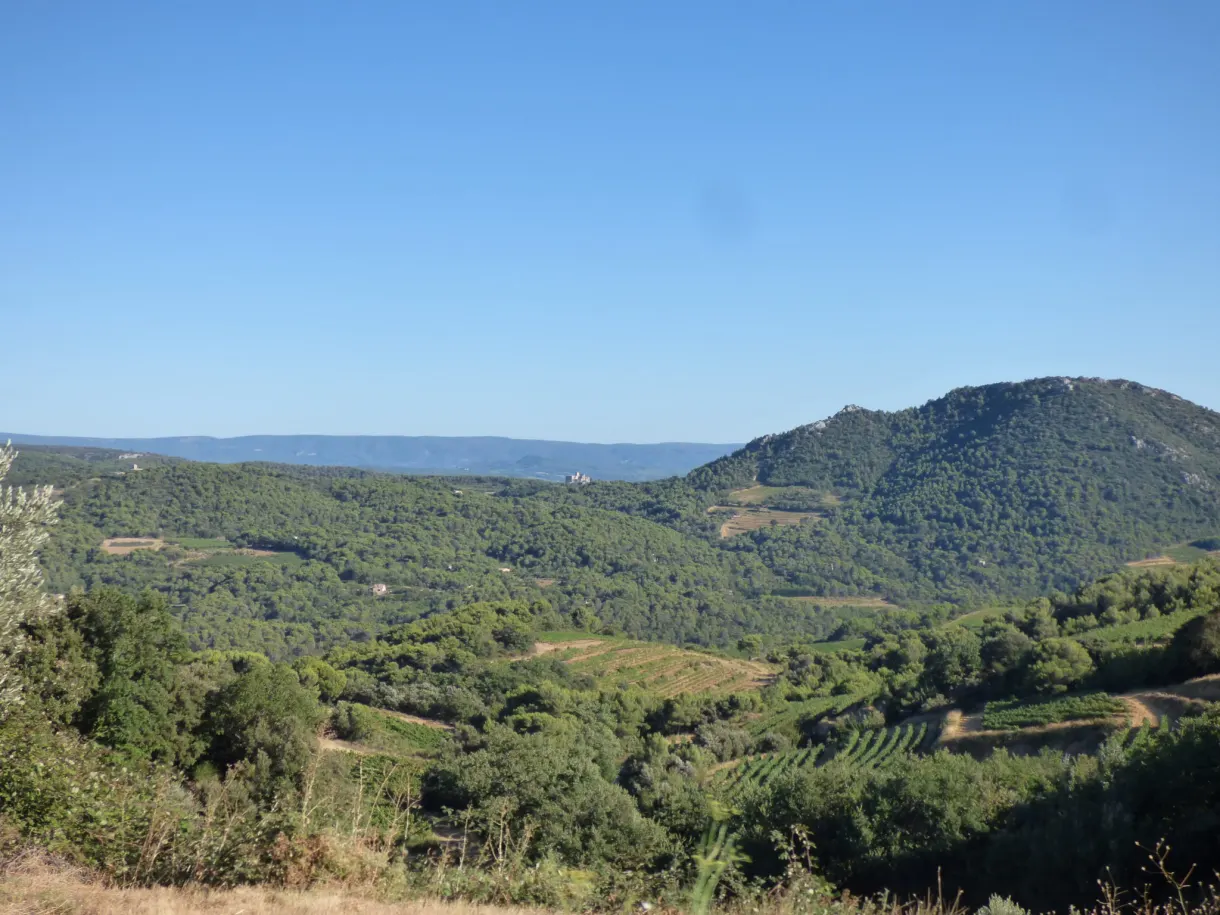
We ended the day discovering Suzette and the cirque de Saint-Armand, in the heart of the Dentelles de Montmiral, along the D90. This part of the Vaucluse is less inhabited, “greener” and wilder than everything we saw during this day in the region. Don’t miss this stretch of road if you need to get to Malaucène, for example!
Day 2
Le Barroux
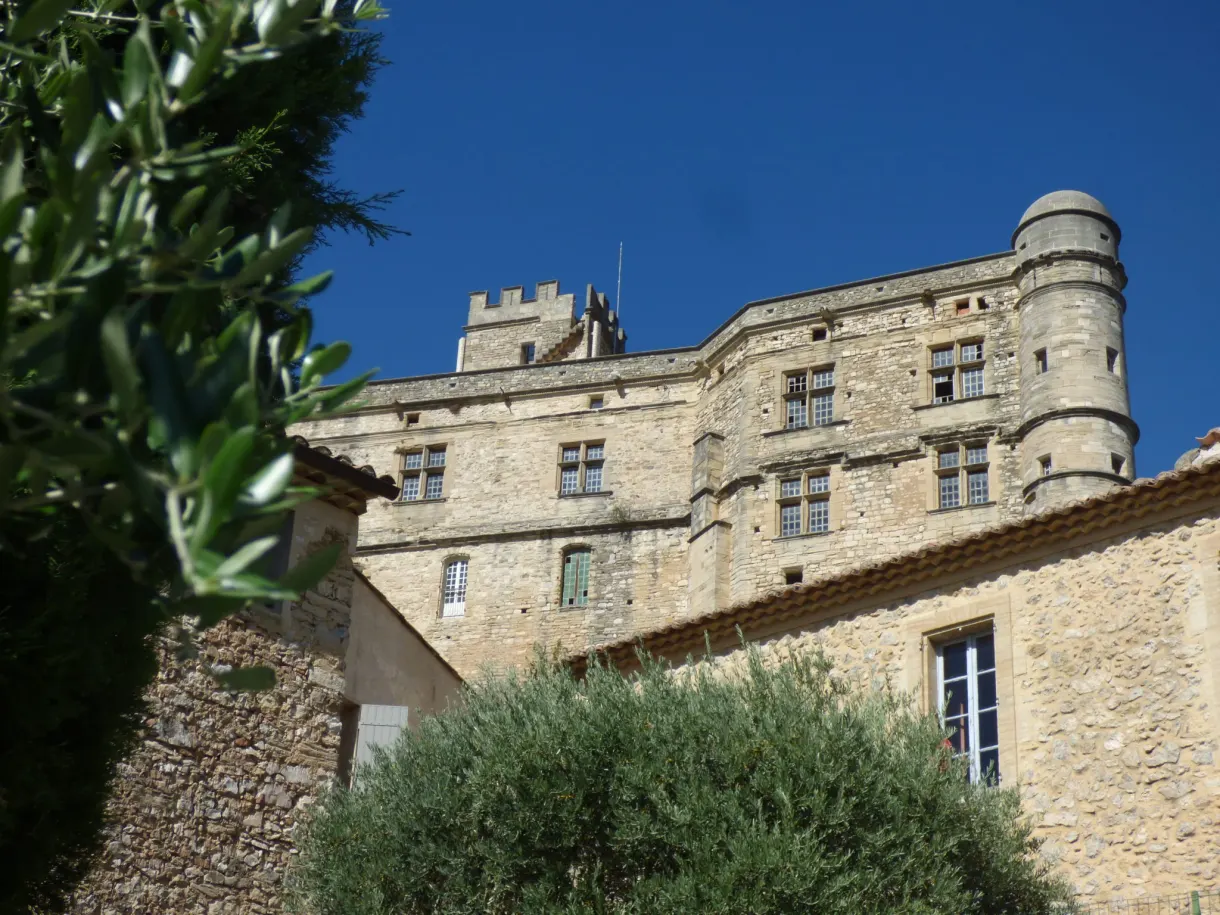
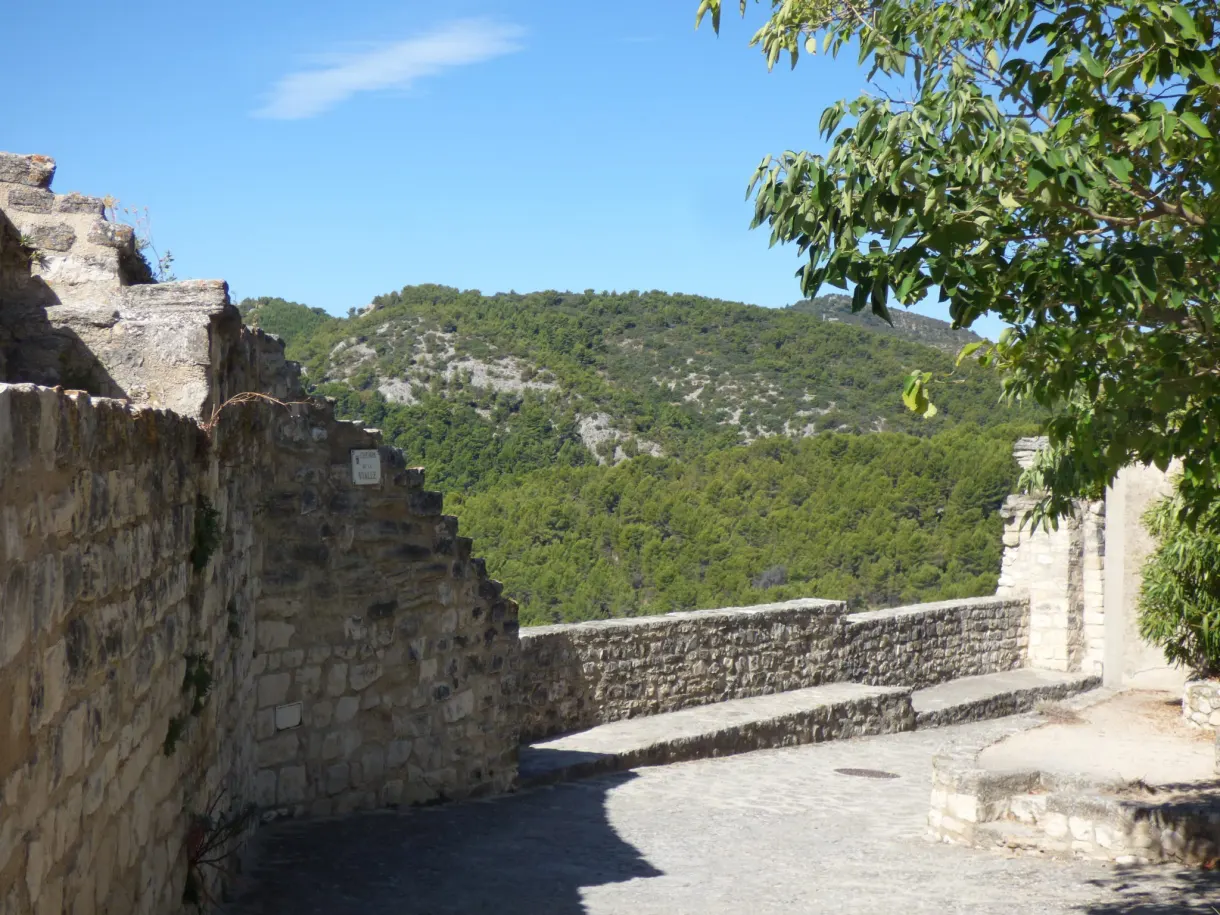
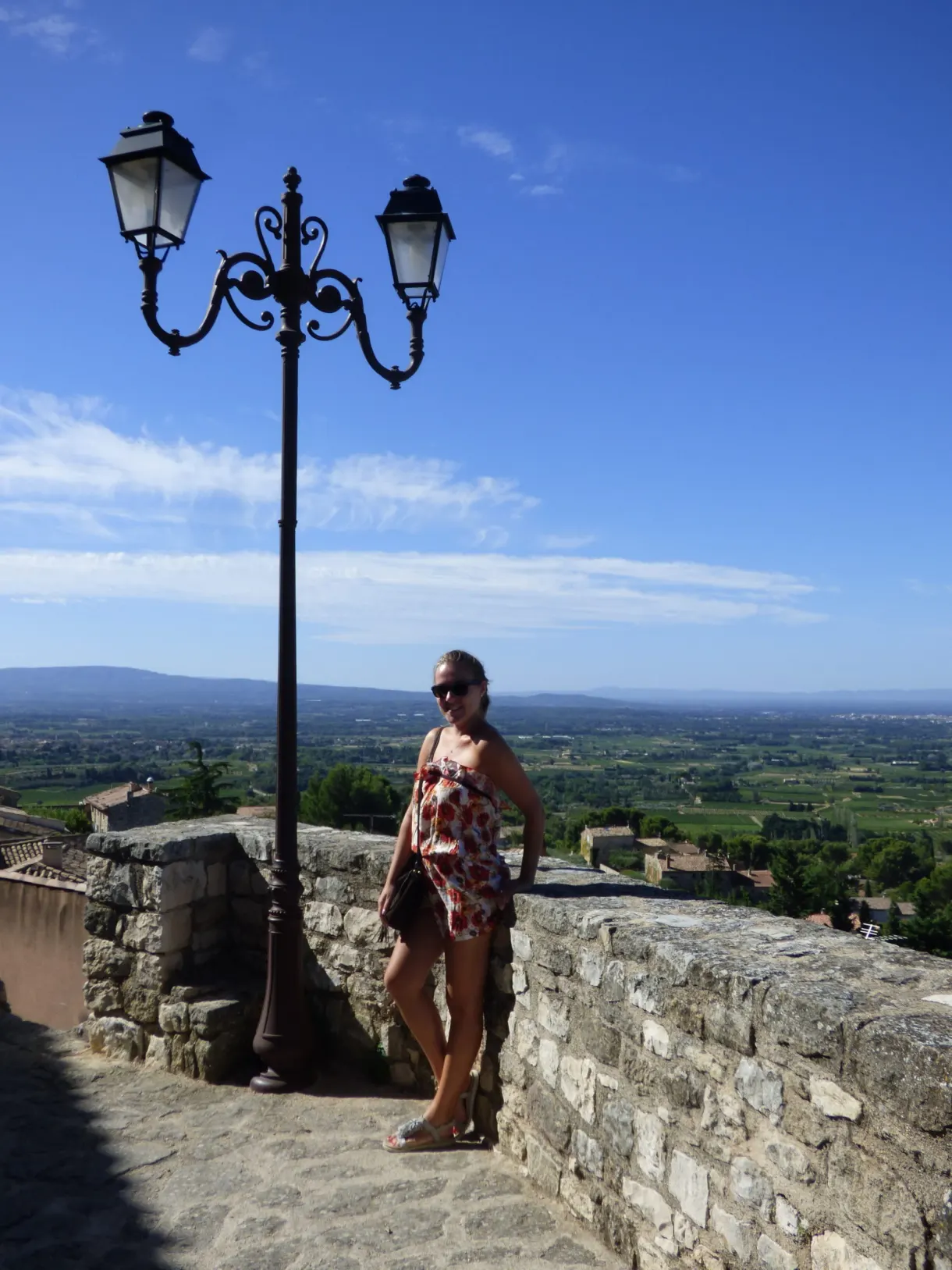
We started our second day of holiday with a visit to the village of Le Barroux, set on a rocky spur. We parked at the top of the village, in the car park of the fortified castle (part of which can be visited). From the ramparts walk, you get a panoramic view over the whole plain of the Comtat Venaissin, the Dentelles de Montmirail and even Mont Ventoux. We then got lost in the maze of stone lanes: the village is quite peaceful and not packed with people.
Crillon-le-Brave
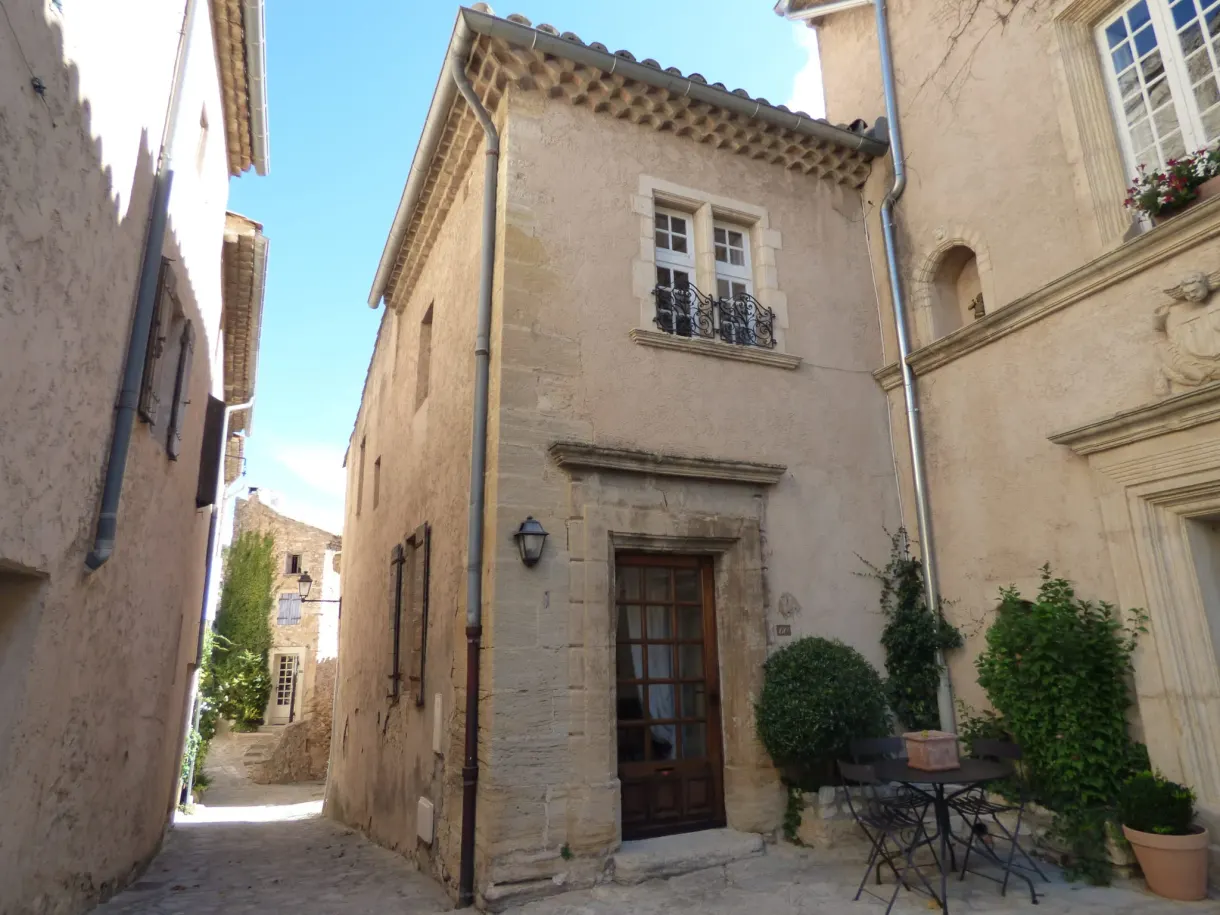
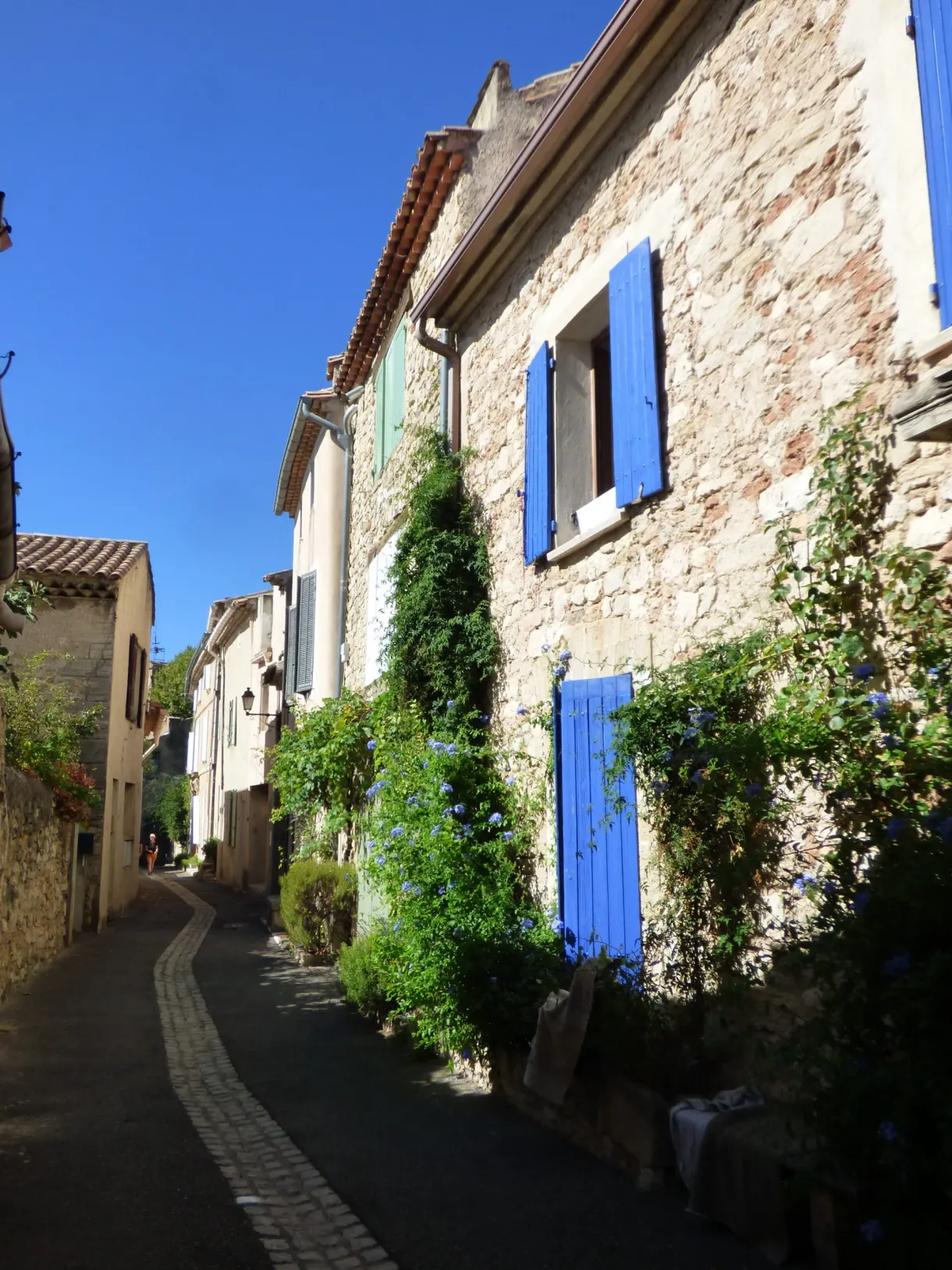
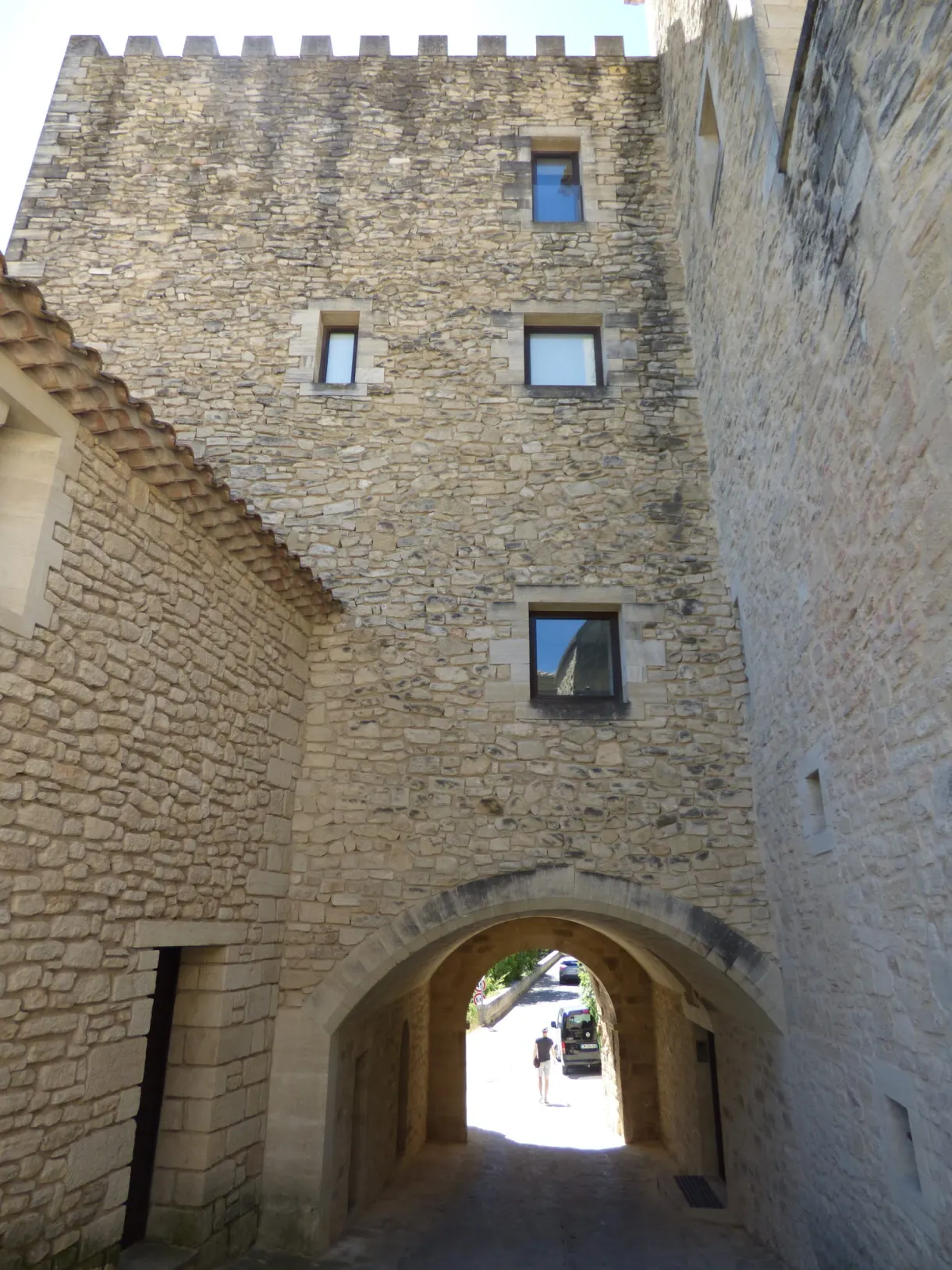
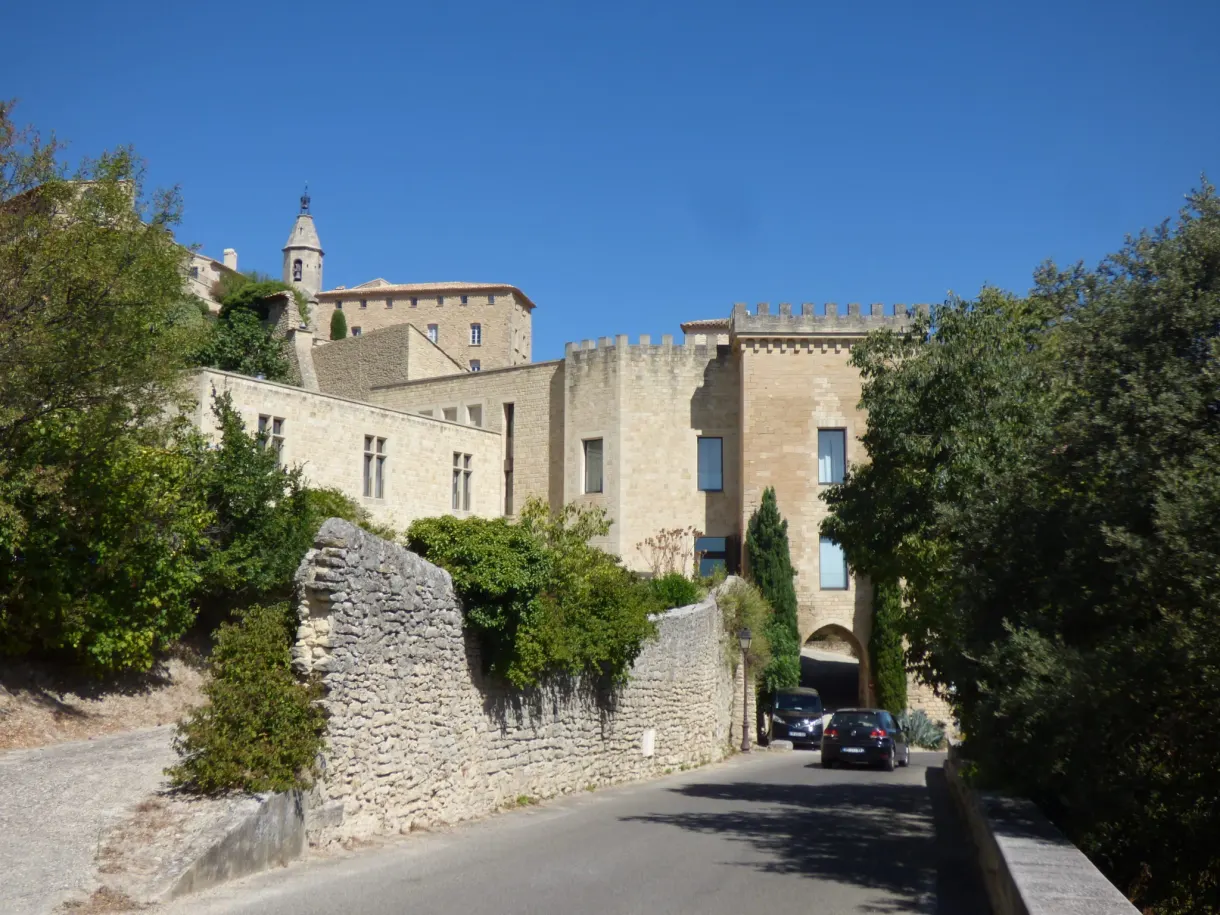
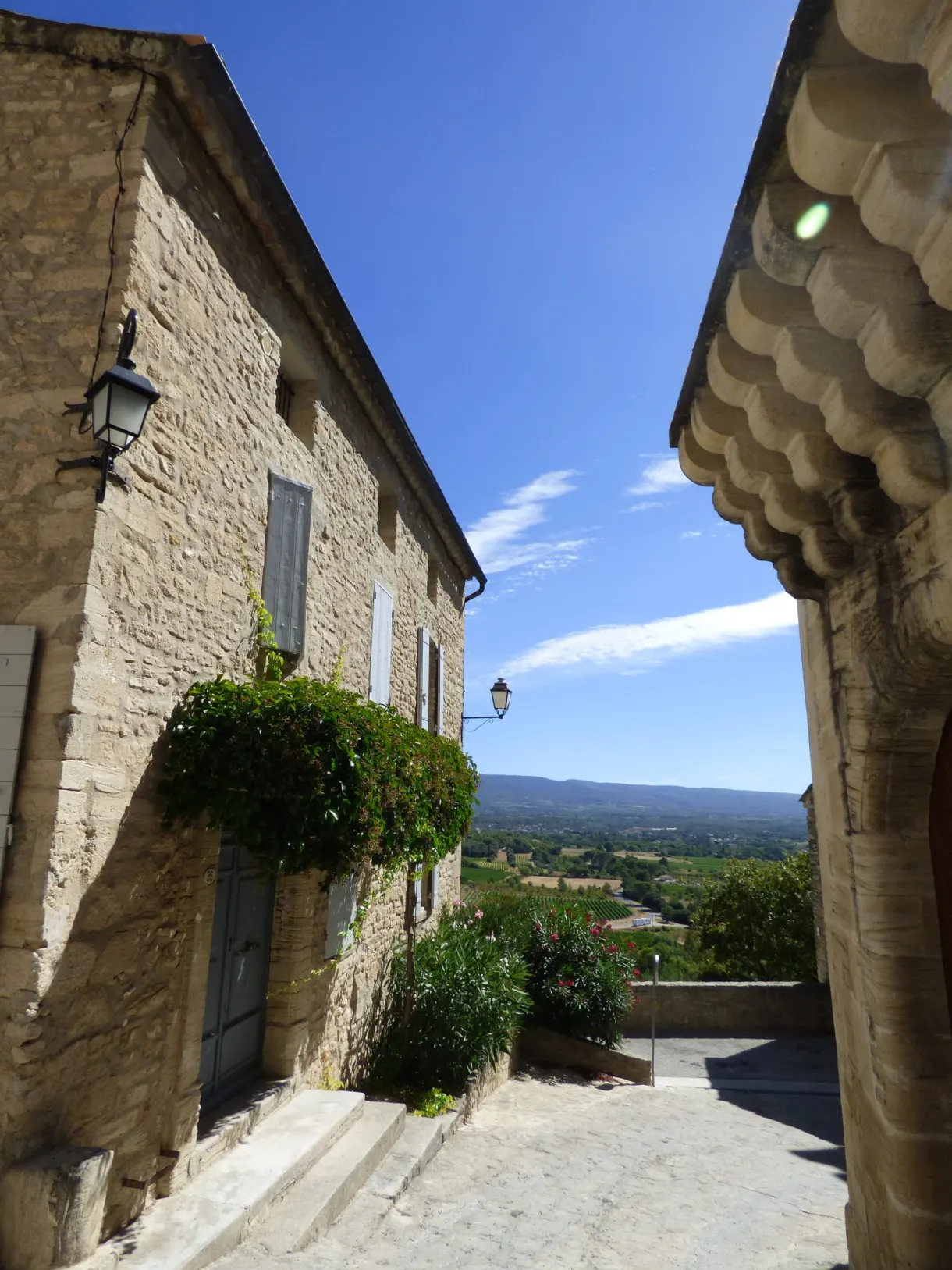
After a brief stop in the village of Caromb, which isn’t of much interest, we drove east to reach Crillon-le-Brave. We fell hard for this village! You find all the charm and chic of Provence there with its beautiful renovated stone houses, the medieval castle, the Saint-Romain church… all with a superb view of Mont Ventoux. The village is also home to a magnificent 5* hotel, Relais & Châteaux, which made Crillon-le-Brave famous. We were there on the day of the potters’ market, which was held on the town hall square and drew a lot of people. That was also the day we discovered the work of the ceramicist from whom we bought a few pieces at the end of our stay. We definitely advise you to stop by Crillon-le-Brave to discover this village full of charm!
The Nesque Gorges
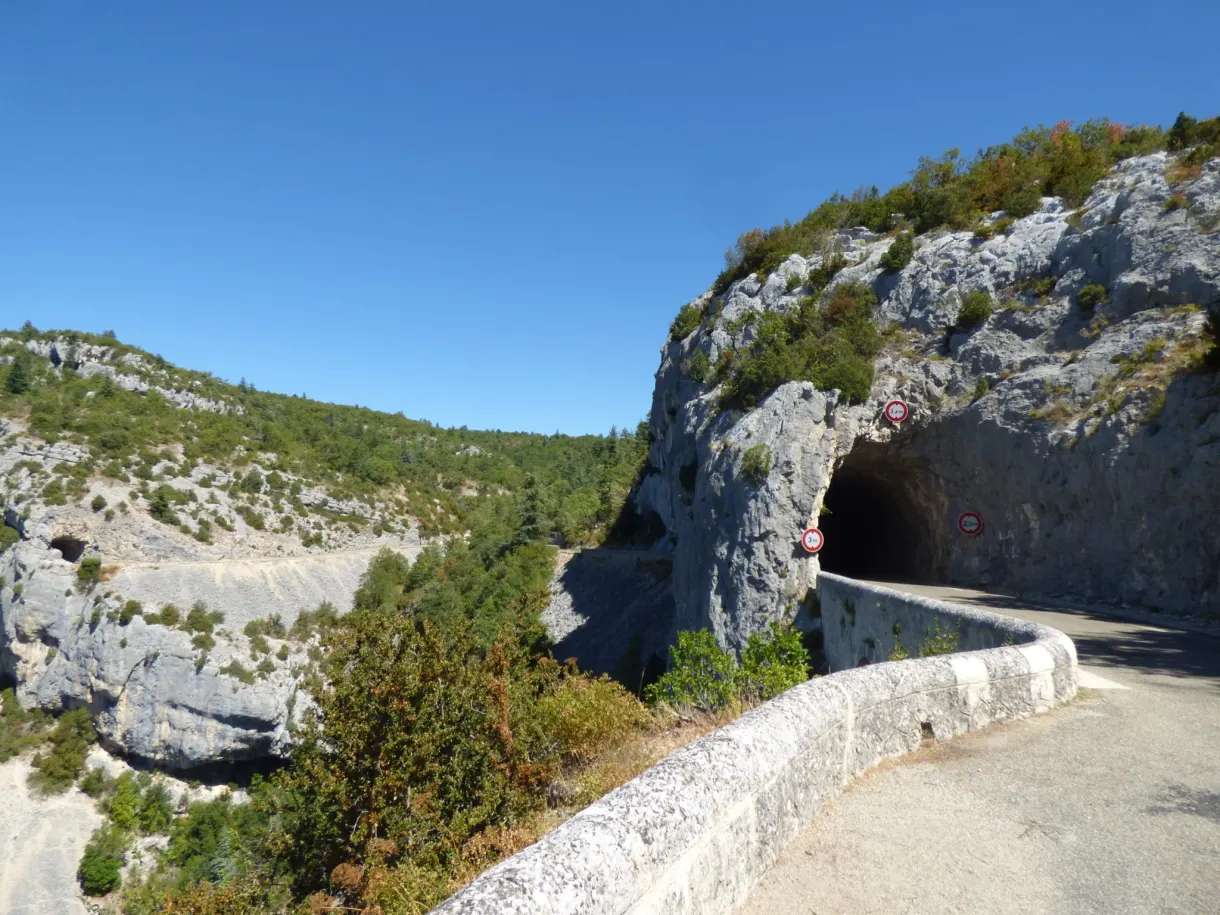
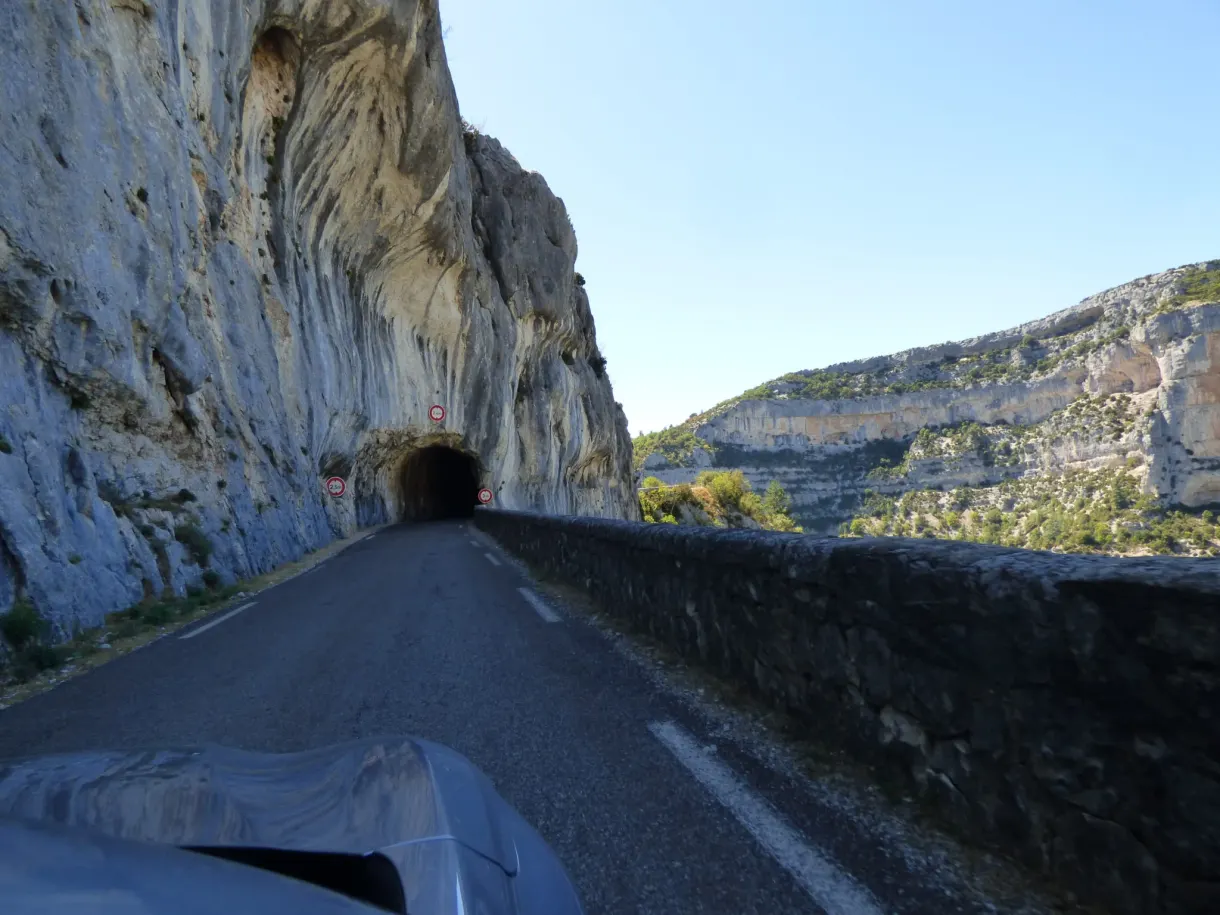
Our initial plan was to reach the east of the department and Sault by taking the Mont Ventoux road. Unfortunately, access to the Mont was closed that day and so we decided to take the D942, along the Nesque gorges, from Villes-sur-Auzon to Monnieux. No regrets, it was one of the most beautiful roads of our road trip! The country road winds through the canyon, at the foot of the green cliffs of the gorges. You can stop at viewpoints all along the road: watch out if you’re afraid of heights! We took a break at the Castelleras Belvedere, where several platforms let you get a panoramic view over the gorges. (We even came across wild boar there!). So we highly recommend this green road, which offers a different vision of the Vaucluse department.
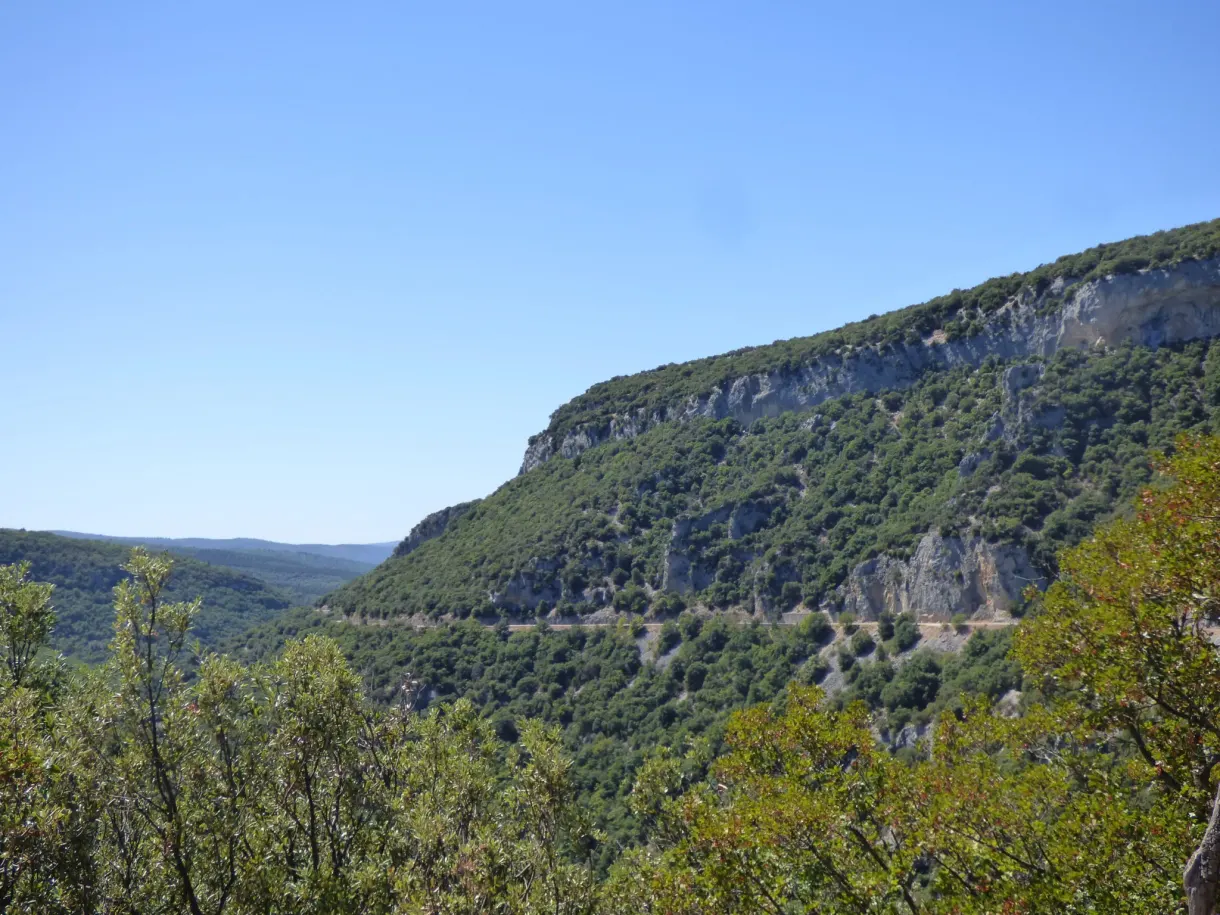
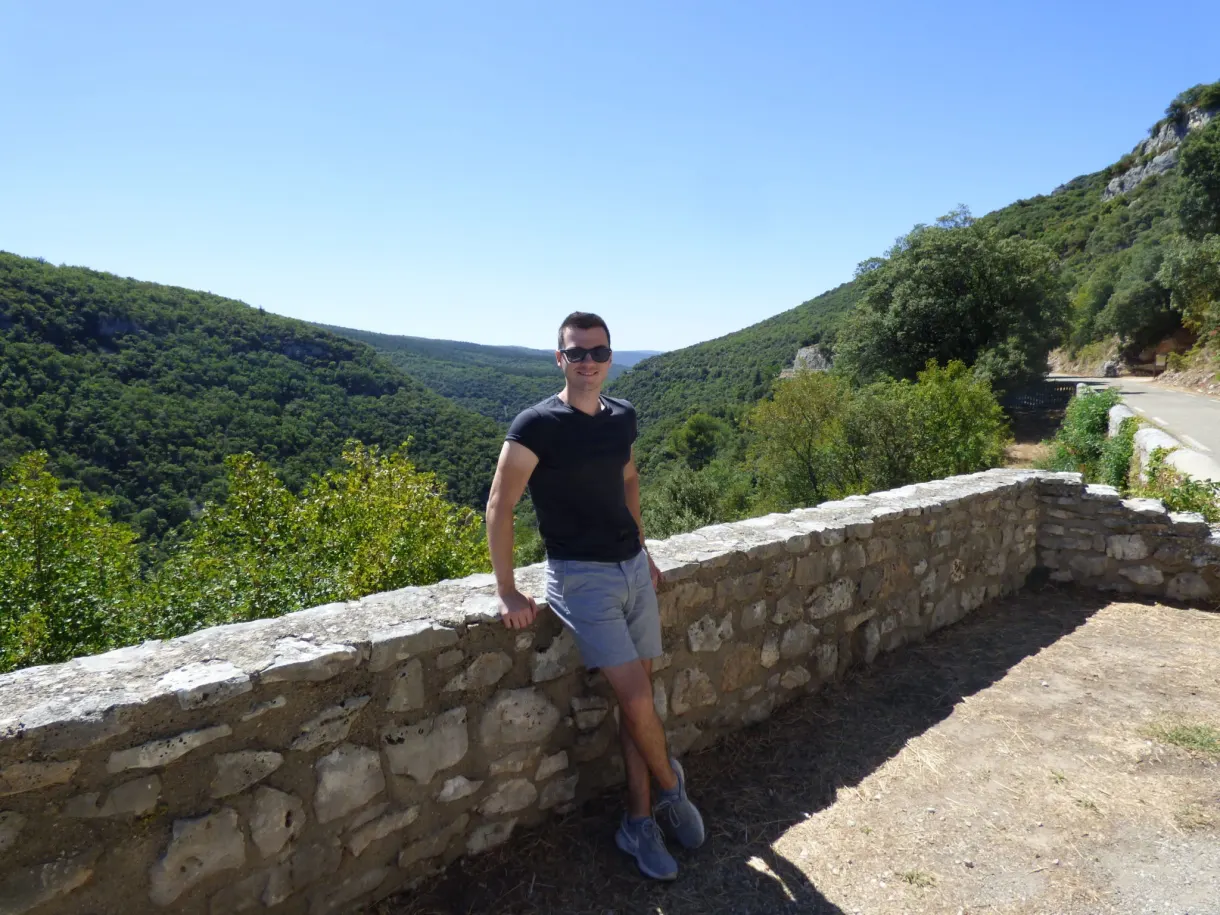
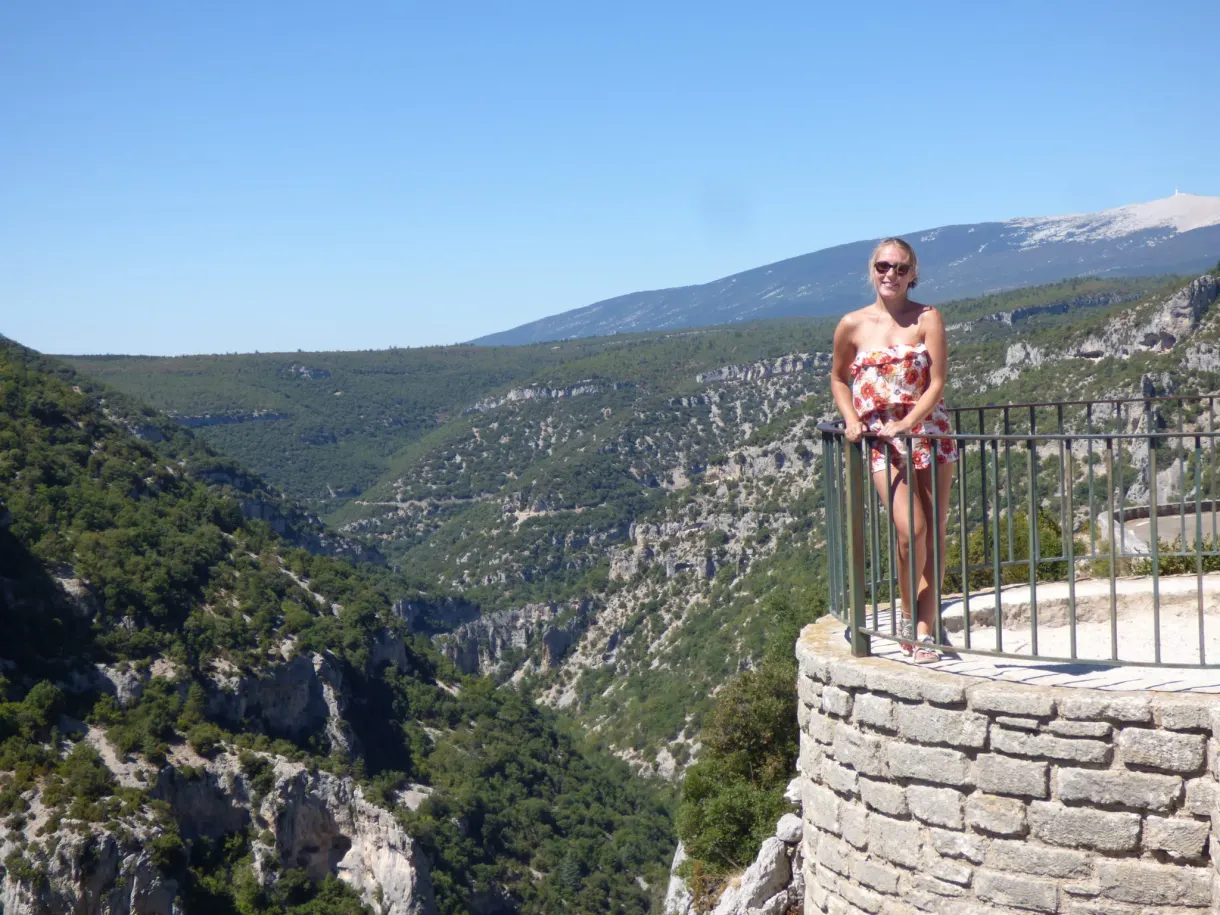
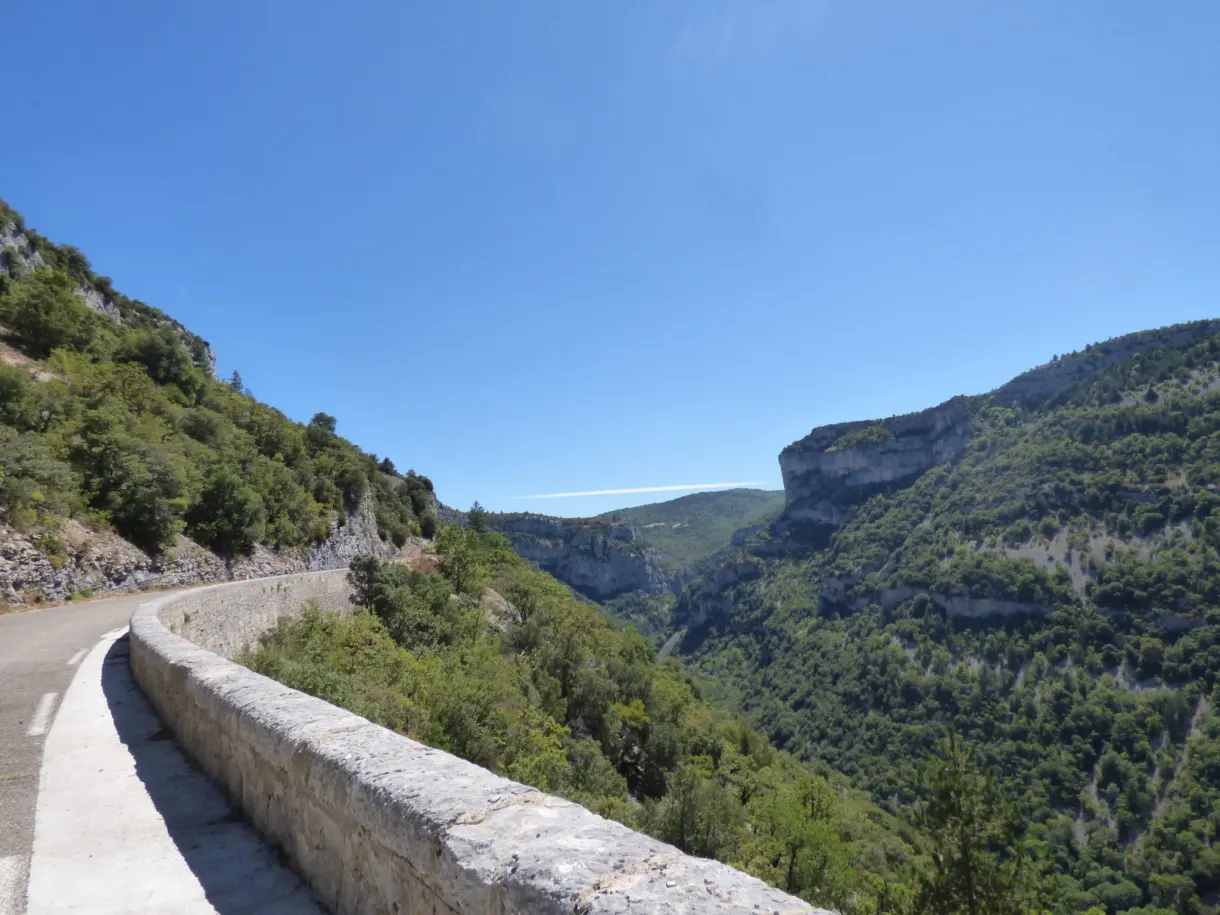
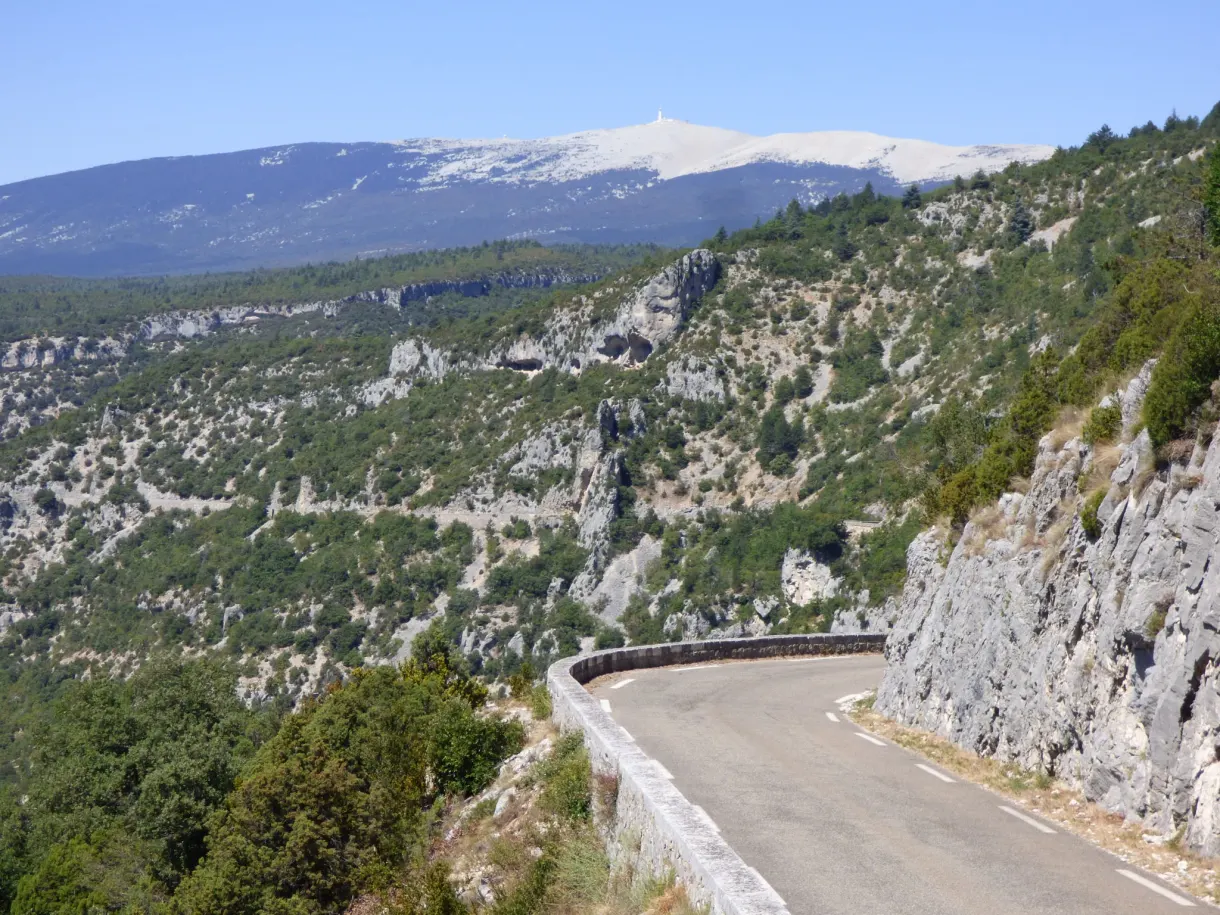
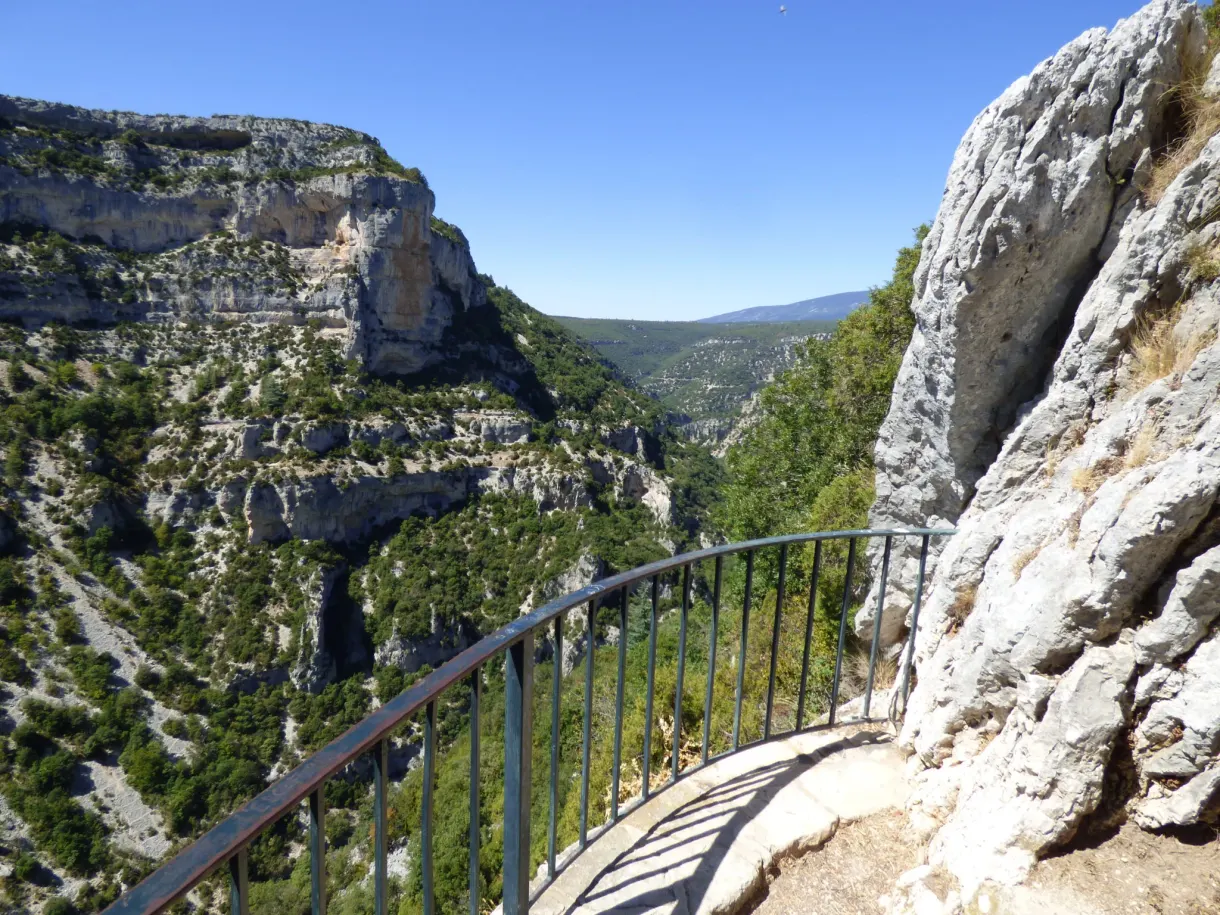
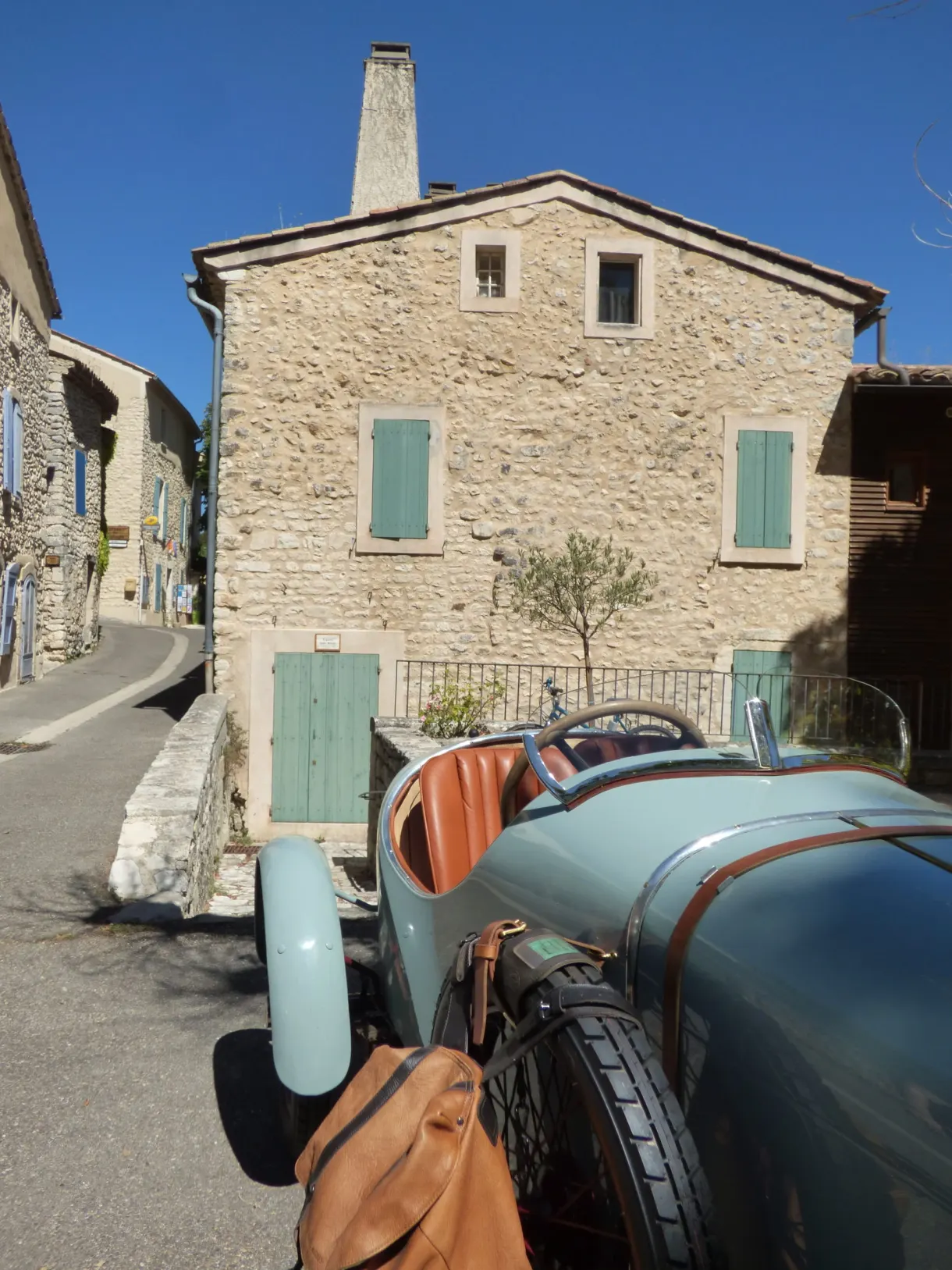
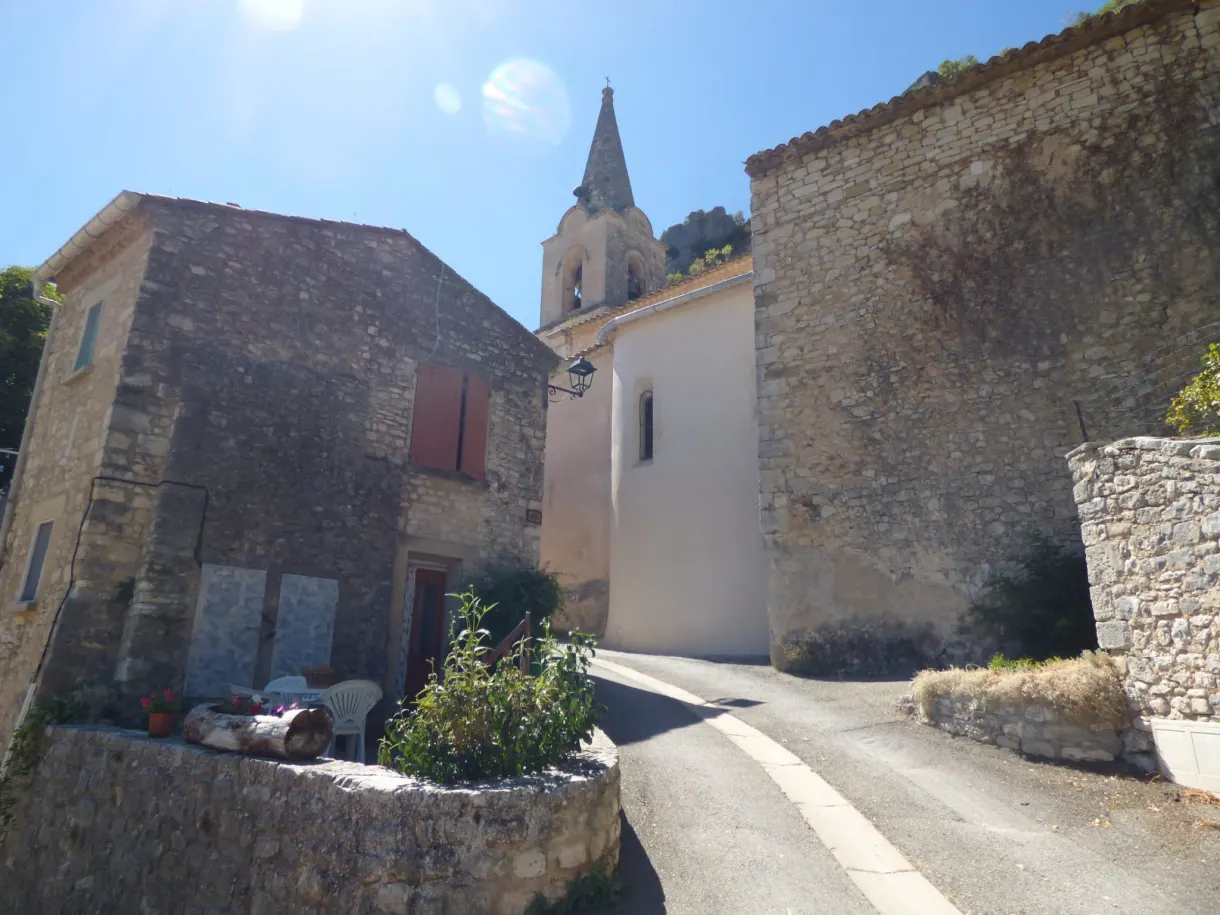
We then stopped in Monnieux, a small typical Provençal village at the end of the Nesque Gorges road, and in Sault, lavender country. We couldn’t make the most of it at the end of August because this plant is harvested between June and July. Our stay in the Dentelles de Montmirail and Mont Ventoux region therefore ends here. From Sault, we took the D943, which leads straight to the Luberon regional nature park and to Saint-Saturnin-les-Apt where we were staying for the second part of our trip. This road is also superb because it overlooks the unspoilt, uninhabited mountains of the Luberon!
Our accommodation in the north of the Vaucluse
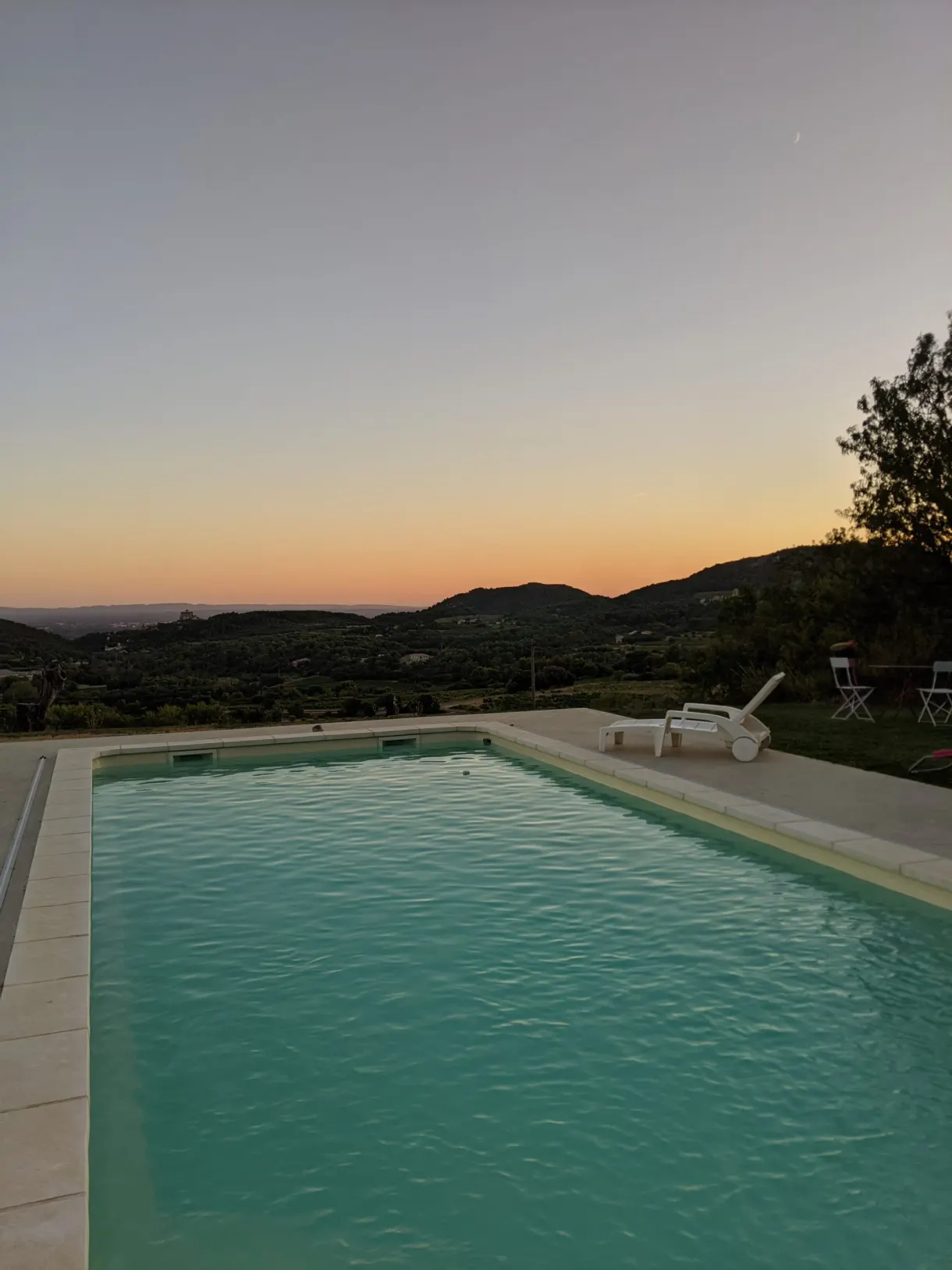
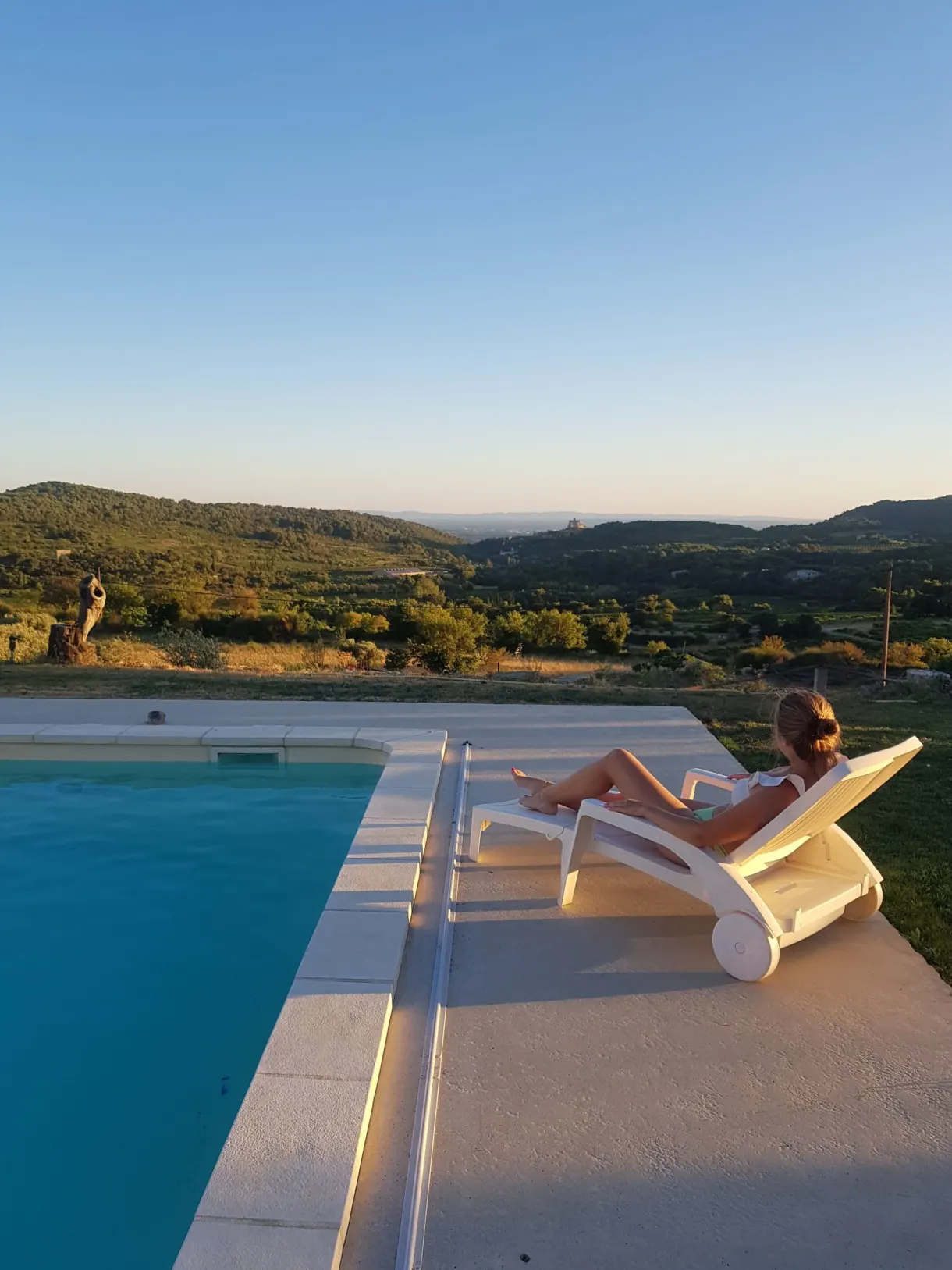
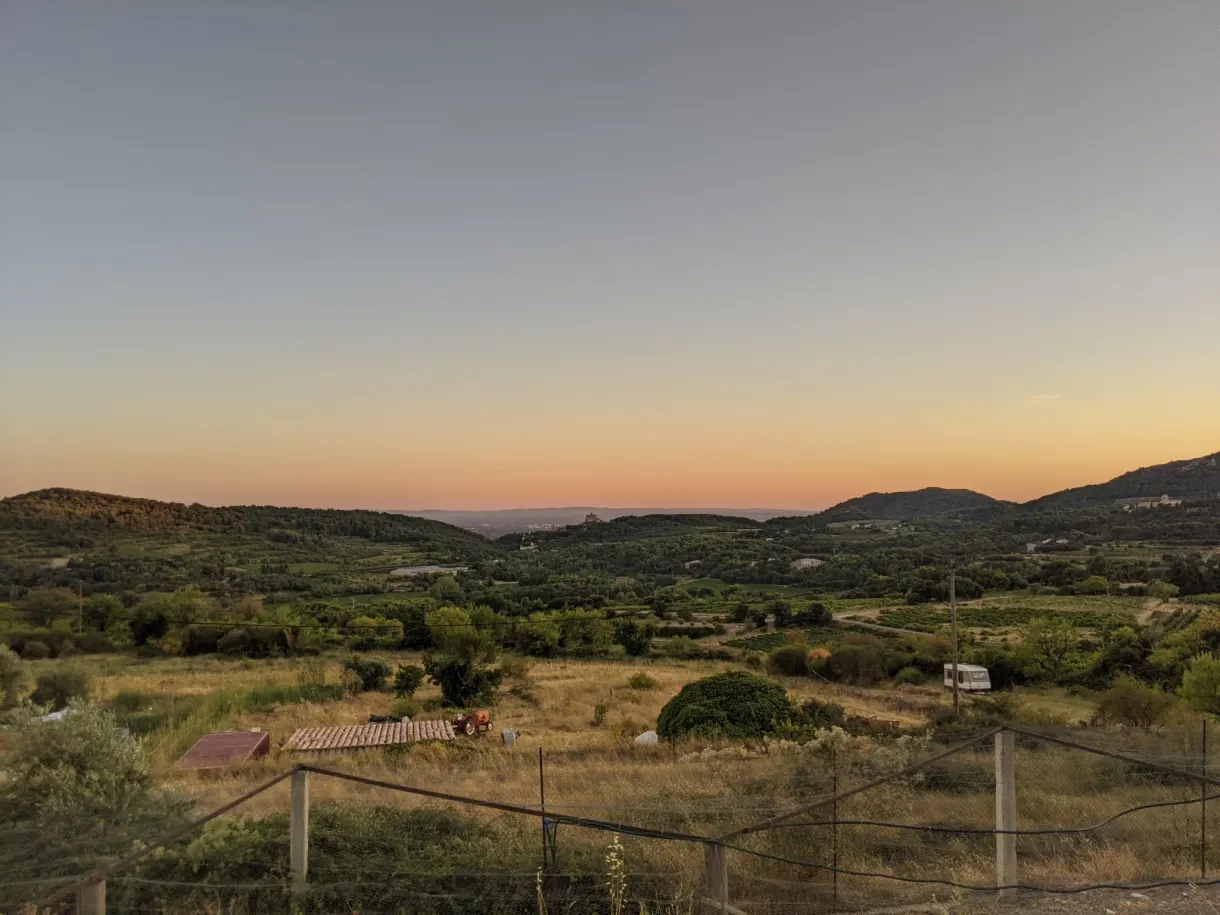
To visit the Dentelles de Montmirail and Mont Ventoux region, we decided to stay two nights in a bed and breakfast, between Le Barroux and Malaucène. We first found the room “Aux Ambrosis” on Airbnb, but preferred to book directly to avoid the site’s fees. The value for money is unbeatable, especially in the middle of August and in Provence: we paid 64€ a night with breakfast. The owners, farmers by trade, are really charming. The big plus: the large heated pool with a stunning view over the whole region. We can only recommend this bed and breakfast!
Our favourite places to eat in the north of the Vaucluse
- Au Petit Patio in Orange: excellent place for lunch or dinner, with a very pleasant terrace. 30€ for the starter, main, cheese and dessert menu.
- Thé chez toi in Vaison-la-Romaine: small tea room offering light, fresh dishes at lunchtime. 29.50€ for the two of us for an iced tea, two dishes of the day (quiches) and two desserts.
- André Boyer in Sault: a must for eating an ice cream or buying nougat (7€ for 4 scoops).
- Charcuterie du Ventoux “Yves et Virginie” in Sault: delicatessen and fine grocery with good regional products. To this day we still buy the delicious Richaud & fils pâtés they were selling!
What we thought of the north of the Vaucluse
We didn’t know this corner of Provence yet and it won us over! In two days, we didn’t have time to see all the little villages we had spotted but it still gave us a good overview. We fell for Crestet and Crillon-le-Brave! The landscapes change quite a bit between the gorges, the forest, the more arid stretches and of course the stone villages.
If you want to spend more time in the Dentelles de Montmirail and Mont Ventoux region, count on about 4 or 5 days. Coming in lavender season (June/July) around Sault can also be a good idea to admire the fields of purple flowers!
Planning a trip to Provence? Read our article on our 10 day road trip in the Vaucluse!
Leave a comment
Thank you for your comment! Marie & Romain
Be the first to leave a comment.