The Alabaster Coast in Normandy
In 2020 and 2021, after such strange periods of lockdown, my friends and I wanted to celebrate being together again and decided to escape for a weekend in Normandy in June.
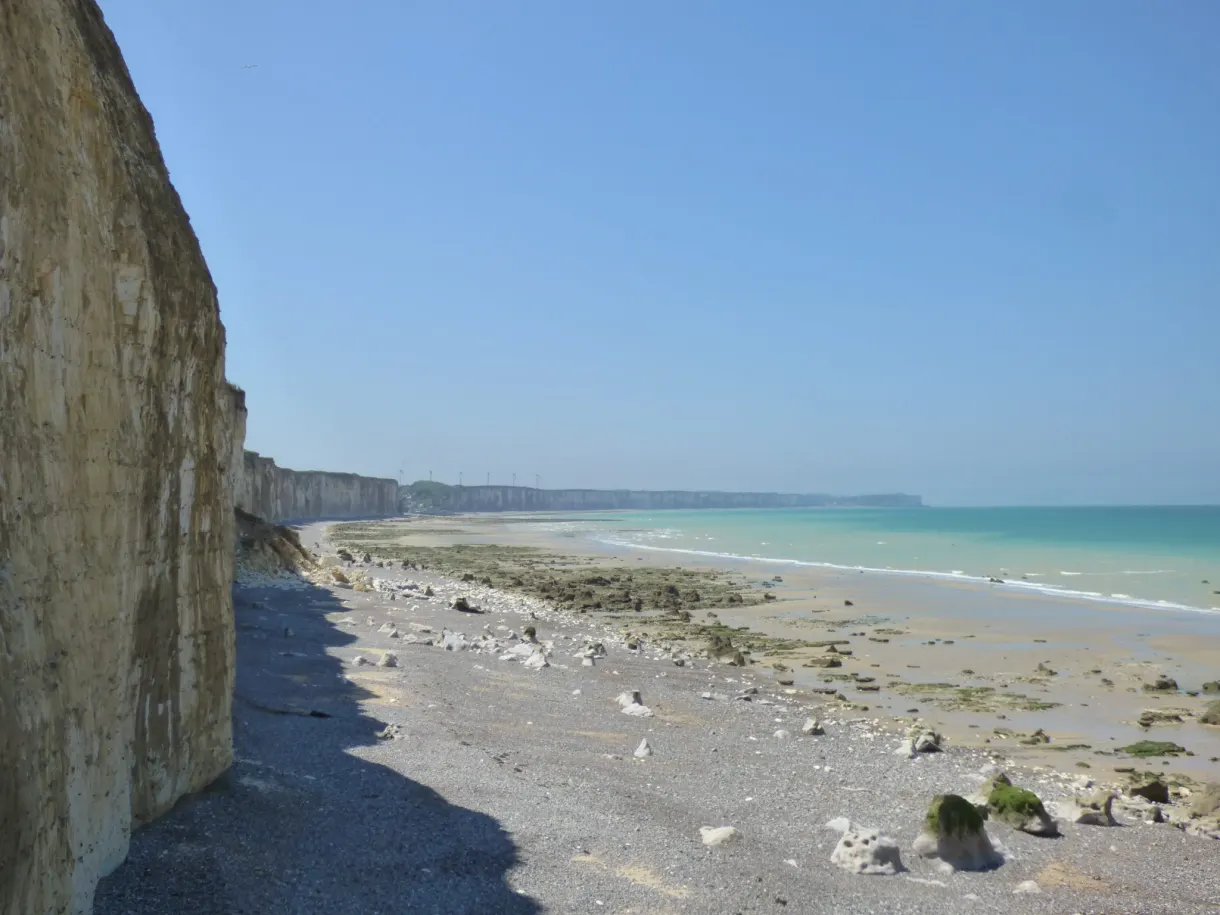
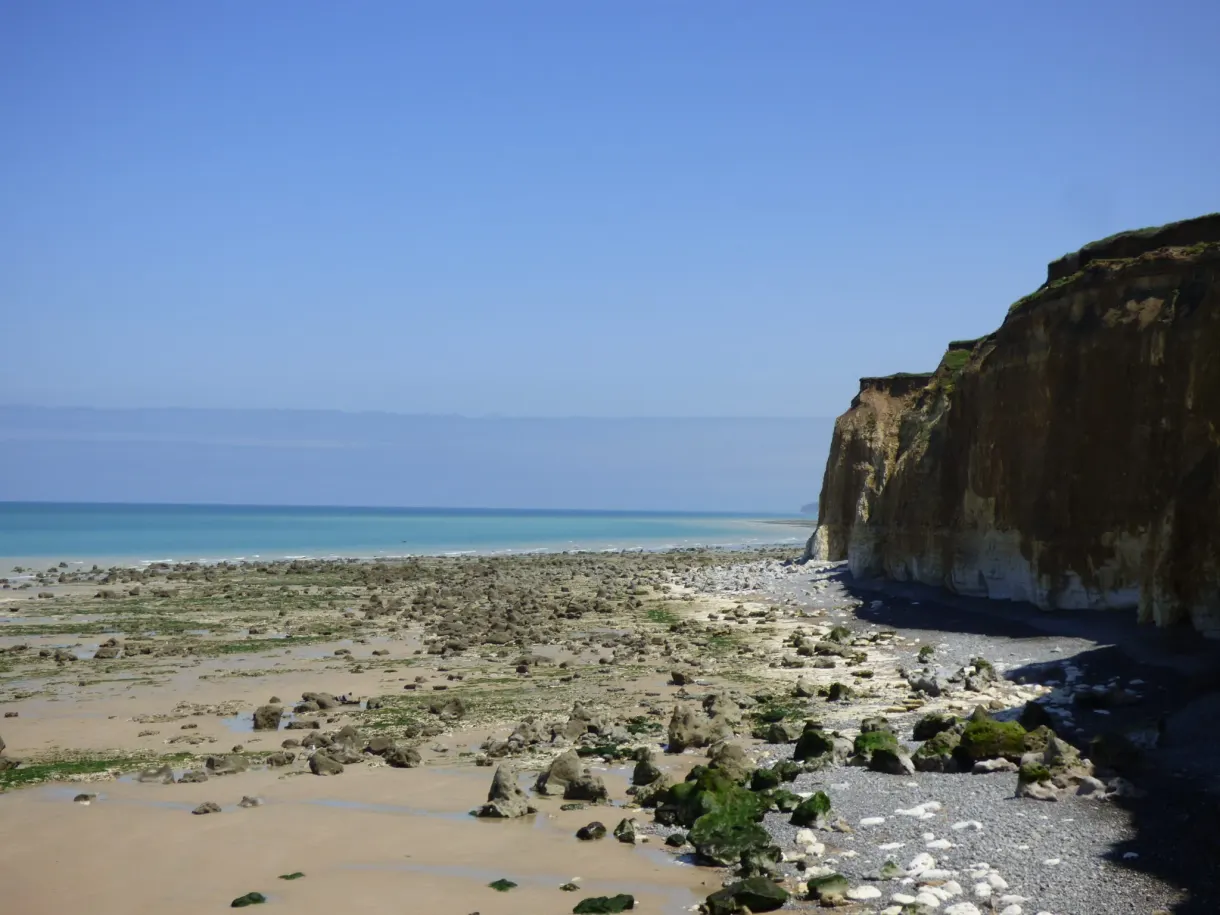
In 2020 and 2021, after such strange periods of lockdown, my friends and I wanted to celebrate being together again and decided to escape for a weekend in Normandy in June. We set our hearts on the Alabaster Coast, two and a half hours from the capital. This authentic area really won us over! Between sea and countryside, it stretches from Le Tréport to Le Havre and is characterised by its high white chalk cliffs plunging into the Channel. So both years we left on Friday evening and came back on Sunday evening: two nights were the minimum to be able to unwind and do some sightseeing.
- 2020 programme: (re)discovering the unmissable Etretat and the surrounding towns, Yport and Fécamp.
- 2021 programme: visiting Veules-les-Roses, one of the most beautiful villages in France, and getting some sea air on the Seine-Maritime coast
What to see on the Alabaster Coast
Yport
Arriving late on the Friday evening in Yport, we didn’t have time to visit the village, so instead we made the most of our big apartment to rest and gather our strength for the next day.
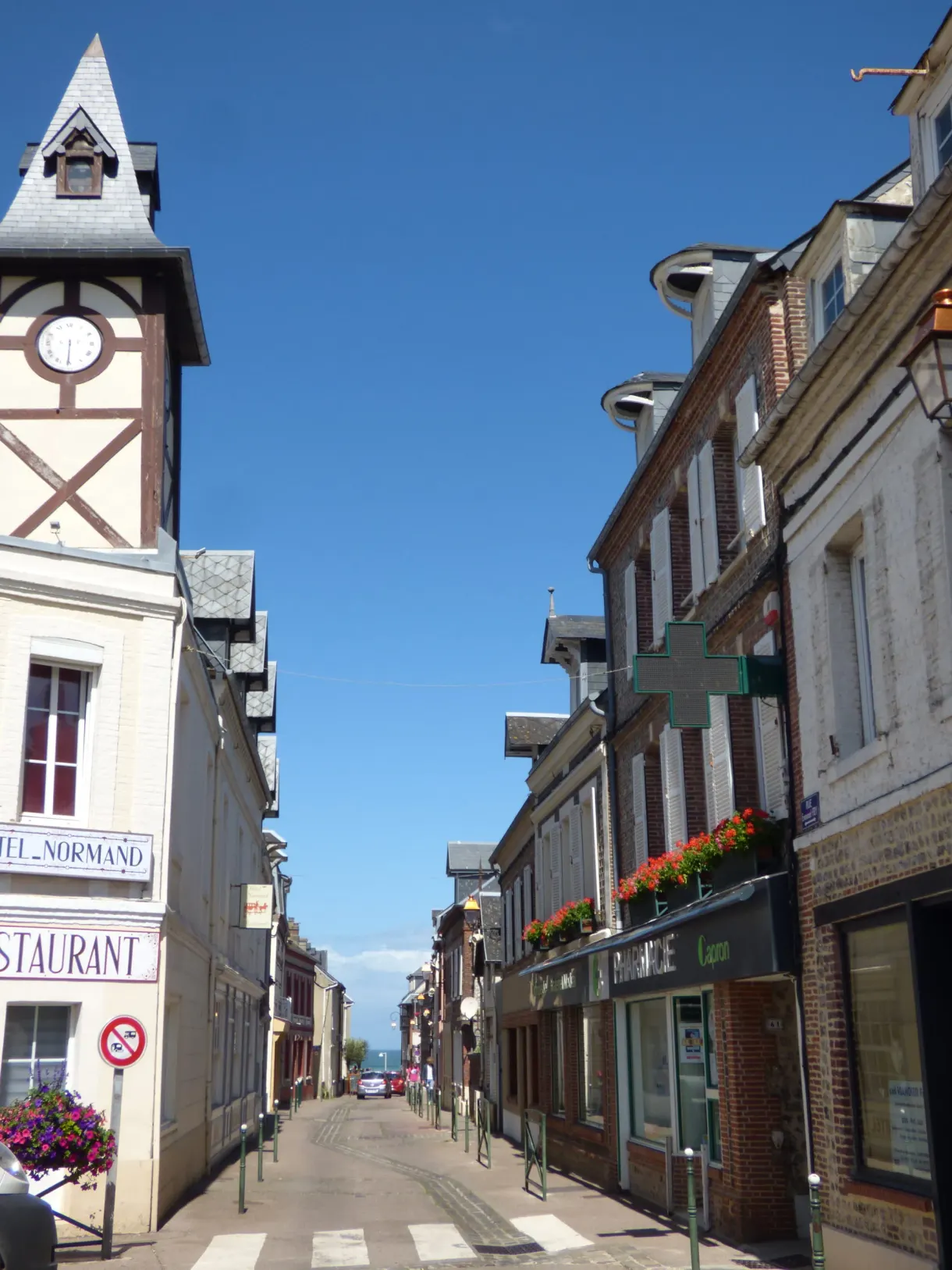
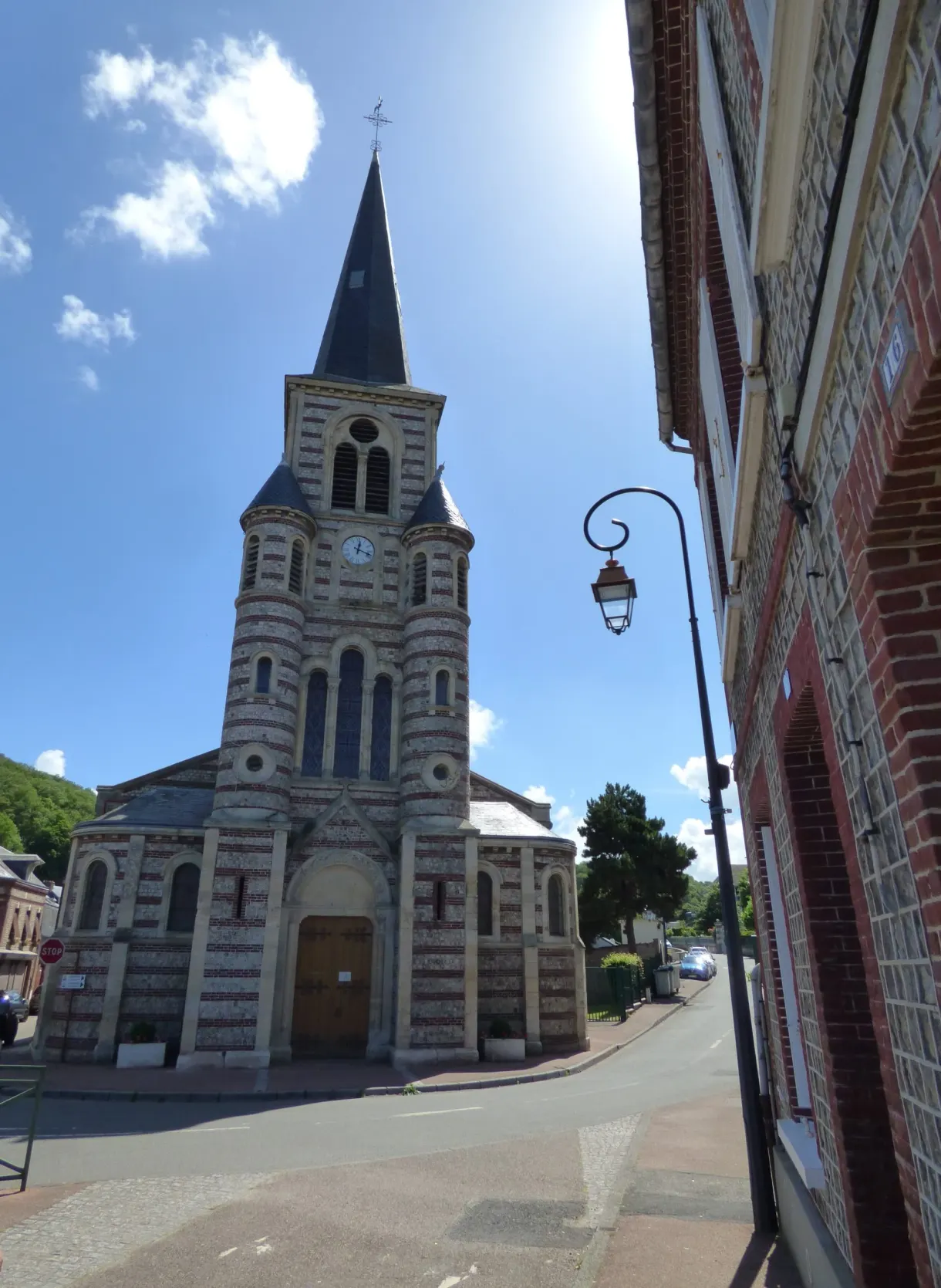
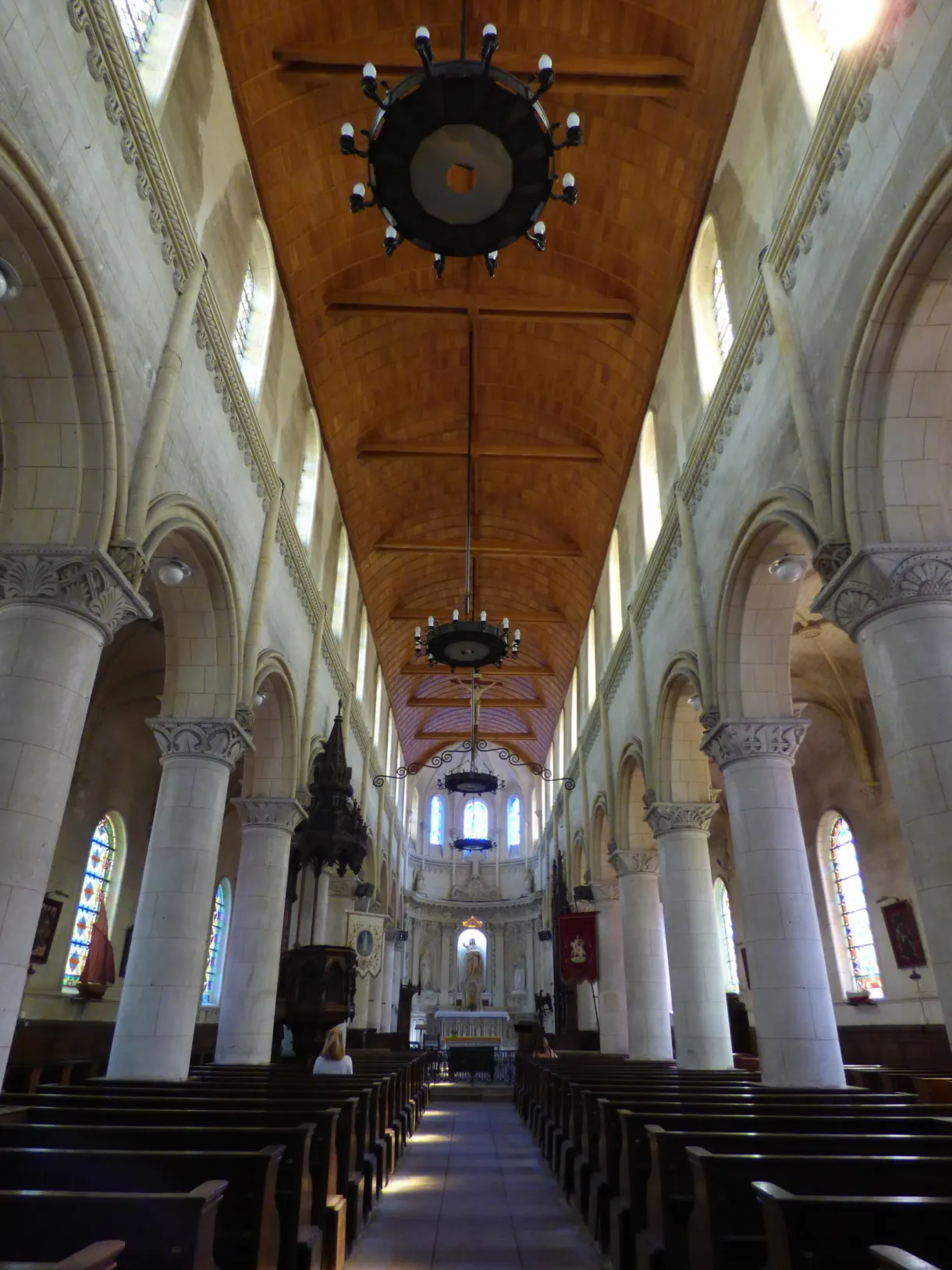
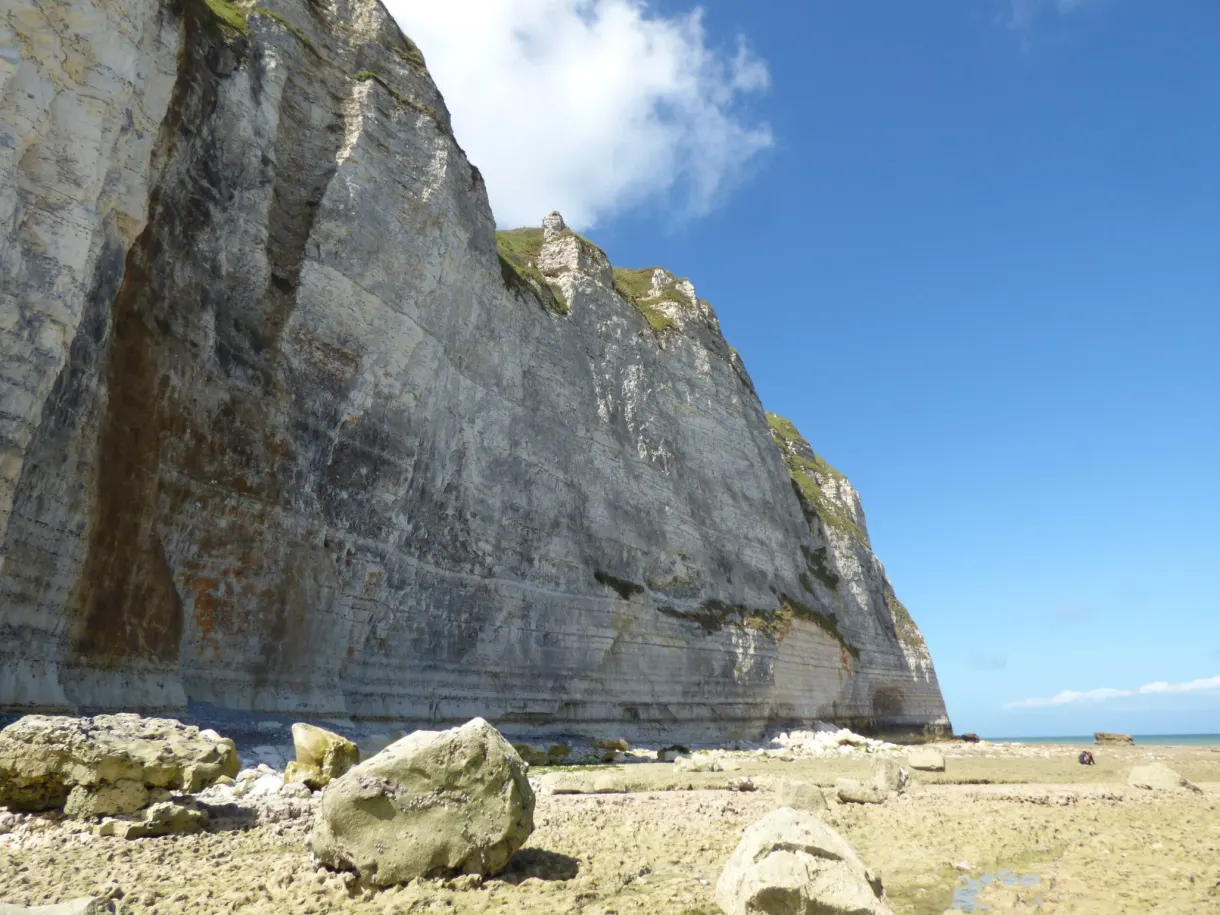
Yport is a fishing village full of charm, set in a valleuse, a valley that opens onto the sea between the cliffs, typical of this part of the coast. Even if the village really isn’t very big, it’s very pleasant to walk around it to discover the local architecture where half-timbering and brick mingle. We also visited the small church of Yport, decorated on a sea theme with wooden model boats inside.
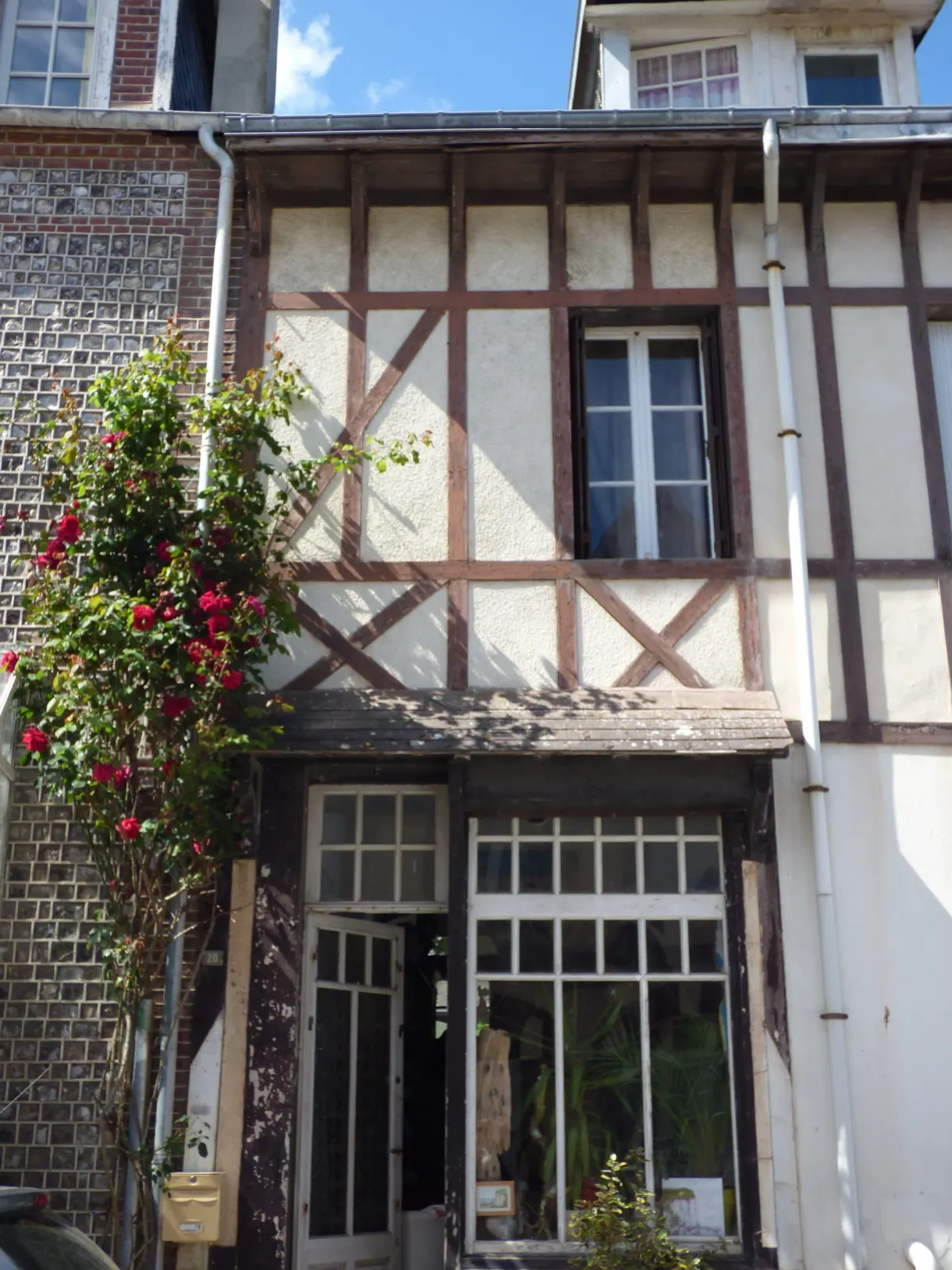
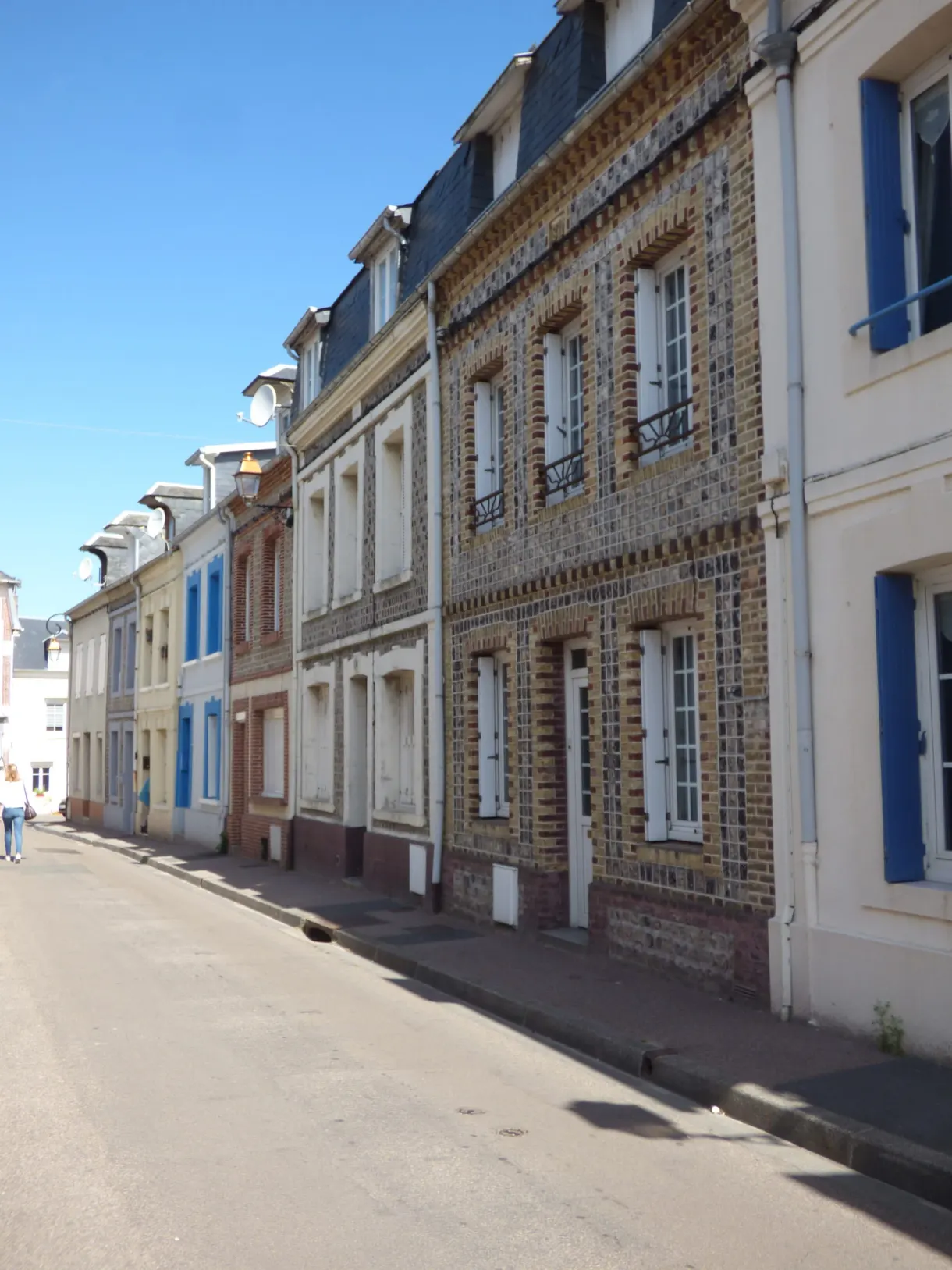
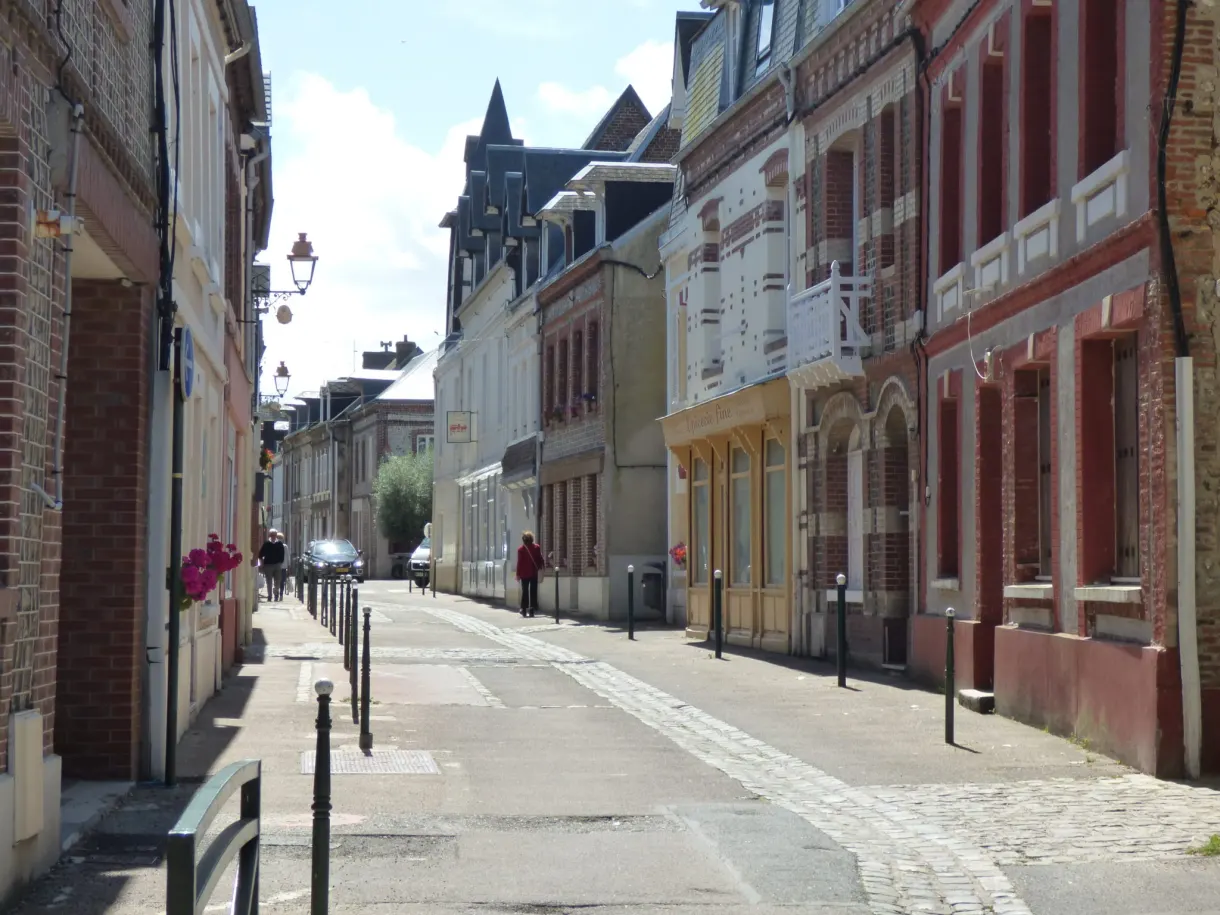
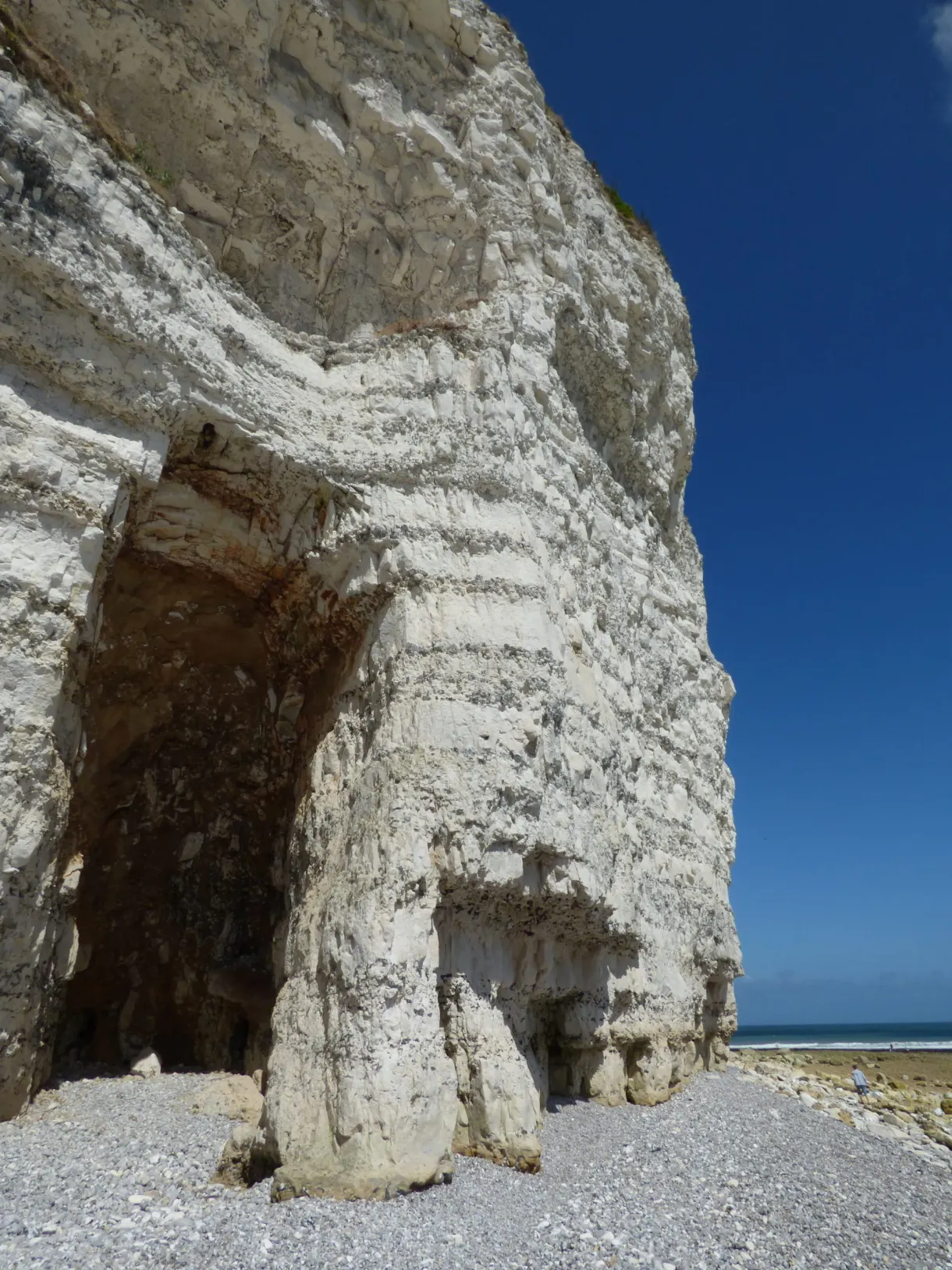
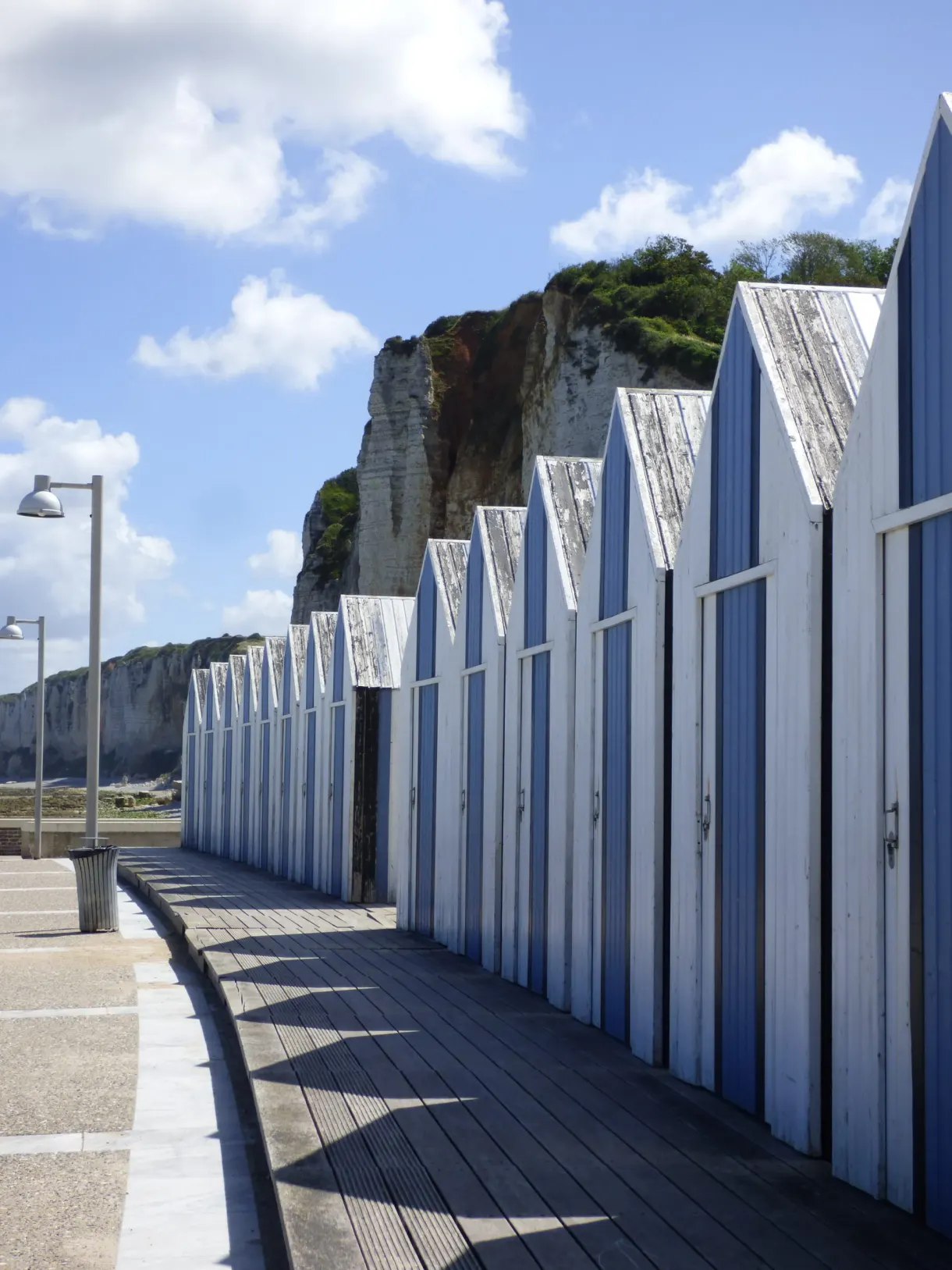
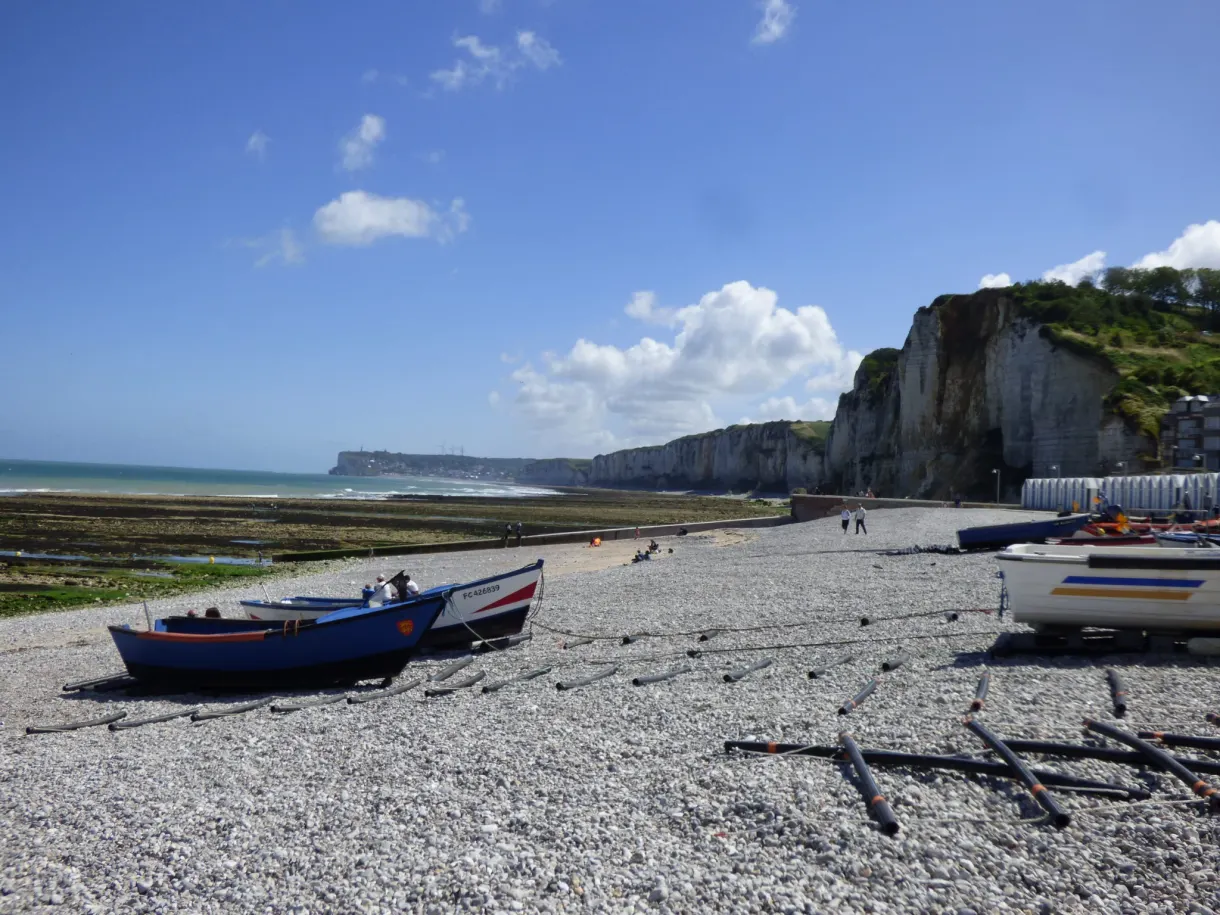
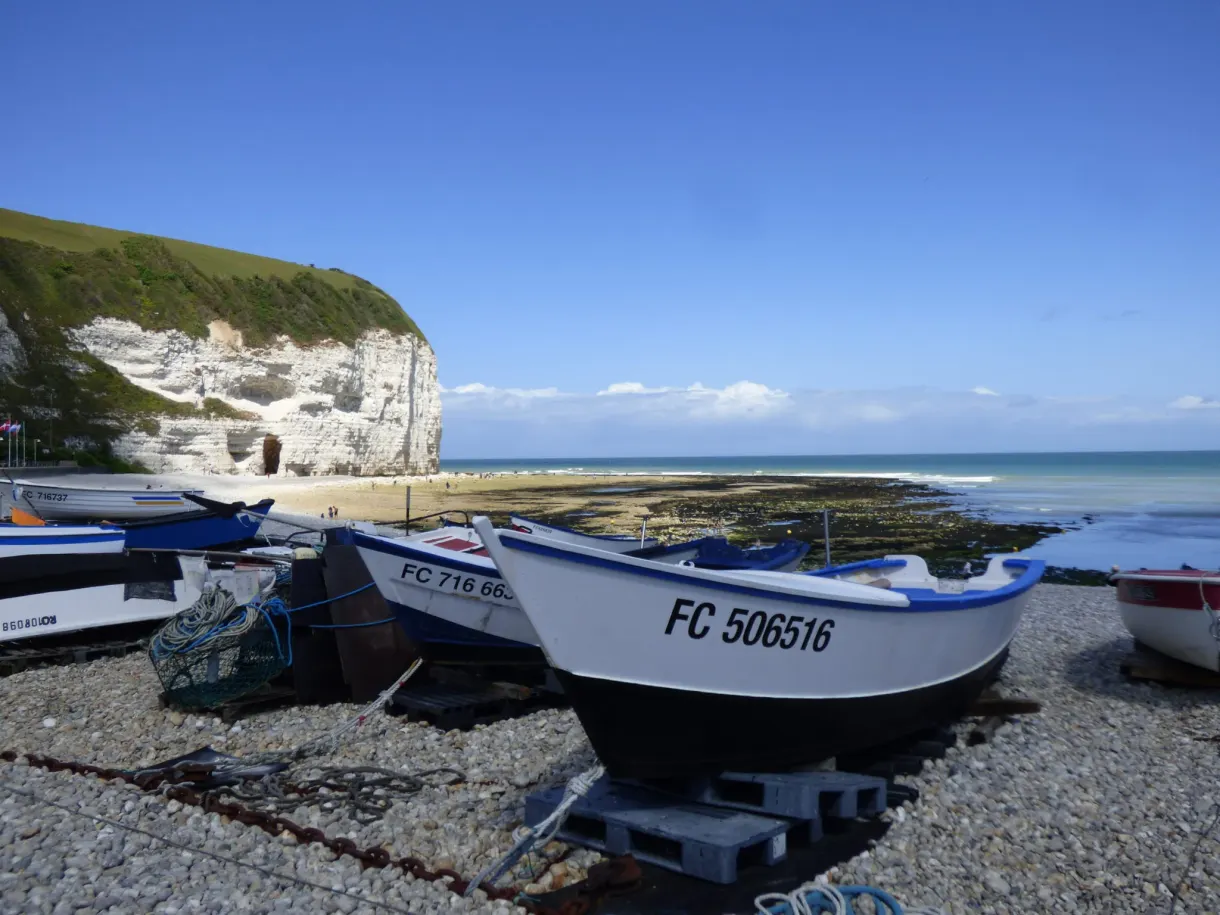
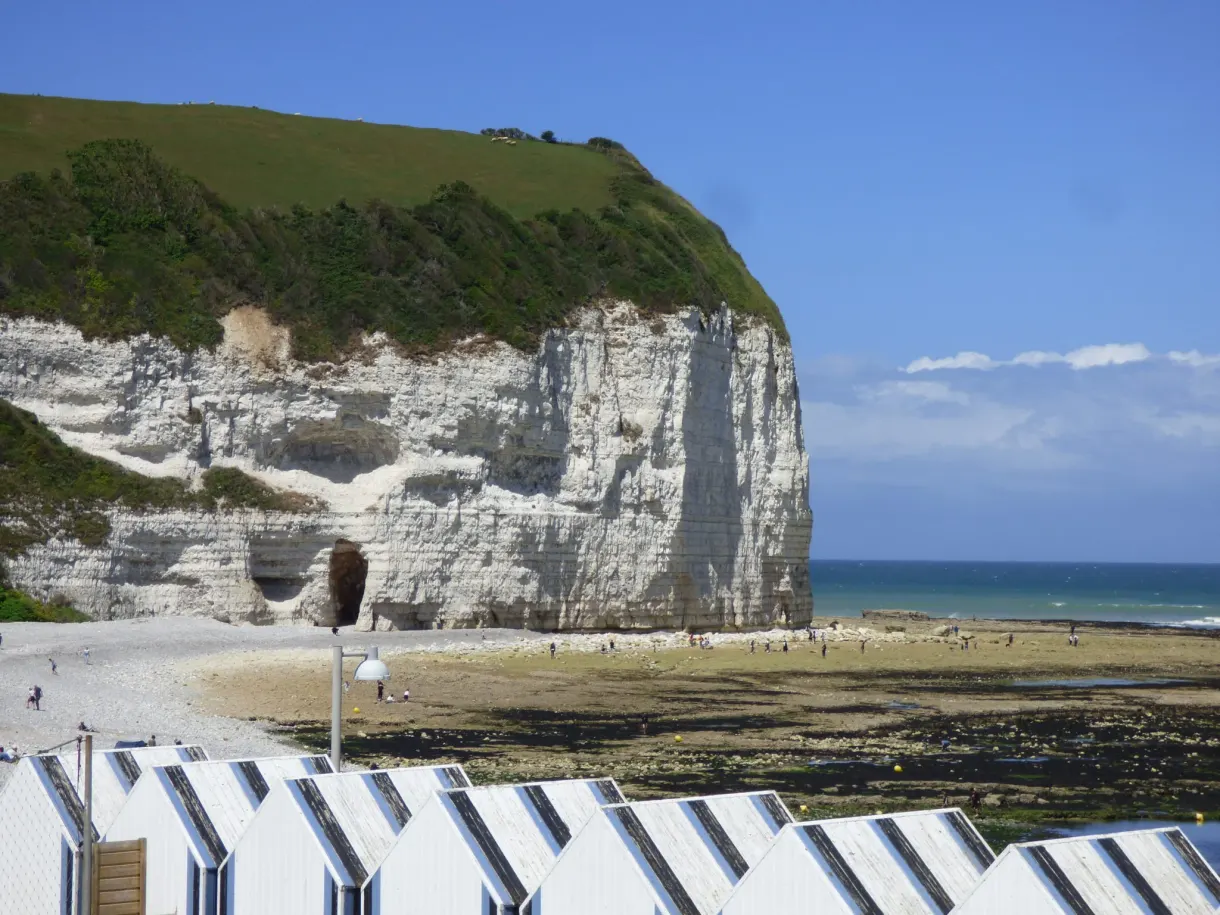
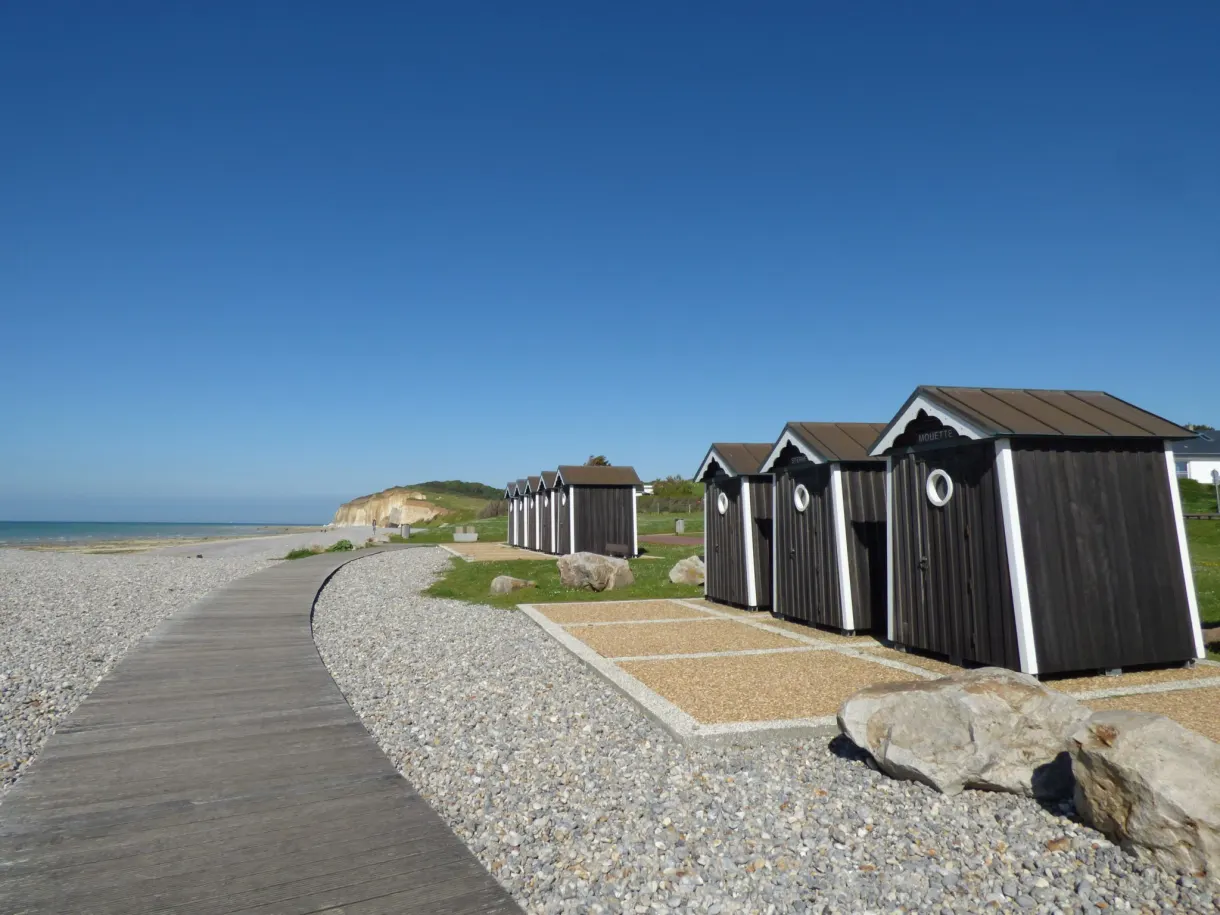
But Yport is also a big pebble beach, tucked at the foot of high cliffs and lined with beach huts that make the place really picturesque. Moored fishing boats complete this pretty picture. So don’t miss Yport during your visit to the region!
Etretat
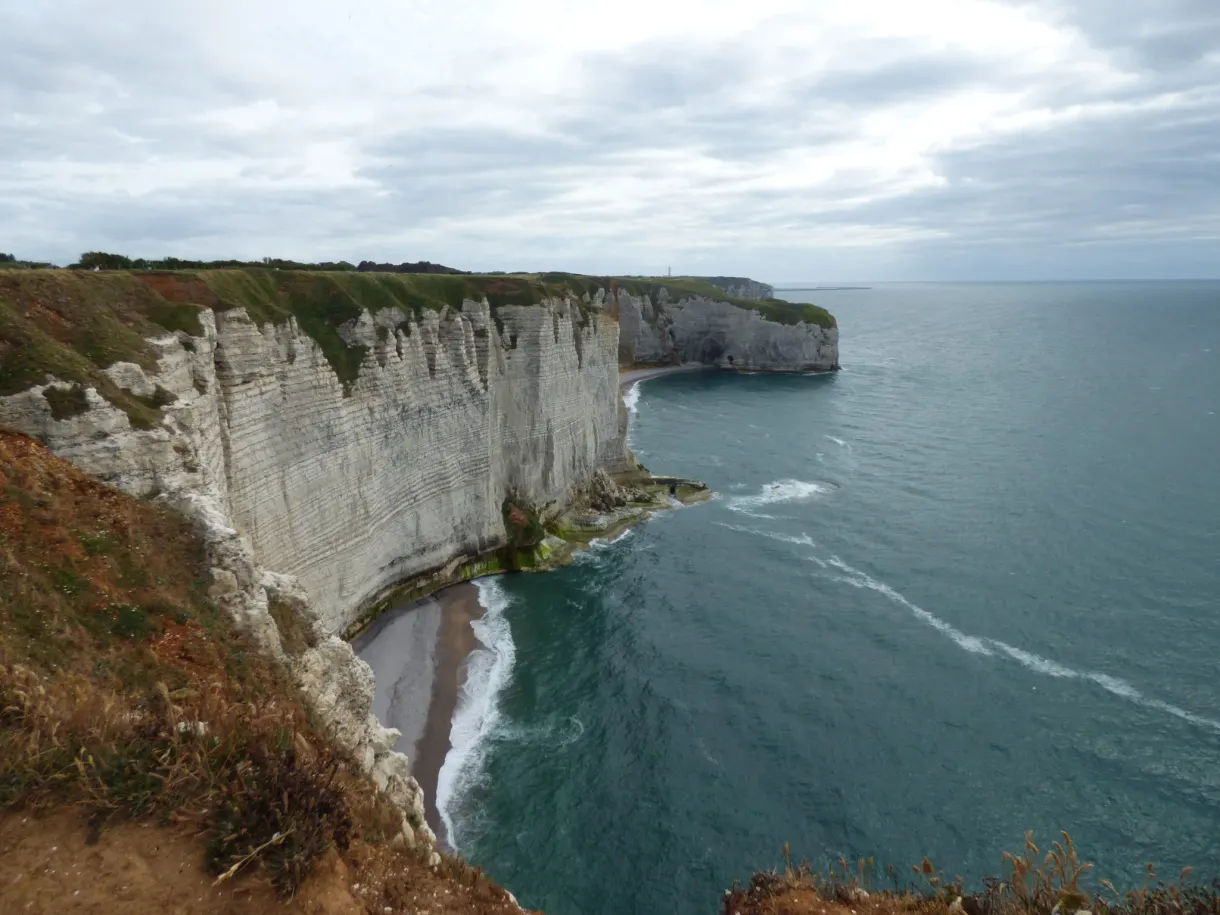
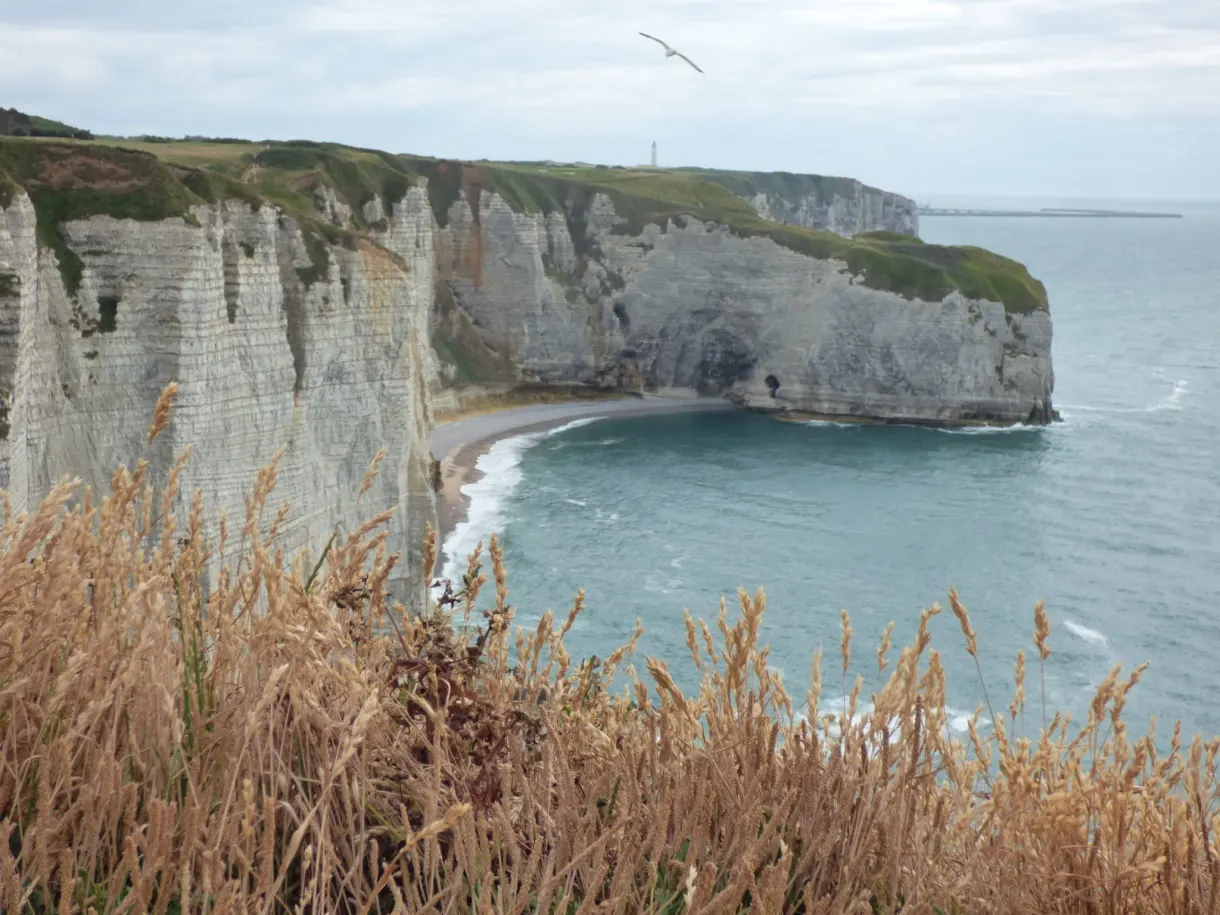
It’s impossible to go to Seine-Maritime without visiting the village of Etretat and its famous cliffs shaped by erosion. It was the third time I had been to this place and it’s always a pleasure because the landscape is impressive. About fifteen minutes from Yport, Etretat deserves a whole day’s visit.
The two viewpoints
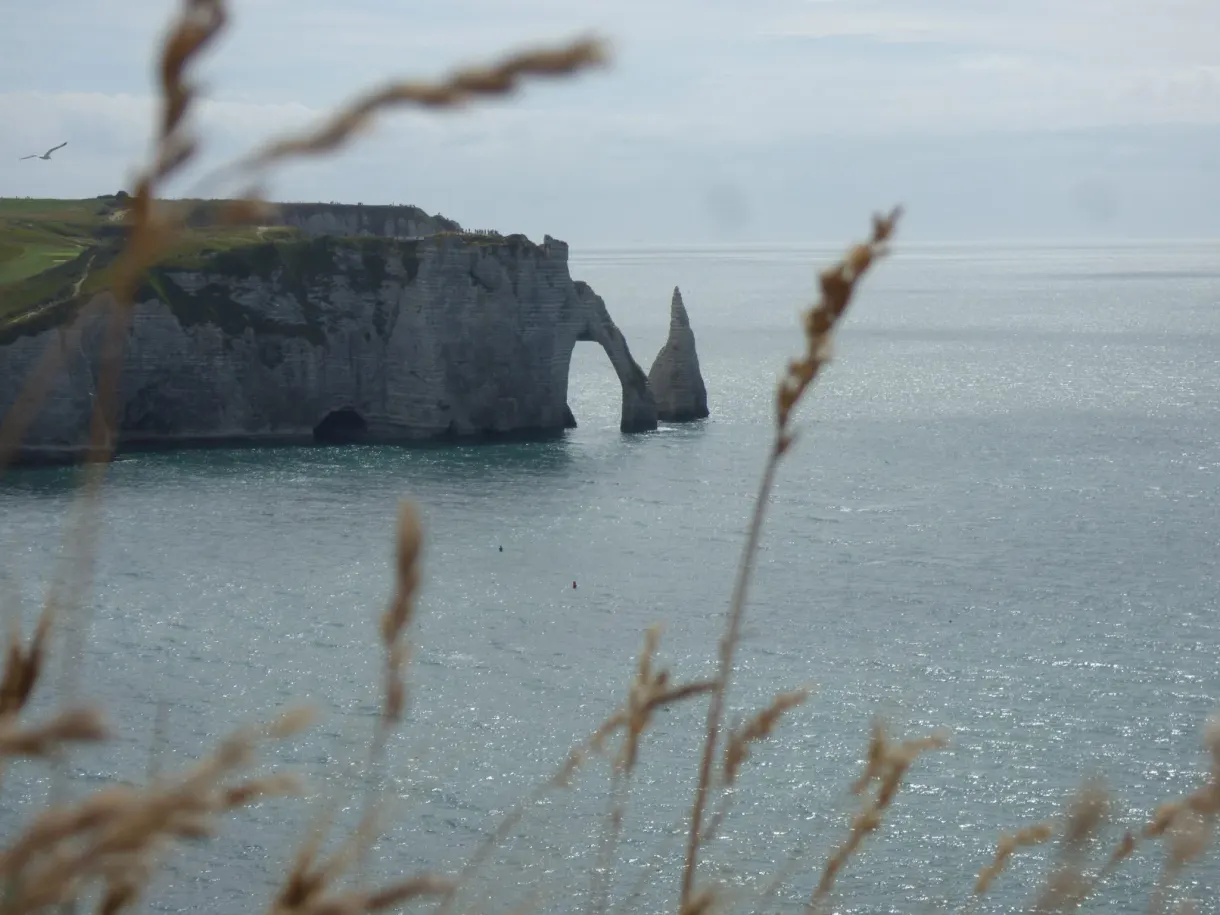
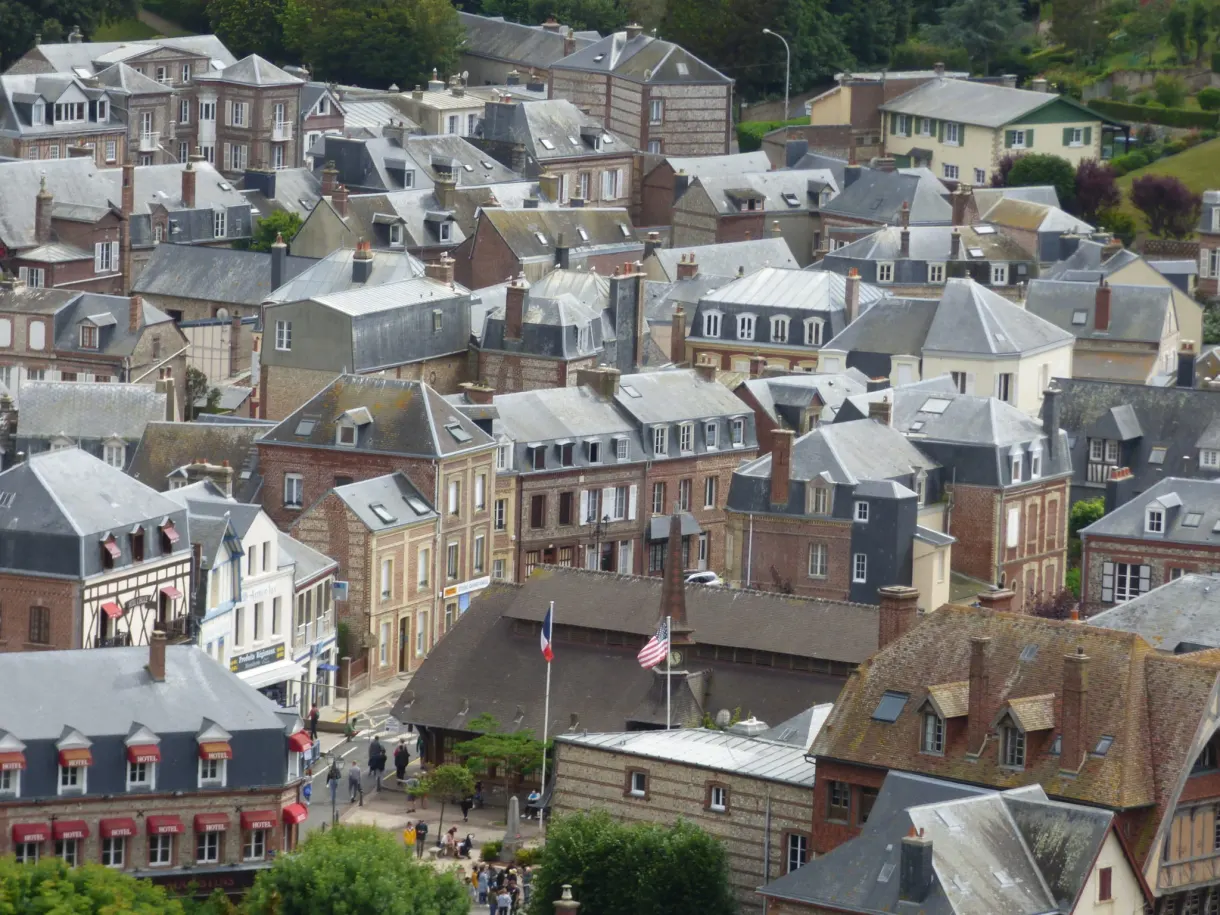
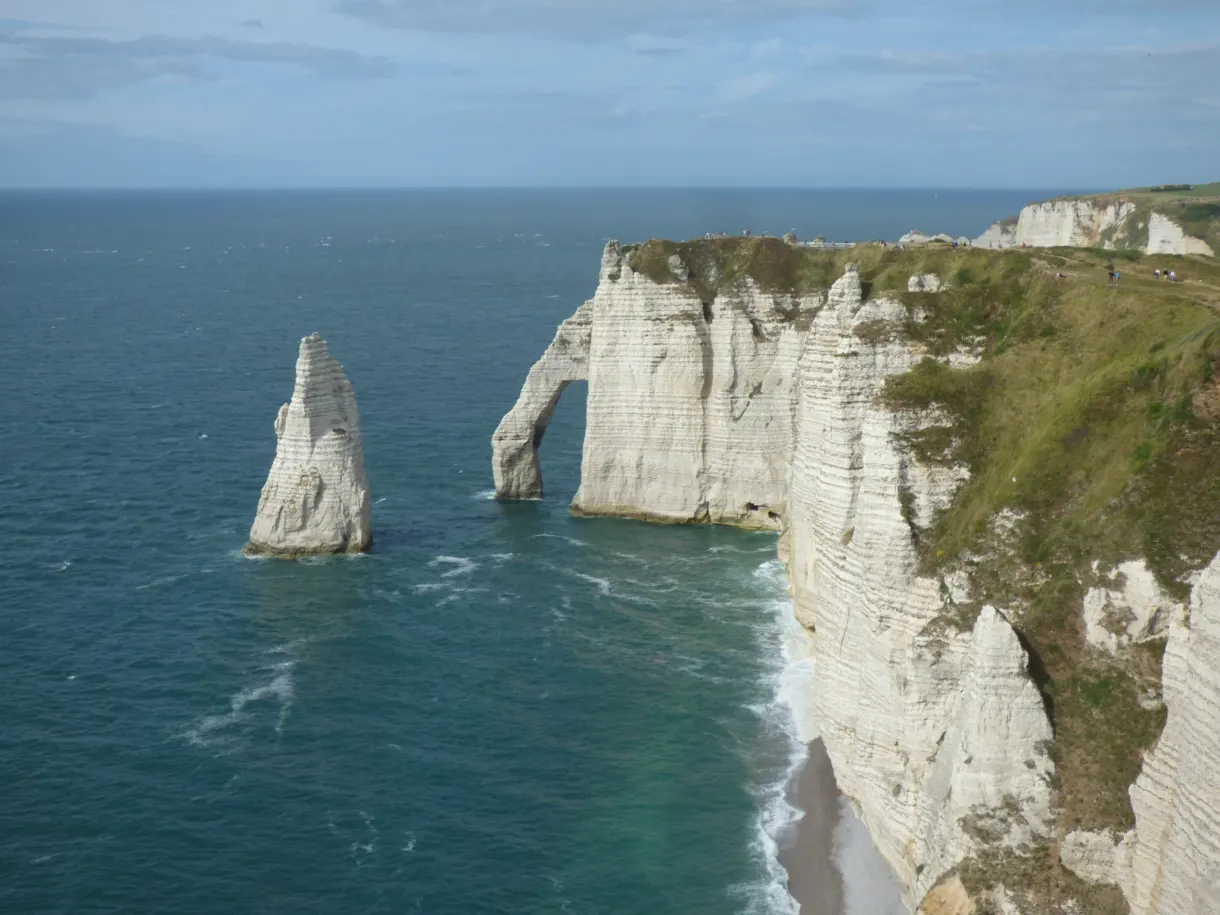
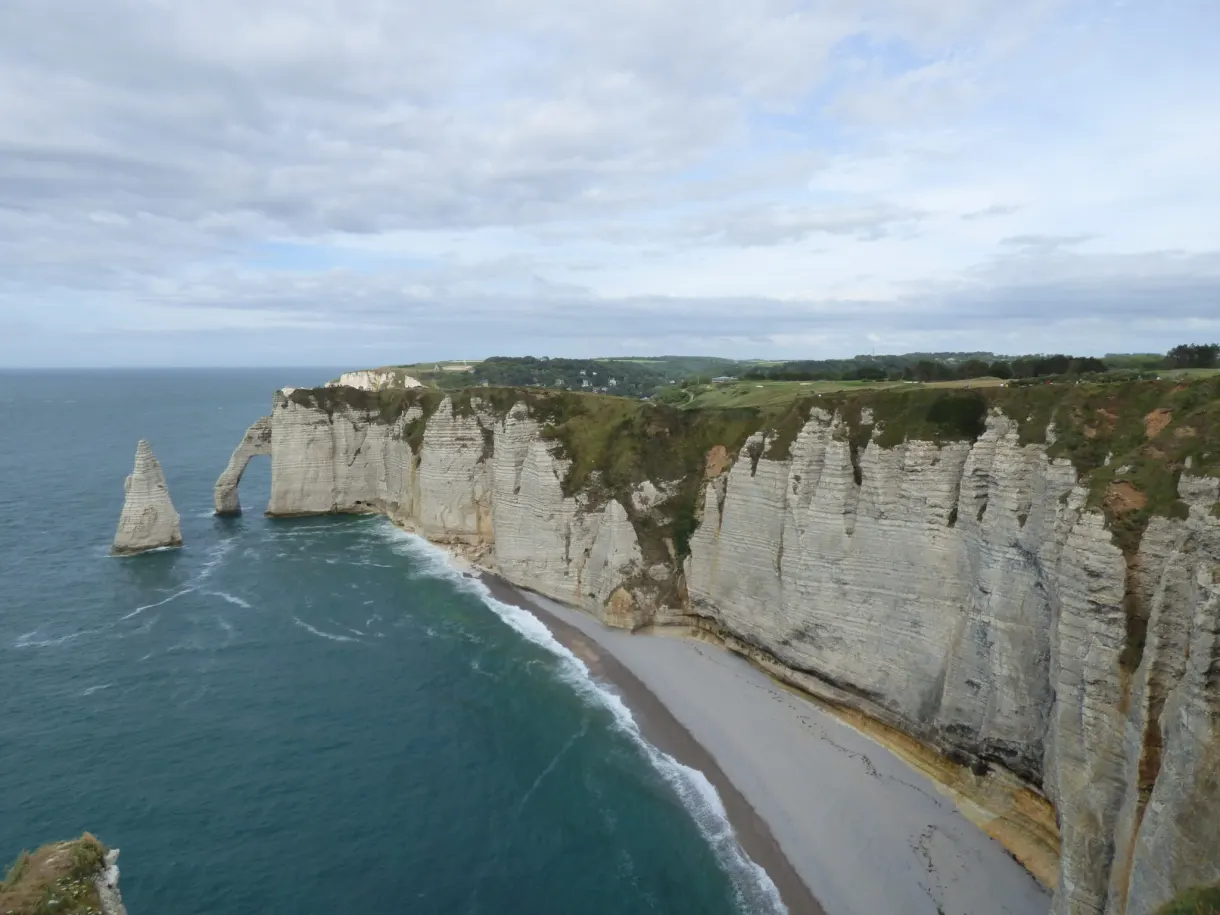
To get the legendary view of the arch and the needle, you have to go to the cliff opposite, on the right when you’re facing the beach. A staircase leads to a path up to the Notre-Dame de la Garde chapel: it’s a climb but it’s easily doable as the route is fairly short. It’s often here that there are the most people, because everyone wants to leave with their souvenir photo, but at this time of year it wasn’t packed yet. From up there, there’s also a stunning view over the slate roofs of the village of Etretat.
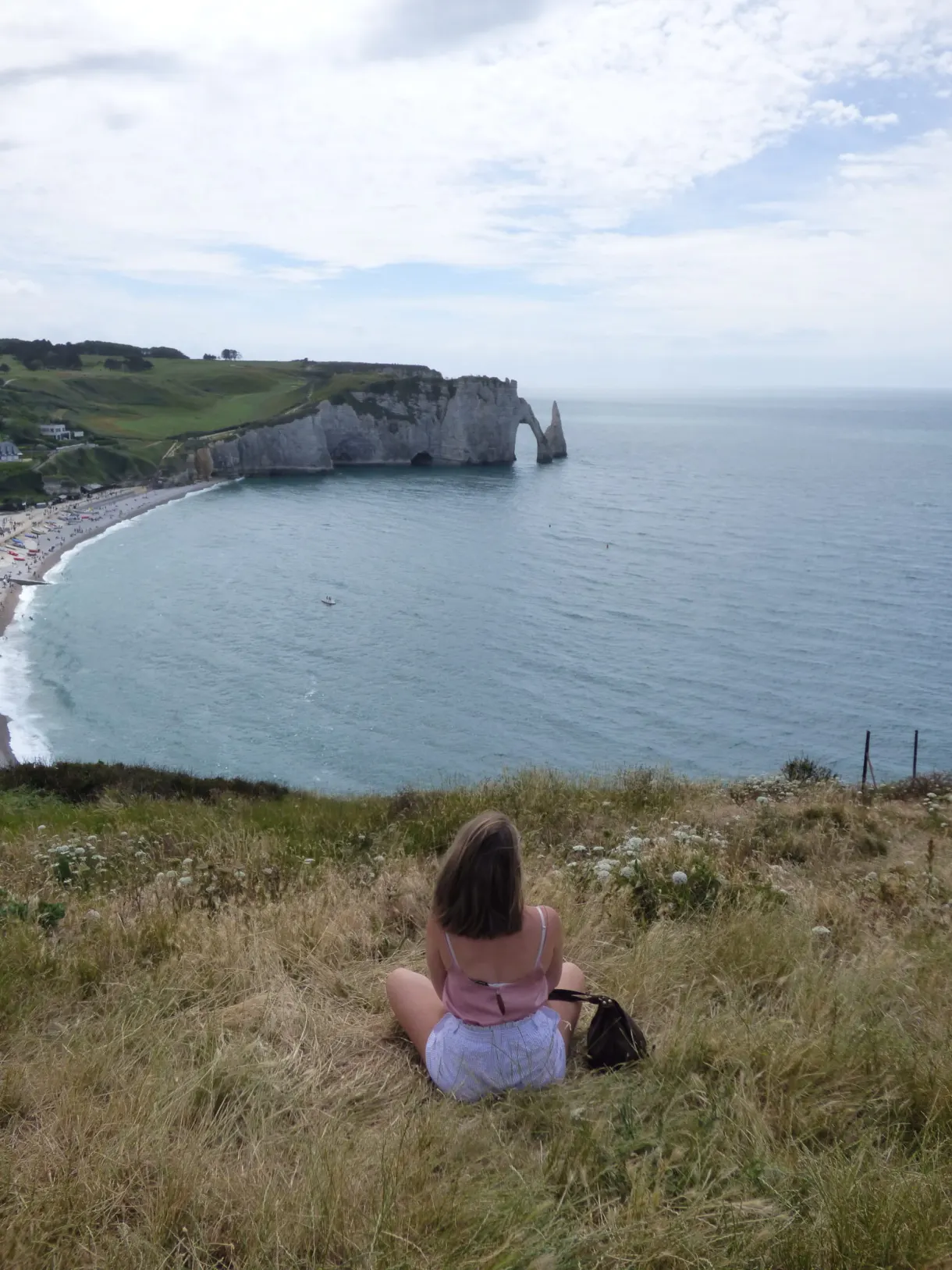
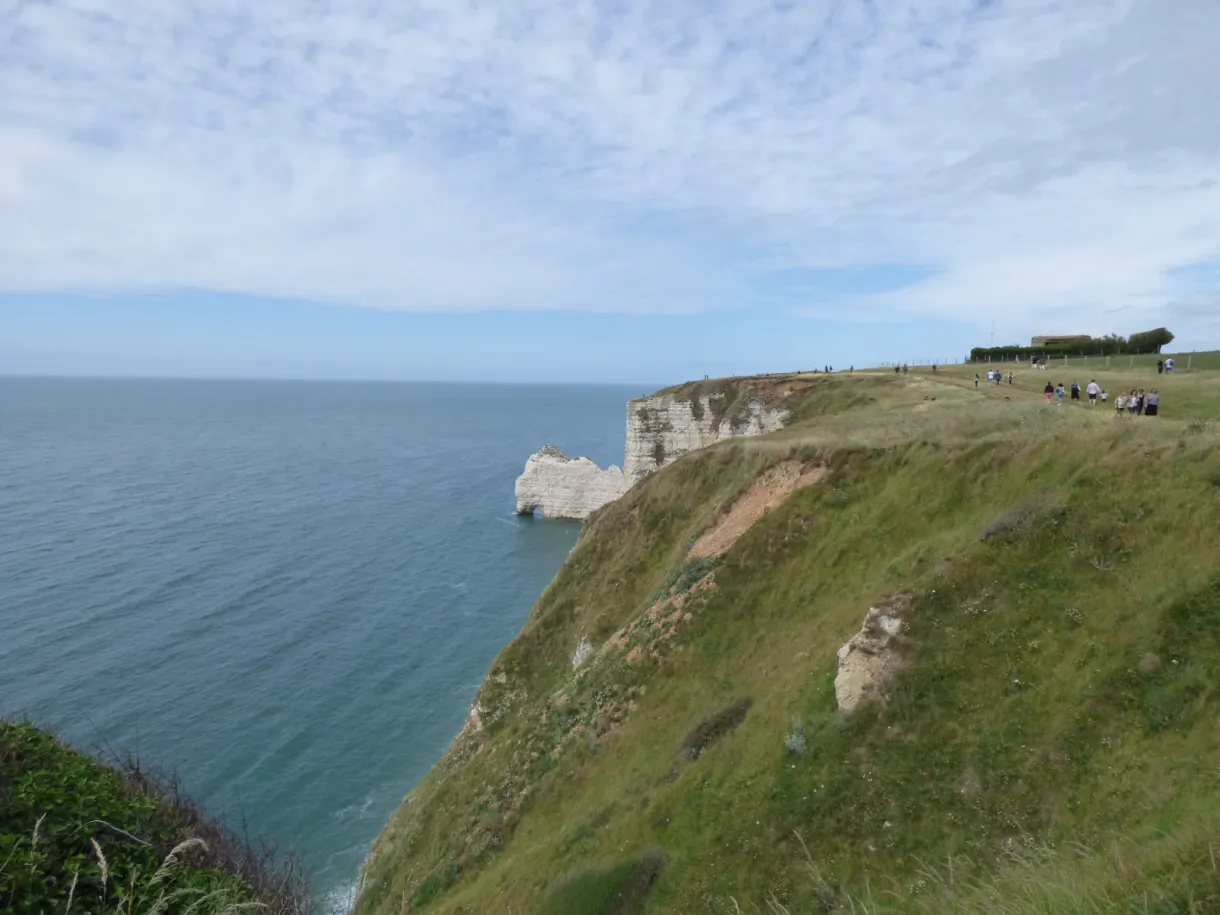
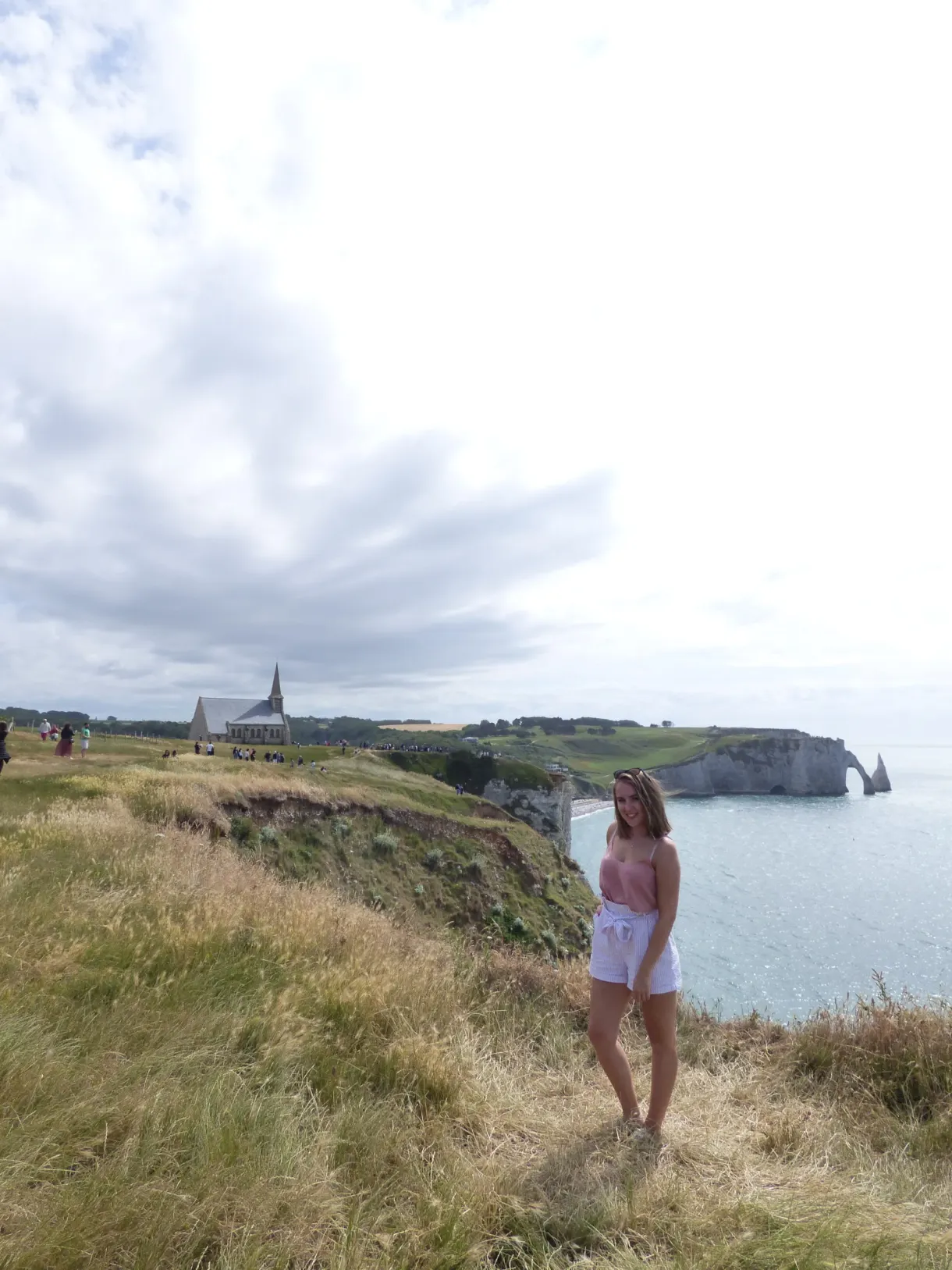
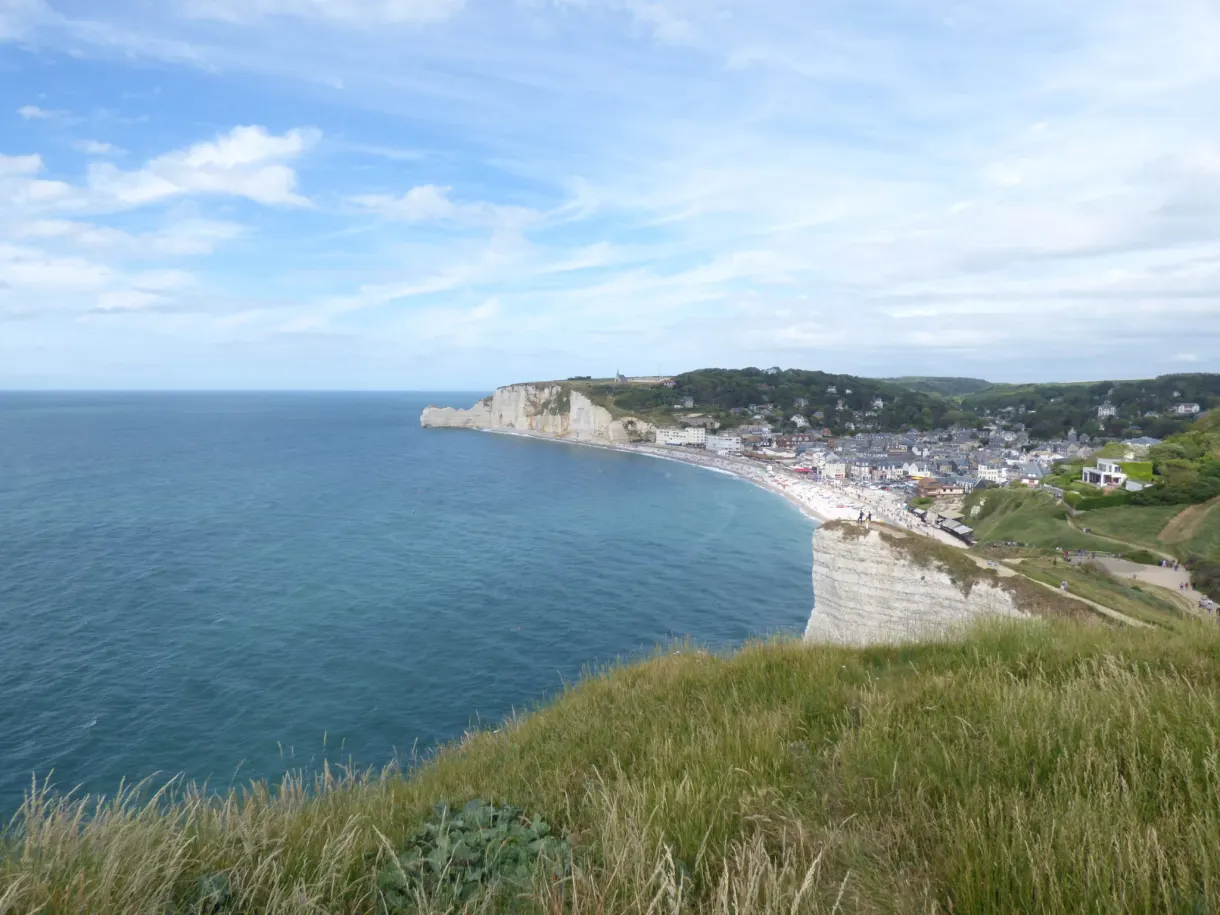
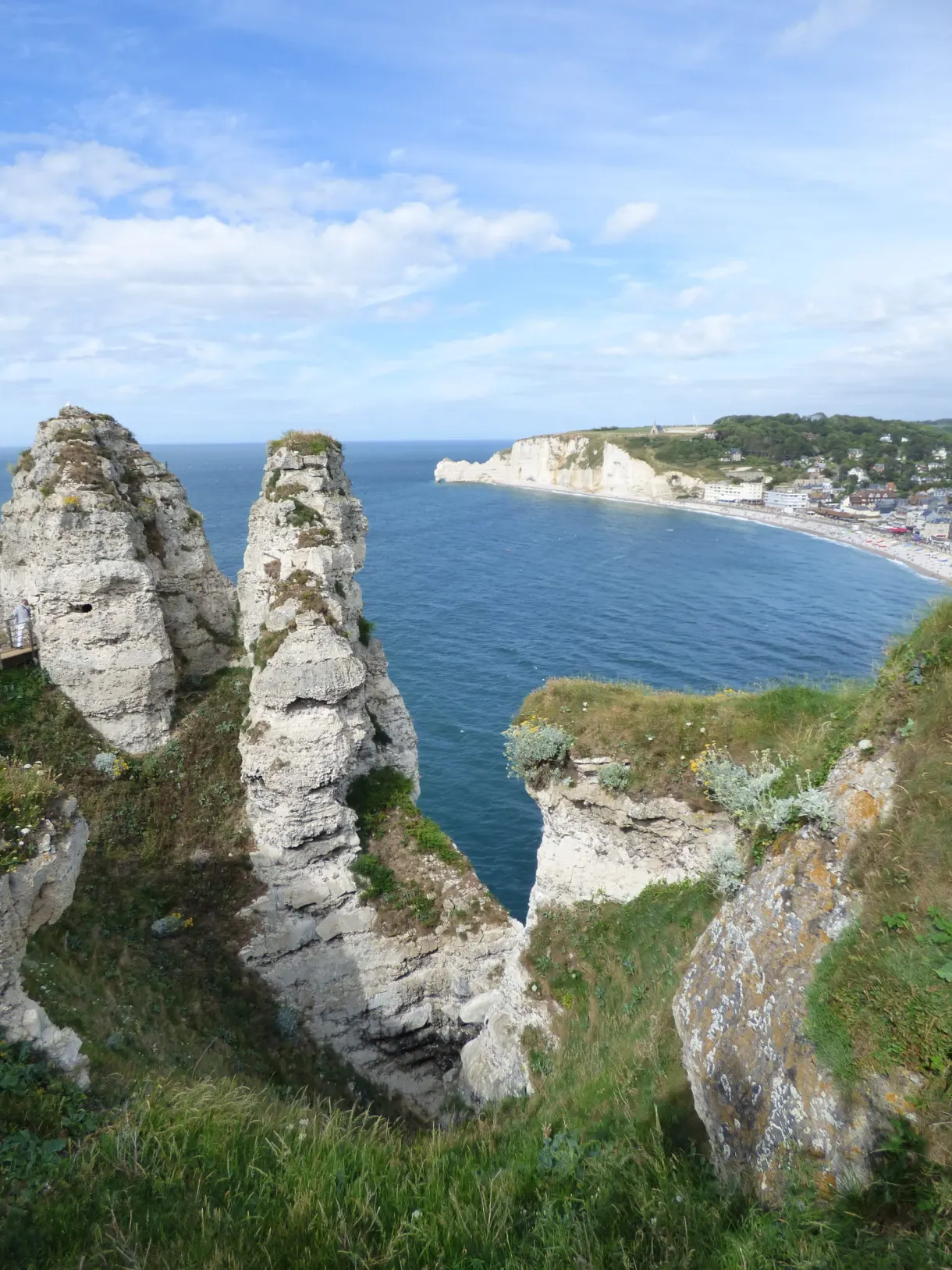
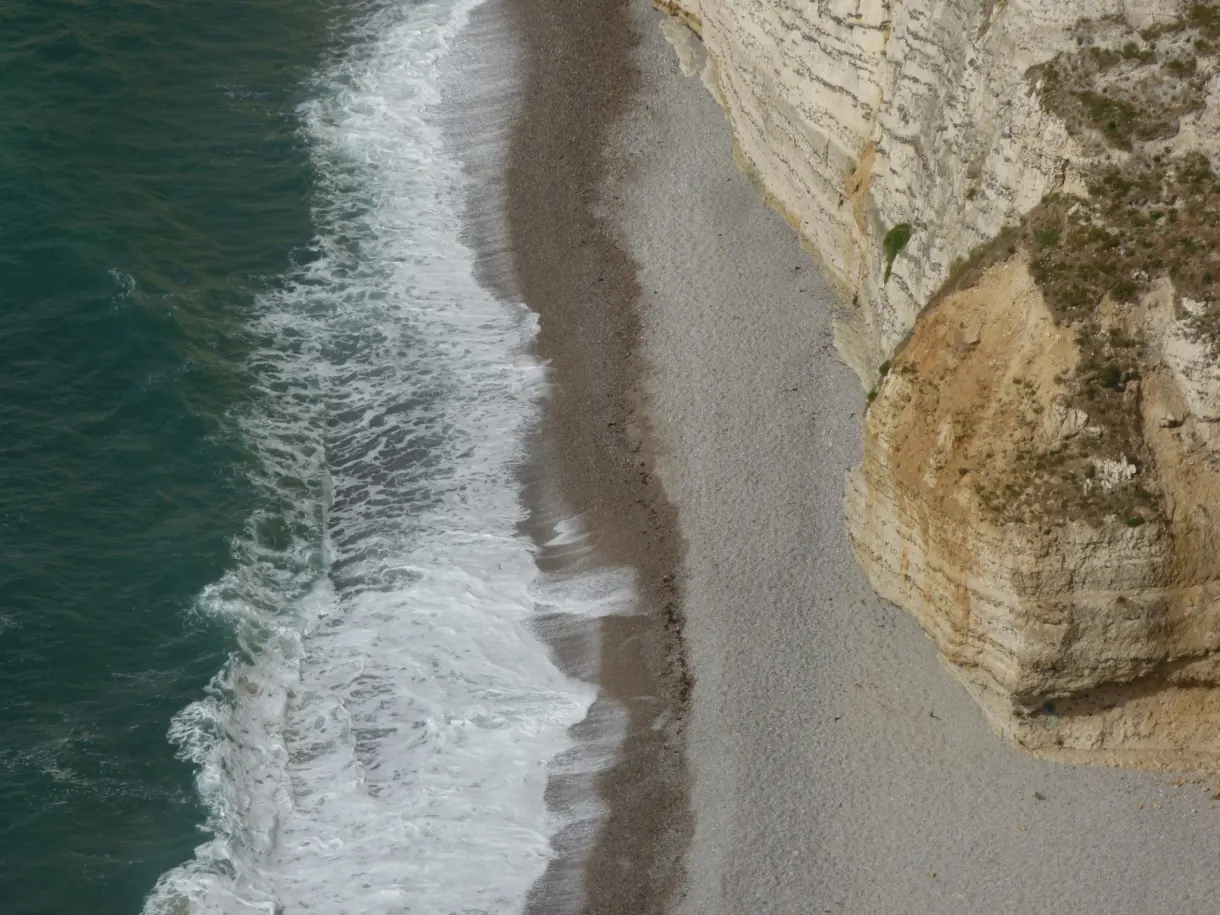
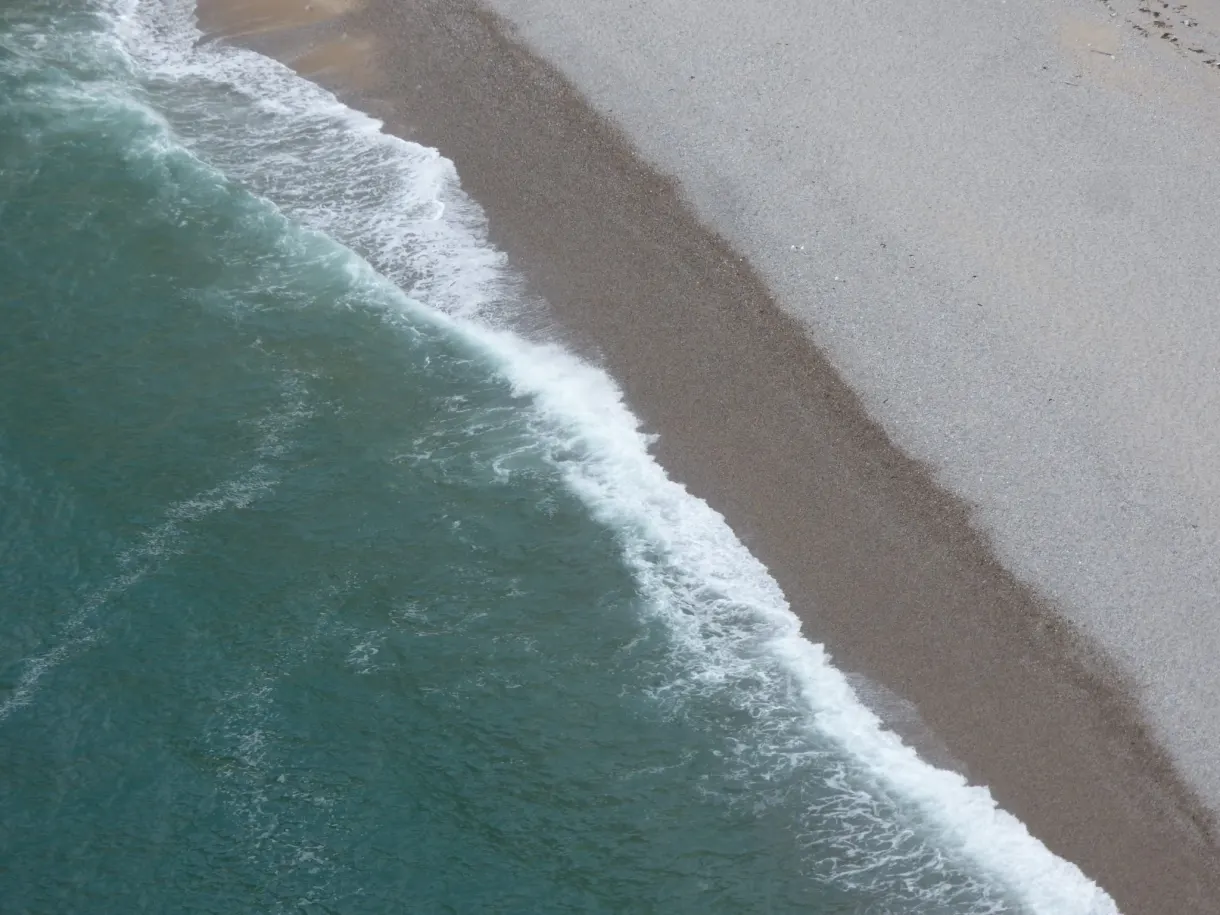
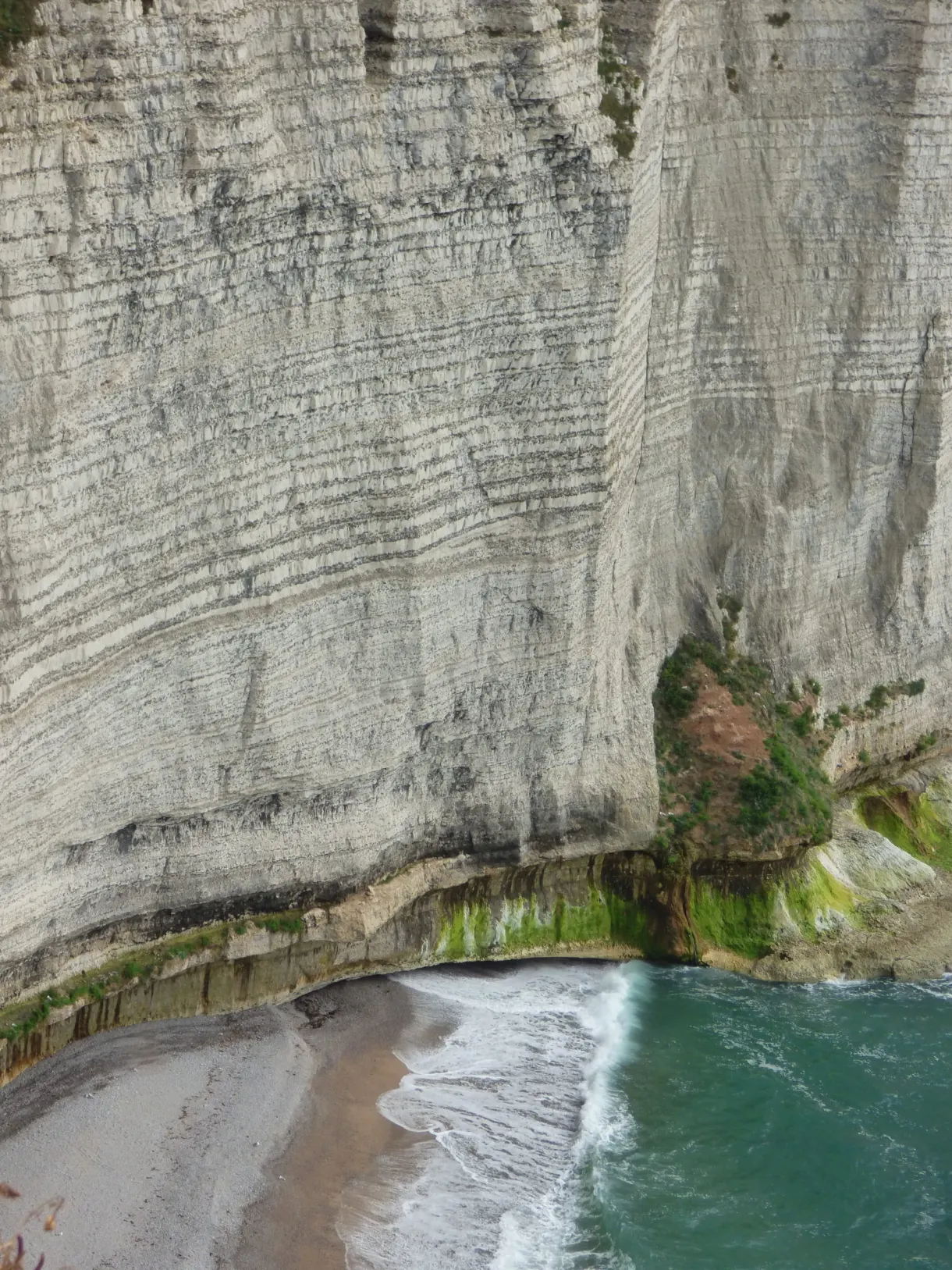
The other unmissable view is on the face opposite: so you have to go back down towards the beach and take the path that climbs the Falaise d’Aval, on the customs officers’ path. The place is fairly wild and perfect for a big lungful of air (it’s windy!). The landscape is grand, especially when the sun and the blue sky bring out turquoise and emerald shades in the water below.
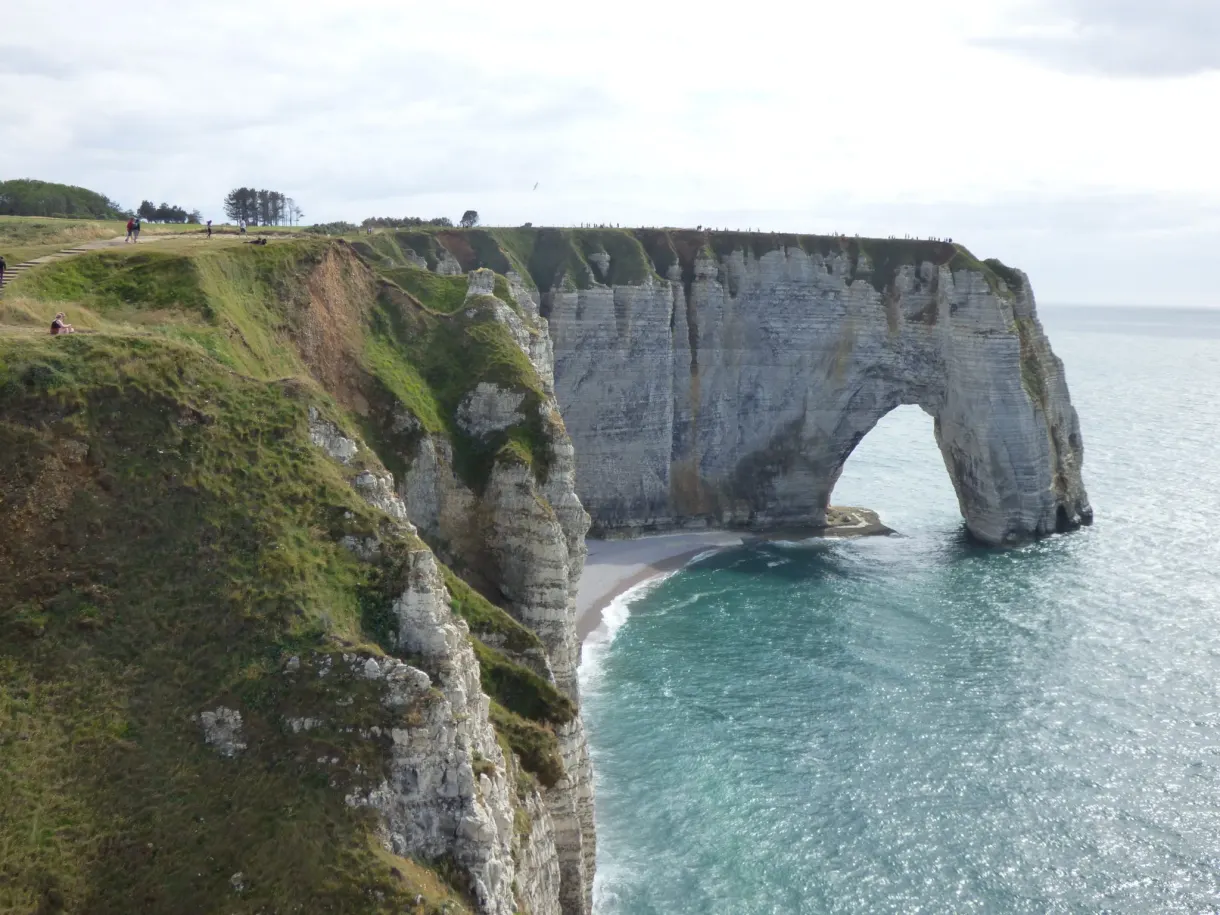
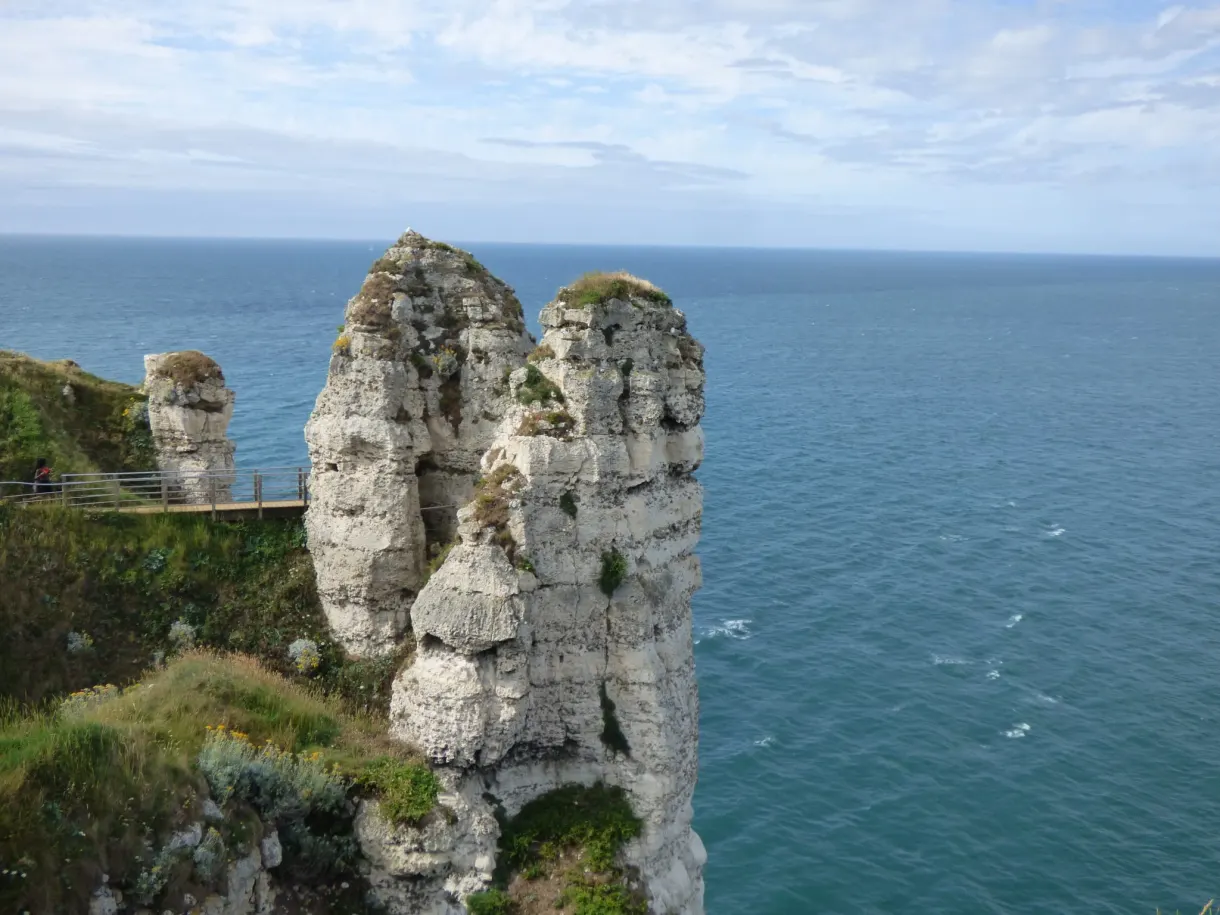
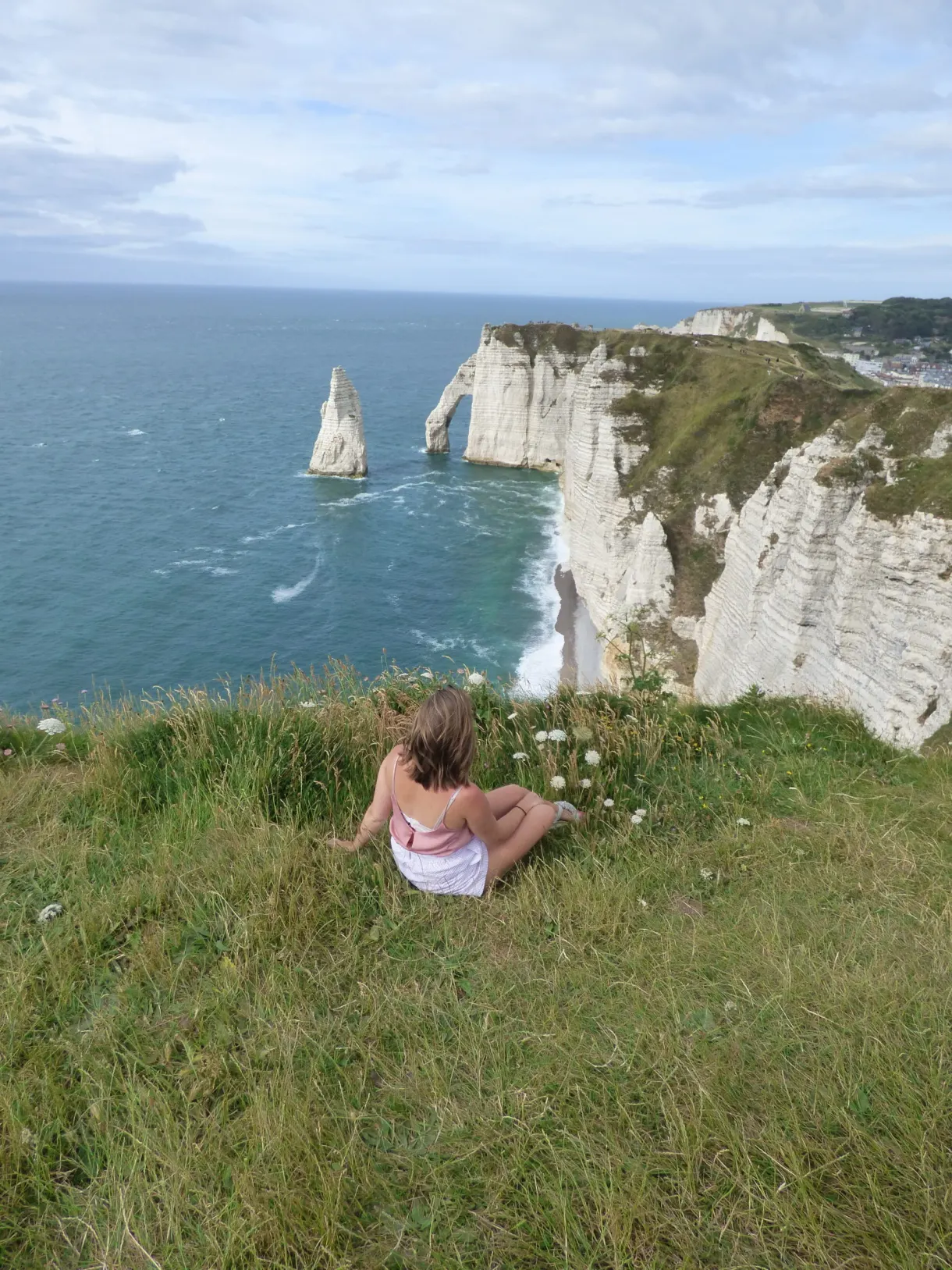
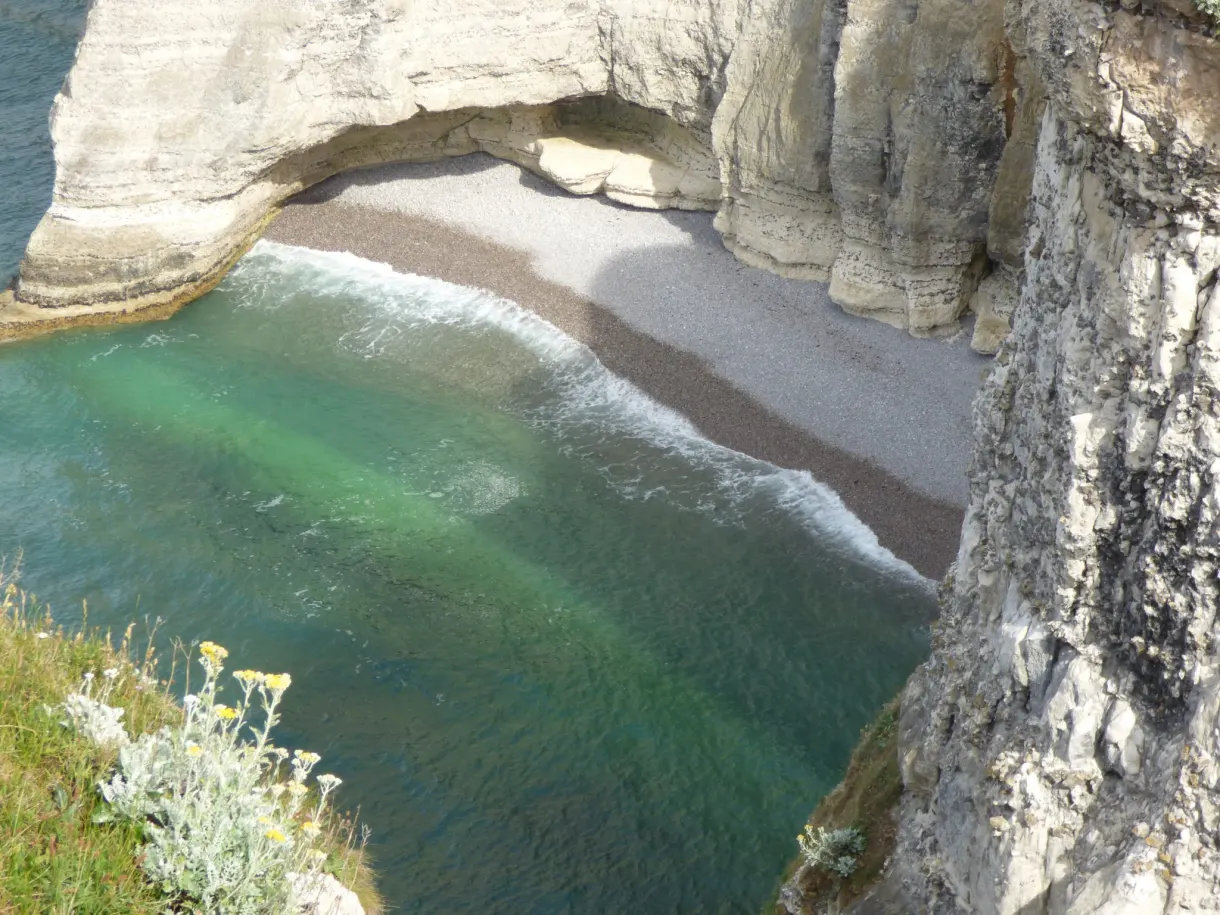
Etretat beach and the Trou de l’Homme
We also walked at the foot of the cliffs, to reach the Trou de l’Homme, a gallery dug into the cliff that lets you get to the beach where the famous Etretat needle stands. At the end of the tunnel, the view over the other beach is magnificent, but to get there you need an adventurous streak because you go down on a rope. Thanks to my friend Lina for the photos of the needle.
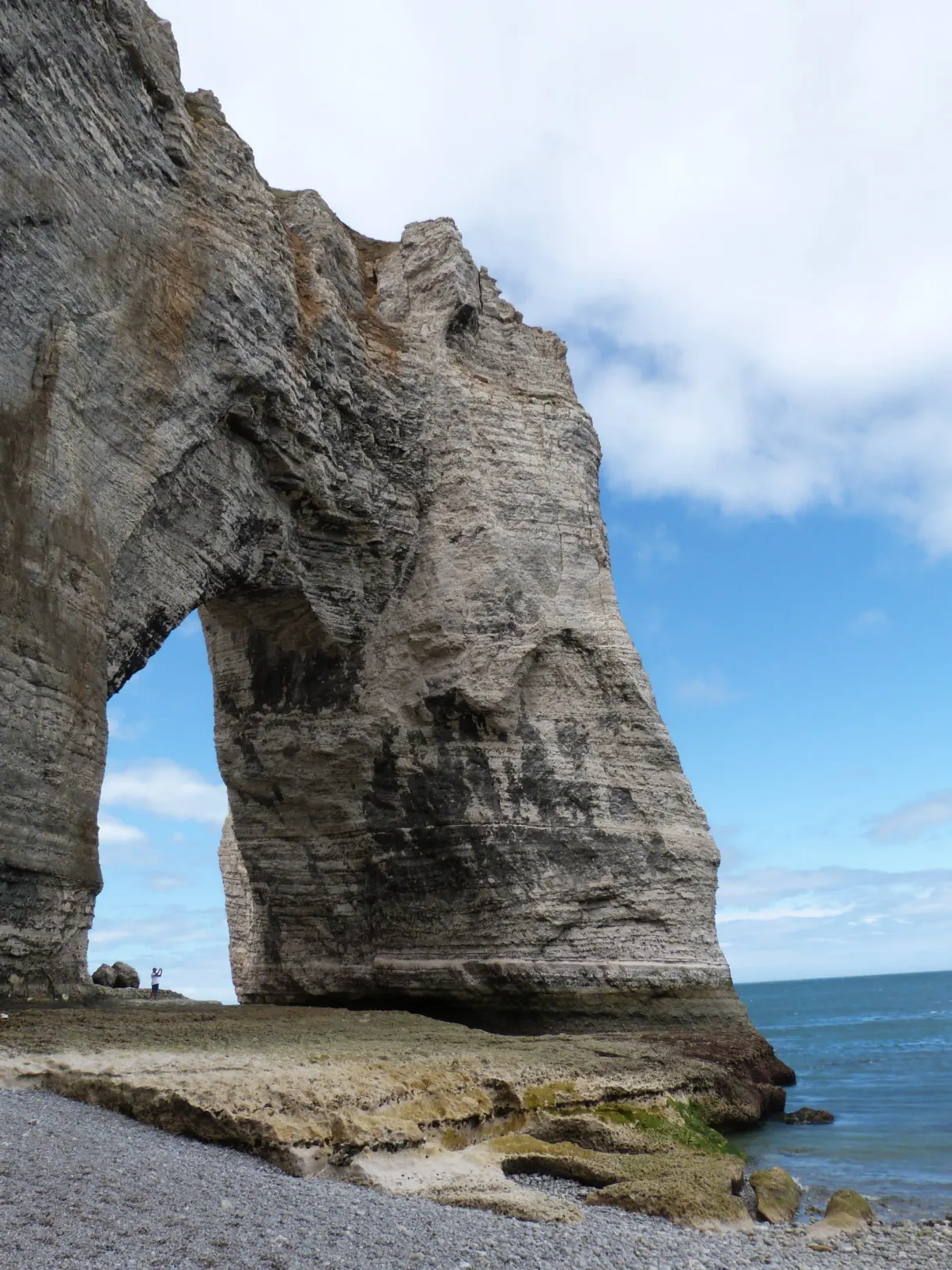
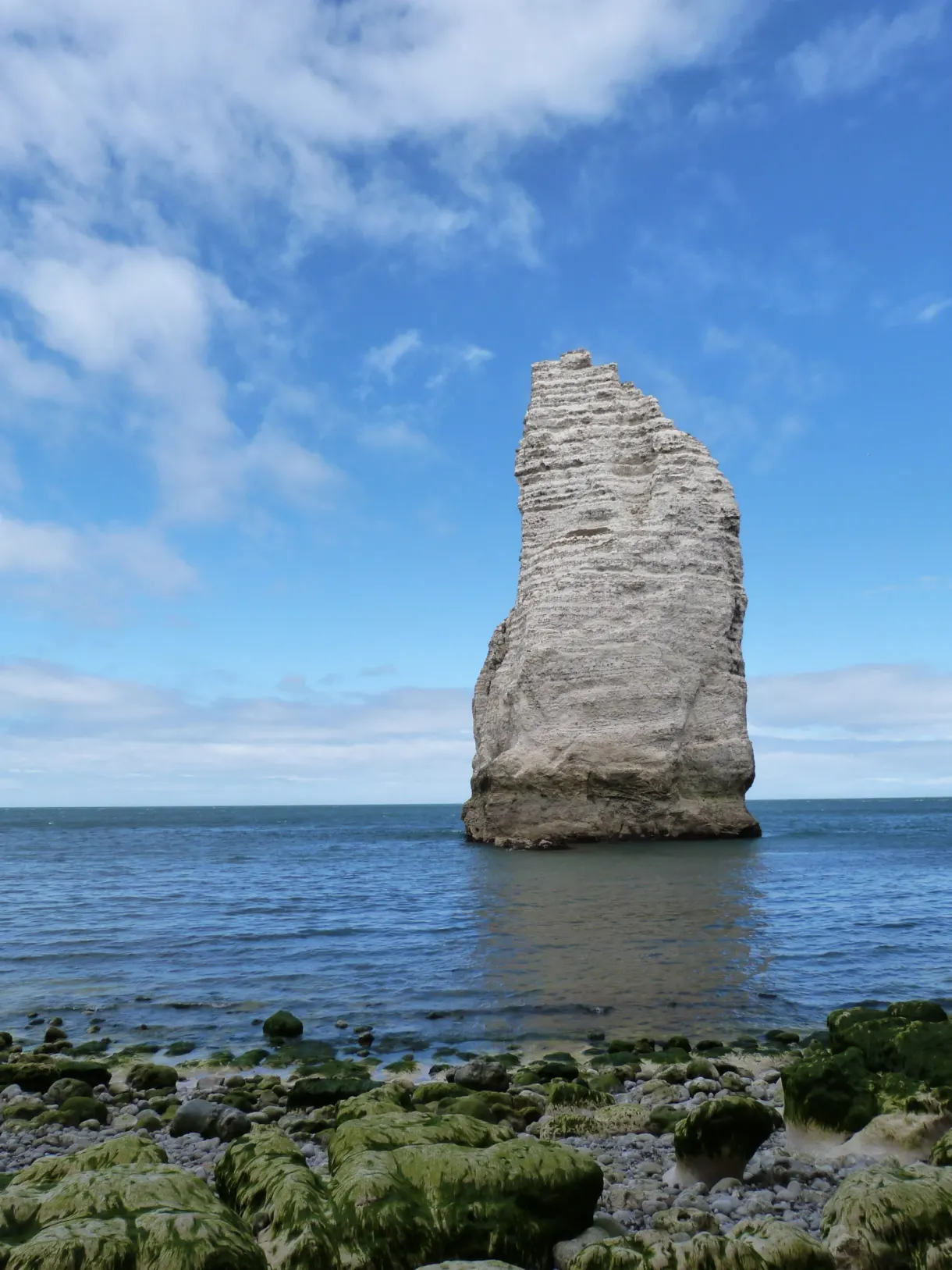
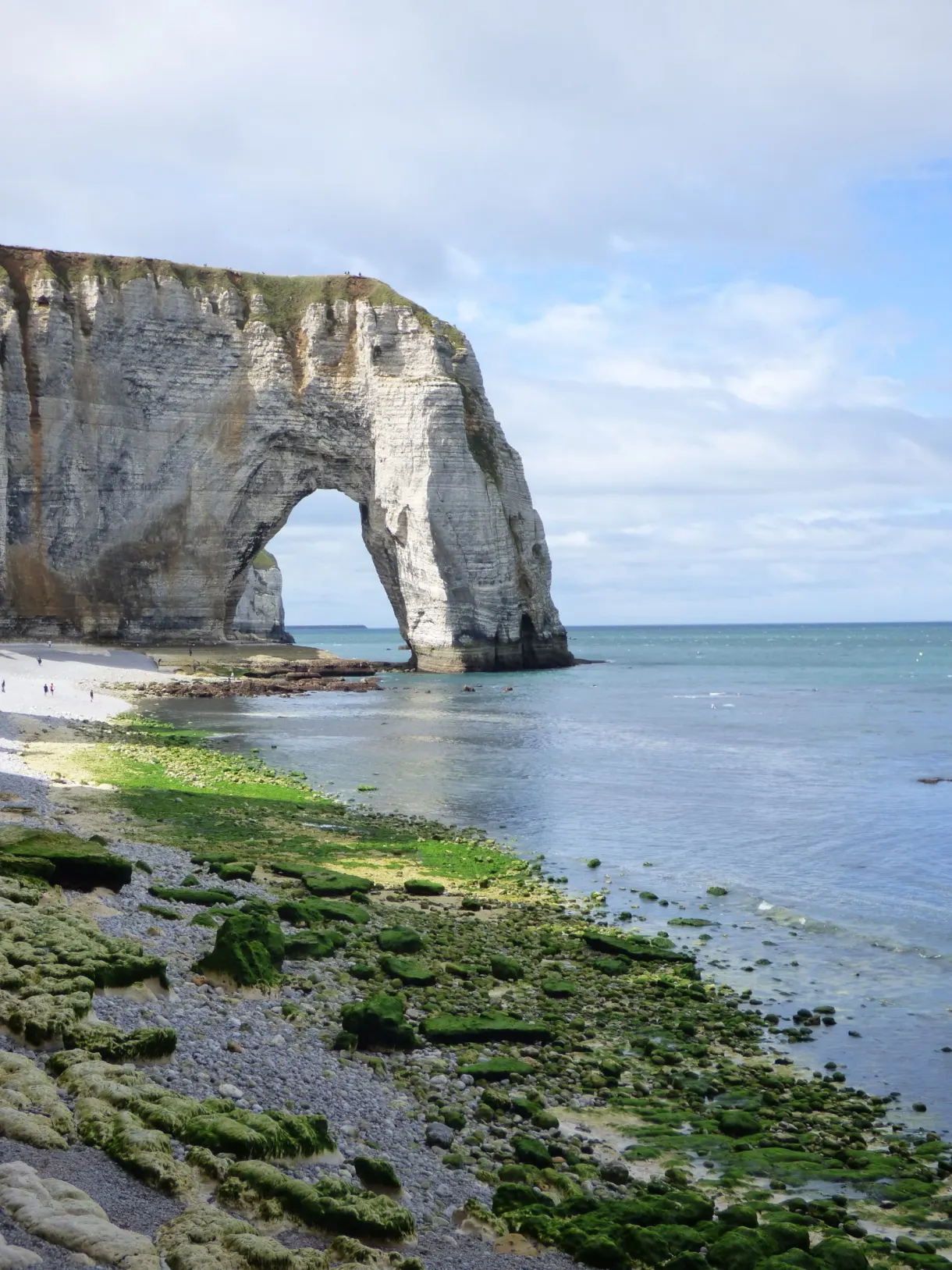
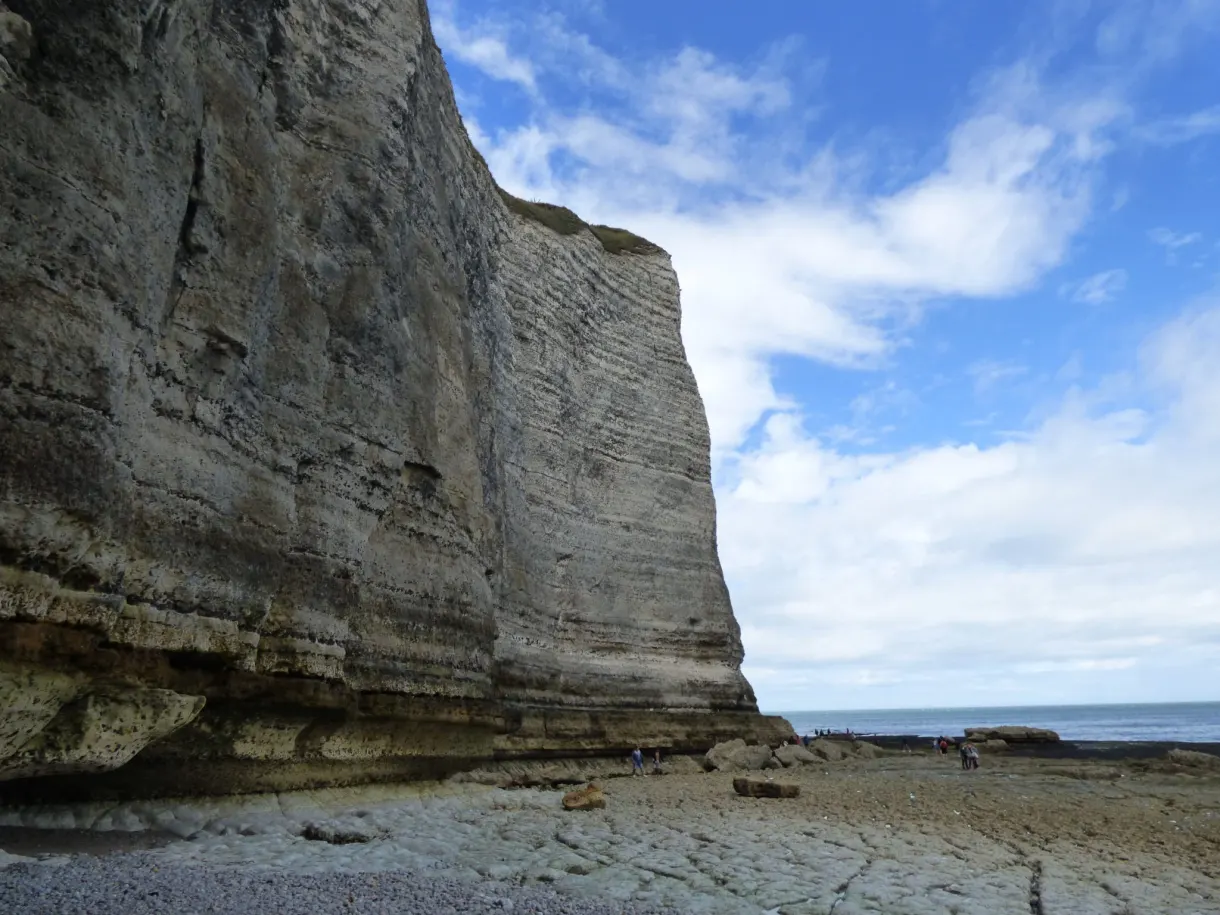
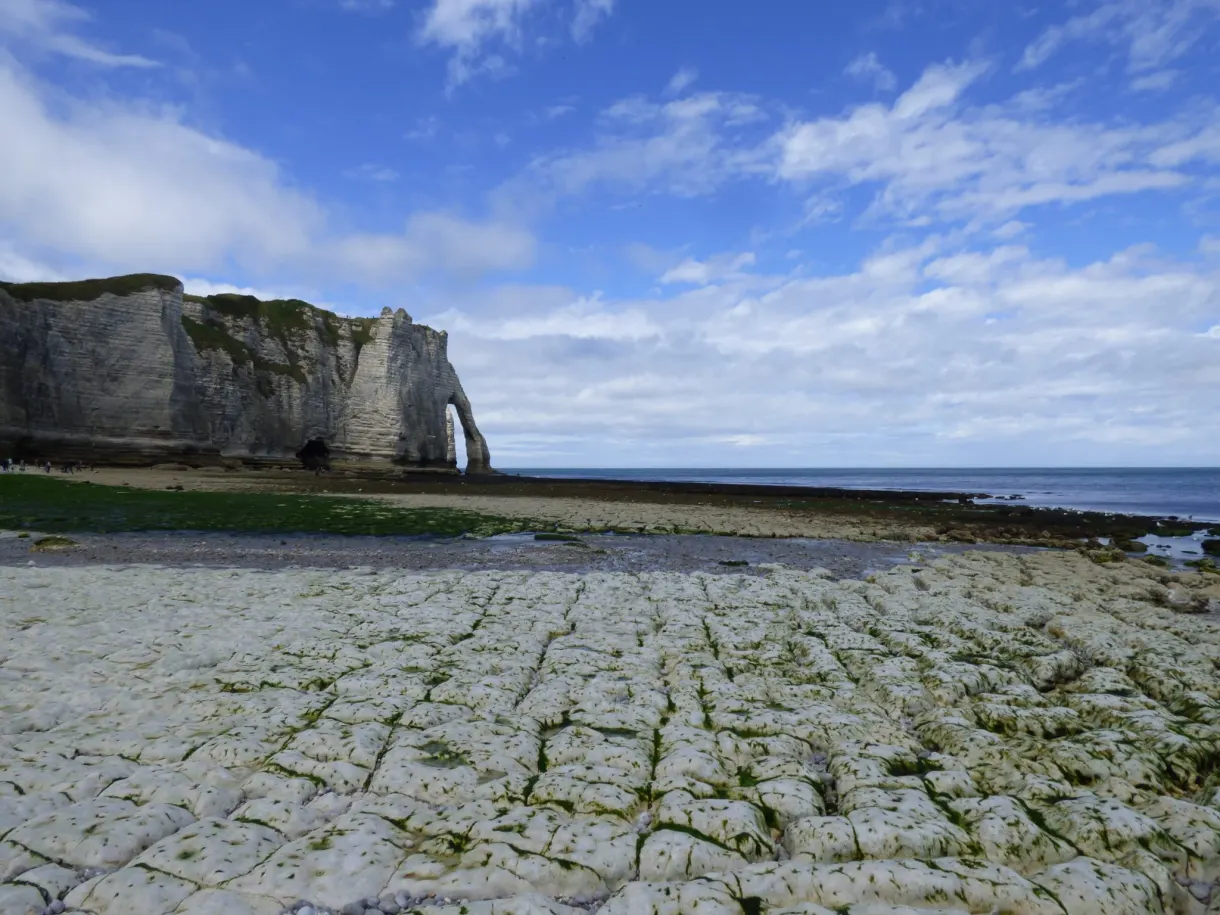
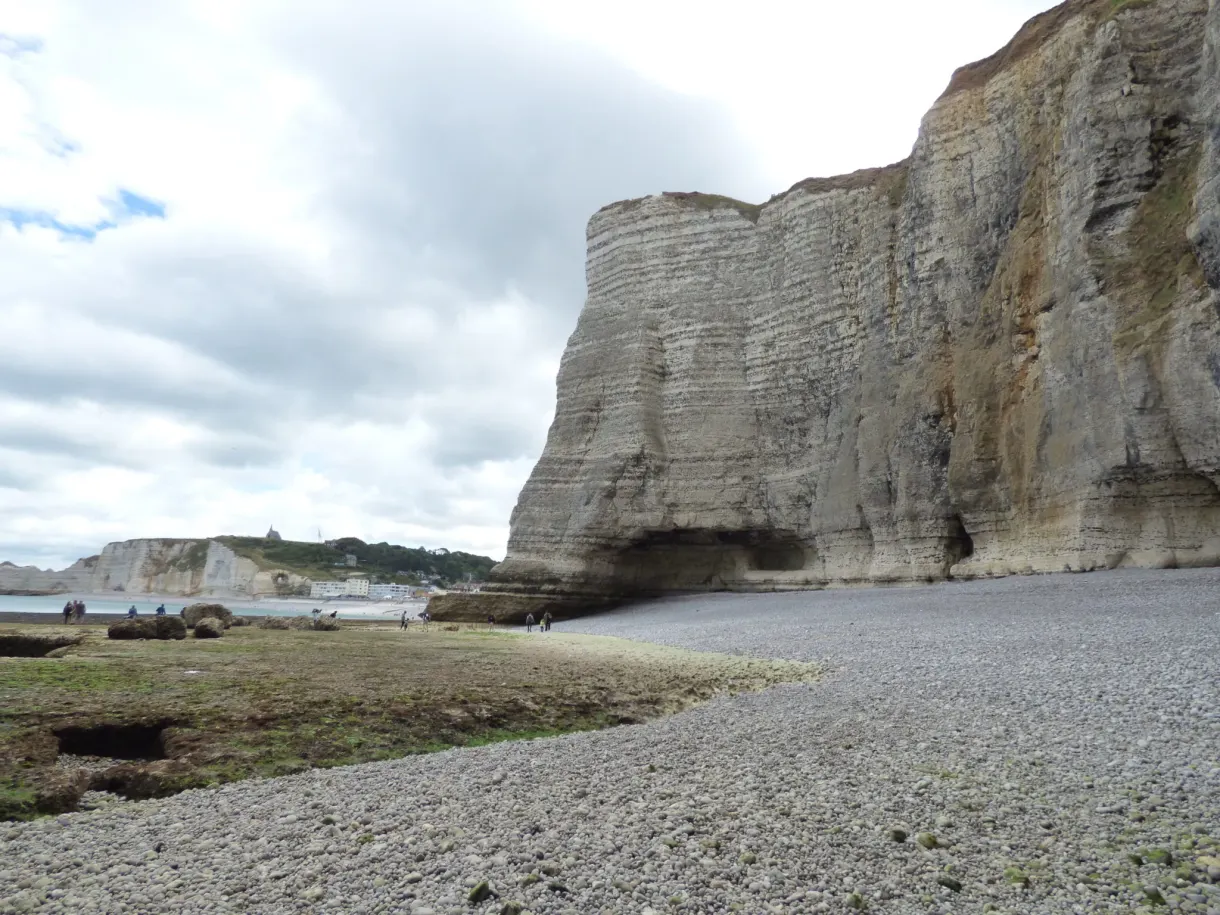
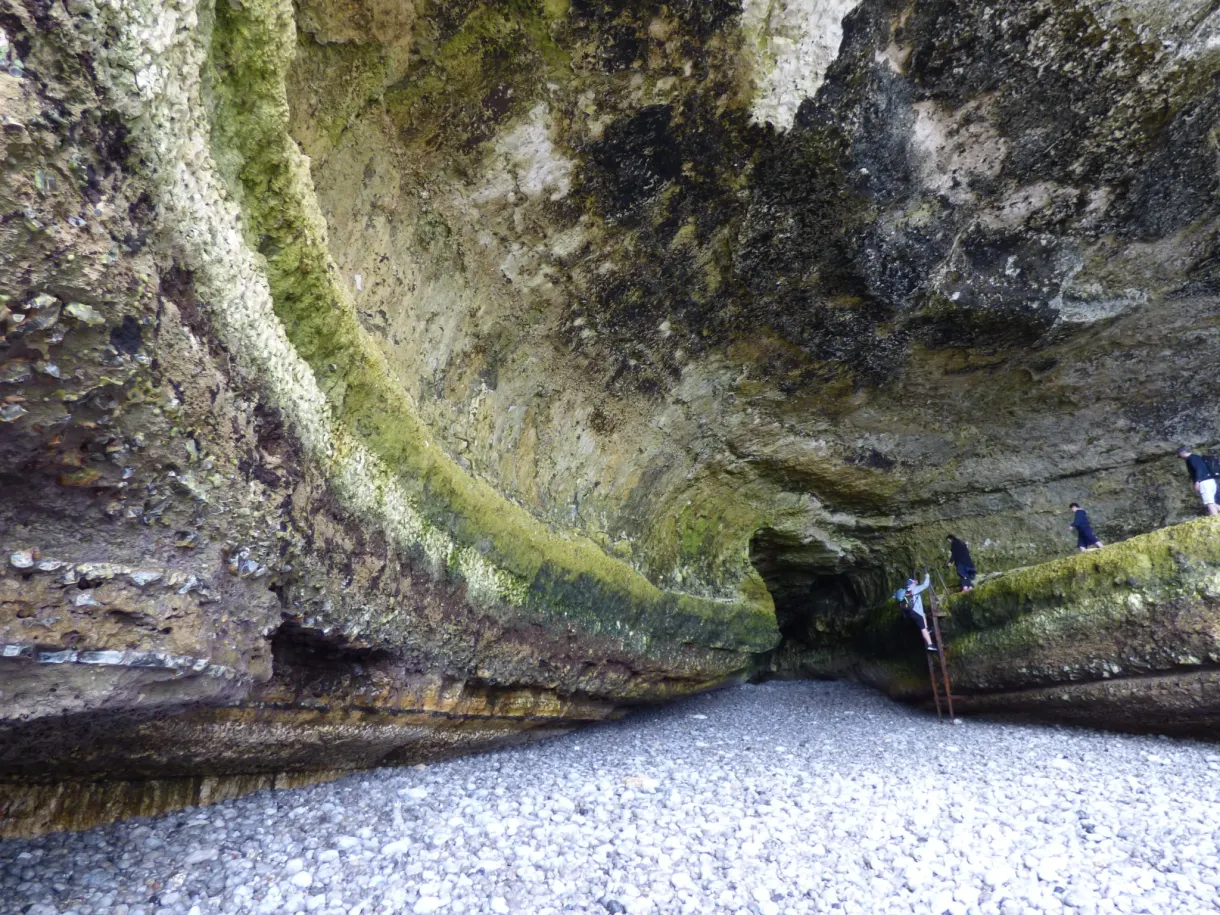
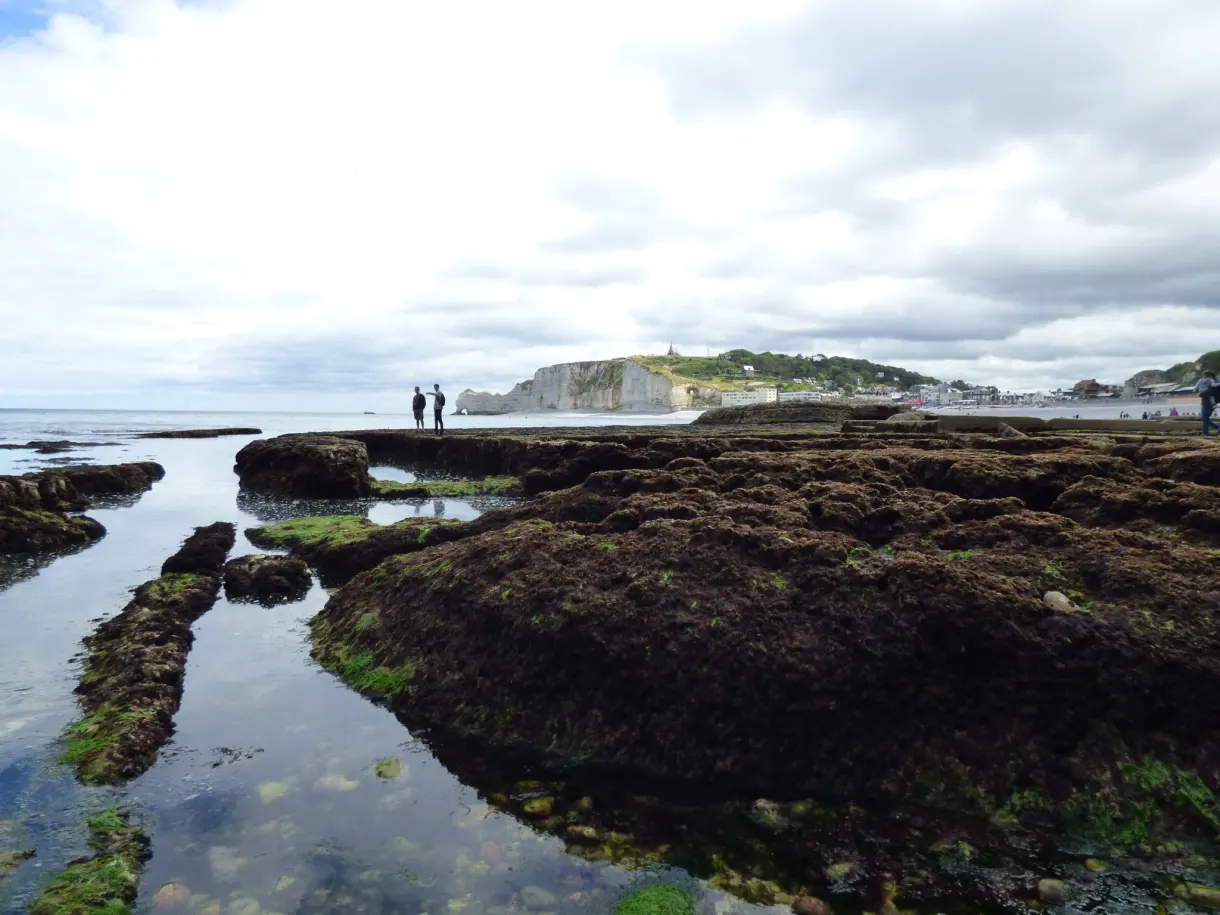
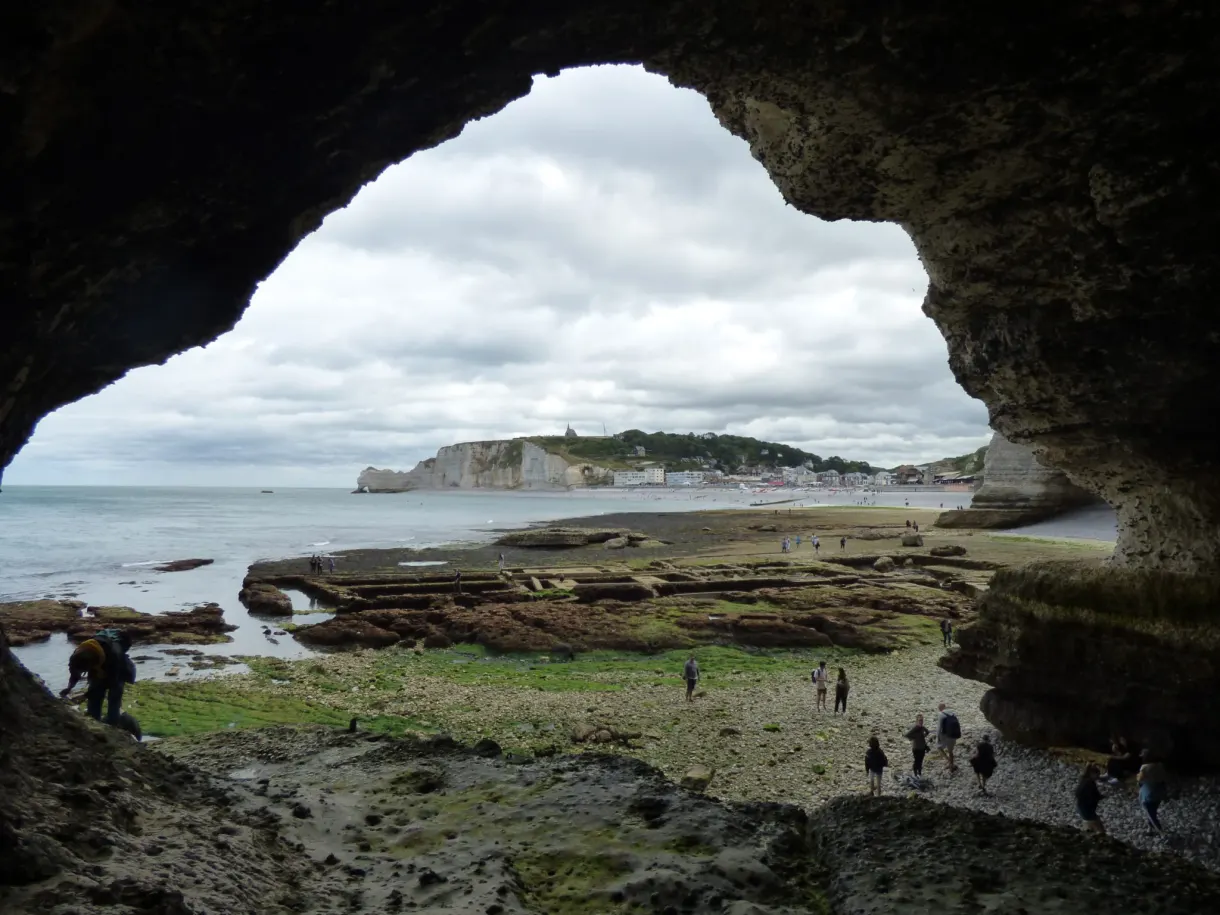
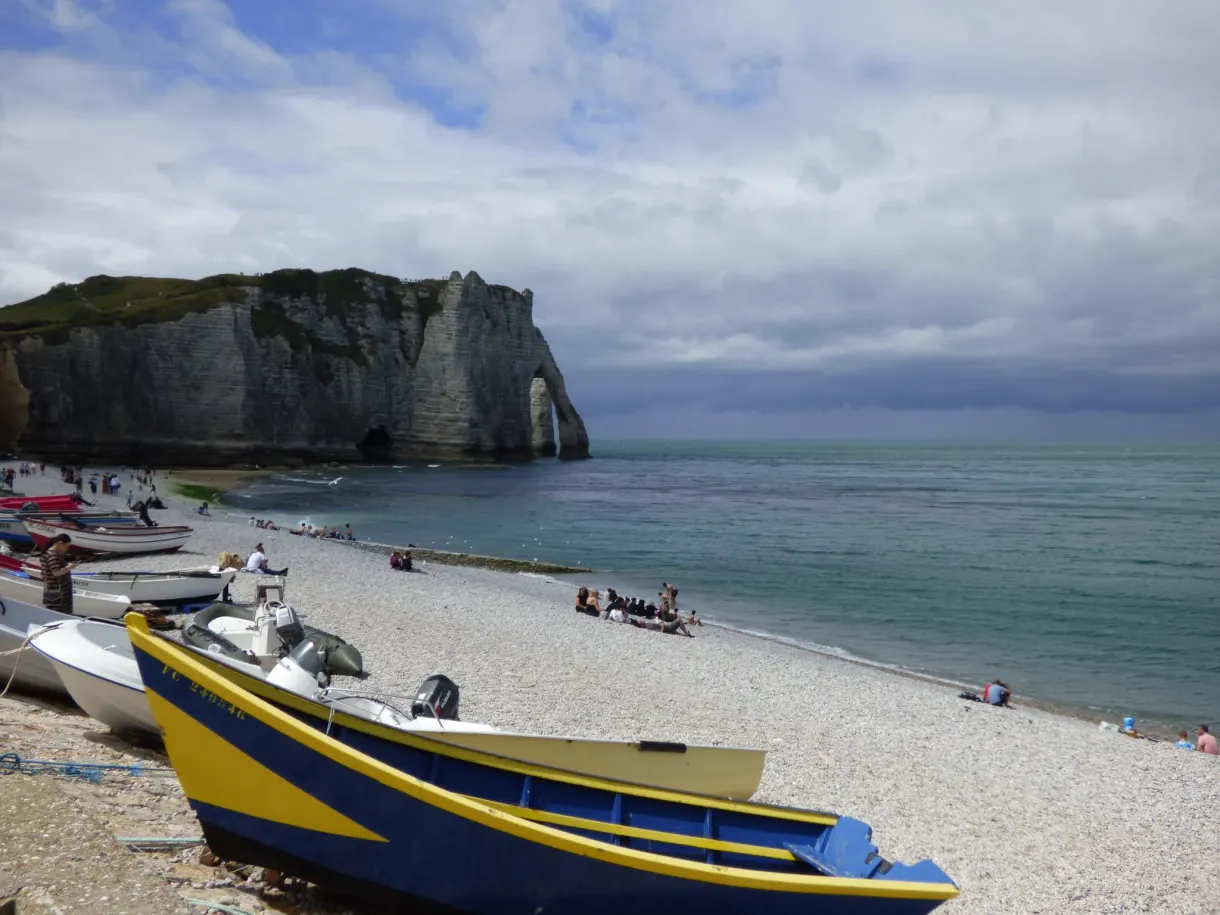
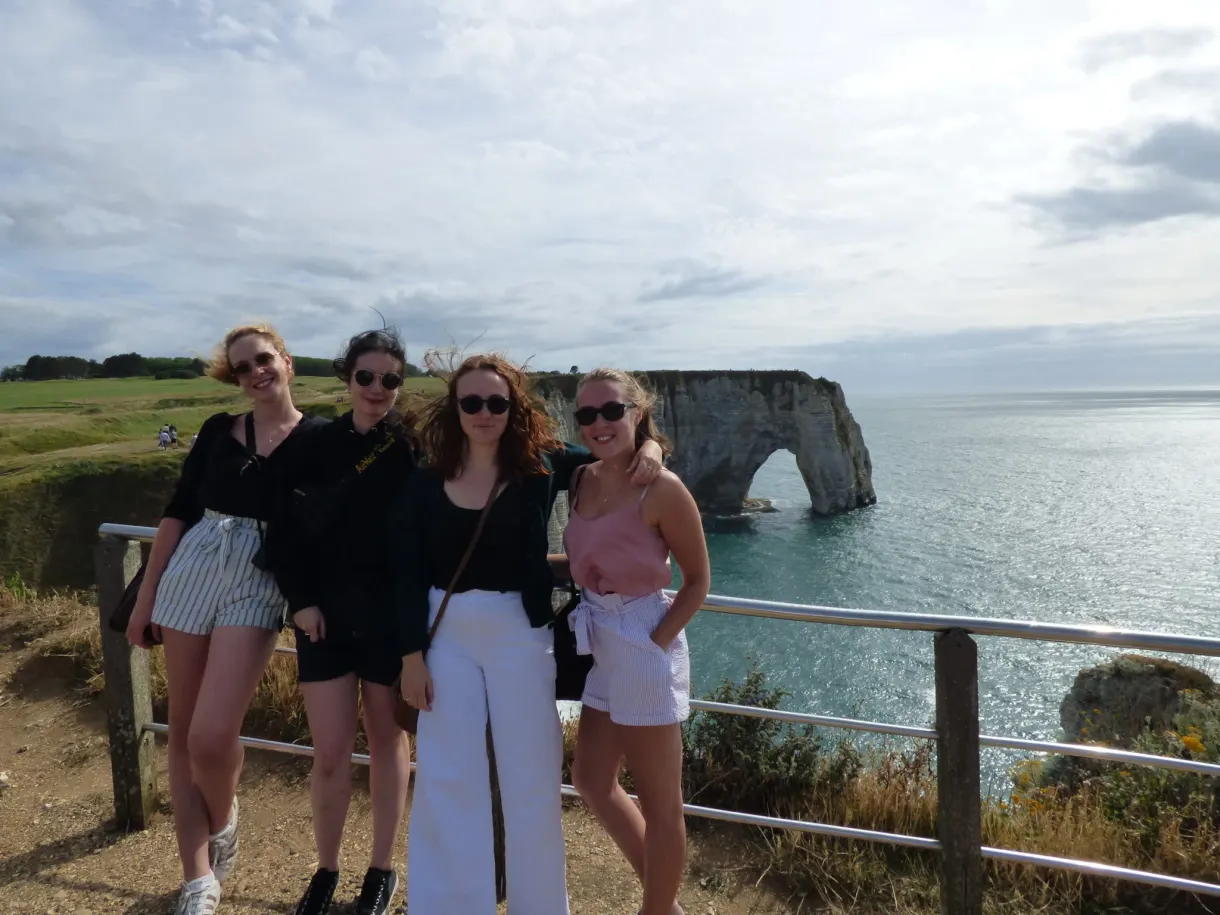
So there really is a lot to see in Etretat, not counting the Etretat gardens or the heart of the village itself, which is also worth the detour. We loved this day under the Normandy sun because it let us get away from it all and discover astonishing landscapes.
Fécamp
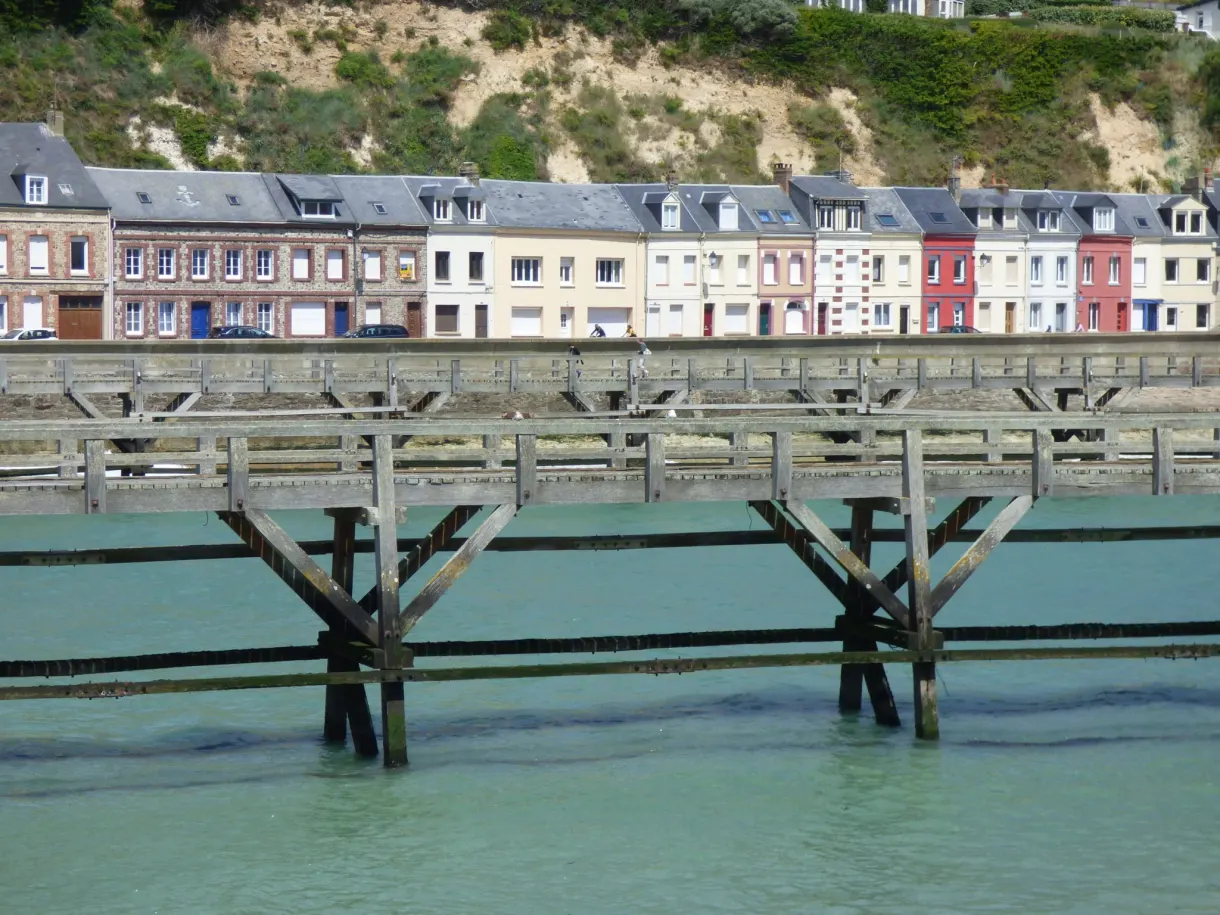
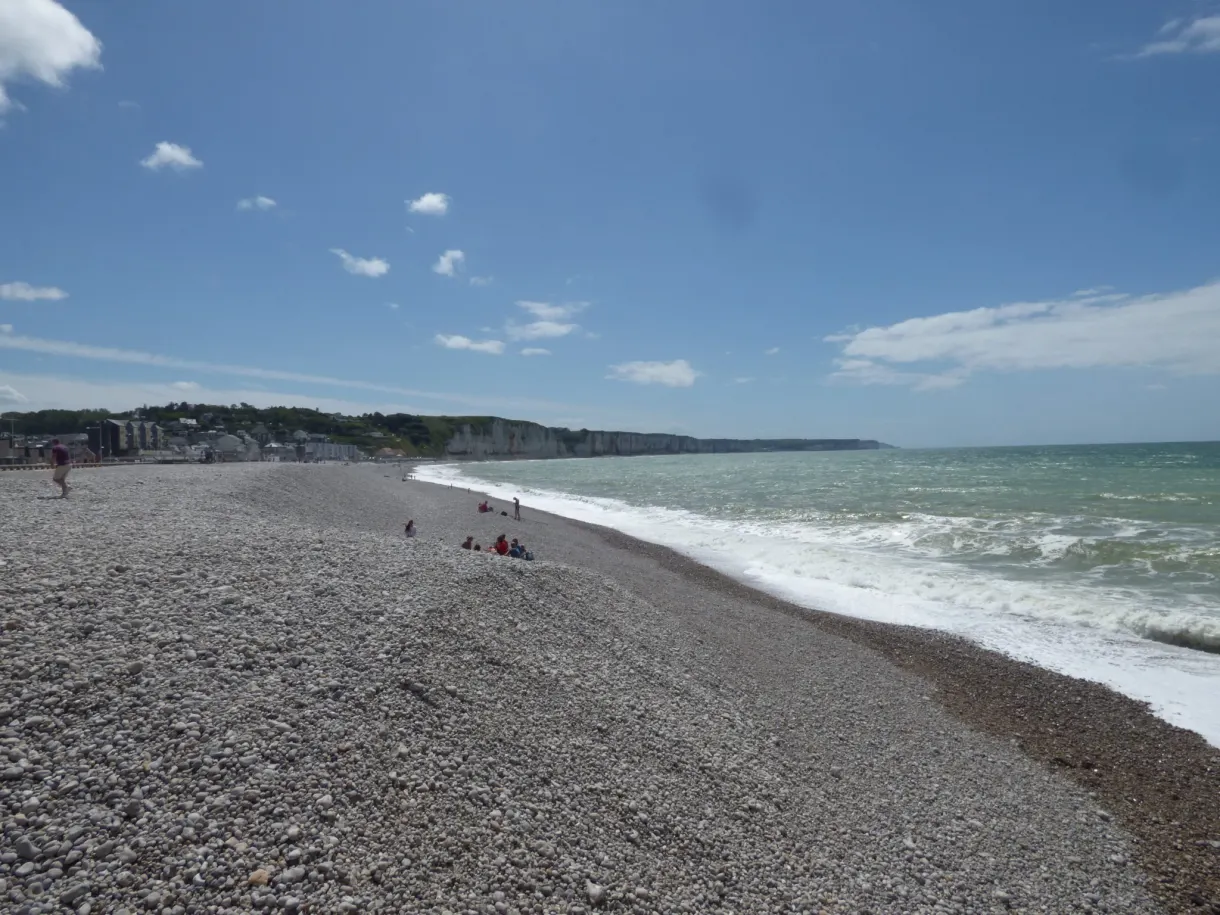
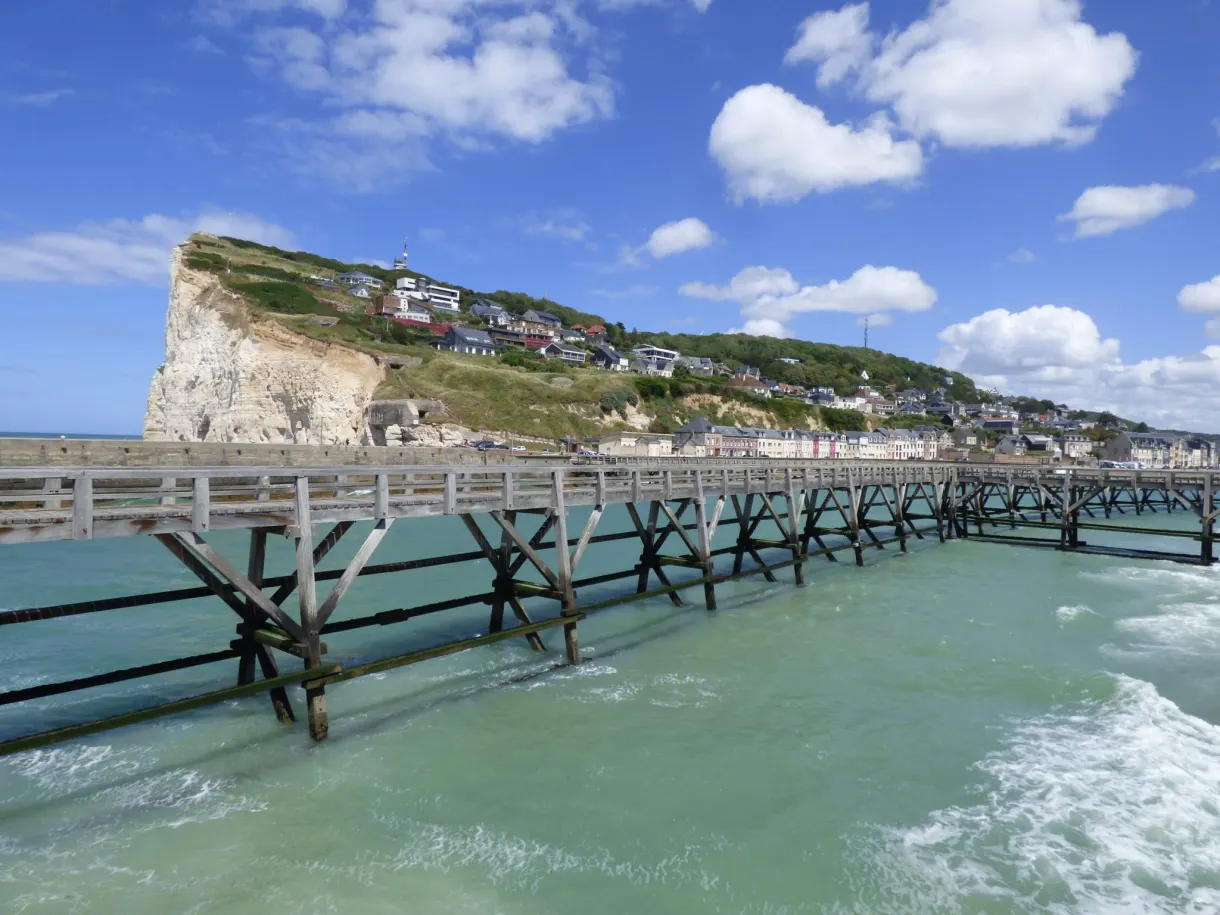
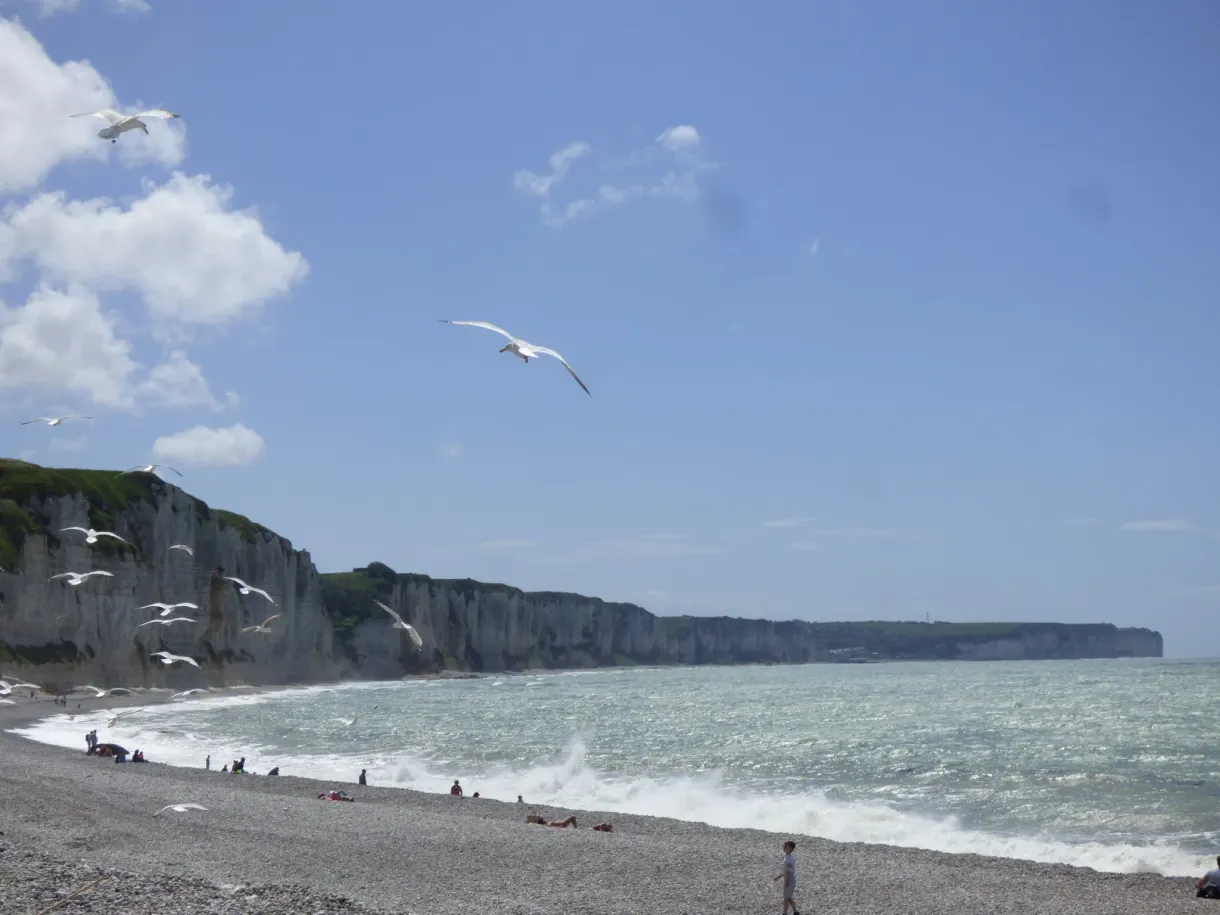
For our last day, we decided to hit the road towards Fécamp before heading back to Paris. Fécamp is a bigger town than Etretat and the former capital of the dukes of Normandy: the historic heritage there is really rich. After lunch, we walked around the port and the chaussée E.Levasseur et fils, at the end of which stands a small lighthouse. That day, the sea was raging, which stopped us from reaching the tip of the sea wall (or else we’d have been soaked!). We then carried on along the wide pebble beach, still in glorious sunshine. The colourful houses along the port stand out against the almost turquoise sea and the white of the cliffs: this place is truly magnificent.
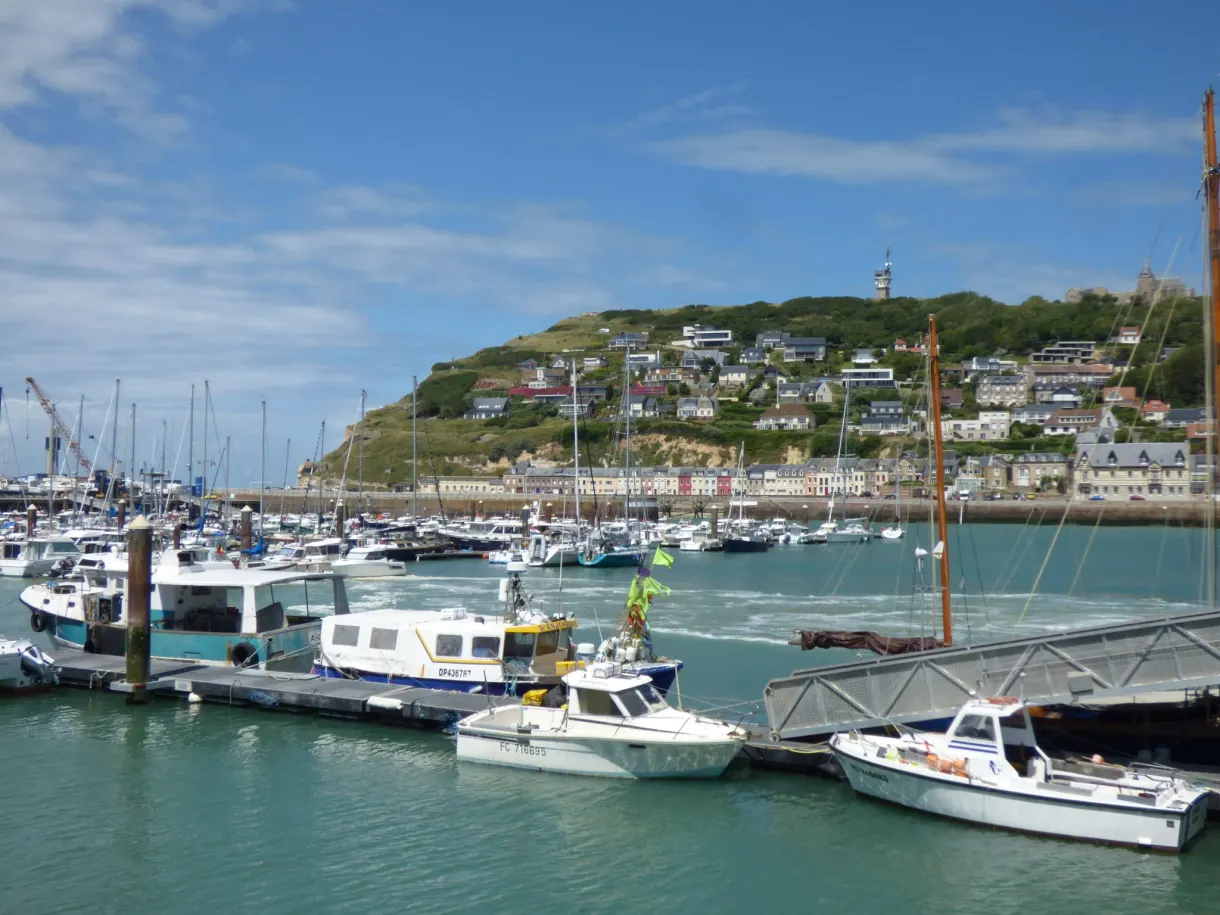
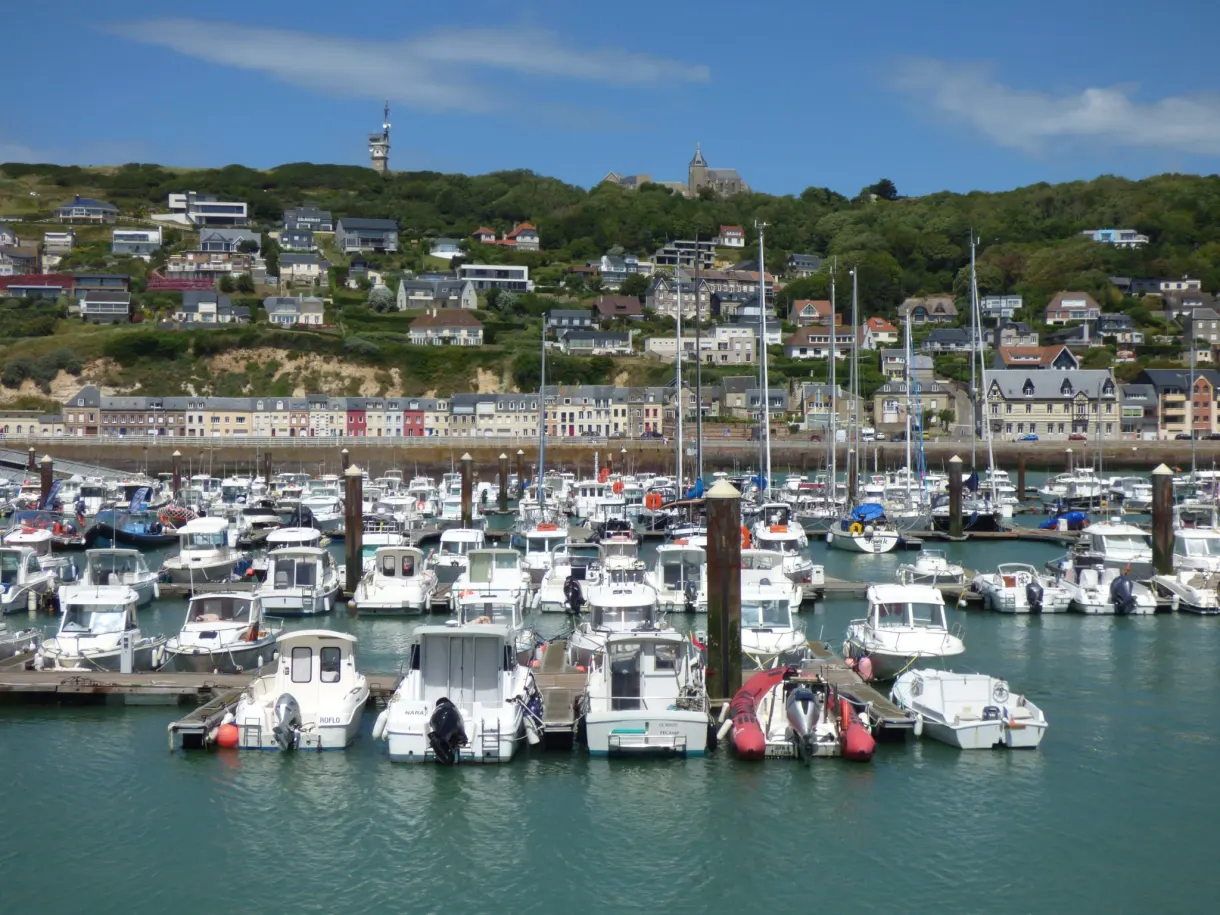
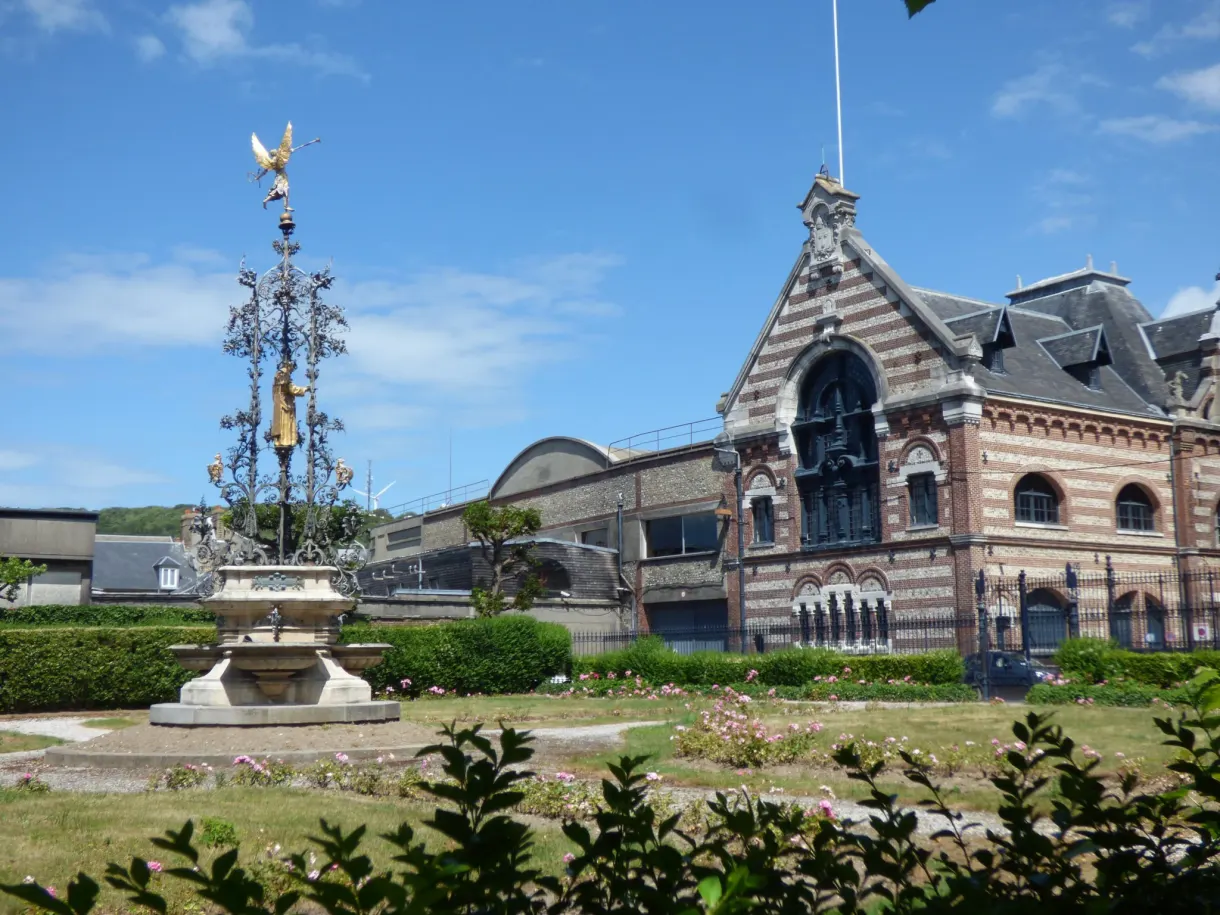
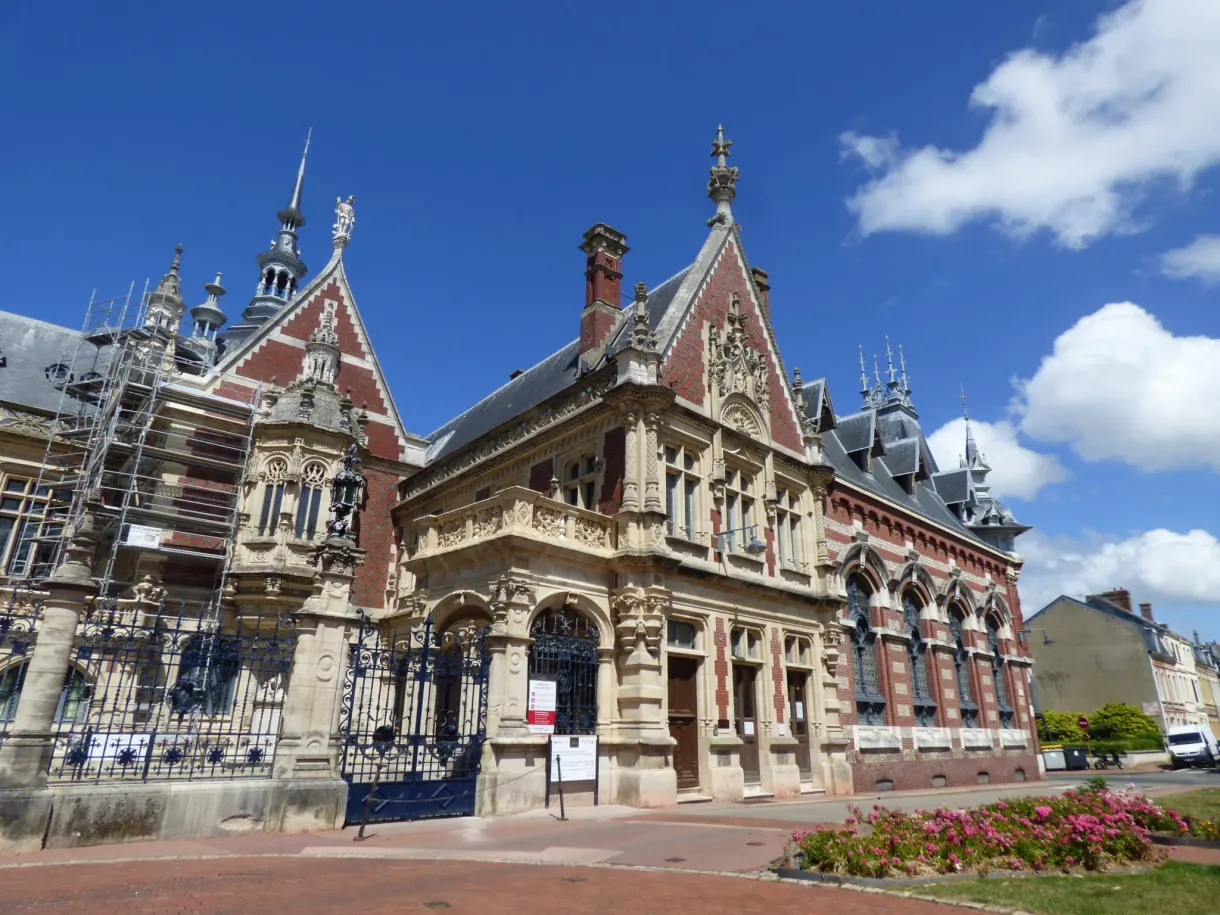
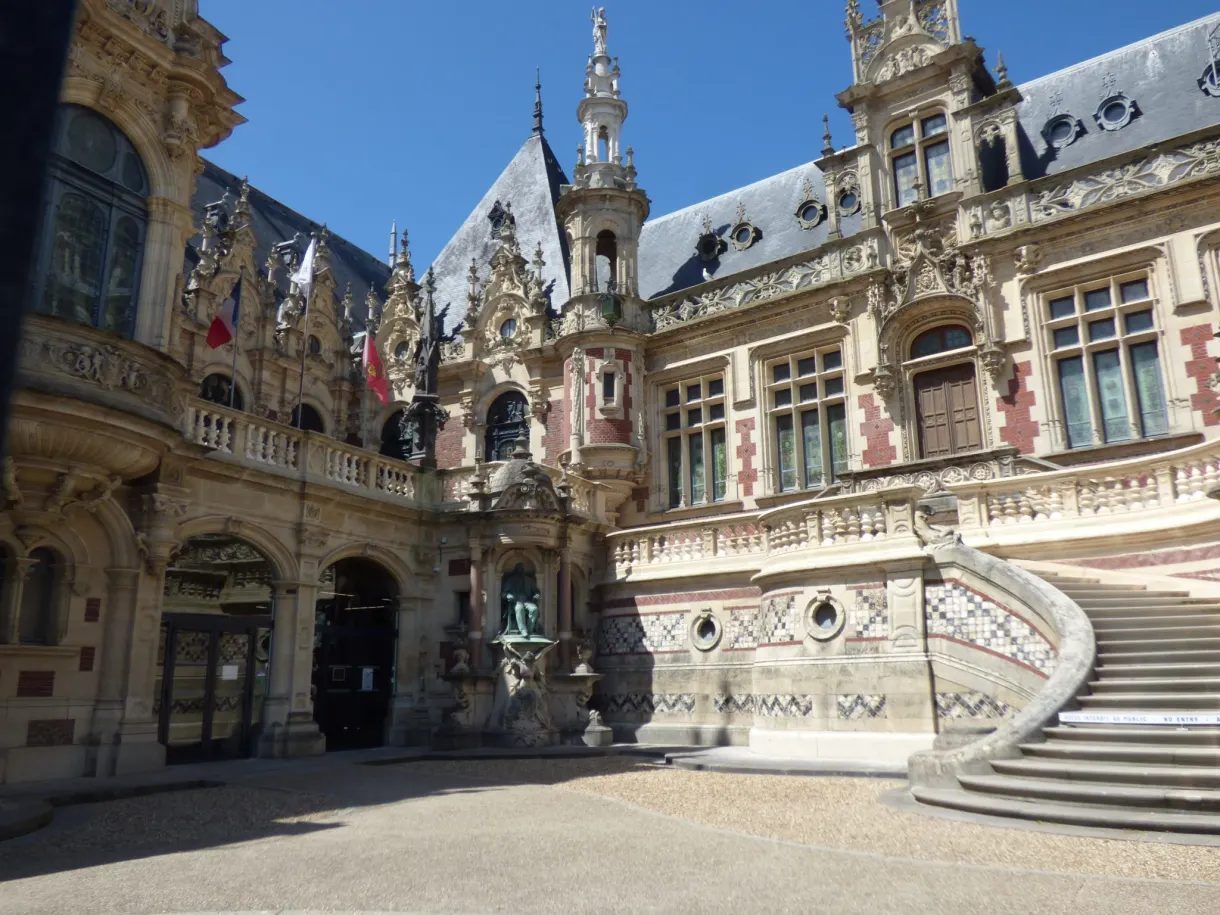
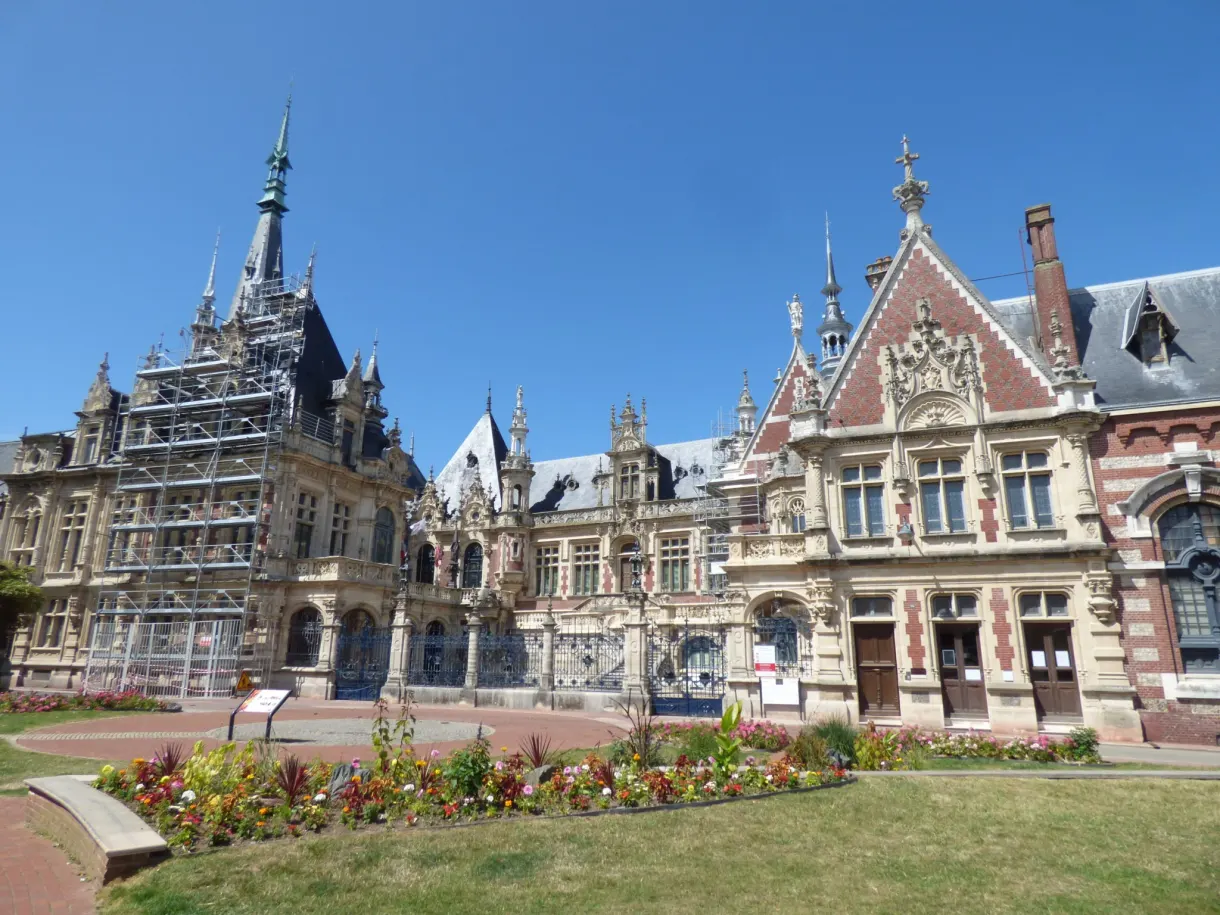
In the town centre, we didn’t want to miss the Palais Bénédictine, built at the end of the 19th century in honour of the Bénédictine liqueur (27 plants and spices) and founded by a certain Alexandre le Grand. Unfortunately for us, the Palace is closed on Sundays (and Mondays): so we only saw it from the outside, with some scaffolding. An excuse to go back to Seine-Maritime and Fécamp! Inspired by both gothic and Renaissance styles, the building is really impressive and unusual because you don’t expect to find this type of architecture in Normandy.
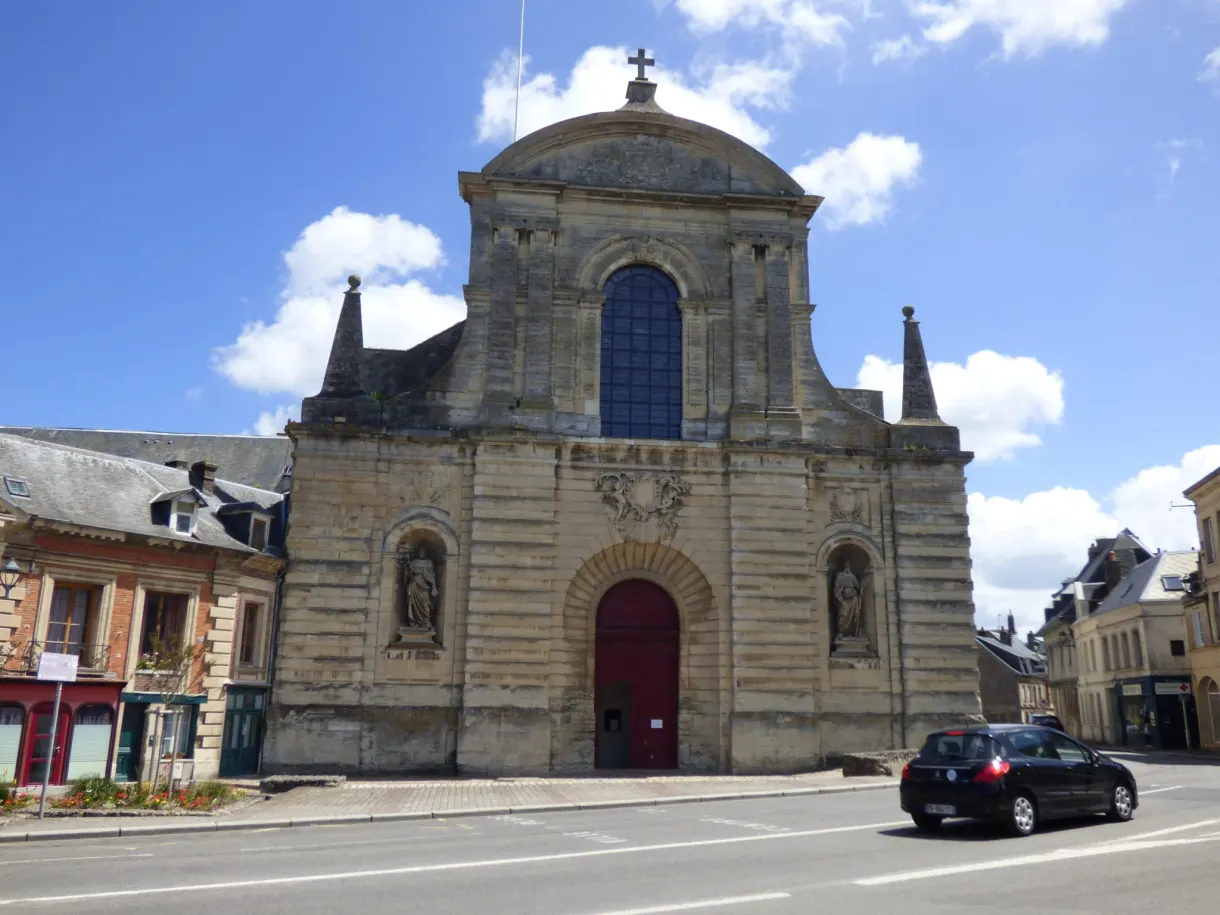
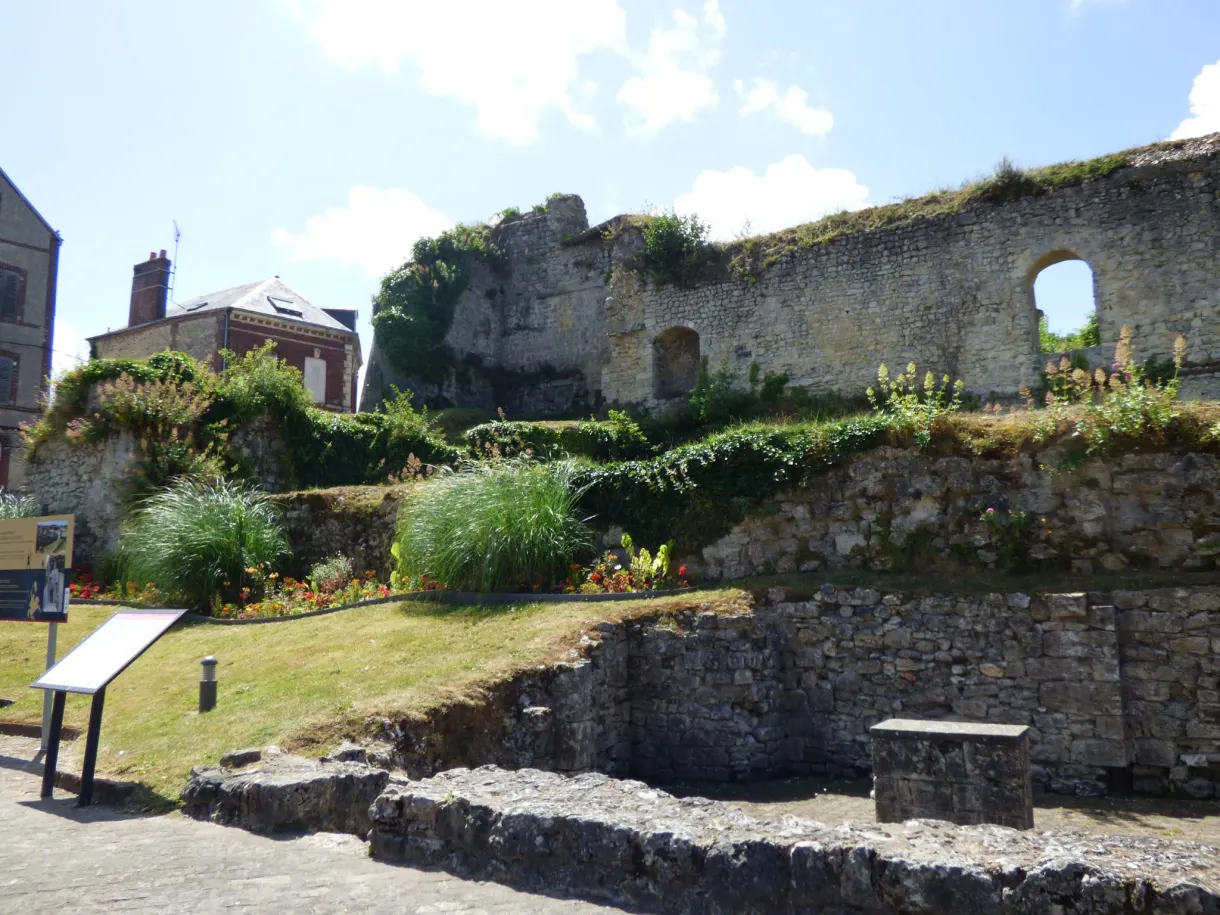
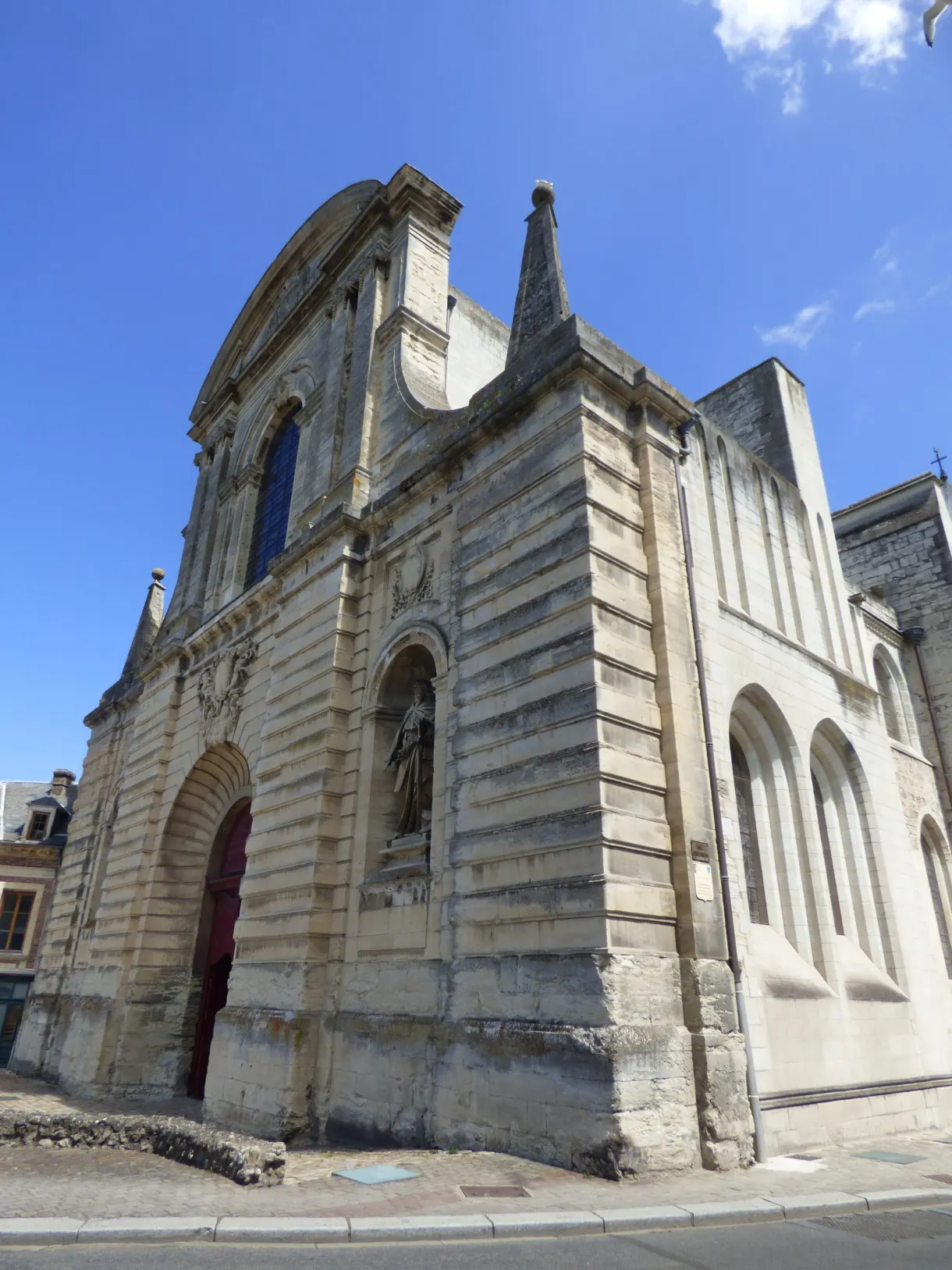
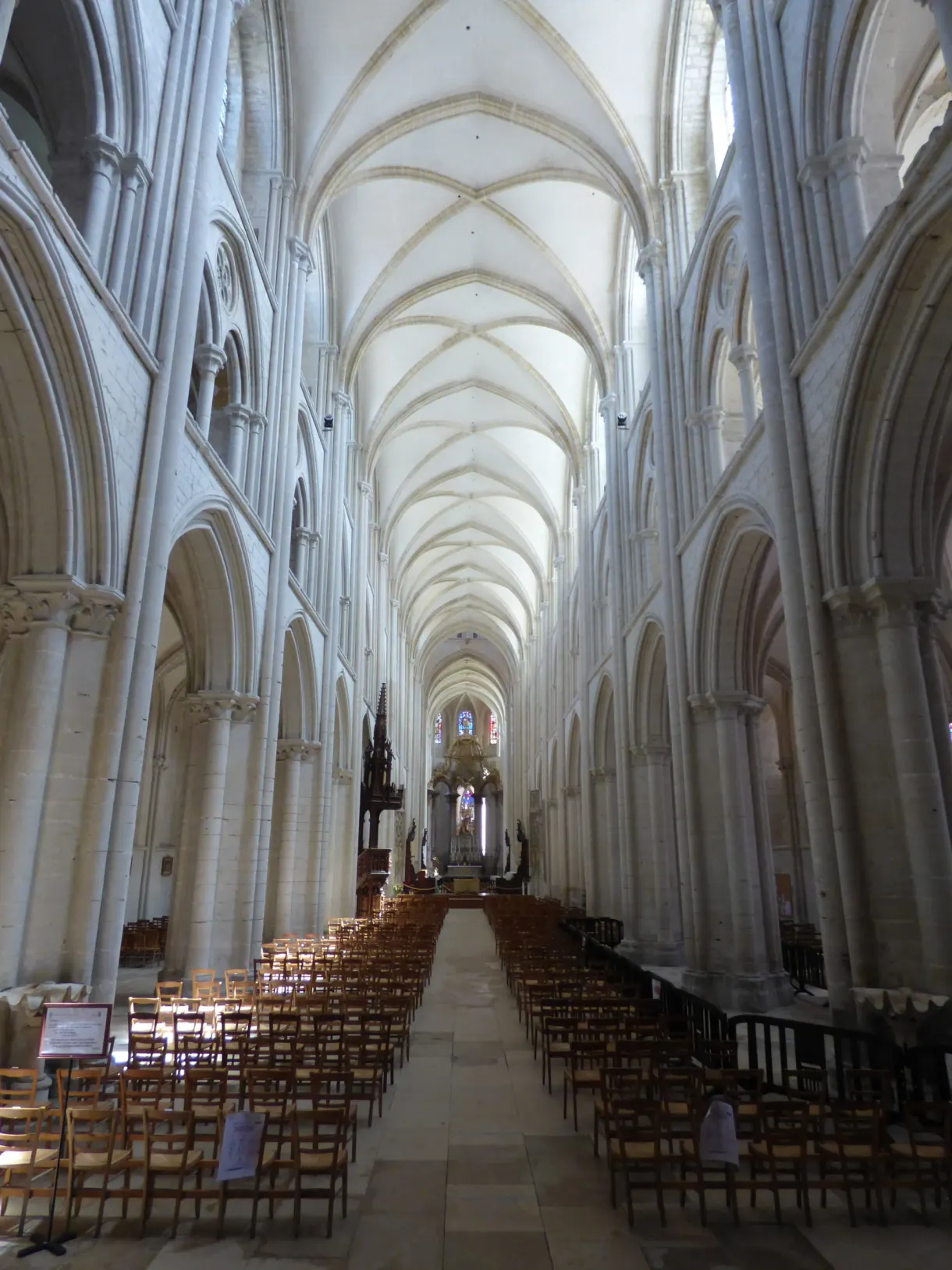
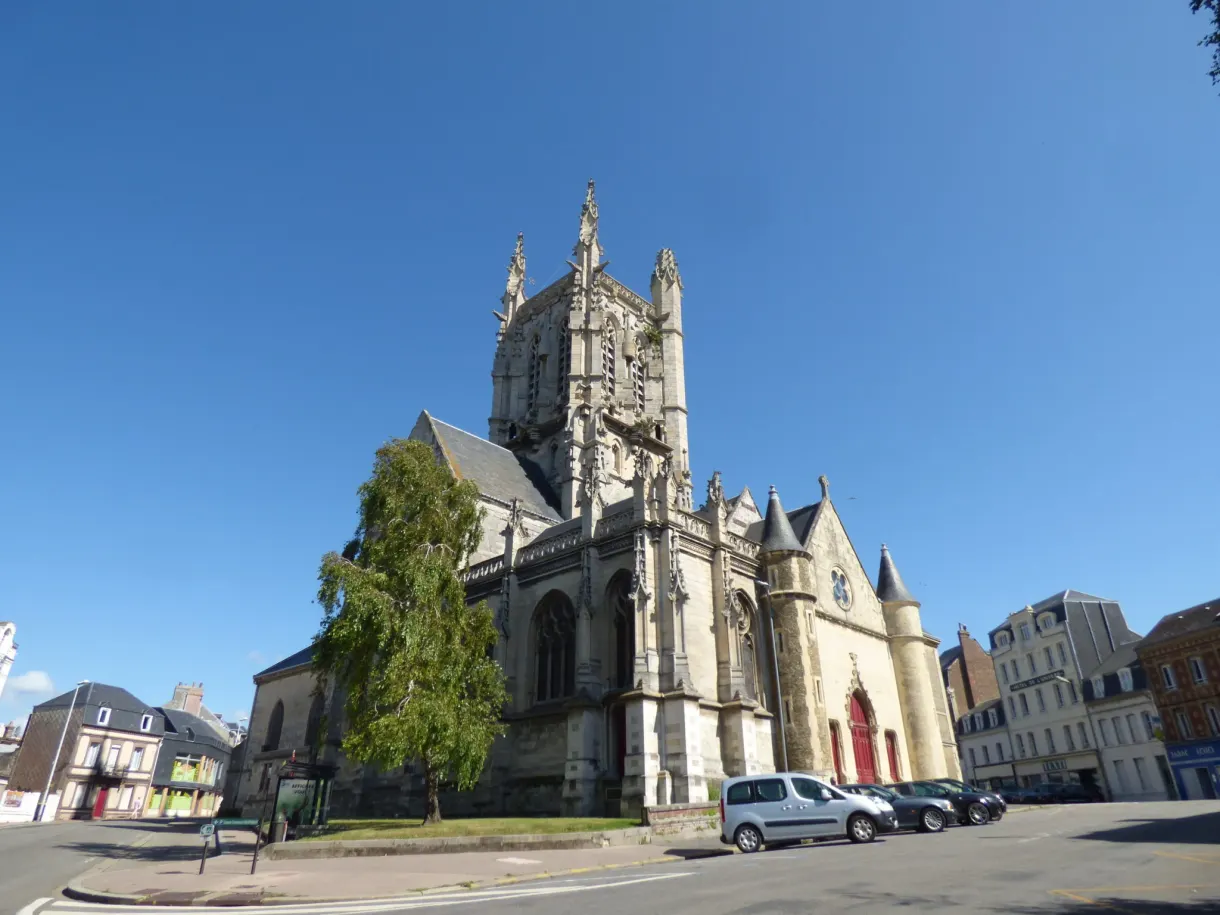
The last curiosity to see in Fécamp is without doubt its Abbey Church of the Holy Trinity and the ruins of the Ducal Palace, at the entrance to the town centre, which is also worth visiting.
Sotteville-sur-mer
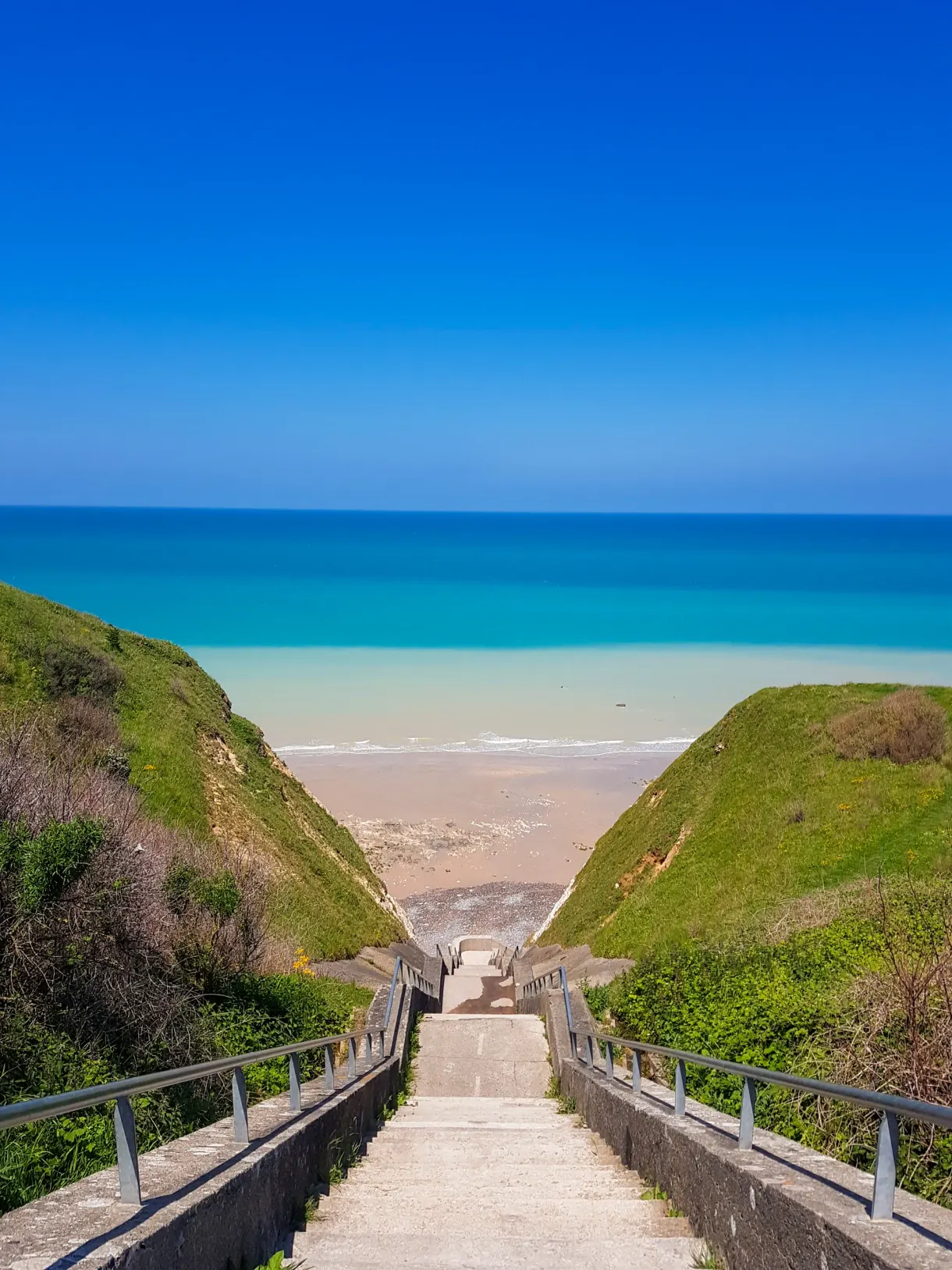
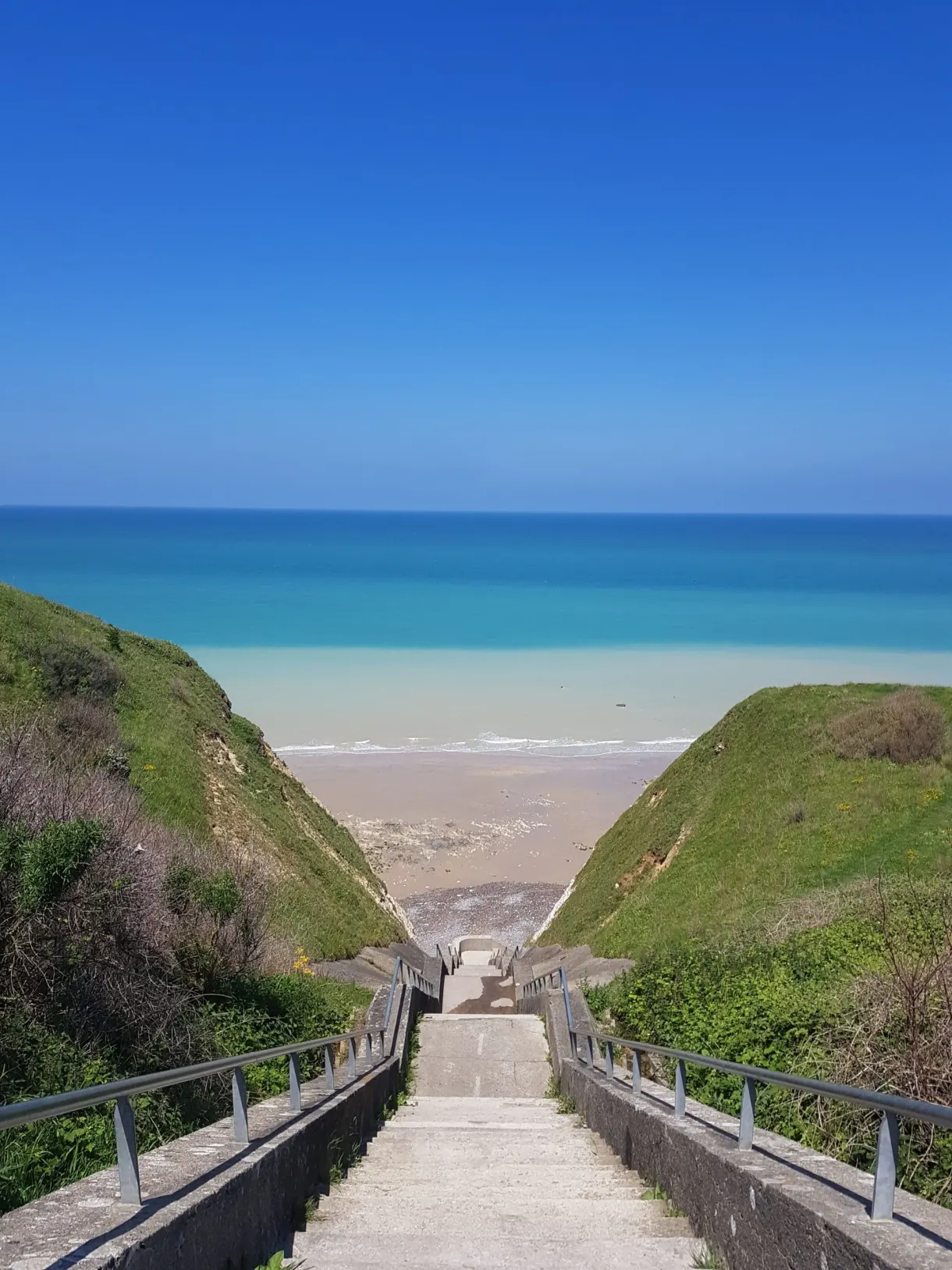
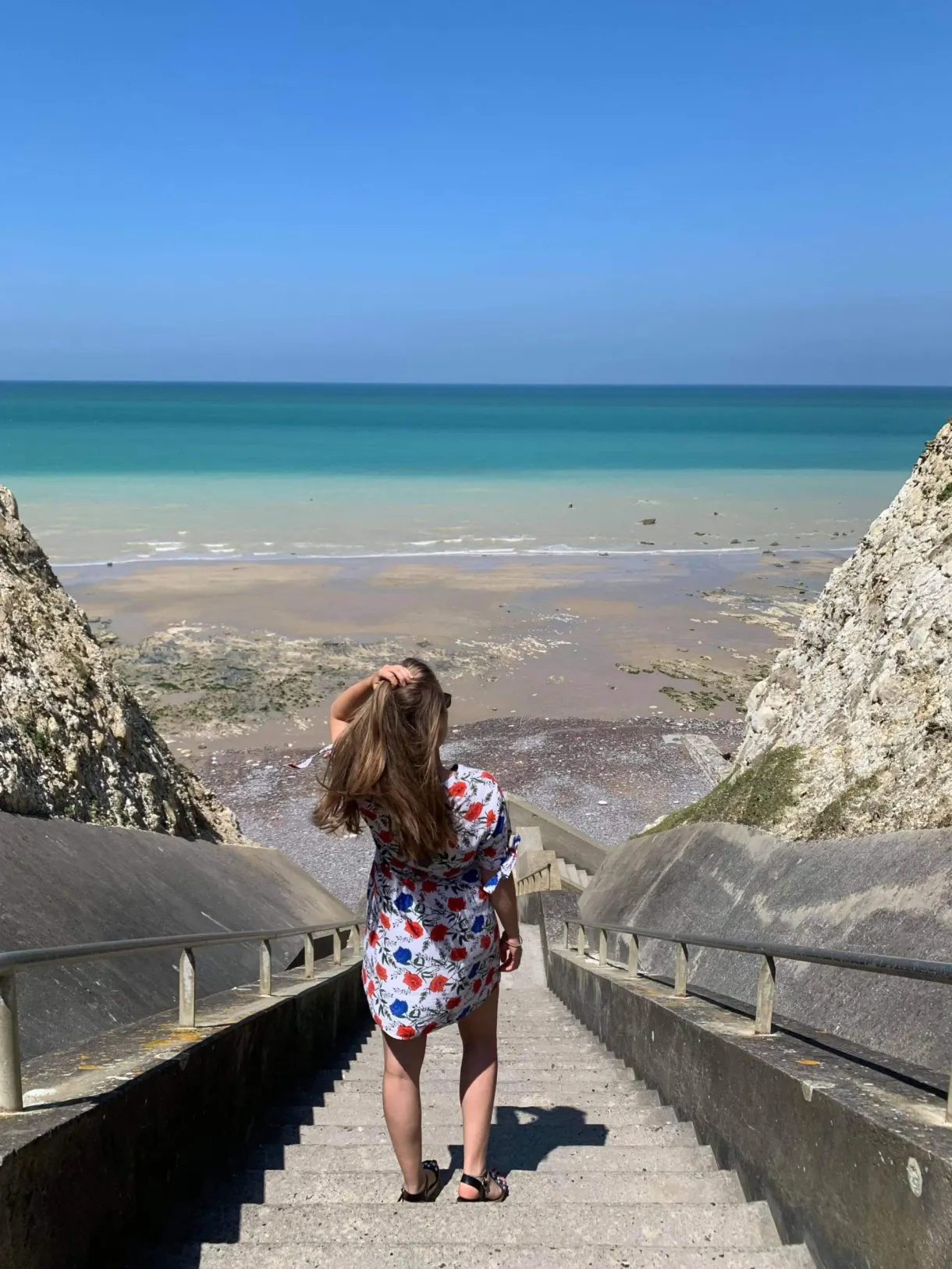
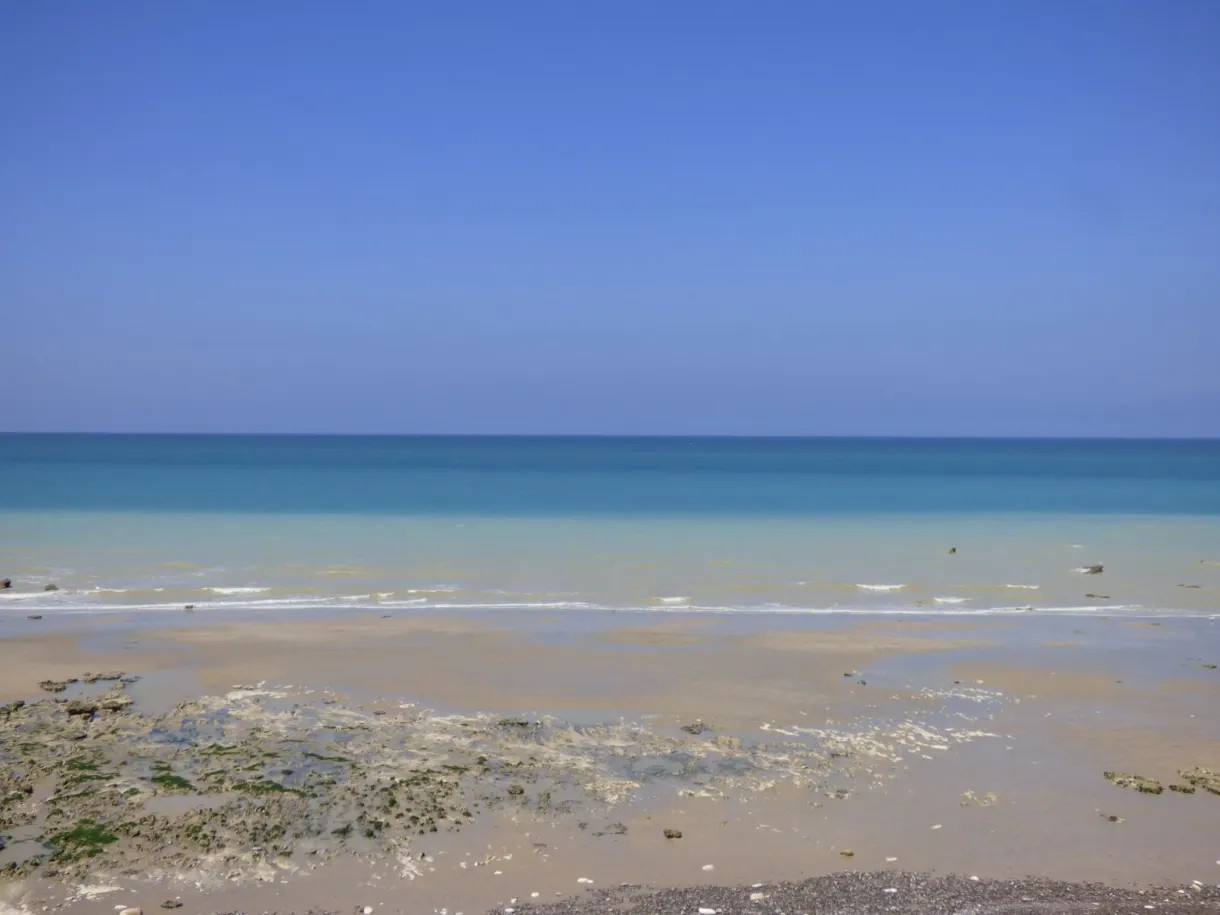
First stop of our Normandy weekend in 2021, the small village of Sotteville-sur-mer and its vertiginous staircase plunging towards the sea. We parked in the car park in the heart of the village and reached the sea in a few minutes along the avenue de Beaumont. We were there on a day when the weather was more than favourable and were able to see the magnificent shades of blue (almost turquoise!) of the Channel. Don’t hesitate to go down all the steps of the staircase to reach the last platform, which overlooks the pebble beach.
Veules-les-Roses
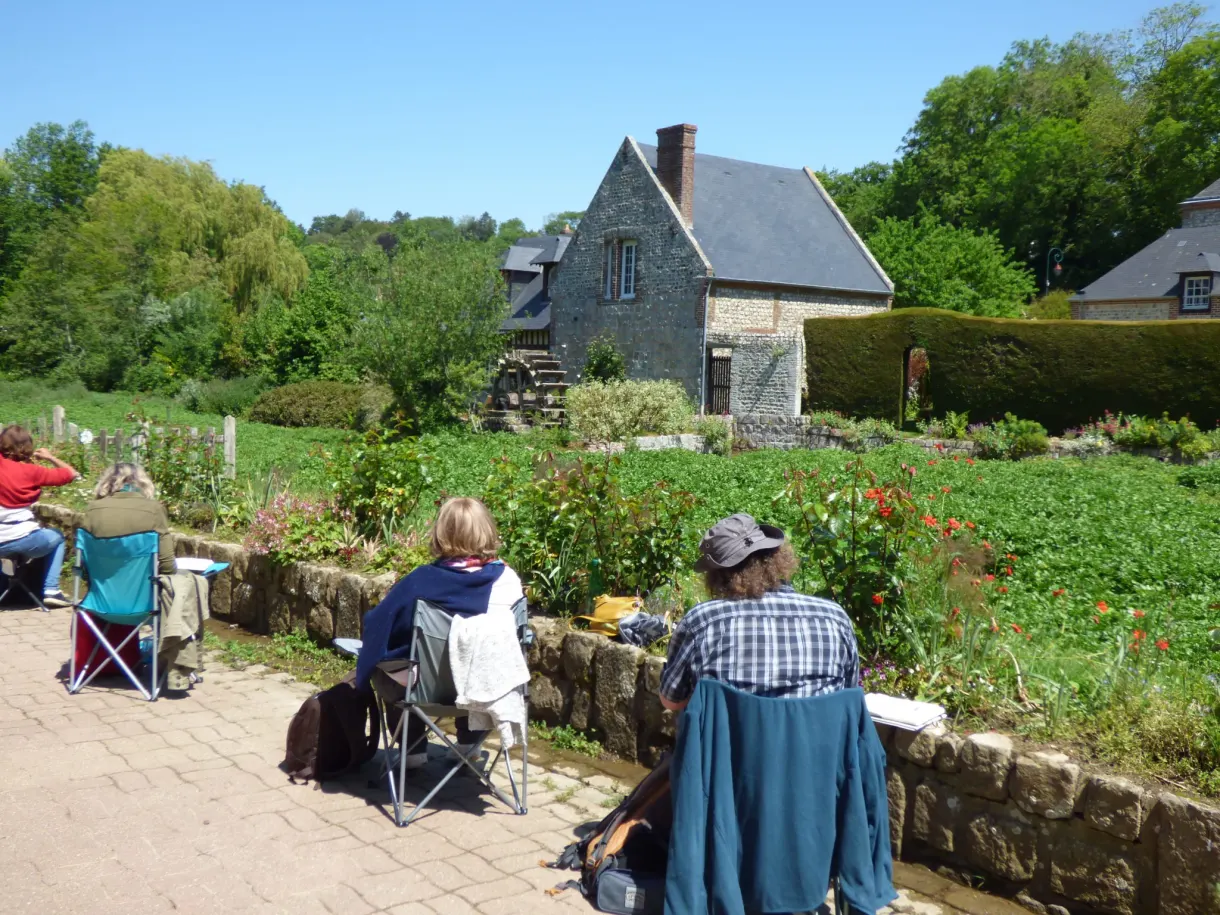
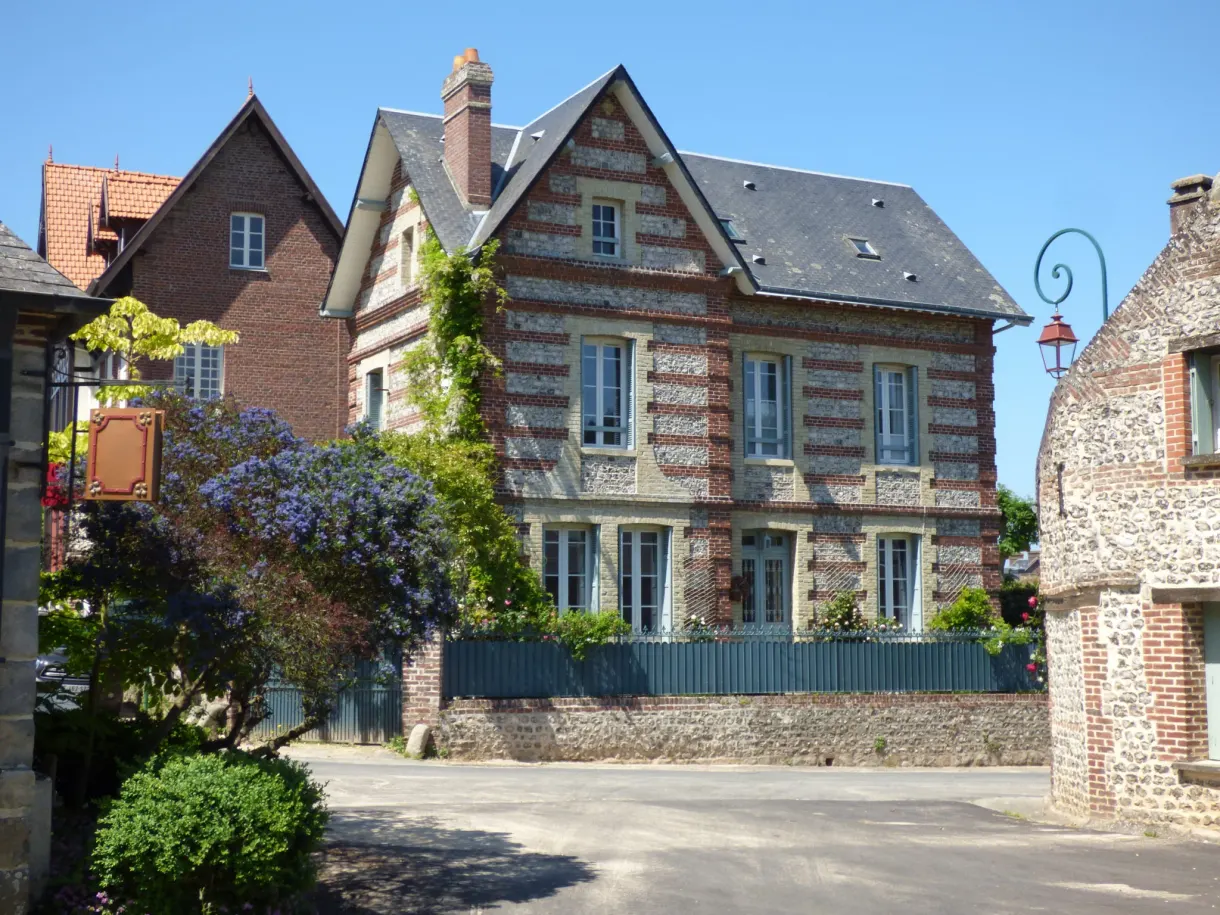
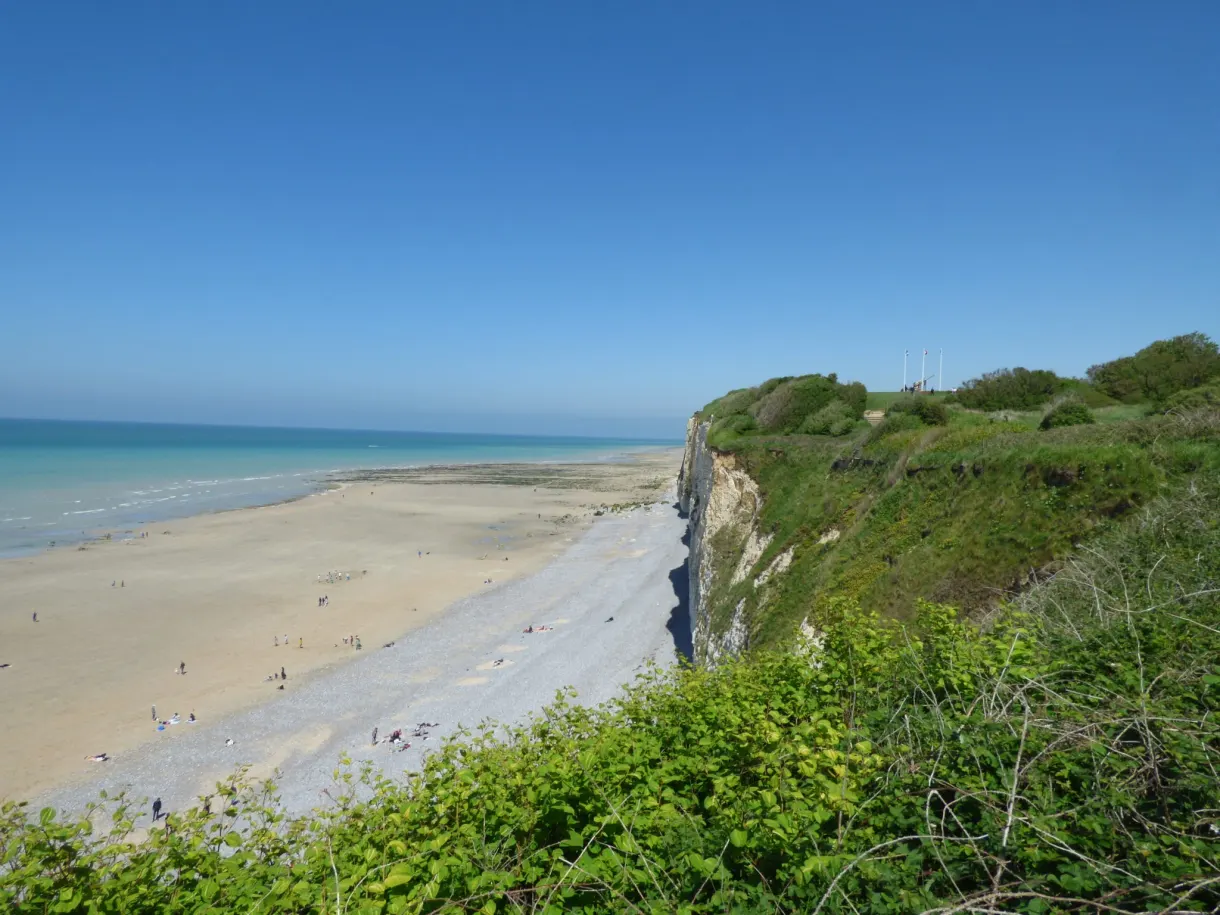
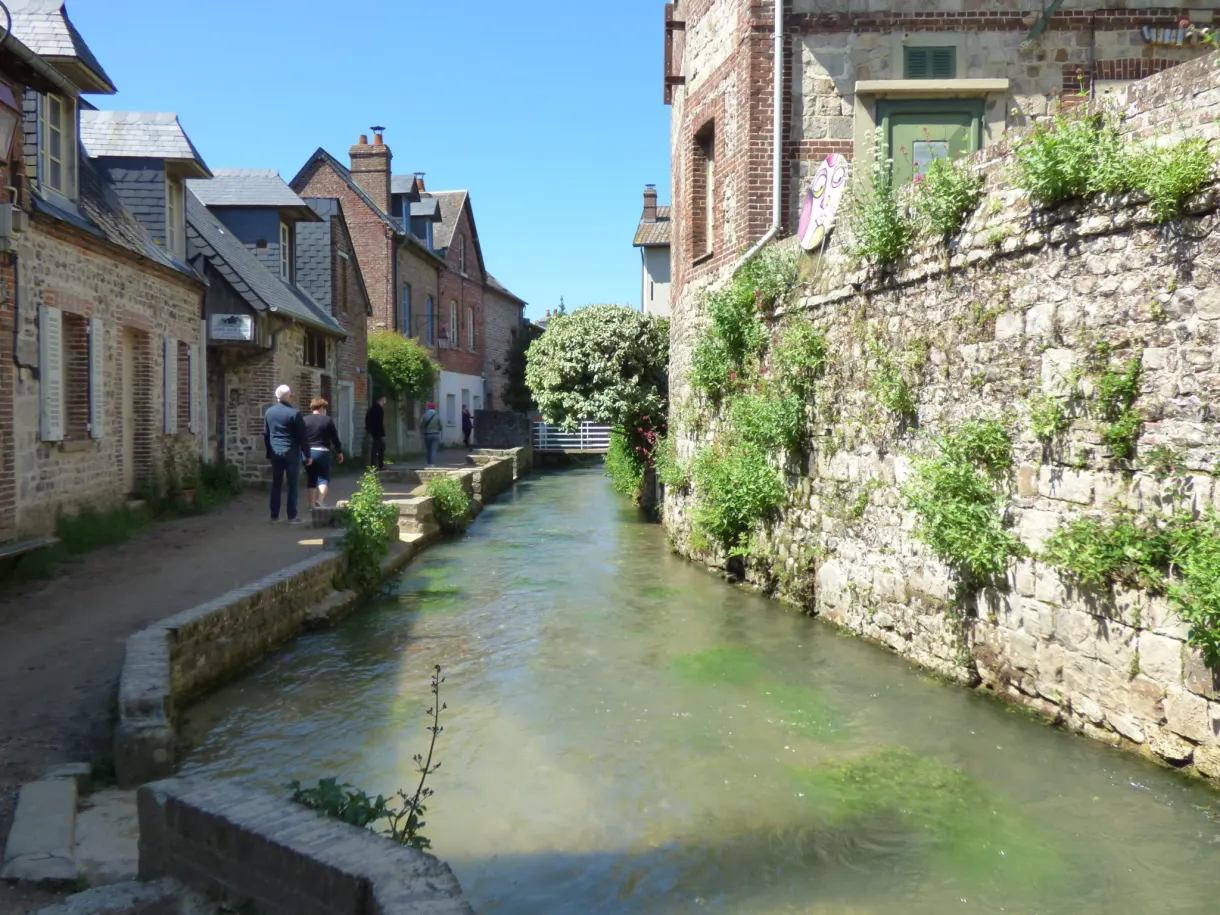
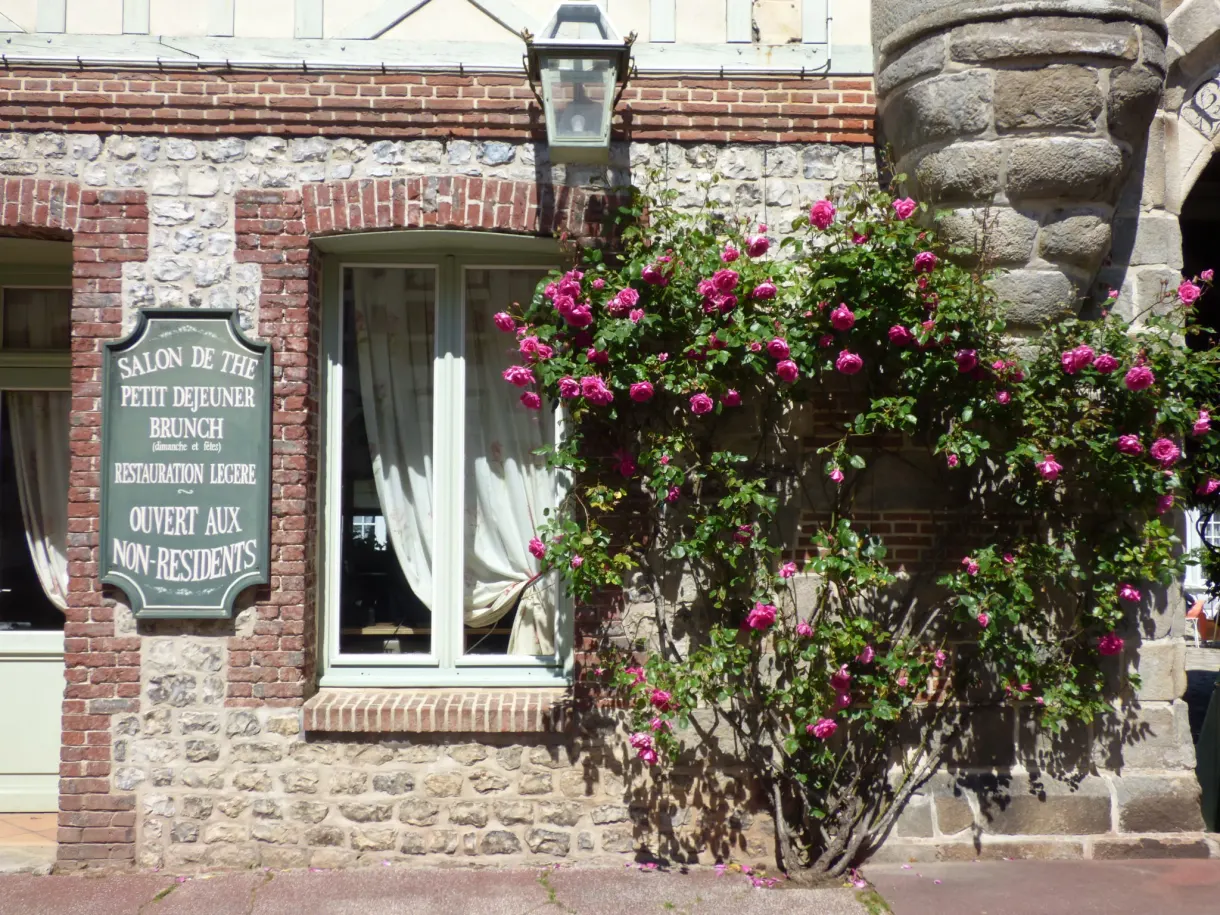
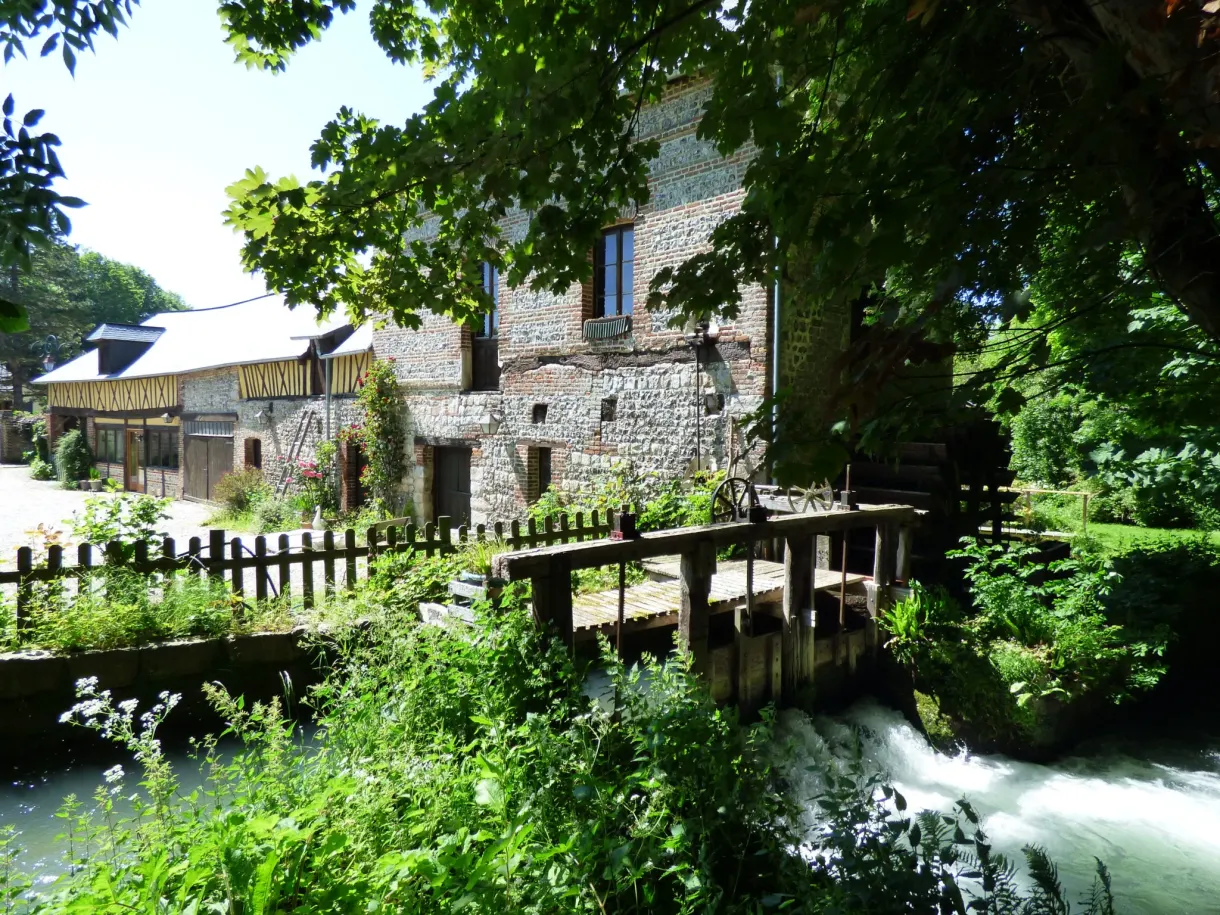
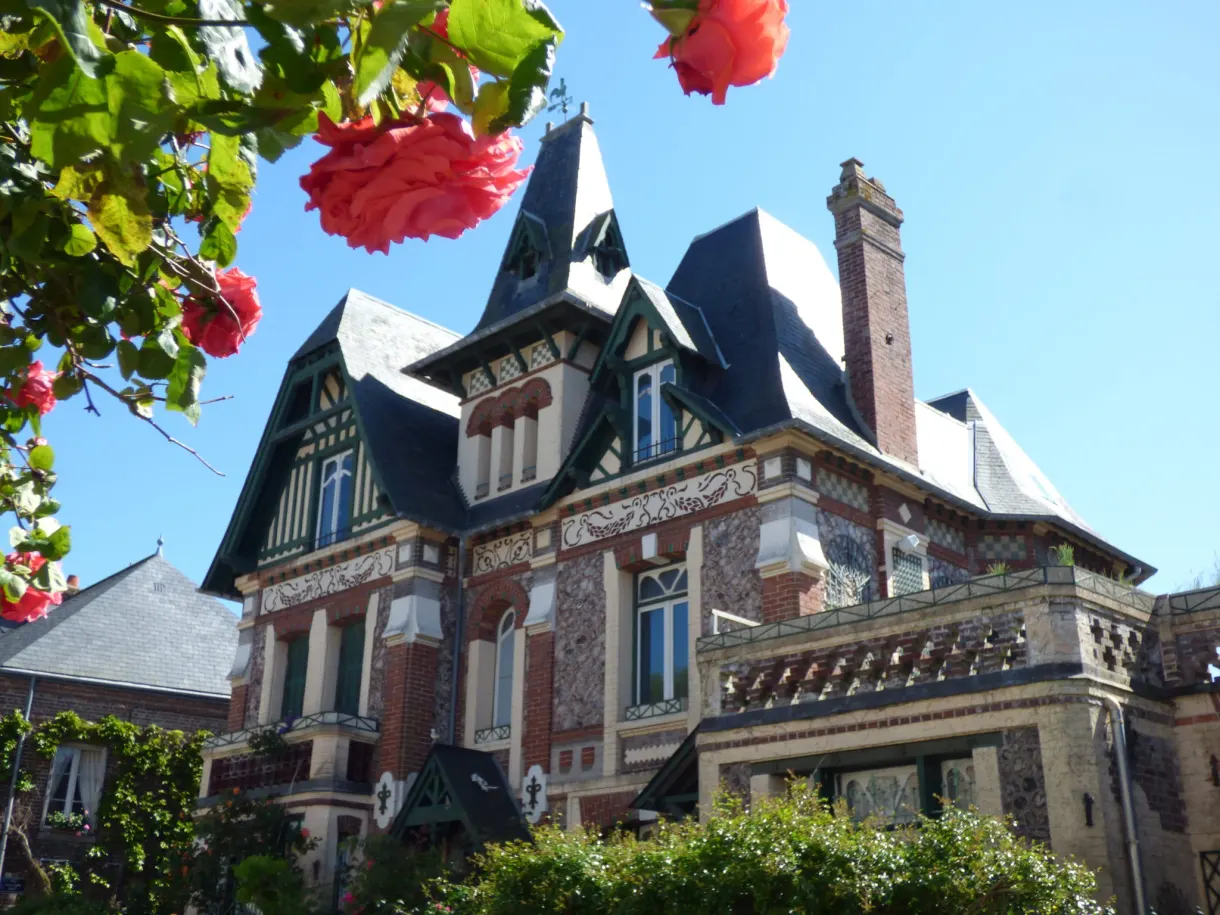
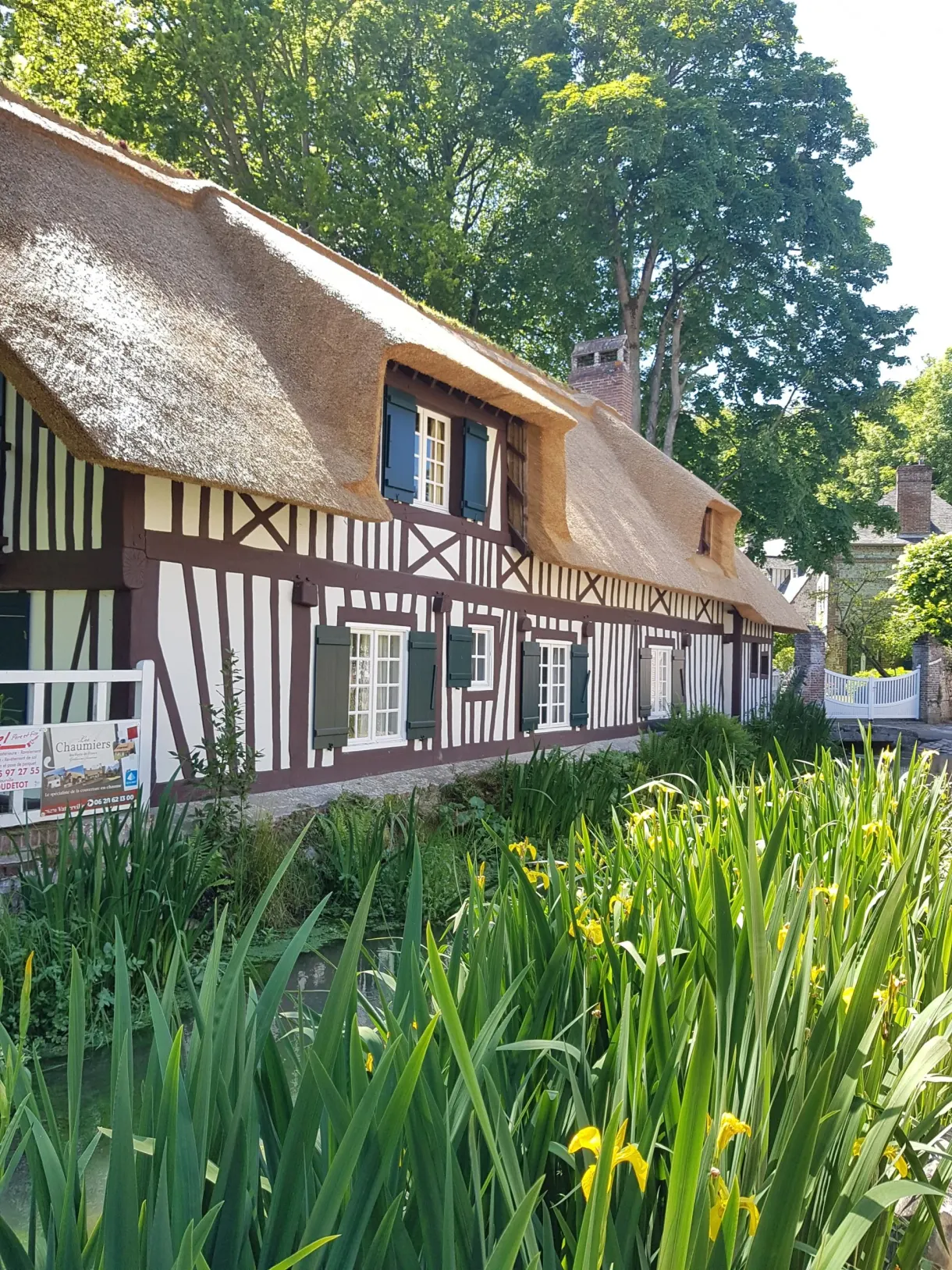
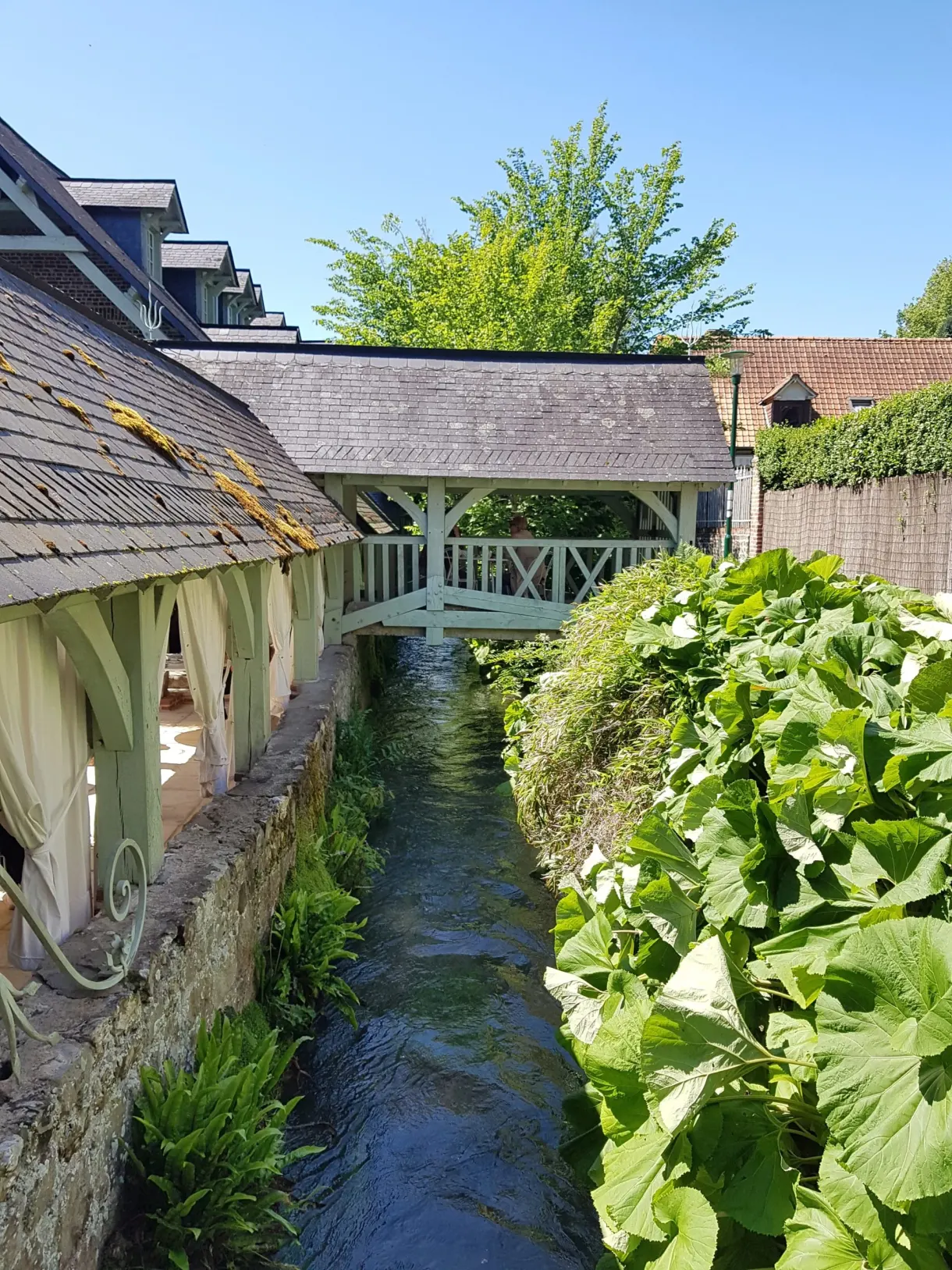
Veules-les-Roses is a little gem nestled in a valleuse on the Alabaster Coast! This town has everything going for it with its half-timbered and brick houses, its seafront, its watercress beds and its river (the smallest in France!). You’ll find here the circuit that lets you discover all the village’s points of interest. Even if Veules-les-Roses is fairly small, you can easily spend half a day there strolling about and walking by the water. An unmissable stop in the region!
Sainte-Marguerite-sur-mer
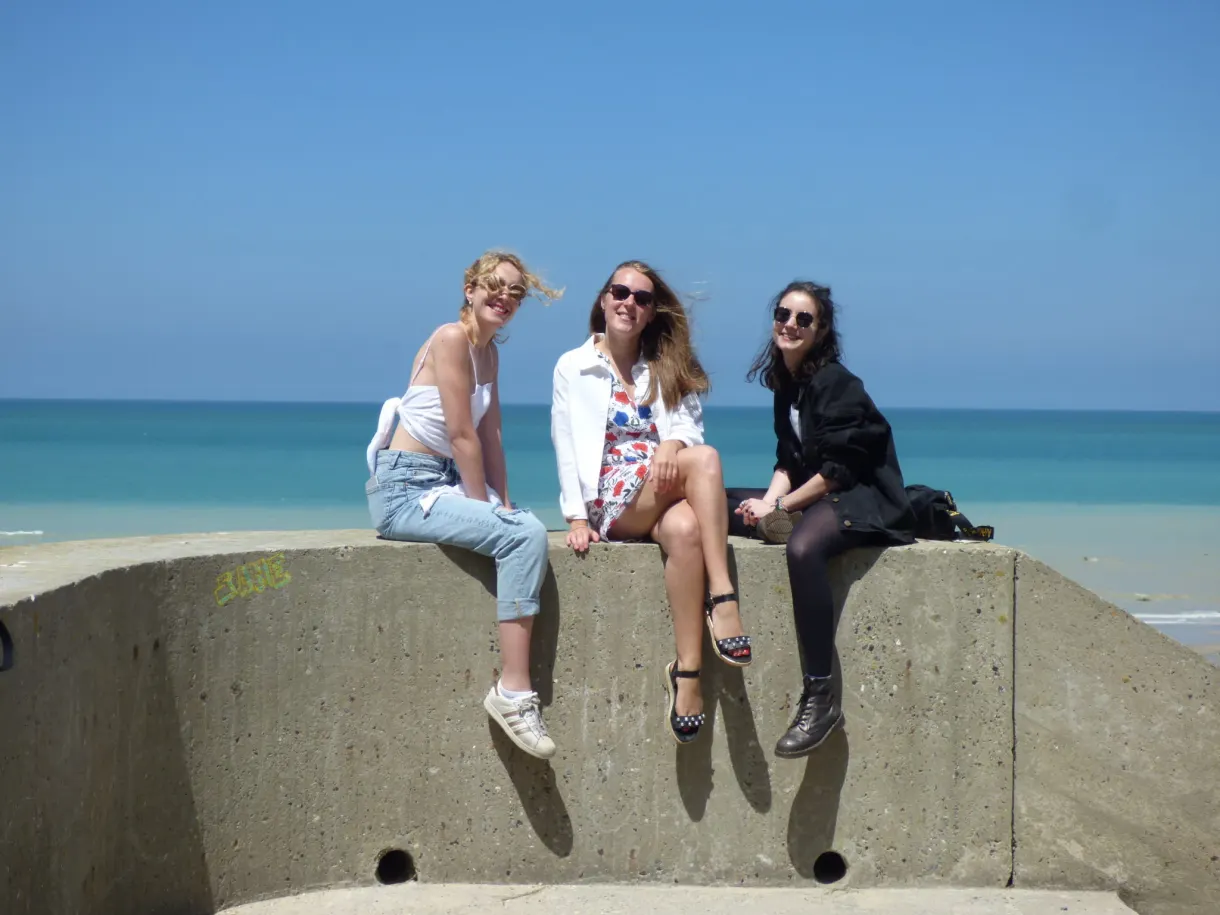
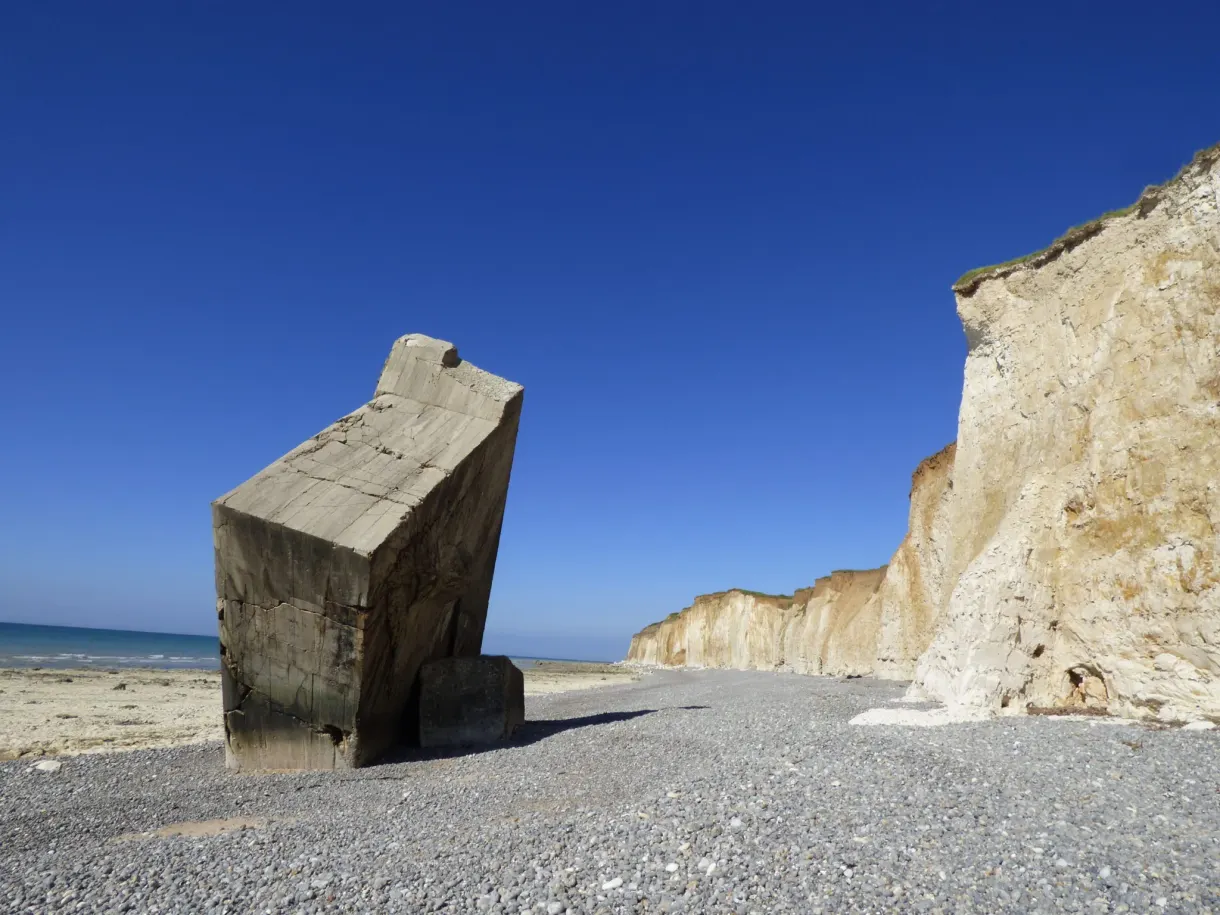
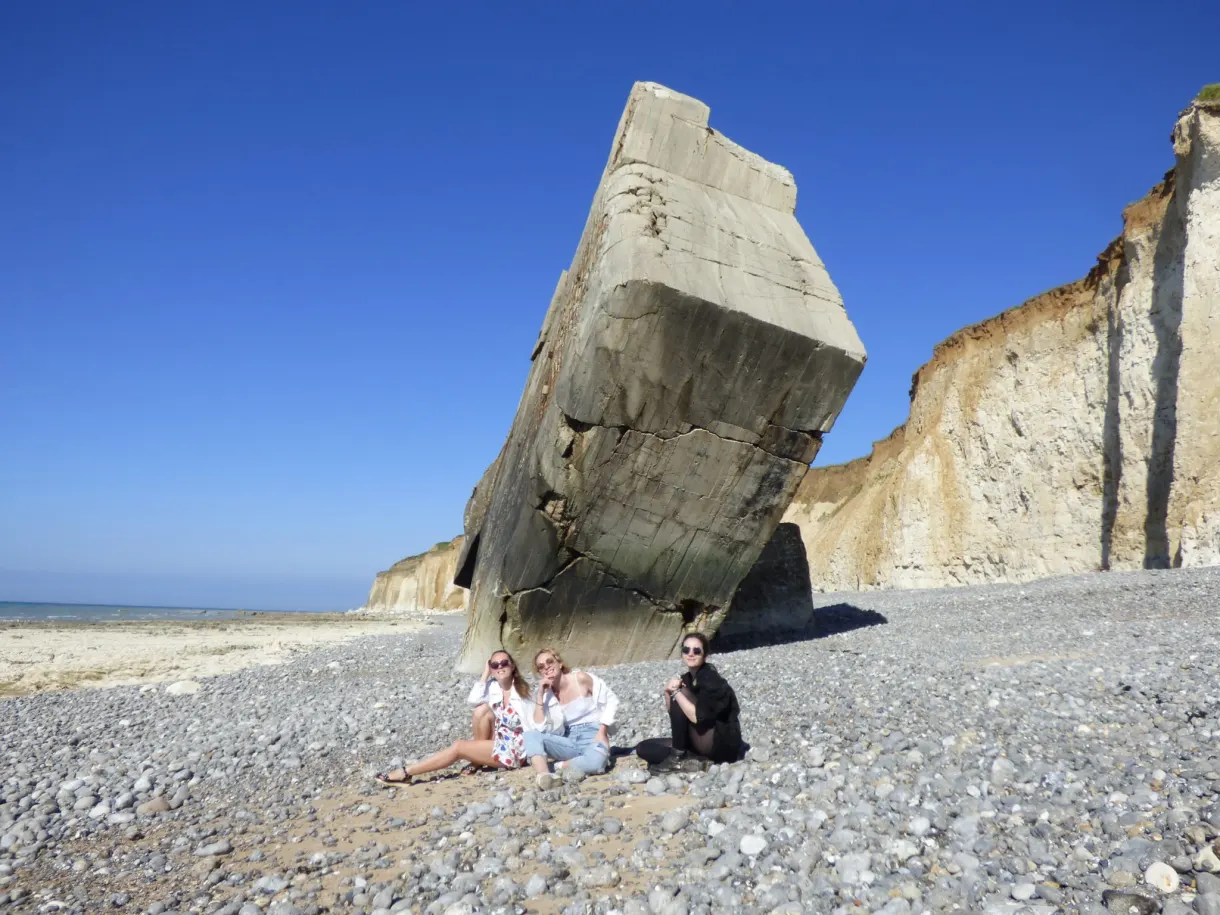
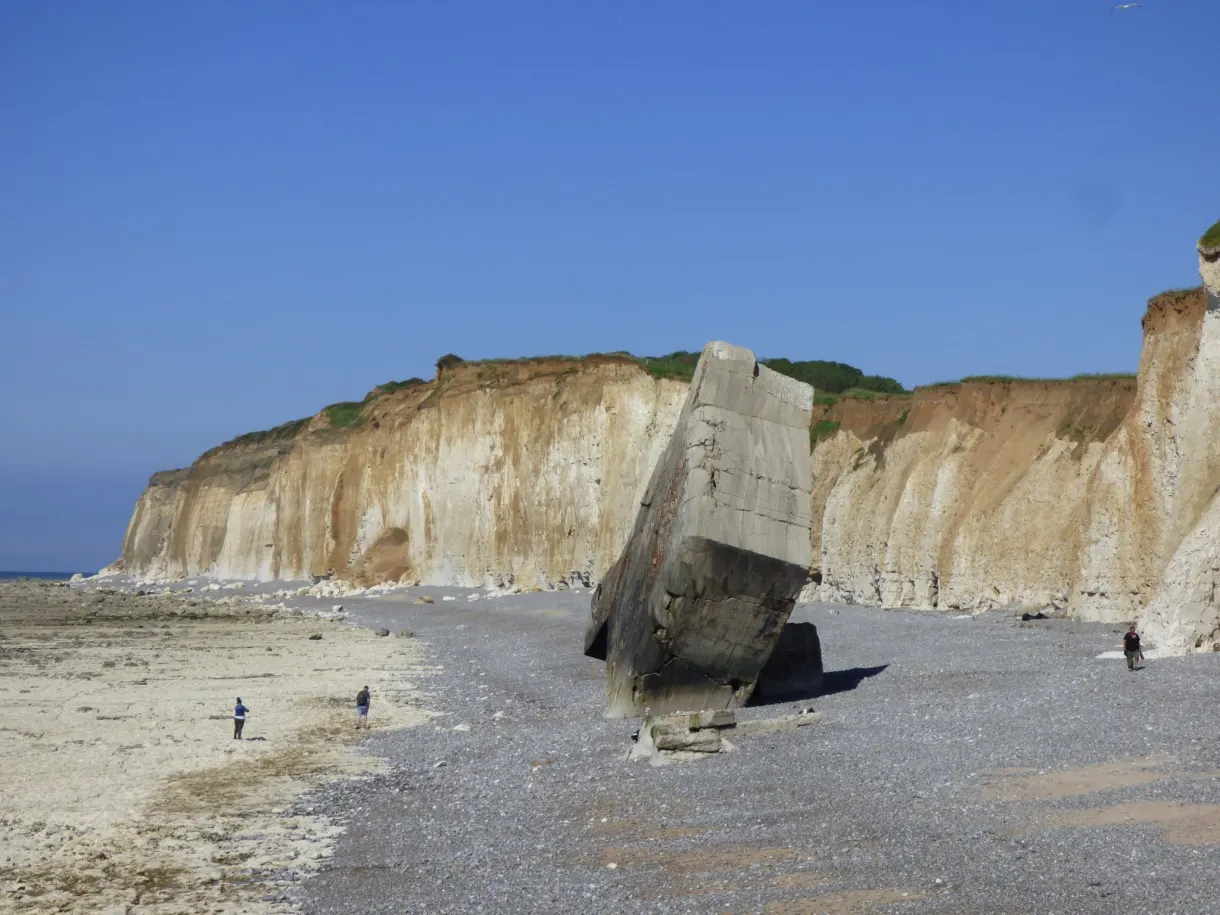
We went to Sainte-Marguerite-sur-mer for its beach and above all for one of the curiosities of the area: an impressive bunker overturned on the pebbles. A relic of the Second World War standing vertically on the beach, which has become a real photo spot!
Varangeville-sur-mer
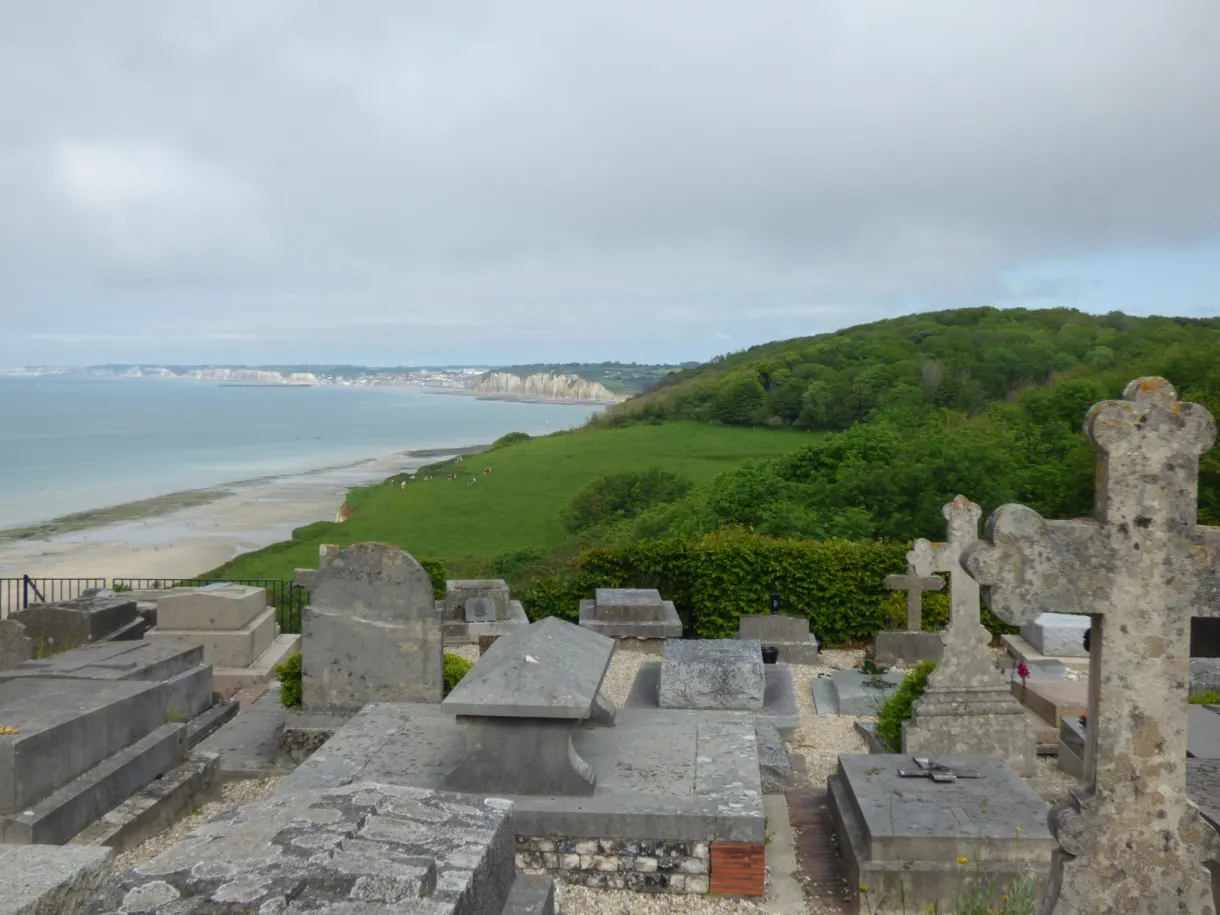
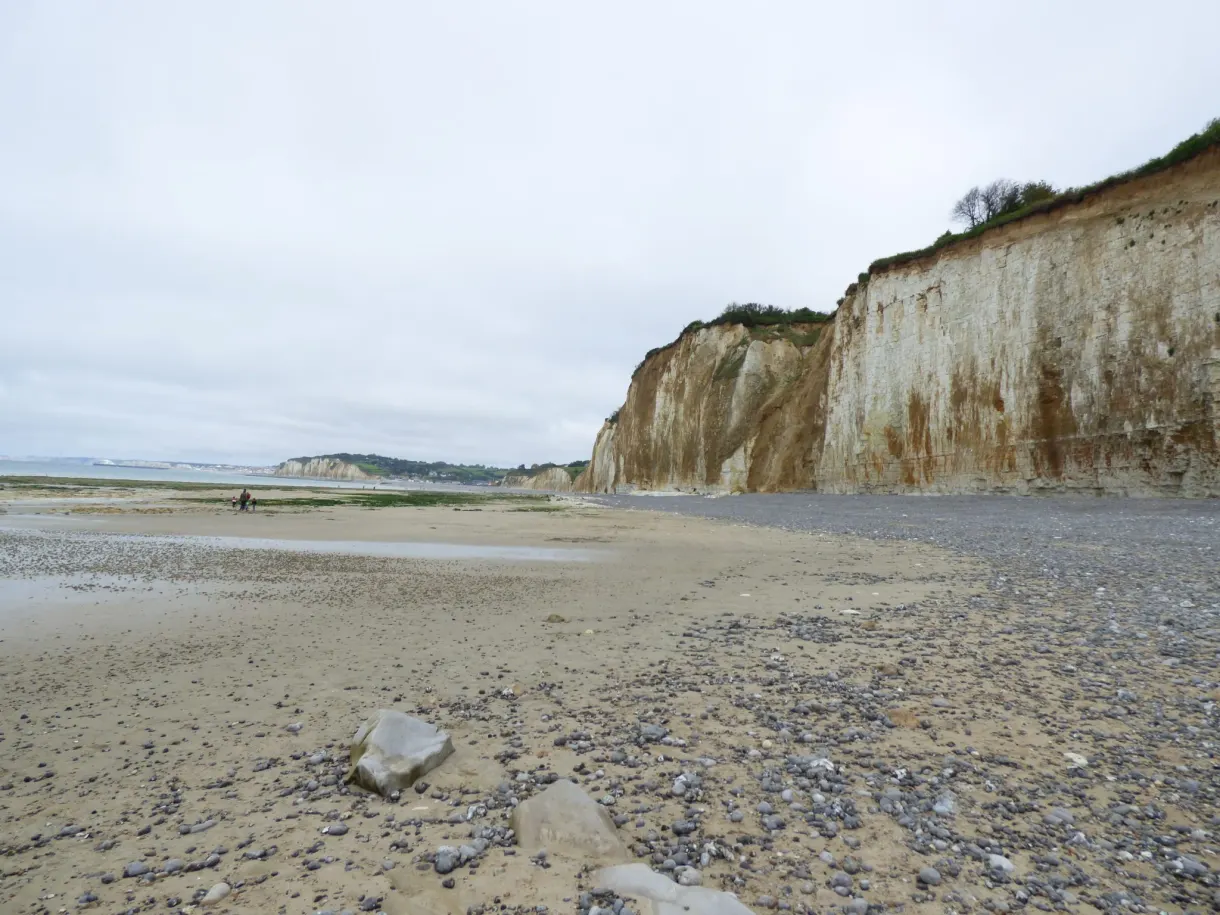
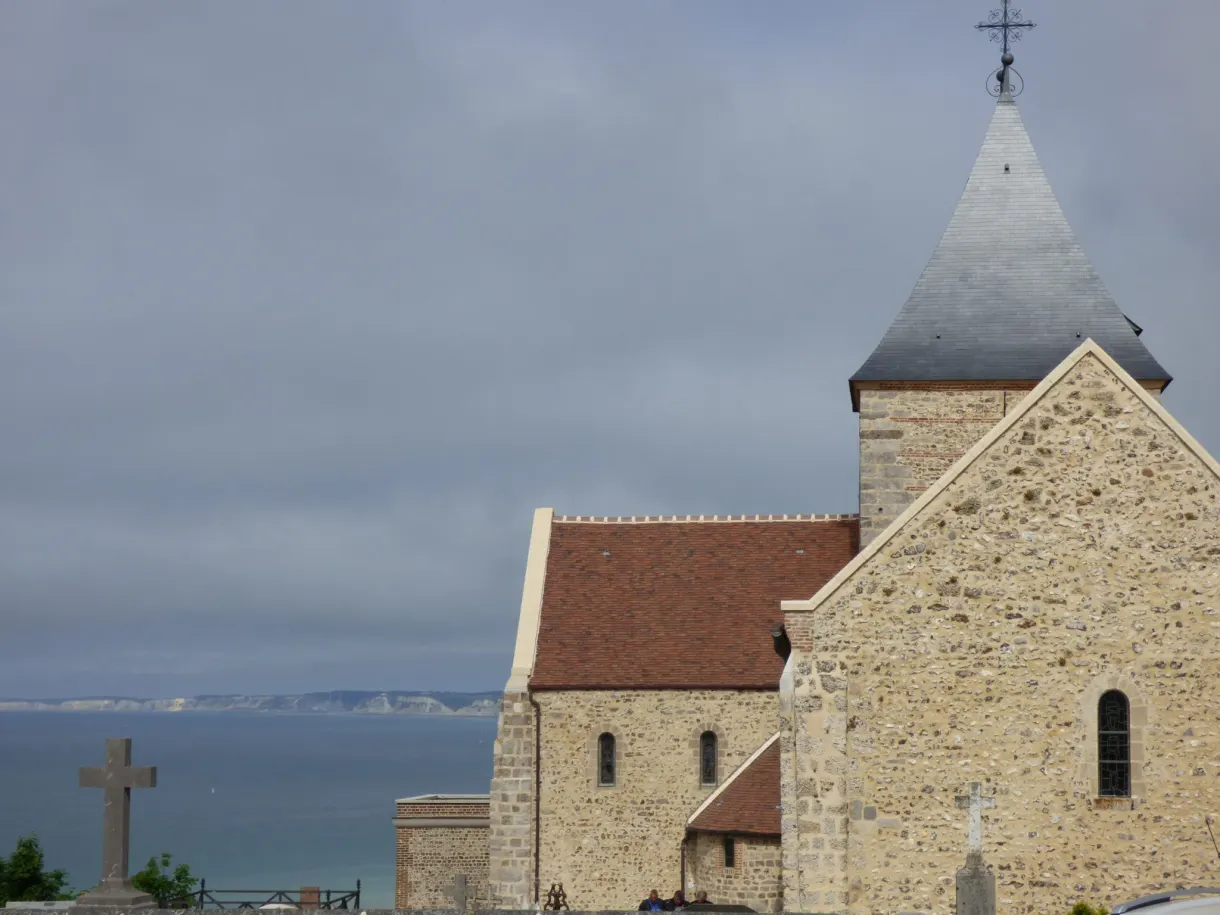
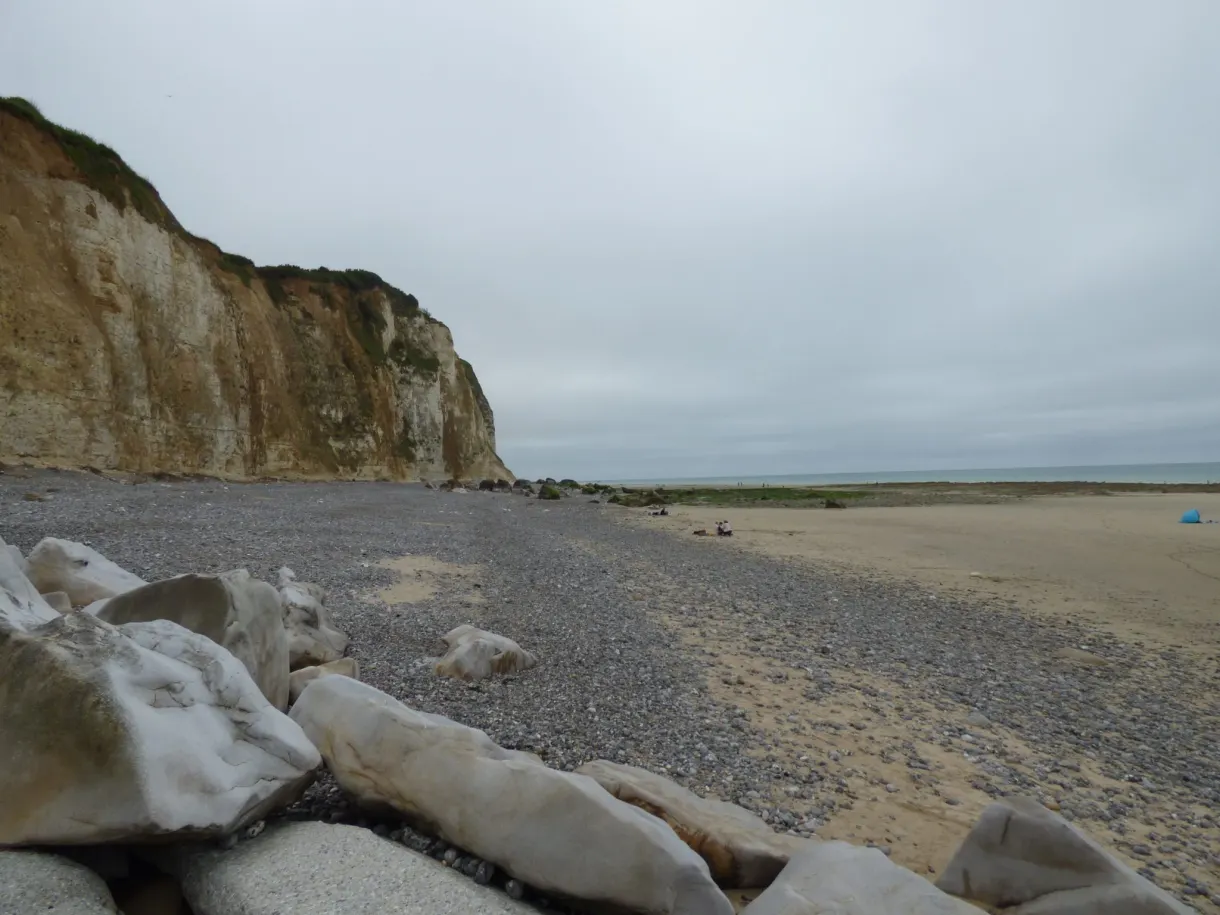
To round off the weekend, we chose to discover Varangeville-sur-mer, a very spread out commune on the coast. We didn’t have time to see everything because the town holds many points of interest and paths that run along the coastline. We stopped in front of the Saint-Valéry church, whose seaside cemetery offers a superb view over the cliffs. Setting off back to Paris, we walked on the Petit Ailly beach, one of Varangeville’s many beaches, tucked at the bottom of a valley.
Our accommodation on the Alabaster Coast
In 2020, we had booked our accommodation on Airbnb, right in the heart of the village of Yport, a few steps from the food shops and the beach. For 212€ for the 2 nights for 4 of us (53€ each), we stayed in a big apartment with a terrace and two lovely bedrooms upstairs: we highly recommend this place for a weekend in the region!
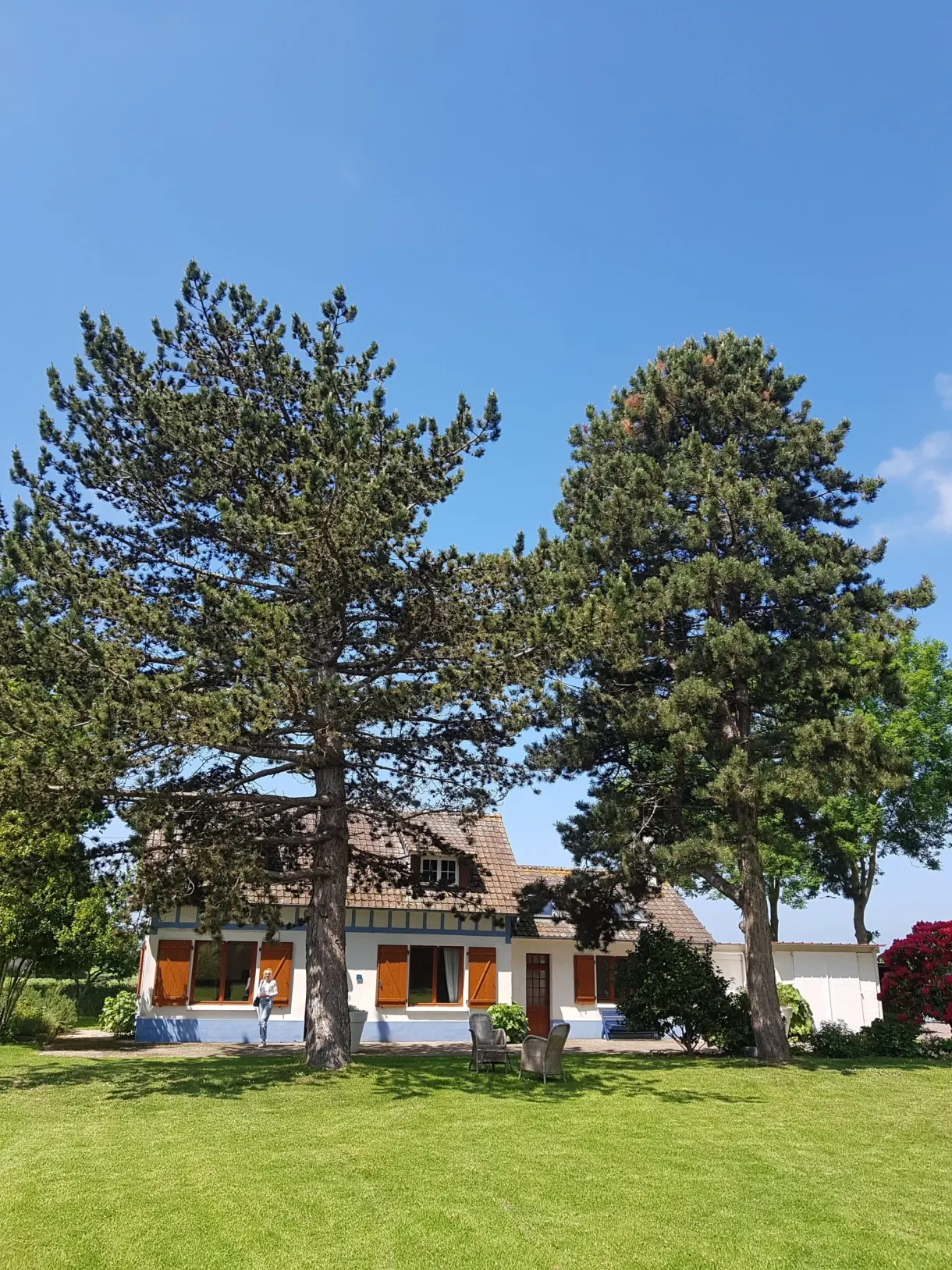
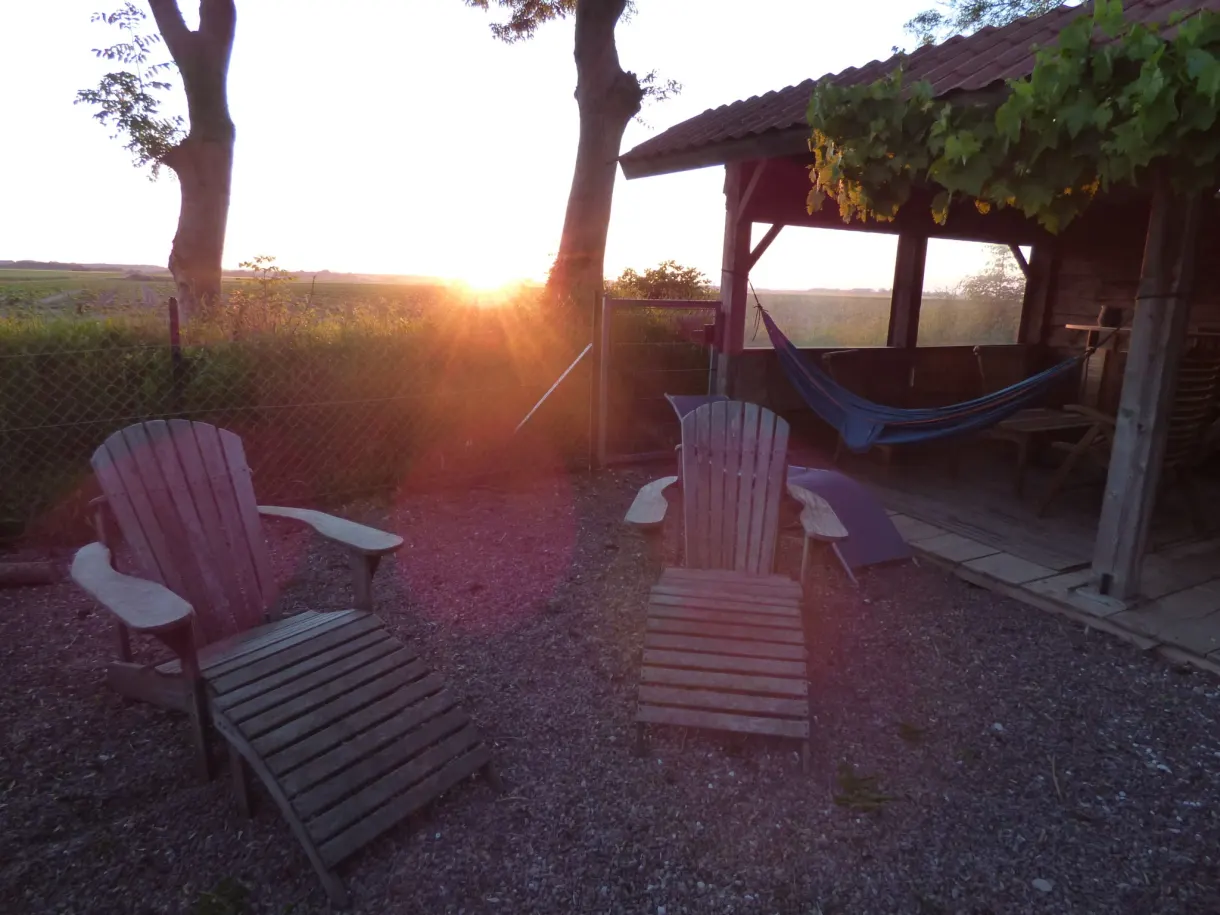
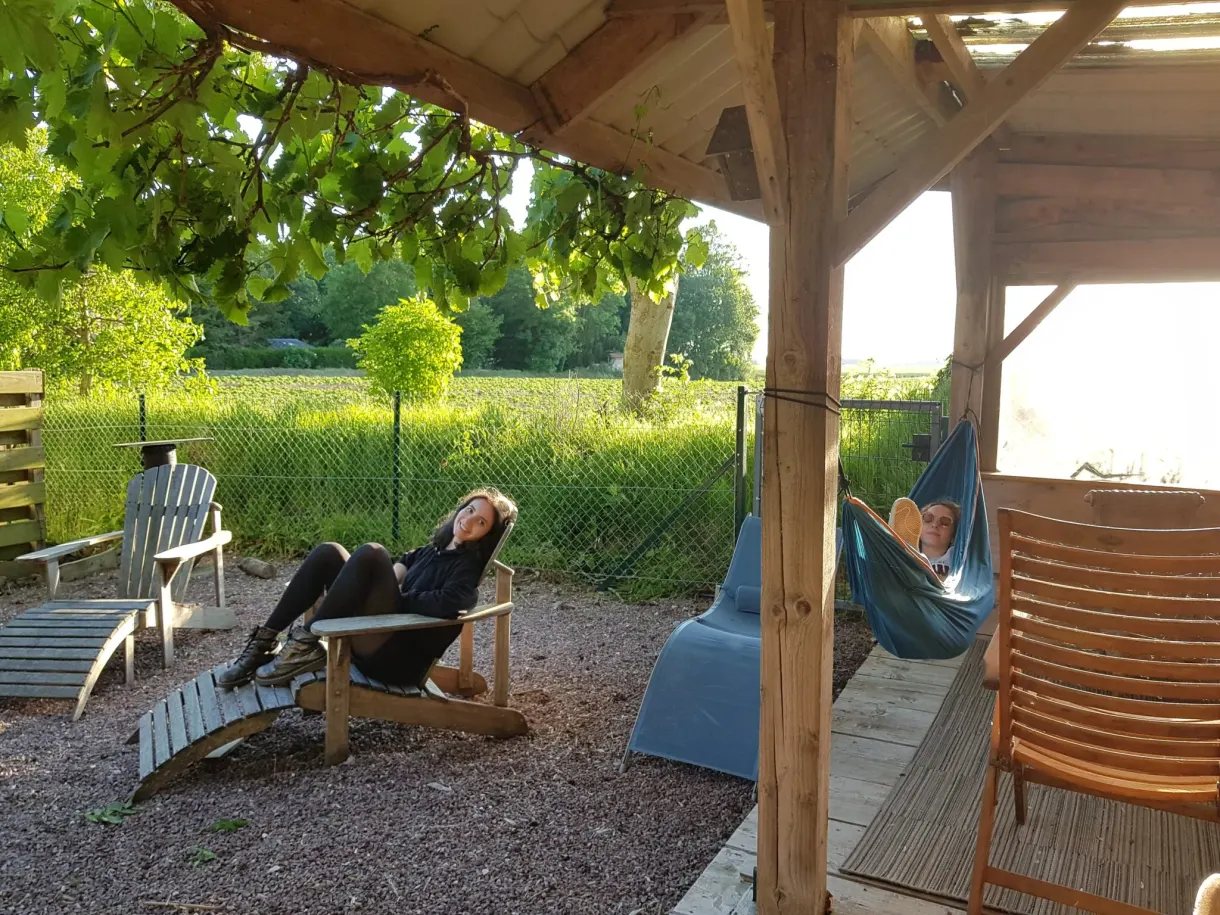
In 2021, we rented a charming gîte on Airbnb, out in the countryside at Le Bourg-Dun, about ten minutes from the sea and from Veules-les-Roses, for 230€ for the 2 nights for 3 of us (76€ each). We completely fell for this big cosy house and its huge tree filled garden. We warmly recommend this place!
Our favourite place to eat in Etretat
- Lann-Bihoué: an excellent crêperie with very reasonable prices for a town as touristy as Etretat. Remember to book because the place is very popular!
What we thought of the Alabaster Coast
Only two and a half hours from Paris, the Alabaster Coast is a perfect weekend destination! We loved our two short Normandy stays, because they let us recharge and get some fresh air. If you only have two days like us, the Etretat, Yport, Fécamp trio seemed to us an excellent combination for discovering this part of Normandy.
For a first stay in the region, we therefore recommend spending a whole day in Etretat, the region’s must-see, and devoting a second day to exploring the surroundings: a change of scene guaranteed! For a second visit, discovering Veules-les-Roses and the coast is an excellent option.
Need ideas for your weekends and holidays in France? Read our articles about our beautiful country!
4 comments
Thank you for your comment! Marie & Romain
Lina12 November 2020
Encore un chouette article et de très bons souvenirs ! Ravie d’avoir fait partie de cette aventure 😉
Marie13 November 2020
Etretat était une première pour toi en plus ! On repartira en 2021 🤞
Reply
Maureen18 August 2021
Gros coup de cœur pour Veule-les-Roses et ses alentours… Merci pour tous ces souvenirs, hâte de planifier notre prochaine escapade ! 😘
Marie18 August 2021
Prête pour une troisième escapade normande ? Encore trop de coins à voir ! 🥰
Reply